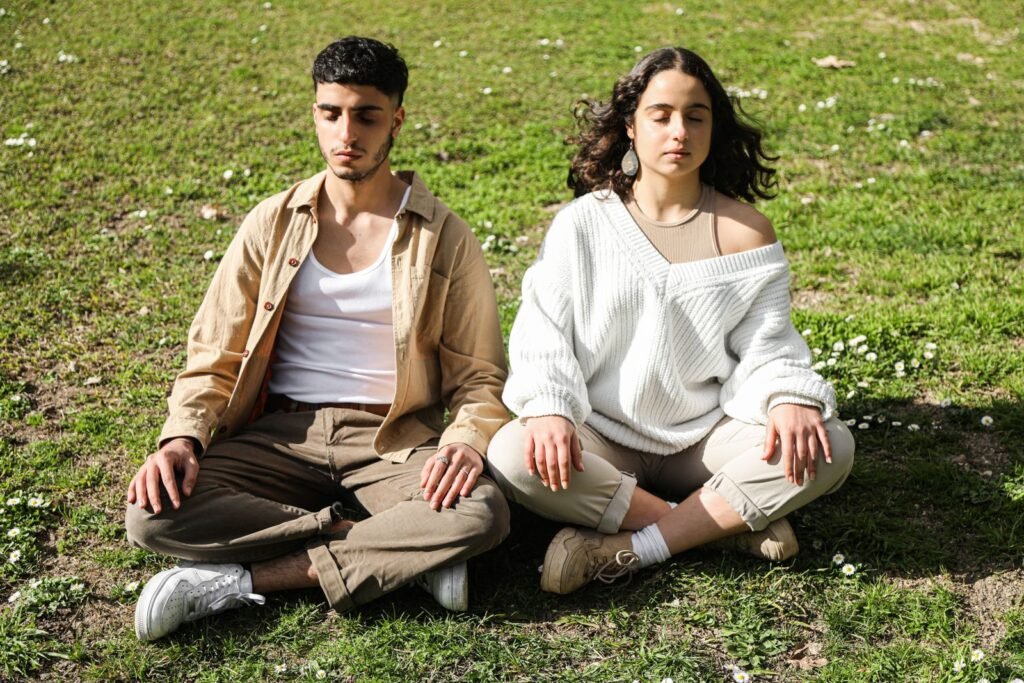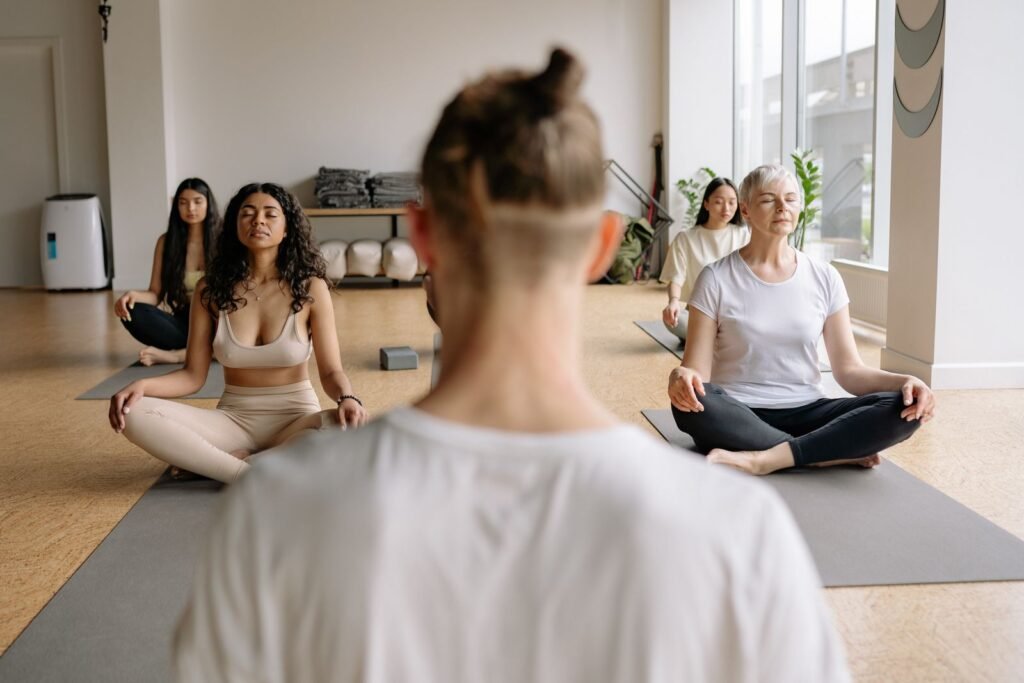
Bhramari pranayama, commonly called humming bee breath, is a calming breathing technique where you inhale deeply through the nose and exhale while making a low humming sound, with your fingers gently closing off your ears and eyes. The name comes from the Sanskrit word “bhramari,” meaning black bee, because the sound of the exhale resembles a bee’s steady hum. Practiced for just 5 to 10 minutes, bhramari yoga is widely used to quiet a racing mind, ease tension before sleep, and settle nerves before a stressful event. It requires no equipment, no experience, and works for almost every fitness level, making it one of the most accessible pranayama techniques taught today.
What Is Bhramari Pranayama?
Bhramari pranayama is one of the classical breathing practices described in traditional hatha yoga texts, grouped alongside techniques like kapalbhati and anulom vilom as part of the broader pranayama system. Unlike vigorous breathing exercises that energize the body, bhramari is a cooling, downshifting practice. The defining feature is the humming vibration produced during the exhale, created by keeping the mouth closed and letting the sound resonate through the throat, sinuses, and skull. This internal vibration is the entire point of the exercise: it is believed to draw attention inward, away from external stimulation, which is why bhramari yoga is so often recommended as a bridge between an active day and stillness practices like meditation.
Where Does the Name Bhramari Come From?
The word “bhramari” is derived from “bhramar,” the Sanskrit and Hindi term for a large black bee. Ancient yoga texts describe the sound of the exhale as mimicking the low, continuous buzz of a bee, which is why the technique is almost universally translated into English as “bee breath” or “humming bee breath.” This naming convention is common across pranayama types, many of which are named after the animal, object, or sensation the breath pattern is meant to evoke.
How Do You Do Bhramari Pranayama? (Step-by-Step)
Learning bhramari yoga steps correctly matters more than doing them quickly. Follow this sequence for a traditional, safe practice:
- Sit comfortably. Choose a quiet space and sit in a cross-legged position such as sukhasana or on a chair with your spine upright. Rest your hands on your knees to start.
- Close your eyes and relax your face. Soften your jaw, forehead, and shoulders. Take two or three natural breaths to settle in.
- Bring your hands to your face. Use your index or middle fingers to gently close your ears (either by pressing the small flap of cartilage called the tragus, or plugging the ear canal lightly), your thumbs can rest near the ears too. Some styles also have you rest the remaining fingers lightly over closed eyelids.
- Inhale slowly through the nose. Take a full, smooth inhale, filling the lower belly and ribs without straining.
- Exhale with a humming sound. Keep your lips gently closed and let a steady “mmmm” hum vibrate out through your nose and mouth as you exhale completely. Keep the pitch even, not forced.
- Repeat for 5 to 10 rounds. Beginners often start with 5 rounds, then rest with normal breathing before opening the eyes.
This is the standard answer to “bhramari yoga kaise kare,” and it can be practiced on an empty stomach, ideally in the morning or before bed.
What Are the Benefits of Bhramari Pranayama?
The benefits of bhramari yoga span both the nervous system and specific ENT-related complaints, which is part of why it appears so often in both wellness and clinical contexts.
- Reduces stress and anxiety. The extended, humming exhale activates the parasympathetic nervous system, the body’s “rest and digest” mode, which can lower heart rate and ease the physical sensations of anxiety.
- Supports better sleep. Because it calms the nervous system before bed, many practitioners use bhramari as part of a wind-down routine alongside other yoga for sleep practices.
- May help lower blood pressure. Slow, extended exhalations are consistently associated with reduced blood pressure and heart rate in breathing research, and bhramari’s long humming exhale fits this pattern.
- Eases tension headaches and migraine-related stress. The vibration and slowed breathing can reduce the muscular tension in the jaw, neck, and scalp that often accompanies headaches.
- Improves focus and mental clarity. By quieting external sensory input (closed eyes, blocked ears), the practice creates a brief sensory withdrawal called pratyahara, which many practitioners find sharpens concentration afterward.
- May support vocal cord and throat health. Some yoga teachers recommend bhramari for singers and public speakers as a way to warm up and relax the throat muscles.
These are the answers most commonly searched as “bhramari yoga ke fayde” (the benefits of bhramari yoga), and while individual results vary, the calming effect on breathing rate and heart rate is the most consistently reported outcome.
What Does Research Say About Bhramari Pranayama?
Bhramari pranayama has drawn genuine scientific interest, particularly around stress, sleep, and cortisol. Peer-reviewed studies have examined its effect on stress, anxiety, depression, and sleep quality in specific populations, including a published trial on home-isolated COVID-19 patients that reported improvements in self-reported stress and sleep quality after a structured bhramari intervention. Other published research has looked at bhramari’s relationship to serum cortisol levels in people with insomnia, and reviews in Ayurveda and physiology journals have summarized its potential role in nervous system regulation. It’s worth noting that many of these are small studies, so the evidence should be read as promising and directional rather than definitive. As with most yogic breathing practices, the most well-supported mechanism is the general calming effect of slow, extended exhalation on the autonomic nervous system, rather than any single miracle effect specific to the humming sound alone.
What Is the Bhramari Yoga Pose Called Shanmukhi Mudra?
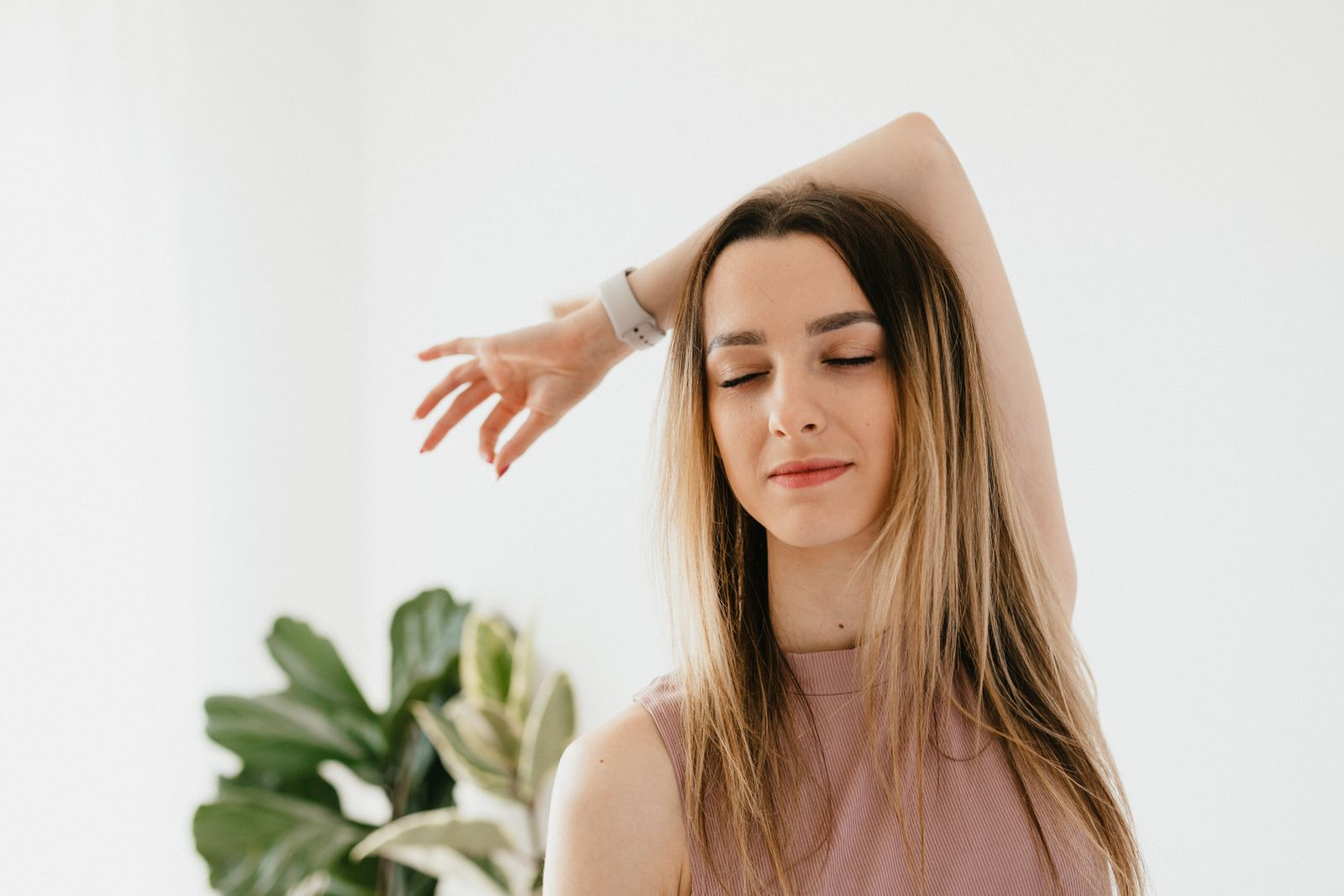
Many teachers pair bhramari pranayama with a hand position known as shanmukhi mudra, sometimes called shanmukhi mudra or “closing the six gates,” which involves covering the eyes, ears, and nostrils in a specific sequence using the thumbs, index, middle, ring, and little fingers. This is often what people mean when they search “bhramari yoga pose,” even though bhramari is technically a breathing exercise rather than a physical asana. The mudra deepens the sensory-withdrawal effect of the practice by blocking sight, sound, and partially the sense of smell, making the internal hum the only point of focus. Beginners can skip the full mudra and simply close the ears with their fingers and keep the eyes gently shut, which delivers most of the calming benefit without the added coordination.
How Is Bhramari Different From Other Pranayama Techniques?
Understanding how bhramari fits alongside other breathing exercises helps clarify when to use it. Kapalbhati is a fast, forceful exhale technique meant to energize and detoxify, the opposite pace of bhramari’s slow hum. Anulom vilom (alternate nostril breathing) balances the breath between both nostrils and is used for general balance and focus, without any sound component. Ujjayi breath uses a soft throat constriction to create an audible “ocean” sound during both inhale and exhale, often used to pace movement in vinyasa yoga. Bhramari is unique in that the humming vibration itself, not just the breath control, is considered central to its calming effect, which is why it’s grouped with cooling pranayamas like sheetali and sheetkari rather than heating or energizing ones.
When Is the Best Time to Practice Bhramari Pranayama?
Bhramari can be practiced at almost any time of day, but two windows are most commonly recommended. Early morning, on an empty stomach, is considered ideal because the mind is naturally quieter and the practice can set a calm tone before the day’s demands begin. The second common window is in the evening, roughly 30 to 60 minutes before bed, where it’s used to lower physical arousal and prepare the body for sleep. It’s generally advised to avoid practicing right after a heavy meal, since the seated position and controlled breathing are easier on an empty or lightly full stomach. Sessions of 5 to 10 rounds, roughly 5 to 10 minutes total, are typically enough for most practitioners; longer isn’t necessarily better with this technique.
Who Should Avoid Bhramari Pranayama?
While bhramari yoga is gentle compared to many pranayama practices, a few groups should be cautious or check with a doctor first. People with an active ear infection, recent ear surgery, or a ruptured eardrum should avoid pressing on the ears until fully healed. Those with very high blood pressure, severe anxiety disorders, epilepsy, or vertigo conditions should practice under the guidance of a qualified teacher rather than self-taught from a video. Pregnant practitioners can generally continue the breath itself but should sit in a supported, comfortable position and avoid straining the exhale. As with any new practice, if you feel dizzy, lightheaded, or unusually anxious during bhramari, stop, breathe normally, and consult a healthcare provider before continuing.
How Many Rounds or Minutes of Bhramari Should You Practice?
For beginners, 5 rounds of bhramari pranayama, taking roughly 3 to 5 minutes total, is a reasonable starting point. As comfort with the breath grows, this can be extended to 10 to 15 rounds, typically 8 to 10 minutes, without needing to rush the pace. Some advanced practitioners and teachers extend sessions to 15 to 20 minutes as part of a longer meditation practice, using the hum as a way to settle into stillness before silent sitting. There is no strict rule that more rounds produce proportionally more benefit; consistency across days matters more than length within a single session.
Can Beginners Learn Bhramari Yoga From a Video?
Many people searching “bhramari yoga video” want a visual reference for hand placement and breath pacing, and video guidance can be genuinely useful for a technique built around sound and subtle finger positioning that’s harder to describe in text alone. That said, a video can’t tell you whether your specific health history makes bhramari safe, or correct posture and breath-holding habits in real time. This is exactly the gap that structured, instructor-led classes are designed to close, especially for anyone managing anxiety, blood pressure concerns, or an ear condition who needs a modified approach rather than a one-size-fits-all demonstration.
How Does Bhramari Pranayama Fit Into a Daily Yoga Routine?
Bhramari works well as a closing or transitional practice rather than a warm-up. Many sequences place it at the end of an asana practice, right before seated meditation, since its calming effect is strongest when the body is already a little tired from movement. It also pairs naturally with restorative sessions, such as after online yoga classes focused on gentle stretching, or as a standalone 5-minute reset during a stressful workday. For people building a broader pranayama for beginners routine, a common structure is a few rounds of energizing kapalbhati, followed by balancing anulom vilom, and finishing with bhramari to bring the nervous system down before ending the session.
Does Bhramari Pranayama Help With Specific Conditions Like Tinnitus or Migraines?
Bhramari is frequently recommended in Ayurvedic and integrative wellness contexts for tinnitus (ringing in the ears), tension headaches, and stress-related migraines, largely because the internal humming vibration and the ear-closing hand position bring direct sensory attention to the ear and head region. Some practitioners report that the vibration provides temporary relief from the perceived intensity of tinnitus, though it should be treated as a complementary practice alongside medical care rather than a replacement for it. For migraines and tension headaches linked to stress, the primary benefit likely comes from the general nervous-system-calming effect of slow, extended exhalation rather than anything unique to the humming sound, similar to the way many yoga for headaches sequences work by reducing overall muscular and nervous tension.
How Does Bhramari Compare to Other Calming Practices Like Yoga Nidra?
Both bhramari pranayama and yoga nidra aim to shift the body into a parasympathetic, rest-oriented state, but they work through different mechanisms. Yoga nidra is a guided, lying-down practice that moves attention systematically through the body over 20 to 45 minutes, while bhramari is an active, seated breathing technique that takes as little as 5 minutes and can be done almost anywhere, including at a desk. Many practitioners use bhramari as a quick reset during the day and reserve yoga nidra for deeper, longer relaxation sessions, such as before sleep or during a dedicated restorative yoga class.
Questions People Ask About Bhramari Pranayama
Is bhramari pranayama the same as humming bee breath?
Yes, bhramari pranayama and humming bee breath refer to the same practice. “Bhramari” is the Sanskrit name, derived from “bhramar” meaning black bee, while “humming bee breath” is simply the descriptive English translation used in most modern yoga classes and wellness content.
Can I do bhramari pranayama every day?
Yes, bhramari pranayama is generally considered safe for daily practice when done for the typical 5 to 10 minute duration recommended for most practitioners. Many people include it as part of a daily morning or evening routine. Those with ear conditions, uncontrolled high blood pressure, or other health concerns should check with a doctor first.
How long does it take to feel the benefits of bhramari yoga?
Many practitioners report feeling calmer immediately after just a few rounds, since the slowed exhale and humming vibration have a fairly quick effect on heart rate and nervous system arousal. Benefits like improved sleep quality or reduced day-to-day anxiety are more commonly reported after consistent practice over several weeks.
Do I need to cover my ears to practice bhramari pranayama?
Covering the ears is traditional and enhances the sensory-withdrawal effect that makes bhramari distinctive, but it isn’t strictly required. Beginners or anyone with ear sensitivity can practice the humming exhale with hands resting in the lap and still get much of the calming benefit from the breath and vibration alone.
What’s the difference between bhramari yoga benefits for anxiety versus sleep?
For anxiety, bhramari’s benefit comes largely from the immediate calming effect of a long, controlled exhale on heart rate and nervous system arousal, useful right before a stressful moment. For sleep, the same mechanism is used more as a wind-down ritual, typically practiced 30 to 60 minutes before bed to lower physical arousal ahead of rest.
Can children practice bhramari pranayama?
Children can generally practice a gentle version of bhramari under adult or teacher supervision, often enjoying the humming sound itself. Sessions should be shorter, around 2 to 3 rounds, and the ear-closing hand position should be light rather than firm, since children’s ear canals and eardrums are more sensitive.
Try This for Yourself
Reading about bhramari pranayama is a useful start, but the calming effect is something you feel, not just something you understand. If you’d like personalized guidance on hand placement, breath pacing, and how to build bhramari into a complete practice, join a live, instructor-led session at FitStrot’s online yoga classes, where a certified teacher can guide your breathing safely in real time.
Related reading: yoga mudra, kapalbhati, anulom vilom, breathing exercises, and explore FitStrot’s online yoga classes to practice pranayama with expert guidance.