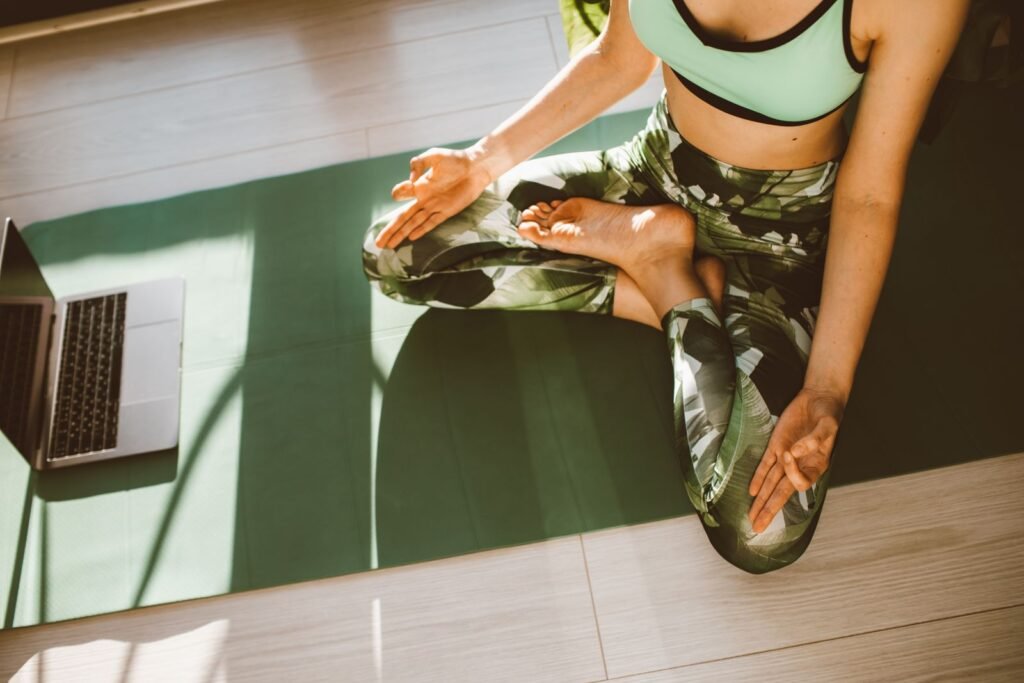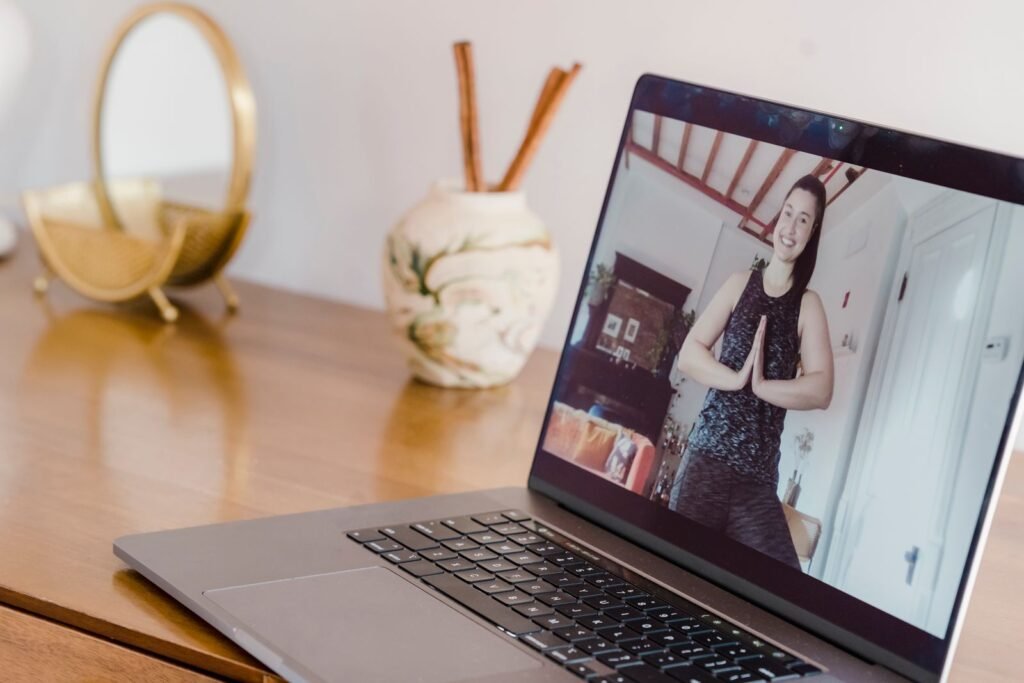
Prenatal yoga classes online let you practice pregnancy-safe yoga from your living room, on your own schedule, guided by an instructor trained in trimester-specific modifications. A good online prenatal yoga program combines gentle breathwork, pelvic floor awareness, hip-opening stretches, and relaxation techniques adapted for each trimester, so you can safely build strength and calm without driving to a studio or matching a fixed class time. For most healthy pregnancies, live or on-demand online prenatal yoga is a convenient, evidence-informed way to stay active, ease common aches, and prepare the body and mind for labor.
What Exactly Is Prenatal Yoga?
Prenatal yoga is a modified style of yoga designed specifically for pregnant women, adjusting traditional postures to accommodate a growing belly, shifting center of gravity, and pregnancy-related joint laxity. Unlike a general yoga style class, a prenatal session avoids deep twists, prone (belly-down) poses, and positions that compress the abdomen, replacing them with supported variations using bolsters, blocks, and walls. Classes typically blend gentle movement, breath control (pranayama), and relaxation, mirroring the structure you’d find in a hatha yoga or restorative yoga class, but with sequencing built entirely around pregnancy safety.
Why Choose Online Prenatal Yoga Over In-Studio Classes?
Online prenatal yoga removes several common barriers that keep expecting mothers from practicing consistently. There’s no commute during a trimester when fatigue and nausea can be unpredictable, no need to arrange parking or carry a mat across town, and no risk of missing class because of a last-minute doctor’s appointment. Many online yoga classes also let you replay a session if you didn’t fully absorb a modification the first time, which is especially useful when you’re learning new pelvic floor or breathing cues. If you’ve searched for online yoga classes near me hoping for a local instructor who also teaches virtually, most reputable prenatal teachers now offer a video option specifically because pregnant clients value the flexibility.
Is Prenatal Yoga Safe in Every Trimester?
Prenatal yoga is generally considered safe throughout pregnancy for people with low-risk, uncomplicated pregnancies, and general obstetric exercise guidance encourages staying active unless a doctor advises otherwise. That said, safety depends on modifying poses appropriately at each stage. First-trimester classes often focus on gentle grounding and breath awareness while avoiding overheating. Second-trimester sessions introduce more standing poses for strength and stability as balance starts to shift. Third-trimester classes lean heavily on supported, seated, and side-lying poses to avoid pressure on the abdomen and reduce strain as the baby drops lower. Always get personalized clearance from your OB-GYN or midwife before starting any new exercise routine, especially if you have a high-risk pregnancy, placenta previa, or a history of preterm labor.
What Poses Should You Avoid During Pregnancy?
Certain postures common in general vinyasa or power classes are typically removed or heavily modified in prenatal sequencing. A qualified prenatal instructor will automatically build a class around these exclusions, which is one reason generic online yoga videos aren’t a substitute for a true prenatal-specific program:
- Deep abdominal twists, which compress the belly and strain the midline connective tissue
- Full backbends, which overextend an already-loosened lower back and core
- Inversions like headstand or shoulder stand, particularly past the first trimester
- Lying flat on your back for extended periods after the first trimester, since this can compress the vena cava and reduce blood flow
- Hot yoga and bikram yoga style heated rooms, due to overheating risk
What Does a Typical Online Prenatal Yoga Class Look Like?
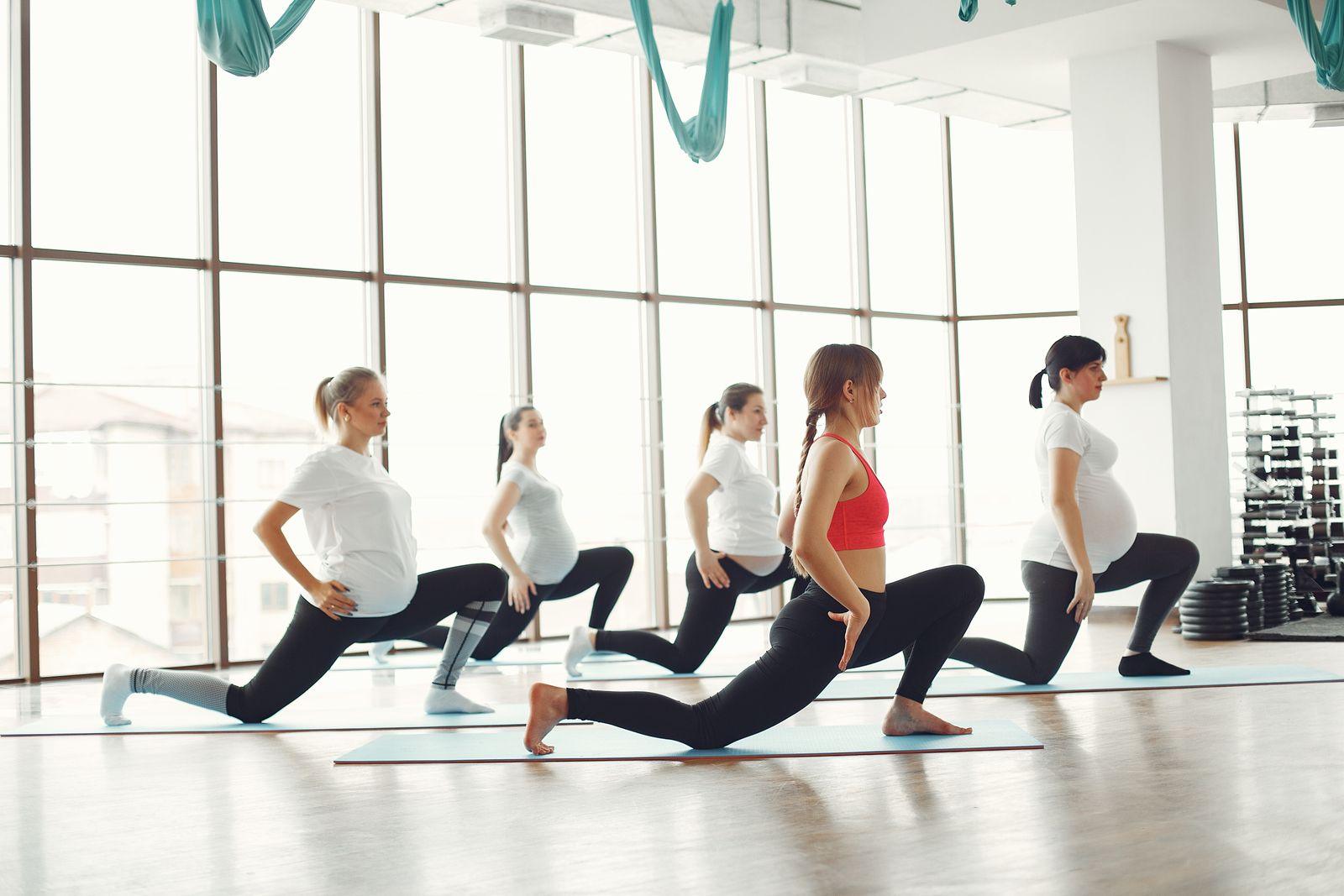
A standard 45- to 60-minute online prenatal class usually opens with a seated centering and breath check-in, moves into gentle joint mobilization for the wrists, ankles, and hips, and progresses through standing poses modified for balance, such as a supported warrior II or a wide-legged forward fold using a chair for support. Mid-class often includes hip-opening shapes like a supported pigeon pose variation or bound angle pose (cobbler’s pose) to ease pelvic tension, plus targeted work for the pelvic floor and deep core (transverse abdominis) rather than traditional crunches. Classes typically close with side-lying relaxation and a guided meditation or yoga nidra-style practice to lower cortisol and support better sleep.
What Equipment Do You Need at Home?
You don’t need a studio-grade setup to follow prenatal yoga classes online. A non-slip mat, one or two yoga blocks, a bolster or firm pillow, and a folded blanket cover most modifications. A sturdy chair is genuinely useful for balance poses once your center of gravity shifts. If you’re combining prenatal yoga with other home workout equipment, keep prenatal sessions separate from higher-impact training days, and prioritize a stable, non-carpeted floor with enough space to lie down fully on your side.
How Is Online Prenatal Yoga Different From a General Online Yoga Class?
The biggest difference is intent-driven sequencing. A general online class, even a gentle one like yin yoga or beginner hatha, isn’t built with pregnancy anatomy in mind and may include poses that need to be skipped or heavily adapted on the fly. Prenatal-specific classes remove the guesswork: every pose in the sequence has already been screened for pregnancy safety, cueing includes trimester-specific alternatives, and instructors are trained to watch for signs like dizziness, shortness of breath, or overheating that would prompt an early stop. If you’re comparing options, it’s worth checking whether an instructor holds a specific prenatal yoga teacher certification rather than just a general 200-hour yoga teacher training.
Can Prenatal Yoga Help With Labor Preparation?
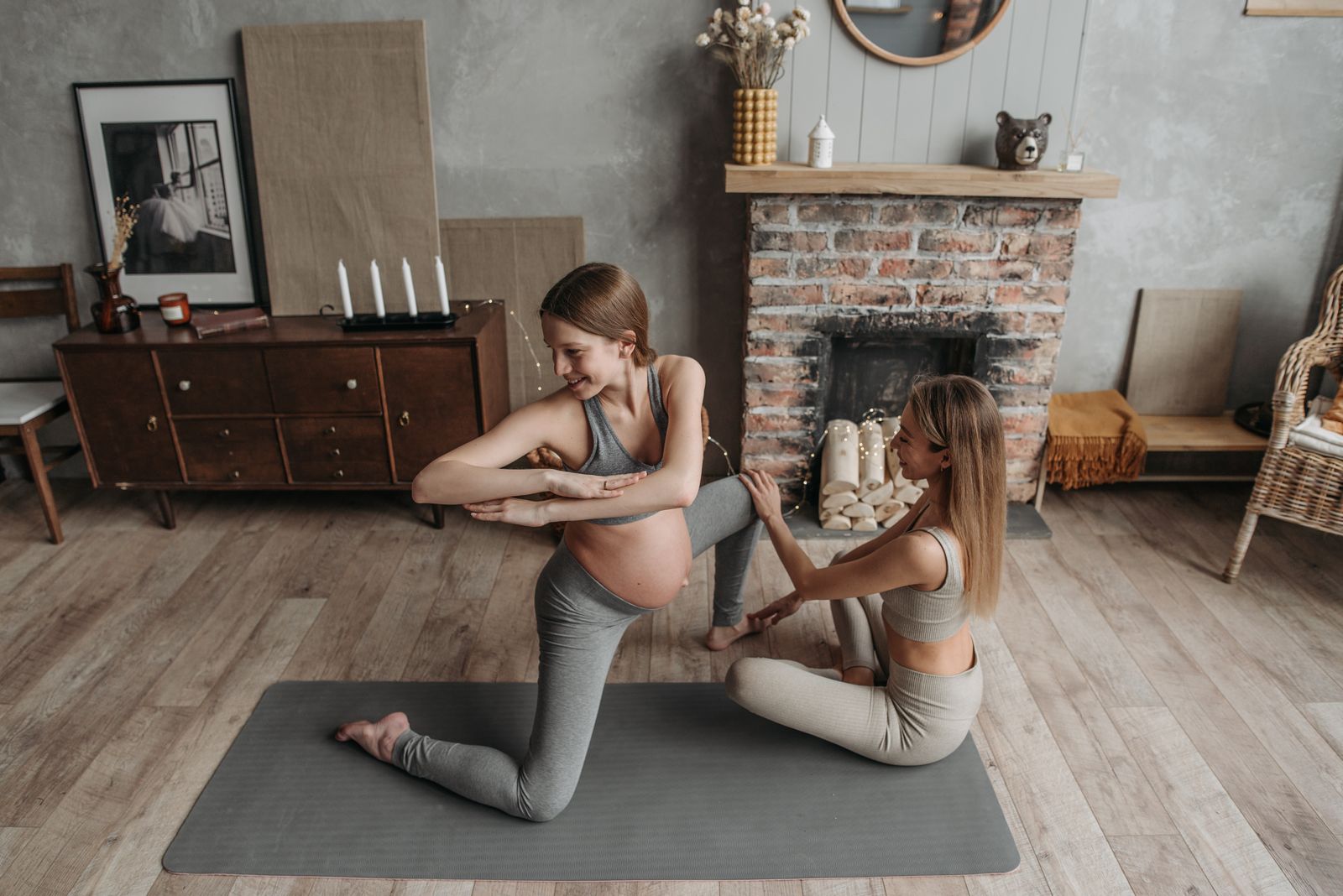
Many expecting mothers turn to prenatal yoga specifically to build labor-relevant skills: controlled breathing patterns that can help manage contraction intensity, hip mobility that may support optimal fetal positioning, and pelvic floor awareness that’s useful for both labor and postpartum recovery. Squatting variations and supported hip-opening poses are commonly included later in pregnancy for this reason. While yoga is not a guarantee of a shorter or easier labor, the breathing and relaxation techniques practiced in pranayama-focused prenatal sessions are widely used in birth preparation classes because they help build a calmer physiological response to intense sensation.
What Are the Mental and Emotional Benefits?
Pregnancy brings hormonal shifts that can heighten anxiety, disrupt sleep, and intensify stress responses. Research on prenatal yoga and mind-body practices during pregnancy suggests regular practice is associated with improved mood, better sleep quality, and reduced perceived stress for many participants, likely through the combination of parasympathetic-activating breathwork, gentle movement, and dedicated quiet time. Community matters too: many online prenatal yoga platforms include live group sessions or chat features that connect you with other expecting parents, which can meaningfully reduce the isolation some people feel during pregnancy, especially in the third trimester when energy for socializing outside the home is limited.
How Do You Choose the Right Online Prenatal Yoga Program?
Start by confirming the instructor has specific prenatal training, not just general yoga certification. Look for programs that let you filter by trimester, since a one-size-fits-all class won’t serve someone in week 8 the same way it serves someone in week 36. Check whether the platform offers live sessions (better for real-time form feedback and connection), on-demand video (better for flexible scheduling), or both. Many people compare this decision to choosing among yoga apps generally, but prenatal-specific filtering is the one non-negotiable feature worth prioritizing over production quality or price.
Live Classes or On-Demand Videos: Which Should You Pick?
Both formats have real advantages, and the right pick often depends on how predictable your energy and schedule are week to week:
| Format | Best for | Trade-off |
|---|---|---|
| Live classes | Real-time form correction and scheduled accountability, since an instructor can see and correct your form through video | A fixed time commitment that can clash with unpredictable pregnancy symptoms |
| On-demand videos | Flexibility around nausea, fatigue, or a sudden need to nap, plus the ability to repeat a favorite hip-opening or relaxation sequence anytime | No real-time feedback on your form or modifications |
Many expecting mothers use a hybrid approach: one or two live classes a week for accountability and coaching, supplemented by shorter on-demand sessions on the days energy is lower.
How Often Should You Practice Prenatal Yoga?
Two to three sessions per week of 30-60 minutes is a common cadence recommended by prenatal instructors, though this should flex with how you’re feeling day to day. On low-energy days, a 10-15 minute restorative sequence focused on breath and gentle stretching is far more valuable than skipping altogether, since consistency of gentle movement tends to matter more than session length. If you’re also doing other forms of movement, such as walking or swimming, prenatal yoga complements rather than replaces that activity, and can slot in on rest days as active recovery.
What Should You Tell Your Instructor Before Class?
Before your first online prenatal yoga session, let the instructor know your current trimester and due date, any pregnancy complications your care provider has flagged (such as high blood pressure, placenta previa, or a history of preterm labor), and any pre-existing injuries or joint issues. A responsible instructor will ask for this information anyway, but proactively sharing it in a live class’s chat or during a pre-class intake form helps them tailor real-time cueing to you specifically, rather than offering only generic modifications to the whole group.
Can You Practice Prenatal Yoga If You’re New to Yoga Entirely?
Yes. Prenatal yoga is one of the more approachable entry points into yoga precisely because classes are built for a wide range of bodies and fitness levels, not just experienced practitioners. Instructors typically offer multiple variations of each pose so a total beginner and someone who practiced vinyasa yoga for years before pregnancy can take the same class comfortably. If you’ve never set foot on a mat before, look for classes explicitly labeled “beginner-friendly” or “all levels,” and don’t hesitate to keep your camera on in a live class so the instructor can offer you individual cues.
Questions People Ask About Prenatal Yoga Classes Online
Is online prenatal yoga as effective as in-person classes?
For most healthy pregnancies, online prenatal yoga delivers comparable benefits to in-studio classes, since the core elements, breathwork, modified postures, and relaxation, translate well through video. The main trade-off is reduced hands-on adjustment; live video classes partly offset this because instructors can still watch your form and cue corrections in real time.
When should you start prenatal yoga during pregnancy?
Many people start prenatal yoga as soon as they’ve received clearance from their doctor after confirming pregnancy, often in the first trimester, though starting later at any point in pregnancy is also fine. There’s no requirement to have prior yoga experience or to start by a specific week.
Can prenatal yoga help with back pain and swelling?
Yes, gentle stretching and strengthening in prenatal yoga often targets the lower back, hips, and legs, areas commonly affected by pregnancy-related postural changes and fluid retention. Poses like supported cat-cow and side-lying stretches are frequently used to ease discomfort, similar to sequences found in general yoga for back pain routines but adapted for a pregnant body.
Do you need a doctor’s approval before starting online prenatal yoga?
It’s strongly recommended to get clearance from your OB-GYN or midwife before beginning any prenatal exercise program, including online yoga. This is especially important if you have a high-risk pregnancy, a history of miscarriage, or any condition your provider is actively monitoring.
What’s the difference between prenatal yoga and postnatal yoga?
Prenatal yoga is designed for the physical and emotional changes of pregnancy, avoiding poses that stress the abdomen or compress circulation. Postnatal yoga, by contrast, focuses on rebuilding core and pelvic floor strength after delivery and is typically started only once a provider confirms it’s safe, often around six weeks postpartum for vaginal deliveries and longer after a cesarean.
Can prenatal yoga be combined with other prenatal fitness classes?
Yes, many expecting mothers pair prenatal yoga with low-impact activities like walking, swimming, or prenatal-safe strength training on alternating days. Yoga is generally used for flexibility, breathwork, and relaxation, while other activities cover cardiovascular fitness, so the combination is complementary rather than redundant.
Try This for Yourself
The best way to know if online prenatal yoga fits your pregnancy is to try a guided class built specifically for where you are right now, whichever trimester that is. Explore FitStrot’s online yoga classes to find trimester-aware sessions you can join live or follow on your own schedule, with real instructor guidance every step of the way.
Related reading: Online Yoga Classes, Online Yoga Classes Near Me, Best Yoga Apps, Benefits of Yoga, and FitStrot’s Online Yoga Classes.