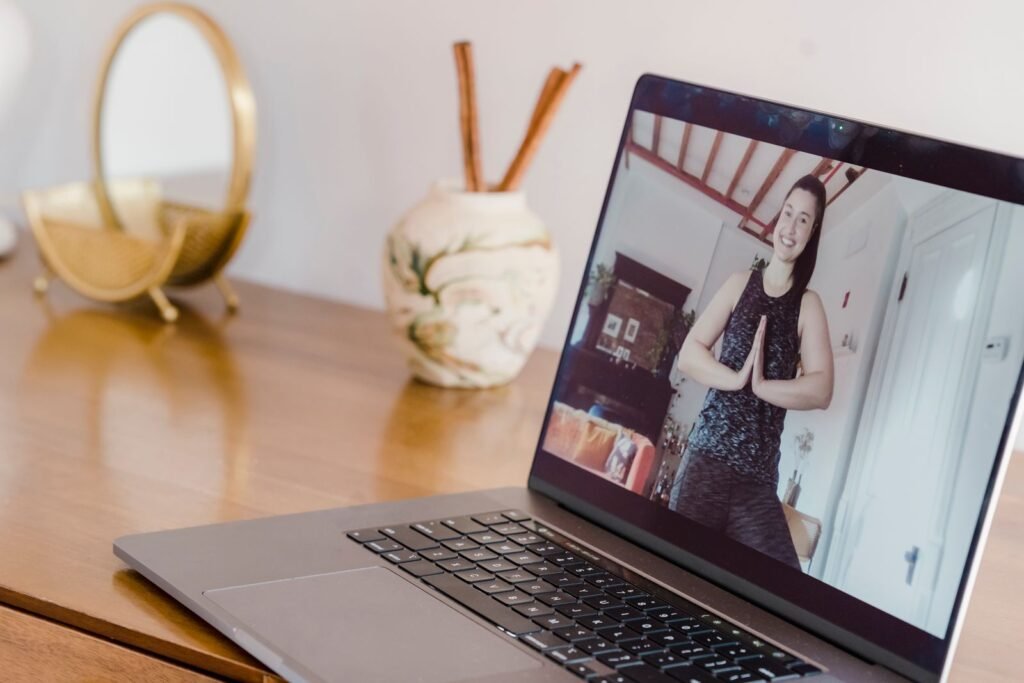
The best free yoga app is the one that matches your actual practice needs: Down Dog and Yoga-Go offer some of the most flexible free tiers for varied, voice-guided flows, while apps like Daily Yoga and Simply Yoga lean into short, structured routines that suit total beginners. Most “free” yoga apps use a freemium model, meaning a real chunk of classes, breathing exercises, and short meditations are free forever, while advanced programs, offline downloads, and personalized plans sit behind a subscription. For most people starting out, a free app is genuinely enough to build a consistent practice, understand foundational poses, and decide whether a paid plan or a live instructor-led class is worth the upgrade later.
What Makes a Yoga App Actually “Free”?
Free yoga apps generally fall into three categories, and knowing which one you’re using changes what you should expect. The first is fully ad-supported apps, where every class is free but you’ll see video ads between sessions. The second, and most common, is the freemium model, where a limited library of classes, a handful of breathing exercises, and short meditations are free indefinitely, but longer programs, advanced sequences, or offline access require a subscription. The third is trial-based apps, where everything is unlocked for 7 to 14 days and then locks behind a paywall unless you cancel.
Understanding this distinction matters because a “free yoga app” review that doesn’t specify the model can be misleading. An app might be free for the first two weeks and then charge $12-15 a month, which is a very different experience from an app that’s free forever with occasional upsells. When comparing apps, check the app store listing’s “In-App Purchases” section before downloading, since it usually tells you upfront whether you’re looking at a trial or a genuine free tier.
Best Free Yoga Apps for Android
Android users have access to nearly every major yoga app, since most developers build for both platforms simultaneously. Down Dog is consistently one of the highest-rated options on the Google Play Store, offering customizable practice length, pace, and difficulty entirely within its free tier for new users, with a subscription required after an initial trial period for continued full access. Daily Yoga has a large free class library organized by goal (flexibility, weight loss, back pain) and works well for Android users who want structured programs rather than build-your-own flows.
Simply Yoga and Yoga for Beginners are lighter, no-frills Android apps that skip the polished production value in favor of simple, repeatable routines, which can actually help beginners who get overwhelmed by too many options. If you’re using an Android tablet for practice, look specifically for apps with landscape-mode support, since not all yoga apps optimize their video player for wider screens.
Best Free Yoga Apps for iOS
iPhone and iPad users get the same core apps as Android, but a few titles are noticeably better optimized for iOS, taking advantage of Apple Health integration and Apple Watch companion apps. Down Dog syncs practice history with Apple Health, letting you track total yoga minutes alongside other workouts automatically. Gaia and Alo Moves offer free trial periods on iOS with high production value, though both convert to paid subscriptions after the trial window, so treat them as “free to sample” rather than “free forever.”
For a purely free, no-subscription-pressure experience on iOS, look at apps built around YouTube-hosted content accessed through Safari or a dedicated viewer, since creators publish full-length classes with zero paywall. This won’t have the polished app interface of a subscription product, but it removes the free-tier limitations entirely.
Best Free Yoga Apps for Beginners
Beginners benefit most from apps that build in instruction on alignment and breathing, not just a stream of poses to copy. Down Dog’s free-for-new-users onboarding includes voice cues explaining why you’re moving into each posture, which matters more for beginners than for experienced practitioners who already know the mechanics. Look for apps that let you filter by “beginner” difficulty specifically, rather than generic “all levels” classes that assume some baseline flexibility or strength.
If you’re brand new to the many types of yoga, prioritize apps that clearly label style (Hatha, Vinyasa, Yin) before you press play, since a fast-paced Vinyasa flow and a slow Yin session require completely different levels of readiness. Many beginners find that starting with a slower style like Hatha yoga through a free app builds confidence before moving into more dynamic sequences.
Free Yoga Apps vs. Paid Yoga Apps: What’s the Real Difference?
The gap between free and paid tiers usually comes down to four things: library depth, personalization, offline access, and program structure.
| Feature | Free Tier | Paid Tier |
|---|---|---|
| Library depth | Rotating selection of standalone classes | Much larger, continuously updated library |
| Program structure | Standalone classes only | Full multi-week programs built around a goal, like improving flexibility or building core strength through yoga for back pain relief |
| Personalization | Pre-recorded, fixed classes | Adjustable class length, intensity, and even instructor voice, generating a slightly different sequence every session |
| Offline access | Often limited or unavailable | Usually included for travel or low-connectivity practice |
For casual practitioners doing two or three sessions a week, these differences may not matter much. For anyone building a daily habit, the fixed nature of free content can start to feel repetitive within a month or two.
Can a Free App Replace a Yoga Studio or Live Instructor?
For learning basic poses and building a consistent habit, yes, a free app can absolutely get you started. What a free app generally can’t do is give you real-time feedback on your alignment, which matters most for poses with injury risk, like deep backbends or inversions. A pre-recorded video can’t see that your knee is drifting past your ankle in a lunge or that your spine is rounding in a forward fold.
This is where online yoga classes with a live instructor bridge the gap between free app convenience and in-person studio correction. Live sessions let an instructor watch your form through video and adjust cues in real time, something no app, free or paid, currently replicates well. If you’ve been using a free app for a few months and feel like your progress has plateaued, a live class is often the next logical step rather than simply upgrading to a paid app tier.
How Much Yoga Content Do Free Tiers Actually Include?
This varies significantly by app, but a reasonable free tier should include enough content to sustain at least a few weeks of varied practice, at least 10-20 minutes of daily material long enough to avoid repeating the exact same class every session. Apps that offer fewer than five free full-length classes total are essentially using the free tier as a trial rather than genuine free access, and it’s worth reading recent app store reviews before committing time to downloading and setting up your profile.
Pay attention to whether breathing and meditation content is included in the free tier separately from asana (posture) practice. Many apps bundle pranayama breathing techniques and short meditations as free add-ons even when the main pose library is limited, which is worth exploring since breathwork is a core part of a complete yoga practice, not an optional extra.
Do Free Yoga Apps Work for Specific Goals Like Weight Loss or Flexibility?
Free apps can absolutely support specific goals, but the depth of goal-specific programming is usually the first thing locked behind a paywall. If your priority is yoga for weight loss, look for apps that let you filter by “power yoga” or “cardio flow” within the free tier, since slower restorative styles won’t deliver the same calorie burn regardless of how consistently you practice them.
For flexibility specifically, free tiers often include at least a handful of basic stretching sequences, but the progressive, multi-week flexibility programs that show measurable range-of-motion improvement over 8-12 weeks are typically paid features. If flexibility is your main goal, a good workaround is combining free app content with dedicated resources on yoga for flexibility to build a more complete weekly routine than the free tier alone provides.
What Should You Look for Before Downloading a Free Yoga App?
Check these four things before committing to a free yoga app:
- Instructor credentials: many quality apps list certifications directly in the app description.
- Upfront credit card requirement: if a “free trial” asks for card details upfront, treat it as a red flag for hidden auto-renewal charges.
- Recent user reviews: look specifically for mentions of changes to the free tier, since apps sometimes quietly reduce free content after building a user base.
- Offline download support: some otherwise generous free tiers restrict downloads entirely to paid subscribers, which can be a dealbreaker if you practice on a commute or in a gym without reliable WiFi.
Free Yoga Apps for Specific Styles: Vinyasa, Yin, and Restorative
Not every free app covers every style well, so it helps to match the app to the style you actually want to practice. For dynamic, breath-linked movement, look for apps that clearly label Vinyasa yoga content, since this style depends heavily on pacing cues that vary a lot between instructors. For a slower, deep-stretch practice, search specifically for Yin yoga or restorative labeled classes, since these require long holds (often 3-5 minutes per pose) that a general “beginner” filter won’t necessarily surface.
If stress management is your main reason for practicing, prioritize apps with a dedicated relaxation or restorative category, since these sequences are built specifically around online yoga for stress relief rather than physical conditioning, and the pacing and cueing style is noticeably different from a fitness-focused flow.
Using a Free Yoga App Alongside Live Online Classes
Many practitioners get the best results by combining a free app for daily short sessions with a weekly live class for structure and accountability. A free app is convenient for a 15-minute morning flow before work, while a scheduled live class gives you a fixed commitment on your calendar and real-time correction that recorded content can’t offer. This hybrid approach is especially useful if you’re searching for online yoga classes near me but haven’t found a local option that fits your schedule, since a live virtual class solves the geography problem while a free app fills the gaps between sessions.
If you’re new to combining both, a reasonable starting cadence is three short free-app sessions during the week paired with one longer live class on the weekend, adjusting frequency once you know how your body responds to more consistent practice.
Common Mistakes People Make With Free Yoga Apps
The most common mistake is app-hopping every time content feels repetitive instead of sticking with one app long enough to notice actual progress, which typically takes at least three to four weeks of consistent practice. A second common mistake is skipping the difficulty filter entirely and jumping into an “all levels” class before building basic strength in foundational standing yoga poses, which increases injury risk in balance-dependent postures.
A third mistake is ignoring breath cues in favor of just copying the visual pose, which misses one of the core benefits of yoga as distinct from generic stretching. Good instructors on free apps still cue breath timing clearly, even in a 10-minute session, and following that cueing is what separates yoga practice from simple mobility work.
Questions People Ask About Free Yoga Apps
Is Down Dog really free?
Down Dog offers a free trial period with full access for new users, after which continued use requires a subscription, though the company has occasionally extended free access during specific periods. Check the current app store listing for the exact terms, since trial length and pricing can change.
What is the best completely free yoga app with no subscription required?
Apps built around free, ad-supported YouTube content tend to be the most reliably free option long-term, since there’s no freemium paywall to eventually hit. Dedicated app-store yoga apps almost always use a freemium or trial model, so “completely free forever” is rare among polished, app-store-native products.
Can beginners really learn yoga from a free app alone?
Yes, for foundational poses and building a consistent habit, a free app is enough for most beginners. The main limitation is real-time alignment feedback, which matters most for poses with higher injury risk, so beginners with any joint issues or existing injuries should consider pairing app practice with at least one live-instructor session for form checks.
Do free yoga apps work offline?
This varies by app and often depends on whether offline downloads are a free-tier feature or locked behind a subscription. Check the app’s feature list before relying on it for travel or low-connectivity practice, since some otherwise generous free tiers restrict downloads to paid users only.
How many free yoga apps should I try before choosing one?
Two or three is usually enough to compare teaching style, class length options, and library depth without spending excessive time evaluating apps instead of practicing. Give each app at least three sessions before judging it, since a single class doesn’t reflect the full free-tier library or instructor variety.
Are free yoga apps safe for people with injuries or health conditions?
Free apps can’t assess your individual condition, so anyone with an existing injury, joint issue, or medical condition should get clearance from a doctor or physical therapist before starting, and ideally choose gentler styles first. Apps with clear beginner and restorative filters are a safer starting point than jumping into general “all levels” content.
Try This for Yourself
A free app is a great starting point, but nothing replaces real-time guidance from a qualified instructor who can see your form and adjust it live. Explore FitStrot’s Online Yoga Classes and experience the difference a live, personalized session makes compared to a recorded routine.
Related reading: Best Yoga Apps Compared, Online Yoga Classes, Online Yoga Classes Near Me, Types of Yoga, and FitStrot’s Online Yoga Classes.