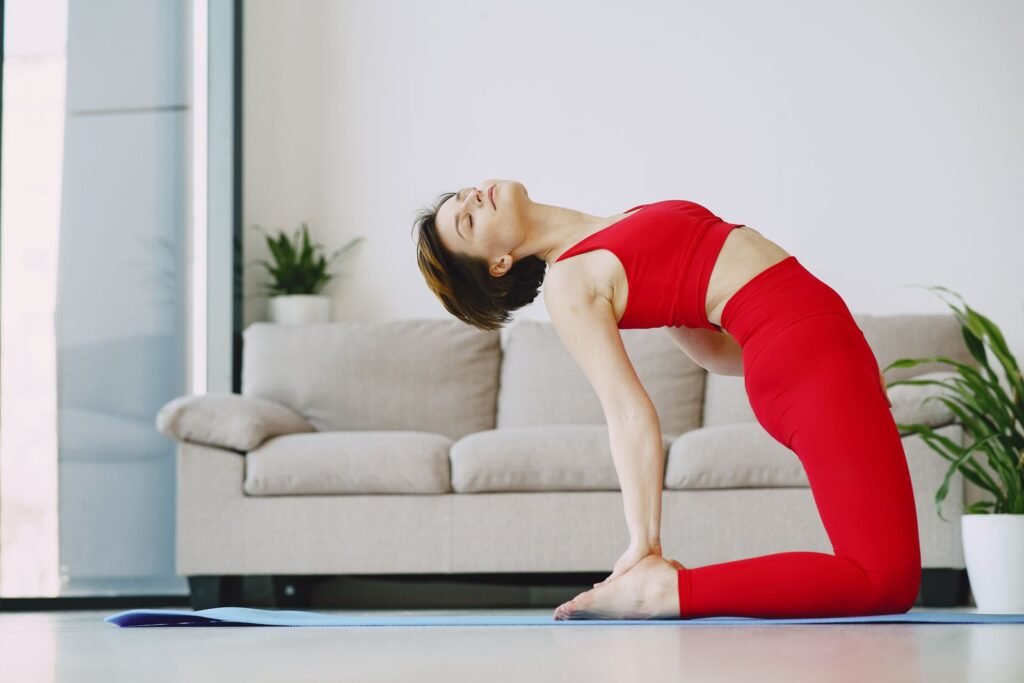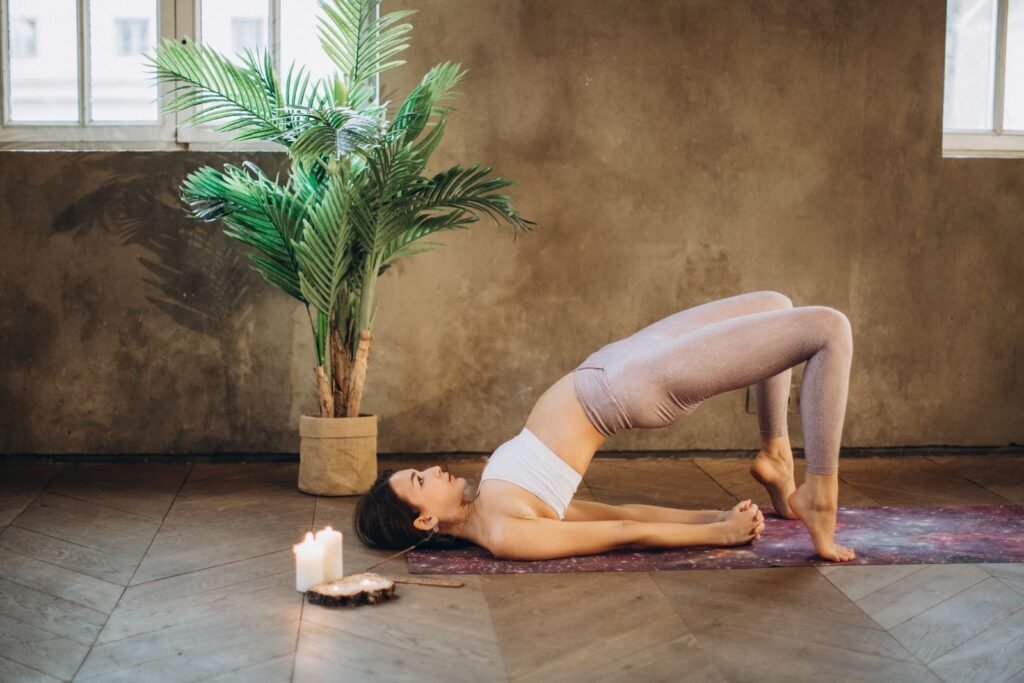
Yoga for memory works primarily by lowering the chronic stress and cortisol load that interferes with attention and recall, while specific poses and breathing techniques increase blood flow to the brain and train sustained focus. Practices like Super Brain Yoga, alternate nostril breathing, seated forward folds, and inversions such as Legs-Up-the-Wall are commonly recommended for this purpose, and research on older adults has found that a consistent Kundalini yoga practice can help preserve gray-matter volume and improve subjective memory and mood over several months. Yoga is not a substitute for medical care if memory loss is sudden, severe, or linked to a diagnosed condition, but as a daily habit that combines movement, breathwork, and mental focus, it is one of the more well-studied lifestyle tools for supporting long-term cognitive health.
How Does Yoga Actually Improve Memory?
Memory relies on several interconnected brain functions: encoding new information, consolidating it during rest, and retrieving it later when needed. Chronic stress disrupts all three stages by keeping cortisol levels elevated, which can interfere with the hippocampus, the brain region most closely tied to forming new memories. Yoga’s core mechanism for supporting memory is stress reduction: slow breathing activates the parasympathetic nervous system, lowers cortisol, and creates the physiological conditions under which the brain can encode and retrieve information more effectively.
Beyond stress reduction, certain yoga practices are believed to increase blood flow and oxygen delivery to the brain, particularly inversions and specific pranayama techniques that regulate breath rate. Yoga also trains sustained attention through poses that require balance and concentration, such as Vrksasana (Tree Pose) and Garudasana (Eagle Pose), which demand the same kind of focused attention that underlies memory formation. For a broader look at how a regular practice supports attention span specifically, our guide to yoga for concentration covers the overlapping mechanisms in more depth.
What Does Research Say About Yoga and Memory?
One of the most cited studies in this area comes from UCLA Health, where researcher Dr. Helen Lavretsky compared a 12-week Kundalini yoga program against standard memory-enhancement training in older women with risk factors for Alzheimer’s disease. Both groups showed improvements in cognition, mood, and resilience, but the yoga group showed preserved gray-matter volume in multiple brain regions, while the memory-training group showed gray-matter decline over the same period. Interestingly, the yoga participants reported feeling their memory had improved even though objective test scores didn’t always reflect a measurable gain, while the memory-training group showed the opposite pattern, better objective scores without the same subjective sense of improvement.
Other research reviewed by outlets covering yoga and cognitive aging has pointed to improvements in executive function, the planning and self-monitoring skills that support memory in daily life, along with favorable changes in inflammatory markers linked to brain health. It’s worth being cautious here: most of this research involves small samples of older adults over a period of weeks to months, not single sessions, and results vary between studies. Yoga is best understood as a promising, low-risk complementary practice for brain health rather than a guaranteed memory cure. Our article on yoga for mental health covers the wider evidence base connecting yoga to brain function generally.
What Is Super Brain Yoga, and Does It Really Work for Memory?
Super Brain Yoga is a specific technique, sometimes attributed to yogic energy-healing traditions, that involves squatting while holding your earlobes with a cross-armed grip (right hand holding the left earlobe, left hand holding the right earlobe, thumbs facing forward). Practitioners inhale while squatting down and exhale while standing back up, typically repeating this 14 to 21 times. The stated rationale is that specific acupressure points on the earlobes correspond to brain function, and that the deep, synchronized breathing combined with mild physical exertion increases blood flow to the brain.
It’s important to be clear-eyed about the evidence here: Super Brain Yoga is a popular practice within yoga and wellness communities, and anecdotal reports of improved alertness and focus are common, but it has not been validated through the kind of rigorous, controlled clinical trials that back some other yoga and memory research. That doesn’t mean it’s without value, the breathing and mild cardiovascular activity involved are genuinely calming and energizing, but it’s best approached as a quick focus ritual rather than a scientifically proven memory booster. Many people fold it into their morning routine alongside other morning yoga routine practices as a two-minute reset before study or work.
Which Yoga Asanas Are Best to Improve Memory Power?
A handful of poses come up repeatedly in yoga traditions and wellness guidance focused on memory and cognitive function. These generally work by combining physical stillness, increased blood flow to the head and neck, or a demand for sustained concentration.
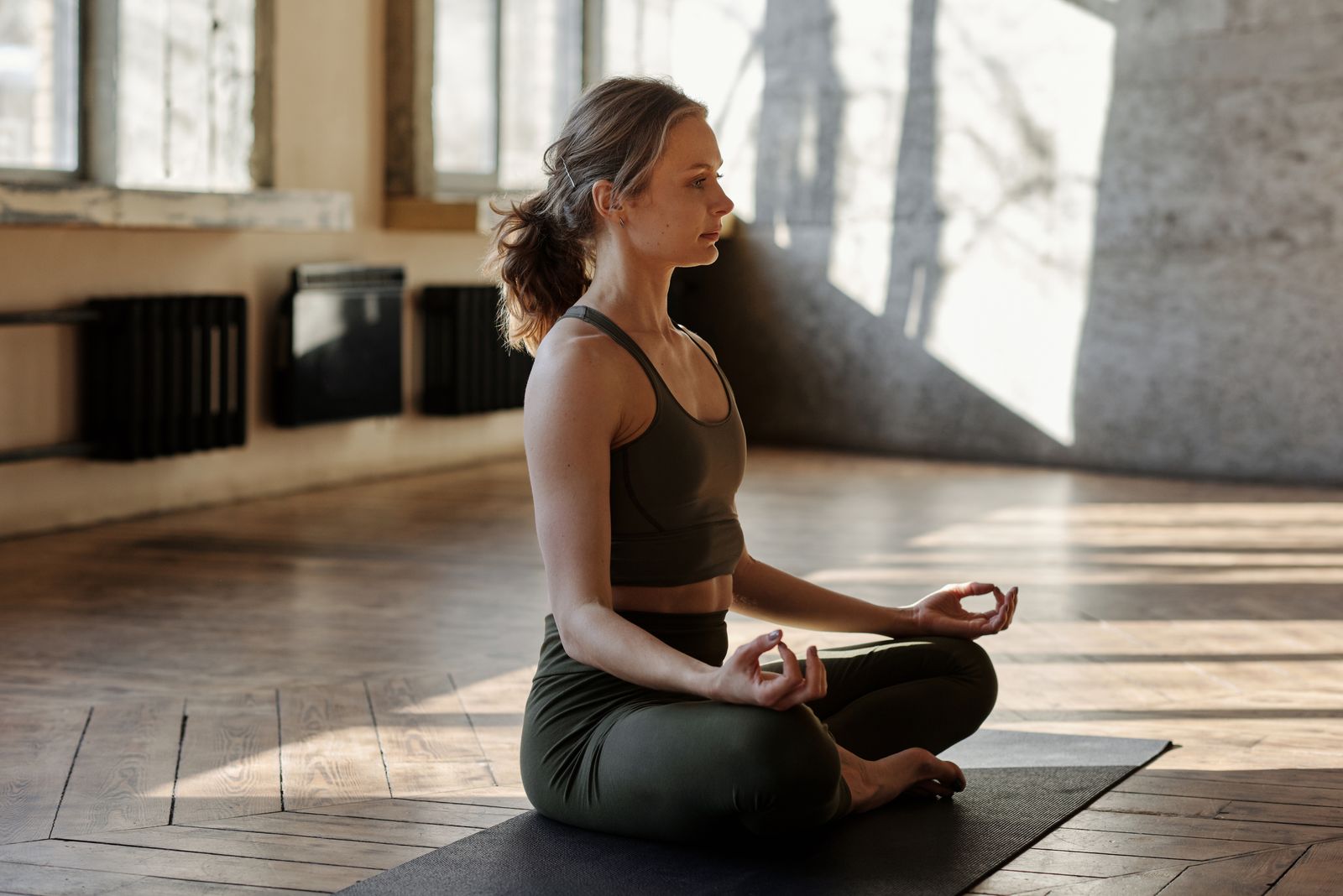
Padmasana (Lotus Pose)
Sitting in Padmasana, with each foot resting on the opposite thigh and the spine upright, creates a stable, grounded base that’s traditionally used for meditation and pranayama practice. The stillness required helps quiet mental chatter, which is often the first barrier to focused recall. If the full pose is too intense for your hips, Sukhasana (Easy Pose) offers the same meditative benefit with less strain.
Sarvangasana (Shoulder Stand)
Sarvangasana is a classic inversion often described in yoga tradition as beneficial for brain function, since inverting the body is thought to increase blood flow toward the head and neck. Beginners should approach this pose cautiously and ideally under guidance, especially those with neck issues or high blood pressure, since improper alignment can strain the cervical spine.
Halasana (Plow Pose)
Often practiced alongside Shoulder Stand, Halasana extends the same inverted, calming benefits while also stretching the spine and shoulders. It’s typically held for 30 seconds to a minute as part of a cooldown sequence, and it pairs well with slow, steady breathing to reinforce the parasympathetic response.
Paschimottanasana (Seated Forward Fold)
Paschimottanasana is a gentle forward fold that’s traditionally associated with calming the mind and is often included in sequences aimed at improving concentration. The introspective, head-down nature of the pose helps redirect attention inward, away from external distractions that compete with memory formation.
Vrksasana (Tree Pose)
Balance poses like Vrksasana demand continuous, focused attention, shift your gaze or let your mind wander, and you’ll lose your balance almost immediately. This real-time feedback loop is part of why balance poses are often recommended for building the kind of sustained concentration that supports memory and learning.
Shavasana (Corpse Pose)
It may look like doing nothing, but Shavasana gives the nervous system uninterrupted time to consolidate the calming effects of a session. Since memory consolidation is closely tied to rest, ending any memory-focused practice with several minutes of stillness is considered valuable rather than optional.
Which Breathing Techniques Help With Yoga for Brain Memory?
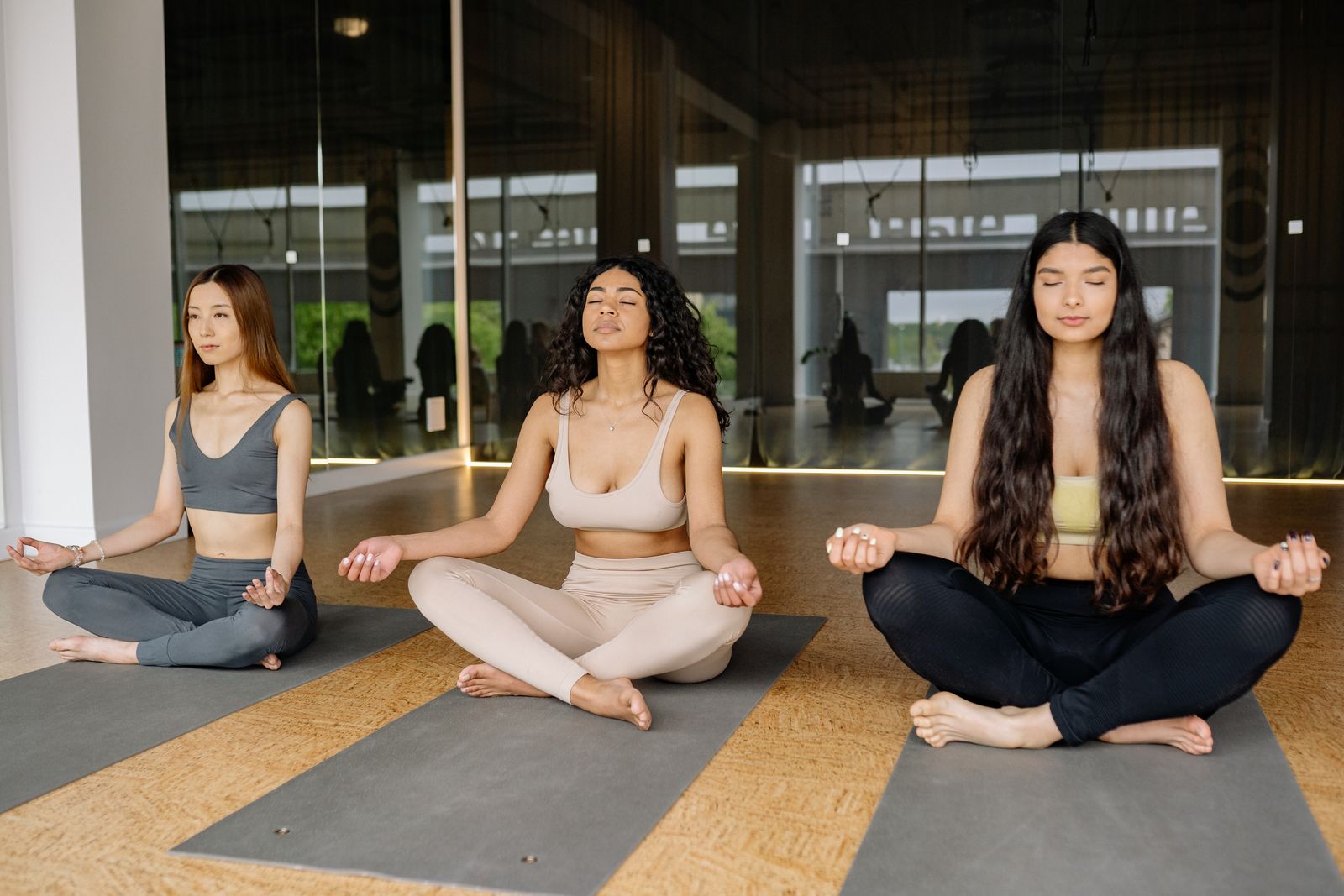
Pranayama, the yogic practice of controlled breathing, is often considered just as important as the postures themselves when the goal is cognitive function. Two techniques are especially relevant to memory and focus.
Nadi Shodhana (Alternate Nostril Breathing) involves closing one nostril at a time while breathing in a steady pattern through the other. This technique is traditionally described as balancing the two hemispheres of the brain, and practically speaking, it slows the breath rate and increases present-moment focus, both of which support a calmer mental state conducive to learning and recall.
Bhramari (Bee Breath) involves a gentle humming exhale with the ears lightly covered, and is commonly used to quiet mental noise before studying or working on a task that requires concentration. The vibration and extended exhale both encourage a shift toward the parasympathetic nervous system.
Kapalbhati, a more energizing breath of short, forceful exhales, is sometimes used earlier in a practice to increase alertness before transitioning into calmer, memory-focused work. Our dedicated guide to Kapalbhati Kriya walks through the technique and its cautions in more detail. For a fuller breakdown of these and other techniques, see our guide to pranayama breathing techniques.
How Does Stress Management Connect to Memory Retention?
Stress and memory are tightly linked through the hormone cortisol. In short bursts, cortisol can actually sharpen focus and memory formation around the stressful event itself, which is why people often vividly remember stressful moments. But chronic, sustained elevated cortisol has the opposite effect: it’s been associated with impaired hippocampal function, the brain region most responsible for forming and retrieving memories, along with difficulty concentrating and a general sense of mental fog.
This is a major reason yoga is recommended for memory support: it directly addresses the stress pathway that undermines cognitive function in the first place, rather than only targeting memory in isolation. If chronic stress is a significant part of your daily experience, our guide to yoga for stress covers sequences specifically designed to lower baseline nervous system activation, which in turn supports better memory and focus over time.
Does Yoga Help With Age-Related Memory Decline?
Much of the strongest research on yoga and memory has specifically studied older adults, likely because age-related cognitive decline is a significant area of public health interest. The UCLA research mentioned earlier focused on women in their 60s with Alzheimer’s risk factors, and found that a sustained yoga practice was associated with preserved brain structure compared to a control intervention. Other studies on meditative practices related to yoga, like Kirtan Kriya, have shown associations with reduced depression, improved cognition, and improvements in markers of cellular aging among family caregivers, a group known to experience high chronic stress.
It’s important to frame this accurately: yoga shows promise as a supportive, low-risk practice for healthy cognitive aging, and researchers describe it as a potential “brain-fitness exercise” that may support neuroplasticity. It is not established as a treatment or prevention method for dementia or Alzheimer’s disease, and anyone experiencing concerning memory changes should consult a physician rather than relying on yoga alone.
Can Yoga Help Students and Young Adults Improve Memory Power?
While much of the clinical research focuses on older adults, the mechanisms yoga uses, stress reduction, improved sleep, and sustained attention training, apply just as directly to students and young professionals preparing for exams or demanding cognitive work. Chronic academic or work-related stress can meaningfully impair the ability to encode and retrieve information, making a short daily practice a practical tool during high-pressure periods like exam season.
A simple approach for students is a 10-to-15 minute sequence before a study session: a few rounds of Kapalbhati for alertness, a seated forward fold or a few minutes in Padmasana for mental stillness, and a short round of alternate nostril breathing before beginning focused work. Since poor sleep is one of the most significant, and most fixable, barriers to memory consolidation in students, our guide to yoga for sleep is a useful companion for anyone whose study schedule is cutting into rest.
How Often Should You Practice Yoga for Memory Improvement?
Consistency is more important than intensity when the goal is cognitive benefit. Most of the research showing meaningful results involved programs practiced multiple times a week over 12 weeks or longer, not single sessions. A realistic starting structure is 15 to 20 minutes, four to five days a week, combining a seated or balance pose, one inversion (if appropriate for your health), and a few minutes of pranayama.
Building this into a fixed time of day, ideally before demanding cognitive tasks like studying, writing, or important meetings, helps reinforce the habit and gives you a natural before-and-after comparison point for your own focus and recall. If you’re new to structuring a home practice, our yoga for beginners guide offers a foundation you can adapt specifically toward memory and focus goals.
What Type of Yoga Style Is Best for Brain Health?
Different yoga styles emphasize different mechanisms, and the best choice depends on what’s driving your memory concerns.
| Yoga Style | Pace & Focus | Best For Memory |
|---|---|---|
| Hatha Yoga | Slower pace, poses held with awareness | Beginners focused on concentration and stress reduction |
| Kundalini Yoga | Postures, breathwork, and chanting combined | Most direct research backing for cognitive benefits in older adults (the style used in the UCLA memory study) |
| Yin Yoga | Long, passive holds | Deep stress reduction that indirectly benefits memory |
| Vinyasa Yoga | Faster-paced, movement linked to breath | Overall fitness and mood via movement and endorphin release, rather than the stillness-based focus training most relevant to memory |
Our broader breakdown of types of yoga can help you match a style to your specific goals, whether that’s calm focus, physical fitness, or a blend of both.
What Lifestyle Factors Amplify Yoga’s Memory Benefits?
Yoga works best as part of a broader set of habits that support brain health, rather than as an isolated fix. Sleep is arguably the single most important complementary factor, since memory consolidation happens largely during deep sleep stages, and chronic sleep deprivation undermines even a consistent yoga practice. Hydration and blood sugar stability also affect concentration and recall throughout the day, and stable blood sugar is one reason our guide to yoga for diabetes touches on cognitive clarity as a secondary benefit of better glucose regulation.
Physical circulation matters too; poor cardiovascular health can limit blood flow to the brain over time, which is part of why our guide to yoga for heart health is a useful companion resource for anyone building a brain-health-focused routine. And since tension in the neck and shoulders can restrict blood flow to the head and contribute to headaches that derail focus, our article on yoga for neck pain addresses a commonly overlooked physical barrier to clear thinking.
What Mistakes Reduce the Memory Benefits of a Yoga Practice?
A few common habits can blunt the cognitive benefits people hope to get from yoga:
- Rushing through poses without pairing movement to breath. This turns a practice into generic exercise, losing the nervous-system-calming effect that underlies most of yoga’s memory-related benefits.
- Attempting advanced inversions like Sarvangasana without proper form or guidance. This is especially risky for beginners, since it can strain the neck rather than support brain function, so it’s worth learning these poses with care or under instruction.
- Practicing only occasionally instead of as a regular habit. The research supporting yoga for memory generally involves sustained programs over months, not single sessions.
- Multitasking during practice, such as checking a phone between poses or rushing to finish, which undermines the very attention-training benefit that makes yoga useful for memory in the first place.
Treating your daily 15 to 20 minutes as fully protected, screen-free time tends to produce noticeably better results than squeezing in poses between other tasks.
How Does Yoga Compare to Other Brain-Training Methods?
Traditional brain-training programs, like memory games and puzzle apps, focus narrowly on specific cognitive tasks and tend to improve performance on those exact tasks without always transferring to broader, everyday memory function. Yoga takes a different approach, working indirectly through stress reduction, improved sleep, physical circulation, and sustained attention training, mechanisms that support memory as one part of overall brain health rather than isolated skill drilling.
Interestingly, in the UCLA comparison mentioned earlier, the yoga group and the memory-training group both improved, but in different, almost complementary ways: yoga participants preserved brain structure and felt subjectively sharper, while memory-training participants scored better on objective tests. This suggests the two approaches may be more complementary than competing, and someone serious about cognitive health might reasonably use both rather than choosing one over the other.
Can Online Yoga Classes Deliver the Same Memory Benefits as In-Person Practice?
The mechanisms behind yoga’s memory benefits, breath regulation, physical stillness, sustained focus, and stress reduction, don’t depend on being in a physical studio. What matters more is consistency and proper form, both of which a well-structured online class can support just as effectively as an in-person session, particularly for poses that don’t require hands-on spotting. For inversions like Sarvangasana, though, real-time feedback from an instructor is genuinely valuable for safety, which is where live-guided online sessions have an advantage over solo video tutorials.
Practicing from home also removes friction, commute time, studio schedules, that can otherwise interrupt the regular practice needed to see cognitive benefits. Our guide to online yoga for mental wellness explores how a home practice supports the broader mind-body benefits that memory improvements are part of.
Questions People Ask About Yoga for Memory
Can yoga really improve memory power?
Research, including a notable UCLA study on older adults, suggests yoga can support memory indirectly by lowering stress, improving sleep, and increasing sustained attention, with some evidence of preserved brain structure over a sustained practice. It works best as a consistent, long-term habit rather than a quick fix, and results vary between individuals.
How long does it take to see memory improvements from yoga?
Most research showing measurable cognitive benefits involved programs practiced consistently for 12 weeks or longer. Some subjective effects, like feeling calmer and more focused, can appear within a few sessions, but meaningful, sustained changes in memory typically require weeks to months of regular practice.
Which yoga pose is considered best for memory?
No single pose is definitively “best,” but Sarvangasana (Shoulder Stand), Padmasana (Lotus Pose), and Paschimottanasana (Seated Forward Fold) are commonly recommended, alongside pranayama techniques like alternate nostril breathing, for their combined effects on circulation, calm, and focus.
Is Super Brain Yoga scientifically proven to improve memory?
Super Brain Yoga is a popular practice with strong anecdotal support, but it has not been validated through large-scale clinical trials in the way some other yoga and cognition research has been. It’s reasonable to try as a quick focus ritual, but it shouldn’t be relied on as a proven memory treatment.
Can beginners practice yoga for memory without prior experience?
Yes. Simple, accessible practices like seated breathing, Padmasana or Sukhasana, and gentle forward folds require no prior experience and are often where memory-focused sequences begin. More advanced poses like Sarvangasana are best learned gradually, ideally with guidance.
Does yoga help with memory loss related to aging or dementia?
Yoga shows promise as a supportive practice for healthy cognitive aging, with research suggesting benefits like preserved gray-matter volume in some populations. However, it is not an established treatment or prevention method for dementia or Alzheimer’s disease, and any concerning memory symptoms should be evaluated by a physician.
Try This for Yourself
Reading about yoga for memory is a useful starting point, but the cognitive and stress-reducing benefits described here only build through consistent practice. If you’d like guided support building a focus-oriented routine, with correct form on techniques like Sarvangasana and pranayama, explore FitStrot’s online yoga classes, designed to fit real schedules while supporting long-term brain health.
Related reading: Yoga for Concentration | Yoga for Stress | Yoga for Sleep | Yoga for Mental Health | Online Yoga Classes