Yoga for mental health works by combining slow, controlled breathing, physical postures, and focused attention in a way that calms the nervous system and interrupts anxious or depressive thought patterns. Research reviewed by Harvard Health has linked regular yoga practice to elevated levels of GABA, a brain chemical associated with better mood and reduced anxiety, along with reduced activity in the brain’s emotional processing centers. For most people, even 20-30 minutes of gentle yoga a few times a week can measurably lower stress, improve sleep, and build the kind of emotional resilience that daily life demands.
How Does Yoga Improve Mental Health?
Yoga improves mental health through several overlapping mechanisms rather than a single effect. The physical postures (asanas) release muscular tension that the body often holds during chronic stress. The breathing techniques (pranayama) directly influence the autonomic nervous system, shifting it away from the fight-or-flight sympathetic state and toward the calmer parasympathetic state. And the meditative focus required to hold a pose or track the breath gives the mind a rest from rumination, which is the repetitive negative thinking loop common in both anxiety and depression.
A review of 15 studies published in Aging and Mental Health, cited by Harvard Health, compared several relaxation techniques including yoga, massage therapy, and music in older adults, and found that yoga and music were the most effective for both depression and anxiety, with yoga appearing to provide the longest-lasting effect of the group. This is one reason yoga is increasingly recommended alongside talk therapy and medication rather than as a replacement for either, particularly for people managing conditions covered in guides like yoga for anxiety and yoga for stress.
Is Yoga Good for Mental Health? What the Evidence Actually Shows
Yes, current evidence supports yoga as a genuinely beneficial complementary practice for mental health, though it works best as a support tool rather than a stand-alone cure for clinical conditions. Systematic reviews examining yoga for major depressive disorder have found consistent, moderate improvements in depressive symptoms when yoga is practiced regularly over several weeks, compared to no intervention. Yoga is not positioned in the clinical literature as a replacement for psychotherapy, medication, or psychiatric care for moderate to severe depression, anxiety disorders, or PTSD. Instead, small studies referenced by Harvard Health point to yoga’s value as a supplemental treatment, especially through deep, slow breathing that activates the parasympathetic nervous system. If you’re managing a diagnosed condition, yoga works best as one part of a broader care plan, not the whole plan.
What Does Yoga Do to the Brain?
Yoga appears to produce measurable structural and functional changes in the brain over time, according to research summarized by Harvard Health. Practitioners in some studies showed a thicker cerebral cortex and hippocampus compared with non-practitioners, both regions that typically shrink with age and are closely tied to memory, learning, and emotional regulation. Meditation components within yoga practice have also been shown to reduce activity in the limbic system, the part of the brain most responsible for processing emotion, which may explain why long-term practitioners often report feeling less reactive to stress over time. These are correlational findings from relatively small sample sizes, so it’s more accurate to describe this as “research suggests” rather than settled fact.
Which Type of Yoga Is Best for Mental Health?
The best type of yoga for mental health depends on what you’re regulating: a highly anxious nervous system generally responds better to slow, grounding styles, while low mood or fatigue sometimes benefits from gentle activation. Here’s how the main styles compare for mental wellness specifically:
- Restorative yoga uses props to fully support the body in long-held, passive poses, making it one of the most effective styles for calming an overactive stress response and is often the first recommendation for people new to yoga for stress management.
- Hatha yoga moves slowly between poses with an emphasis on alignment and breath, offering a gentler entry point than faster-paced styles while still building body awareness.
- Yin yoga targets connective tissue through long, still holds (often 3-5 minutes per pose), which pairs naturally with mindfulness practice and is popular among people exploring yoga for anxiety relief.
- Nidra yoga (yogic sleep) is a guided, lying-down meditation practice frequently used specifically for yoga for sleep and deep nervous system reset.
- Vinyasa yoga links breath with movement in a flowing sequence, and can be useful for depressive low-energy states because the moderate cardiovascular element supports mood through exercise-linked endorphin release, similar to the mechanism explored in vinyasa yoga guides.
If you’re unsure where to start, a good rule of thumb is to match the pace of the practice to your nervous system state: slower and more supported when you feel wired or anxious, and gently more active when you feel flat or low.
What Are the Best Mental Health Yoga Poses?
Certain mental health yoga poses are consistently recommended because they combine ease of access with a strong calming or grounding effect on the nervous system. These are worth learning first if you’re building a practice specifically for emotional regulation.
- Child’s Pose (Balasana) folds the body inward, which can feel physically soothing and is often used as a reset point between more active poses.
- Legs-Up-the-Wall (Viparita Karani) is a passive inversion that supports venous return and is widely used for calming anxiety and preparing the body for rest.
- Cat-Cow (Marjaryasana-Bitilasana) links spinal movement with breath, helping release tension held in the back and shoulders, a common physical symptom of chronic stress.
- Seated Forward Fold (Paschimottanasana) encourages an introspective, quieting quality that many practitioners associate with reduced mental chatter.
- Corpse Pose (Savasana) closes almost every yoga session for a reason: full-body stillness paired with conscious breathing gives the nervous system time to settle before returning to daily activity.
- Easy Pose with alternate nostril breathing (Sukhasana with Nadi Shodhana) combines simple seated posture with a breathing technique specifically studied for its calming effect on the autonomic nervous system.
None of these poses require advanced flexibility, which is part of why they show up repeatedly across beginner yoga poses guides aimed at people starting a practice for emotional wellbeing rather than athletic performance.
How Does Breathwork Specifically Support Mental Health?
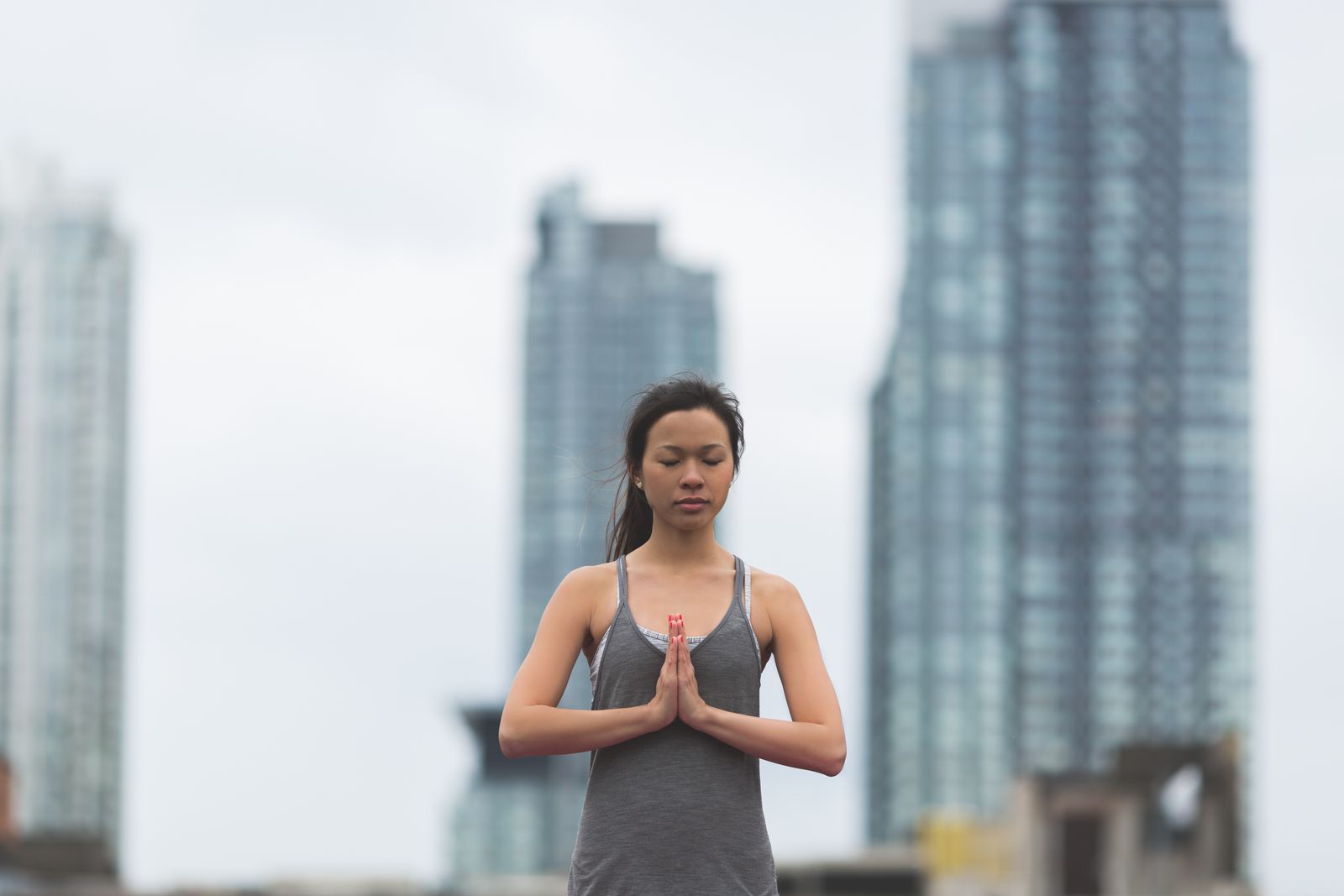
Breathwork, or pranayama, is often the most immediately effective part of a yoga session for mental health because it works directly on the body’s stress response rather than requiring weeks of cumulative practice. Slow, extended exhalations stimulate the vagus nerve, which signals the parasympathetic nervous system to lower heart rate and reduce the release of stress hormones. This is why techniques like box breathing (four seconds in, four seconds hold, four seconds out, four seconds hold) or extended exhale breathing are often taught as standalone tools even outside a full yoga class.
Deep, slow breathing has been specifically identified in research on yoga and PTSD as a mechanism that activates the parasympathetic nervous system, supporting yoga’s use as a supplemental approach for trauma-related symptoms. If you only have five minutes, focused breathwork alone, without any postures, can still produce a noticeable shift in how anxious or agitated you feel.
Can Yoga Help with Anxiety and Depression Specifically?
Yoga has a reasonably strong evidence base for anxiety and a moderate but growing one for depression. For anxiety, the physical grounding of holding poses combined with breath regulation gives an anxious mind something concrete to focus on, which interrupts the spiral of anticipatory worry. A systematic review and meta-analysis on yoga for major depressive disorder found that structured yoga interventions produced meaningful reductions in depressive symptoms compared to control groups, generally when practiced consistently for six to twelve weeks. Most of these studies are relatively small, and results vary by style, session length, and consistency, so yoga appears most effective for mild to moderate symptoms, and as complementary support for more severe presentations under professional care. If anxiety is a primary concern for you, the dedicated guide on yoga for anxiety goes deeper into anxiety-specific sequences.
Is Yoga Good for Children’s Mental Health?
Yoga is increasingly used in schools and youth programs as a tool to support children’s mental health, particularly for building emotion regulation and body awareness at an early age. Children’s yoga programs tend to look different from adult classes: shorter sessions, playful pose names like “tree” or “cat,” and more storytelling or games woven into the structure to hold attention. The underlying mechanism is the same as it is for adults, breath awareness and physical grounding reduce physiological arousal, but the framing matters for engagement at younger ages. Teachers and parents commonly report that simple breathing exercises and a handful of poses help children self-regulate during moments of frustration, functioning as a portable coping tool outside a formal class. As with adults, yoga for children works best alongside supportive relationships, consistent routines, and professional support when needed.
How Often Should You Practice Yoga for Mental Health Benefits?
Consistency tends to matter more than session length when it comes to yoga’s mental health benefits. Many of the studies showing meaningful improvement in mood and anxiety used two to three sessions per week over six to twelve weeks, rather than long, infrequent sessions. A practical starting point is 20-30 minutes, three times a week, which is enough to build the habit without it feeling like an additional source of pressure.
If your primary goal is stress reduction rather than fitness, shorter daily practice (even 10-15 minutes) combined with breathwork can be more sustainable and just as effective as longer, less frequent sessions. The key variable across the research is regularity: a nervous system responds to yoga the way it responds to most calming interventions, through repeated, predictable exposure rather than a single big session.
Do You Need Flexibility or Experience to Start?
No prior flexibility or yoga experience is needed to get mental health benefits from the practice, and focusing on flexibility as a prerequisite is one of the most common reasons people avoid starting. The poses used for emotional regulation, like Child’s Pose, Legs-Up-the-Wall, and seated breathing postures, are accessible regardless of fitness level or body type. Props like blocks, bolsters, and straps, the foundation of restorative yoga, exist specifically to make poses supportive rather than demanding. What actually matters for mental health outcomes is consistency and the quality of attention you bring, not how deep a stretch looks. A five-minute breathing-focused session done with real presence will do more for an anxious nervous system than an advanced pose held with white-knuckle effort.
How Does Yoga Compare to Other Mental Health Interventions?
Yoga occupies a useful middle ground between passive rest and vigorous exercise. Compared to traditional cardio exercise, yoga offers similar mood-boosting benefits from movement while adding a structured breathing and mindfulness component that pure cardio doesn’t include. Compared to seated meditation alone, yoga adds physical movement that can make it easier for people who struggle to sit still to access a meditative state. It is generally not positioned as a replacement for psychotherapy or medication in clinical guidance, but as a complementary practice layered alongside those treatments. People managing sleep disruption alongside anxiety or low mood often find it useful to pair a general mental health practice with a more targeted approach, such as the sequences covered in yoga for sleep, since poor sleep and poor mental health frequently reinforce each other.
Where Can You Find Yoga and Mental Health Resources (Including PDFs)?
Many people searching for structured guidance want a printable or downloadable reference they can follow without a screen, which is why searches for a yoga and mental health PDF are common. A good reference resource typically includes a short explanation of the mechanism (breath, posture, and attention working together), a simple weekly practice schedule, and a small set of core poses like the ones listed earlier in this guide. If you want a structured, guided version of this instead of a static document, live or on-demand classes let you follow along in real time and adjust instantly if a pose doesn’t feel right, which is often more useful than a static PDF for building an actual habit.
How Does Yoga Fit Into a Broader Mental Wellness Routine?
Yoga works best as one component of a broader mental wellness routine rather than an isolated fix, alongside adequate sleep, movement, nutrition, and social connection. For example, someone managing stress from a demanding job might combine a short daily breathing practice with a weekly restorative class, while also addressing related physical goals like weight management through resources such as yoga for weight loss, since physical health and mental health are deeply interconnected rather than separate tracks.
Understanding the philosophical roots of yoga can also deepen the mental health benefit. Concepts like yoga philosophy and mindful non-attachment, central to practices like mindfulness yoga, give practitioners a mental framework for approaching difficult emotions off the mat, not just during a session. This is part of why long-term practitioners often describe yoga as a life practice rather than a workout.
Questions People Ask About Yoga for Mental Health
How long does it take for yoga to help mental health?
Most research showing measurable mood and anxiety improvements used consistent practice over six to twelve weeks, though many people notice some calming effect after a single session, particularly from breathwork. Lasting change in mood regulation tends to build gradually with regular practice, generally two to three sessions per week, rather than appearing after one class.
Can yoga replace therapy or medication for mental health conditions?
No, yoga is best used as a complementary practice alongside professional care rather than a replacement for therapy or medication, especially for moderate to severe anxiety, depression, or PTSD. Research supports yoga as a supplemental treatment that can meaningfully improve symptoms, but clinical guidance consistently frames it as an addition to, not a substitute for, established mental health treatment.
What is the best time of day to do yoga for mental health?
There isn’t strong evidence that one specific time of day is universally best; the right time is whichever one you can practice consistently. Morning sessions can help set a calmer tone for the day, while evening sessions, especially restorative or nidra styles, are often used to wind down and support better sleep.
Do I need special equipment to start yoga for mental health?
No special equipment is required to begin; a yoga mat and comfortable clothing are enough for most beginner sequences focused on mental health. Props like blocks, bolsters, or a folded blanket can make restorative and seated poses more comfortable, but they’re helpful additions rather than requirements.
Is online yoga effective for mental health, or do you need in-person classes?
Online yoga can be just as effective for mental health benefits as in-person classes, since the core mechanisms, breathwork, posture, and focused attention, work the same way regardless of format. Online classes also remove common barriers like travel time and studio schedules, which can make consistency, the biggest factor in outcomes, easier to maintain.
Can yoga help with sleep problems related to stress or anxiety?
Yes, yoga can meaningfully improve sleep quality when stress or anxiety is a contributing factor, largely through its effect on lowering physiological arousal before bedtime. Gentle styles like restorative yoga, yin yoga, and yoga nidra are specifically used for this purpose and are covered in more detail in dedicated yoga for sleep guidance.
Try This for Yourself
Reading about yoga’s mental health benefits only goes so far, the real shift happens through consistent practice guided by someone who can adjust the pace to how you’re actually feeling that day. FitStrot’s online yoga classes are built around exactly this kind of flexibility, from calming restorative sequences to more active flows, so you can build a mental wellness practice that fits your real life and your real nervous system.
Related reading: Yoga for Anxiety, Yoga for Stress, Yoga for Sleep, Yoga for Weight Loss, and explore FitStrot’s online yoga classes to start building your own practice.