Yoga cannot change your genetics or lighten your natural skin color, but it can meaningfully improve the appearance of uneven skin tone by boosting circulation, lowering cortisol-driven inflammation, supporting liver and lymphatic detoxification, and improving sleep quality that skin depends on for repair. Poses that increase blood flow to the face (inversions, forward folds), twists that stimulate digestion and detoxification, and pranayama that reduces stress hormones work together over weeks, not days, to help patches of dullness, redness, and discoloration even out. Yoga works best as one part of a broader routine that includes sun protection, hydration, and a consistent skincare regimen.
What Actually Causes Uneven Skin Tone?
Uneven skin tone shows up as patches of hyperpigmentation, redness, dullness, or dark spots that make the complexion look blotchy rather than uniform. The most common drivers are sun exposure, hormonal fluctuation, post-inflammatory marks left behind by acne, chronic stress, poor circulation, and inconsistent sleep. Because several of these causes are internal rather than topical, no cream alone fully resolves them. This is where a whole-body practice like yoga becomes relevant: it addresses the circulation, hormonal, and stress-related contributors that skincare products cannot reach on their own.
Can Yoga Really Improve Skin Tone?
Yoga does not act like a bleaching agent or a dermatological treatment, and no yoga pose has been clinically proven to remove pigmentation. What it does is support the physiological systems that keep skin looking even: circulation, oxygenation, hormonal balance, digestion, and stress regulation. Improved blood flow delivers more oxygen and nutrients to skin cells, while lower cortisol levels (the hormone most linked to breakouts and inflammation) can reduce the redness and post-inflammatory marks that make tone look patchy. Think of yoga as a supporting habit alongside sunscreen, hydration, and a good skincare routine, not a replacement for any of them.
How Does Stress Affect Skin Tone?
Chronic stress raises cortisol, which increases oil production, weakens the skin barrier, and slows cell turnover. Over time this shows up as dullness, breakouts, and blotchy pigmentation that lingers long after a breakout has healed. Stress also constricts blood vessels near the skin’s surface, reducing the fresh oxygenated blood flow that gives skin its natural glow. A regular yoga for stress relief practice lowers cortisol output and, over several weeks, this is often reflected in calmer, more even-looking skin. Pairing asana with pranayama breathing techniques compounds this effect because slow, controlled breathing directly activates the parasympathetic nervous system.
Which Yoga Poses Help With Uneven Skin Tone?
Certain categories of poses are especially useful because they increase blood flow to the face, stimulate the organs responsible for detoxification, or lower stress hormones. Below are the poses most commonly recommended for skin health, along with what each one specifically does.
Adho Mukha Svanasana (Downward-Facing Dog)
This mild inversion sends fresh, oxygen-rich blood to the face and scalp, which can reduce dullness and give the complexion a temporary flush of color. Hold for 5-8 breaths, keeping the spine long and heels reaching toward the floor. It’s a staple pose in most types of yoga sequences and a good entry point if you are new to inversions.
Halasana (Plow Pose) and Sarvangasana (Shoulder Stand)
Both poses reverse the usual direction of blood flow, sending circulation toward the face, neck, and thyroid gland. The thyroid regulates metabolism and hormone balance, both of which influence skin clarity. These are more advanced poses and should be approached carefully, ideally after building a base of experience through a broader beginner yoga guide.
Twists: Ardha Matsyendrasana (Half Spinal Twist)
Seated twists compress and then release the abdominal organs, which is commonly described as supporting digestion and detoxification. Since sluggish digestion and poor gut health are frequently linked to dull or reactive skin, twisting poses are a mainstay of most yoga for digestion routines.
Uttanasana (Standing Forward Fold)
Folding forward brings blood to the head and face while gently stretching the hamstrings and lower back. It also has a calming effect on the nervous system, making it a good transitional pose between more active sequences.
Matsyasana (Fish Pose)
Fish Pose opens the chest and throat, which practitioners often pair with pranayama to support deeper, fuller breathing. Better oxygenation of the blood is one of the more consistent mechanisms by which yoga is thought to support an even, healthy-looking complexion.
Does Pranayama Help With Skin Health?
Breathing exercises increase oxygen saturation in the blood and activate the parasympathetic nervous system, which lowers cortisol and reduces the inflammatory response linked to breakouts and blotchiness. Kapalabhati (skull-shining breath) is frequently cited for its detoxifying, warming effect, while Anulom Vilom (alternate nostril breathing) is used to balance the nervous system and reduce stress-related skin flare-ups. Both are simple enough to practice daily in five to ten minutes, and both pair naturally with any online yoga classes routine that includes a breathing component.
How Does Yoga Support Detoxification for Clearer Skin?
The lymphatic system, unlike the circulatory system, has no central pump: it relies on muscle contraction and movement to circulate fluid and clear waste. Twists, inversions, and gentle backbends are commonly described as supporting lymphatic drainage, which in turn is associated with reduced puffiness and a clearer-looking complexion. The liver and kidneys, which filter toxins from the bloodstream, also benefit indirectly from better circulation and reduced stress hormone load. None of this is a substitute for medical detox pathways the body already runs continuously, but consistent movement is one of the few voluntary ways to support those systems.
What Role Does Sleep and the Nervous System Play?
Skin repairs and regenerates most actively during deep sleep, when growth hormone secretion peaks and cell turnover accelerates. Poor sleep is strongly associated with dullness, under-eye discoloration, and slower healing of blemishes and pigmentation. A calming yoga for better sleep practice in the evening, built around slow forward folds, supported reclines, and long exhales, helps shift the body out of a stressed, wakeful state and into the parasympathetic mode needed for deep rest.
Can Facial Yoga Specifically Target Skin Tone?
Facial yoga, sometimes called face yoga, involves targeted stretches and micro-massage of the facial muscles to stimulate blood flow and, according to practitioners, tone the muscles underlying the skin. While facial yoga is not a proven treatment for pigmentation itself, the improved local circulation it produces can create a temporary, healthy flush that makes tone look more even. Gentle facial massage using upward strokes, paired with a jade roller or simply clean fingertips, is often layered on top of a broader body practice for a more complete routine.
How Long Does It Take to See Results?
Skin cell turnover takes roughly four to six weeks in adults, which means visible changes in tone from any internal intervention, yoga included, typically take at least that long to become noticeable, and often longer for stubborn pigmentation. Practitioners who stay consistent with a daily or near-daily practice for two to three months are more likely to notice a genuine difference than those who practice sporadically. Because yoga’s effect on skin tone works indirectly through stress, circulation, and hormone regulation, patience and consistency matter more than intensity.
How Does Yoga Compare to Other Approaches for Skin Tone?
Topical treatments and yoga work on different timelines and target different root causes, which is why they tend to work best together rather than as substitutes for one another.
| Approach | What It Targets | Speed of Results | Best Used As |
|---|---|---|---|
| Topical treatments (vitamin C serums, retinoids, sunscreen) | Surface pigmentation and UV protection | Faster-acting; changes visible within weeks | Direct, daily skincare routine |
| Yoga practice | Stress, circulation, hormonal balance, sleep quality | Slower; typically 8-12 weeks of consistent practice | Supporting habit alongside skincare |
The two approaches are complementary rather than competing. A person combining daily sunscreen use, a basic topical routine, and a consistent yoga practice is addressing the problem from both the outside and the inside, which is generally the most realistic path to visibly more even-looking skin.
Does Yoga Help With Related Concerns Like Acne Scarring or Dark Circles?
Post-inflammatory marks left behind by acne are a major contributor to uneven tone, and since stress is a well-documented trigger for breakouts, reducing stress through yoga can indirectly reduce the frequency of new marks forming. Dark circles under the eyes are often linked to poor sleep and fluid retention, both of which are addressed by improved circulation and better rest. Twists and inversions that support lymphatic drainage are frequently recommended alongside adequate hydration for reducing under-eye puffiness and discoloration over time.
Does Diet and Hydration Matter Alongside Yoga?
Yoga’s internal effects on skin are amplified or undermined by diet. Chronic dehydration makes skin look duller and accentuates uneven patches, while diets high in refined sugar are associated with increased inflammation and glycation, a process that can degrade collagen and worsen the appearance of skin tone over time. Practitioners who pair a consistent yoga routine with adequate water intake, a diet rich in antioxidants (found in colorful vegetables and fruits), and reduced processed sugar tend to see more noticeable improvements than those who rely on yoga alone.
Can Yoga Help With Weight and Skin Tone Together?
Excess visceral fat is associated with higher systemic inflammation, which can show up in the skin as dullness and uneven tone. A broader yoga for weight loss practice that combines dynamic sequences like vinyasa yoga with strength-building poses supports metabolic health, which indirectly benefits skin by reducing the inflammatory load on the body. This is another example of yoga’s skin benefits working through the body’s broader systems rather than through any single, isolated mechanism.
Is There Any Connection Between Hair Health and Skin Tone?
Hair and skin share many of the same underlying drivers: circulation, hormonal balance, stress levels, and nutrient status. People dealing with hairfall often report dullness in skin tone at the same time, since both conditions are frequently traced back to elevated stress hormones and poor scalp or facial circulation. Inversions like Downward-Facing Dog and Shoulder Stand are commonly recommended for both concerns simultaneously, since they increase blood flow to the head and face in the same motion.
What Does a Sample Weekly Routine Look Like?
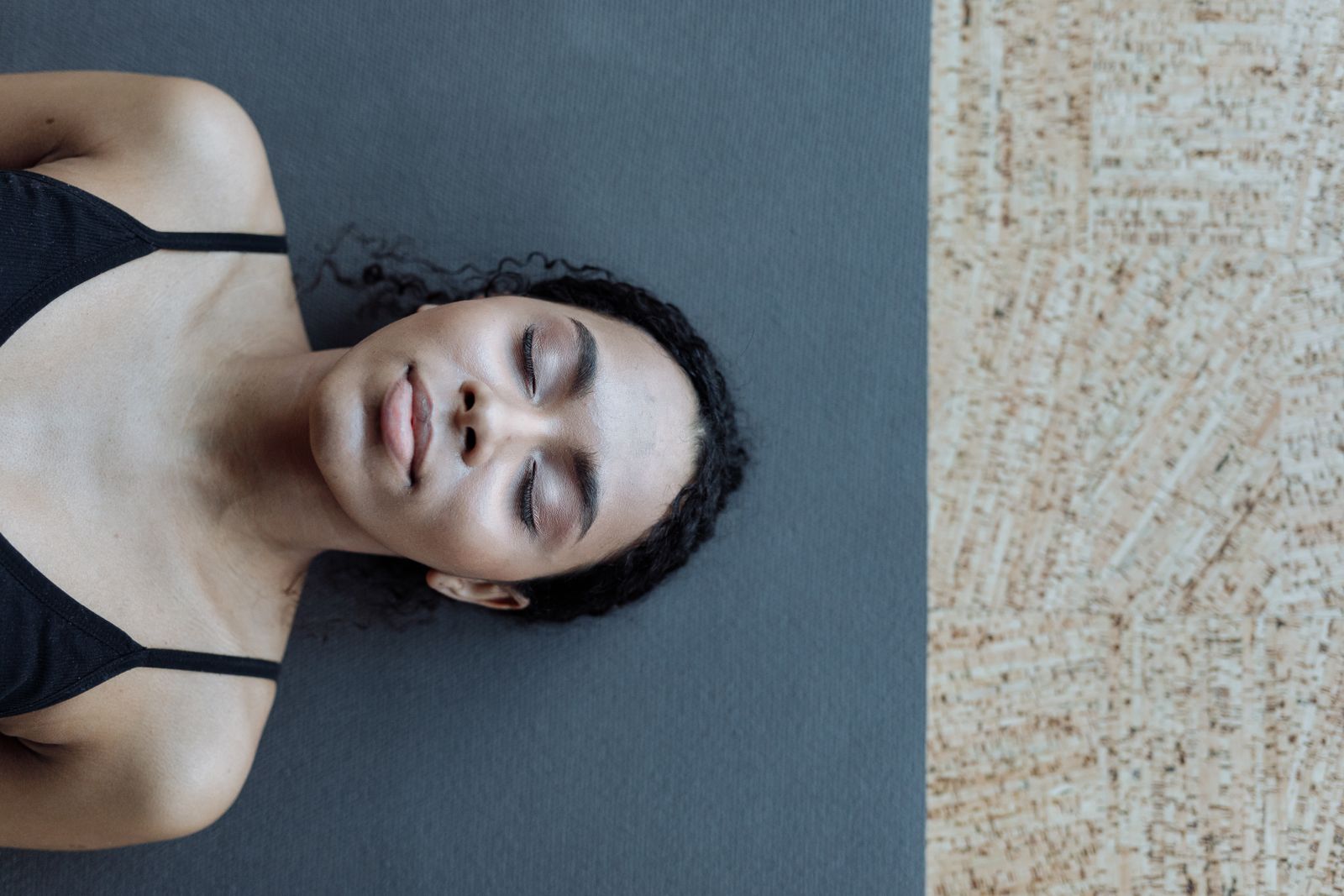
A realistic beginner routine for skin tone support does not need to be long or complicated. Five to six days a week, spend 20-25 minutes moving through a short warm-up, two or three of the poses listed above, five minutes of pranayama, and a two-minute relaxation in Savasana. Rotate in a gentle restorative yoga session once a week to support recovery and sleep quality, and consider a slower Hatha yoga sequence on days when energy is low. Consistency across weeks matters far more than the length of any single session.
What Mistakes Should You Avoid?
A few common missteps can slow progress or increase the risk of injury:
- Expecting fast results: Internal changes to circulation and hormone balance take weeks, not days, unlike a topical treatment.
- Skipping sun protection: Assuming yoga alone will manage pigmentation is a frequent misstep, since UV exposure remains the single largest driver of new dark spots regardless of how consistent a practice is.
- Overdoing inversions without proper form: Shoulder Stand and Plow Pose can strain the neck when rushed. These poses are worth learning under guidance, ideally through one-on-one personal training or a qualified instructor, before practicing them independently.
Questions People Ask About Yoga for Uneven Skin Tone
Can yoga lighten dark spots or pigmentation?
Yoga does not lighten pigmentation directly the way a topical treatment can. It supports circulation, hormone balance, and stress reduction, which can make existing discoloration look less pronounced over time as overall skin health improves. For active dark spots, pairing yoga with sun protection and a dermatologist-recommended topical routine is more effective than yoga alone.
How often should I practice yoga for visible skin changes?
Most practitioners who notice a difference in skin tone practice five to six days a week for at least eight to twelve weeks. Since skin cell turnover takes roughly four to six weeks, shorter or inconsistent practice is unlikely to produce a noticeable change. Daily short sessions tend to outperform infrequent long ones.
Which single pose is best for glowing, even skin?
There is no single best pose, but Downward-Facing Dog is frequently recommended as an accessible daily option because it increases blood flow to the face without the neck strain risk of deeper inversions like Shoulder Stand. Combining it with a seated twist and a few minutes of alternate nostril breathing covers circulation, detoxification, and stress in one short sequence.
Does hot yoga help more than regular yoga for skin tone?
Hot yoga increases sweating, which some practitioners associate with clearer pores, but heavy sweating alone does not resolve pigmentation and can aggravate sensitive or acne-prone skin if not cleansed properly afterward. A regular-temperature practice combined with good hydration is a safer, more sustainable approach for most people.
Can men benefit from yoga for skin tone the same way?
Yes. The underlying mechanisms, circulation, stress hormone regulation, sleep quality, and detoxification support, are not gender-specific. Men dealing with uneven tone from sun exposure, shaving irritation, or stress can expect the same general benefits from a consistent practice.
Is it safe to combine yoga with skin treatments like chemical peels?
Generally yes, though it’s worth avoiding heavy sweating or hot yoga in the days immediately following a peel or other in-clinic treatment, since freshly treated skin is more sensitive to irritation. Gentle, non-heated practice is typically fine and can support the skin’s recovery process through improved circulation.
Try This for Yourself
If you want a structured, guided way to build these poses and breathing techniques into a routine that actually sticks, FitStrot’s online yoga classes pair certified instructors with a schedule built around your goals, whether that’s better skin, less stress, or overall fitness. A guided class also means proper form on the inversions and twists mentioned above, which matters for both safety and results.
Related reading: yoga for weight loss, yoga for hairfall reduction, yoga for stress relief, benefits of yoga, and FitStrot’s online yoga classes.