Yoga for asthma works mainly through slow, controlled breathing practices called pranayama, gentle asanas that open the chest and improve posture, and relaxation techniques that calm the nervous system responses linked to airway tightening. It is not a cure and does not replace inhalers or prescribed medication, but several clinical studies, including a widely cited trial published in The Lancet, found that regular pranayama practice improved airway reactivity and reduced dependence on bronchodilators in people with mild to moderate asthma. Used alongside medical care, yoga for asthma can help you breathe more efficiently, manage stress-triggered flare-ups, and build lung capacity over time. This guide covers the specific asanas, breathing techniques, and precautions that make a yoga for asthma routine safe and genuinely useful.
What Is Asthma and Why Does Breathing Practice Matter?
Asthma is a chronic respiratory condition in which the airways become inflamed, narrow, and produce excess mucus, making it harder for air to move in and out of the lungs. Common triggers include allergens, cold air, exercise, respiratory infections, and emotional stress. Because the airway muscles are involved in both the disease process and in how we breathe voluntarily, breath-focused practices sit in a unique position: they cannot repair inflamed tissue, but they can retrain the breathing pattern itself. Many people with asthma unconsciously breathe faster and more shallowly through the mouth, which dries the airways and can worsen irritation. Yoga for asthma patients targets this pattern directly by teaching slower nasal breathing, longer exhalations, and better use of the diaphragm, the large muscle beneath the lungs that does most of the work in efficient breathing.
How Does Yoga Help Asthma?
Yoga helps asthma through a few distinct mechanisms rather than one single effect. First, pranayama techniques train diaphragmatic breathing, which increases the volume of air moved per breath and reduces the reflexive over-breathing common during anxiety or an oncoming flare-up. Second, gentle backbends and chest-opening poses improve the mobility of the rib cage and thoracic spine, which can become stiff from years of shallow breathing. Third, the relaxation response triggered by slow exhalation and meditation lowers circulating stress hormones, and stress is a well-documented asthma trigger. A systematic review of yoga and breathing exercises in childhood asthma, published via PubMed, found consistent improvements in quality-of-life scores and symptom frequency across multiple trials, though researchers were careful to note that lung function measurements (like peak flow) did not always improve to the same degree. That distinction matters: yoga can make asthma feel more manageable day to day even when it does not dramatically change the numbers on a spirometer.
Best Yoga Asanas for Asthma
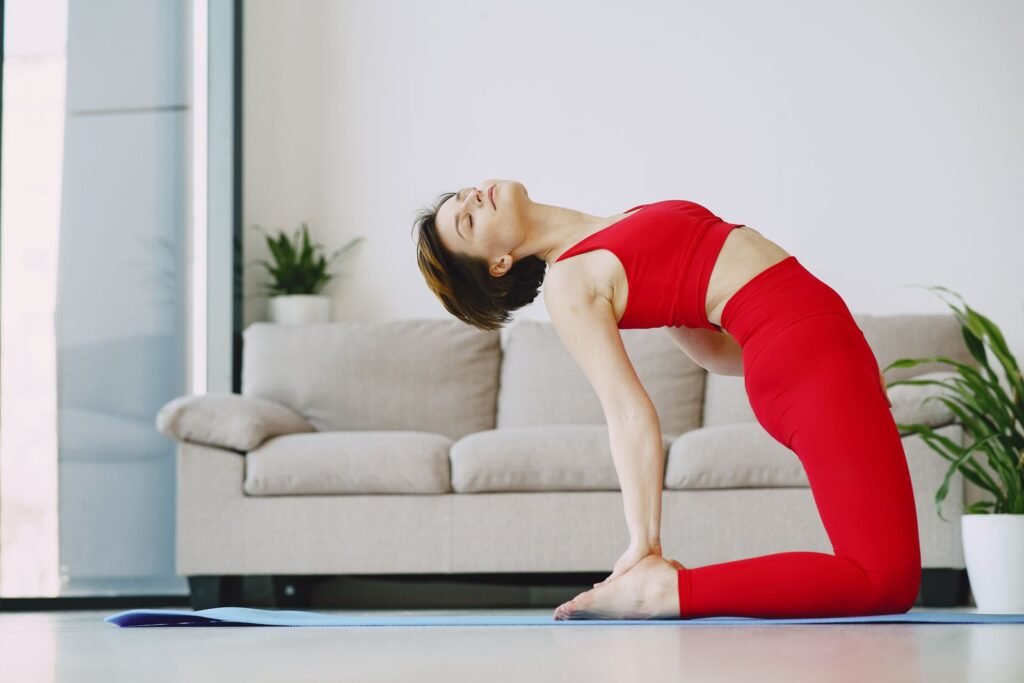
The most useful yoga asanas for asthma share two features: they expand the chest and rib cage, and they can be held calmly without straining the breath. Below are the poses most commonly recommended in yoga therapy settings.
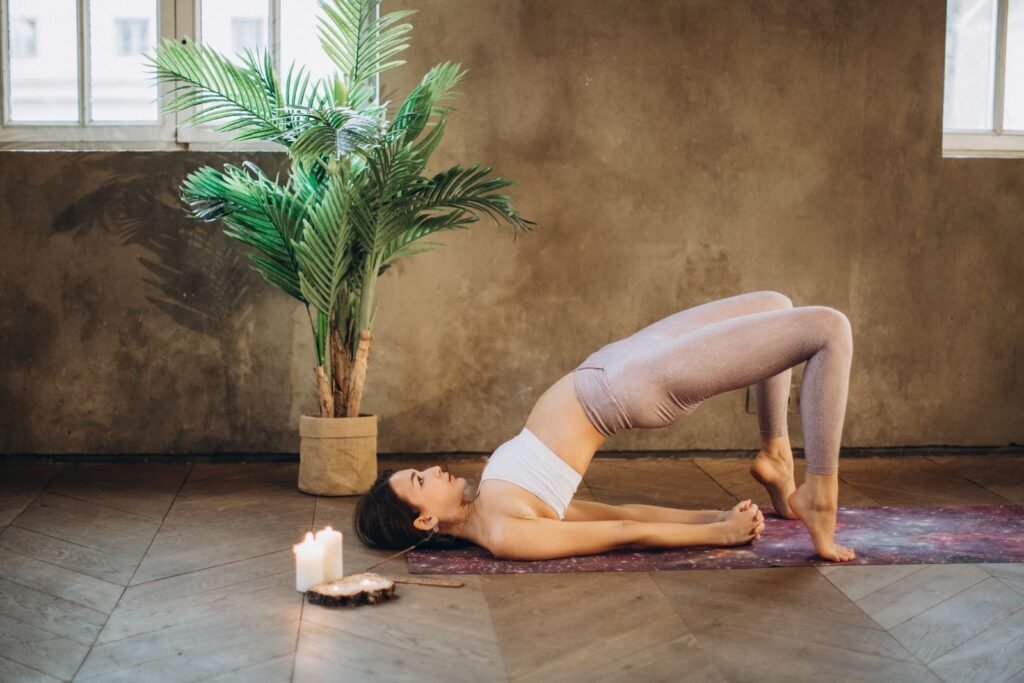
Setu Bandhasana (Bridge Pose)
Lying on your back with knees bent and feet flat, lift the hips while pressing the arms into the floor. This pose opens the front of the chest and stretches the muscles between the ribs, making it easier to draw a full breath afterward. Hold for 5-8 breaths and lower slowly. It pairs well with other restorative options covered in our guide to yoga for back pain, since both rely on a similar spinal extension.
Bhujangasana (Cobra Pose)
A gentle backbend performed on the belly, cobra pose lifts the chest and stretches the front torso without the intensity of a full backbend. It is often taught as part of surya namaskar benefits sequences because it appears in most sun salutation variations and warms the body before deeper stretching.
Matsyasana (Fish Pose)
Fish pose creates a deep stretch across the upper chest and throat, areas that tend to feel tight during asthma flare-ups. It should be approached carefully by beginners; propping the upper back on a folded blanket makes it accessible without straining the neck.
Ardha Matsyendrasana (Half Spinal Twist)
Seated twists massage the internal organs and improve the flexibility of the rib cage from the side, complementing the front-body opening of backbends. This asana is also frequently recommended in guides to yoga for digestion because of its effect on abdominal circulation.
Adho Mukha Svanasana (Downward Dog)
This inversion-adjacent pose lengthens the spine and can relieve tension in the neck and shoulders that often accompanies labored breathing. Because it briefly increases blood flow to the head, it should be modified or avoided during an active asthma attack.
Yoga Poses for Asthma You Should Approach with Caution
Not every well-known pose belongs in a beginner asthma routine. Deep backbends like Urdhva Dhanurasana (full wheel) and strong inversions like headstand place significant demand on breath control and cardiovascular effort, which can be risky if attempted before building a foundation. Vigorous, fast-paced sequences, including some styles of vinyasa yoga or power yoga, may also trigger exercise-induced bronchospasm in sensitive individuals if the warm-up is skipped. The safest approach is to start with restorative and gentle hatha-style sessions, similar to what is outlined in our types of yoga overview, before progressing to more dynamic classes.
Pranayama Techniques: The Core of Asthma Yoga Treatment
If asanas open the body, pranayama retrains the breath itself, and most yoga therapists consider it the more important half of any asthma yoga treatment plan.
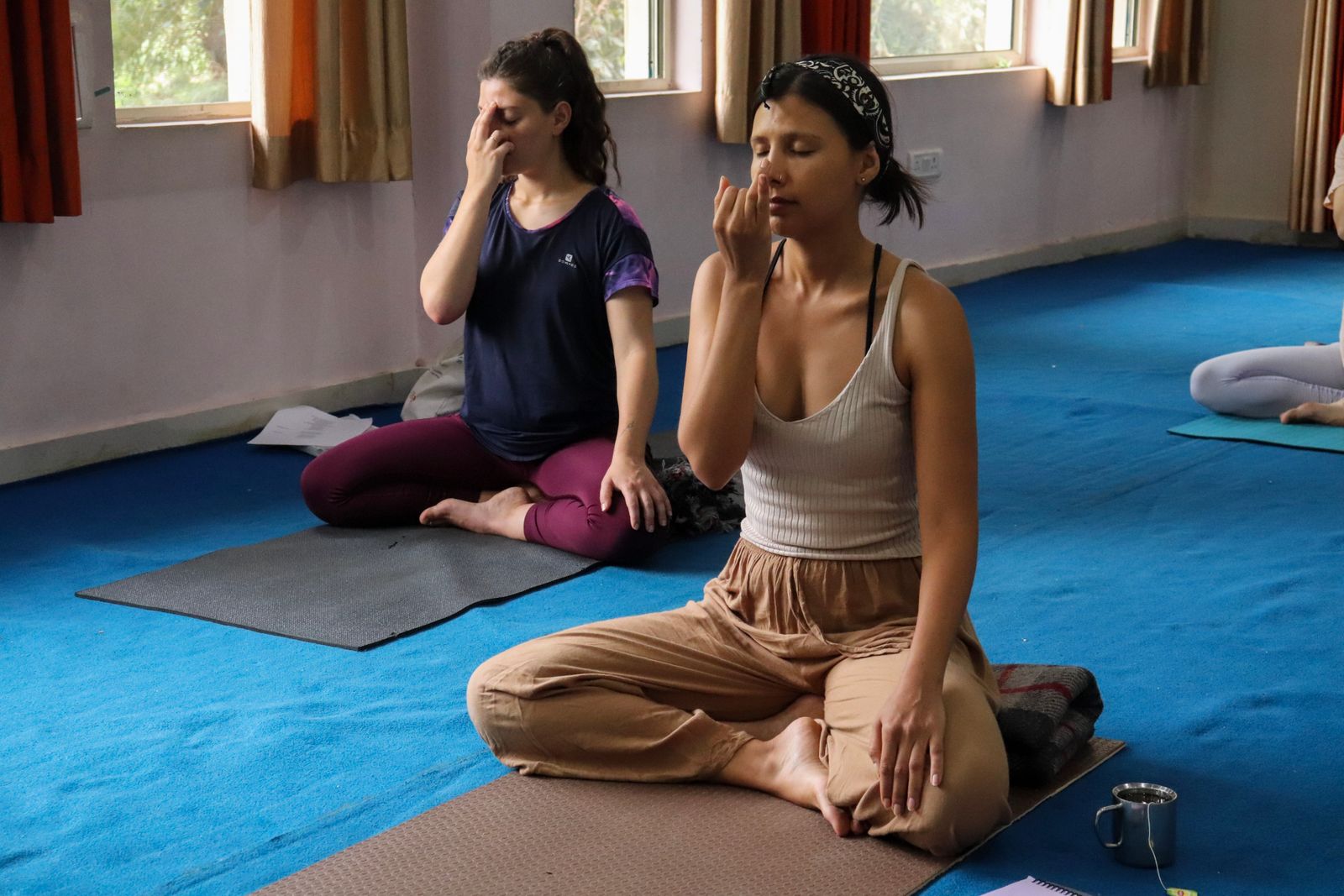
Anulom Vilom (Alternate Nostril Breathing)
This technique involves breathing in through one nostril, closing it, and exhaling through the other, alternating sides. It slows the breath rate and is widely taught as a foundational practice; it also appears in broader guides to pranayama for beginners. Practice for 5-10 minutes daily, seated comfortably with the spine upright.
Bhramari (Bee Breath)
Bhramari involves a gentle humming exhale with the mouth closed. The vibration and extended exhale can help calm the nervous system quickly, which makes it a useful tool during the early sensations of tightness before they escalate into a full flare-up.
Ujjayi (Victorious Breath)
A slight constriction at the back of the throat creates an audible, ocean-like sound during both inhale and exhale. Ujjayi lengthens the breath cycle and is commonly used throughout dynamic yoga practice, including in ashtanga yoga, to maintain steady breathing during movement.
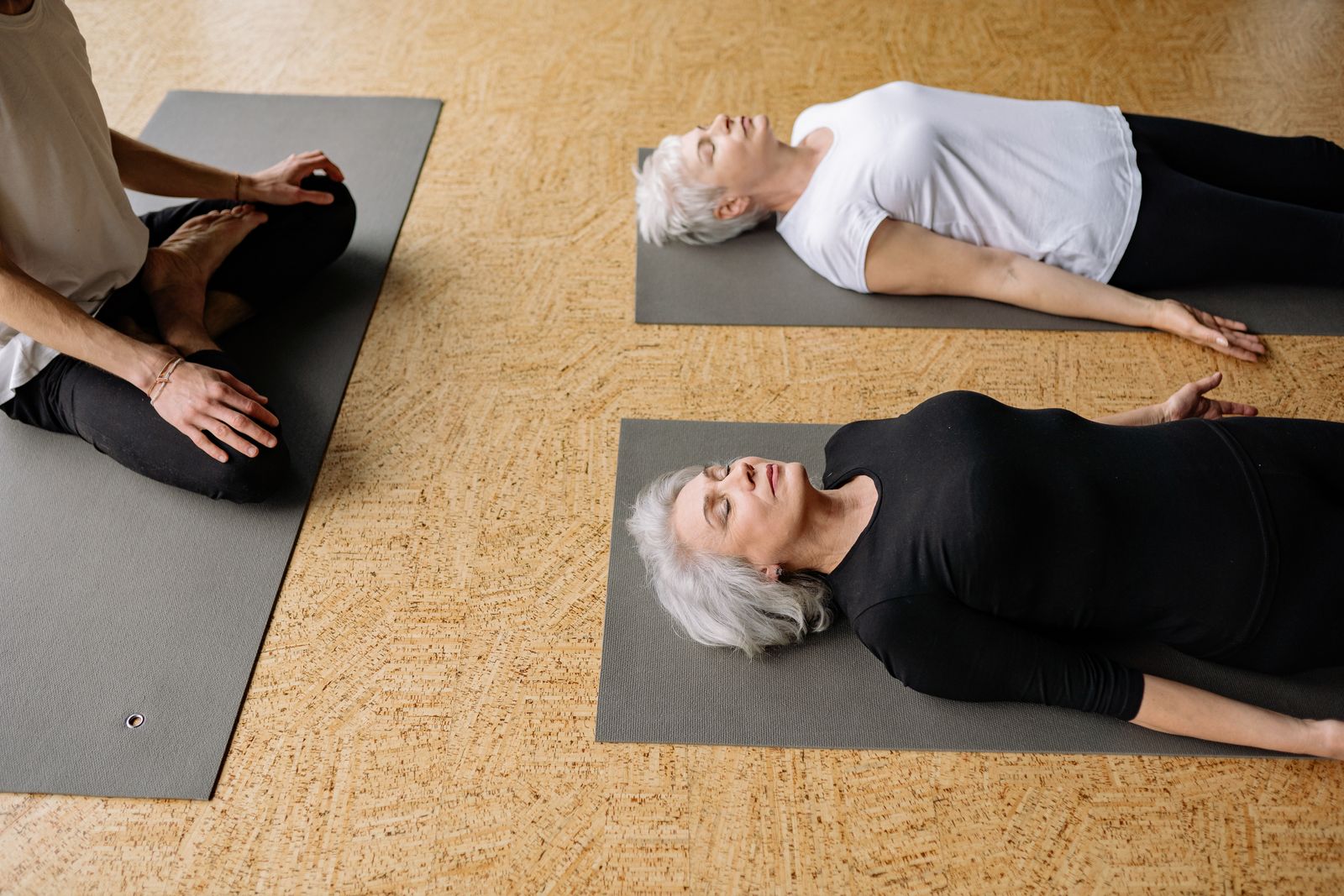
Diaphragmatic (Belly) Breathing
Lying down with one hand on the chest and one on the belly, the goal is to keep the chest relatively still while the belly rises and falls. This retrains the body to rely on the diaphragm rather than the smaller accessory muscles in the neck and shoulders, which is precisely the pattern disrupted by chronic asthma.
Kapalabhati: A Technique to Approach with Care
Kapalabhati, or “skull-shining breath,” uses short, forceful exhales. While popular in general pranayama practice, it is generally not recommended during active asthma symptoms or for beginners with reactive airways, since the rapid forceful exhalation can occasionally provoke coughing or tightness. It is best introduced only under the guidance of an experienced instructor once the basics of slow breathing are well established.
What Does the Research Actually Say?
The clinical evidence on yoga for asthma is encouraging but should be read with appropriate nuance. An early controlled trial published in The Lancet in 1990 found that a structured pranayama program reduced airway reactivity to a triggering agent, one of the first studies to give the practice scientific credibility. More recent systematic reviews, including a 2019 review of breathing exercises and yoga in childhood asthma indexed on PubMed, found consistent improvements in symptom control and quality of life, though the researchers noted that study quality varied and objective lung function measures did not always improve alongside the reported symptom relief. A separate Cochrane-affiliated review similarly concluded that yoga may offer some benefit for asthma symptoms and quality of life, while stressing that more rigorous, larger trials are still needed before yoga can be considered a standalone treatment. In practice, this means yoga is best understood as a well-supported complementary practice rather than a replacement for prescribed asthma medication.
Asthma Ke Liye Yoga: Practicing Safely at Home
For those searching specifically for asthma ke liye yoga guidance, the core principles remain the same regardless of language or region: start slow, prioritize nasal breathing, and never push through breathlessness. A simple home sequence might begin with five minutes of quiet seated breathing, move into two or three gentle chest-opening asanas, and close with ten minutes of alternate nostril breathing or bee breath. Practicing at the same time each day, ideally in a room free of dust, strong fragrances, or cold drafts, helps avoid accidentally introducing a trigger during practice. If you are new to structured routines, our broader guide to yoga for beginners is a useful starting point before layering in asthma-specific modifications.
How to Build a Weekly Yoga for Asthma Patients Routine
Consistency matters more than intensity when it comes to yoga for asthma patients. The table below shows how a realistic routine can progress as comfort and lung capacity improve:
| Stage | Frequency | Session Length | Focus |
|---|---|---|---|
| Starting routine | 3 sessions/week | 20-30 minutes | 2-3 gentle asanas + 10-15 minutes of pranayama |
| As comfort improves | 3+ sessions/week | 40-45 minutes | Wider pose selection, similar in structure to the progressions described in our yoga for weight loss and yoga for flexibility guides |
Pacing should always stay gentler than these general guides for anyone managing reactive airways. Morning practice, before daily allergen exposure builds up, is often preferred, but evening sessions work equally well for reducing stress-triggered nighttime symptoms.
Yoga for Asthma Cure: Setting Realistic Expectations
Searches for “yoga for asthma cure” are common, but it’s important to be direct: no yoga practice cures asthma, and no responsible yoga teacher or physician will claim otherwise. Asthma is a chronic condition managed through a combination of trigger avoidance, prescribed medication, and lifestyle strategies, of which yoga can be one supportive piece. What consistent practice can realistically offer is fewer stress-triggered episodes, improved breath control during mild symptoms, better sleep quality, and an increased sense of control over one’s own breathing, which for many people with asthma is itself a significant quality-of-life improvement. Anyone hoping yoga will let them reduce or stop prescribed medication should discuss this with their treating doctor first rather than making that change independently.
Combining Yoga with Other Lifestyle Approaches
Yoga works best for asthma management as part of a broader lifestyle approach rather than in isolation. Maintaining a healthy body weight reduces the mechanical load on the lungs and diaphragm, an area where our guide to yoga for weight loss offers relevant, low-impact options. Managing related hormonal or metabolic conditions also matters: readers dealing with thyroid imbalances or PCOS, both of which can influence energy levels and inflammation, may find our guides to yoga for thyroid and yoga for pcos useful complements to an asthma-focused routine. Stress reduction more broadly, through practices covered in yoga for anxiety and yoga for stress relief, also indirectly supports asthma control, since emotional stress remains one of the most commonly reported personal triggers.
Common Mistakes People Make with Asthma Yoga Exercise
A few recurring mistakes show up again and again in asthma yoga exercise routines, often turning a helpful practice into one that provokes symptoms instead:
- Starting too fast: Attempting vigorous or fast-paced sequences before the breath is under control, which can provoke rather than relieve symptoms.
- Practicing in the wrong environment: Cold, dry, or dusty rooms that introduce triggers during the session.
- Pushing through breathlessness: Holding poses to the point of strain instead of stopping at the first sign of tightness.
- Skipping the warm-up: Moving straight into backbends without preparation, which increases the risk of overstretching the chest wall.
- Rushing into Kapalabhati: Attempting forceful breathing techniques before the basics of slow, controlled breathing are established.
A slower, more patient build-up, similar to the pacing recommended in our yoga for seniors guide, tends to produce better long-term results than an aggressive start.
When Should You Avoid or Modify Yoga Practice?
Yoga should be paused during an active asthma attack; this is not the time for asanas or pranayama, but for using prescribed rescue medication as directed by a physician. Practice should also be modified or avoided during active respiratory infections, when experiencing chest pain, or when a doctor has advised against physical exertion. People with exercise-induced asthma should keep quick-relief inhalers nearby during practice and inform their yoga instructor of their condition beforehand. As with any new fitness or wellness routine, especially one connected to a diagnosed medical condition, checking in with a treating physician before starting is a sensible first step, and it mirrors the same caution recommended in our guide to yoga for erectile dysfunction, another area where yoga complements rather than replaces medical treatment.
Questions People Ask About Yoga for Asthma
Can yoga completely replace asthma medication?
No. Yoga is a complementary practice that can support breath control and reduce stress-related triggers, but it does not replace prescribed inhalers or medication. Any changes to an existing asthma treatment plan should be discussed with a physician, since stopping medication based on yoga practice alone can be genuinely risky for airway health.
How long does it take to see benefits from yoga for asthma?
Many people notice calmer breathing and reduced tension within a few weeks of consistent practice, typically three to four sessions per week. Measurable improvements in symptom frequency and quality of life, as reported in clinical reviews, are usually observed after eight to twelve weeks of regular pranayama and gentle asana practice.
Is Kapalabhati safe for asthma patients?
Kapalabhati involves forceful, rapid exhalations and is generally not recommended for beginners or during active asthma symptoms, since it can occasionally trigger coughing or airway tightness. Gentler techniques like alternate nostril breathing and diaphragmatic breathing are safer starting points for most people with reactive airways.
Can children with asthma practice yoga?
Yes, research reviews on childhood asthma have found breathing exercises and gentle yoga can improve symptom control and quality of life in children, when supervised appropriately. Sessions should be shorter, playful, and closely guided by an instructor familiar with pediatric respiratory conditions.
What is the best time of day to practice yoga for asthma?
Morning practice, before daily allergen and pollution exposure accumulates, is often preferred, but there is no universal rule. Some people find evening sessions more effective for reducing the stress and nighttime symptoms that can disrupt sleep, so the best time is ultimately whichever slot allows for consistent, unhurried practice.
Does yoga help with exercise-induced asthma specifically?
Yoga’s slow-paced breathing training can improve overall breath control, which may reduce the severity of exercise-induced symptoms over time. However, anyone with exercise-induced asthma should still keep rescue medication accessible during practice and choose gentler yoga styles over high-intensity flows until their tolerance is well understood.
Try This for Yourself
If you want personalized guidance rather than piecing together a routine on your own, a guided class can make the difference between a practice that helps and one that accidentally triggers symptoms. Explore FitStrot’s online yoga classes to work with an instructor who can tailor asanas and pranayama specifically to your breathing needs, at a pace that respects where your lungs are today.
Related reading: yoga for weight loss, yoga for thyroid, yoga for pcos, pranayama for beginners, and FitStrot’s online yoga classes.