

Yoga for digestion works by combining gentle twists, forward folds, and deep belly breathing that physically compress and release the abdominal organs, stimulating blood flow, easing trapped gas, and calming the nervous system that controls gut motility. Poses like seated twists, wind-relieving pose (Pavanmuktasana), and Cat-Cow are commonly recommended after meals because they encourage peristalsis without straining a full stomach, while a short 10-15 minute sequence practiced in the morning or after dinner can noticeably reduce bloating, sluggishness, and gas within days of consistent practice. The biggest gains come from pairing these poses with slow, diaphragmatic breathing and doing them at the right time relative to eating, not from any single “magic” pose.
Why Does Yoga Help With Digestion?
Yoga supports digestion through a few distinct mechanisms rather than one single effect. Twisting and folding poses physically compress the stomach, small intestine, and colon, then release that compression as you move out of the pose, which mechanically encourages the movement of food and gas through the digestive tract. Deep diaphragmatic breathing massages the abdominal organs with every inhale and exhale, increasing blood flow to the gut. Perhaps most importantly, yoga activates the parasympathetic nervous system, the “rest and digest” state, which shifts the body away from the stress response that slows or disrupts digestion. Chronic stress is well documented to interfere with normal gut function, so any practice that reliably down-regulates that stress response, including stress-relief-focused yoga, tends to support smoother digestion as a side effect.
What Is the Best Yoga for Digestion?
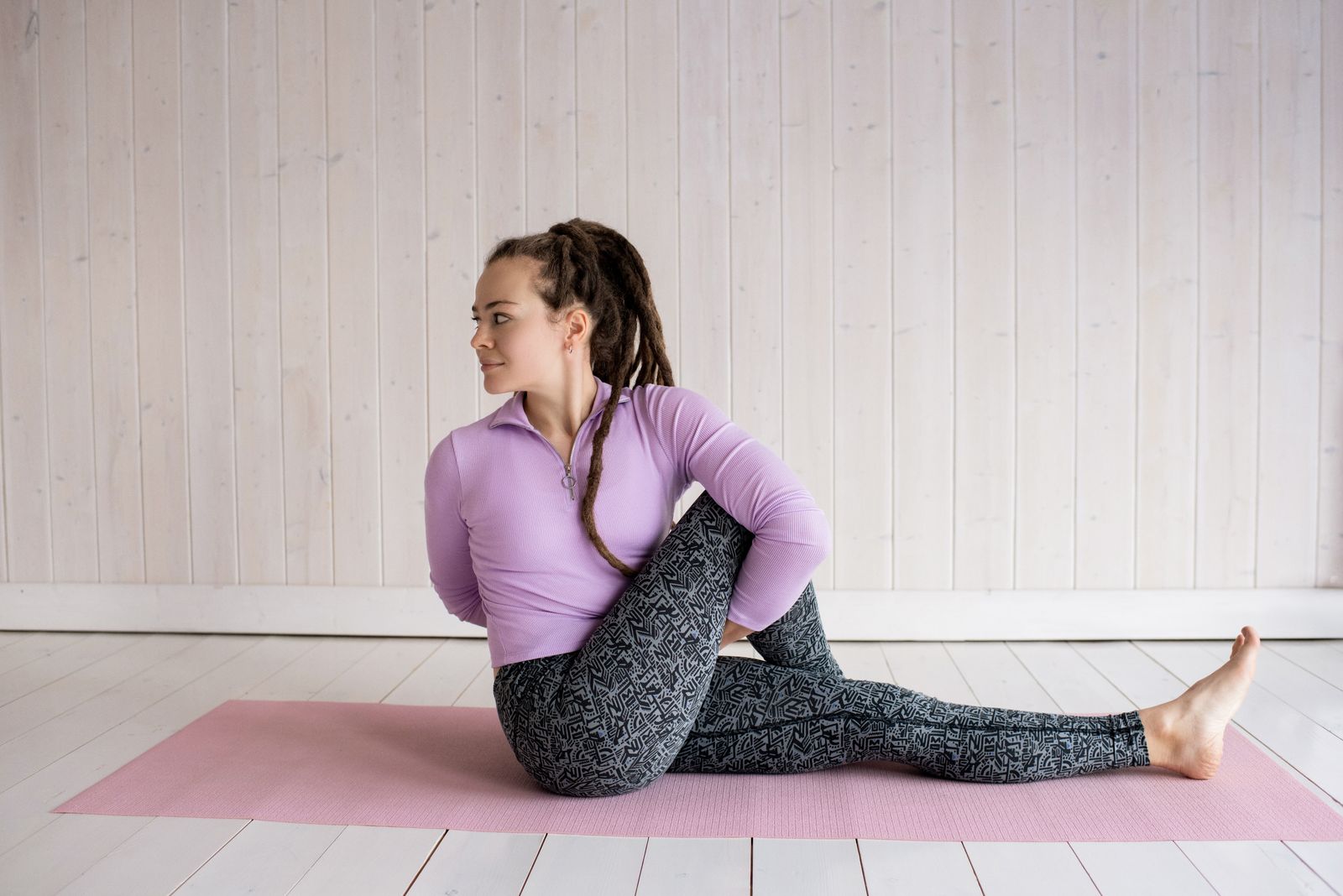
The best yoga for digestion combines gentle twists, mild forward folds, and supine (lying-down) poses rather than intense, fast-paced flows. Seated Spinal Twist (Ardha Matsyendrasana), Wind-Relieving Pose (Pavanmuktasana), Cat-Cow (Marjariasana-Bitilasana), and Child’s Pose (Balasana) form a reliable core sequence because they’re low-impact, safe on a fed or lightly-fed stomach, and specifically target the abdominal region. Unlike vinyasa or power yoga, which are built for yoga for weight loss and calorie burn, a digestion-focused practice prioritizes slow, controlled movement and extended holds of 5-10 breaths per pose so the compression-and-release effect on the intestines has time to work. If you’re new to structured sequences, starting with beginner yoga poses ensures your form is solid before adding twisting or inversion elements.
Which Yoga Poses Are Best for Digestion and Gas Relief?
For trapped gas and bloating specifically, a handful of poses stand out for their direct mechanical effect on the colon:
- Pavanmuktasana (Wind-Relieving Pose): Hug one or both knees into the chest while lying on your back to compress the ascending and descending colon; it’s widely taught as the go-to pose for gas relief.
- Apanasana: A gentler variation of the same knee-to-chest action that works similarly but with less pressure, making it suitable for sensitive stomachs.
- Supta Matsyendrasana (Supine Twist): Releases tension along the entire torso while gently massaging the intestines.
- Malasana (Garland Pose): A deep squat that uses gravity and hip flexion to encourage downward movement through the lower digestive tract.
Each of these poses is typically held for 30-60 seconds per side, paired with slow nasal breathing, and can be combined into a short sequence specifically for yoga for constipation when gas and irregularity occur together.
What Yoga Poses Should You Do for Digestion After a Meal?
After eating, the safest and most effective poses are gentle, upright, or mildly reclined postures that avoid deep compression of a full stomach. Vajrasana (Thunderbolt Pose), a simple kneeling position, is one of the only asanas traditionally recommended to be practiced immediately after eating, since it doesn’t compress the abdomen and is believed to support blood flow to the digestive organs while you sit upright. A relaxed short walk of 10-15 minutes before any seated practice also helps, since food needs roughly 20-30 minutes to begin moving out of the stomach before poses involving forward folds or twists become comfortable. Once that window has passed, gentle seated twists and Cat-Cow can follow. Avoid deep backbends, inversions, or intense core work like Boat Pose directly after eating, since these positions place direct pressure on a full stomach and can trigger discomfort or reflux.
How Long After Eating Should You Wait, and What Works Best After Dinner?
A general guideline used across most yoga traditions is to wait at least 2-3 hours after a full meal before practicing anything beyond gentle seated poses, and at least 30-60 minutes after a light snack. This window allows the stomach to empty partially, reducing the risk of nausea, cramping, or acid reflux during twists, forward folds, or inversions. Vajrasana is the recognized exception, since it’s specifically designed to be done sitting upright directly after eating without the compression risk other poses carry. For an after-dinner sequence specifically, keep the pacing slow: Vajrasana for 3-5 minutes right after eating, a 10-15 minute gentle walk, then Cat-Cow for 8-10 rounds, a seated twist held for 5 breaths per side, and finishing in Balasana (Child’s Pose) or a supine twist before bed. This avoids the alertness that vigorous styles like vinyasa or power yoga can create, which matters because practicing something too stimulating close to bedtime can interfere with sleep onset. For a broader evening wind-down routine that layers in relaxation beyond digestion, bedtime yoga pairs naturally with this after-dinner digestion sequence.
Is Morning Yoga Better for Digestion Than Evening Practice?
Morning and evening practice both support digestion, but they do so differently. A morning sequence on an empty stomach, typically 15-20 minutes of Sun Salutations, gentle twists, and Cat-Cow, helps “wake up” the digestive tract before the day’s first meal and is often credited with supporting more regular bowel movements when practiced consistently. Evening practice, done after a meal has had time to settle, targets the discomfort and bloating that accumulate from the day’s eating rather than prevention. Neither replaces the other; many practitioners use a short morning flow to set up regularity and a gentler evening sequence to relieve end-of-day bloating. If mornings work better for your schedule, a simple sequence of Cat-Cow, standing forward fold, and a seated twist for 10 minutes before breakfast is enough to start noticing a difference within one to two weeks.
Can Yoga Help With Bloating and Trapped Gas Specifically?
Yes, and this is one of the most immediate, noticeable effects of a digestion-focused practice. Bloating is often caused by gas trapped in the intestinal loops, and poses that compress and then release these loops, particularly Pavanmuktasana, Supine Twist, and Malasana, physically encourage that trapped gas to move and be released. Slow, deep breathing during these poses adds a second mechanism: it lowers the sympathetic “fight or flight” activity that can cause the gut to tense up and slow its normal contractions. For most people, a 10-15 minute sequence targeting gas relief brings noticeable relief within the same session, though chronic or severe bloating that doesn’t respond to gentle movement is worth discussing with a doctor, since it can also signal food intolerances or underlying digestive conditions.
How Does Breathing Technique Affect Digestion During Yoga?
The breath is not a side detail in digestive yoga, it’s one of the primary mechanisms. Diaphragmatic breathing, where the belly expands on the inhale rather than the chest rising, creates a rhythmic internal massage on the stomach, liver, and intestines with every breath cycle. This is why instructors consistently cue “breathe into your belly” during twists and folds rather than shallow chest breathing. Nadi Shodhana (alternate nostril breathing) and simple slow belly breathing are both used before or after asana practice specifically to calm the nervous system into the parasympathetic state associated with healthy digestion. If you want to deepen this piece of the practice specifically, exploring yoga breathing techniques in more depth will improve results across every pose in a digestion sequence, not just the seated ones.
What Role Does Ayurveda Play in Yoga for Digestion?
In Ayurvedic tradition, digestion is closely tied to the concept of agni, or digestive fire, which is believed to govern how efficiently the body processes food. Many of the poses used in yoga for digestion, particularly twists and the seated Vajrasana position, are framed in Ayurvedic teaching as ways to stimulate and support agni rather than purely mechanical exercises. Ayurveda also emphasizes eating in a calm state, chewing thoroughly, and avoiding cold drinks immediately after meals, all of which complement rather than replace the physical postures. While the modern physiological explanation (blood flow, nervous system regulation, and mechanical compression) and the traditional Ayurvedic framing describe the same poses differently, both traditions land on the same practical takeaway: gentle, mindful movement after eating supports better digestion than sitting still or lying down immediately after a meal.
Can Yoga Help With Chronic Digestive Issues Like Constipation or IBS?
For chronic or recurring digestive complaints, yoga is best used as a supportive daily habit rather than a one-time fix. Regular twisting and compression poses can support more consistent bowel movements over time, and the stress-reduction effect of yoga is particularly relevant for conditions like irritable bowel syndrome, where gut symptoms are frequently worsened by stress and anxiety. A consistent daily or near-daily practice, even just 10 minutes, tends to produce more meaningful improvement for chronic issues than an occasional longer session. For anyone dealing with ongoing irregularity, a more targeted sequence built specifically around yoga for constipation goes deeper into pose order, hold times, and frequency than a general digestion routine covers. Anyone with a diagnosed digestive condition, IBD, ulcers, or a hernia should check with a doctor before starting twisting-heavy sequences, since deep compression poses aren’t appropriate for every condition.
How Does Yoga for Digestion Relate to Weight and Metabolic Health?
Digestive health and weight management overlap more than people expect. Bloating is often mistaken for fat gain, and reducing chronic bloating through regular digestion-focused practice can make a real difference in how the body looks and feels day to day, even without any change in actual body fat. Beyond that surface-level connection, a calmer, better-regulated digestive system supports more consistent nutrient absorption and can reduce the stress-driven cravings that interfere with weight goals. Anyone building a broader routine around yoga for weight loss benefits from layering in a short digestion-focused sequence, since reduced bloating tends to reveal progress that a scale alone won’t show. Similarly, people managing yoga for fatty liver often find that the same twisting poses that aid digestion also support the liver, since twists compress and then flood the organ with fresh, oxygenated blood.
Is Yoga for Digestion Safe for Everyone?
Most gentle digestion-focused poses are safe for the general population, but a few groups need to modify or avoid certain postures. Pregnant practitioners should avoid deep twists that compress the abdomen and closed twists in general past the first trimester, opting instead for open, gentle twists that rotate away from rather than into the belly. Anyone recovering from recent abdominal surgery, dealing with a hernia, or managing inflammatory bowel disease should get clearance from a doctor before practicing deep compression poses like Pavanmuktasana. People with severe acid reflux may find that certain forward folds worsen symptoms and should experiment cautiously, starting with shorter holds. As with any new physical practice, starting gently and paying attention to how your body responds matters more than following a generic sequence exactly, and reviewing general yoga for back pain guidance is worthwhile if twisting poses aggravate an existing spinal issue.
How Do You Build a Complete Daily Yoga Routine for Digestion?
A complete daily routine doesn’t need to be long or complicated to be effective. A reliable structure looks like this:
- 2-3 minutes of diaphragmatic breathing to settle the nervous system.
- 5-8 rounds of Cat-Cow to warm up the spine and gently mobilize the abdominal organs.
- A seated twist held for 5-8 breaths per side.
- Pavanmuktasana held for 1-2 minutes per side (or both knees together for a fuller compression).
- Finish in Balasana or a few minutes of Savasana to let the nervous system fully settle.
This sequence takes roughly 15-20 minutes and works whether it’s practiced in the morning on an empty stomach or in the evening after dinner has had time to settle. Consistency over 2-3 weeks tends to produce more noticeable, lasting improvement in regularity and bloating than practicing it inconsistently for a longer period. Those managing hemorrhoids alongside digestive discomfort should adapt this sequence carefully, since some twists and forward folds need modification, and a dedicated look at yoga for piles covers those adjustments in detail.
Questions People Ask About Yoga for Digestion
Which yoga pose is best immediately after eating?
Vajrasana (Thunderbolt Pose), a simple kneeling posture, is the one pose widely recommended immediately after a meal since it doesn’t compress the stomach the way twists or forward folds do. Sitting in Vajrasana for 5-10 minutes after eating is traditionally believed to support digestion without the discomfort that more active poses can cause on a full stomach.
Can yoga help with bloating and gas the same day you practice it?
Yes, many people notice relief within the same session, particularly from poses like Pavanmuktasana and Supine Twist that mechanically move trapped gas through the intestines. Deep, slow breathing during these poses adds a calming effect on the nervous system that further supports gas release. For chronic or severe bloating, same-day relief from yoga alone may not be enough, and it’s worth having it evaluated.
How often should you practice yoga for digestion?
Daily practice, even just 10-15 minutes, produces more consistent results than longer, infrequent sessions. Digestive health responds well to routine, since regular gentle compression and nervous system regulation build cumulative benefits over 2-3 weeks rather than delivering a one-time fix.
Is it better to do yoga for digestion in the morning or after meals?
Both serve different purposes. Morning practice on an empty stomach tends to support overall regularity and sets up the digestive system for the day, while practicing gentle poses after meals targets immediate bloating and sluggishness from that specific meal. Many people benefit from combining a short morning sequence with an occasional after-dinner routine.
Can twisting poses be harmful for digestion issues?
Gentle twists generally help rather than harm digestion, but deep or forceful twists can be problematic for people with certain conditions, including inflammatory bowel disease, recent abdominal surgery, or a hernia. Those groups should stick to open, gentle twists and check with a doctor before adding deeper compression poses to their routine.
Does yoga work as well as medication for digestive problems?
Yoga is a supportive practice, not a replacement for medical treatment when a digestive issue has an underlying medical cause. For everyday bloating, sluggish digestion, and stress-related gut discomfort, yoga can meaningfully reduce symptoms, but persistent pain, blood in stool, or unexplained weight loss should always be evaluated by a doctor rather than managed through yoga alone.
Try This for Yourself
Reading about yoga for digestion is a good starting point, but the real relief from bloating, sluggishness, and gas comes from consistent, correctly-guided practice. If you want a structured routine with real-time feedback on your twists, folds, and breathing, explore FitStrot’s online yoga classes and build a digestion-focused sequence that actually fits your schedule.
Related reading: Yoga for Constipation, Yoga for Piles, Yoga for Fatty Liver, Yoga for Weight Loss, and FitStrot’s online yoga classes.