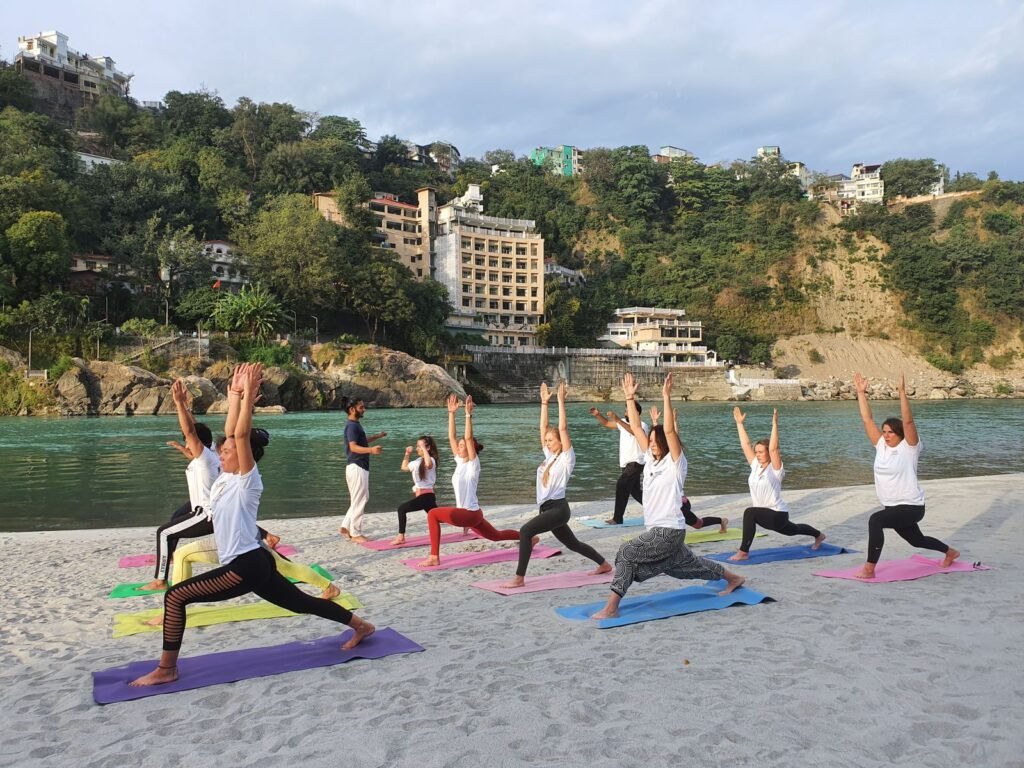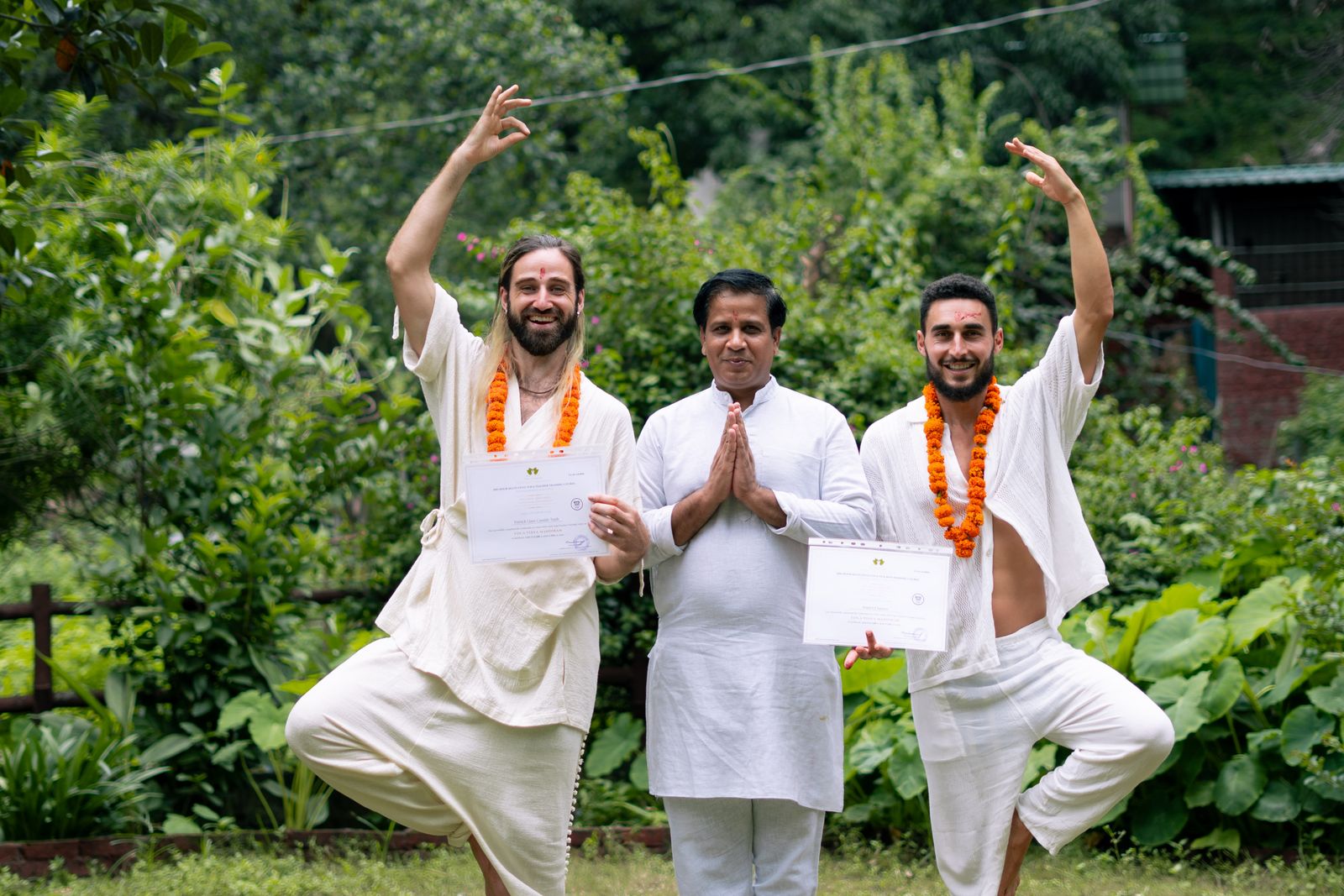
A yoga certification course is a structured training program that qualifies you to teach yoga professionally, typically ranging from 200 to 500 training hours and covering asana (postures), pranayama (breathing), anatomy, teaching methodology, and yoga philosophy. In India, the two main credentialing paths are the government-run Yoga Certification Board (YCB) under the Ministry of AYUSH, and internationally recognized bodies like Yoga Alliance. Choosing the right course depends on whether you want to teach in India, work internationally, specialize in therapy, or simply deepen your own practice.
What Exactly Is a Yoga Certification Course?
A yoga certification course is a formally structured curriculum, delivered by a recognized school or government body, that verifies you have the knowledge and practical skill to teach yoga safely and competently. Unlike casual yoga classes you might attend as a student, a certification course is assessed — it includes written exams, practical demonstrations, and often a teaching practicum. Graduates receive a certificate or credential that they can list on resumes, use to register with professional bodies, and show to studios or clients as proof of training. The depth of a course varies enormously: some are weekend workshops in a single style, while others are month-long residential programs covering the entire foundational syllabus of classical hatha yoga and beyond.
Yoga Certification Course by Government of India: How the YCB Works
The Yoga Certification Board is described on its own website as the only board set up by any government specifically for yoga certification, and it operates under India’s Ministry of AYUSH (Ayurveda, Yoga, Naturopathy, Unani, Siddha, and Homoeopathy). Rather than running teacher-training schools itself, the YCB sets a standardized syllabus and examination system, and candidates can prepare through recognized yoga institutions before sitting government-administered exams. This is different from most private certification courses, where the same school both trains and certifies you — the YCB separates the two, which is part of why it is treated as an authoritative, government-backed credential rather than a marketing badge.
What Are the YCB Certification Levels?
The Yoga Certification Board organizes credentials into a tiered structure so that professionals can progress from foundational instruction into specialized therapeutic work.
| Level | Credential | Focus |
|---|---|---|
| Entry-level | Yoga Volunteer | Basic grounding before the formal teaching tiers |
| Levels 1 & 2 | Yoga Protocol Instructor / Yoga Wellness Instructor | Teaching standardized protocols and general wellness |
| Level 3 | Yoga Teacher & Evaluator | Qualifies a candidate to both teach and assess other trainees |
| Level 4 | Yoga Master | Advanced teaching credential |
| Therapy track | Assistant Yoga Therapist, Yoga Therapist, Therapeutic Yoga Consultant | Clinical or rehabilitative work rather than general group instruction |
Choosing a level should match your goals: someone planning to lead a corporate wellness program might stop at Level 2, while someone aiming to design therapeutic protocols for people managing chronic pain, similar to what’s discussed in guides on yoga for back pain, would work toward the therapist tiers.
Yoga Certification Board NIC.in: What You’ll Find on the Official Portal
The YCB’s official website is hosted on India’s National Informatics Centre (NIC) domain, which is why searches for “yoga certification board nic in” are so common — it signals that people are trying to locate the legitimate government portal rather than a private imitation. On the official site you can find the examination calendar, a directory of recognized yoga institutions where you can prepare for exams, downloadable syllabus documents for each certification level, and the application process for both open candidates and those coming through an affiliated school. Candidates typically need to register for an exam slot at least two weeks in advance, and exam scheduling depends on enough candidates being available for a given city and date. Because scam websites sometimes mimic government portals, always confirm you’re on the NIC-hosted domain before submitting personal details or payment.
AYUSH Yoga Certification vs. Other Credentials: What’s the Difference?
“AYUSH yoga certification” and “YCB certification” refer to the same underlying system, since the Yoga Certification Board operates under the Ministry of AYUSH. What sets it apart from private certifications is government backing and a standardized national syllabus, which makes it especially valuable if you plan to work with government wellness initiatives, public sector fitness programs, or Ayurveda-integrated wellness centers within India. It’s less commonly required for boutique studios or independent online yoga classes, where Yoga Alliance registration or a strong personal practice history often carries more weight with international clients. If your goal is to build a business teaching vinyasa yoga or power yoga to a global online audience, an AYUSH credential is a strong differentiator on a resume but usually isn’t the only qualification you’ll need.
How Does Yoga Certification in India Compare to Yoga Alliance?
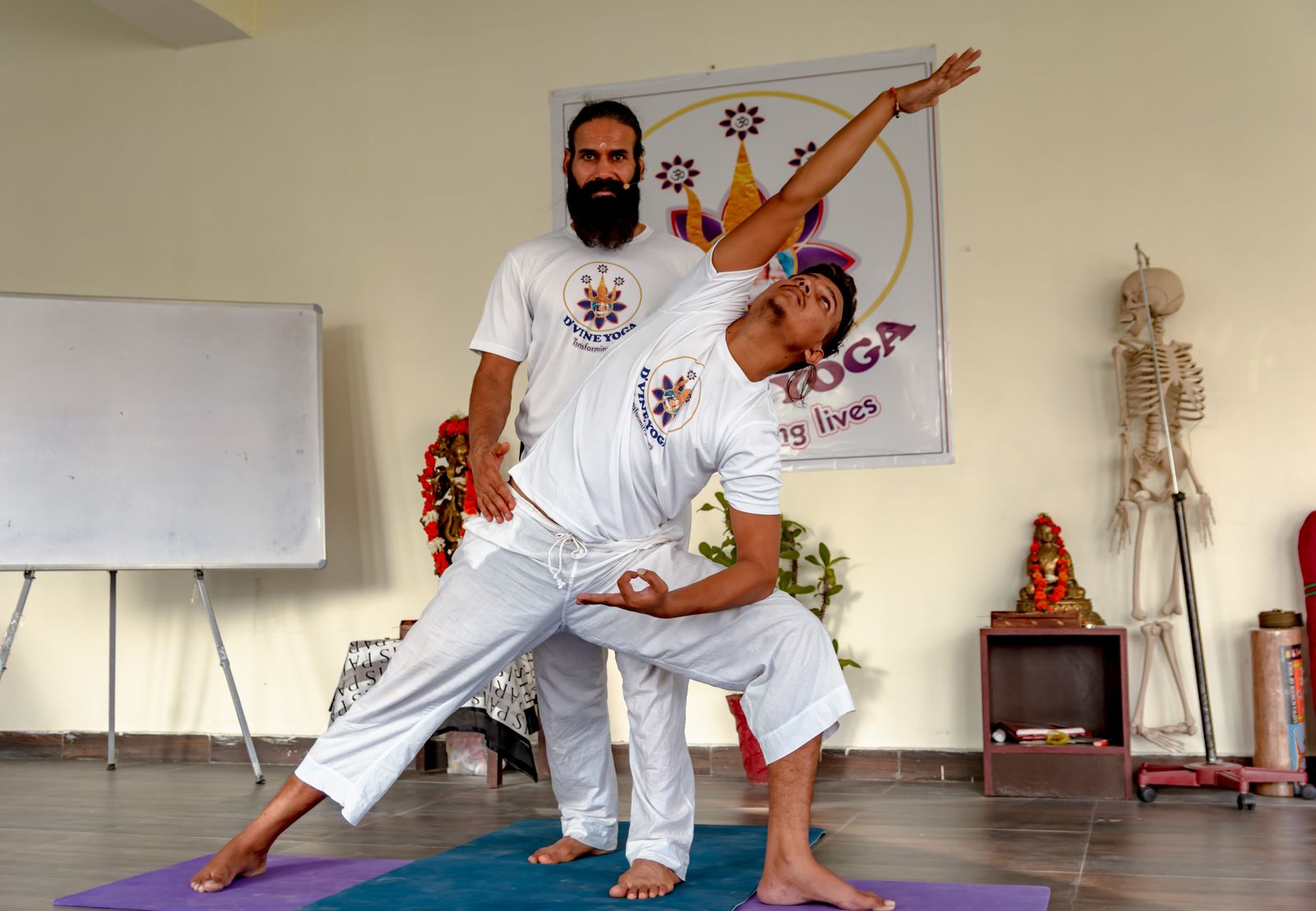
Yoga Alliance is the most widely recognized international registry for yoga teachers, and its core credentials are built around training hours: RYT-200 (200-hour foundational training) and RYT-500 (an additional 300 hours on top of a 200-hour base, or a combined 500-hour program). Yoga Alliance itself does not run trainings; it sets standards that partner schools must meet, and graduates then register individually as Registered Yoga Teachers. This model is philosophically similar to the YCB’s separation of training from certification, but Yoga Alliance is a private, US-founded organization rather than a government body, and it is recognized globally rather than being India-specific. Many serious teacher trainees in India, especially those training in hubs like Rishikesh, pursue both: a YCB credential for domestic legitimacy and a Yoga Alliance registration for international teaching opportunities.
Yoga Certification Near Me: How to Choose a Local or Nearby Program
If you’re searching for a “yoga certification near me,” start by clarifying three things: the certifying body you want (YCB, Yoga Alliance, or an independent studio credential), the total hours you need for your goals, and whether you want an in-person residential format or a hybrid model with online theory and in-person practicals. Visiting a shortlisted school before enrolling is genuinely useful — sit in on a class, ask to see the syllabus breakdown by subject (anatomy hours, philosophy hours, teaching-practice hours), and ask how many students are typically in a cohort per lead teacher. A ratio that’s too high limits the personalized correction you need, particularly for physically demanding sequences found in ashtanga yoga or inversion-heavy classes.
Yoga Certification Courses in Bangalore: What Makes the City a Hub
Bangalore has become one of India’s most active cities for yoga education, partly because it combines a large fitness-conscious professional population with a strong concentration of yoga schools ranging from traditional lineage-based institutes to modern studio-style teacher trainings. Courses in the city span the spectrum: some follow classical Krishnamacharya-lineage teaching methods (Bangalore has deep historical ties to this tradition through institutions associated with his students), while others run more contemporary, fitness-oriented 200-hour programs aimed at people who want to teach in gyms and corporate wellness settings. When comparing options in Bangalore, ask specifically whether the school’s certificate is recognized by Yoga Alliance, by the YCB, or is a standalone in-house credential — all three exist in the market and carry different weight depending on where you plan to teach afterward.
Yoga Certification Course in Mumbai: What to Expect
Mumbai’s yoga certification landscape tends to reflect the city’s pace: many programs are designed for working professionals, offering weekend-intensive formats or evening batches spread across several months rather than a single residential block. This makes Mumbai a practical choice if you already have a job or family commitments and want to certify without taking an extended leave. The trade-off is that condensed or spread-out formats can mean less immersive practice time compared to a residential program in a dedicated yoga town. If depth of practice matters more to you than convenience, it’s worth comparing a Mumbai-based part-time course against an intensive residential option elsewhere before committing.
Is an Online Yoga Certification Course Worth It?
Online yoga certification courses have grown significantly, and their value depends heavily on how they’re structured. A well-designed online program should still include live, instructor-observed practice sessions (not just pre-recorded video-watching), assignments that require you to demonstrate teaching cues, and some form of practical assessment before certification — otherwise you risk a credential with no real teaching competency behind it. The strongest online options are hybrid: theory, anatomy, and philosophy delivered online, paired with either an in-person practicum or closely supervised video-based practice teaching. If you’re already comfortable practicing through online yoga classes, an online certification path can be a natural next step, but vet the school’s assessment rigor carefully before enrolling.
International Yoga Certification: Teaching Beyond India
If your goal is to teach yoga outside India — in Europe, North America, the Middle East, or Southeast Asia — an internationally recognized credential matters more than a domestic one. Yoga Alliance registration is the most commonly requested credential by studios abroad, and some countries or insurance providers specifically ask for it before they’ll allow you to teach paying clients or get liability coverage. It’s also worth checking region-specific requirements: some countries require yoga teachers to register as fitness professionals or hold basic first-aid certification alongside their yoga credential. Building international credibility often also means developing a specialty, whether that’s prenatal yoga, yoga for weight loss programs, or therapeutic protocols for specific conditions.
What Does a Typical Curriculum Actually Cover?
Across most reputable 200-hour-equivalent programs, whether YCB-aligned or Yoga Alliance-registered, you’ll typically study asana practice and alignment, pranayama and breath techniques, foundational anatomy and physiology as it relates to movement, yoga philosophy including texts like the Yoga Sutras, teaching methodology (how to cue, sequence, and adjust students safely), and some form of practicum where you teach live under supervision. Many programs also introduce meditation techniques and basic Ayurvedic lifestyle principles. A course that skips anatomy or teaching practice in favor of more asana-only content is generally weaker preparation for actually running a class, since knowing how to move through poses yourself is different from knowing how to safely guide a room full of strangers with varying flexibility and injury histories.
How Much Does Certification Typically Cost and How Long Does It Take?
Costs and timelines vary widely by school, city, and certifying body, so it’s worth requesting a detailed fee breakdown (tuition, accommodation if residential, exam fees, and registration fees with the certifying body) before comparing programs. Foundational 200-hour-equivalent courses commonly run as an intensive residential block of roughly three to four weeks, or as a part-time program spread across two to six months for working professionals. Advanced or therapist-track certifications generally require significantly more hours and often a prerequisite foundational certificate before you can enroll, so plan your pathway in stages rather than assuming you can jump straight to an advanced credential.
What Career Paths Open Up After Certification?
A recognized yoga certification is the entry ticket to a wide range of roles: studio teaching, corporate wellness programs, private one-on-one instruction, retreat and resort teaching, therapeutic yoga in clinical settings (for those with therapist-track credentials), and increasingly, teaching live or recorded classes to a global online audience. Many certified teachers also build hybrid careers, combining in-person studio hours with online offerings or workshops in specialties like prenatal yoga or restorative practice. If you’re mapping out what’s realistic in your market, it’s worth researching current openings and pay expectations through resources like yoga instructor jobs before choosing which specialization to pursue first.
Common Mistakes to Avoid When Choosing a Certification Course
A few recurring mistakes can turn an expensive, time-consuming certification into a credential that doesn’t actually help your career:
- Choosing on price or convenience alone — without checking whether the certificate is actually recognized by the studios, gyms, or platforms you eventually want to work with. Always ask a prospective employer what credentials they require before enrolling anywhere.
- Underestimating anatomy and safety training — a teacher who can perform advanced poses but can’t explain contraindications for a student with a knee injury or high blood pressure is not adequately prepared.
- Picking a course based only on style popularity — for example, jumping straight into advanced ashtanga yoga training without first building a broad foundation across styles like hatha yoga and restorative yoga, which limits your ability to teach mixed-level classes later.
Questions People Ask About Yoga Certification Courses
Is the YCB certificate recognized outside India?
The Yoga Certification Board is a government-backed Indian credential, so its primary recognition and administrative weight is domestic. Some international employers and wellness centers do value it as evidence of rigorous training, but if your main goal is teaching abroad, pairing a YCB credential with an internationally recognized registration like Yoga Alliance gives you broader portability.
Do I need a certification to teach yoga online?
There’s no single universal legal requirement, but most reputable platforms, insurers, and serious students expect some form of recognized certification before booking or trusting an instructor. Without one, you’ll find it harder to build credibility, get liability coverage, or be accepted onto established platforms offering online yoga classes.
Can I get certified without prior yoga experience?
Most foundational courses expect at least a basic personal practice, since the training builds on your own body awareness. Reputable schools usually recommend six months to a year of consistent practice, often including varied styles like vinyasa yoga or hatha yoga, before enrolling in a teacher-training program.
What’s the difference between a yoga certificate course and a full teacher training?
A short certificate course might cover a single technique, style, or weekend workshop, while a full teacher training is a comprehensive program spanning asana, anatomy, philosophy, and supervised teaching practice. If your goal is professional teaching rather than personal enrichment, a full certificate course or teacher training is the appropriate path.
How do I verify a yoga school’s certification is legitimate?
Check whether the school is listed on the official registry of the certifying body it claims affiliation with — for YCB, that means checking the government’s NIC-hosted directory of recognized institutions, and for Yoga Alliance, checking their public school directory. Never rely solely on a school’s own website claims.
Which certification is best for teaching corporate wellness classes?
For corporate and government-adjacent wellness programs within India, an AYUSH/YCB credential (particularly Yoga Wellness Instructor level) is often preferred. For private corporate clients or multinational companies, a Yoga Alliance-recognized 200-hour certification tends to be more universally accepted, especially if paired with practical experience teaching chair yoga or short desk-break sequences suited to office settings.
Try This for Yourself
Whether you’re working toward a formal teaching certification or simply want to deepen your practice before committing to a full course, the best next step is consistent, guided practice. Try FitStrot’s online yoga classes to build the foundation, body awareness, and confidence that make any certification program easier to complete.
Related reading: Yoga Instructor Jobs, Yoga Teacher Training in Rishikesh, Yoga Courses, Yoga Certificate Course, and FitStrot’s Online Yoga Classes.