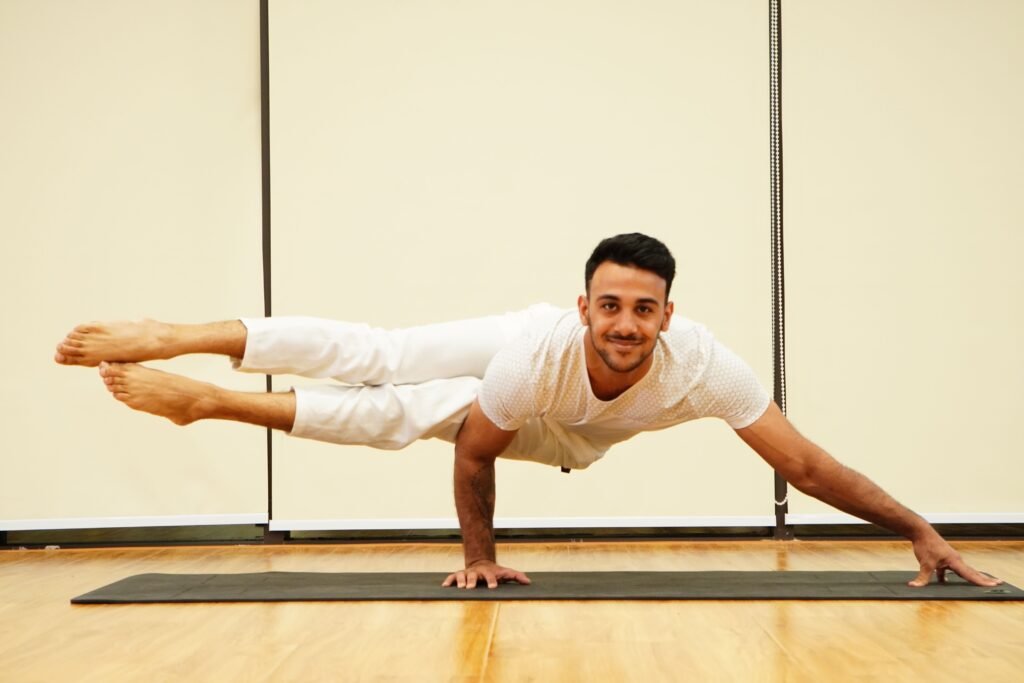
Yoga as a professional career means earning your primary or supplementary income by teaching, guiding, or building a business around yoga, typically after completing a recognized teacher training program such as a 200-hour RYT (Registered Yoga Teacher) certification. It can look like studio teaching, running private or online sessions, corporate wellness work, yoga therapy, retreat leadership, or a hybrid of several of these. Most professional yoga teachers combine multiple income streams rather than relying on one studio paycheck, and the career rewards people who treat it as a small business as much as a spiritual practice.
For anyone who has moved from casual practitioner to someone who thinks about what yoga actually is at a deeper level, the idea of teaching it professionally eventually comes up. This guide walks through what the career realistically looks like, what it pays, what training it requires, and how to build something sustainable rather than a side hustle that fizzles out.
What Does It Actually Mean to Build a Career in Yoga?
A career in yoga rarely means standing in front of one studio class five days a week forever. In practice, it means assembling a portfolio of related work: group classes, private clients, online sessions, workshops, corporate sessions, and sometimes writing or content creation. Teachers who last in the field tend to diversify early rather than waiting for one revenue source to become unstable. Some professionals lean heavily into teaching technique and alignment, others specialize in therapeutic or rehabilitative applications, and others build a business primarily around online delivery. The common thread is treating yoga instruction as a profession with its own business mechanics, not just an extension of personal practice.
What Yoga Career Opportunities Actually Exist?
The range of yoga career opportunities is wider than most beginners assume. Studio and gym-based teaching is the most visible entry point, but it’s far from the only one. Common paths include:
- Studio and fitness-center teaching — group classes at yoga studios, gyms, or wellness centers, usually paid per class.
- Private and semi-private instruction — one-on-one or small-group sessions, often at significantly higher rates than group classes.
- Online teaching — live virtual classes, recorded courses, or membership platforms reaching students far beyond a local area.
- Corporate wellness — sessions delivered to companies as part of employee wellness programs, often booked in recurring blocks.
- Yoga therapy — working with clients on specific physical or medical concerns, usually requiring advanced training beyond a standard teacher certification.
- Retreat and workshop leadership — multi-day intensives or destination retreats, which combine teaching with hospitality and logistics.
- Teacher training faculty — training the next generation of instructors once you’ve built enough experience and a recognized specialty.
- Content and education — writing, video courses, and social platforms that build an audience and open other income streams.
Most working teachers combine at least two or three of these rather than depending on a single channel, which is one of the biggest differences between people who sustain a yoga career for years and those who burn out within twelve months.
How Much Do Professional Yoga Teachers Actually Earn?
Compensation varies enormously depending on setting, location, and how a teacher structures their work. Group class rates at studios and gyms are typically a flat per-class fee, and that fee alone rarely adds up to a full-time income unless a teacher is running a heavy weekly schedule. Private and semi-private sessions pay considerably more per hour than group classes, which is why many full-time teachers prioritize building a private client base once they have experience. Corporate and online work can add meaningful recurring income once a teacher has enough of a reputation to be hired directly rather than through a studio. Broad salary data for yoga instructors in the United States is commonly cited in the roughly $19 to $62 per hour range depending on setting and experience, though these figures should be treated as a general reference point rather than a guarantee, since actual pay depends heavily on region, client base, and how the teacher structures their business.
What Certifications Do You Need to Teach Yoga Professionally?
The most widely recognized entry-level credential is the 200-hour teacher training, often referred to as RYT-200 when registered with Yoga Alliance, the largest credentialing body in the industry. This training typically covers asana technique, teaching methodology, anatomy and physiology, philosophy, and supervised practice teaching, usually delivered over several weeks intensively or several months part-time. Many teachers later pursue a 300-hour advanced training, which combined with the original 200 hours qualifies them for RYT-500 registration. Beyond these general certifications, specialized credentials exist for prenatal yoga, yoga therapy, trauma-informed teaching, kids’ yoga, and specific styles such as Ashtanga or Yin yoga. None of these credentials are legally mandatory in most places to call yourself a yoga teacher, but studios, gyms, corporate wellness programs, and liability insurers increasingly expect at least a 200-hour certification as a baseline standard.
How Long Does It Take to Become a Certified Yoga Teacher?
A standard 200-hour training can be completed in as little as three to four weeks if done as an intensive, or spread across four to nine months if done part-time alongside other work. The intensive format suits people who can dedicate themselves fully for a short period, often including travel to a training location, while the part-time format suits people balancing a job or family responsibilities. Neither format is inherently better; the right choice depends on your schedule, budget, and how quickly you want to start teaching. After certification, most new teachers spend six months to two years building real teaching experience, often through assisting, subbing classes, or teaching smaller community sessions, before their income from teaching becomes significant.
Is Teaching Yoga Online a Viable Full-Time Career?
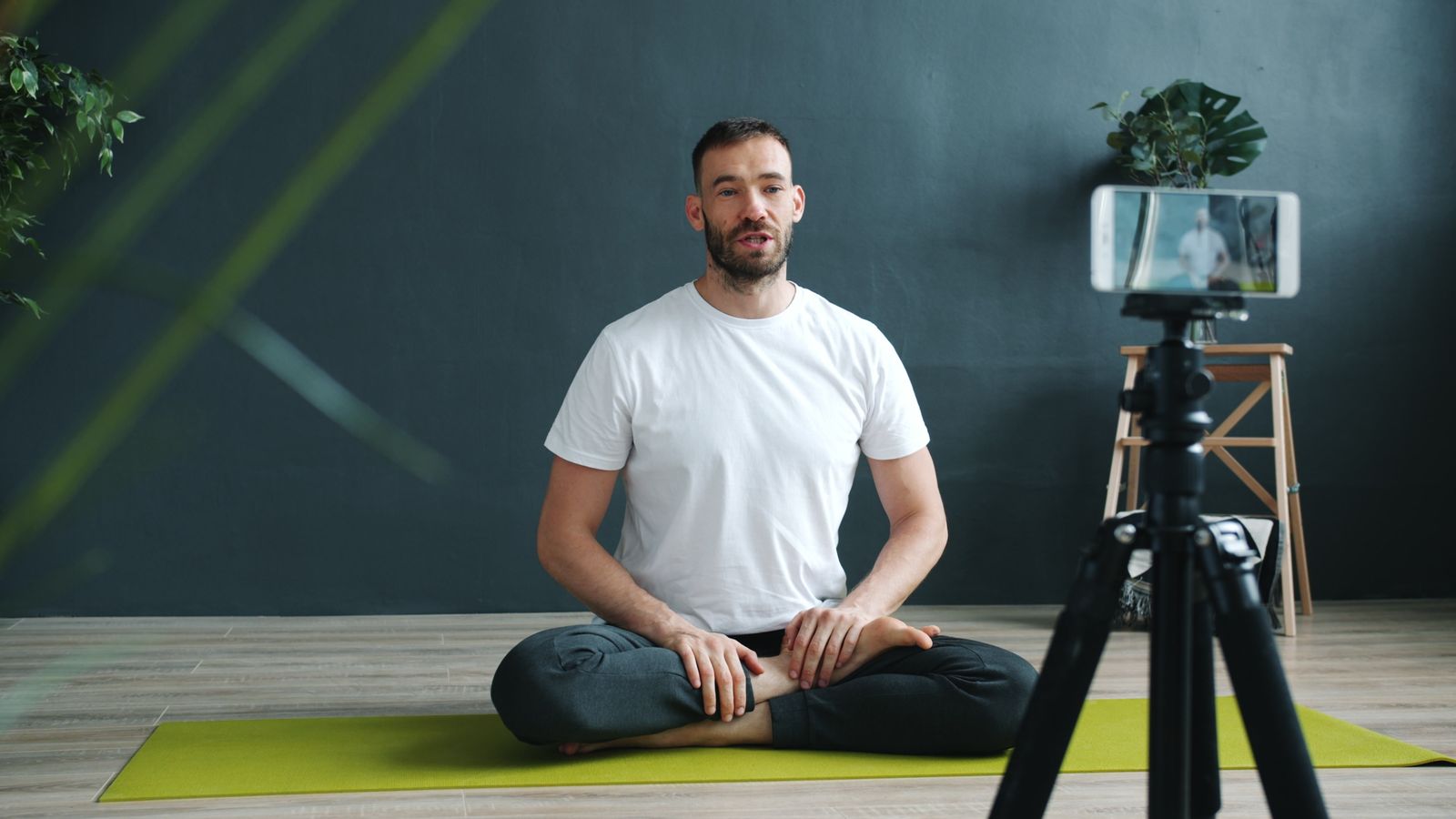
Online teaching has become one of the fastest-growing yoga career opportunities, and for good reason: it removes the geographic ceiling that limits a studio-based teacher to whoever lives nearby. A teacher delivering online yoga classes can build a client base across time zones, offer live sessions alongside recorded content, and scale a single hour of teaching into a class of dozens rather than a private session with one person. The tradeoffs are real: online teachers need to invest in decent lighting, audio, and platform know-how, and building a following takes patience and consistent marketing. But for teachers who want to combine vinyasa flows, restorative sessions, or specialized offerings like prenatal yoga with flexible hours and a broader audience, online teaching is no longer a fallback option, it’s a legitimate primary career path for many working instructors.
What Does a Typical Weekly Schedule Look Like for a Full-Time Yoga Teacher?
Full-time teachers rarely work a conventional nine-to-five. A realistic week often includes a mix of early morning and evening group classes (the hours when most students can attend), a handful of private sessions scheduled around client availability, administrative time for scheduling and marketing, and continuing education or personal practice to maintain skill and prevent injury. Many teachers front-load their week with in-person studio classes and use midday or weekend blocks for private clients and online sessions. The schedule tends to be non-linear and requires strong self-management, since there’s rarely a manager setting the agenda. Teachers who build sustainable careers usually protect specific blocks for their own practice and rest, because a body that isn’t cared for can’t reliably teach others for a decade or more.
How Do You Build a Client Base as a New Yoga Teacher?
Most new teachers start by subbing classes at local studios or gyms, which builds visibility and teaching reps without the pressure of filling a room independently. From there, building a private client base typically comes from word of mouth, referrals from studio students who want more individual attention, and a simple, consistent online presence, even something as basic as a scheduling page and a few short demonstration videos. Corporate wellness contracts often come through networking rather than cold outreach: HR departments and wellness coordinators tend to hire teachers they’ve been personally recommended to. Specializing early, whether in yoga for back pain, prenatal work, or a specific population like athletes or older adults, tends to accelerate client-base growth because it gives potential students a clear reason to choose you over a generalist.
What Skills Beyond Asana Do Professional Yoga Teachers Need?
Technical pose knowledge is only part of what makes a teacher employable and referable. Strong professional teachers also need clear verbal cueing (being able to describe a pose without demonstrating it, since not every student can see the teacher from every angle), basic anatomy knowledge to keep students safe and modify poses for injuries, and the interpersonal skill to read a room and adjust pacing on the fly. Business skills matter just as much: scheduling, basic bookkeeping, simple marketing, and comfort with the platforms used for online delivery. Teachers who treat these as core professional skills, not afterthoughts, tend to build more durable careers than those who focus purely on deepening their own asana practice.
Can You Specialize Within a Yoga Career?
Specialization is one of the clearest ways to differentiate in a crowded field. Some teachers focus on therapeutic applications, working closely with physical therapists or doctors on rehabilitation-focused sessions. Others specialize by population, teaching prenatal and postnatal yoga, kids’ yoga, chair yoga for older adults or people with mobility limitations, or yoga specifically for athletes recovering from injury. Style-based specialization is another route: becoming known specifically for Hatha, Ashtanga, or Yin instruction rather than teaching a bit of everything. Specialization narrows your initial audience but tends to widen your long-term opportunity, since specialized teachers are the ones corporate programs, wellness retreats, and referral networks look for by name.
What Are the Biggest Challenges of Turning Yoga Into a Career?
Income instability is the challenge most new teachers underestimate. Class sizes fluctuate, private clients cancel, and building a private roster takes real time, so cash flow in the first one to three years is often unpredictable. Physical wear is another factor: teaching multiple classes a day, every day, without maintaining a personal practice or adequate rest can lead to overuse injuries, ironically the exact issue yoga is meant to prevent. Competition has also intensified as teacher training programs have proliferated, meaning differentiation through specialization or genuine teaching skill matters more than it did a decade ago. Finally, many teachers struggle with the business side: pricing services confidently, marketing without feeling inauthentic, and setting boundaries around free classes or discounted rates that don’t pay the bills long term.
How Do Corporate Wellness Programs Fit Into a Yoga Career?
Corporate wellness has become a meaningful income stream for experienced teachers, particularly as more companies invest in employee wellbeing programs. These contracts typically involve delivering weekly or biweekly sessions to employees, either on-site or virtually, often scheduled during lunch breaks or right after work hours. Corporate work pays well compared to typical studio rates and tends to be more stable, since it’s usually structured as a recurring contract rather than a pay-per-class arrangement. Landing corporate clients generally requires either a direct relationship with an HR or wellness coordinator, or partnering with a company that already provides wellness services to multiple corporate clients, which is how many teachers get their first corporate booking without cold-pitching businesses directly.
Should You Treat Your Yoga Career Like a Business From the Start?
Teachers who plan to earn a full-time living from yoga benefit enormously from thinking like a small business owner from day one, rather than treating the business side as something to figure out later. That means tracking income and expenses, understanding which offerings (group classes, privates, online sessions, workshops) actually generate the most sustainable revenue for your specific situation, and building simple systems for scheduling and client communication before they’re strictly necessary. It also means being deliberate about pricing: undercharging in the early years to build a client base is common, but many teachers stay underpriced far longer than needed simply because they never revisit their rates as demand grows. Framing yoga instruction as both a practice and a profession, rather than choosing one identity over the other, tends to produce both better teaching and a more sustainable income.
Questions People Ask About Yoga as a Professional Career
Do I need a college degree to become a professional yoga teacher?
No. A college degree is not required to teach yoga professionally. What matters most is completing a recognized teacher training program, typically a 200-hour certification, along with ongoing practice teaching experience. Some specialized paths, like yoga therapy working alongside medical professionals, may benefit from additional health-related education, but a general teaching career doesn’t require a degree.
How much does yoga teacher certification cost?
Costs vary widely by school, location, and format, ranging from a few hundred dollars for basic online programs to several thousand dollars for in-person intensives at well-known studios, sometimes including travel if the training is at a retreat location. It’s worth researching a school’s reputation and curriculum depth rather than choosing based on price alone, since certification quality affects how prepared you feel to teach afterward.
Can you make a full-time living teaching yoga?
Yes, though it usually requires combining multiple income streams rather than relying on group classes alone. Full-time teachers typically mix studio classes, private clients, online sessions, and sometimes corporate wellness work or workshops. Building to a full-time income generally takes one to three years of consistent teaching and client-base growth rather than happening immediately after certification.
Is it too late to start a yoga career later in life?
No. Many successful yoga teachers begin their training in their thirties, forties, fifties, or later, often after a first career in another field. Life experience and maturity can actually be assets when teaching, particularly for students who prefer a teacher who understands aging bodies, stress, or major life transitions firsthand.
What’s the difference between teaching yoga as a hobby and as a career?
Teaching as a hobby usually means occasional classes for friends or a small community without dependence on the income. A professional career treats yoga instruction as a primary or significant income source, which requires certification, consistent scheduling, business systems, and ongoing skill development in ways a casual hobby doesn’t demand.
Try This for Yourself
Reading about a yoga career is useful groundwork, but the clearest way to know if teaching is right for you is to deepen your own practice first and pay attention to how you naturally want to share it. If you want structured, guided sessions that can sharpen both your technique and your understanding of how a class is actually built, explore FitStrot’s online yoga classes, where experienced instructors model the pacing, cueing, and sequencing every professional teacher eventually needs to learn.
Related reading: What Is Yoga? | Types of Yoga | Benefits of Yoga | Yoga for Beginners | Online Yoga Classes