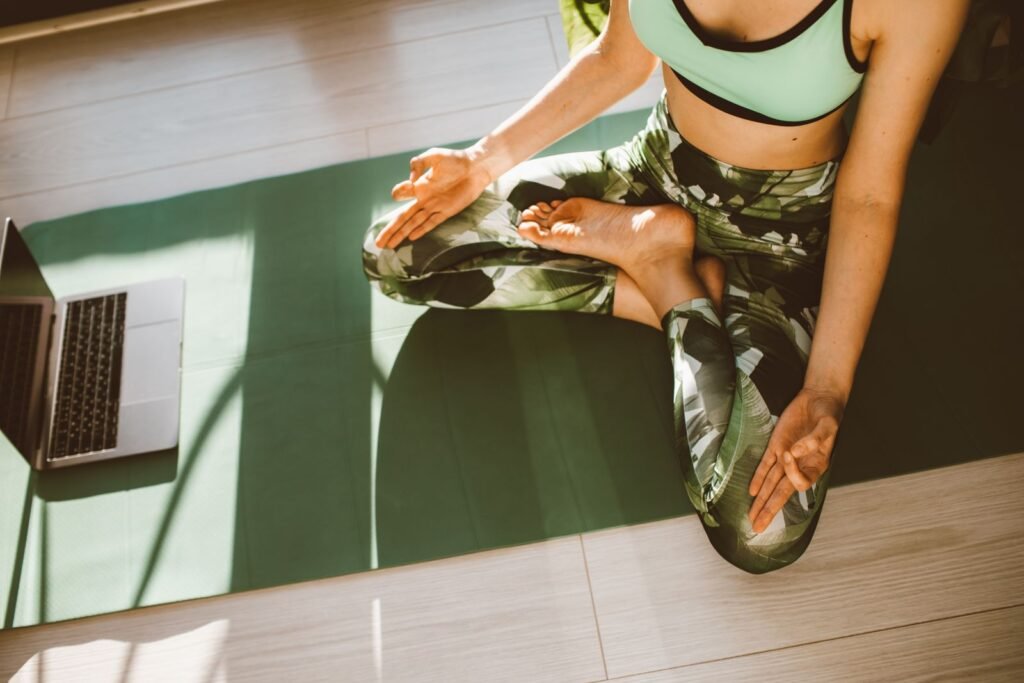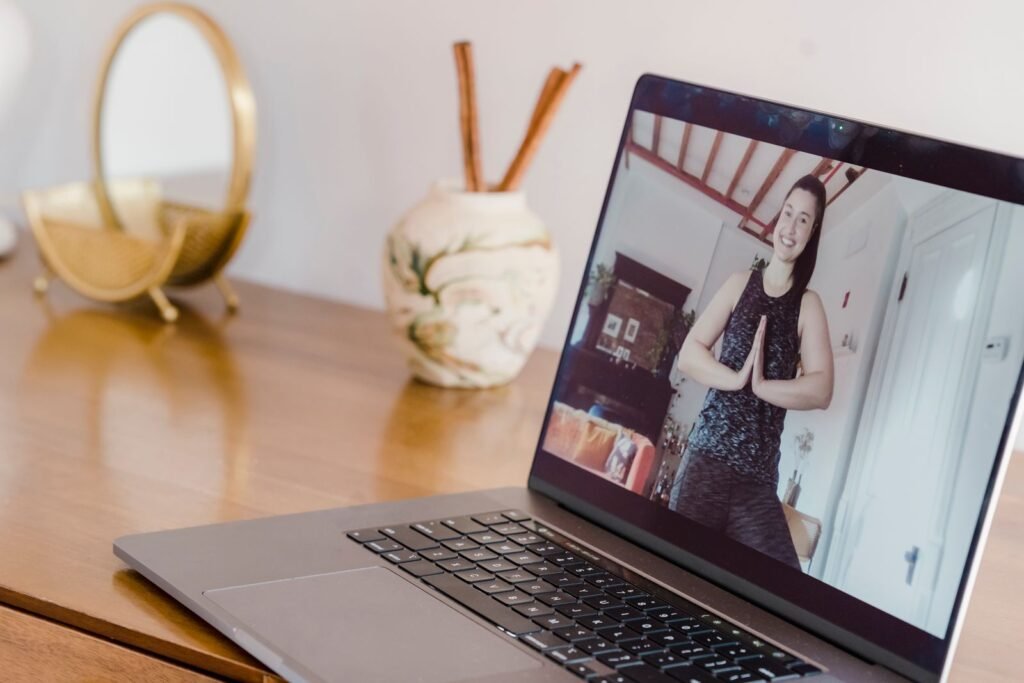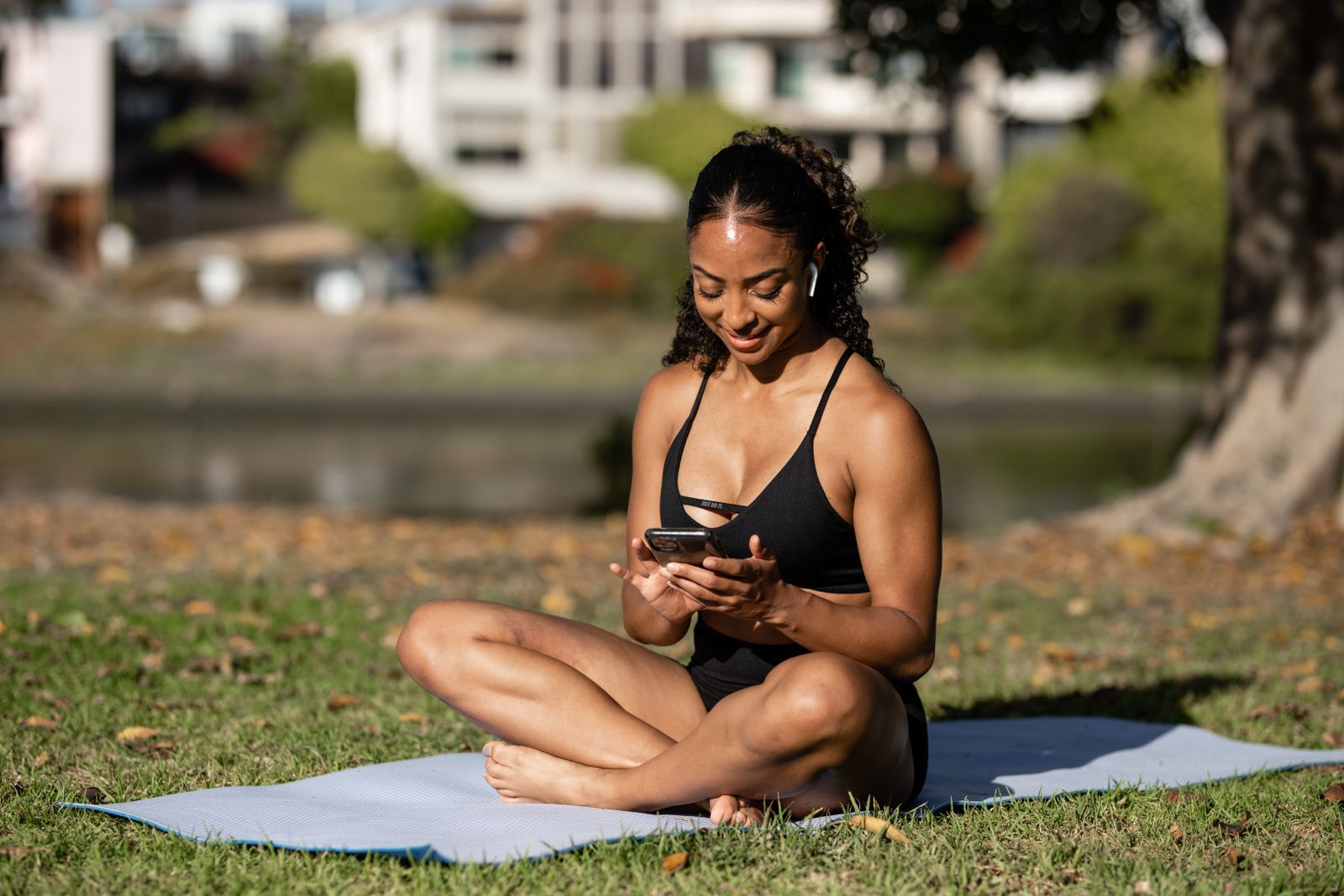
Yoga apps are mobile and web platforms that deliver guided yoga classes, pose libraries, breathing exercises, and progress tracking straight to your phone or tablet, letting you practice on your own schedule without a studio membership. The best yoga apps combine structured programs for beginners through advanced practitioners, offline downloads for travel, and voice-guided instruction that corrects alignment without needing a teacher in the room. Whether you want free daily flows, a weight-loss-focused sequence, or a program tied to a well-known instructor, there is now an app built for nearly every goal, body type, and schedule.
What Exactly Is a Yoga App?
A yoga app is a piece of software, usually downloaded from the App Store or Google Play, that turns a smartphone or tablet into a personal yoga studio. Instead of booking a class slot or driving to a gym, you open the yoga application, pick a session length and focus area, and follow along with video or audio cues. Most modern apps use a mix of pre-recorded classes and algorithm-generated sequences that adjust based on how often you practice, which poses you struggle with, and how much time you have that day. Some, like online yoga classes delivered live through a platform, blend the convenience of an app with real-time feedback from an instructor, which is worth considering if you are newer to the practice and want form corrections.
Why Are Yoga Apps So Popular Right Now?
The primary keyword “yoga apps” pulls close to 9,900 monthly searches, and that demand tracks with a broader shift toward home fitness that accelerated after 2020 and never fully reversed. People want flexibility: a 20-minute session before work, a wind-down flow at 11 p.m., or a targeted sequence for a stiff lower back without waiting for a class to start. Apps also remove the intimidation factor that keeps many beginners out of studios. You can fumble through your first Downward Dog in your living room with nobody watching, which matters if you are just starting to explore types of yoga and don’t yet know which style suits you.
What Should You Look for in a Yoga App?
Not all yoga apps are built the same, and the right one depends on your goals. Before downloading, check for these five things.
- Instructor quality and cueing style: Some apps favor calm, slow verbal cues; others move fast and expect familiarity with pose names.
- Program structure: Look for multi-week programs rather than a random grab-bag of single classes, especially if you want to build a consistent beginner yoga sequence.
- Offline access: If you travel or have unreliable internet, an offline yoga app that lets you download classes in advance is non-negotiable.
- Personalization: The strongest apps adapt session length, difficulty, and focus area (hips, hamstrings, spine) based on your feedback after each class.
- Price transparency: Many apps offer a free tier plus a paid subscription; know what’s actually free before committing your data or a credit card.
Which Yoga Apps Are Worth Downloading in 2026?
A handful of names come up repeatedly in app store rankings and search behavior. Down Dog remains one of the most flexible options because it generates a new, algorithm-built class every time you open it, so you rarely repeat the same sequence twice, and it supports full offline downloads for travel. Glo focuses on longer-form, studio-style classes taught by named instructors and leans toward intermediate and advanced practitioners who want depth over novelty. Alo Moves pairs yoga with broader fitness programming, which suits people who want to mix yoga with strength or mobility work in the same subscription. Daily Yoga and Yoga-Go both lean into short, goal-based sessions (often 10 to 20 minutes) aimed at building a habit rather than mastering advanced poses. If your priority is a structured path rather than a buffet of classes, pair your app choice with a look at the best online yoga classes to see how live instruction compares.
What Is the Namaste Yoga App, and Who Launched It?
The Namaste Yoga app was launched by India’s Ministry of AYUSH ahead of the 7th International Day of Yoga in 2021, as part of a government push to make structured yoga instruction freely accessible across the country. It was developed with input from the Morarji Desai National Institute of Yoga and the AYUSH Grid initiative, and it offers instructional content, pose libraries, and yoga-related information aimed at both beginners and regular practitioners. Because it’s a public-sector initiative rather than a commercial product, it’s free to download and doesn’t push a subscription upsell, which sets it apart from most Western yoga apps that rely on recurring billing.
What Is the Shilpa Shetty Yoga App Called, and What Does It Offer?
Actor and fitness personality Shilpa Shetty Kundra’s app is called Simple Soulful, and it combines yoga sequences with diet guidance and broader wellness content rather than functioning as a yoga-only platform. The app draws on her decades of personal yoga practice and includes structured programs alongside nutrition tracking, which makes it a reasonable pick if you want yoga bundled with lifestyle coaching rather than a stripped-down pose library. It’s worth noting that celebrity-branded apps like this one tend to work best as a motivational entry point; pairing the app with a foundational understanding of the benefits of yoga will help you get more out of the sequences it offers.
Are Free Yoga Apps Actually Worth Using?
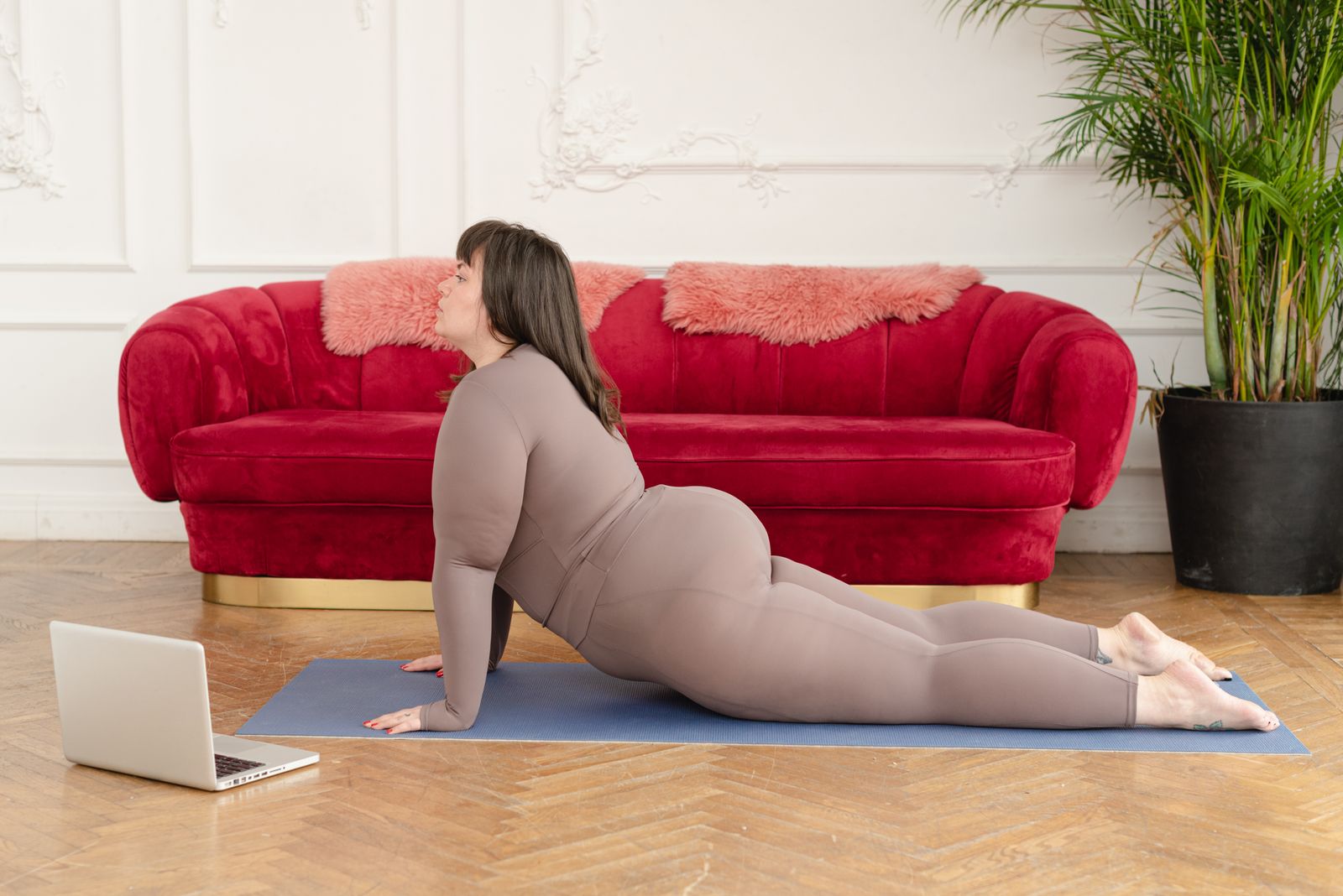
Free yoga apps have improved substantially, and several offer enough content to sustain a real practice without ever paying. YouTube-based creators, Daily Yoga’s free tier, and government-backed apps like Namaste Yoga all provide legitimate instruction at no cost. The trade-off is usually depth: free tiers tend to cap the number of programs, skip advanced sequencing, and sometimes interrupt sessions with ads. If you’re testing whether yoga is a habit worth keeping before paying for anything, starting with free yoga apps for a month is a reasonable way to find out, especially if you combine app-based practice with foundational reading on yoga for beginners.
Which Free Yoga Apps Are Best for Weight Loss?
Free yoga apps for weight loss typically lean on higher-intensity styles rather than restorative ones, since calorie burn during yoga depends heavily on how much movement and heart-rate elevation a sequence includes. Look for programs labeled Vinyasa, Power Yoga, or “Yoga for Weight Loss” rather than Yin or Restorative, since the latter two are built around stillness and are not designed to elevate heart rate. Several free apps bundle 20-to-30-minute flow sequences specifically under a weight-loss category, often combining sun salutations with core-focused holds. Pairing that routine with an understanding of Vinyasa yoga and how it differs from slower styles will help you choose sequences that actually match your goal instead of picking a class at random.
What’s the Difference Between the Best Free Yoga App and the Best Paid Yoga App?
The best free yoga app usually wins on accessibility and simplicity, while the best paid yoga app wins on personalization and breadth. A strong free option gives you enough variety to build a habit for weeks without hitting a paywall on core content. A strong paid subscription, by contrast, adjusts to your body over time, remembers which poses you find difficult, and unlocks specialty tracks like prenatal sequences, sport-specific mobility work, or advanced arm balances. If you’re deciding between the two, ask whether you need adaptive personalization or just a place to start; many people find that a free app is genuinely sufficient for the first three to six months, and only upgrade once they’ve outgrown the beginner content and want to explore something like Ashtanga yoga or other structured, progressive systems.
Do Offline Yoga Apps Matter If You Travel or Have Weak Internet?
An offline yoga app lets you download classes in advance and practice them without any internet connection, which matters more than most people expect once they actually travel or move somewhere with inconsistent connectivity. Down Dog is one of the more well-known apps offering full offline downloads across its class library, and several competitors have added similar functionality as data costs and buffering complaints pushed users to demand it. If your practice depends on a stable schedule, whether that’s a hotel room, a flight, or a rural area with patchy signal, confirm offline support before subscribing, since not every app makes downloaded classes available at every subscription tier.
Can a Yoga App Replace In-Person or Live-Streamed Classes?
A yoga app can replace in-person classes for building a consistent, self-directed home practice, but it can’t fully replace the real-time correction a live instructor provides. Apps are excellent at consistency: they’re available at 6 a.m. or midnight, they don’t cancel, and they don’t require a commute. What they can’t do is watch your specific alignment and tell you, in the moment, that your back knee needs to bend two more degrees in Warrior II. For that kind of feedback, a live-streamed option such as online yoga classes near me or a dedicated live platform bridges the gap, giving you real-time correction while keeping the convenience of practicing from home.
How Do You Choose the Right Yoga App for Your Goals?
Start by naming the single outcome you want most: stress relief, flexibility, weight management, back pain relief, or building toward advanced poses. Someone chasing yoga for back pain relief needs an app with strong therapeutic and gentle-movement libraries, while someone training toward an arm balance needs progressive skill-building content with strength prerequisites clearly labeled. Once you know your outcome, test two or three apps during their free trial windows before committing to an annual plan. Most subscription apps offer at least a seven-day trial, which is enough time to judge whether the instructor’s pacing and voice suit you, since that mismatch is the most common reason people abandon an app within the first month.
What Role Does Breathing and Meditation Play in Yoga Apps?
Most well-built yoga apps go beyond physical postures and include dedicated breathing (pranayama) and meditation modules, since yoga as a practice was never meant to be purely physical. Apps that only offer pose sequences without any breathwork are missing a substantial part of what makes yoga effective for stress reduction. Look for apps that let you access short breathing exercises independently of a full class, since a five-minute breathing reset is often more useful mid-day than a full 45-minute flow. If breathwork interests you specifically, it’s worth reading up on pranayama breathing techniques so you understand what a given app module is actually training you to do.
Are Yoga Apps Safe for Beginners Practicing Without a Teacher?
Yoga apps are generally safe for beginners as long as you choose beginner-labeled programs and pay attention to your body rather than pushing into unfamiliar poses. The main risk isn’t the app itself, it’s overconfidence: without a teacher watching your alignment, it’s easy to round your spine in a forward fold or hyperextend your knees in a lunge without realizing it. Reputable apps address this by including verbal alignment cues and, in some cases, short demonstration clips before a pose is introduced. If you have an existing injury or chronic condition, cross-reference your app routine with guidance on yoga for back pain or a similar condition-specific resource, and consider a session or two of one-on-one yoga classes to establish safe form before practicing solo long-term.
How Much Should You Expect to Pay for a Yoga App Subscription?
Most premium yoga apps price their annual subscriptions in a moderate range, generally cheaper than a single month of in-studio classes, which is part of why they’ve grown so quickly. Monthly plans cost more per month than annual ones, as is standard across subscription apps, so if you’re confident you’ll stick with the practice, an annual plan is usually the better value. Many apps also offer family or multi-user plans at a modest premium over a single subscription, which is worth checking if more than one person in your household wants access. Always confirm the free trial length and cancellation policy before entering payment details, since auto-renewal is the default across nearly every yoga subscription app.
Questions People Ask About Yoga Apps
What is the best yoga app for complete beginners?
For complete beginners, look for an app with clearly labeled “beginner” tracks, slow verbal cueing, and short session lengths (10-20 minutes). Down Dog, Daily Yoga, and Yoga-Go all offer dedicated beginner pathways. Avoid jumping into general or intermediate classes first, since instructors in those sessions typically assume you already know pose names and basic alignment.
Is there a completely free yoga app with no ads or subscription?
Namaste Yoga, launched by India’s Ministry of AYUSH, is fully free with no subscription upsell since it’s a government wellness initiative rather than a commercial product. Most Western apps offer a free tier but eventually prompt a paid upgrade or include ads; if a completely ad-free, free-forever app matters to you, government and nonprofit-backed apps are your most reliable option.
Can yoga apps help with weight loss on their own?
Yoga apps can support weight loss when paired with higher-intensity styles like Vinyasa or Power Yoga and consistent practice, but yoga alone burns fewer calories than cardio-focused workouts. Weight loss results are more reliably driven by a combination of diet, overall activity level, and consistency, with yoga contributing through stress reduction, improved sleep, and better body awareness around eating habits.
Do I need special equipment to use a yoga app?
You need a yoga mat and enough floor space to fully extend your arms and legs in every direction; that’s the minimum for almost every app-based class. Blocks and a strap are helpful but optional extras that most apps will suggest substitutes for (a book instead of a block, a towel instead of a strap) if you don’t own them yet.
How is a yoga app different from just watching free yoga videos on YouTube?
A dedicated yoga app typically offers structured, sequential programs, progress tracking, and personalization that adapts to your practice history, none of which free YouTube videos provide on their own. YouTube is excellent for one-off classes or trying a new style, but if you want a program that builds week over week and remembers what you’ve already done, a purpose-built yoga application is the better tool.
Try This for Yourself
If you’ve tried a yoga app and found yourself wanting real-time feedback, a set class schedule, or an instructor who actually knows your name, it might be time to add a live element to your practice. Explore FitStrot’s online yoga classes and experience guided sessions that combine the convenience of practicing from home with the accountability and correction that only a real instructor can offer.
Related reading: Online Yoga Classes, Online Yoga Classes Near Me, Best Online Yoga Classes, Types of Yoga, and FitStrot’s Online Yoga Classes.