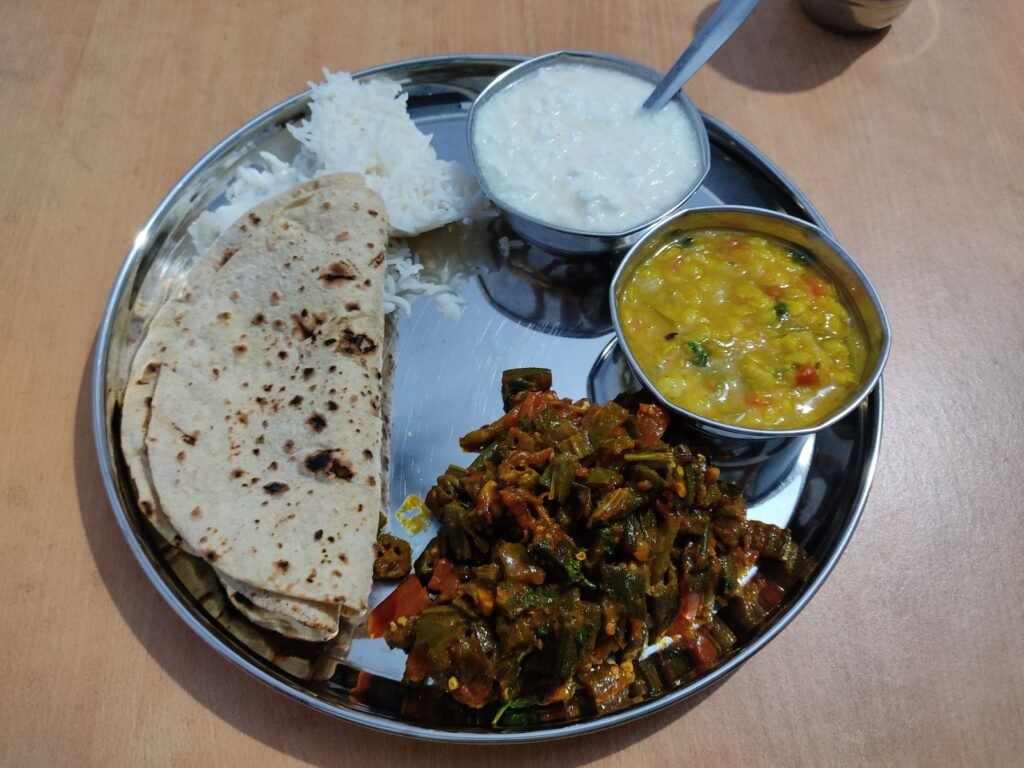
The short answer: eat a light, easily digestible snack 45-60 minutes before yoga if you need fuel, or practice on a fairly empty stomach if your session is first thing in the morning, and wait roughly 20-30 minutes after class before eating a fuller, balanced meal. Good pre-yoga choices include a banana, a small handful of soaked almonds, or a few spoons of yogurt. Good post-yoga choices include a smoothie, dal and rice, or a vegetable and protein bowl. The guiding rule across most yogic diet traditions and modern sports nutrition alike is the same: never practice on a heavy, full stomach, and never skip refueling entirely once you’re done.
Why Timing Matters More Than the Food Itself
Yoga asks the body to fold, twist, invert, and compress the abdomen in ways that running or weight training rarely do. A stomach full of undigested food during a forward fold or a twist like Ardha Matsyendrasana can cause nausea, cramping, or acid reflux. This is why most yoga teachers repeat the same guidance regardless of style: leave 2-4 hours after a full meal, 1 hour after a light snack, and 15-20 minutes after just water before you step onto the mat. The exact number depends on what you ate and how your digestion works, but the principle holds across every style of yoga, from slow restorative yoga to sweat-heavy vinyasa yoga.
What to Eat Before Yoga in the Morning
Morning classes are the trickiest to plan around because most people wake up 30-90 minutes before class, which isn’t enough time to digest a real meal. Traditional hatha yoga teaching actually favors practicing on a near-empty stomach in the morning, since twists, inversions like Sirsasana, and deep core work are more comfortable without food sitting in the gut. If you genuinely cannot function without eating first, keep it minimal: half a banana, a few dates, or a small glass of warm water with lemon are enough to steady blood sugar without weighing you down. Anything heavier, like eggs, oats, or toast, is better saved for after your session.
What to Eat Before Yoga in the Morning If You Have Low Blood Sugar
Some people genuinely feel dizzy or shaky practicing fasted, especially if they have low blood sugar, are pregnant, or are managing diabetes. In these cases, a small carbohydrate hit 20-30 minutes before class is the safer choice over pushing through discomfort. A few soaked raisins, a teaspoon of honey in warm water, or half an apple provide quick glucose without triggering the sluggishness of a full meal. This is a case where listening to your own body should override the general “practice empty” guideline, and it’s worth mentioning to your instructor if you’re new to a class so they can modify intensity if needed.
What to Eat 2-3 Hours Before an Evening or Daytime Class
If your practice is scheduled for midday or evening, you have more flexibility to eat a proper meal beforehand, provided you build in the time. A meal built around complex carbohydrates, moderate protein, and modest fat digests over roughly 3-4 hours, so this is the window to plan a real plate of food such as brown rice with dal and sautéed vegetables, or a whole-grain wrap with hummus. This lines up closely with the principles behind a sattvic diet, which favors freshly cooked, moderate, easily digestible food over anything fried, overly spiced, or reheated right before physical activity.
What to Eat 1 Hour Before Yoga
If you’re eating closer to class time, shrink the portion and simplify the food. This is snack territory, not meal territory. Good one-hour options include a small bowl of oatmeal, a banana with a spoon of nut butter, a handful of plain nuts, or a fruit smoothie made with two or three ingredients. Avoid raw cruciferous vegetables like cauliflower or broccoli in this window, since they’re slower to digest and can cause bloating during twists and folds. The same goes for anything fried, heavily spiced, or dense with dairy.
What to Avoid Eating Before Any Yoga Session
Certain foods are worth skipping regardless of how much time you have before class:
- Fried and greasy foods — sit in the stomach far longer than the body needs for a session that’s an hour or two away.
- Carbonated drinks — introduce gas that becomes uncomfortable the moment you fold forward or twist.
- Excess dairy, red meat, and heavily processed snacks — all slow to digest and can leave you feeling sluggish rather than energized.
- Alcohol — worth avoiding for several hours before practice, since it affects balance, hydration, and coordination, all of which matter in poses like Vrikshasana or any standing balance sequence.
What to Eat After Yoga to Recover
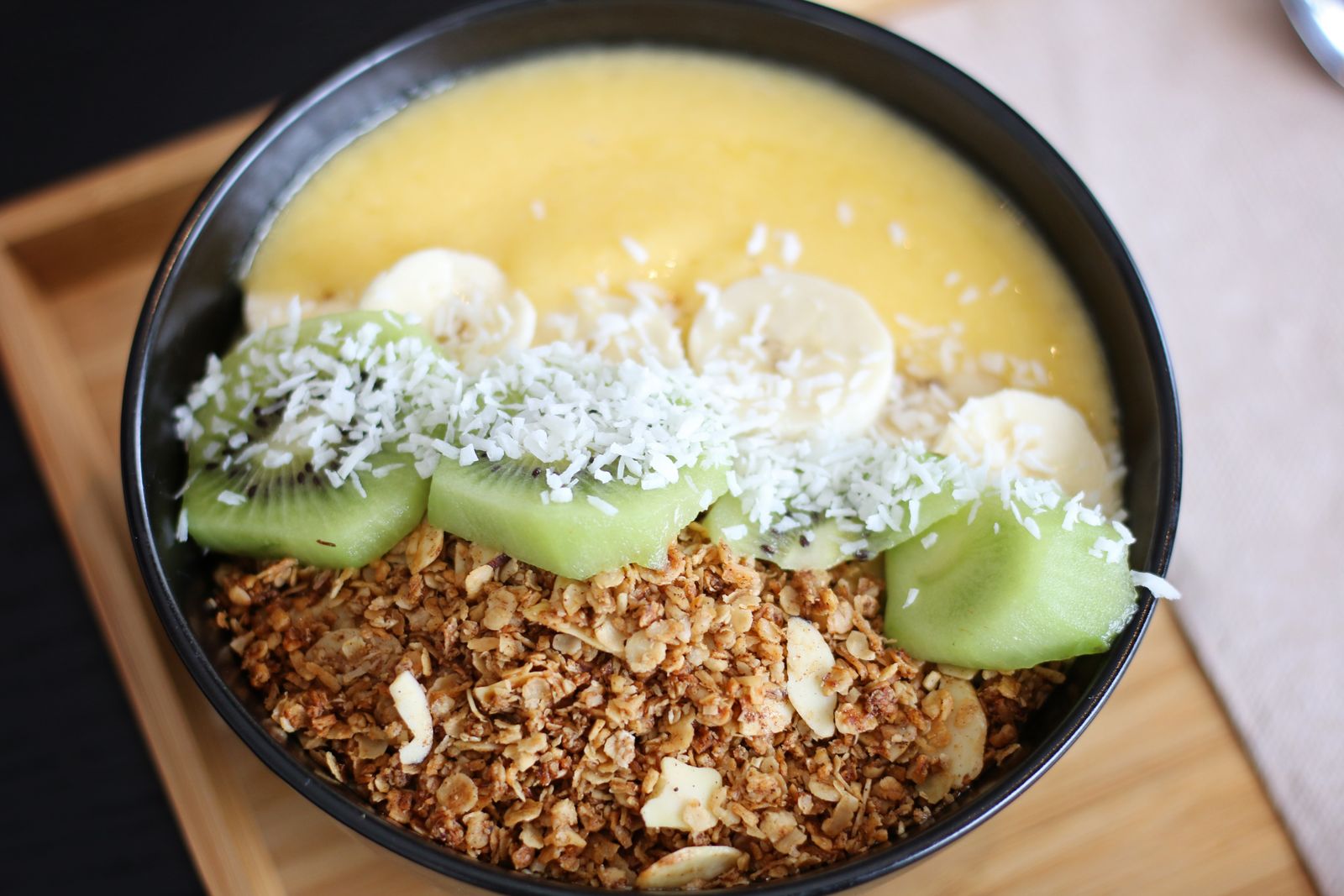
Once class ends, your body has spent the last 45-90 minutes lengthening muscle, working the core, and in more active styles like power yoga, sweating out real fluid. The first priority is rehydration: water, coconut water, or an electrolyte drink within the first 15-20 minutes. Once you’re ready for food, aim for a combination of protein and complex carbohydrates to support muscle repair and replenish glycogen. A smoothie with banana, spinach, and a scoop of protein, or a bowl of rice with dal and vegetables, both do this job well. Avoid jumping straight to something heavy, oily, or sugar-laden, since your digestion is still settling immediately after practice.
How Long Should You Wait to Eat After Yoga?
Most teachers recommend waiting at least 20-30 minutes after a standard practice before eating anything substantial, giving your body a chance to shift out of the parasympathetic, relaxed state that yoga (especially pranayama and closing relaxation) induces. After a more intense session like hot yoga or a vigorous vinyasa flow, extending that to 30-45 minutes gives your core temperature and heart rate time to normalize before digestion has to compete for blood flow with recovery. Light hydration, however, should start immediately, well before that window closes.
Does What You Eat Change Based on the Style of Yoga You Practice?
Yes, meaningfully. A gentle hatha yoga or yin yoga class demands very little in terms of fuel, since the pace is slow and the intensity is low; a light snack or nothing at all is usually fine. A sweaty, cardio-heavy style like Ashtanga yoga or hot yoga burns considerably more energy and depletes fluids faster, so both your pre-class snack and post-class meal need to account for that higher output, with more attention paid to electrolytes and carbohydrate replenishment. If you’re combining yoga with other training, such as using it as part of a broader plan like our guide on the diet for weight loss with yoga, portion sizes and timing become even more important to get right.
What Should You Eat Before Yoga for Weight Loss?
If your goal is fat loss, the instinct to skip food entirely before and after yoga is understandable but often counterproductive. Practicing on a genuinely empty stomach is fine for gentler styles, but under-fueling before a demanding flow can lead to overeating later in the day. A small, protein-forward snack before class, such as a spoon of Greek yogurt or a few nuts, helps preserve muscle and control appetite without adding significant calories. After practice, prioritizing protein and fiber over refined carbohydrates supports satiety through the rest of the day. This approach fits naturally within a broader sattvic diet framework, which already favors whole, unprocessed foods over calorie-dense processed ones.
How Does the Yogic Diet Philosophy Approach Food and Practice?
Traditional yogic philosophy treats food as more than fuel; it’s classified by its effect on the mind and body through the concept of the three gunas:
| Guna | Example Foods | Effect on Practice |
|---|---|---|
| Sattvic | Fresh fruit, vegetables, whole grains, nuts, dairy in moderation | Supports clarity and calm; most recommended around a practice session |
| Rajasic | Spicy, salty, or stimulating foods | Believed to agitate the mind; discouraged close to practice |
| Tamasic | Stale, fried, or overly processed foods | Believed to dull the mind; discouraged close to practice |
You don’t need to adopt the full philosophy to benefit from the practical takeaway: fresh, simple, moderately portioned food works better around yoga than heavy or highly processed alternatives. Our full breakdown of the yogic diet covers this in more depth.
Should You Drink Water During Yoga Practice?
Sipping small amounts of water during practice is generally fine, particularly in warmer or more vigorous classes, but gulping large quantities right before or during class can cause discomfort in poses that compress the stomach. The better strategy is to hydrate steadily throughout the day leading up to class, so you arrive already well-hydrated rather than trying to catch up in the ten minutes beforehand. In hot yoga specifically, where fluid loss through sweat is substantial, having an electrolyte drink ready for immediately after class matters more than what you drink during it.
Sample Meal Timing for a Typical Practice Day
A practical way to plan the day: if your class is at 7am, skip a full breakfast and have at most half a banana or a few sips of warm water beforehand, then eat a fuller breakfast, such as oatmeal with fruit and nuts, about 30 minutes after class ends. If your class is at 6pm, eat a moderate lunch by early afternoon, have a small snack like fruit or a handful of nuts around 5pm if needed, and plan dinner for 30-45 minutes after you finish practicing. This structure keeps digestion out of the way during practice while making sure you’re never running on empty for more than a few hours.
Common Mistakes People Make With Pre- and Post-Yoga Eating
The most frequent mistake is eating too close to class time, particularly a full meal within an hour of practice, which almost always causes discomfort during twists or inversions. The second most common mistake is skipping food entirely for hours after an intense session, which can lead to low energy, irritability, and overeating later. A third mistake is over-hydrating with plain water after a sweaty class instead of replacing lost electrolytes, which can leave you feeling depleted even after drinking plenty of fluids. Being deliberate about both timing and food composition solves all three.
Questions People Ask About What to Eat Before and After Yoga
Can I do yoga on a completely empty stomach?
Yes, and for morning practice it’s often preferable. Traditional teaching favors an empty stomach for twists, inversions, and core-focused poses. If you feel lightheaded or shaky without food, a very small snack like half a banana is a reasonable middle ground rather than forcing a fully fasted practice.
Is it okay to eat fruit right before yoga?
Fruit is one of the safest pre-yoga snacks because it digests quickly, usually within 20-30 minutes. Bananas, apples, and berries are commonly recommended. Avoid combining fruit with heavier ingredients like dairy or fried toppings if you’re eating close to class time.
What should I eat immediately after hot yoga?
Prioritize rehydration first with water or an electrolyte drink, since hot yoga causes significant fluid and mineral loss through sweat. Once you’ve rehydrated for 15-20 minutes, follow with a light meal combining protein and carbohydrates, such as a smoothie or a rice and dal bowl.
How long should I wait to eat before yoga after a full meal?
Most guidance suggests waiting 2-4 hours after a full, heavier meal before practicing, since digestion of proteins and fats can take that long. Lighter meals need roughly 2 hours, and small snacks need about an hour.
Does eating before yoga affect flexibility or performance?
A stomach full of food can restrict range of motion in forward folds, twists, and inversions, and can cause cramping or reflux during deeper poses. Eating light and early enough that digestion is mostly complete before you start tends to improve both comfort and performance.
What’s the best drink after a yoga class?
Plain water works for most gentle sessions. For more intense or heated classes, coconut water or an electrolyte drink replaces sodium and potassium lost through sweat more effectively than water alone, which can help prevent post-practice fatigue.
Try This for Yourself
Getting the timing and food right around your practice makes a noticeable difference in how you feel on the mat, but so does having the right guidance shaping the practice itself. If you want structured, expert-led sessions that build this kind of body awareness over time, explore FitStrot’s online yoga classes and start building a practice that fits your schedule, your goals, and now, your plate.
Related reading: Sattvic Diet: A Complete Guide, The Yogic Diet Explained, Diet for Weight Loss with Yoga, Benefits of Yoga, and explore FitStrot’s online yoga classes to put it all into practice.