The best plant based protein sources are lentils, chickpeas, tofu, tempeh, edamame, quinoa, seitan, hemp seeds, chia seeds, peanuts, almonds, and nutritional yeast, each delivering roughly 7 to 25 grams of protein per serving along with fiber, iron, and other nutrients that animal protein lacks. A varied plate built from legumes, whole grains, soy foods, nuts, and seeds across the day easily meets the standard adult protein target of about 0.8 grams per kilogram of body weight, and often exceeds it. For anyone practicing yoga, following a sattvic diet, or simply eating fewer animal products, understanding which plants deliver protein efficiently — and how to combine them — removes the biggest myth standing between good intentions and a genuinely well-fed plate.
Why Does Protein Matter So Much in a Yogic or Plant-Based Diet?
Protein builds and repairs muscle tissue, supports enzyme and hormone production, and keeps the immune system functioning. For yoga practitioners, adequate protein also supports the joint stability and muscular endurance that long holds in poses like plank pose or warrior pose demand. Within a sattvic diet, protein is not sidelined — it is simply sourced from foods considered light, easy to digest, and free of the heaviness (tamasic quality) associated with excess meat or processed food. Anyone transitioning toward a yogic diet often worries first about protein, and rightly so, because it is the nutrient most tied to satiety, recovery after a vinyasa flow, and long-term muscle maintenance as we age. This same nutritional foundation supports broader goals like yoga for weight loss and general benefits of yoga that many practitioners are chasing when they first start attending class.
How Much Protein Do You Actually Need Each Day?
Most health authorities cite a baseline of about 0.8 grams of protein per kilogram of body weight per day for a sedentary adult, which works out to roughly 56 grams for a 70kg (154lb) man and 46 grams for a 57kg (125lb) woman. Active individuals, including regular yoga practitioners doing strength-oriented styles like vinyasa yoga, ashtanga yoga, or hot yoga, often benefit from a higher range, commonly cited as 1.2 to 1.6 grams per kilogram, to support muscle repair. The good news for plant-based eaters is that these numbers are entirely achievable without meat, eggs, or dairy — they simply require a bit more intentional variety across meals than a diet built around a single chicken breast or protein shake.
Which Legumes Offer the Most Protein Per Serving?
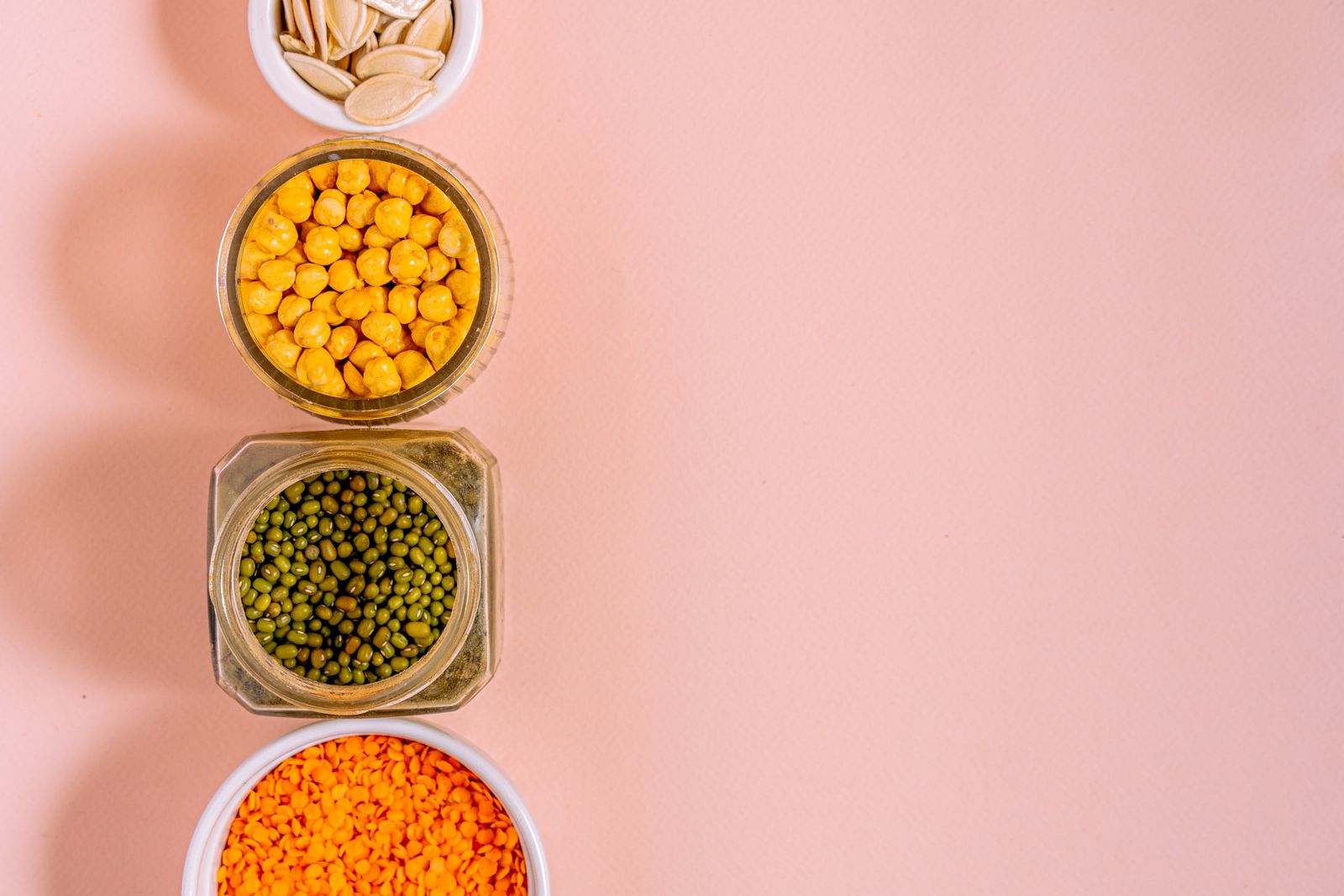
Legumes are the backbone of most plant-based protein plans because they are inexpensive, shelf-stable, and nutrient-dense. The table below shows how the most common legumes compare per cooked cup.
| Legume | Protein per Cooked Cup | Why It Stands Out |
|---|---|---|
| Lentils | ~18g | Also delivers 15g fiber — one of the most efficient whole-food protein sources available |
| Edamame | ~17g | Contains all nine essential amino acids, making it a rare “complete” plant protein |
| Chickpeas | ~15g | The base for hummus, curries, and roasted snacks |
| Black, kidney, and pinto beans | 13–15g | Versatile, budget-friendly everyday staples |
What Makes Soy Foods Like Tofu and Tempeh So Valuable?
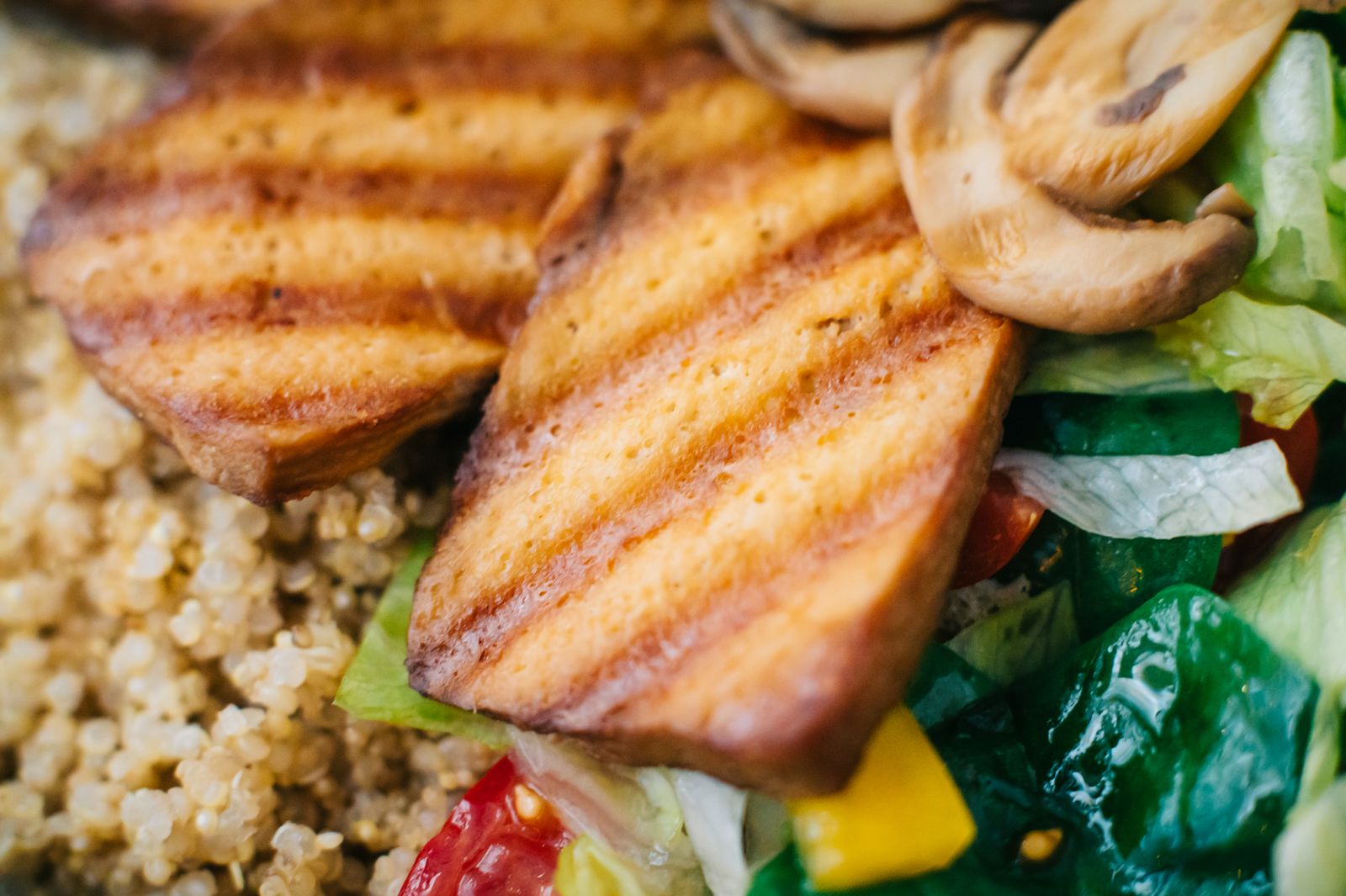
Soybeans are unusual among plants because they contain a complete amino acid profile comparable to animal protein. Tofu, made by coagulating soy milk into curds, typically provides about 10 grams of protein per half-cup serving and readily absorbs the flavor of any marinade or spice blend, which is why it works equally well in a sattvic vegetable stir-fry or a spiced curry. Tempeh, a fermented soybean cake, is denser and firmer, commonly cited at 15 to 16 grams of protein per 3-ounce serving, and the fermentation process improves mineral absorption and digestibility. Edamame, tofu, and tempeh together make soy one of the most versatile categories for anyone building a diet for weight loss with yoga, since they combine high protein with relatively low calories per gram. These foods also digest comfortably before a gentle yoga or restorative yoga session, unlike heavier animal-based meals.
Is Seitan the Highest-Protein Plant Food?
Seitan, made from vital wheat gluten, is often cited as the single densest plant-based protein by weight, commonly reported at around 21 to 25 grams per 3-ounce serving — close to or exceeding many cuts of meat. Its chewy, fibrous texture makes it a popular meat substitute in stir-fries and sandwiches. The caveat is that seitan is pure gluten, so it is unsuitable for anyone with celiac disease or gluten sensitivity, and because it is a processed extraction of wheat protein rather than a whole food, it lacks the fiber and micronutrient density of legumes or whole grains. It fits best as an occasional addition rather than a daily staple, especially for those following an ayurvedic diet philosophy that favors whole, minimally processed foods.
Do Whole Grains Like Quinoa Really Count as Protein Sources?
Quinoa is technically a seed cooked and eaten like a grain, and it is one of the few plant foods, alongside soy, buckwheat, and amaranth, that contains all nine essential amino acids in meaningful amounts. A cooked cup provides roughly 8 grams of protein along with fiber, iron, and magnesium. Other whole grains contribute smaller but still useful amounts: a cup of cooked oats provides about 6 grams, and brown rice around 5 grams. While no single grain is a protein powerhouse on its own, grains pair naturally with legumes — rice and lentils, or quinoa and chickpeas — to round out the amino acid profile of the overall meal, which matters more than any single ingredient in isolation. This is also why many yoga diet plans emphasize grain-and-legume combinations as the default meal template rather than isolated “protein foods.”
What Role Do Nuts and Seeds Play in Plant-Based Protein?
Nuts and seeds add concentrated protein along with healthy fats, making them useful for anyone who needs more calories alongside their protein, such as athletes or those recovering from illness. Peanuts (technically a legume) provide about 7 grams per ounce, almonds around 6 grams, and pistachios close to 6 grams as well. Among seeds, hemp seeds are notable for delivering roughly 10 grams of protein per 3 tablespoons in an easily digestible form, while chia seeds and pumpkin seeds each contribute 5 to 9 grams per ounce along with omega-3 fatty acids and zinc. Because nuts and seeds are calorie-dense, portion awareness matters if the goal is fat loss rather than muscle gain — something worth factoring into any broader diet for weight loss with yoga plan.
What Is Nutritional Yeast and Why Do Vegans Use It?
Nutritional yeast is a deactivated yeast sold as yellow flakes or powder with a savory, cheese-like flavor, commonly used to top pasta, popcorn, or roasted vegetables. It provides around 8 grams of protein per 2-tablespoon serving and is frequently fortified with vitamin B12, a nutrient that plant-based eaters need to source deliberately since B12 occurs naturally almost exclusively in animal products. While nutritional yeast should not be relied upon as the sole B12 source without checking the label for fortification, it is a genuinely useful, low-calorie way to add both protein and flavor depth to otherwise plain plant-based dishes.
How Do You Combine Plant Proteins for a Complete Amino Acid Profile?
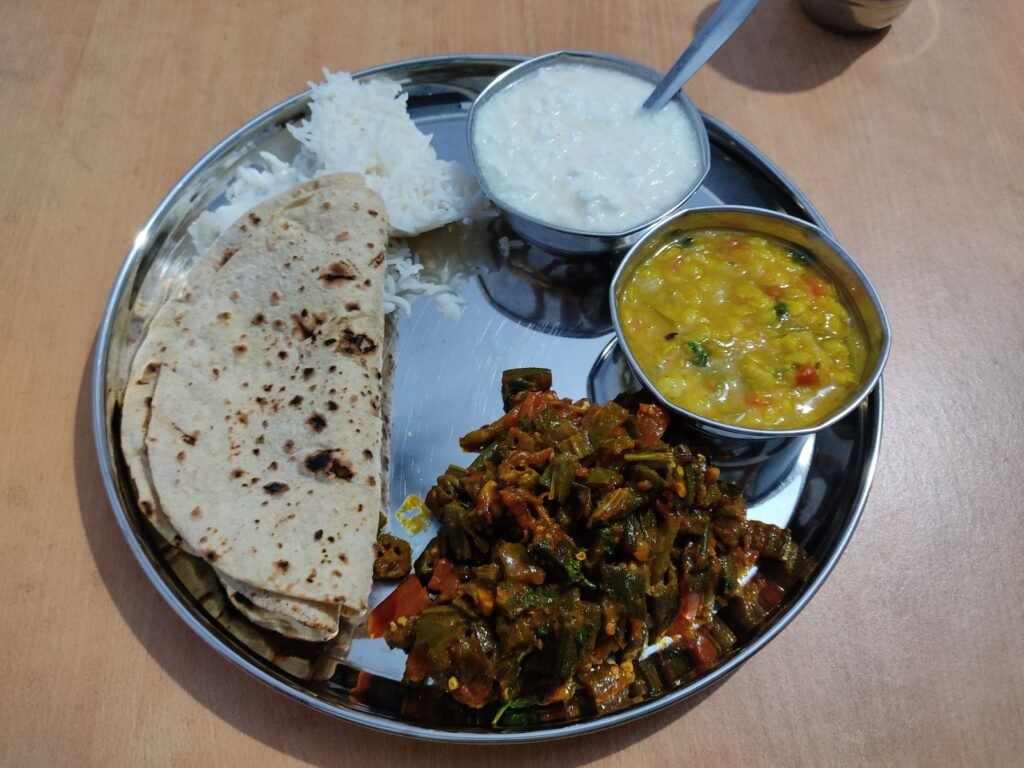
The old idea that plant proteins must be paired within the same meal to form a “complete protein” has been largely revised by modern nutrition science — the body maintains an amino acid pool over the course of a day, not just a single sitting. That said, eating a reasonable variety of protein sources across the day, rather than relying on one single food, remains the most reliable way to cover all nine essential amino acids. Practical combinations that work well and taste good together include rice with lentils or dal, hummus with whole wheat pita, peanut butter on whole grain toast, and quinoa salads with chickpeas and pumpkin seeds. This variety principle is really the entire strategy: no single plant food needs to be perfect if the overall week is well-rounded.
How Does a Sattvic Diet Approach Protein Differently?
A sattvic diet, rooted in yogic philosophy, favors foods considered pure, light, and calming to the mind — typically fresh vegetables, fruits, whole grains, legumes, nuts, seeds, and dairy in moderation, while minimizing onion, garlic, overly processed foods, and stimulants. Nearly every high-protein plant food discussed here fits comfortably within sattvic guidelines: lentils, chickpeas, mung beans, quinoa, almonds, and fresh paneer are all considered sattvic staples in traditional Indian yogic texts. This makes the sattvic framework unusually compatible with modern plant-based protein goals, since the foods recommended for mental clarity and digestive ease also happen to be excellent protein sources.
What Are Common Mistakes People Make Going Plant-Based for Protein?
Four mistakes come up again and again when people go plant-based without replacing the protein they used to get from meat:
- Removing meat without replacing its protein — leaving meals built mostly around vegetables and refined carbohydrates.
- Underestimating portion sizes — a small spoonful of hummus or a sprinkle of nuts on a salad does not equal a protein-forward meal.
- Neglecting B12, iron, zinc, and omega-3 fatty acids — these require more deliberate sourcing on a plant-based diet than on an omnivorous one.
- Relying too heavily on processed meat substitutes — these can be high in sodium and low in the fiber and micronutrients found in whole legumes, grains, and nuts.
Building meals around whole plant proteins first, and treating processed substitutes as occasional convenience foods, avoids most of these pitfalls. This whole-food-first approach mirrors the same principle taught in most beginner yoga nutrition guidance: start simple, add complexity only where it earns its place.
How Can Yoga Practitioners Time Protein Around Their Practice?
Eating a heavy, high-protein meal immediately before a physically demanding practice like vinyasa yoga or power yoga can cause sluggishness and digestive discomfort, since twists and inversions are more comfortable on a lighter stomach. A better approach is a small easily digestible snack, such as a banana with a spoonful of almond butter, about 30 to 60 minutes before practice, saving the larger protein-rich meal — lentil dal, a chickpea salad, or a tofu stir-fry — for one to two hours afterward, when the body is primed to use amino acids for muscle repair. This timing pattern applies whether the practice is a dynamic style of yoga or a gentler restorative session, though restorative practitioners have more flexibility since the physical demand is lower. Practitioners managing specific concerns, such as those exploring yoga for back pain or yoga for anxiety, may find that stable blood sugar from balanced protein intake also helps manage symptoms during practice.
Can You Build Muscle on a Plant-Based Diet?
Yes — a growing body of sports nutrition guidance confirms that muscle can be built and maintained on a fully plant-based diet, provided total protein intake and calorie needs are met. The practical difference is that plant proteins are generally less calorie-for-calorie protein-dense than animal sources, so plant-based eaters often need to eat a slightly larger volume of food, or include more concentrated sources like tofu, tempeh, seitan, and legumes at each meal, to hit the same protein target. Combining a protein-adequate diet with a consistent strength-oriented practice, such as power yoga or resistance training, supports the same muscle maintenance and growth outcomes seen with mixed diets.
Questions People Ask About Plant Based Protein Sources
What is the single best plant based protein source?
There is no single “best” source because needs vary, but soy foods (tofu, tempeh, edamame) and lentils are usually the top picks for combining high protein content with a complete or near-complete amino acid profile, minimal processing, and versatility in everyday cooking.
Can I get enough protein from plants without supplements?
Yes, most people can meet standard protein targets through whole foods alone by including legumes, soy foods, whole grains, nuts, and seeds across meals each day. Supplements like pea or soy protein powder are convenient but not required for adequate intake in a well-planned diet.
Do plant proteins get absorbed as well as animal protein?
Digestibility of plant proteins is generally slightly lower than animal protein due to fiber and anti-nutrient content, though cooking, soaking, sprouting, and fermenting (as with tempeh) improve absorption meaningfully. Eating a variety of sources largely offsets any small difference in absorption efficiency.
Is tofu healthy to eat every day?
Tofu is widely considered safe and healthy for daily consumption in normal dietary amounts by major health organizations, including for most people with a history of breast cancer, contrary to outdated soy-estrogen concerns. Moderation and variety with other protein sources is still a sensible general practice.
What plant foods are highest in protein per calorie?
Legumes such as lentils, chickpeas, and edamame tend to offer the best protein-to-calorie ratio among whole plant foods, since they combine meaningful protein with relatively low fat content compared to nuts and seeds, which are more calorie-dense.
How do vegetarians and vegans get vitamin B12 if plant proteins lack it?
Since B12 is not naturally present in plant foods in reliable amounts, vegetarians and vegans typically rely on fortified foods such as nutritional yeast, fortified plant milks, or a B12 supplement, which most nutrition guidelines recommend considering for anyone eating minimal or no animal products.
Try This for Yourself
Pairing a protein-adequate plant-based plate with a consistent yoga practice is one of the most sustainable ways to support strength, digestion, and calm energy at once. If you would like personalized guidance on building both sides of that equation, explore FitStrot’s online yoga classes and work with instructors who understand how nutrition and practice fit together.
Related reading: Sattvic Diet Explained, The Yogic Diet Guide, Diet for Weight Loss with Yoga, Benefits of Yoga, and FitStrot’s Online Yoga Classes.