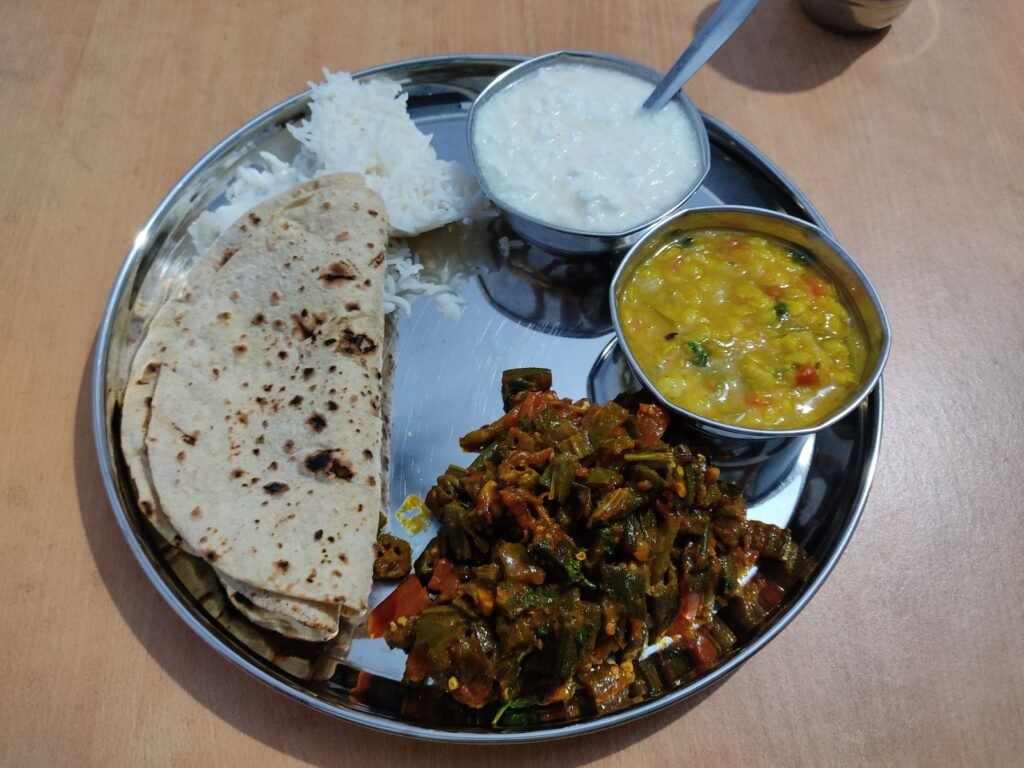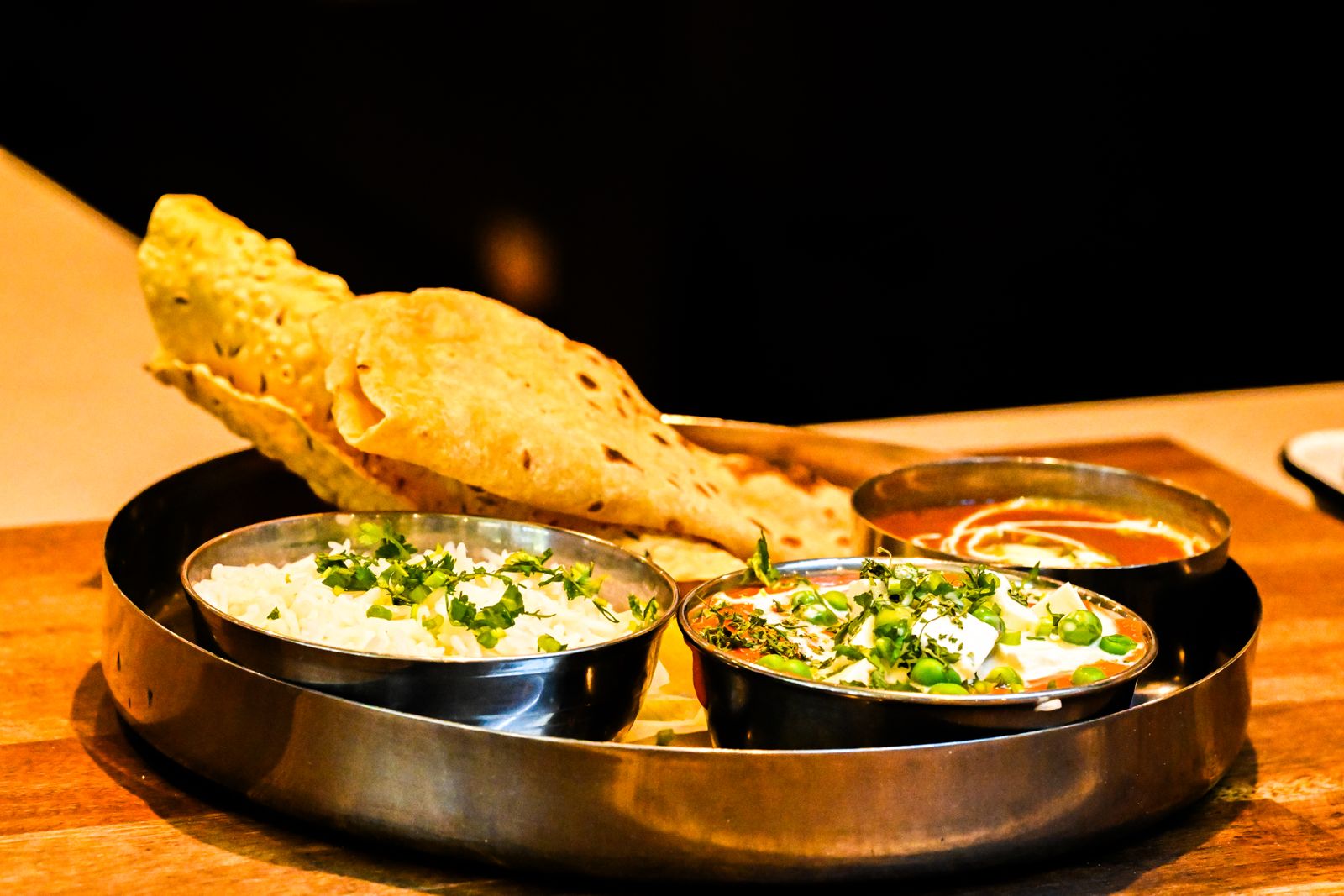
A sattvic diet is a plant-based, minimally processed way of eating rooted in yogic philosophy, built on fresh fruits, vegetables, whole grains, legumes, nuts, seeds, and dairy in moderation, while avoiding meat, alcohol, caffeine, onion, garlic, and heavily processed food. The word “sattvic” comes from “sattva,” one of the three gunas (qualities) described in yogic and Ayurvedic thought, representing clarity, balance, and calm. The goal isn’t just physical nutrition, it’s eating in a way that supports a steady, clear mind for meditation and yoga practice.
What Does “Sattvic” Actually Mean?
In yogic philosophy, everything in nature is said to be made up of three fundamental qualities, or gunas: sattva, rajas, and tamas. Sattva represents purity, harmony, and lightness. Rajas represents activity, passion, and restlessness. Tamas represents inertia, heaviness, and dullness. These three qualities aren’t just abstract ideas, they’re used to classify emotional states, environments, and, importantly, food.
A sattvic diet is simply the practice of eating foods classified as sattvic, on the theory that what you eat shapes the quality of your mind and energy. This idea appears in classical yogic and Ayurvedic texts, and the food-guna framework is commonly cited as tracing back to teachings found in the Bhagavad Gita, where food is described in terms of the three gunas and their effects on temperament. Modern yoga teachers and Ayurvedic practitioners have carried this framework forward as a practical eating philosophy rather than a rigid medical prescription.
What Foods Count as Sattvic?
Sattvic foods are generally fresh, whole, and minimally processed. The most commonly cited categories include:
- Fresh fruits such as bananas, apples, mangoes, and pomegranates
- Fresh vegetables, especially leafy greens, gourds, and root vegetables cooked simply
- Whole grains like rice, whole wheat, oats, and millets
- Legumes and pulses, including moong dal, chickpeas, and lentils
- Nuts and seeds, particularly almonds, and sesame seeds in moderate amounts
- Dairy, primarily fresh milk, ghee, and homemade paneer or yogurt, consumed in moderation
- Natural sweeteners like honey and jaggery, used sparingly
- Herbal teas and warm water, which is one reason a sattvic approach to eating often pairs naturally with a look at herbal tea benefits for daily hydration and digestion
The common thread is freshness and simplicity. Food that’s recently cooked, lightly spiced, and eaten close to its natural state is considered more sattvic than food that’s been fried, reheated repeatedly, or heavily processed.
Which Foods Are Considered Rajasic or Tamasic?
Understanding what a sattvic diet excludes is just as important as understanding what it includes. Rajasic foods are those believed to overstimulate the mind and body: very spicy, sour, salty, or bitter foods, along with stimulants like coffee, strong tea, and excess caffeine. Onion and garlic are traditionally classified as rajasic because of their pungency and stimulating effect, which is why many sattvic recipes leave them out entirely.
Tamasic foods are those considered heavy, stale, or dulling: meat, alcohol, fermented foods, overly processed snacks, deep-fried food, and anything reheated multiple times or left sitting for long periods. Onion and garlic sometimes get grouped here too, depending on the tradition and teacher. The practical takeaway isn’t that these foods are “bad” in a medical sense, it’s that within this framework, they’re believed to work against the mental clarity and calm that yoga and meditation practice aim to cultivate.
Why Do Yogis Follow a Sattvic Diet?
The reasoning behind a sattvic diet is directly tied to the goals of yoga practice itself. Traditional yoga isn’t only about physical postures, it’s a broader discipline aimed at quieting the mind, which is why diet is treated as part of the practice rather than something separate from it. A mind burdened by heavy, stimulating, or stale food is considered less capable of the steadiness required for meditation and deep breathwork.
This is also why a sattvic approach so often gets paired with a broader yogic diet philosophy, which extends beyond food choice into how, when, and with what attitude you eat. Eating slowly, without distraction, and with gratitude is considered part of the sattvic approach, not an optional add-on.
Is There Scientific Research Behind a Sattvic Diet?
A sattvic diet overlaps heavily with dietary patterns that nutrition science does support: high intake of fruits, vegetables, whole grains, and legumes, combined with reduced intake of processed food, alcohol, and excess stimulants. These overlaps mean a sattvic approach can plausibly support the same benefits associated with predominantly plant-based, minimally processed eating patterns more broadly, including better digestion, more stable energy, and reduced intake of added sugar and refined fat.
That said, the specific claims tied to gunas, that certain foods directly cultivate calmness or mental clarity through a “sattvic quality,” are rooted in a philosophical and spiritual framework rather than something that’s been isolated and measured in clinical nutrition research. It’s reasonable to describe a sattvic diet as a wellness-oriented eating philosophy with plausible nutritional benefits, rather than as a clinically validated intervention for mental state. Anyone using it to manage a diagnosed health condition should still work with a qualified healthcare provider.
How Do You Start a Sattvic Diet as a Beginner?
Starting a sattvic diet doesn’t require overhauling your entire kitchen overnight. A gradual approach tends to stick better than an abrupt one:
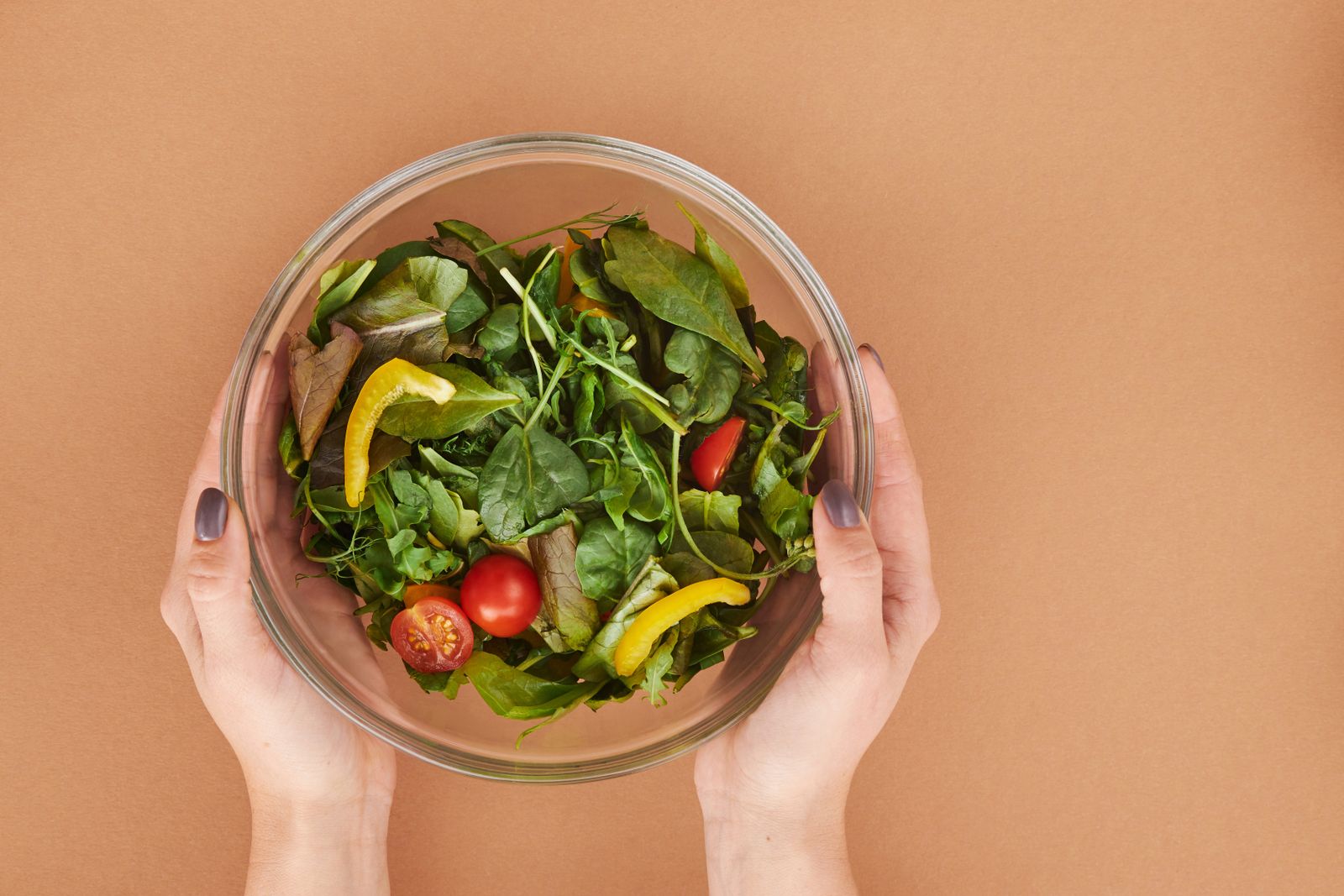
- Increase fresh produce first. Add one more serving of fresh fruit or vegetables to each meal before removing anything.
- Reduce processed and packaged snacks. Swap chips or packaged sweets for nuts, fresh fruit, or a small bowl of soaked almonds.
- Cut back on caffeine gradually. Replace one daily coffee with a warm herbal infusion instead of stopping cold turkey.
- Cook fresh, eat fresh. Aim to eat meals within a few hours of cooking rather than relying on leftovers reheated multiple times.
- Reduce onion and garlic slowly if you choose to. This step is optional and depends on how strictly you want to follow the tradition; many people keep a modified version that still includes them.
- Pay attention to how you eat, not just what. Eating without screens, at a regular time, and without rushing is considered part of the practice.
This step-by-step shift also works well alongside a broader plan if your goal includes body composition changes, which is where a resource like diet for weight loss with yoga can help you combine sattvic eating principles with a structured, sustainable calorie and movement approach.
What Does a Sample Sattvic Meal Plan Look Like?
A typical day following sattvic principles might look like this:
| Meal | Example |
|---|---|
| Morning | Warm water with lemon, soaked almonds |
| Breakfast | Oats or poha with fresh fruit, a small serving of milk |
| Lunch | Steamed rice or roti, moong dal, a lightly cooked seasonal vegetable, fresh yogurt |
| Evening | Herbal tea, a handful of fresh fruit or a few dates |
| Dinner | Light khichdi or vegetable soup, eaten a few hours before bed |
Portions are generally kept moderate rather than heavy, since overeating, even of sattvic foods, is considered to dull mental clarity and disrupt digestion. The emphasis stays on freshness, simplicity, and eating until comfortably satisfied rather than completely full.
How Does a Sattvic Diet Fit With Yoga and Meditation Practice?
Many yoga traditions treat food as the first and most basic form of self-discipline, since it’s something practiced multiple times a day, every day. A heavy, oily meal before a seated meditation session or a yoga class often makes it physically harder to sit still or breathe deeply, which is part of why lighter, fresher food is favored before practice.
Many practitioners find it useful to leave two to three hours between a meal and a yoga session, particularly before practices like pranayama breathing exercises or a deeper yoga for back pain routine that requires sustained stretching. A sattvic approach to eating is often framed as preparation for practice rather than a replacement for it, working alongside consistent movement, not instead of it.
Can a Sattvic Diet Help With Weight Management?
Because a sattvic diet emphasizes whole grains, vegetables, legumes, and fruit while reducing fried and heavily processed food, it naturally tends to lower calorie density and added sugar intake, both of which matter for weight management. It isn’t designed as a weight-loss diet specifically, and it doesn’t include calorie counting or macro tracking as part of its traditional framework.
For people specifically focused on fat loss, pairing sattvic eating principles with a structured plan and regular practice, such as the guidance in diet for weight loss with yoga, tends to produce more predictable results than relying on food philosophy alone. Combining consistent types of yoga practice, like vinyasa yoga for a more active session, with sattvic food choices covers both the movement and nutrition sides of the equation.
Is a Sattvic Diet the Same as a Vegetarian or Vegan Diet?
A sattvic diet overlaps with vegetarianism but isn’t identical to it. Both exclude meat, fish, and eggs. However, a sattvic diet traditionally includes dairy, particularly fresh milk, ghee, and homemade yogurt, in a way that a vegan diet does not. A sattvic diet also excludes specific vegetarian foods that vegan or standard vegetarian diets typically allow, such as onion, garlic, and strongly fermented foods.
The distinguishing factor of a sattvic diet isn’t just which animal products are included or excluded, it’s the emphasis on freshness, the avoidance of stimulating or pungent ingredients, and the intention behind eating as a form of practice rather than only a nutritional choice.
What Are Common Mistakes People Make With a Sattvic Diet?
A few patterns tend to trip up beginners:
- Treating it as all-or-nothing. Trying to follow every rule perfectly from day one often leads to giving up entirely. Gradual adoption tends to last longer.
- Overeating “sattvic” foods. Large portions of rice, ghee, or sweets don’t become lighter just because the ingredients are considered sattvic. Quantity and timing still matter.
- Ignoring individual needs. Someone with specific medical needs, iron-deficiency anemia, for example, may need to adapt the framework rather than follow it rigidly, since some traditional sattvic guidelines can be restrictive around certain protein sources.
- Skipping the “how you eat” part. Eating sattvic food while distracted, rushed, or stressed misses a core piece of the practice, which is as much about the eating experience as the ingredient list.
How Does a Sattvic Diet Differ Across Ayurveda and Yoga Traditions?
While the sattvic diet concept is shared between yoga philosophy and Ayurveda, the two traditions apply it slightly differently. Yoga philosophy tends to frame sattvic eating primarily around its effect on the mind and meditation readiness. Ayurveda, meanwhile, layers the sattvic-rajasic-tamasic framework on top of its own individualized system of doshas (vata, pitta, kapha), meaning an Ayurvedic practitioner might adjust “sattvic” food recommendations based on a person’s specific constitution rather than applying one universal list.
In practice, this means two people following “a sattvic diet” might eat slightly different meals depending on whether they’re following a general yogic framework or working with an Ayurvedic practitioner who has tailored recommendations to their individual dosha balance.
Questions People Ask About Sattvic Diet
What is a sattvic diet in simple terms?
A sattvic diet is a way of eating based on yogic philosophy that favors fresh, whole, plant-based foods like fruits, vegetables, whole grains, and legumes, while avoiding meat, alcohol, caffeine, onion, garlic, and heavily processed food. The aim is to support mental clarity and calm, not just physical nutrition.
Can I eat eggs on a sattvic diet?
Traditionally, no. Eggs are generally classified as rajasic or tamasic depending on the tradition, since they’re considered a form of animal product with a stimulating or heavy quality. Most sattvic diet guidelines exclude eggs along with meat and fish, though individual practitioners sometimes adapt this based on personal circumstances.
Why are onion and garlic avoided in a sattvic diet?
Onion and garlic are classified as rajasic in most yogic traditions because of their pungent, stimulating qualities, which are believed to increase restlessness rather than calm. Some traditions place them in the tamasic category instead. Either way, they’re typically left out of strict sattvic cooking, though many people follow a relaxed version that keeps them in.
Is coffee allowed on a sattvic diet?
No, coffee is generally excluded from a sattvic diet because caffeine is considered rajasic, meaning it overstimulates the nervous system rather than supporting calm. Herbal teas, warm water, and mild infusions are the typical substitutes recommended in place of coffee or strong black tea.
Does a sattvic diet help with anxiety or stress?
Many practitioners report feeling calmer and more even after adopting sattvic eating habits, and the diet’s emphasis on whole foods and reduced stimulants is broadly consistent with general nutrition advice for stress management. However, this connection is rooted in yogic philosophy rather than being a clinically established treatment, so it’s best viewed as a supportive lifestyle practice rather than a substitute for professional mental health care.
Can vegetarians and vegans both follow a sattvic diet?
Vegetarians can follow a traditional sattvic diet fairly directly, since it includes dairy as a core component. Vegans can also follow the framework but will need to substitute plant-based alternatives for the dairy elements, since traditional sattvic guidelines were built around ghee, milk, and yogurt as staples.
Try This for Yourself
Reading about sattvic eating is a useful starting point, but the mental clarity it’s meant to support really comes through when it’s paired with consistent practice. Explore FitStrot’s Online Yoga Classes and experience how lighter, fresher eating feels when it’s combined with regular movement and breathwork, guided by instructors who understand both sides of the practice.
Related reading: Yogic Diet: A Complete Guide, Diet for Weight Loss with Yoga, Herbal Tea Benefits, Types of Yoga Explained, and FitStrot’s Online Yoga Classes.