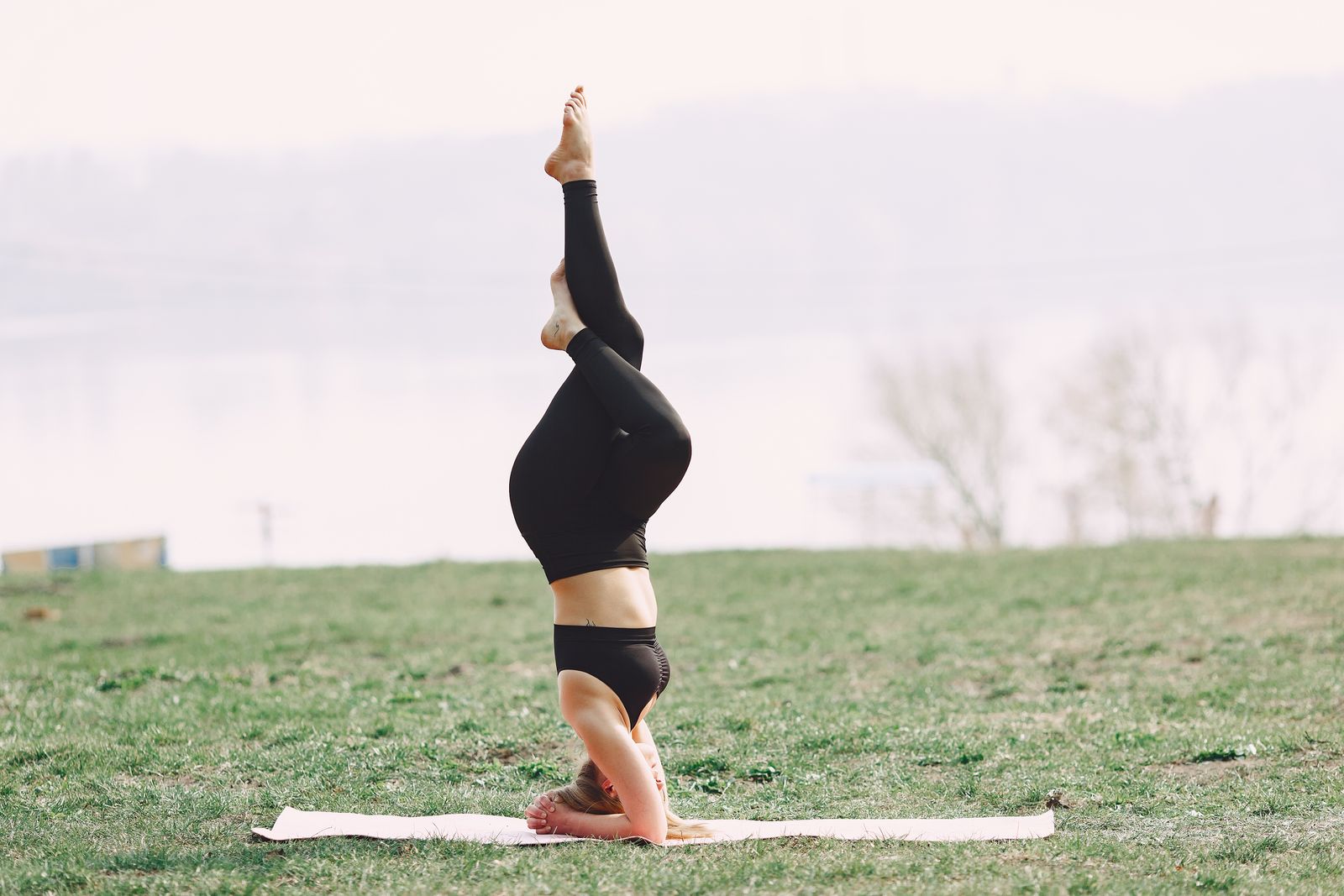
Sirsasana, commonly called headstand, is a yoga posture in which the body is inverted and balanced on the crown of the head and forearms, with the legs extended straight up toward the ceiling. It is often introduced in intermediate and advanced yoga poses sequences because it demands shoulder stability, core control, and a calm mind before the legs ever leave the floor. Practiced correctly, with a strong forearm foundation and gradual progression, sirsasana can build upper-body strength, improve focus, and shift blood flow toward the upper body. Practiced carelessly, it carries a real risk of neck strain, which is why alignment and preparation matter more here than in almost any other posture.
What Is Sirsasana in Yoga?
Sirsasana comes from the Sanskrit words “sirsa” (head) and “asana” (pose), literally translating to “head pose.” It is widely known in English as headstand yoga or simply headstand, and in classical hatha yoga texts it is frequently referred to as the “king of asanas” because of its central place in advanced practice. The pose belongs to the family of inversions, a category that also includes shoulder stand (sarvangasana) and forearm stand (pincha mayurasana). Unlike a shoulder stand, where weight rests along the shoulders and upper back, sirsasana distributes weight between the crown of the head and the forearms, with the forearms doing the majority of the structural work when the pose is set up correctly.
What Is the Correct Headstand Yoga Name and Classification?
The formal Sanskrit name is Sirsasana, sometimes written as Shirshasana or Sirshasana depending on transliteration. In most modern yoga teacher training curricula, plain Sirsasana refers to the classic tripod-free forearm headstand, while variations carry their own names: Sirsasana II uses the hands on the floor rather than clasped behind the head, and Baddha Hasta Sirsasana refers to specific arm-bind variations. This pose sits within the inversion and arm-balance families in most asana classification systems, alongside poses like vrksasana for balance work and deeper backbends for spinal extension.
How Do You Do Sirsasana Step by Step?
A safe headstand begins long before the legs lift. Follow these steps in order, and do not rush ahead to lifting the legs until each stage feels stable:
- Set the base. Kneel on a folded mat and interlace your fingers on the floor, forming a stable triangular base with your forearms.
- Place the head. Rest the crown of your head on the mat, with the back of your head cupped by your interlaced hands, not gripped by them.
- Walk in and stack. Walk your feet toward your face until your hips stack directly over your shoulders.
- Lift the legs. Engage your core and lift one leg at a time toward the ceiling, or use a slow tuck-and-float method if your core strength allows it.
- Hold steady. Keep your elbows no wider than shoulder-width throughout, since a wide elbow base is one of the most common causes of instability. Hold for five to ten breaths as a beginner.
- Come down with control. Lower with the same control you used to rise.
What Are the Preparatory Poses Before Attempting Headstand?
Because sirsasana asks the shoulders, wrists, and core to share load in an unfamiliar way, most qualified teachers build up to it over weeks, not a single class. Dolphin pose, plank hold, and forearm plank build the shoulder and core endurance the headstand needs. Standing poses like tadasana teach the postural alignment that carries over directly into an inverted spine, since the same head-over-hips stacking applies whether you are standing on your feet or on your head. Balance poses such as vrksasana train the nervous system to find a still point, which is exactly what headstand demands once the legs are airborne. A daily surya namaskar practice also warms the wrists, shoulders, and spine in a way that makes the transition into inversions noticeably smoother.
What Are the Benefits of Sirsasana Yoga?
Sirsasana yoga benefits span physical, mental, and circulatory categories, though the strength of evidence varies by claim. On the physical side, the pose builds isometric strength in the shoulders, upper back, and core, since holding an inverted body upright requires sustained muscular engagement rather than passive stretching. It also improves balance and proprioception, the body’s sense of where it is in space, because the usual visual and gravitational cues are reversed. Mentally, many long-term practitioners report that the concentration required to hold a headstand steadily carries over into a calmer, more focused state off the mat, an experience that lines up with how yoga generally supports stress relief through focused breath and attention. Circulatory claims, such as improved venous return from the legs, are commonly cited in yoga teaching traditions, though practitioners with blood pressure conditions or glaucoma should treat inversions cautiously and check with a doctor first, since inverting the body does meaningfully change blood distribution and eye pressure in the short term.
Which Muscles Does Sirsasana Strengthen?
Headstand is often mistaken for a purely passive hang, but it is an active strength pose. The deltoids, trapezius, and serratus anterior stabilize the shoulder girdle so the neck is not left to bear weight it was never designed to carry. The transverse abdominis and obliques keep the legs from swinging past vertical, while the erector spinae along the spine keeps the torso from collapsing forward or backward. The forearm flexors and wrist stabilizers also work continuously to keep the base from sliding. This is why strength-building poses like plank and dolphin are non-negotiable prerequisites rather than optional warm-ups.
What Is Janu Sirsasana and How Is It Different?
Janu Sirsasana, or Head-to-Knee Forward Bend, is a completely different pose from the inverted headstand despite the shared “sirsasana” name. In Janu Sirsasana, you sit on the floor with one leg extended straight and the other foot drawn in to the inner thigh, then fold forward over the extended leg, aiming the crown of the head toward the knee. It is a seated forward fold that stretches the hamstrings, spine, and hips, and it carries none of the inversion risk of full headstand. Janu Sirsasana yoga is commonly taught to beginners as a grounding, calming counterpose, often sequenced after backbends or standing poses, and it is a useful pose to practice on the same days you are building toward full sirsasana, since hamstring and hip flexibility support better alignment once you do invert.
What Are the Common Sirsasana Variations?
Once the classic tripod headstand feels stable, several headstand yoga variations extend the challenge. Sirsasana II moves the hands from an interlaced clasp to flat on the floor beside the head, shifting more load onto the wrists and demanding greater shoulder strength. Parsva Sirsasana adds a spinal twist while inverted, testing core control under rotation. Eka Pada Sirsasana splits the legs into a straddle, one leg forward and one back, which challenges hip flexibility and balance simultaneously. Urdhva Padmasana in Sirsasana brings the legs into a lotus position overhead, a variation reserved for practitioners with significant hip opening already established through poses like padmasana. None of these variations should be attempted until the basic pose can be held comfortably and with steady breath for at least 30 to 60 seconds.
How Long Should You Hold a Headstand?
Beginners typically hold sirsasana for 10 to 30 seconds while learning to find the balance point, gradually building toward one to three minutes as strength and confidence increase. Experienced practitioners in advanced classes sometimes hold headstand for five minutes or longer, but there is no inherent benefit to maximizing duration, and pushing for extended holds before the shoulders and core are ready is a common cause of shaking, collapse, or neck strain. A useful guideline used by many teachers is to prioritize a controlled entry and exit over a long hold; if you cannot come down with the same control you went up with, you have likely held the pose longer than your current strength supports.
What Are the Contraindications and Safety Precautions?
Sirsasana is not appropriate for everyone, and skipping this step is the single biggest risk factor associated with the pose. Generally avoid full inversions, or work only under direct one-on-one guidance, if any of the following apply to you:
- Neck injuries or cervical spine conditions
- High or low blood pressure
- Glaucoma or other eye pressure conditions
- Vertigo
- Early-stage pregnancy, or you are currently menstruating
Research examining head and neck loading during headstand has noted that the compressive forces on the cervical spine can be substantial depending on alignment, which is why teachers place so much emphasis on keeping the weight on the forearms rather than the head. Beginners should always learn this pose in person with a qualified teacher or in a wall-supported setting before attempting it independently, and anyone with existing neck or spine concerns should get medical clearance first.
How Do You Practice Headstand Yoga Safely as a Beginner?
The safest entry point for most new practitioners is a wall-supported headstand, where the wall behind the back removes the fear of falling backward and lets you focus purely on alignment. Set up your forearms and head about three inches from the wall, walk the feet in, and lift one leg at a time, letting the wall catch you if you lose balance rather than gripping it as a permanent crutch. A second useful method is the “L-shape” against the wall, where you press the feet up the wall into a right angle before slowly straightening the legs overhead. Practicing near a wall for several weeks before attempting a free-standing headstand in the middle of the room is a standard progression taught in most teacher trainings, and it dramatically lowers the risk of an uncontrolled fall.
How Does Sirsasana Fit Into a Full Yoga Sequence?
Headstand is almost always placed after a thorough warm-up and before deep relaxation, never as a cold-start pose. A typical sequence might move through surya namaskar to raise body heat, standing poses like tadasana and warrior variations to build leg and core strength, balance work such as vrksasana, then core-strengthening poses like plank and boat pose immediately before the headstand itself. After coming down from sirsasana, teachers typically sequence a counterpose such as child’s pose or a gentle forward fold to let blood pressure normalize and the neck decompress, followed eventually by shoulder stand if the class includes it, and finally seated or supine relaxation. This kind of thoughtful sequencing is a hallmark of well-structured hatha yoga and vinyasa yoga classes alike.
What Equipment or Props Help With Sirsasana?
A firm, thin yoga mat or folded blanket under the head and forearms reduces pressure without introducing so much cushioning that the base becomes unstable. A wall, as described above, is the most valuable prop for beginners. Some practitioners use a headstand bench or headstand stool, a padded frame that supports the shoulders rather than the crown of the head, redistributing load away from the cervical spine entirely; this can be a reasonable option for people who want the circulatory and mental benefits of inversion without loading the neck directly. A mirror or a teacher’s direct feedback is also invaluable early on, since it is difficult to self-assess whether your hips are stacked correctly over your shoulders once you are upside down.
How Is Sirsasana Taught and Named in Hindi and Traditional Texts?
In Hindi and in traditional Sanskrit-based yoga instruction across India, the pose is taught as “Shirshasana” (शीर्षासन), directly reflecting the Sanskrit root for head. It appears in classical hatha yoga literature as one of the principal asanas, often discussed alongside its counterpart Sarvangasana in the same section of older texts, since the two poses are traditionally taught as a complementary pair. Sirsasana yoga in Hindi-medium teacher trainings is generally introduced with the same cautious, wall-supported progression used in English-medium classes, since the biomechanical risks of the pose do not change with the language of instruction.
How Does Sirsasana Compare to Other Inversions?
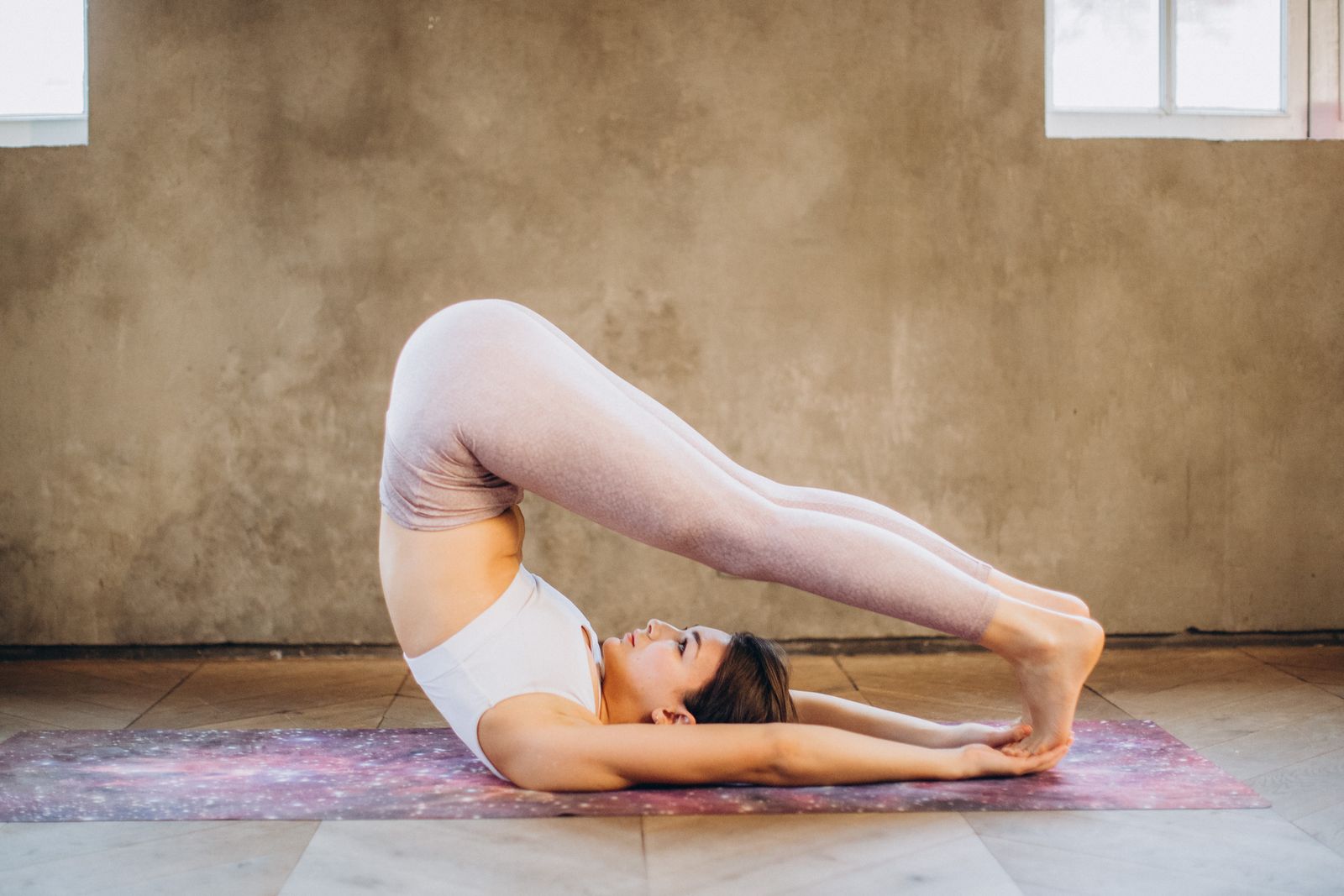
Compared to Sarvangasana (shoulder stand), sirsasana places more compressive load on the neck and requires more shoulder and core strength to enter safely, while shoulder stand distributes weight more broadly across the shoulders and upper back. Compared to Adho Mukha Vrksasana (full arm balance handstand), sirsasana is generally considered more accessible for most practitioners because the wider forearm base offers more stability than balancing on the hands alone, though handstand avoids loading the head and neck entirely. Choosing which inversion to prioritize often comes down to individual anatomy, existing injuries, and how a person’s style of yoga practice is structured, and many experienced teachers recommend building competence in easier inversions before attempting sirsasana at all.
Questions People Ask About Sirsasana
Is Sirsasana good for beginners?
Full sirsasana is generally not recommended for absolute beginners without direct supervision, since it requires shoulder and core strength that takes weeks to build. Beginners are better served starting with preparatory poses like plank, dolphin, and wall-supported leg lifts, then progressing to a wall-assisted headstand under a qualified teacher’s guidance before ever attempting the pose freestanding in the middle of a room.
How long does it take to learn headstand?
Most practitioners take somewhere between a few weeks and several months of consistent practice to hold a stable, freestanding headstand, depending on existing upper-body and core strength. Progress depends heavily on how consistently preparatory poses are practiced, since shoulder stability and core control, not flexibility, are the main limiting factors for most new students.
Can sirsasana cause neck injury?
Yes, if the weight is allowed to rest primarily on the head rather than the forearms, or if the pose is entered with momentum rather than control, the cervical spine can be compressed in ways that risk strain or more serious injury. This is why proper forearm alignment, a gradual entry, and stopping the pose if you feel any sharp neck sensation are consistently emphasized by experienced teachers.
What is the best time to practice sirsasana?
Many practitioners prefer practicing headstand earlier in a session, after a full warm-up but while energy and focus are still high, rather than at the very end of a class when muscles are fatigued. Practicing on an empty stomach, at least two to three hours after eating, is also commonly advised since inverting with a full stomach can cause discomfort.
Do you need to be flexible to do a headstand?
Flexibility is far less important for sirsasana than shoulder and core strength, which is a common misconception among newer students. Someone with only moderate flexibility but strong shoulders, a stable core, and good body awareness will typically find headstand more accessible than a highly flexible person who has not built the necessary strength.
Try This for Yourself
Sirsasana rewards patience, consistent practice, and expert guidance far more than it rewards rushing toward the full pose. If you want a structured, supervised path into inversions and the rest of your yoga practice, explore FitStrot’s online yoga classes, where certified instructors can guide your alignment in real time and help you build toward headstand safely.
Related reading: yoga poses, surya namaskar, tadasana, vrksasana, and online yoga classes.