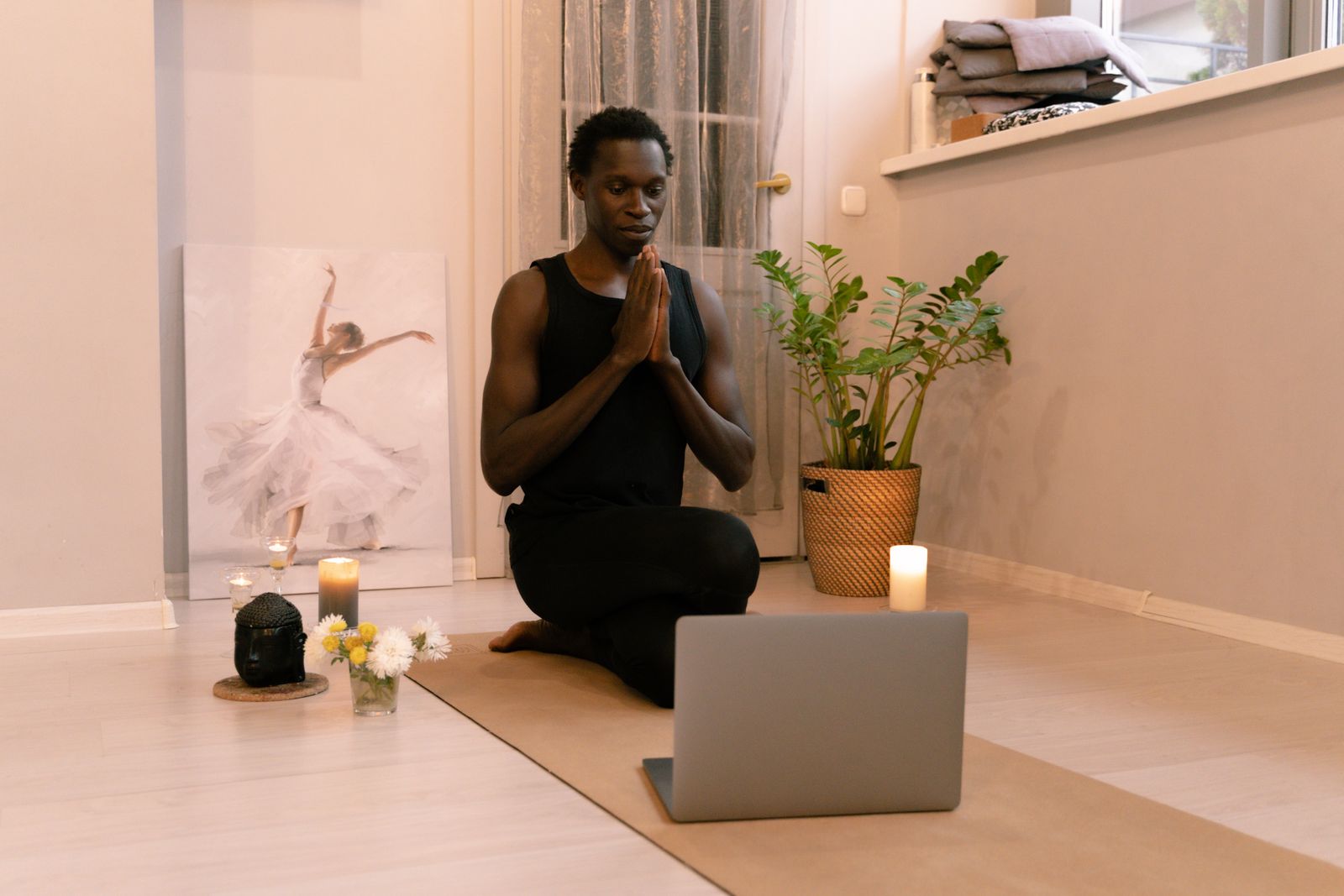
You can teach yoga online by combining a recognized teaching credential (typically a 200-hour or 500-hour certification), a simple video setup, and a delivery platform such as Zoom, YouTube, or a dedicated class-booking app. Most new online yoga teachers start with live Zoom classes for existing students, then expand into recorded on-demand content or a subscription library once they understand what their audience wants. The real work isn’t the technology, it’s building a teaching style, sequencing, and cueing approach that translates clearly through a screen instead of a physical room.
Do You Need a Certification to Teach Yoga Online?
Yes, in almost all practical cases. Studios, insurance providers, and class-booking platforms generally require proof of a registered yoga teacher training, most commonly a 200-hour credential recognized by a body such as Yoga Alliance. If you’re still deciding on a program, our guide on how to become a yoga instructor walks through the training pathways step by step. Teaching online doesn’t lower this bar, if anything, it raises it, because students can’t see your hands adjust a peer’s alignment in real time, so your verbal cueing has to carry more of the instructional weight that a certified training program specifically teaches.
What Equipment Do You Actually Need to Start?
You need far less than most beginners assume. A smartphone or laptop camera, a tripod or stable shelf at hip height, a quiet room with natural light, and a stable internet connection cover the essentials. A clip-on external microphone improves audio quality more than any camera upgrade would, since students forgive slightly soft video but disengage quickly from muffled cueing. Budget roughly $50 to $150 for a basic tripod, ring light, and lapel mic if you’re starting from zero. As your online teaching grows, you can reinvest in a second camera angle or a dedicated streaming setup, but that’s an optimization, not a prerequisite.
Which Platform Should You Use to Teach Live Classes?
Zoom remains the default choice for live online yoga because students already know it, and its gallery view lets you glance at multiple students for basic form checks. Instagram Live and YouTube Live work well for free community classes that build an audience, though they offer less privacy and no built-in payment collection. For paid live classes, look at yoga-specific booking software that layers scheduling, waivers, and payment on top of a video call, similar to how online class booking platforms manage in-studio schedules. Whichever tool you pick, test your camera framing and audio at least once from a student’s-eye view before your first paid session.
Should You Teach Live, Pre-Recorded, or Both?
Live classes build the strongest early connection because real-time feedback and community energy are hard to replace, and they’re the fastest way to convert existing in-studio students into paying online clients. Pre-recorded, on-demand classes solve the timezone problem and let you earn from a single session repeatedly, but they demand more polished editing and a library structure students can navigate. Many teachers who successfully teach yoga online long-term run a hybrid model: one or two live sessions a week for community and accountability, backed by a growing library of recorded classes organized by style, duration, or focus area like yoga for back pain or yoga for stress relief.
How Do You Adapt Your Cueing for a Screen Instead of a Room?
Online teaching demands more verbal precision because you lose most hands-on adjustment and can’t always see every student’s camera angle clearly. Effective online teachers narrate breath, alignment, and transitions in more detail than they would in person, describing what a pose should feel like rather than only what it looks like. Naming poses in both Sanskrit and plain English, as covered in our yoga pose names guide, helps students follow along whether they’re beginners or from a different training lineage. Slowing your pace by roughly 10 to 15 percent compared to an in-person class also gives home practitioners time to glance at their screen and reposition without falling behind.

How Much Can You Realistically Earn Teaching Yoga Online?
Earnings vary widely based on niche, audience size, and pricing model, and there’s no single reliable number that applies to every teacher. Many online teachers start by charging a per-class drop-in rate similar to studio pricing, then move toward monthly subscriptions once they have a consistent student base, since recurring revenue is more sustainable than one-off bookings. Our detailed breakdown on yoga teacher salary covers how in-studio and online income streams typically compare, and it’s worth reading before you set your own pricing so you’re not underselling a specialized skill. Diversifying income across live classes, recorded libraries, workshops, and private one-on-one sessions is generally more stable than relying on a single format.
How Do You Structure a Class Sequence That Works Remotely?
A remote-friendly sequence front-loads clear, low-injury-risk poses early, since you have less ability to catch a misalignment before it becomes uncomfortable. Start with a grounding centering period, move through a joint-by-joint warm-up, build to your peak pose or theme, and close with a longer-than-usual cool-down and stillness, since screen fatigue makes savasana transitions feel more abrupt online. If you’re building your first sequences from scratch, reviewing structured examples like a vinyasa yoga sequence or a hatha yoga sequence gives you a proven skeleton to adapt rather than building pacing from zero.
How Do You Handle Safety and Liability When You Can’t Physically Adjust Students?
Every online teacher should carry professional liability insurance rated for virtual instruction specifically, since some standard yoga insurance policies were written before remote teaching was common and may not automatically cover it. Always open a class by asking students to work within their own range and to stop if anything is sharp or painful rather than pushing through discomfort, and offer verbal modifications for common conditions during your cueing rather than after a student is already mid-pose. If your student base includes people managing injuries or chronic conditions, familiarizing yourself with modifications discussed in resources like yoga for knee pain or yoga for beginners with injuries helps you cue proactively instead of reactively.
How Do You Find Your First Online Students?
Your fastest first students are almost always people who already know you, past in-studio clients, friends, family, and local community contacts who trust your teaching. Offering a short free trial class or a discounted first month lowers the barrier for people used to in-person studios to try a virtual format. From there, a simple website or booking page, a consistent social media posting rhythm showing short pose breakdowns, and word-of-mouth referrals compound faster than most new teachers expect. If you eventually want to teach for an existing studio or platform rather than building your own client base from scratch, our guide to yoga instructor jobs covers where studios and online platforms are actively hiring.
Should You Specialize in a Style or Teach Generally?
Specializing makes it easier to stand out in a crowded online market and to market yourself to a specific audience searching for exactly what you offer. Popular online specializations include prenatal yoga, chair yoga for seniors, restorative yoga, and power yoga for a more athletic audience. If you’re not sure which direction fits your training and personality, reviewing the full landscape of types of yoga can help you identify where your natural teaching strengths and your available certifications overlap, rather than picking a niche purely because it seems popular.
How Do You Price Your Online Yoga Classes?
Most online teachers land on one of three pricing models: pay-per-class drop-ins, a monthly subscription library, or package bundles of a set number of classes purchased upfront. Subscriptions tend to produce the most predictable income once you have 20 to 30 committed students, but they require you to keep publishing fresh content regularly to retain members. Package bundles work well for teachers running smaller live cohorts, since they create a natural commitment window without demanding an ongoing content pipeline. Whatever model you choose, price at least in line with what experienced in-person instructors charge locally, factoring in the platform fees, editing time, and marketing effort that in-person teaching doesn’t require.
What Are the Biggest Mistakes New Online Yoga Teachers Make?
New online yoga teachers tend to repeat the same handful of avoidable mistakes:
- Under-cueing verbally. Underestimating how much verbal cueing has to replace physical demonstration leaves classes feeling rushed or unclear to someone who can’t see a live adjustment.
- Neglecting audio quality. Poor sound drives students away faster than imperfect video ever will.
- Skipping a tech trial run. Camera framing or lighting problems get discovered mid-class rather than caught beforehand.
- Trying to serve every audience at once. Without a clear teaching identity, students struggle to know what to expect, and marketing becomes harder to keep consistent.
How Does Teaching Online Compare to Teaching In-Studio?
Online teaching removes geographic limits on your student base and cuts commuting and studio rental costs, but it also removes the hands-on adjustment, shared room energy, and spontaneous community connection that draw many students to yoga in the first place. Choosing between the two formats comes down to trade-offs across a few key factors:
| Factor | Teaching Online | Teaching In-Studio |
|---|---|---|
| Student reach | No geographic limit | Limited to local area |
| Overhead costs | No commute or studio rental | Studio rental and commuting costs |
| Hands-on adjustment | Not possible | Available in real time |
| Community energy | Harder to replicate | Shared room energy |
| Perceived value | Wins on convenience and accessibility | Slight premium in many markets |
Many established teachers ultimately run both, using online teaching to reach students who could never attend an in-person class while keeping in-studio sessions as their premium, high-touch offering.
Questions People Ask About Teaching Yoga Online
Can I teach yoga online without a certification?
Technically you can stream a class without one, but most students, insurance providers, and booking platforms expect a recognized certification, typically 200 hours or more. Without it, you’ll struggle to get liability insurance, build client trust, or partner with studios and platforms, so completing a registered training is strongly recommended before teaching publicly, even online.
What is the best free platform to start teaching yoga online?
Zoom’s free tier (with a 40-minute limit on group calls) and Instagram Live or YouTube Live are the most accessible starting points with no upfront cost. They’re ideal for testing your teaching style and building an initial audience before investing in paid booking software or a dedicated streaming setup.
How long should an online yoga class be?
Most online classes run 30 to 60 minutes, with 45 minutes being a common sweet spot that balances a complete sequence against typical home-practice attention spans. Shorter 15 to 20 minute classes work well for daily quick-practice content, while 60-plus minute sessions suit dedicated weekend classes.
Do online yoga teachers need insurance?
Yes. Confirm your policy explicitly covers virtual or remote instruction, since some traditional yoga liability policies were written before online teaching became common and may exclude it. Reputable yoga insurance providers now offer specific riders or standalone policies for online teaching.
How do I keep online students engaged over time?
Consistency, a predictable class schedule, direct communication through email or a community chat, and periodic live check-ins all help. Many teachers also rotate themed series, such as a monthly focus on yoga for flexibility or yoga for strength, to give returning students a reason to keep showing up.
Can I teach yoga online as a side income alongside a studio job?
Yes, and it’s one of the most common paths teachers take. Many instructors keep their in-studio hours for community and stability while building an online following on the side, gradually shifting the balance as their online student base and recurring revenue grow.
Try This for Yourself
The fastest way to understand what works in online yoga teaching is to experience a well-run virtual class as a student first. Join a FitStrot online yoga class to see live cueing, sequencing, and community-building in action, then borrow what resonates for your own teaching practice.
Related reading: How to Become a Yoga Instructor, Yoga Instructor Jobs, Yoga Teacher Salary, Types of Yoga, and FitStrot’s online yoga classes.