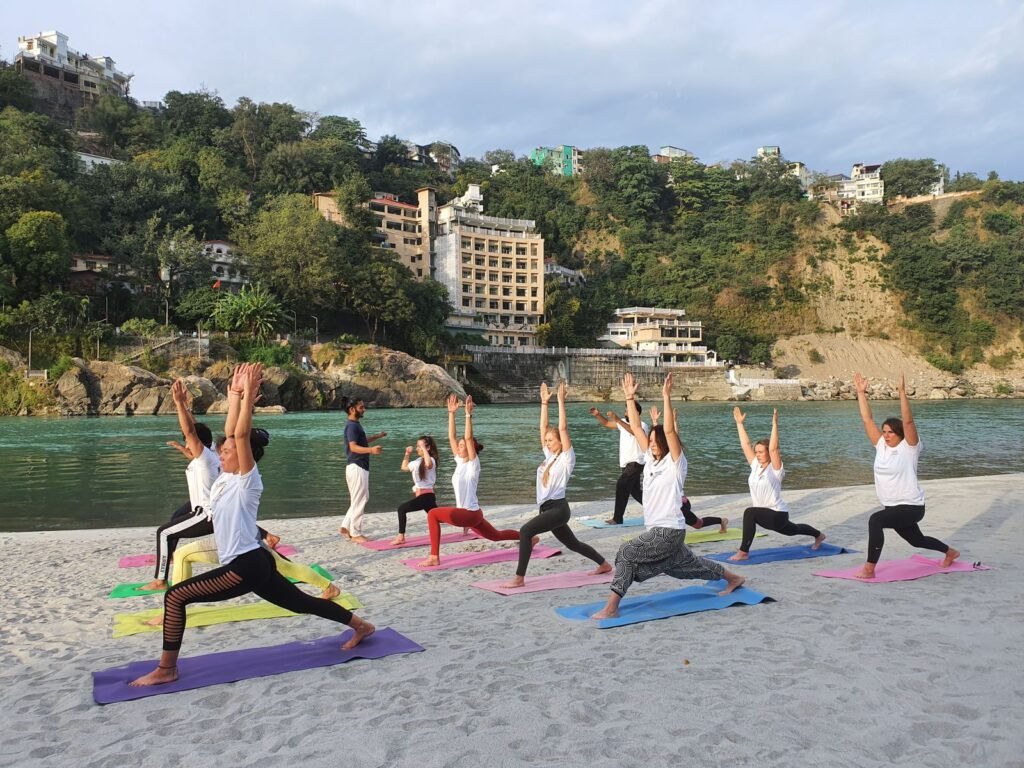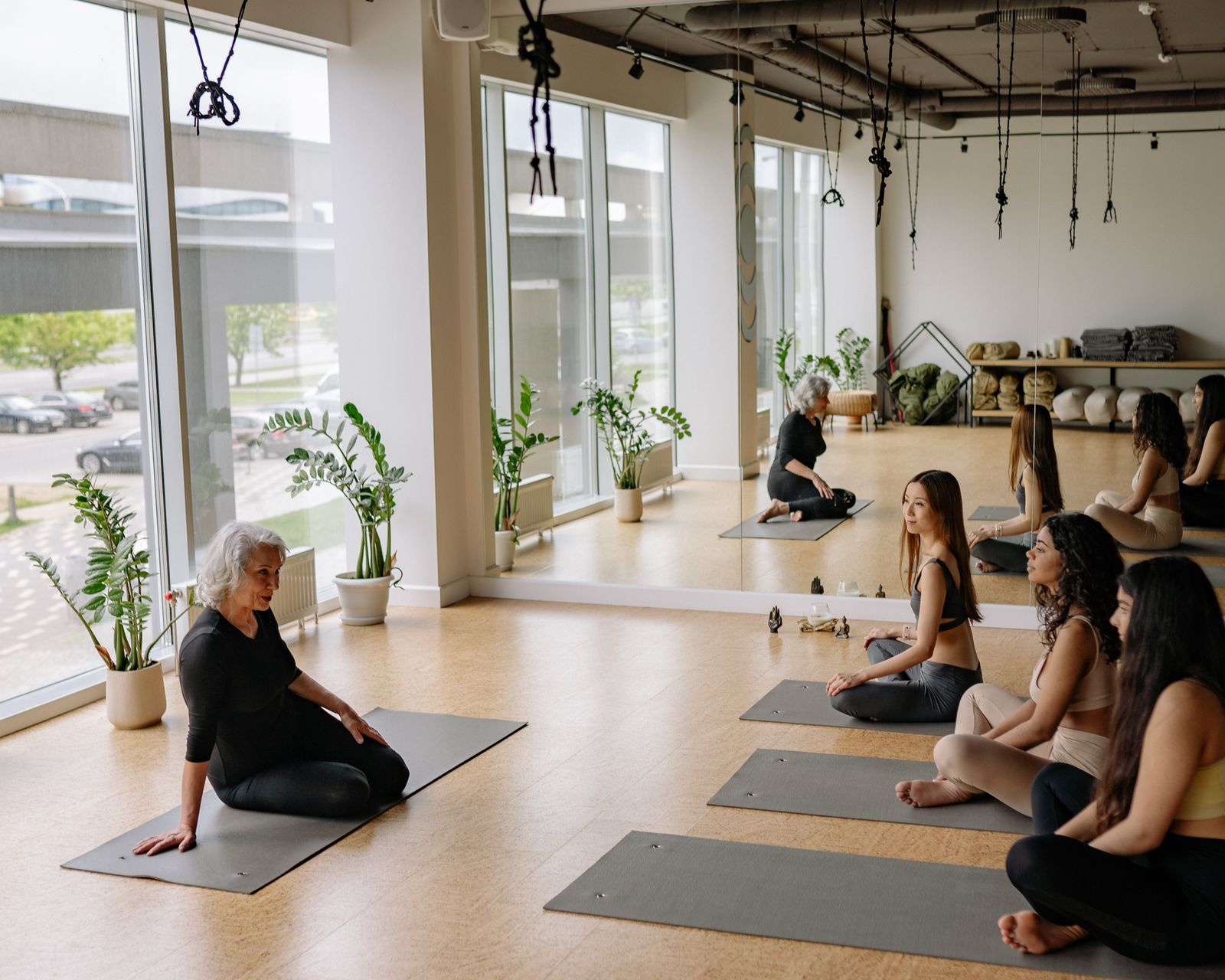
Yoga instructor jobs are available across studios, gyms, corporate wellness programs, online platforms, resorts, and schools, with demand strongest in cities like Delhi, Bangalore, Hyderabad, Chennai, and Pune, plus growing opportunities abroad in Dubai, Singapore, and the UK. Most employers look for at least a 200-hour Yoga Alliance-recognized certification (RYT 200), some teaching practice, and the ability to hold space for students of different levels. Pay varies widely by city, employment type, and whether you teach in person, online, or through a corporate contract, with part-time and freelance arrangements now common alongside full-time studio roles.
This guide walks through where the jobs actually are, what qualifies you for them, how much you can realistically expect to earn, and how to build a career that doesn’t depend on a single studio’s class schedule.
What Kinds of Yoga Instructor Jobs Exist?
Yoga teaching is no longer just a studio job. The field has split into several distinct employment paths, each with different expectations and income potential.
- Studio-based teaching: The traditional path, teaching scheduled group classes at a yoga studio, usually paid per class or per student.
- Gym and fitness chain roles: Larger fitness centers hire instructors to run yoga sessions alongside other group fitness formats.
- Corporate wellness programs: Companies increasingly bring in instructors for onsite or virtual sessions as part of employee wellness benefits.
- Online and hybrid teaching: Platforms and independent instructors now run live-streamed or recorded classes, reaching students well beyond their home city.
- Resort, retreat, and hospitality roles: Wellness resorts and retreat centers hire live-in or seasonal instructors, often bundled with certification-teaching duties.
- School and community center roles: Some schools and community programs hire instructors for structured, curriculum-based classes.
- Private and one-on-one training: Personal yoga instruction for individuals or small groups, often at a premium rate compared to group classes.
Many working instructors combine two or three of these simultaneously, which is often the most financially stable model rather than relying on one employer.
What Qualifications Do You Need for Yoga Instructor Jobs?
Most legitimate yoga instructor jobs require a foundational teacher training certification before you can apply. The globally recognized baseline is the 200-hour yoga teacher training (often called 200 hour yoga teacher training), which covers asana technique, anatomy, teaching methodology, philosophy, and practicum hours. Programs registered with Yoga Alliance carry the RYT 200 designation, which many studios and platforms specifically ask for in job postings, though it isn’t a universal legal requirement everywhere.
Beyond the base certification, employers increasingly look for:
- A specialization certificate (prenatal, therapeutic, yin, or kids’ yoga) if applying for a niche role
- CPR and first-aid training, especially for studio and gym positions
- Demonstrated teaching hours beyond the certification practicum
- Comfort teaching mixed-level classes, since most group sessions aren’t level-segregated
If you’re still deciding whether to pursue certification, our full walkthrough on how to become a yoga instructor covers the certification pathway, costs, and timelines in detail. For those weighing multiple certification providers, our yoga certification course comparison and yoga certificate course guide break down levels and pricing.
How Much Do Yoga Instructors Earn?
Compensation for yoga instructor jobs depends heavily on city, employment type, and class format. Studio-based instructors in major Indian cities are often paid per class, with rates rising for instructors who bring their own client base or teach specialized formats. Full-time studio or gym roles tend to offer a fixed monthly salary plus per-class incentives, while corporate wellness contracts are usually paid per session or per package.
Independent and online instructors have the widest income range: some charge per drop-in class, others sell monthly memberships or packages directly to students, and private one-on-one sessions typically command the highest per-hour rate. For a detailed city-by-city and format-by-format breakdown, see our dedicated guide on yoga teacher salary, which covers what instructors actually report earning across studio, corporate, and online tracks.
A realistic expectation: income in the first one to two years of teaching is usually modest while you build a regular client base and class schedule, and it grows substantially once you have a returning student base, a specialization, or a mix of in-person and online income streams.
Where Are Yoga Instructor Jobs in Delhi?
Delhi and the wider NCR region (Gurgaon, Noida, Faridabad) have one of the densest concentrations of yoga studios, gyms, and corporate offices in India, which translates into steady demand for instructors. Job postings here commonly come from boutique studios, large fitness chains, corporate wellness vendors, and increasingly from schools adding yoga to their physical education programs. Delhi employers frequently favor instructors who can teach both Hatha and more dynamic styles like Vinyasa, since studio timetables tend to mix beginner and intermediate-level classes on the same schedule. Corporate wellness contracts are particularly active in Delhi’s business districts like Connaught Place, Gurgaon’s Cyber City, and Noida’s IT corridor, where companies bring in instructors for weekly onsite or virtual sessions.
Where Are Yoga Instructor Jobs in Bangalore?
Bangalore’s tech-heavy workforce has made it one of the strongest markets for corporate yoga and studio-based classes in the country. Many IT companies and startups in areas like Whitefield, Koramangala, and Electronic City run in-house wellness programs, and these frequently hire instructors on contract or part-time bases rather than full-time payroll. Bangalore’s studio scene also skews toward more contemporary formats, so instructors comfortable teaching Vinyasa, Power Yoga, or yoga fused with mobility work tend to find more openings than those offering only traditional Hatha classes. The city’s large expat and returning-NRI population has also grown demand for English-medium instruction and hybrid online-offline formats.
Where Are Yoga Instructor Jobs in Hyderabad?
Hyderabad’s yoga job market is smaller than Delhi or Bangalore but growing steadily, driven by its expanding IT corridor around HITEC City and Gachibowli, and a rising number of boutique wellness studios in areas like Banjara Hills and Jubilee Hills. Corporate wellness demand here often comes from IT and pharmaceutical companies looking for onsite instructors for weekly sessions. Because the market is less saturated than Delhi or Bangalore, instructors who are flexible about travel across the city, or who can offer both studio and corporate sessions, tend to fill their schedules faster than those waiting for a single studio to hire them full-time.
Where Are Yoga Instructor Jobs in Chennai and Pune?
Chennai has a strong traditional yoga culture rooted in its long history with Hatha and Iyengar-style practice, and many of its studios and yoga schools still prioritize instructors trained in these classical approaches, alongside newer studios offering contemporary formats. Pune, by contrast, has built a reputation as something of a yoga education hub in Maharashtra, home to several respected teacher training schools, which means the city has both a strong pipeline of new instructors and a genuine local demand for teaching roles in studios, gyms, and wellness centers. In both cities, instructors who can teach in the local language alongside English tend to have an edge for community and school-based roles.
How Do You Find Yoga Instructor Jobs Near You?
Finding local openings usually comes down to combining a few search channels rather than relying on just one:
- General job portals (Indeed, Naukri, LinkedIn) list studio, gym, and corporate wellness openings and let you filter by city.
- Direct studio outreach: many studios never post job openings publicly and hire based on trial classes or referrals, so visiting or emailing local studios directly often surfaces unlisted opportunities.
- Yoga-specific job boards and teacher training alumni networks: schools that certified you often circulate job leads to their graduate network first.
- Social media and local wellness communities: Instagram and community Facebook groups are increasingly where smaller studios and independent students look for instructors, especially for private or small-group sessions.
- Corporate wellness vendors: companies that supply instructors to multiple corporate clients are worth applying to directly, since one contract with a vendor can mean several client sessions a week.
A demo or trial class is standard practice before being hired almost anywhere, so keep a short, well-rehearsed class sequence ready that shows your teaching style clearly within 15-20 minutes.
Can You Work as a Part-Time Yoga Instructor?
Yes, and part-time teaching is actually the most common arrangement for instructors in their first few years. Studios frequently hire instructors for a handful of weekly slots rather than a full daily schedule, which makes it possible to combine yoga teaching with another job, further certifications, or building an independent client base on the side. Part-time roles are also common in corporate wellness, where a single contract might only require one or two sessions a week at a client site. The trade-off is that part-time pay per class is often lower than what a full-time, salaried studio instructor earns per session, so many instructors stack two or three part-time roles, or add private and online clients, to reach a full-time income.
What Do Yoga Instructor Jobs Abroad Look Like?
International yoga teaching has grown as a genuine career path, particularly in the Middle East, Southeast Asia, and parts of Europe, though the requirements and realities differ significantly from teaching in India.
Yoga Instructor Jobs in Dubai
Dubai’s fitness and wellness sector actively hires yoga instructors for studios, luxury hotels, and corporate wellness programs, but most legitimate roles require a valid work visa sponsored by the employer, since working on a tourist visa is not permitted. Employers commonly expect at least an RYT 200 certification, prior teaching experience, and comfort working with an international, multilingual client base. Studio and hotel roles in Dubai often bundle accommodation or a housing allowance into the compensation package, which is worth factoring into any offer comparison.
Yoga Instructor Jobs in Singapore
Singapore’s yoga studios and corporate wellness market are well-established, with demand coming from both boutique studios and larger fitness chains serving a dense expat population. Work pass requirements are strict, and most employers sponsoring foreign instructors expect a strong certification background plus a specialization (prenatal, therapeutic yoga, or a specific style like Ashtanga) that helps differentiate an applicant in a competitive, well-credentialed local market.
Yoga Instructor Jobs in the UK
The UK yoga job market spans studios, gyms, community centers, and a large freelance and online teaching scene. Visa sponsorship for overseas instructors is comparatively rare outside of very established studio chains, so most non-UK instructors either teach on a self-employed basis while holding another visa category, or build a UK client base entirely online before relocating. British studios commonly expect Yoga Alliance-recognized certification and increasingly value instructors trained in trauma-informed or accessible yoga approaches.
Across all overseas markets, verify visa and work-permit rules directly with the employer or a licensed immigration advisor before accepting any role, since requirements change and vary significantly by country and visa category.
Should You Teach Yoga Online Instead of In a Studio?
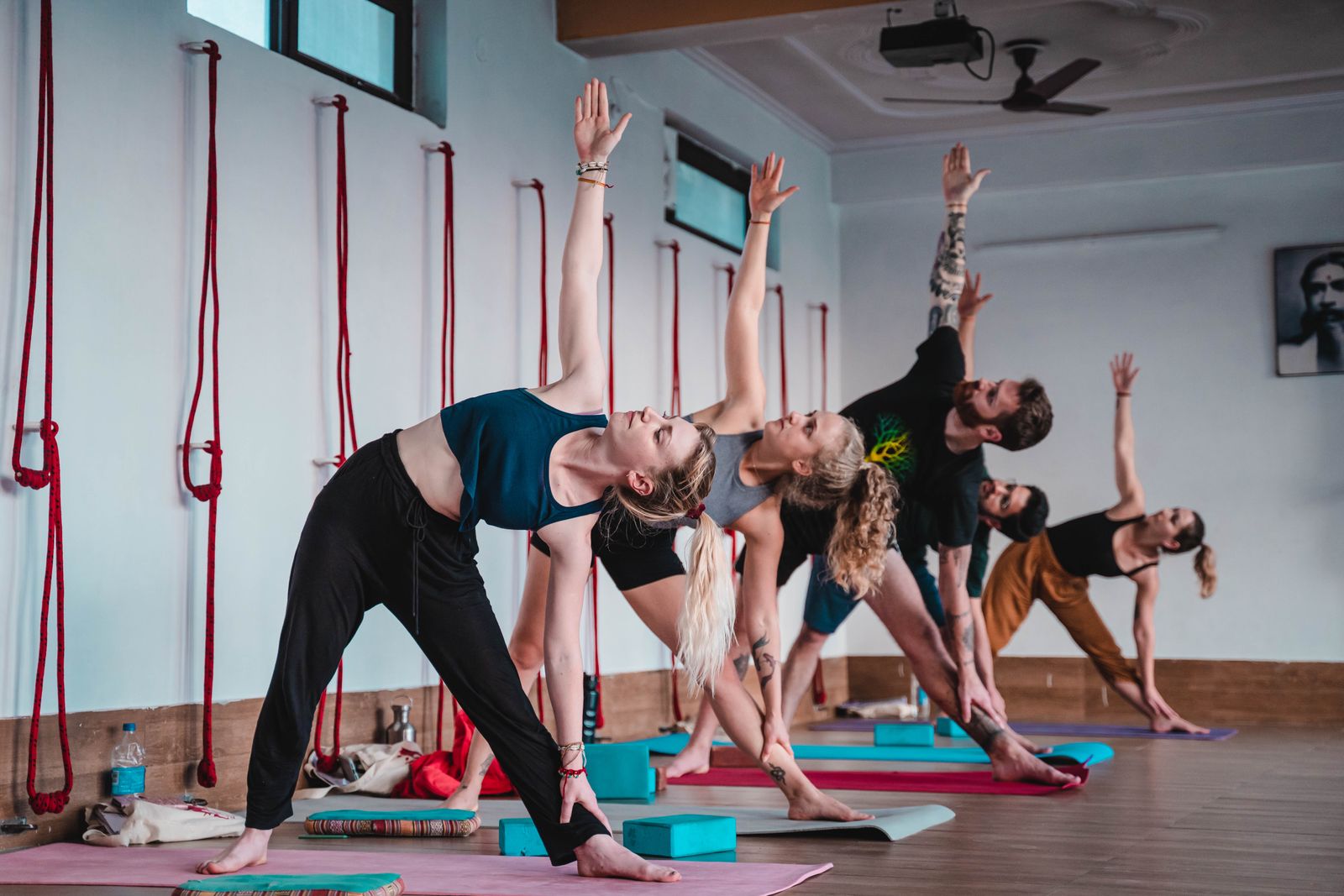
Online teaching has become a legitimate, and for many instructors primary, income stream rather than a fallback option. Teaching through online yoga classes removes the geographic limit entirely: a certified instructor in Pune can teach students in Dubai, Singapore, or the UK without relocating, and can build a recurring client base that isn’t tied to a single studio’s timetable. The trade-off is that online teaching requires stronger verbal cueing since you can’t physically adjust a student’s alignment, along with decent lighting, a stable internet connection, and often a bit more upfront marketing to build a student base compared to walking into an established studio’s existing class list. Many instructors run a hybrid model: in-person classes for local income and community, online sessions for reach and schedule flexibility.
What Should You Know Before Applying for a Yoga Instructor Job?
A few practical points make a real difference during the application and interview stage:
- Bring proof of certification, not just a claim of hours trained. Studios and corporate vendors increasingly verify certification with the issuing school.
- Prepare a short demo sequence that clearly shows your teaching voice, pacing, and cueing style within 15-20 minutes.
- Know your specialization. Generalist instructors are common; ones who can clearly say “I specialize in prenatal yoga” or “I teach therapeutic yoga for back pain” stand out faster in a crowded applicant pool.
- Understand the pay structure being offered: per-class, monthly salary, revenue share, or package-based, since these affect your actual take-home very differently at the same headline rate.
- Ask about liability insurance and injury protocols, especially for studio and corporate roles, since this affects both your legal protection and how seriously the employer takes safety standards.
Which Yoga Styles Are Most in Demand for Instructor Jobs?
Employers’ style preferences shift by market, but a few patterns hold across most Indian and international job postings. Vinyasa yoga and Power Yoga are consistently in demand in corporate and gym settings because of their fitness-forward pacing. Traditional Hatha remains the most requested style for beginner-focused studios and community classes. Prenatal yoga and therapeutic or restorative styles are increasingly requested as standalone specializations, particularly in wellness resorts and private client work. Yin yoga has grown as a complementary offering at studios that already run more dynamic classes, giving instructors who teach both a scheduling edge. Understanding the broader landscape of types of yoga and where each fits into a studio’s weekly timetable helps you position your own teaching profile more precisely when applying.
How Do You Build a Sustainable Yoga Teaching Career?
Job security in yoga teaching rarely comes from a single employer. Instructors who build durable careers typically diversify across at least two or three income sources: a studio or gym contract for steady class hours, a corporate wellness contract or two for higher per-session rates, and either private clients or online classes for flexible, scalable income. Continuing education matters too. Advanced trainings, workshops, and specialty certifications (like yoga teacher training in Rishikesh for advanced practitioners, or shorter specialty courses) keep your teaching current and open doors to higher-paying niche roles over time. Understanding the foundational benefits of yoga deeply enough to explain them credibly to skeptical corporate HR teams or new students is also, in practice, a real differentiator when competing for contracts.
Questions People Ask About Yoga Instructor Jobs
Do you need a degree to become a yoga instructor?
No formal college degree is required to teach yoga. What matters to employers is a recognized teacher training certification, typically a 200-hour program, along with demonstrated teaching experience. Some advanced or therapeutic yoga roles may value a background in anatomy, physiotherapy, or psychology, but this is a plus, not a baseline requirement for most instructor jobs.
Can a beginner get a yoga instructor job right after certification?
Yes, though most new instructors start with part-time or assistant roles rather than a full class schedule immediately. Studios often want to see a demo class before offering a full slate of classes, and building a regular student base takes a few months even after certification. Combining a studio role with private or online clients tends to fill income gaps faster for newly certified instructors.
Is yoga teaching a stable full-time career?
It can be, but stability usually comes from combining multiple income streams rather than one employer. Instructors who mix studio classes, corporate wellness contracts, and private or online sessions report more consistent income than those relying on a single studio’s schedule, which can fluctuate with seasonal enrollment and instructor turnover.
What certifications do international yoga instructor jobs require?
Most international employers, especially in Dubai, Singapore, and the UK, expect at least an RYT 200 (200-hour Yoga Alliance-recognized) certification. Additional specializations, prior teaching experience, and in some cases a degree or diploma relevant to fitness or wellness can strengthen an application, since visa sponsorship decisions often weigh an applicant’s overall qualifications, not certification alone.
How long does it take to become job-ready as a yoga instructor?
A standard 200-hour certification typically takes four weeks full-time or two to four months part-time to complete. Most graduates need some additional months of practice teaching, whether through assisting, volunteering, or teaching friends and family, before they feel confident applying for paid studio or corporate roles.
Try This for Yourself
If you’re building toward a yoga teaching career or simply want to deepen your own practice before applying for instructor roles, a structured, guided class is one of the best ways to sharpen your technique and teaching eye at the same time. Try an online yoga class with FitStrot and experience firsthand how a well-cued, well-paced session should feel, from a student’s side of the mat.
Related reading: How to Become a Yoga Instructor, Yoga Teacher Salary, Yoga Teacher Training, Online Yoga Teacher Training, and FitStrot’s Online Yoga Classes.