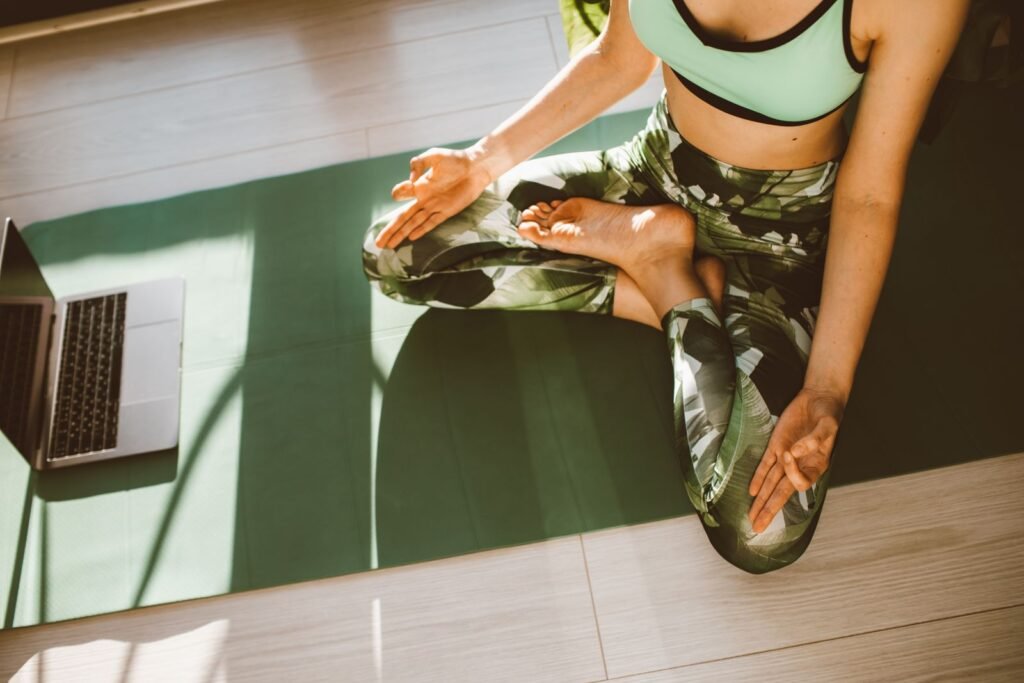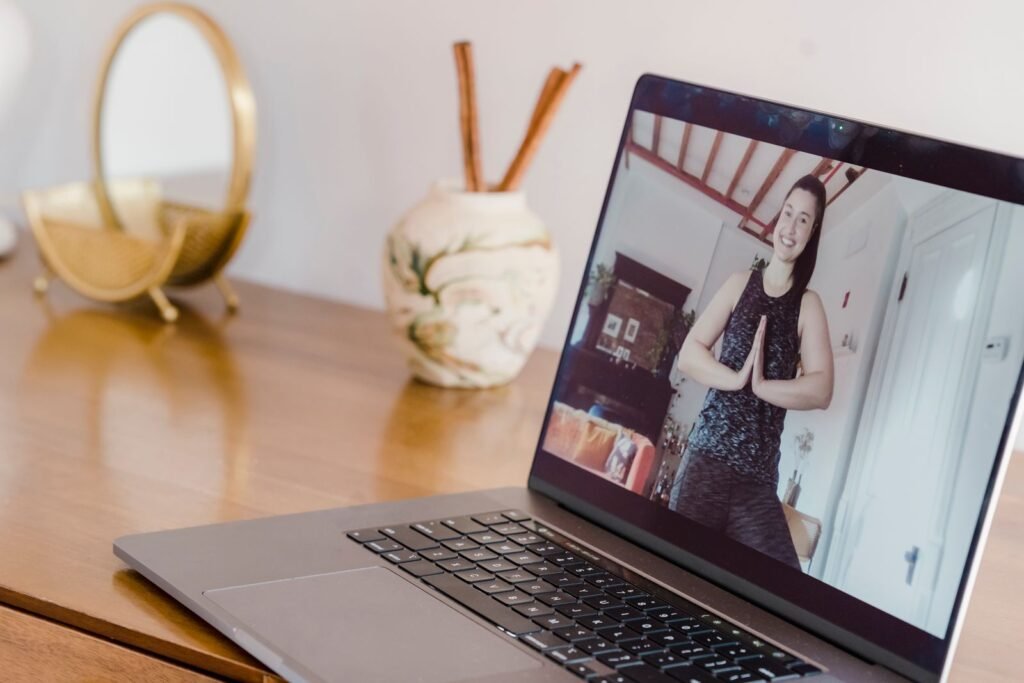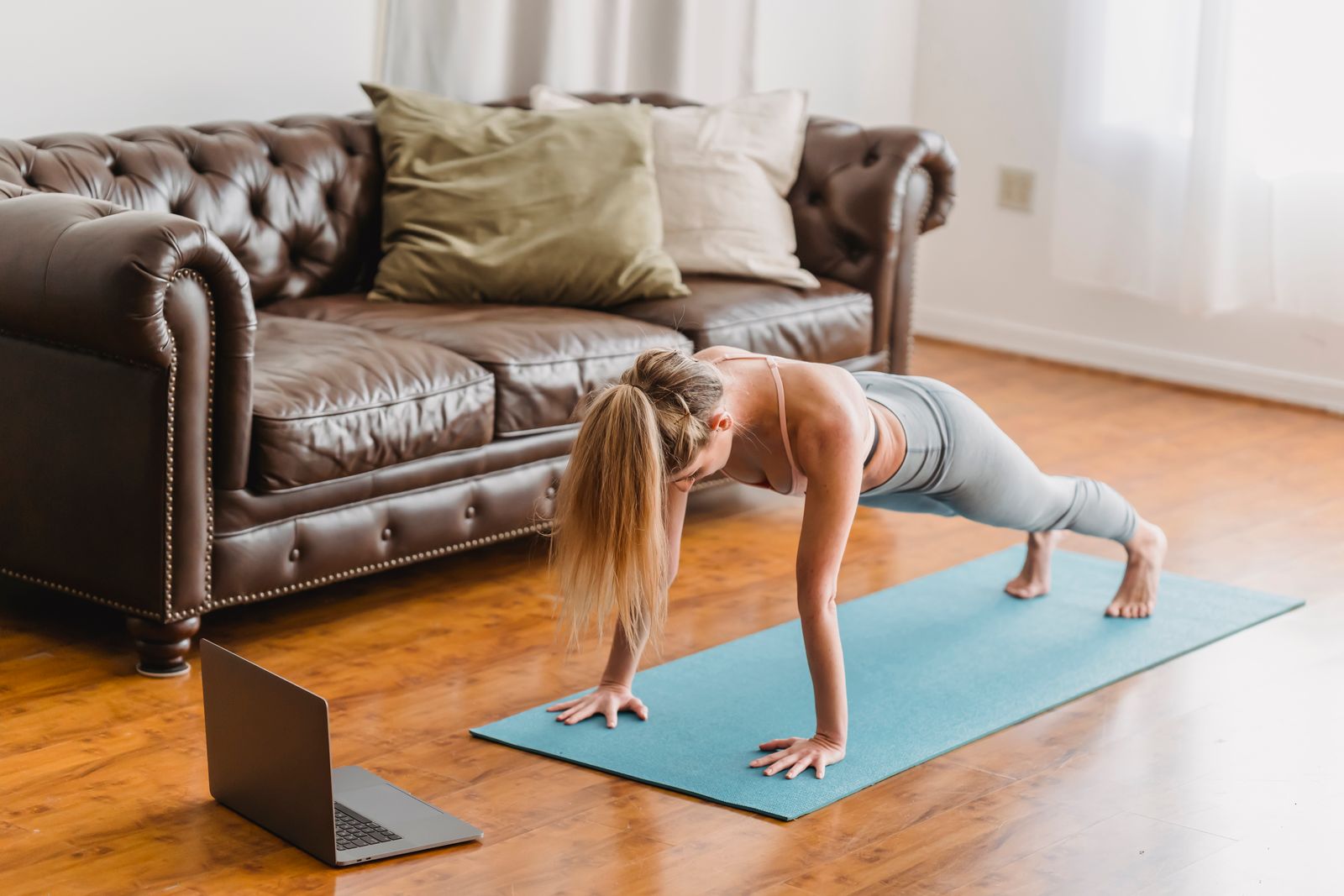
Online yoga classes for women are live or on-demand yoga sessions designed around the schedules, bodies, and goals that most affect women specifically — from hormonal shifts and pregnancy to postpartum recovery, pelvic floor health, and the packed calendars of working mothers and professionals. The best programs pair a certified instructor with small-group or one-on-one video sessions, so you get real-time form correction instead of just following a pre-recorded video. For most women, this means 3-4 sessions a week of 30-60 minutes, built around a specific goal such as stress relief, flexibility, strength, or hormonal balance, all without needing to travel to a studio.
This guide breaks down exactly what to look for in an online yoga class built for women, which styles suit which life stage, how to structure a weekly practice, and how to tell a genuinely good program from a generic video library.
Why Do Women Specifically Need Tailored Online Yoga Classes?
Women’s bodies go through more frequent and more pronounced hormonal cycles than men’s — the menstrual cycle, pregnancy, postpartum recovery, and perimenopause each change how the body responds to movement, load, and stretching. A generic yoga video doesn’t account for the fact that a woman in the luteal phase of her cycle may need gentler, more restorative sequences, while the same person in the follicular phase may be ready for more dynamic vinyasa yoga flows. Women also report different injury patterns: greater joint laxity from relaxin (especially during and after pregnancy) means certain deep hip openers or backbends need modification. A women-focused online program builds this into the class plan rather than treating every body as identical.
There’s also a practical dimension. Women disproportionately carry the “second shift” of childcare and household management, meaning the flexibility of logging into a online yoga class from a bedroom during a nap window or after the kids are in bed matters more than it might for someone with a more predictable schedule. Programs designed for women tend to offer shorter class options (20-30 minutes), more flexible rescheduling, and childcare-friendly session times like early morning or late evening.
What Should You Look For in a Women’s Online Yoga Program?
Not all online yoga classes are built the same way, and the differences matter more than they appear on a pricing page.
- Live instruction over pre-recorded video. A live instructor can see your alignment through the camera and correct it in real time, which matters enormously for injury prevention in poses like Warrior II or Triangle Pose.
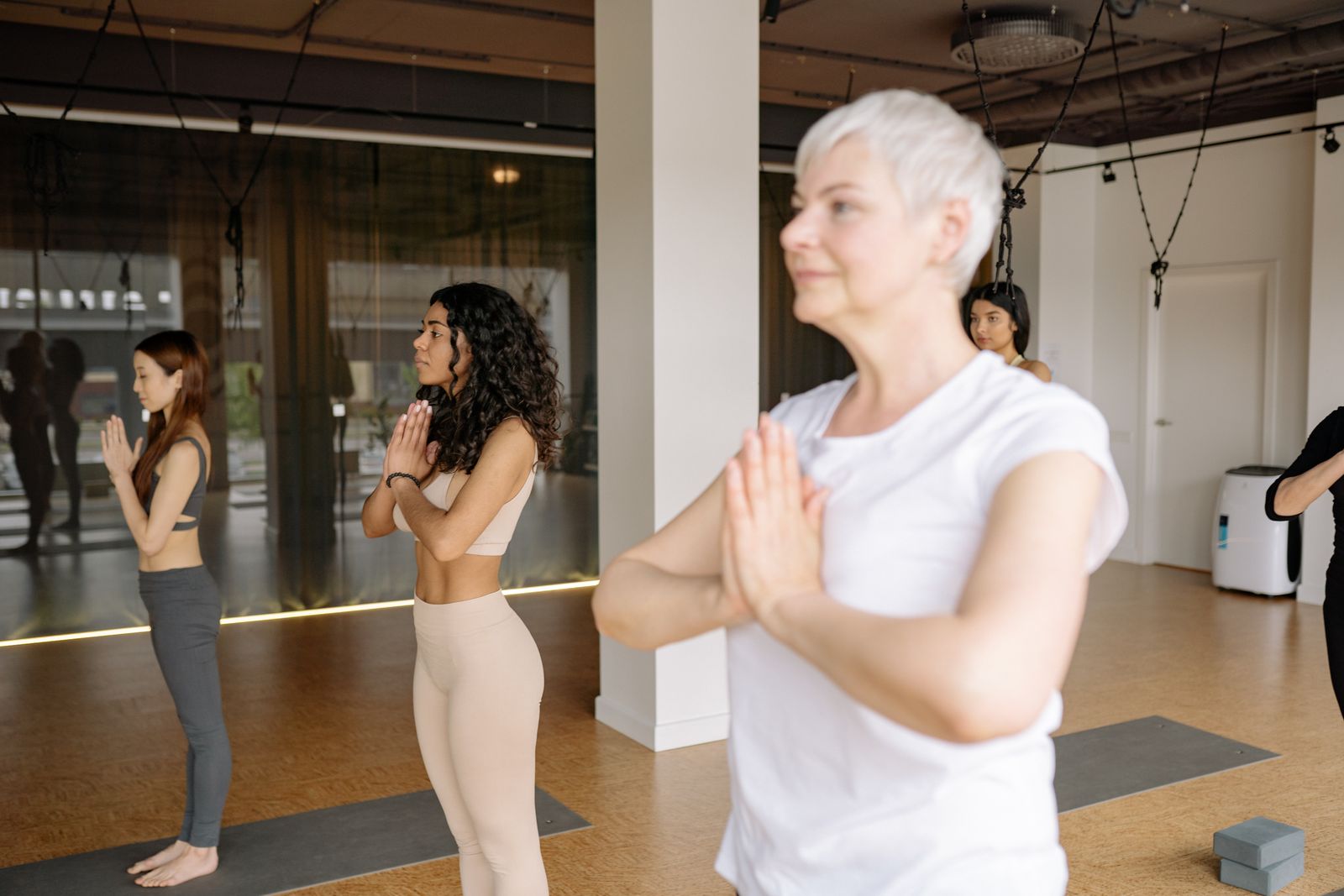
- Small class sizes. Groups of 8-15 allow an instructor to actually notice individual students, versus a webinar-style class of 200 where you’re essentially watching a recording live.
- Certified, experienced teachers. Look for RYT-200 or RYT-500 certification through Yoga Alliance, plus specific training in prenatal, postnatal, or therapeutic yoga if that’s your need.
- Modifiable sequences. A good instructor offers three variations of every pose — one accessible, one standard, one advanced — so the same class works for a beginner and a five-year practitioner.
- Community and accountability. Programs with a private community group or regular check-ins see far higher retention than pure video-on-demand libraries, because accountability is often the biggest barrier to consistency.
How Does Online Yoga Compare to In-Studio Classes for Women?
The honest answer is that both have real advantages, and the right choice depends on what’s limiting your practice right now. If the barrier is time, commute, or childcare, online yoga classes near me searches often turn up studios that still require you to physically show up at a fixed time — which defeats the purpose if flexibility is what you need. A genuine online class solves that by letting you join from anywhere with a stable connection.
In-studio classes have an edge in hands-on adjustments (a teacher physically repositioning your hips in Pigeon Pose, for instance) and the energy of a shared room. Online classes close most of that gap through live video correction and by building smaller class sizes than most studios can economically offer in person. For women balancing work, caregiving, or recovering from an injury or birth, the online format usually wins on adherence simply because it removes the friction of getting to a physical location — and a practice you do consistently beats a “better” practice you attend twice a month.
Which Yoga Styles Work Best for Different Life Stages?
Yoga isn’t one practice — it’s a family of distinct styles, and matching the style to your current life stage changes how much benefit you get from each session.
Yoga for Menstrual Health
During menstruation, many women find gentler, restorative sequences more comfortable than intense flows. Poses like Child’s Pose, Supine Twist, and Reclined Butterfly can ease cramping and lower back tension. Inversions are traditionally advised against during heavy flow days, though this remains a matter of personal comfort rather than settled medical consensus.
Prenatal Yoga
Prenatal yoga modifies standard poses to accommodate a growing belly, loosened ligaments, and shifting balance — avoiding deep twists, lying flat on the back after the first trimester, and any pose that compresses the abdomen. A certified prenatal instructor will also build in pelvic floor awareness and breathing techniques directly useful for labor.
Postpartum Recovery
Postpartum yoga focuses on gently rebuilding core and pelvic floor strength, which can be compromised after vaginal or cesarean delivery. Most instructors recommend waiting for medical clearance (typically around six weeks) before returning to structured practice, and starting with gentle, low-impact sequences rather than jumping back into a pre-pregnancy routine.
Perimenopause and Menopause
Hormonal shifts during perimenopause can bring joint stiffness, sleep disruption, and mood changes. Slower-paced styles like Hatha yoga and restorative yoga are commonly recommended during this stage, alongside strength-building poses to help offset the bone density loss associated with declining estrogen.
How Often Should Women Practice Online Yoga Each Week?
For general wellness, 3-4 sessions of 30-60 minutes weekly is a commonly cited target that balances consistency with recovery time. Beginners often see the fastest confidence gains with shorter, more frequent sessions — 20 minutes, 4-5 times a week — rather than one long weekend class. If your primary goal is flexibility or stress relief, daily short practices of 10-15 minutes can compound faster than sporadic longer ones. If the goal is strength or a more athletic practice like power yoga, 3 sessions a week with a rest day between allows muscles to recover. The single biggest predictor of results isn’t intensity — it’s whether the schedule fits your actual life enough that you keep showing up for months, not weeks.
Can Online Yoga Help With Stress, Anxiety, and Sleep?
Yes — this is one of the most consistently reported benefits among women who take up a regular practice. Yoga combines physical movement with controlled breathing (pranayama) and often meditation, all of which are associated with activating the parasympathetic nervous system — the body’s “rest and digest” state that counters the stress response. Practices like online yoga for stress relief typically emphasize slower breath-led sequences, extended holds, and a wind-down savasana at the end of class specifically to lower cortisol and support better sleep that night. Women juggling careers, caregiving, and household responsibilities often report that a consistent evening practice becomes a marker between “work mode” and rest, which can meaningfully improve sleep onset over a few weeks.
What Equipment Do You Actually Need to Get Started?
Very little. A yoga mat with decent grip, a stable internet connection, a device with a camera (so instructors can see and correct your form), and about 6×4 feet of clear floor space covers most needs. Optional but useful additions include a yoga block or two (helpful for beginners in poses like Half Moon or Triangle), a strap for hamstring stretches, and a bolster for restorative or yin yoga classes. You do not need expensive gear to start — many women begin with just a folded blanket and a phone propped against a wall, and upgrade equipment only once they know which style they’ll stick with.
How Do You Choose Between Live Classes, Apps, and On-Demand Video?
These three formats solve different problems, and understanding the trade-off helps you avoid paying for the wrong one. Live classes with a real instructor offer the highest accountability and the only real-time form correction, which matters most for beginners or anyone recovering from injury or childbirth. Yoga apps offer the most scheduling flexibility and usually the lowest cost, but you lose the ability to have your alignment corrected, so pre-existing injuries or advanced poses carry more risk. Pure on-demand video libraries sit in between — more structure than an app’s free-for-all library, but still no live feedback. Most women get the best long-term results from a hybrid: a live class 2-3 times a week for structure and correction, filled in with app-based sessions on busier days.
What Makes a Good Online Yoga Instructor for Women’s Classes?
Credentials matter, but so does communication style. Look for a Yoga Alliance RYT-200 (200-hour) or RYT-500 (500-hour) certification as a baseline, and additional specialized training if you need prenatal, postnatal, or therapeutic yoga specifically — these require separate certification beyond a general teaching credential. Beyond paper qualifications, a good instructor for women’s classes explains the “why” behind modifications (for instance, why a twist is adjusted during pregnancy, not just that it is), checks in verbally with students by name during live sessions, and creates a non-judgmental space where beginners don’t feel out of place next to more advanced practitioners. Many women report that the instructor’s tone — encouraging rather than performance-focused — is the single biggest factor in whether they stick with a program past the first month.
How Does Online Yoga Support Weight Management and Strength?
Yoga isn’t typically classified as a high-calorie-burn activity compared to running or HIIT, but styles like power yoga, Ashtanga yoga, and fast-paced vinyasa build meaningful muscular strength and endurance, particularly in the core, shoulders, and legs, through sustained bodyweight holds. For women specifically, building strength through yoga can help counter the gradual muscle loss that begins in the 30s and accelerates after menopause. Combining 2-3 strength-oriented yoga sessions with your regular flexibility-focused practice creates a more complete routine than flexibility work alone, and pairing it with the guidance in a broader yoga for weight loss plan can help set realistic expectations about pace and results.
What Are the Most Useful Beginner Poses for Women Starting Online Yoga?
A handful of foundational poses show up in nearly every women-focused class and are worth learning well before moving to more advanced sequences.
- Child’s Pose — a resting pose used between more demanding poses and to ease lower back tension.
- Downward-Facing Dog — builds shoulder and hamstring flexibility and is a core transitional pose in nearly every flow style.
- Cat-Cow Pose — gently mobilizes the spine and is commonly used as a warm-up, including in prenatal sequences.
- Warrior II — builds leg strength and hip stability, foundational for more advanced standing poses.
- Bridge Pose — strengthens the glutes and lower back while opening the chest, often used in postpartum recovery sequences.
How Do You Stay Consistent With an Online Yoga Practice?
Consistency is where most home practices quietly fail, and it’s rarely about motivation — it’s about friction. Scheduling your sessions like fixed appointments (not “whenever I have time”) is one of the most effective changes women report making. Joining a live class with a set start time creates external accountability that a self-paced video library can’t replicate, since there’s a real instructor and real classmates expecting you to show up. Keeping your mat unrolled and visible rather than stored away removes a small but real barrier to starting. Tracking your practice — even something as simple as marking an X on a calendar after each session — builds a visible streak that many people find motivating to protect. Finally, choosing a program that sends session reminders removes the “I forgot” excuse that derails a lot of good intentions in the first few weeks.
Questions People Ask About Online Yoga Classes for Women
Are online yoga classes as effective as in-person classes?
For most goals — flexibility, stress relief, general strength, and mindfulness — online classes with live instruction are comparably effective to in-person ones, since the core teaching (verbal cueing, visual demonstration, real-time correction over video) transfers well. The main gap is hands-on physical adjustment, which matters more for complex or advanced poses than for foundational practice.
What is the best time of day for women to practice yoga online?
There’s no single best time — it depends on your goal. Morning sessions tend to suit energizing styles like vinyasa or power yoga and help set a focused tone for the day. Evening sessions suit restorative or yin styles and are commonly used to wind down before sleep. The more reliable factor is picking a time you can actually protect on most days, since a “good” time you skip half the week matters less than a “fine” time you protect consistently.
Can pregnant women safely join regular online yoga classes?
Pregnant women should join classes specifically labeled prenatal rather than regular or general classes, since standard sequences include poses (deep twists, prone positions, certain inversions) that prenatal-certified instructors are trained to modify or avoid. Always get clearance from an OB-GYN or midwife before starting, particularly in the first trimester or with any pregnancy complications.
How much do online yoga classes for women typically cost?
Pricing varies widely by format: yoga apps with on-demand libraries tend to sit at the lower end, live group classes cost more due to instructor time, and one-on-one private sessions cost the most because of dedicated individual attention. Many programs offer package pricing across a set number of weekly sessions, which usually works out cheaper per class than paying for single drop-in sessions.
Do I need prior experience to join an online yoga class?
No. Most women-focused programs are built to welcome complete beginners, with instructors offering modified versions of every pose. Look specifically for classes labeled “beginner-friendly” or “all levels,” and don’t hesitate to message the instructor beforehand about any injuries or limitations so they can plan modifications into the session.
Can online yoga help with hormonal imbalances like PCOS or perimenopause?
Yoga is commonly used as a supportive practice alongside medical care for conditions like PCOS and perimenopause, with some research suggesting regular practice may help with stress-linked hormonal symptoms and improved sleep. It should complement, not replace, guidance from a doctor or endocrinologist, especially for diagnosed hormonal conditions.
Try This for Yourself
The clearest way to know whether online yoga fits your life is to actually join a live class built around it. Explore FitStrot’s online yoga classes and get matched with a certified instructor who tailors sessions to your goals, whether that’s stress relief, prenatal support, strength, or simply building a practice you’ll actually keep.
Related reading: yoga apps, online yoga classes, online yoga classes near me, benefits of yoga, and FitStrot’s online yoga classes.