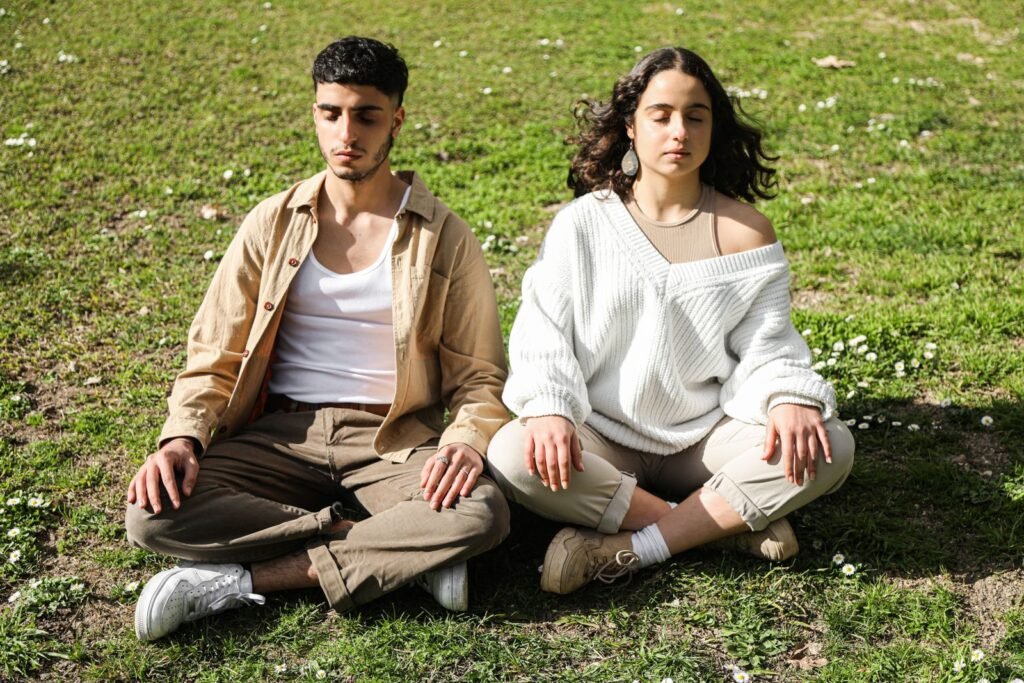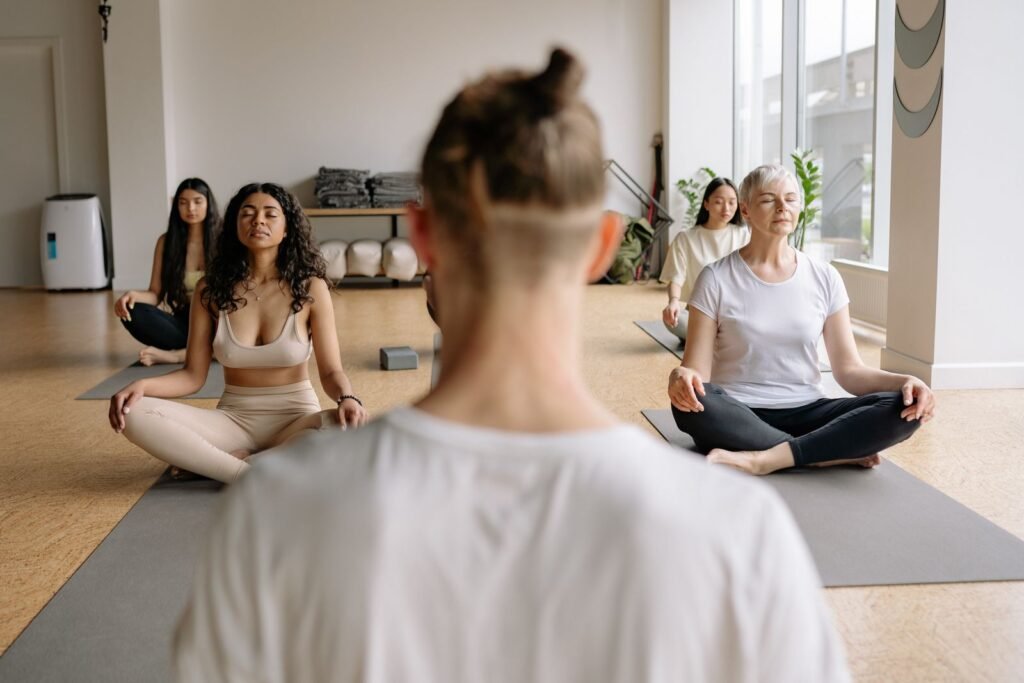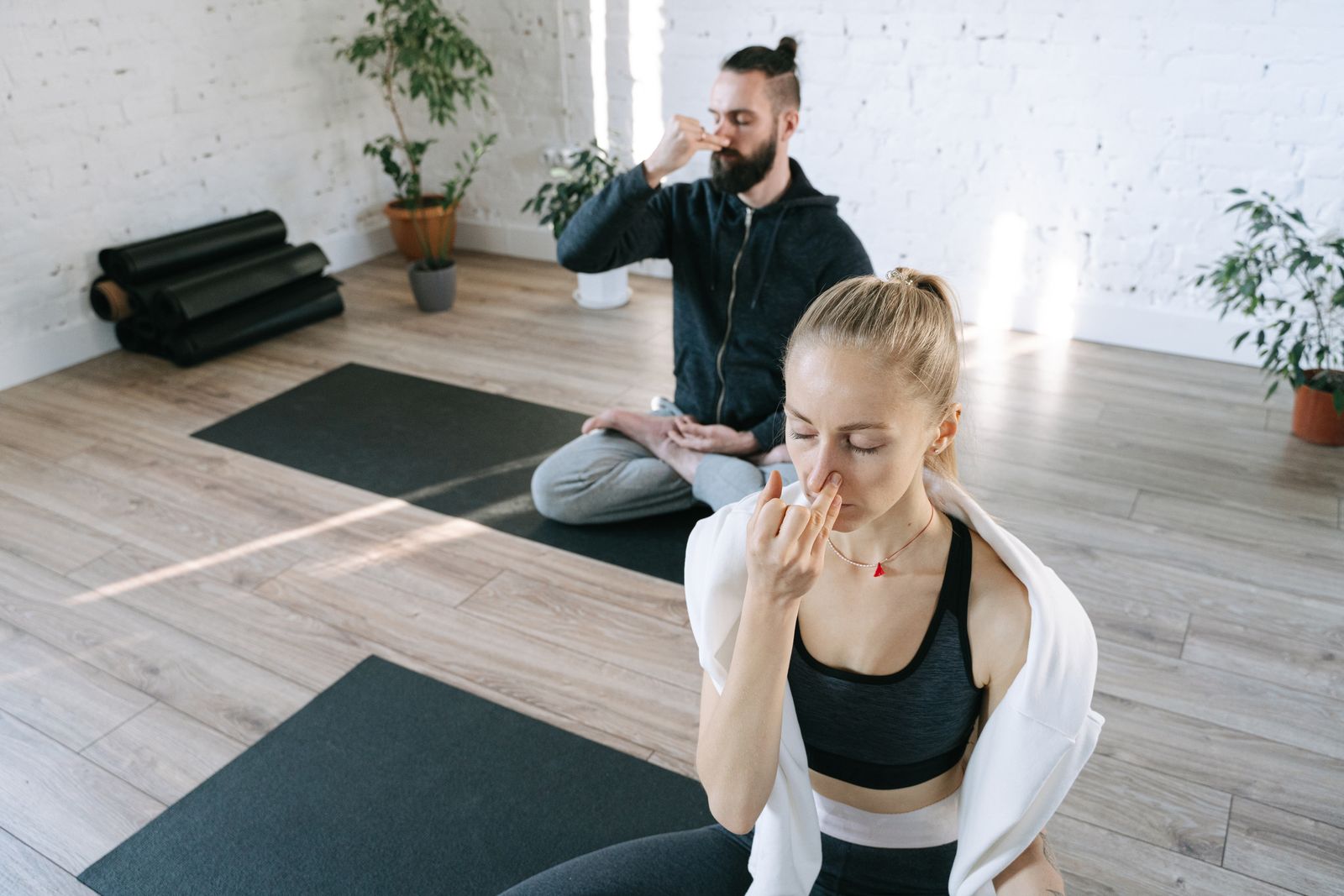
Meditation is a mental practice of training attention and awareness to bring the mind into a calm, focused, and non-reactive state. In the yogic tradition, meditation (dhyana) is the seventh of Patanjali’s eight limbs of yoga, a stage where concentration deepens into an unbroken flow of attention on a single object, breath, mantra, or sensation. You don’t need incense, a mountain retreat, or an hour of free time to begin. Ten focused minutes of sitting quietly, following your breath, and gently returning your attention when it wanders is a complete meditation session. The goal isn’t to stop thinking; it’s to notice thoughts without being pulled around by them.
What Is Meditation in Yoga?
In yoga philosophy, meditation is not a technique bolted onto physical postures; it is the practice that the postures were designed to prepare the body for. Patanjali’s Yoga Sutras describe an eight-limbed path (ashtanga) that moves from ethical restraints (yama) and personal observances (niyama), through posture (asana) and breath control (pranayama), into sense withdrawal (pratyahara), concentration (dharana), meditation (dhyana), and finally absorption (samadhi). Dhyana is defined as a sustained, unbroken flow of concentration toward one point, distinct from dharana, which is the effort of directing attention in the first place. Practically speaking, if dharana is trying to focus a camera lens, dhyana is the moment the image holds steady without your hand shaking. This is why a strong vinyasa yoga or hatha yoga practice often includes a few minutes of stillness at the end: the body work exists partly to make sitting still afterward more comfortable and less distracting.
How Is Yoga Meditation Different From Other Forms of Meditation?
Yoga meditation is meditation practiced within the philosophical and physical framework of yoga, which means it’s usually paired with breathwork, posture, and a specific point of focus rooted in yogic tradition, such as a chakra, a mantra, or the breath itself. Secular mindfulness meditation, by contrast, often strips away the philosophical framework and focuses purely on present-moment, non-judgmental awareness, frequently used in clinical and workplace settings. Both share a common mechanism: training attention. Where they diverge is intent. Yoga meditation traditionally aims at self-realization and union (the literal meaning of “yoga”), while clinical mindfulness protocols usually aim at stress reduction and symptom management. If you’re comparing the two for your own practice, our guide to mindfulness meditation breaks down the secular approach in more depth.
What Are the Main Types of Meditation Used in Yoga?
Yoga traditions offer several distinct meditation styles, and picking the right one depends on what you need that day.
- Mantra meditation uses repeated sound, spoken or silent, such as “Om” or a personal mantra, to anchor attention and quiet mental chatter.
- Trataka (candle-gazing meditation) uses a fixed visual point, often a candle flame, to train sustained, unblinking focus.
- Chakra meditation directs attention sequentially through the body’s energy centers, from the base of the spine to the crown of the head.
- Yoga nidra (yogic sleep) is a guided, lying-down practice that moves attention systematically through the body and breath while keeping a thread of awareness between waking and sleep.
- Breath-based meditation uses the natural rhythm of inhalation and exhalation, sometimes counted, as the sole object of attention.
Many practitioners rotate between these depending on whether they need to energize, calm down, or process something emotionally. Our meditation techniques guide walks through how to choose and combine them.
What Is Yoga Nidra Meditation and Why Is It Gaining Attention?
Yoga nidra is a structured, lying-down meditation guided by a teacher’s voice, typically practiced in savasana (corpse pose) for 20 to 45 minutes. The practitioner moves through stages: setting an intention (sankalpa), body scanning, breath awareness, and visualization, while remaining in a state between wakefulness and sleep. A randomized controlled trial published in Current Psychology found that a short yoga nidra session measurably improved participants’ sleep quality and well-being in a large, diverse sample, and more recent research in Stress and Health has linked online yoga nidra sessions to reductions in subjective stress. Because it requires no physical exertion, yoga nidra has become popular with people managing insomnia, high anxiety, or physical injuries that limit seated postures. It pairs naturally with restorative yoga for anyone building an evening wind-down routine.
What Is the Correct Meditation Pose in Yoga?
There is no single mandatory meditation pose, but the traditional guidance is a seated posture that is stable and comfortable enough to hold without fidgeting for the length of the session. The most common options are:
- Sukhasana (easy pose): simple cross-legged sitting, accessible for beginners.
- Padmasana (lotus pose): each foot placed on the opposite thigh, offering a very stable base but requiring significant hip flexibility.
- Ardha Padmasana (half lotus): one foot on the opposite thigh, the other tucked beneath, a common middle ground.
- Vajrasana (thunderbolt pose): kneeling with the hips resting on the heels, often used after meals since it aids digestion.
- Seated on a chair: feet flat on the floor, spine upright, entirely acceptable for anyone with knee, hip, or back limitations.
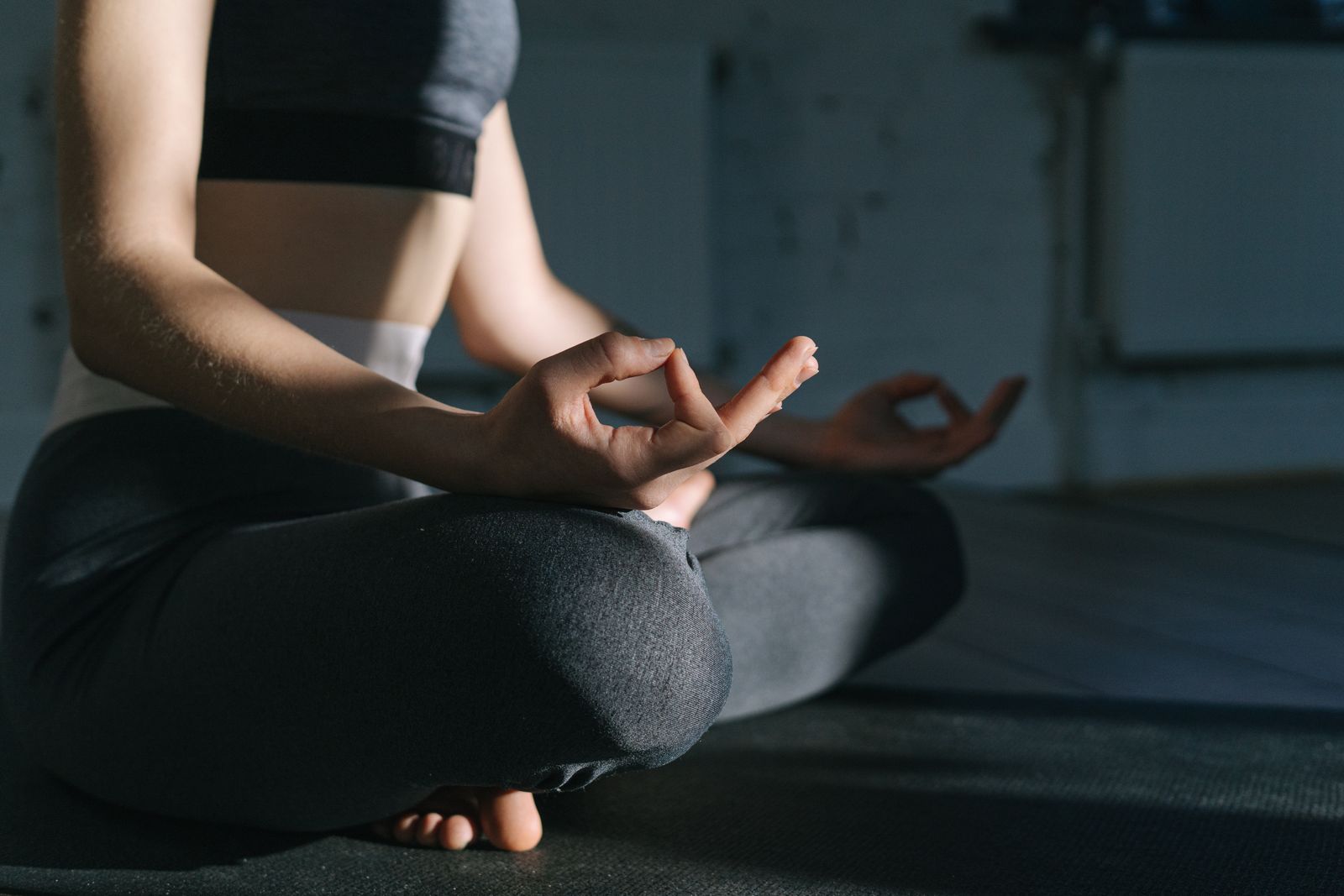
The spine should be upright but not rigid, shoulders relaxed, and hands often resting on the knees in a mudra. If sitting on the floor is uncomfortable, a folded blanket or block under the hips tilts the pelvis forward and takes pressure off the knees. For a deeper look at hand positions used during seated practice, see our guide to yoga mudra.
How Do You Meditate as a Complete Beginner?
Start smaller than feels impressive. Five to ten minutes a day, done consistently, builds the habit faster than one 45-minute session a week that you dread.
- Choose a fixed time and place. Morning, before the day’s noise starts, tends to work best for most beginners.
- Sit in a stable pose. Chair or floor, whichever you can hold without shifting every thirty seconds.
- Set a timer. Removing the need to check the clock keeps attention on the practice, not the schedule.
- Pick one anchor. The breath at the nostrils, the rise and fall of the belly, or a single repeated word.
- Notice, don’t fight, distraction. When the mind wanders, and it will, label it gently (“thinking”) and return to the anchor.
- End slowly. Take three deeper breaths, open the eyes, and give yourself thirty seconds before moving.
Our full meditation for beginners guide expands each of these steps with troubleshooting for the most common early frustrations, like restlessness and falling asleep.
What Are the Documented Benefits of Meditation?
Clinical and psychological research over the past two decades has associated regular meditation practice with several measurable outcomes, though effect sizes vary by study design and population. Commonly cited benefits include reduced perceived stress and lower physiological markers of the stress response, improvements in attention and working memory, better emotional regulation, and reduced symptoms of anxiety in some clinical populations. Sleep researchers have also found associations between meditation practices like yoga nidra and improved subjective sleep quality. It’s worth noting that meditation research is an active and evolving field, and individual results depend heavily on consistency of practice, the specific technique used, and the population studied. Meditation is best understood as a skill-building practice with cumulative benefits rather than a one-time fix, similar to how the benefits of yoga as a whole tend to compound over months rather than appear after a single session.
How Does Meditation Fit Into a Broader Yoga Practice?
Meditation rarely stands alone in traditional yoga; it sits at the end of a sequence that starts with the body and moves inward. A typical progression looks like asana practice to release physical tension, followed by pranayama (breath control) to steady the nervous system, and finally seated meditation once the body is no longer distracting the mind. This is one reason styles like yin yoga and restorative yoga naturally lead into meditative states: the long holds and stillness condition the nervous system for sitting quietly afterward. If you’re building a home practice, sequencing a short asana warm-up before meditation tends to produce a steadier, less fidgety session than sitting cold.
What Role Do Mudras and Mantras Play in Meditation?
Mudras are symbolic hand positions believed in yogic tradition to direct subtle energy (prana) and support specific mental states during meditation. Gyan mudra, touching the thumb and index finger, is the most widely used during seated meditation and is associated with concentration and calm. Mantras, whether the single syllable “Om” or longer Sanskrit phrases, function as a repeatable anchor for attention in the same way the breath does, giving a wandering mind something concrete to return to. Neither mudras nor mantras are required for meditation to “work,” but many practitioners find that adding a physical or auditory anchor makes it easier to notice when attention has drifted. Our dedicated yoga mudra article covers the most commonly taught hand positions and how to use them correctly.
What Is the Art of Living Yoga and Meditation Approach?
Several well-known organizations, including the Art of Living Foundation, run structured yoga and meditation centres that combine breathing techniques, guided meditation, and group instruction into multi-day or weekend programs. These centre-based programs typically pair a signature breathing practice with seated meditation sessions and are designed to give newcomers a structured, supported entry point rather than asking them to build a solo practice from scratch. If you’re searching for “yoga and meditation classes near me” or “yoga and meditation centre near me,” it’s worth comparing a few factors: instructor certification, class size, whether sessions are drop-in or program-based, and whether the style taught (mantra-based, breath-based, or movement-based) matches what you’re looking to get out of it. Online options have also expanded significantly, making guided sessions accessible without a physical centre nearby.
Can You Learn Meditation Through Online Yoga Classes?
Yes. Online yoga and meditation classes have become a practical option for people who don’t have a studio nearby, have irregular schedules, or simply prefer practicing at home. A well-structured online class typically includes a brief centering period, guided breathwork, and a timed seated or lying-down meditation with verbal cues, which is often easier for beginners to follow than sitting in total silence with no guidance. The main trade-off compared to in-person centres is the loss of hands-on posture correction, though for meditation specifically, where the “posture” is mostly about staying comfortably still, this matters less than it does for physically demanding asana practice. Consistency matters more than format: a 15-minute guided online session five days a week will do more for your practice than an occasional hour-long in-person class.
What Common Mistakes Do Beginners Make With Meditation?
The most frequent mistake is expecting the mind to go blank. Thoughts arising is normal and expected; the practice is in noticing and returning, not in achieving silence. A second common error is choosing sessions that are too long too soon, which turns meditation into an endurance test instead of a sustainable habit. Sitting in physical discomfort without adjusting posture is a third mistake: pain-based distraction defeats the purpose of the practice, and modifying with a chair, cushion, or wall support is not “cheating.” Finally, many beginners judge a session as a failure if it felt restless or distracted, when in fact noticing restlessness and gently returning attention several times in ten minutes is exactly what builds the skill over time.
Questions People Ask About Meditation
What is meditation in yoga?
Meditation in yoga is dhyana, the seventh of Patanjali’s eight limbs, defined as an unbroken, sustained flow of attention toward a single point of focus, such as the breath, a mantra, or a chakra. It follows dharana (concentration) and precedes samadhi (absorption), and in traditional practice it’s supported by preceding stages of posture and breath control rather than practiced as an isolated technique.
How long should a beginner meditate for?
Most teachers recommend beginners start with 5 to 10 minutes daily rather than attempting long sessions immediately. Short, consistent practice builds the attention “muscle” more reliably than infrequent long sessions. Many people gradually extend to 15 to 20 minutes over several weeks as sitting still and following an anchor becomes more comfortable and less mentally effortful.
What is the best meditation pose in yoga?
There is no single required pose. Sukhasana (easy cross-legged pose) or sitting upright in a chair both work well, as long as the spine stays upright and the position can be held comfortably without fidgeting. Padmasana (lotus) is traditional but requires hip flexibility that many beginners don’t yet have, so it’s not a prerequisite for effective meditation.
Is yoga nidra the same as regular meditation?
No. Yoga nidra is a specific guided, lying-down practice that moves attention systematically through the body while the practitioner rests between waking and sleep, typically led by a teacher’s spoken instructions. Seated meditation is usually self-directed and can use breath, mantra, or visual focus. Both train attention, but yoga nidra is more structured and passive in body position.
Can meditation help with anxiety and stress?
Research suggests regular meditation practice is associated with reduced perceived stress and, in some clinical studies, reduced anxiety symptoms, though results vary by individual, technique, and consistency of practice. Meditation is best approached as a complementary skill-building practice rather than a replacement for professional mental health treatment when anxiety is clinically significant.
Do I need a teacher to start meditating?
A teacher or guided audio session isn’t strictly required, but it helps significantly for beginners, since verbal cues make it easier to know what to do with a wandering mind. Guided yoga nidra and mantra meditations, whether in person at a centre or through online yoga classes, give structure that’s harder to replicate sitting in silence with no instruction.
Try This for Yourself
Reading about meditation only gets you so far; the practice itself is where the actual shift happens. If you want structured, guided sessions that pair breathwork and meditation with expert instruction from home, explore FitStrot’s online yoga classes and start with a format built for real beginners, not just experienced practitioners looking for a workout.
Related reading: Meditation for Beginners, Mindfulness Meditation, Meditation Techniques, Yoga Mudra, and FitStrot’s Online Yoga Classes.