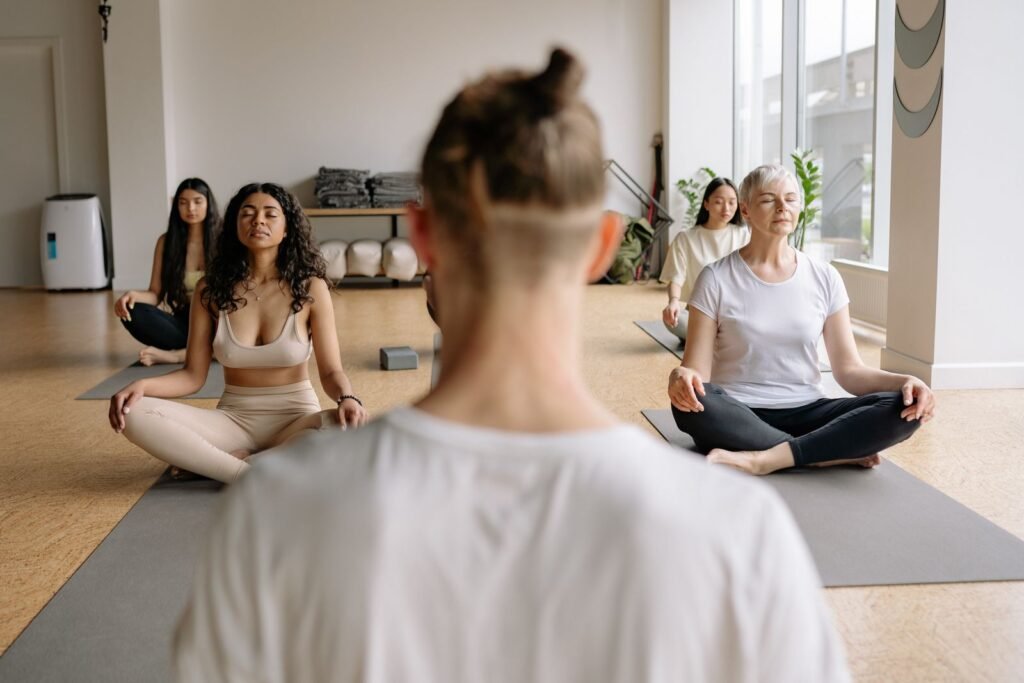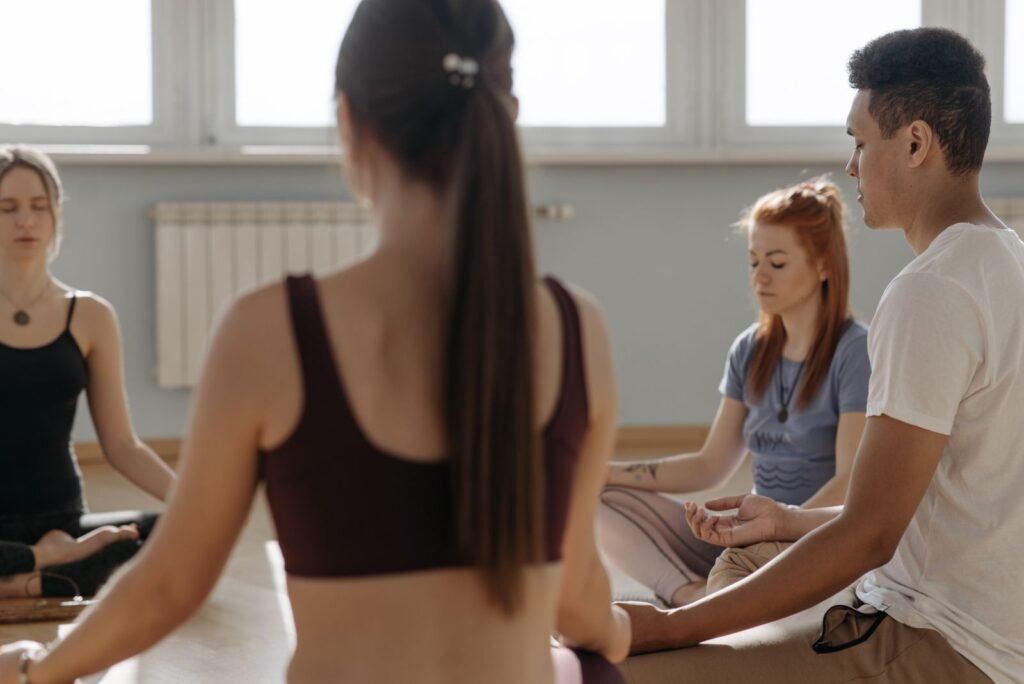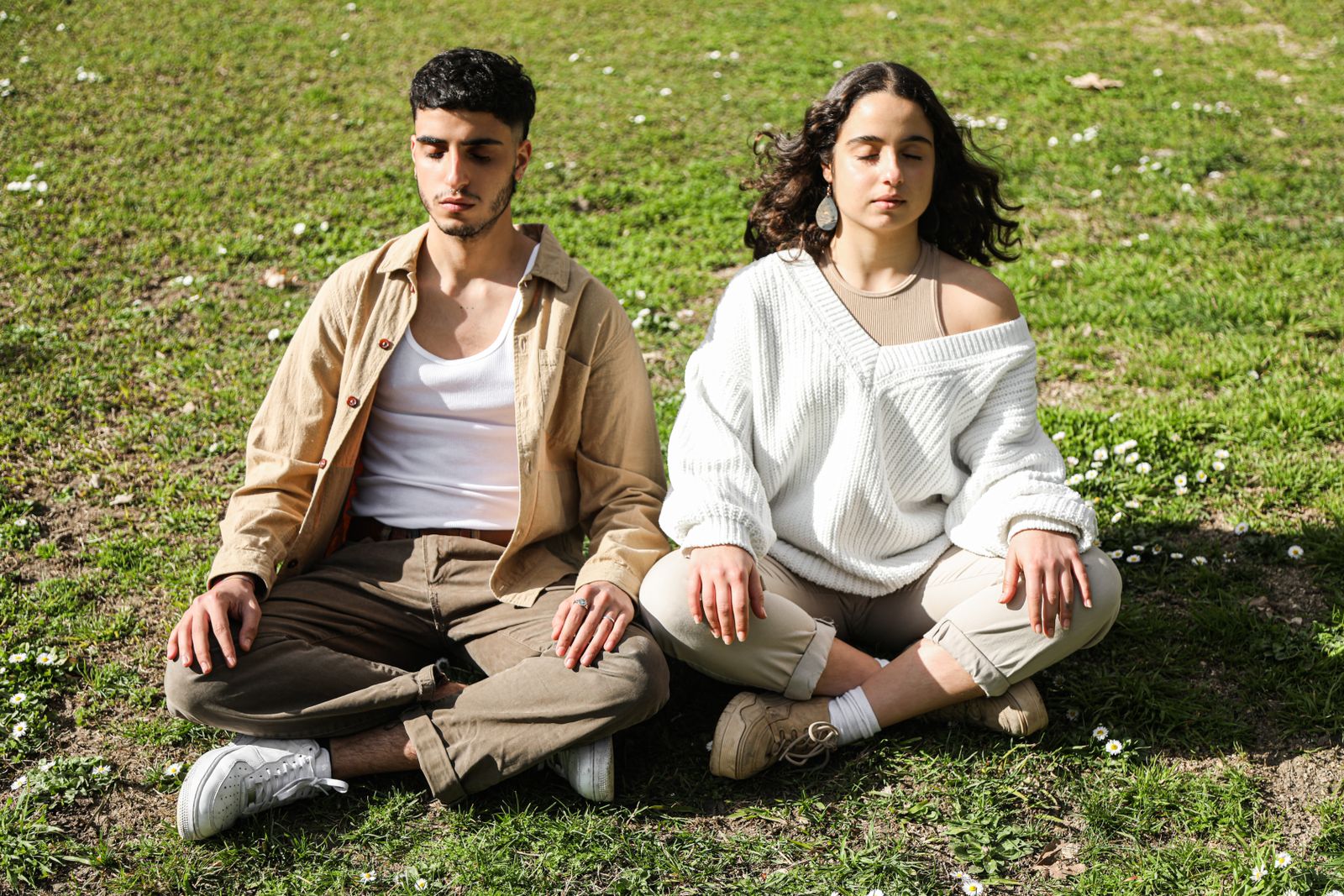
Meditation techniques are structured methods for training attention and awareness, typically using a focal point such as the breath, a mantra, a body sensation, or open, choiceless awareness itself. Each technique works through a slightly different mechanism: some narrow focus (concentration practices), some widen it (open-monitoring practices), and some blend movement, sound, or visualization with stillness. There is no single “best” technique. The right one depends on your temperament, your goal (calm, focus, spiritual insight, sleep, pain management), and how much structure you want. Below you’ll find the major families of meditation techniques, how each is actually practiced step by step, and how to choose and combine them into a sustainable routine.
What Counts as a “Meditation Technique”?
A meditation technique is simply a repeatable method for directing attention. Every tradition, from Zen to Transcendental Meditation to modern mindfulness apps, boils down to a small set of moves: choosing an anchor for attention (breath, sound, sensation, image), noticing when the mind wanders, and gently returning. What differs between techniques is the anchor, the posture, the duration, and the underlying philosophy. Some techniques are secular and stress-focused (used in clinical mindfulness meditation programs); others sit inside a specific spiritual lineage, such as kriya yoga meditation technique practice within the broader tradition of yoga. Understanding this shared skeleton makes it much easier to compare techniques and pick one that fits your life instead of jumping between apps and styles at random.
How Do You Practice Breath-Focused Meditation?
Breath-focused meditation uses the natural rhythm of inhalation and exhalation as the anchor for attention. Sit in a comfortable upright position, close your eyes, and bring attention to the sensation of air moving through the nostrils or the rise and fall of the belly. When the mind wanders, and it will, simply notice the thought without judgment and return attention to the breath. Most teachers suggest starting with 5 to 10 minutes and building toward 20. This technique pairs naturally with structured pranayama breathing exercises, since slowing and lengthening the breath before you sit tends to make the mind easier to settle. Breath-focused meditation is often the first technique taught to beginners because the anchor is always available. You never need equipment, a specific room, or even silence to practice it.
What Is Mantra Meditation and How Do You Use It?
Mantra meditation uses the silent or spoken repetition of a word, phrase, or sound as the object of focus, replacing the breath with something more mentally “sticky” for people who find breath-watching too subtle. Traditional mantras include “Om,” “So Hum” (paired with the natural inhale-exhale), or a personally assigned sound as used in Transcendental Meditation, which is typically taught one-on-one and practiced for around 20 minutes twice a day. The mechanism is the same as breath meditation: repeat the mantra, notice when attention drifts to a thought or sound, and return to the mantra without frustration. Because a mantra gives the mind a more textured “handle” to hold onto than the breath alone, some practitioners find it easier to sustain focus for longer sessions, which makes mantra practice a common bridge into deeper concentration work.
What Is Kriya Yoga Meditation Technique and How Does It Differ From Basic Mantra Practice?
Kriya yoga meditation technique is a structured system of pranayama-based meditation practices traditionally taught within a specific lineage, most widely known in the West through Paramahansa Yogananda, who is commonly credited with bringing Kriya Yoga to the United States in 1920 and later founded the Self-Realization Fellowship to teach it. The lineage traces back through his teacher’s teacher, Lahiri Mahasaya, and is described by practitioners as a technique that accelerates spiritual growth through specific breath and energy-control practices combined with concentration and devotion. Unlike a simple mantra or breath practice you can learn from a blog post, kriya yoga meditation technique is traditionally taught progressively by an authorized teacher, since it layers pranayama, specific bodily locks, and internalized attention in a defined sequence. If you’re drawn to it, the respectful path is to start with foundational pranayama and seated meditation practice, then seek instruction from a recognized kriya yoga lineage or teacher rather than attempting the advanced techniques from secondhand descriptions.
How Does Body Scan Meditation Work?
Body scan meditation systematically moves attention through the body, typically starting at the toes or the crown of the head and working slowly to the opposite end. At each region, you notice sensation, whatever is present, without trying to change it, then move on. A full body scan usually takes 15 to 45 minutes and is commonly used in clinical settings, including Mindfulness-Based Stress Reduction (MBSR) programs, because it’s especially effective for people who hold tension physically or who find it hard to sit still with a purely mental anchor like breath or mantra. It’s also one of the most reliable techniques for falling asleep, since a slow scan naturally downshifts nervous system arousal, which is why many sleep-focused meditation apps default to a body scan format for evening sessions.
What Is Open Monitoring or Mindfulness Meditation?
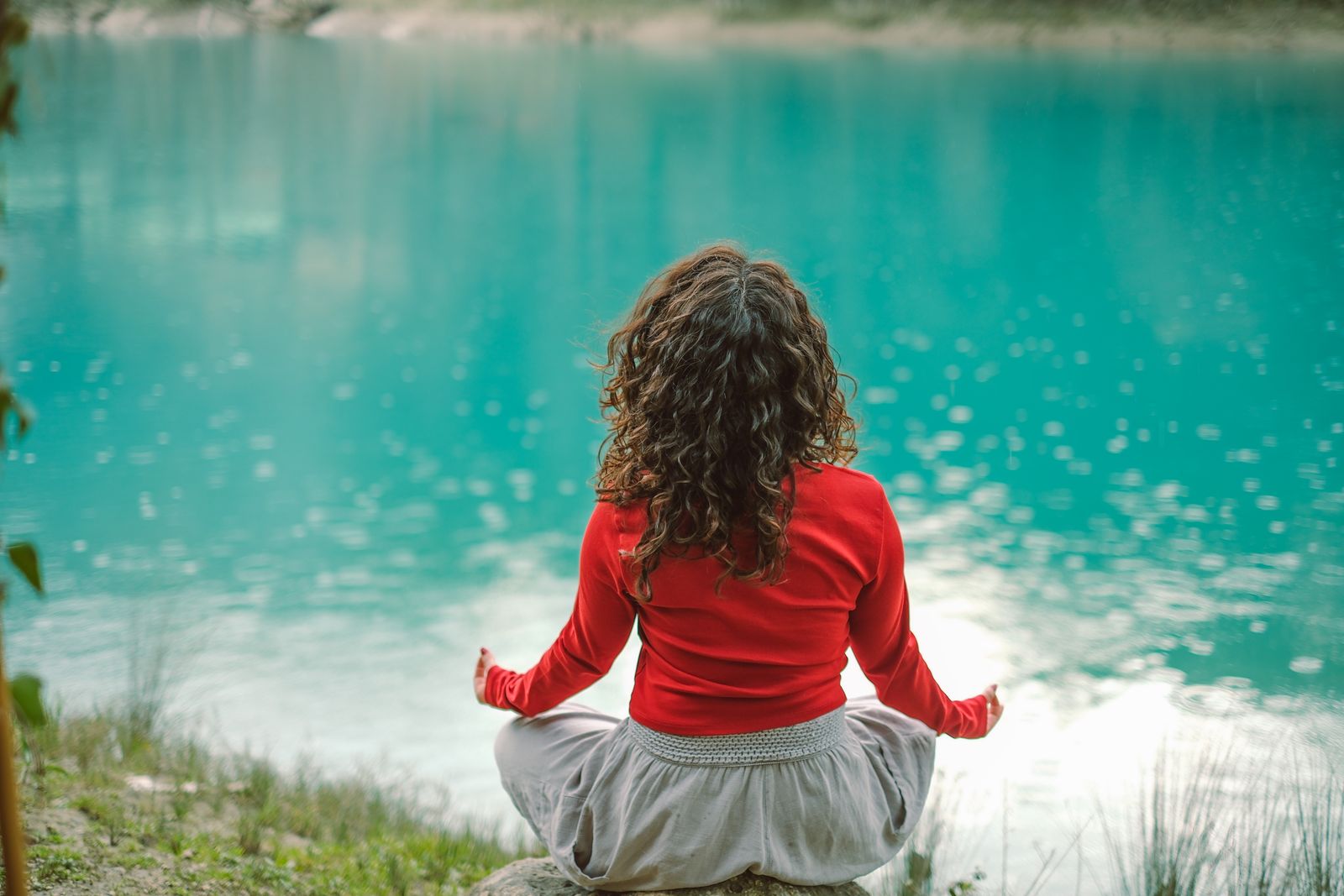
Open monitoring, often called mindfulness meditation, drops the single-point anchor entirely and instead trains you to notice whatever arises in awareness, thoughts, sounds, sensations, emotions, without grabbing onto any one of them. Where breath meditation is a concentration practice (narrowing focus to one object), open monitoring is an awareness practice (widening focus to observe the whole field of experience). Beginners often start with a concentration technique for a few weeks before adding open monitoring, since it requires a baseline of stability to avoid getting swept away by every passing thought. This is the technique most closely associated with mindfulness meditation as taught in secular, clinical, and workplace wellness contexts, and it’s the foundation most modern meditation apps build their guided sessions around.
How Do Visualization and Loving-Kindness Meditation Work?
Visualization meditation uses a mental image, a peaceful place, a healing light, a specific deity or symbol, as the object of focus, engaging the imagination alongside attention. Loving-kindness meditation (metta) is a specific visualization-adjacent technique where you systematically direct phrases of goodwill (“May you be happy, may you be safe, may you be at ease”) first toward yourself, then a loved one, then a neutral person, then a difficult person, then all beings. Research in contemplative psychology has associated consistent loving-kindness practice with increases in positive emotion and social connectedness. Because it deliberately works with emotion rather than bypassing it, loving-kindness meditation is often recommended for people dealing with self-criticism, interpersonal conflict, or grief, where a purely neutral breath practice can feel emotionally flat.
What Is Walking Meditation and When Should You Use It?
Walking meditation replaces stillness with slow, deliberate movement as the anchor, bringing full attention to the sensations of lifting, moving, and placing each foot. It’s traditionally practiced back and forth along a short path of 10 to 20 steps, turning mindfully at each end rather than covering distance. Walking meditation is particularly useful for people who find seated stillness physically uncomfortable, who meditate after long periods of desk work, or who want to bridge formal practice into daily movement. It also pairs naturally with a slow, moving yoga for beginners routine, since both use the body as the primary object of attention rather than treating the body as something to sit through in order to reach the mind.
How Do Yoga Nidra and Guided Meditation Differ From Silent Practice?
Yoga nidra, sometimes called “yogic sleep,” is a guided practice done lying down where a teacher’s voice leads you through body awareness, breath awareness, and visualization while you remain conscious in the space between waking and sleep. Guided meditation more broadly uses a teacher’s or app’s spoken instructions throughout the session rather than leaving you to self-direct in silence. These formats lower the barrier to entry considerably: you don’t need to remember the steps or fight distraction alone, because the voice keeps re-anchoring your attention. For total beginners, especially those who’ve tried silent meditation and found their mind too busy to sustain it, starting with guided sessions or a structured meditation for beginners plan tends to build the skill faster than white-knuckling silent sits from day one.
What Role Do Mudras Play in Meditation Technique?
Mudras are specific hand and finger positions used during meditation and pranayama to seal or direct energy according to yogic tradition, and to give the mind and body a subtle physical cue that a practice has begun. Common examples include Gyan Mudra (thumb and index finger touching, associated with knowledge and calm concentration) and Dhyana Mudra (hands resting in the lap, one palm stacked on the other, associated with meditative absorption in Buddhist and yogic iconography alike). Adding a yoga mudra to your meditation posture isn’t mandatory, breath and attention do the actual work, but many practitioners find that a consistent hand position acts as a physical trigger, similar to how always meditating in the same chair or corner of a room trains the brain to downshift faster over time.
How Does Meditation Posture Affect the Technique You Choose?
Posture and technique are more connected than most beginners assume. Seated cross-legged postures such as Sukhasana (easy pose) or Padmasana (lotus pose) support long, still concentration practices like breath and mantra meditation because they create a stable, self-supporting base for the spine. Lying-down postures suit yoga nidra and body scans, where the goal is deep relaxation rather than alert concentration, but lying down for a mantra or breath practice often tips people into sleep rather than meditation. Chair-based seated meditation works well for anyone with knee, hip, or back limitations and is just as valid as floor-sitting; what matters is a stable, upright spine, not a specific traditional shape. If sitting is uncomfortable, building basic flexibility with gentle stretching exercises a few times a week often makes seated practice noticeably easier within a few weeks.
How Long Should You Meditate and How Often?
Most teachers recommend starting with 5 to 10 minutes daily and increasing gradually rather than attempting 30 minutes on day one and quitting a week later. Consistency matters more than session length: a 10-minute daily practice compounds far more reliably than an occasional 45-minute session. Many long-term practitioners eventually settle into 20-minute sessions once or twice daily, a duration popularized by Transcendental Meditation but echoed across many traditions, though there’s no universal rule requiring that specific length. If you’re combining meditation with a broader wellness routine, anchoring it to an existing habit, right after your morning pranayama practice, or immediately following a yoga for beginners session, tends to produce far better adherence than trying to build a completely standalone habit from scratch.
What Are the Most Common Mistakes Beginners Make With Meditation Technique?
Most beginner struggles come down to a handful of recurring habits rather than a lack of natural ability:
- Treating a wandering mind as failure. Noticing distraction and returning attention is the practice, not a sign you’re doing it wrong; teachers often describe that moment of noticing as the actual rep, the equivalent of a bicep curl for attention.
- Technique-hopping. Switching from breath to mantra to body scan every few days doesn’t give any single method time to build depth. Most traditions suggest sticking with one core technique for at least several weeks before evaluating whether it’s a fit.
- Ignoring posture entirely. Slouching or lying down for concentration practices makes both alertness and consistency harder to sustain over a full session.
Can Meditation Techniques Help With Anxiety, Sleep, and Focus?
Different techniques target different outcomes, so matching the method to the goal matters:
| Goal | Recommended Technique(s) | Why It Works |
|---|---|---|
| Anxiety and general stress | Breath-focused and open-monitoring mindfulness | Most research behind them, including work associated with Harvard-affiliated researchers studying mindfulness-based stress reduction and its effects on anxiety and the body’s stress response |
| Sleep | Body scan and yoga nidra | Designed to lower arousal rather than sharpen alertness, unlike concentration practices |
| Focus and cognitive performance | Short daily concentration practices (breath or mantra-based) | Directly train the same attention-regulation skill that focused work requires |
None of this replaces professional care for clinical anxiety, insomnia, or attention disorders; meditation is a complementary tool, not a substitute for medical or psychological treatment when those are needed.
How Do You Build a Sustainable Meditation Practice Long-Term?
A sustainable practice usually has four ingredients: a fixed time of day (so it doesn’t compete with willpower each morning), a specific technique you’ve committed to for at least a few weeks, a realistic duration you’ll actually complete on hard days, and some form of tracking or community accountability. Many practitioners find it easier to sustain meditation as part of a broader practice rather than in isolation, pairing it with online yoga classes, structured pranayama, or a home yoga for beginners routine so that meditation becomes the natural closing few minutes of a session you’re already committed to, rather than a separate habit fighting for its own slot in the day.
Questions People Ask About Meditation Techniques
What is the easiest meditation technique for beginners?
Breath-focused meditation is generally considered the easiest starting point because the anchor, your own breathing, is always available and requires no equipment or memorized steps. Sit comfortably, follow the sensation of breathing for 5 to 10 minutes, and gently return attention whenever it wanders. Guided audio sessions can make this even easier for total beginners.
How many types of meditation techniques are there?
There’s no single official count, but most teachers group techniques into five to seven broad families: breath-focused, mantra, body scan, open-monitoring/mindfulness, visualization and loving-kindness, walking, and guided or yoga nidra practices. Many named “styles” (Zen, Vipassana, Transcendental Meditation) are specific traditions built from combinations of these core techniques.
Is kriya yoga meditation technique safe to learn on your own?
Basic pranayama and seated meditation that support kriya yoga practice can be learned gradually and safely with care. However, the specific advanced kriya yoga meditation techniques are traditionally taught progressively by an authorized teacher within its lineage, since they combine breath control, physical locks, and concentration in a defined sequence best learned under guidance.
Which meditation technique is best for sleep?
Yoga nidra and body scan meditation are the two techniques most associated with sleep, since both are designed to lower physical and mental arousal rather than sharpen alertness. A slow, guided body scan lying down is a common recommendation for people who struggle to fall asleep or who wake during the night.
How long does it take to see results from meditation?
Many people notice subtle changes in stress reactivity and mood within two to four weeks of daily practice, though this varies by person and technique. Deeper or more lasting changes, particularly those studied in mindfulness-based stress reduction research, are typically associated with consistent practice over eight weeks or more rather than a handful of sessions.
Do you need a teacher to learn meditation techniques?
No, basic techniques like breath awareness, body scans, and simple mantra repetition can be self-taught using books, apps, or guided audio. A teacher becomes more valuable, and in some traditions is considered essential, once you move into lineage-based practices like kriya yoga meditation technique or want personalized feedback on posture and progress.
Try This for Yourself
Reading about meditation techniques only gets you so far; the actual skill is built by sitting down and practicing consistently, ideally with guidance that can correct your posture, pacing, and breath in real time. If you want structured, live instruction that pairs meditation with breathwork and movement, explore FitStrot’s online yoga classes and start building a practice that actually sticks.
Related reading: meditation, mindfulness meditation, meditation for beginners, yoga mudra, and online yoga classes.