Face yoga is a system of facial muscle exercises, massage strokes, and gentle stretches designed to tone the muscles under your skin, encourage circulation, and relax the tension that shows up as fine lines. A small 2018 study from Northwestern University found that women who practiced facial exercises for about 20 minutes a day over 20 weeks were rated by outside observers as looking roughly three years younger, with fuller cheeks the most commonly cited change. It will not replace injectables or surgery, but done consistently for 10-15 minutes a day, it can improve muscle tone, skin firmness, and the puffiness that comes from stress and poor circulation.
What Is Face Yoga, Exactly?
Face yoga borrows its name and philosophy from traditional vinyasa yoga and other movement-based practices: deliberate, repeated muscle engagement paired with breath awareness. Instead of stretching your hamstrings or opening your hips, you’re isometrically contracting and releasing the roughly 40+ muscles in your face and neck, the same way a physical trainer might target your biceps or glutes. A typical routine combines three elements: active muscle exercises (like puffing your cheeks or scrunching your forehead), lymphatic massage strokes that follow the drainage pathways along your jaw and neck, and acupressure-style holds at specific points to release tension. Some instructors also incorporate mindful breathing, treating the practice as a moving meditation similar in spirit to a slow hatha yoga session, just scaled down to the face.
Does Face Yoga Really Work?
The honest answer is: it works for some things and not others. Facial muscle exercise can genuinely improve muscle tone and firmness, which is why the Northwestern study observed fuller, more lifted cheeks after consistent practice. What it cannot do is remove deep static wrinkles, change bone structure, or produce the dramatic results of cosmetic procedures. Think of it the way you’d think of resistance training for your body: it improves what’s already there rather than reshaping the underlying structure. Most practitioners and dermatologists agree that face yoga is best understood as a low-risk, non-invasive complement to good skincare, sun protection, and hydration, not a replacement for any of them.
What Are the Real Benefits of Face Yoga?
Beyond the muscle-toning effect, people who practice face yoga regularly report several other benefits worth naming individually:
- Improved circulation: The massage components increase blood flow to the surface of the skin, which can create a temporary, healthy-looking flush.
- Reduced facial tension: Many of us unconsciously clench our jaw or furrow our brow throughout the day; face yoga builds awareness of that tension and teaches you to release it.
- Lymphatic drainage: Specific stroking patterns along the jawline and under the eyes can reduce the appearance of morning puffiness.
- A mindfulness effect: Because the practice requires slow, focused movement, many people find it functions as a short daily reset, similar to the calming effect described by practitioners of restorative yoga.
- Better posture awareness: Several exercises involve the neck and jaw, which indirectly encourages you to notice and correct forward head posture.
What Does the Actual Research Say?
Facial exercise has not been studied nearly as extensively as resistance training for the rest of the body, but the research that exists is cautiously positive. The most frequently cited study, published in JAMA Dermatology in 2018, followed 27 middle-aged women who performed a set of facial exercises for approximately 20 minutes daily for the first 8 weeks, then every other day for another 12 weeks. Dermatologists reviewing before-and-after photos judged the participants’ faces to look about three years younger on average, with the most noticeable improvement in upper and lower cheek fullness. A separate systematic review of facial exercise studies found the evidence generally supportive but noted that sample sizes across the field remain small and study designs vary widely, so researchers describe the results as promising rather than conclusive. In practice, this means face yoga is reasonably well-supported for muscle tone and fullness, but claims about “erasing” wrinkles or replacing a facelift go beyond what the evidence currently shows.
What Are the Best Face Yoga Exercises for Beginners?
If you’re starting from zero, focus on five foundational moves before adding anything more advanced:
- The Cheek Lifter: Smile as wide as possible without showing your teeth, then place your fingertips lightly on the top of your cheeks and release the smile while gently resisting with your fingers. Repeat 10 times.
- The Forehead Smoother: Place both palms flat against your forehead, gently pulling the skin taut, then try to raise your eyebrows against the resistance. Hold for 5 seconds, repeat 10 times.
- The Jawline Definer: Tilt your head back slightly, push your lower jaw forward, and hold for 10 seconds. This targets the platysma muscle along the neck and jaw.
- The Eye Firmer: Look up, close your lower eyelids only (without squinting the upper lid), and hold for 5 seconds. Repeat 10 times per eye.
- The Fish Face: Suck in your cheeks and lips to form a fish-like shape, hold for 5 seconds, and release. This works the buccinator muscles that support cheek firmness.
As with any new physical practice, from your first attempt at ashtanga yoga to a beginner’s aerial yoga class or a yoga for beginners routine, consistency matters more than intensity. Ten focused minutes daily will outperform an hour once a week.
How Do You Do Face Yoga for a Double Chin?
Reducing the appearance of a double chin through face yoga centers on toning the platysma muscle, a thin sheet of muscle that runs from the collarbone up to the jaw. A commonly recommended sequence is the “chin lift”: tilt your head back to face the ceiling, then purse your lips as if kissing the sky and hold for 10 seconds before relaxing. Combine this with the “neck roll,” a slow, controlled rotation of the head that stretches the underlying tissue, and the “jaw jut” described above. Results here tend to be modest and gradual. Facial exercise can improve muscle tone in the area and slightly reduce the appearance of looseness, but it will not remove submental fat, which is primarily a function of body composition and genetics. If a double chin is caused mainly by fat rather than muscle laxity, general fat-loss habits and overall activity, including full-body movement practices, will do more than facial exercise alone.
How Do You Do Face Yoga for a Slimmer-Looking Face?
“Face slimming” through yoga works less by removing fat and more by improving definition and reducing puffiness, which creates a visually slimmer appearance. The most useful exercises for this goal are the cheek lifter and fish face described above, combined with lymphatic drainage massage along the jawline toward the ears and down the neck, which helps clear fluid retention that can make the face look rounder, especially first thing in the morning. Reducing sodium intake, staying hydrated, and getting consistent sleep all support this same goal from the inside. It’s worth setting realistic expectations: face yoga can sharpen and define what’s already there, but it cannot change the width of your jawbone or your genetic face shape.
How Does Face Yoga Support Anti-Aging Goals?
The anti-aging case for face yoga rests on a simple physiological premise: as we age, facial muscles, like muscles anywhere else in the body, lose tone and volume, and that muscle loss is part of what makes skin appear looser. By actively contracting and strengthening those muscles, face yoga aims to slow that specific type of volume loss. It’s not addressing collagen breakdown, sun damage, or the loss of subcutaneous fat, which are the other major drivers of visible aging and are better managed through sunscreen, a consistent skincare routine, and lifestyle habits like not smoking. Where face yoga fits best is as one piece of a broader anti-aging routine, alongside sun protection, hydration, and, for many people, general fitness practices, since improved circulation and stress reduction from any form of movement, including a regular bikram yoga or gentle full-body practice, support skin health indirectly.
What Does “Face Yoga Before and After” Actually Look Like?
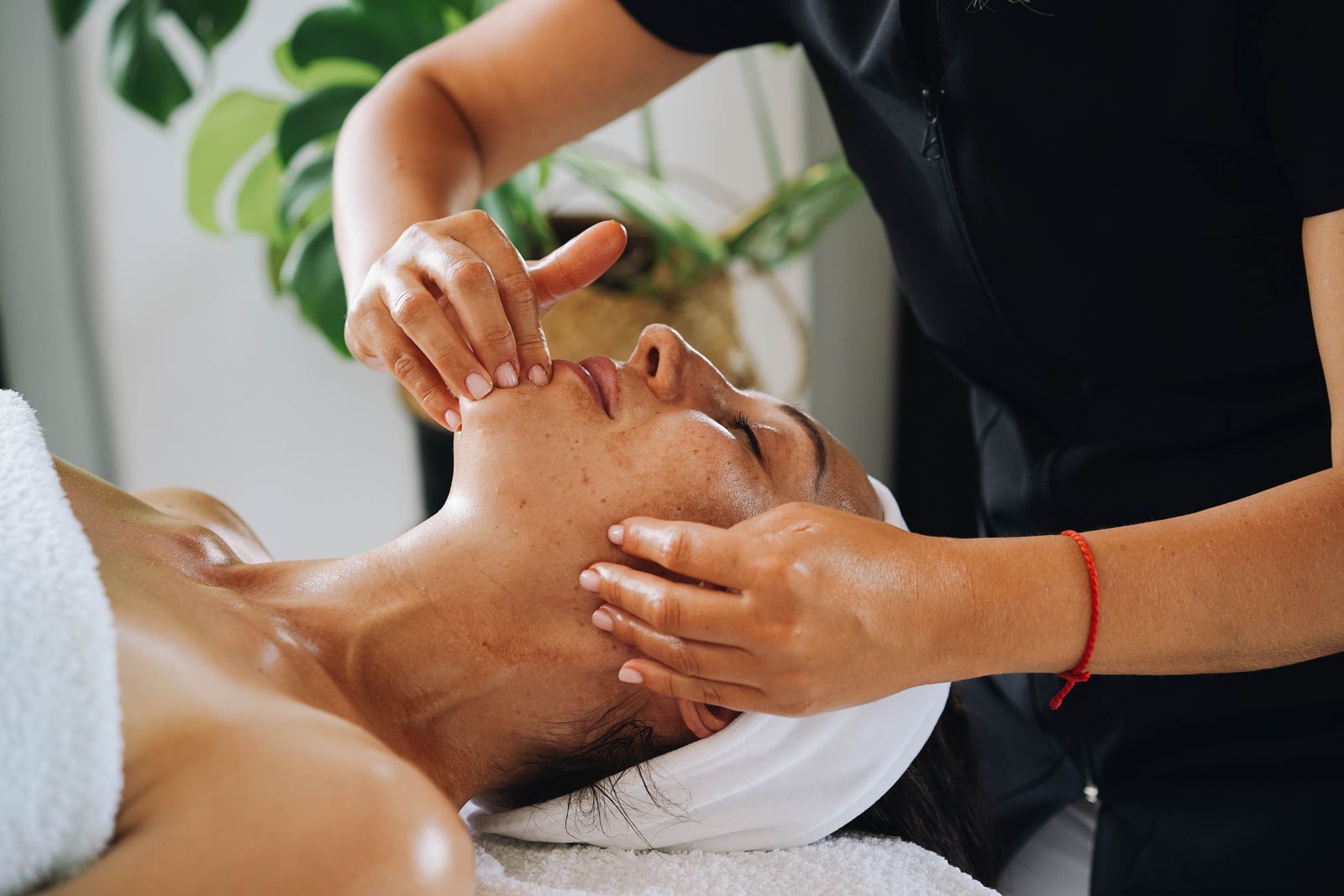
If you search for before-and-after face yoga photos, be skeptical of dramatic transformations claimed after just a week or two; genuine, sustained change from facial exercise takes longer. Based on the timeline used in the Northwestern study, noticeable changes in cheek fullness and tone generally appear after 8 to 12 weeks of near-daily practice, not days. Realistic before-and-after progress usually shows subtler differences: slightly fuller cheeks, a marginally more lifted brow, and reduced puffiness around the eyes, rather than a complete change in face shape. The most reliable way to track your own progress is to take a plain, well-lit photo from the same angle once a week for two to three months rather than relying on a single dramatic comparison.
Can You Find a Reliable Face Yoga Exercises PDF or Routine to Follow?
Many people search for a downloadable face yoga exercises PDF because it’s easier to follow a printed routine than to remember a sequence of moves. When evaluating any guide, whether a PDF, an app, or a class, look for three things: clear instructions on hand placement and resistance (since doing an exercise incorrectly can create new tension rather than release it), a suggested weekly frequency backed by a realistic timeline for results, and guidance on breathing and posture, since tensing your shoulders or holding your breath undermines the relaxation benefits of the practice. A well-structured routine should also rotate which muscle groups you target each day rather than repeating the exact same five exercises every single session, similar to how a well-designed strength program varies muscle groups across the week.
Can Face Yoga Help With Fat Loss?
Face yoga is not a fat-loss tool in the way that running or strength training is. Spot reduction, losing fat from one specific area of the body through targeted exercise, is not supported by current exercise science, and the face is no exception. What face yoga can do is tone the muscle beneath facial fat, which may make the face appear more defined once overall body fat decreases through diet and general physical activity. If your goal is genuinely reducing facial fat, the most effective path is the same one that works for the rest of the body: a sustainable calorie deficit combined with regular movement. Pairing face yoga with a broader fitness routine, whether that’s zumba for weight loss, the general benefits of yoga, or a structured strength program, addresses the underlying fat while face yoga refines the muscle tone on top of it.
Does Face Yoga Cause Wrinkles?
This is one of the most common worries, and it’s a reasonable one, since repetitive facial movement is part of how expression lines form in the first place. The distinction that matters is between uncontrolled, habitual expressions, like squinting without sunglasses or frowning under stress, and controlled, resistance-based exercises performed correctly with proper hand support. When exercises are done with the right technique, applying gentle resistance with your fingers so the skin doesn’t repeatedly fold in the exact same crease, the risk of creating new lines is low. Poor technique, especially repeatedly scrunching the skin without any resistance or support, is where the concern is legitimate. If you notice a new line forming in a specific spot, that’s a signal to adjust your hand placement or reduce repetitions in that exercise, not necessarily to stop the practice altogether.
How Should You Build a Weekly Face Yoga Routine?
Consistency is the single biggest predictor of results in every study on facial exercise, more so than which specific exercises you choose. A realistic beginner structure looks like this: 10 to 15 minutes daily for the first month, focusing on the five foundational exercises above, followed by a slight increase in variety once the movements feel natural. Morning practice tends to work well because it also helps reduce overnight puffiness, but evening sessions paired with a skincare routine work just as well if that fits your schedule better. Treat setbacks the way you would with any physical practice, whether that’s a beginner’s yin yoga practice or a first month of strength training: missing a day here and there will not undo your progress, but going weeks without practicing will slow it considerably. Tracking your sessions the same way you might log a broader yoga practice can help you stay accountable during the first two months, when motivation typically dips before results become visible.
Questions People Ask About Face Yoga
Does face yoga really work?
Face yoga genuinely improves facial muscle tone, fullness, and circulation when practiced consistently, and a small 2018 study found participants looked around three years younger after 20 weeks. It does not remove deep wrinkles or replace cosmetic procedures, so it’s most accurate to think of it as a supportive, non-invasive habit rather than a dramatic transformation tool.
Does face yoga work for everyone the same way?
Results vary based on skin type, age, genetics, and how consistently someone practices. People with more muscle laxity to begin with often notice more visible change than those with primarily sun-damage-related aging, since face yoga targets muscle tone rather than collagen or pigmentation.
Does face yoga cause wrinkles?
Done correctly with proper resistance and support, face yoga is unlikely to cause new wrinkles. The risk mainly comes from repeatedly folding the skin in the same crease without support, which is why proper hand placement and technique matter more than the specific exercise itself.
Does face yoga help with anything beyond appearance?
Yes. Many practitioners find it reduces jaw and facial tension built up from stress, and the slow, focused nature of the practice can double as a short mindfulness break, similar in feel to other gentle, breath-led movement practices.
Does face yoga work according to Reddit and other user communities?
Anecdotal reports across forums and communities are mixed but lean cautiously positive, with most users describing modest improvements in tone and puffiness after consistent practice over several months, and skepticism directed mainly at accounts promising dramatic, fast results.
Does face yoga really help with under-eye puffiness?
The lymphatic massage component can temporarily reduce puffiness by helping move fluid away from the under-eye area. This effect tends to be short-term, so it works best as a regular habit rather than a one-time fix, and won’t address puffiness caused by allergies or lack of sleep.
Try This for Yourself
Face yoga is easiest to stick with when it’s part of a broader routine that also supports your energy, posture, and stress levels, not just your face. FitStrot’s online yoga classes pair naturally with a face yoga practice, giving you the breathwork, posture awareness, and consistency habits that make facial exercises more effective too. Book a session and build a routine that supports your whole body, face included.
Related reading: Explore vinyasa yoga for a full-body flow that pairs well with facial exercises, learn about restorative yoga for stress-related facial tension, discover the fundamentals of hatha yoga for a slower, breath-focused practice, and see how ashtanga yoga builds the same kind of consistency that makes face yoga effective. You can also book a class directly through FitStrot’s online yoga classes.