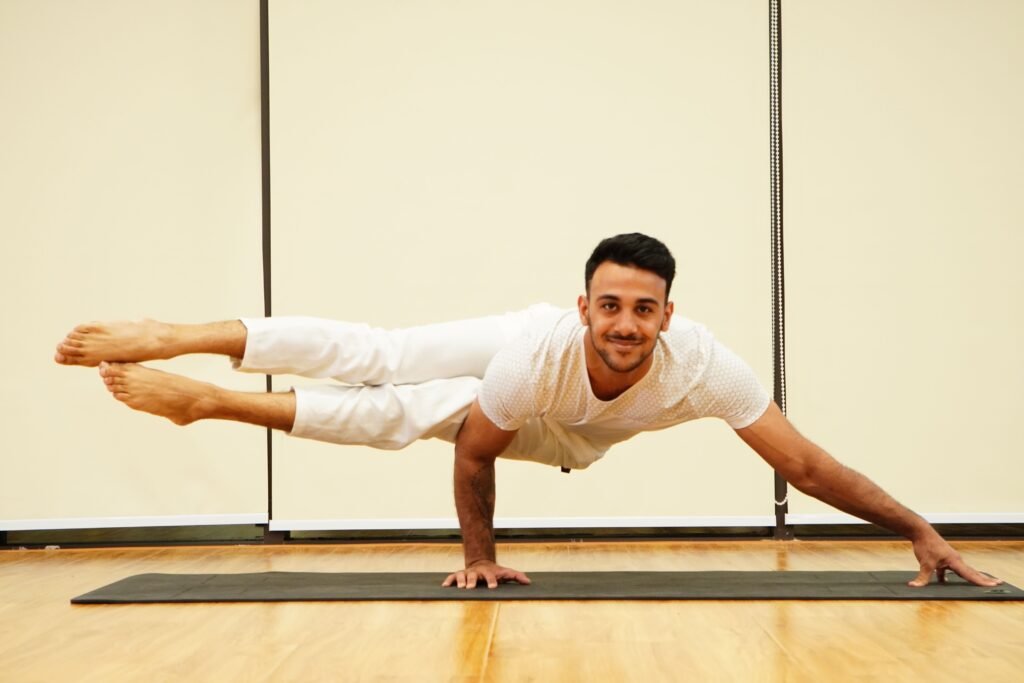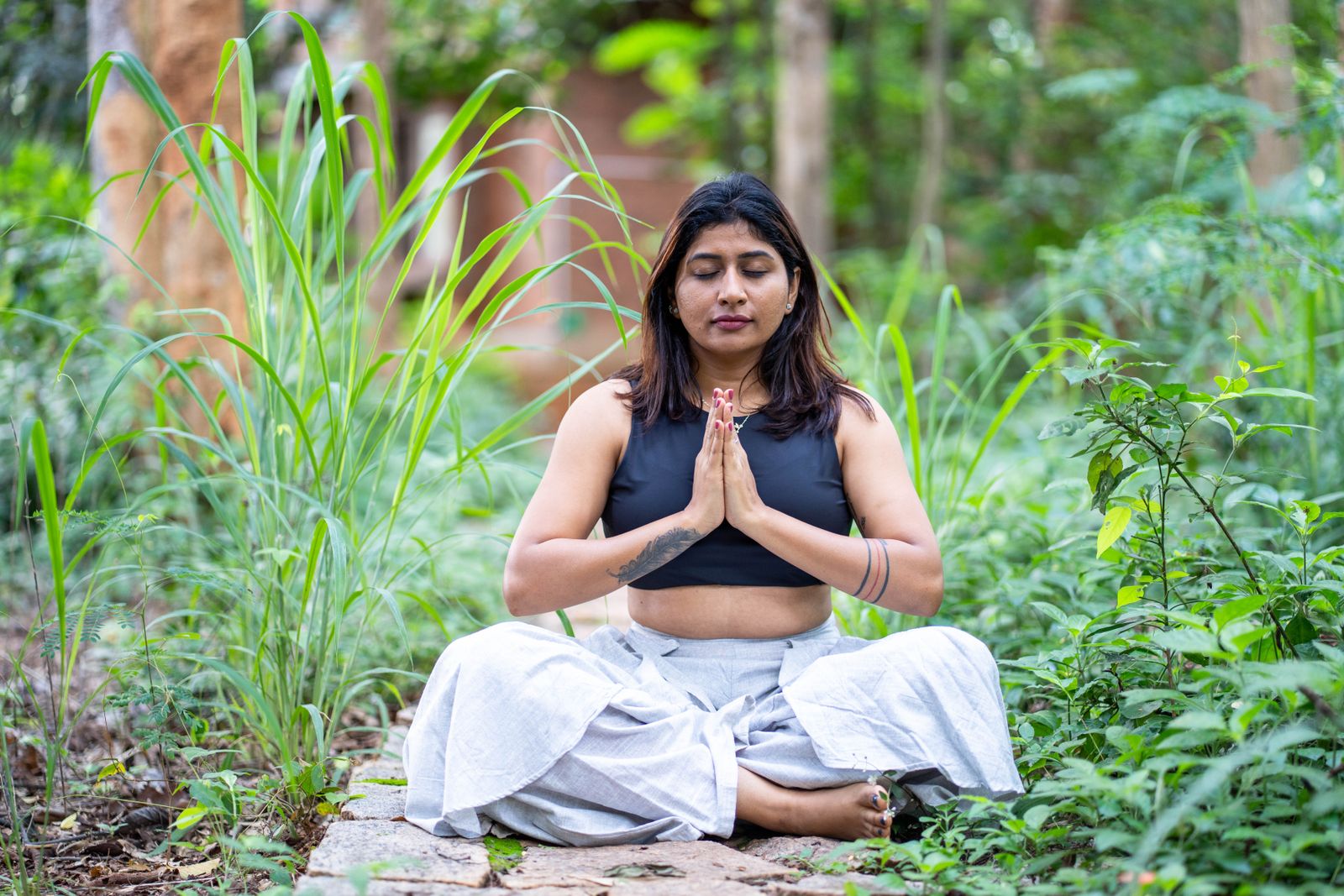
The importance of yoga lies in its unique ability to work on the body, breath, and mind together rather than in isolation. A consistent yoga practice improves flexibility, muscular strength, and joint health, while also lowering stress hormones, sharpening focus, and supporting better sleep. Unlike most workout formats, yoga does not require a gym, heavy equipment, or a fixed schedule of high-intensity effort, which is exactly why it has remained relevant for thousands of years and is now practiced by an estimated 300 million people worldwide. Whether the goal is physical fitness, stress management, or simply a calmer relationship with a busy schedule, yoga offers a low-impact, evidence-informed path to get there.
Why Is Yoga Important in Today’s Fast-Paced World?
Modern life runs on notifications, deadlines, and constant comparison, and the nervous system pays the price. Yoga is important today precisely because it counters this pace with deliberate slowness. A 20-minute practice that combines postures, breath control, and stillness gives the body a structured way to shift out of the sympathetic “fight or flight” state and into the parasympathetic “rest and digest” state. This is not a vague wellness claim; it is the entire physiological premise behind why yoga is recommended alongside conventional care for stress-related conditions. For anyone juggling work, family, and screens for most of their waking hours, a short daily practice acts as a reset button that few other activities offer in the same amount of time.
What Are the Physical Health Benefits of Yoga?
Yoga asanas build strength using body weight, gravity, and sustained holds rather than external load, which makes the physical benefits accessible to almost every fitness level. Regular practitioners typically notice improvements in the following areas:
- Flexibility and joint mobility — poses like forward folds and hip openers gradually lengthen muscles and connective tissue.
- Core and postural strength — plank variations, boat pose, and balancing postures build the stabilizing muscles that support the spine.
- Cardiovascular health — faster-paced styles such as vinyasa yoga raise heart rate enough to offer mild aerobic benefit.
- Balance and coordination — single-leg postures train proprioception, which becomes especially valuable with age.
- Pain management — many people use targeted sequences for yoga for back pain and general joint stiffness.
Because these benefits build gradually and compound over weeks rather than a single session, physical results are best measured over a full month of practice rather than after a single class.
How Does Yoga Support Mental and Emotional Well-Being?
The mental health case for yoga is one of the most researched areas of the practice. Slow, controlled breathing activates the vagus nerve, which in turn lowers cortisol and supports a calmer baseline mood. Many people who take up online yoga for mental wellness report reduced anxiety, better emotional regulation, and a stronger sense of control over racing thoughts. Yoga also builds interoceptive awareness — the ability to notice internal bodily sensations — which is directly linked to improved emotional regulation in psychological research. This is one reason yoga is frequently used as a complementary practice alongside therapy and other mental health support, rather than as a replacement for it.
What Is the Importance of Yoga in Daily Life?
The importance of yoga in daily life comes from how easily it fits into an ordinary routine compared to most other forms of exercise. A short sequence of 15 to 20 minutes each morning can improve energy levels, reduce stiffness from sitting, and set a calmer emotional tone for the rest of the day. Unlike sports that require a partner, court, or specific weather, yoga can be done on a small mat in a bedroom, office, or hotel room. This is why yoga in day-to-day life often becomes less about achieving advanced postures and more about consistency: five mindful minutes of breathing before a stressful meeting or ten minutes of gentle stretching before bed can meaningfully change how the day feels, without requiring a major time commitment.
What Are the 10 Key Points on the Importance of Yoga?
For anyone looking for a quick summary — often searched as “importance of yoga 10 points” — here is a concise breakdown:
- Improves flexibility and joint range of motion.
- Builds functional strength without heavy equipment.
- Reduces stress by lowering cortisol levels.
- Supports better sleep quality and duration.
- Improves focus, memory, and mental clarity.
- Aids digestion through twisting and core-engaging postures.
- Supports heart health via controlled breathing and movement.
- Helps manage chronic pain, including back and neck discomfort.
- Encourages mindfulness and emotional self-regulation.
- Builds a sustainable, low-injury-risk fitness habit for life.
These points apply across age groups and fitness levels, which is part of why yoga has such broad, lasting appeal compared to more specialized training methods.
What Is the Importance of Yoga Asanas Specifically?
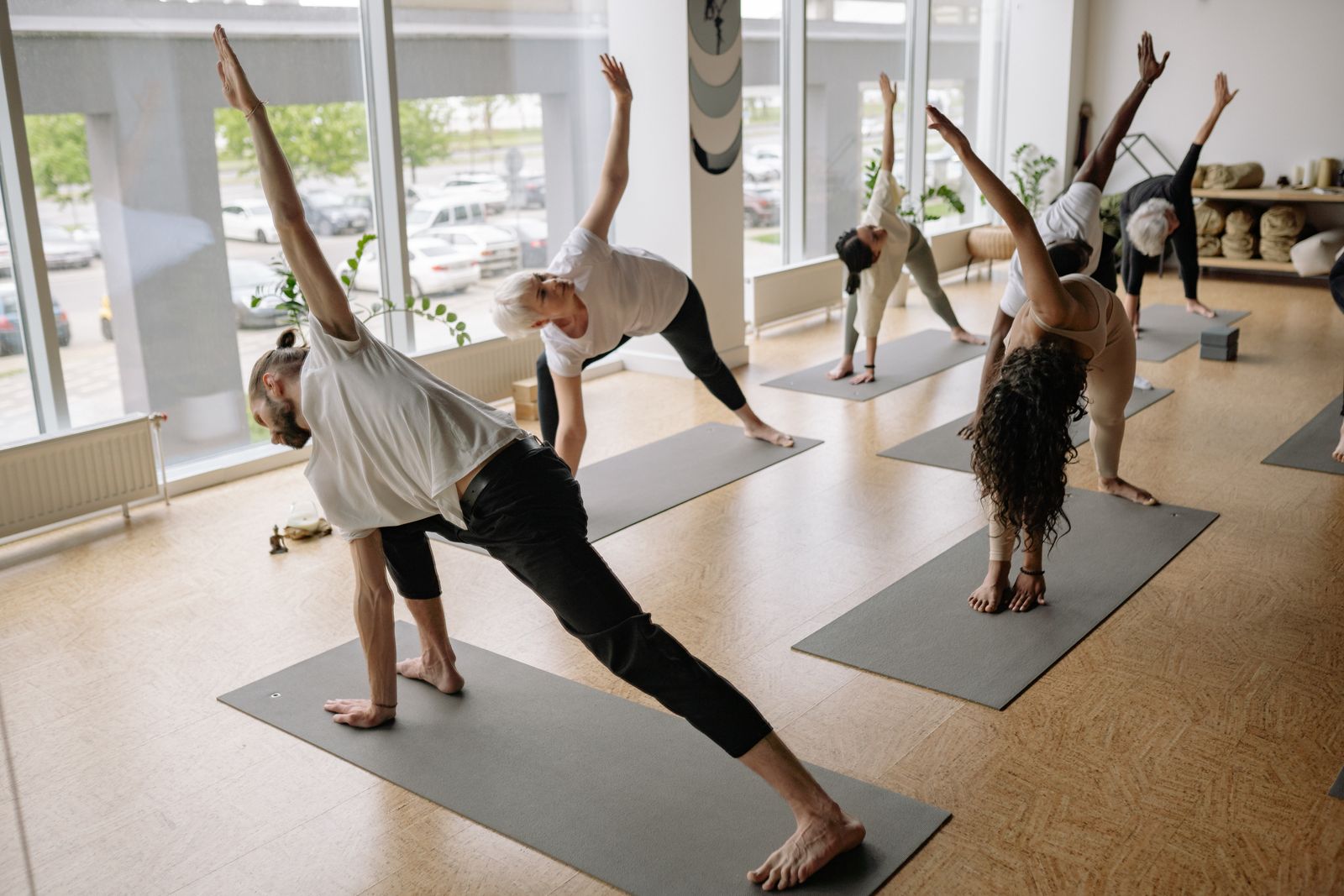
Asanas, the physical postures of yoga, are often mistaken for the whole practice, but they are actually one limb among several described in classical yoga philosophy. The importance of yoga asanas lies in how they prepare the body for stillness: a body that is tense, stiff, or in pain finds it very difficult to sit quietly for meditation or breathwork. Asanas systematically release tension in the hips, shoulders, and spine, making longer periods of seated stillness possible. They also build the specific strength and balance needed to practice pranayama (breath control) and meditation without physical discomfort becoming a distraction. In short, asanas are the physical entry point that makes the mental and spiritual dimensions of yoga accessible to beginners.
How Do You Explain the Importance of Yoga in an Essay or Speech?
Students and professionals are frequently asked to write an “importance of yoga” essay or deliver a speech on the topic for school assignments, workplace wellness talks, or International Yoga Day events. A strong essay or speech on the importance of yoga typically follows a simple structure: open with what yoga is and where it originated, explain its physical and mental benefits with specific examples, mention its relevance in modern daily life, and close with a call to action encouraging regular practice. For a shorter format, such as an importance of yoga essay in 150 words, focus on three points only, physical health, mental calm, and accessibility, since trying to cover ten benefits in a short paragraph on the importance of yoga usually results in a list rather than a persuasive argument.
Sample Structure for a Letter to a Friend About the Importance of Yoga
A common school exercise is to write a letter to a friend about the importance of yoga, encouraging them to start practicing. A well-structured letter typically includes a warm opening, a personal anecdote about how yoga has helped the writer (better sleep, calmer mood, less back pain from desk work), two or three specific benefits explained simply, and a friendly invitation to try a beginner class together. Keeping the tone conversational rather than clinical is what separates a genuine, engaging letter from one that reads like a copied list of facts.
What Is International Day of Yoga and Why Does It Matter?
International Day of Yoga is observed globally on June 21 each year, following a resolution proposed by India and adopted by the United Nations General Assembly on December 11, 2014, with the first official observance held on June 21, 2015. The date was chosen because it falls on the summer solstice, the longest day of the year in the Northern Hemisphere, which holds symbolic significance in Indian tradition. The importance of Yoga Day goes beyond ceremony: it is used worldwide to run free community classes, workplace wellness drives, and school programs that introduce yoga to people who might not otherwise try it, making the practice more visible and accessible on a global scale each year.
How Does Yoga Compare to Other Forms of Exercise?
Yoga is sometimes dismissed as “not a real workout” compared to running or weightlifting, but this comparison misses what yoga is actually designed to do. Where strength training builds muscle mass and running builds cardiovascular endurance, yoga is built around mobility, controlled breathing, and nervous system regulation, benefits that most other exercise formats do not directly target. This is why yoga is frequently used to complement other training rather than replace it entirely: a runner might use yoga to improve hip flexibility and prevent injury, while a strength athlete might use it to improve recovery and reduce joint stiffness. Styles vary considerably too. Restorative and yin yoga prioritize deep stretching and stillness, while power and ashtanga yoga are physically demanding enough to build real strength and stamina over time.
What Role Does Yoga Play in Managing Stress and Anxiety?
Chronic stress keeps the body in a heightened state of alertness that, over time, contributes to high blood pressure, poor sleep, and weakened immunity. Yoga interrupts this cycle through a combination of physical movement, controlled breathing patterns like ujjayi and nadi shodhana, and focused attention that pulls the mind away from repetitive worry. Practices such as online yoga for stress relief are particularly useful for people who cannot access in-person studios, since the calming effect comes largely from the breathing and movement pattern itself rather than the physical location. Even a short 10-minute session focused on slow exhales can measurably lower heart rate, which is why yoga is often recommended as a practical tool during high-pressure periods at work or during major life transitions.
Can Yoga Improve Sleep Quality?
Poor sleep is closely tied to an overactive nervous system, and yoga directly targets this through its emphasis on slow breathing and gentle movement before bed. Restorative poses such as legs-up-the-wall, seated forward fold, and reclined twists lower heart rate and signal to the body that it is safe to rest. Practicing a short wind-down sequence 30 to 45 minutes before bed, combined with slow diaphragmatic breathing, is a simple and repeatable way to improve sleep onset time without relying on medication. This makes yoga a particularly useful tool for shift workers, new parents, and anyone dealing with a racing mind at night.
Is Yoga Suitable for Beginners, Older Adults, and People With Injuries?
One of the most understated aspects of yoga’s importance is its adaptability. Unlike high-impact sports, yoga postures can be modified using props, walls, chairs, or simply a smaller range of motion, which makes the practice genuinely accessible to beginners, older adults, and people recovering from injury. Chair yoga and gentle hatha yoga sequences are commonly used in rehabilitation settings and senior wellness programs because they build strength and balance without high joint impact. Anyone with a pre-existing injury or medical condition should still consult a doctor or a qualified instructor before starting, since certain postures may need to be avoided or modified, but the practice as a whole is one of the more adaptable fitness formats available.
How Do You Start a Yoga Practice as a Complete Beginner?
Starting yoga does not require flexibility, special clothing, or expensive equipment, only a mat and roughly 15 to 20 minutes of uninterrupted time. A practical starting approach looks like this:
- Choose a beginner-friendly style such as gentle hatha or restorative yoga rather than an advanced power class.
- Learn five to seven foundational poses, such as mountain pose, downward dog, child’s pose, cat-cow, and warrior one.
- Practice three to four times a week rather than daily at first, to let the body adapt without soreness or burnout.
- Focus on breath control alongside movement, since coordinated breathing is what separates yoga from generic stretching.
- Consider a guided online yoga class to get real-time feedback on alignment, which reduces the risk of strain in the early weeks.
Most beginners notice improved flexibility and reduced everyday stiffness within two to four weeks of consistent practice, well before more visible strength or balance gains appear.
What Do Yoga Philosophy and Terminology Actually Mean?
Understanding a few foundational terms makes the practice far less intimidating. The word “yoga” itself comes from the Sanskrit root “yuj,” commonly translated as “to unite” or “to yoke,” reflecting the practice’s core aim of bringing body, breath, and mind into alignment; a fuller breakdown is covered in this guide to yoga meaning. Classical yoga philosophy, most notably the eight-limbed path described in Patanjali’s Yoga Sutras, frames physical postures (asana) as just one part of a broader system that also includes ethical guidelines (yamas and niyamas), breath control (pranayama), and meditative absorption (dhyana and samadhi). For a deeper look at how these pieces fit together, see this full yoga definition and this overview of what is yoga from a beginner’s perspective.
Questions People Ask About the Importance of Yoga
What is the main importance of yoga?
The main importance of yoga is that it improves physical flexibility and strength while simultaneously reducing stress and supporting mental clarity, all through a low-impact practice that requires minimal equipment. Few other activities combine physical conditioning with nervous system regulation in a single, repeatable routine that fits into a normal daily schedule.
How many minutes of yoga per day are enough to see benefits?
Most beginners notice improvements in flexibility, stress levels, and sleep quality with just 15 to 20 minutes of practice, four to five times a week. Consistency matters more than duration, so a shorter daily practice generally produces better long-term results than occasional, longer sessions done sporadically.
Can yoga replace regular exercise like running or weightlifting?
Yoga can serve as a complete standalone practice for flexibility, core strength, and stress management, but it is not a full substitute for cardiovascular training or heavy resistance work if muscle mass or endurance are specific goals. Many people combine yoga with other training formats for a more balanced fitness routine.
Why is yoga important for students and working professionals?
Yoga helps students and professionals manage the mental fatigue and stress that come with exams, deadlines, and long screen time. Short sequences improve focus and reduce tension headaches from prolonged sitting, while breathing techniques offer a quick, accessible way to reset concentration between study sessions or meetings.
What is the significance of International Yoga Day?
International Day of Yoga, observed every June 21 since 2015 following a United Nations resolution, raises global awareness of yoga’s health benefits through free community classes and public events. It matters because it introduces the practice to people worldwide who might not otherwise have exposure to it.
Do you need to be flexible to start practicing yoga?
No, flexibility is a result of consistent yoga practice, not a prerequisite for starting it. Beginner classes are specifically designed for people with tight hips, stiff shoulders, or limited mobility, and poses can always be modified with props like blocks and straps until natural flexibility improves.
Try This for Yourself
Reading about the importance of yoga is a useful starting point, but the actual benefits, better sleep, less stress, improved flexibility, only show up through consistent practice. If you want expert guidance without leaving home, FitStrot’s online yoga classes pair you with a real instructor who can correct your alignment, adjust the pace to your fitness level, and help you build a sustainable routine from week one.
Related reading: What Is Yoga | Yoga Meaning | Benefits of Yoga | Types of Yoga | Online Yoga Classes