A 200 hour yoga teacher training (YTT) is the foundational certification that qualifies you to teach yoga professionally, typically requiring 3-4 weeks of intensive residential study or several months of part-time or online study covering asana (postures), pranayama (breathwork), teaching methodology, anatomy, and philosophy. It follows the entry-level standard set by Yoga Alliance, the leading credentialing body for yoga teachers, and on successful completion you become eligible to register as an RYT-200 (Registered Yoga Teacher). Whether you take it in Rishikesh, Goa, Bangalore, or online, the core curriculum stays broadly the same, though the depth of philosophy, style focus, and daily schedule can vary widely between schools.
What Exactly Is a 200 Hour Yoga Teacher Training?
A 200 hour yoga teacher training is a structured course, delivered in-person or online, that takes a dedicated yoga practitioner through the minimum body of knowledge needed to lead a general yoga class safely and competently. The “200 hours” refers to contact hours of instruction and practice teaching, a benchmark popularized by Yoga Alliance’s Registered Yoga School (RYS 200) standard. Most programs blend four broad pillars: physical practice (asana), breath control (pranayama), philosophy and lifestyle (the yamas, niyamas, and the eight limbs of yoga), and teaching skills such as voice projection, sequencing, hands-on adjustments, and observing student anatomy. Unlike a weekend workshop or a shorter yoga certificate course, a 200 hour program is comprehensive enough that graduates are considered entry-level teachers, ready to lead beginner and general-level classes at studios, gyms, retreats, or online platforms.
Why Do People Take a 200 Hour Yoga TTC?
Three motivations dominate: career change, deepening personal practice, and travel-based immersion. Many students arrive from unrelated careers seeking a shift into wellness work, drawn by growing demand for instructors in studios, corporate wellness programs, and yoga instructor jobs worldwide. Others are long-time practitioners who want to understand the “why” behind poses they have done for years, moving from simply practicing the many types of yoga to genuinely understanding the philosophy and anatomy behind them. A third group treats the training as a transformative retreat: a month unplugged in Rishikesh or Goa, structured around early morning meditation and asana practice, often described as one of the most intensive periods of self-development they have experienced. These motivations are not mutually exclusive, and most schools design their timetables to serve all three at once.
What Does the Curriculum Actually Cover?
Yoga Alliance’s RYS 200 standard requires trainees to log hours across five categories, and reputable schools structure their timetables around these categories rather than treating them as a checklist to satisfy on paper.
- Techniques, Training and Practice (roughly 100 hours): Daily asana practice, alignment principles, vinyasa or Hatha sequencing, and pranayama and meditation techniques such as ujjayi breath, kapalabhati, and nadi shodhana.
- Teaching Methodology (roughly 25 hours): Principles of demonstration, observation, and correction; time management within a class; setting the tone of a session; and the practicalities of running a studio class or a private session.
- Anatomy and Physiology (roughly 20 hours): Skeletal and muscular systems as they relate to asana, common injuries, and safe modifications for students with limitations, an area that overlaps with more targeted topics like yoga for back pain or joint-friendly sequencing.
- Yoga Philosophy, Lifestyle and Ethics (roughly 30 hours): The Yoga Sutras of Patanjali, the eight limbs of yoga, the yamas and niyamas, and a teacher’s code of conduct.
- Practicum (roughly 10 hours): Supervised practice teaching, peer feedback sessions, and typically a final teaching assessment.
Strong schools add electives on top of this baseline, such as Ayurveda basics, mantra chanting, yoga nidra, or specialised modules on prenatal yoga or restorative practice, which help differentiate their program in a crowded market.
How Long Does a 200 Hour Yoga Teacher Training Take?
Format determines duration. A residential, immersive program in India typically compresses the 200 hours into 21-28 days, with six or seven days of practice weekly, two asana sessions daily, and evening philosophy or anatomy lectures. A part-time or weekend program spread across a home country can take 4-9 months, meeting on weekends only. Fully 200 hour yoga teacher training online formats vary the most: self-paced options can stretch past a year, while live-instructor, cohort-based online courses often mirror the intensive schedule compressed into five to eight weeks of daily live sessions. There is no single correct duration; the right pace depends on whether you can take a month away from work and whether you learn better through daily immersion or gradual weekly repetition.
200 Hour Yoga Teacher Training in Rishikesh: What Makes It Different?
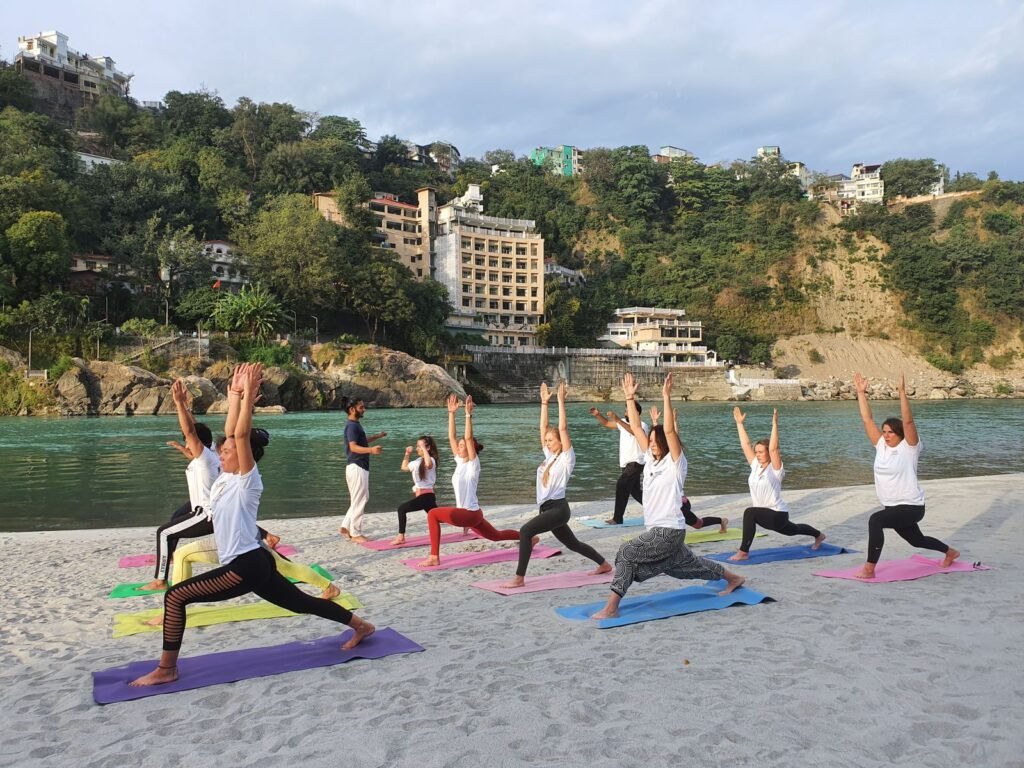
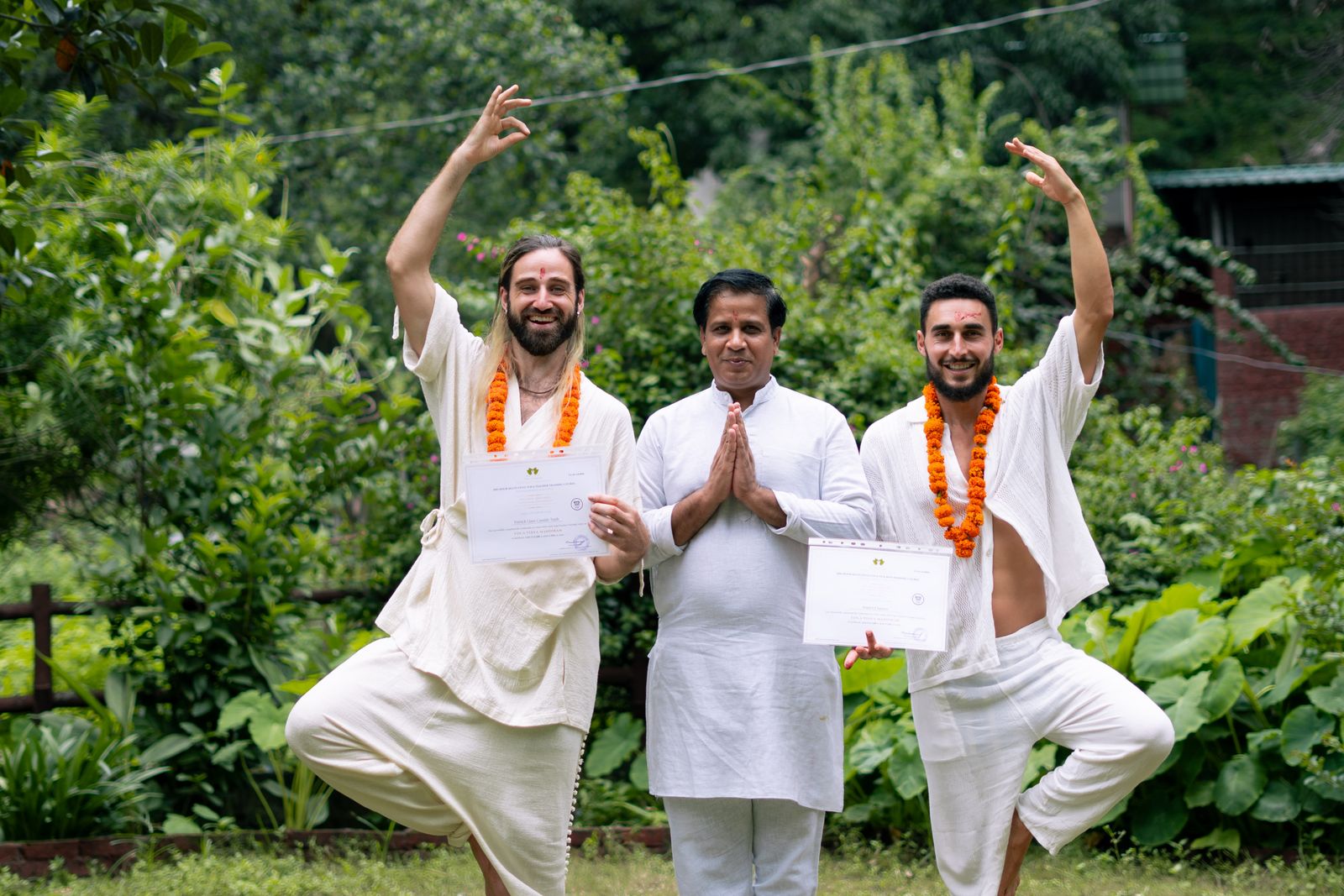
Rishikesh, on the banks of the Ganges in the foothills of the Himalayas, is widely referred to as the Yoga Capital of the World, and it hosts one of the largest concentrations of Yoga Alliance-registered schools anywhere. A 200 hour yoga teacher training in Rishikesh typically includes daily practice on ashram grounds or riverside decks, satsangs (evening spiritual gatherings), a stronger philosophical and traditional emphasis than many Western-style studios, and access to teaching lineages that have operated in the town for decades. Because so many schools compete for students here, course fees are often more affordable than equivalent trainings in Europe or North America, even after factoring in international travel. When comparing a 200 hour yoga ttc in Rishikesh, look past marketing claims of being the “best 200 hour yoga teacher training in Rishikesh” and instead check Yoga Alliance registration status, the lead teacher’s certification lineage, class size (smaller groups mean more individual correction), and whether the syllabus splits hours across all five required categories rather than being almost entirely asana practice.
What Does a 200 Hour Yoga Teacher Training Course in Rishikesh Actually Look Like Day to Day?
Most 200 hour yoga teacher training course in Rishikesh programs follow a similar daily rhythm: an early wake-up around 5:30-6:00 am, a morning meditation or pranayama session, a two to three hour asana practice, breakfast, a mid-morning lecture on anatomy or philosophy, a rest block, an afternoon alignment or teaching methodology class, a second asana or workshop session in the late afternoon, and an evening satsang or self-study period before lights out. Sundays are typically reserved for rest, excursions to nearby waterfalls or temples, or optional yoga-adjacent activities. This structure repeats for the full three to four weeks, with intensity building gradually so that trainees are physically and mentally prepared for the final practicum and written assessment in the last week.
200 Hour Yoga Teacher Training in Goa: A Different Atmosphere
Goa offers a markedly different training environment from Rishikesh: beach-adjacent shalas, a more relaxed and less overtly religious atmosphere, and a strong presence of Ashtanga and Vinyasa-style schools alongside traditional Hatha programs. A 200 hour yoga teacher training in Goa tends to attract a more international, younger crowd and often runs during the cooler months from November through March, since the region’s tropical climate makes summer training impractical. Many students specifically choose a 200 hour yoga teacher training in Goa because they want the discipline of a serious YTT alongside downtime for beach walks and cafes, a lighter overall pace outside class hours compared with the more ashram-style immersion typical of Rishikesh programs. Both locations produce Yoga Alliance-recognised RYT-200 credentials of equal standing; the choice comes down to atmosphere and personal preference rather than certification quality.
Is a 200 Hour Yoga Teacher Training Course in India Worth It Compared to Home Country Options?
Cost and depth are the two biggest differentiators. A residential 200 hour yoga teacher training in India commonly costs a fraction of an equivalent program in the US, UK, or Australia, even including flights, largely because of lower accommodation and instructor costs and because many Indian ashrams and schools include boarding and meals in the course fee. Beyond price, training in India places you inside the cultural and historical context yoga emerged from, with access to Sanskrit chanting, temple visits, and teachers trained within long-standing traditional lineages. The tradeoff is time away from work and family, and the need to adapt to a different climate, food, and daily routine. For many career-focused students, this is precisely the appeal: a decisive, immersive break that produces both a certification and a personal transformation that a scattered weekend course rarely delivers.
200 Hour Yoga Teacher Training in Bangalore: The Urban Alternative
Not every aspiring teacher wants to travel to a spiritual town or beach destination. A 200 hour yoga teacher training in Bangalore suits working professionals who want a recognised credential without relocating, often structured as weekend batches over several months or short residential intensives during long weekends. Bangalore’s yoga schools frequently draw on a mix of traditional Hatha and modern alignment-based approaches, and the city’s professional environment means cohorts often include working adults balancing the course with full-time jobs. If you are weighing an urban Indian city training against a Rishikesh or Goa immersion, consider whether you want the retreat-like disconnection of an ashram setting or the convenience of returning home each evening while still completing a Yoga Alliance-recognised curriculum.
How Does Online 200 Hour Yoga Teacher Training Compare to In-Person?
Live, instructor-led 200 hour yoga teacher training online programs have matured significantly, and Yoga Alliance recognises online-delivered RYS 200 hours provided the school meets its distance-learning standards, including live interaction, recorded feedback on student teaching, and proctored assessments. The core advantage of online training is flexibility: you keep working, sleep in your own bed, and study around family commitments. The core tradeoff is reduced hands-on correction, since a teacher cannot physically adjust your alignment through a screen, so strong online programs compensate with video submissions, small breakout groups, and detailed written feedback. If your ultimate goal is teaching primarily in online or hybrid formats, such as guiding online yoga classes yourself, training in that same medium can be directly relevant preparation, since you learn to cue verbally with the same precision you will later need with remote students.
What Should You Look for When Choosing a School?
Selecting a program is less about location and more about the school’s substance. Confirm four things before enrolling: Yoga Alliance RYS 200 registration, searchable on Yoga Alliance’s own directory; the lead teachers’ individual credentials and years of teaching experience; a detailed hour breakdown across the five required categories, since a program that is 90 percent asana practice may be pleasant but will leave gaps in anatomy and methodology; and honest reviews from past graduates about food, accommodation, and teaching quality rather than only polished marketing testimonials. It’s also worth asking how many students are typically in a cohort, since a class of 40 will offer far less individual feedback than a class of 12. Finally, ask what happens after the practicum: does the school offer any mentorship, a teacher directory listing, or guidance on finding your first opportunities to explore yoga courses you might teach yourself one day?
What Happens After You Complete the Training?
Graduating from a Yoga Alliance-registered 200 hour yoga teacher training course makes you eligible to apply for RYT-200 status directly with Yoga Alliance, which involves submitting your certificate and completing an online application. From there, most new teachers start by assisting senior teachers, covering substitute classes at local studios, or building a small private client base, sometimes alongside a day job. Many graduates continue into specialised trainings, such as prenatal yoga, yin yoga, or a 300-hour advanced program that combines with the original 200 hours toward the 500-hour RYT-500 credential. Building a teaching career takes time regardless of where you trained; the certificate opens the door, but consistency, continuing education, and developing your own teaching voice are what sustain a long-term career.
How Physically Demanding Is the Training?
Expect two structured practice sessions most days, totalling two to four hours of asana work, on top of lectures, group discussions, and self-study. This is considerably more demanding than a typical weekly studio class, and most schools recommend building a consistent personal practice for at least three to six months before enrolling, so your body is accustomed to daily movement. That said, physically demanding does not mean you need advanced flexibility or strength beforehand; teacher trainings are designed to build capacity progressively, and instructors offer modifications for common limitations. If you have a pre-existing injury or condition, it’s worth reviewing foundational guidance such as yoga for beginners or discussing your specific situation directly with the school before committing to a residential intensive.
What Is the Realistic Cost Range?
Course fees vary enormously by location, inclusions, and school reputation. In India, residential programs that include tuition, shared accommodation, and vegetarian meals commonly fall within a moderate range that is substantially lower than most Western in-person equivalents, though luxury retreat-style schools and premium beachfront locations in Goa price considerably higher. Online programs are typically the most affordable option since there is no accommodation or travel cost, but they still charge for instructor time, video review, and the Yoga Alliance registration fees the school pays on your behalf. Always ask exactly what is included, such as meals, laundry, airport pickup, and certificate registration fees, since headline prices can look similar while hiding very different total costs.
Questions People Ask About 200 Hour Yoga Teacher Training
Do I need to be flexible or advanced to join a 200 hour yoga teacher training?
No. Schools expect a consistent personal practice, generally three to six months of regular yoga, but not advanced flexibility or strength. Teacher trainings are structured to build your practice progressively, with modifications offered for every posture. What matters more than flexibility is commitment: the discipline to attend daily sessions, absorb the philosophy and anatomy material, and practice teaching in front of peers.
Is the 200 hour certificate recognised internationally?
Yes, provided the school is registered with Yoga Alliance as an RYS 200 school. Yoga Alliance is the most widely recognised credentialing body globally, and studios, gyms, and retreat centers across most countries accept RYT-200 status as a baseline hiring requirement. It’s worth verifying a school’s active registration on Yoga Alliance’s own directory rather than relying solely on the school’s website claims.
Can I teach yoga professionally right after finishing a 200 hour course?
Yes, a completed 200 hour yoga teacher training qualifies you to teach general-level classes, and many graduates begin teaching within weeks of finishing. Most new teachers start with substitute classes, community sessions, or small private groups while building experience and confidence, since practical teaching hours matter as much as the certificate itself in developing your voice and sequencing skills.
What is the difference between a 200 hour and a 300 hour yoga teacher training?
The 200 hour training is the foundational, entry-level certification covering core asana, philosophy, anatomy, and teaching methodology. A 300 hour training is an advanced program taken after the 200 hour, going deeper into specialised topics like therapeutic applications, subtle body anatomy, and advanced sequencing. Completing both combines toward the 500-hour RYT-500 credential recognised by Yoga Alliance.
Should I choose Rishikesh, Goa, or an online 200 hour yoga teacher training?
All three can lead to the same RYT-200 credential if the school is Yoga Alliance-registered. Rishikesh suits students wanting a traditional, ashram-style immersion; Goa suits those wanting a similar intensity with a more relaxed, beach-adjacent atmosphere; and online training suits those who cannot travel or prefer to keep working while studying. The right choice depends on your schedule, budget, and whether you value in-person hands-on correction over flexibility.
How do I know if a yoga school’s 200 hour course is legitimate?
Check the school’s Registered Yoga School status directly on the Yoga Alliance website, review the detailed hour breakdown across all five required curriculum categories, and read graduate reviews focused on teaching quality rather than only marketing testimonials. Legitimate schools are transparent about lead teacher credentials, cohort size, and exactly what is included in the course fee.
Try This for Yourself
If you want to experience guided, structured yoga instruction before committing to a full teacher training, start with live online yoga classes to build consistency in your personal practice, get familiar with different styles, and grow comfortable with the vocabulary and cueing that a 200 hour program will build on.
Related reading: yoga instructor jobs, yoga teacher training in Rishikesh, yoga courses, yoga certificate course, and explore online yoga classes to start your practice today.