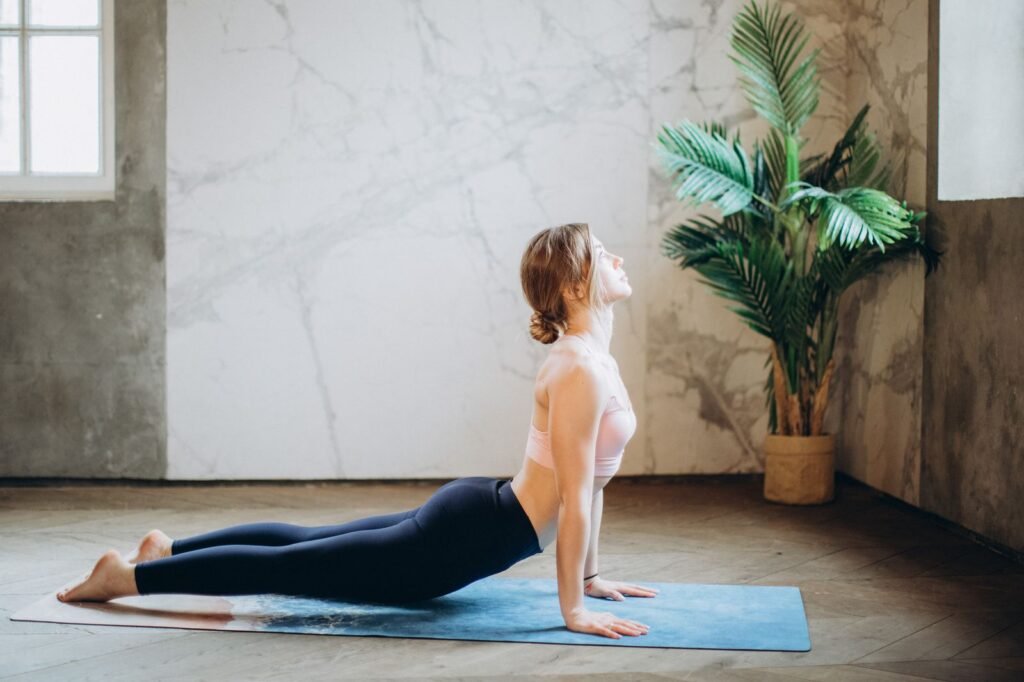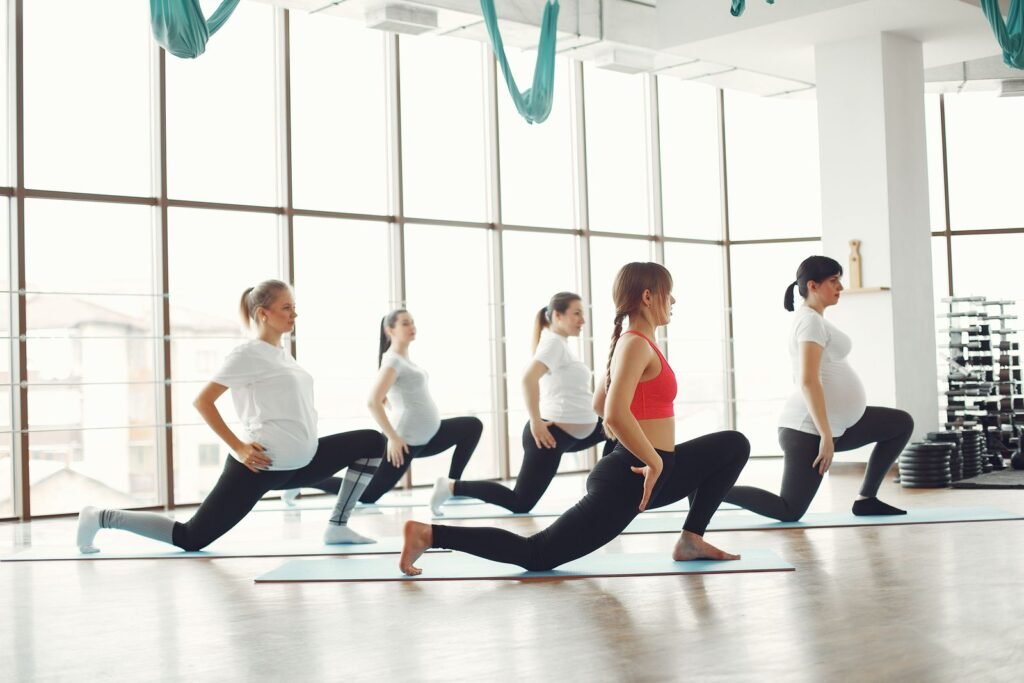
Yoga for pregnant women is a set of modified poses, breathing techniques, and relaxation practices designed to support the body through each trimester while easing common discomforts like back pain, swelling, and sleep trouble. The safest approach removes deep twists, prone (belly-down) positions, and extended time flat on the back, replacing them with wide-legged stances, supported seated stretches, and side-lying rest. Most healthcare providers consider yoga safe for uncomplicated pregnancies from the second trimester onward, though a quick check-in with your OB-GYN or midwife before starting is always worth doing, especially if you’re new to exercise, carrying multiples, or managing a high-risk pregnancy.
Why Do Pregnant Women Practice Yoga?
Pregnant women turn to yoga for a mix of physical relief and emotional steadiness that few other forms of movement offer together. As the belly grows, the center of gravity shifts forward, pulling on the lower back and hips; gentle yoga poses counteract that pull by mobilizing the spine and strengthening the muscles that support posture. Beyond the physical side, the breathing practices taught in almost every prenatal-style class double as labor-preparation tools, training the kind of slow, controlled exhale that helps during contractions. Many women also describe the dedicated, phone-free hour of a class as one of the more valuable parts of the practice, a pattern also seen in general yoga for stress relief and yoga for anxiety routines. Unlike higher-impact workouts, yoga can be scaled to almost any fitness level, which is part of why it remains one of the most searched exercise options across every stage of pregnancy.
Is Yoga Safe for Pregnant Women?
Yes, for the majority of pregnancies without complications, yoga is considered one of the safer forms of exercise available, provided the sequence is modified specifically for pregnancy rather than borrowed from a general class. The main safety adjustments are avoiding lying flat on the back for extended periods after roughly week 16 to 20, since the weight of the uterus can compress a major vein and reduce blood flow to the placenta; skipping deep, closed abdominal twists; and steering clear of hot yoga rooms entirely, since overheating is one of the most consistently flagged risks in pregnancy exercise guidance. Balance also becomes a genuine consideration as the pregnancy progresses, so poses that once felt stable, like standing balances, need a wall, chair, or wider stance for support. Any bleeding, sharp pain, dizziness, contractions, fluid leakage, or reduced fetal movement during or after practice should be reported to a healthcare provider right away rather than waited out.
What Are the Best Yoga Poses for Pregnant Women?
The best yoga poses for pregnant women prioritize stability, gentle mobility, and pelvic-floor awareness over depth or intensity:
- Cat-Cow (Marjaryasana-Bitilasana): one of the most commonly recommended options because it mobilizes the spine and relieves pressure on the sciatic nerve without any balance demand.
- Wide-legged Child’s Pose: gives the belly room while still offering a resting stretch through the hips and lower back.
- Supported Warrior II: performed near a wall, builds leg strength without the deep balance challenge of a full standing sequence.
- Seated Butterfly Pose (Baddha Konasana): opens the hips in preparation for labor.
- Modified Cobbler’s Pose: performed against a wall, offers a gentler variation on the same hip-opening movement.
- Side-Lying Savasana: replaces the traditional flat-on-the-back version for final relaxation.
Together, these form the backbone of most prenatal yoga sequences taught in group classes.
What Yoga Positions Should Pregnant Women Avoid?
Certain yoga positions carry enough risk during pregnancy that most instructors exclude them entirely once a bump becomes noticeable. Deep backbends like full Wheel Pose put excessive strain on an already stretched abdominal wall. Inversions such as headstand or shoulder stand carry a meaningful fall risk as balance shifts, and any pose requiring you to lie prone on the belly becomes impractical, then unsafe, as the pregnancy progresses. Deep closed twists that compress the abdomen should be replaced with open twists that rotate from the shoulders instead. Hot yoga and any heated practice room should be avoided outright, since core body temperature regulation changes during pregnancy. Experienced practitioners with an established inversion practice sometimes continue modified versions with close instructor supervision well into the second trimester, but this is very much the exception rather than a general recommendation.
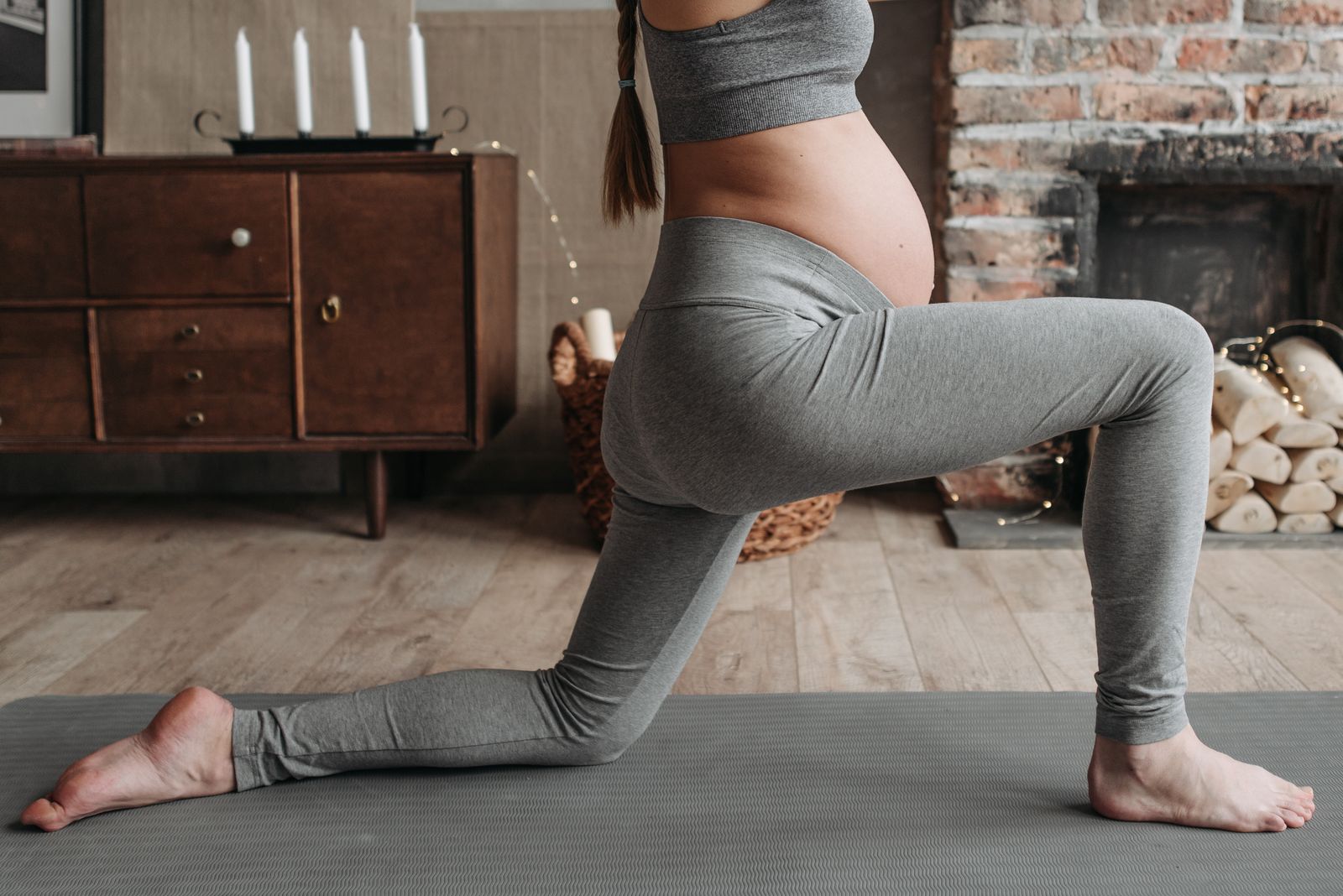
How Do Yoga Asanas for Pregnant Women Change by Trimester?
Yoga asanas for pregnant women shift noticeably as the pregnancy advances through each trimester. In the first trimester, many women continue a familiar, gentle practice with only minor modifications, since the bump isn’t yet a physical obstacle, though fatigue and nausea often mean shorter, slower sessions. The second trimester is when most of the structural changes begin: standing poses widen for balance, props like bolsters and blocks appear more often, and any remaining backbends or twists get gentler. By the third trimester, sequences lean heavily into hip-opening poses, supported restorative positions, and breathing work aimed squarely at labor preparation, with standing balance poses trimmed back further as the center of gravity keeps shifting. A well-taught class adjusts asana selection week to week rather than running one fixed sequence for nine months.
How Often Should Pregnant Women Do Yoga?
Two to four sessions per week of 30 to 60 minutes each is a common target for pregnant women who are already reasonably active, though the right frequency depends heavily on energy levels, trimester, and how a given pregnancy is progressing. Shorter, more frequent sessions, even 15 minutes of gentle stretching and breathing, tend to work better than occasional long classes during the exhausting stretches of the first and third trimesters. Consistency matters more than duration: a short daily practice of Cat-Cow, hip circles, and diaphragmatic breathing builds the same mobility and breath-control benefits as a longer weekly class, just spread more evenly. Providers generally recommend against suddenly increasing frequency or intensity beyond what the body was doing pre-pregnancy, since pregnancy is not the time to build new fitness capacity but rather to maintain what’s already there.
What Are Yoga Positions for Pregnant Women in Each Trimester?
Yoga positions for pregnant women are typically grouped by what each trimester’s body can comfortably manage. First-trimester positions often include seated forward folds, gentle spinal twists that rotate from the upper back rather than the belly, and standard Cat-Cow, since the abdomen isn’t yet a limiting factor. Second-trimester positions add supported standing poses like Warrior II near a wall, wide-legged Child’s Pose, and side-lying rest instead of anything prone or fully supine. Third-trimester positions lean into deep hip openers like Butterfly Pose, supported squats to help prepare the pelvis for labor, and extended breathing sessions in a reclined, propped position rather than flat on the back. Moving through positions in this sequence, rather than picking randomly from a general class, is what separates a genuinely pregnancy-safe practice from one that merely avoids the most obvious risks.
Can Beginners Start Yoga While Pregnant?
Yes, pregnancy is actually one of the more beginner-friendly times to start yoga, precisely because classes built for this audience are designed for a wide range of starting fitness levels, from women who ran marathons before conceiving to those who’ve never set foot on a mat. A good instructor offers modifications for every pose, uses props generously, and prioritizes alignment and safety over stretch depth. Anyone nervous about trying yoga for the first time while pregnant should look for a class explicitly labeled for pregnancy rather than joining a general beginners’ yoga class, since a general instructor may not know which cues and modifications matter for a growing belly and loosening joints. Reviewing types of yoga beforehand can also help in choosing a style, like gentle Hatha, over something more vigorous like Ashtanga or power yoga.
How Do You Find Yoga for Pregnant Women Near Me?
Finding a qualified class starts with checking whether a studio or instructor explicitly labels a session “prenatal” or “pregnancy yoga,” rather than assuming a general class will accommodate pregnancy safely. Local studios, hospital wellness centers, and community recreation programs are the most common places to find in-person options, and many will let you trial a single class before committing to a package. When searching for yoga for pregnant women near me, it’s worth calling ahead to ask about the instructor’s pregnancy-specific training, class size, and whether props like bolsters and blocks are provided or need to be brought. If nothing suitable turns up locally, or scheduling around appointments and fatigue makes a fixed weekly slot impractical, online yoga classes remove the location constraint entirely while still offering live instructor feedback.
What Should You Look for in a Prenatal Yoga Instructor?
A qualified instructor for pregnant students should hold pregnancy-specific training in addition to a standard yoga teacher certification, since this specialized coursework covers anatomy changes across each trimester, contraindicated poses, and how to cue modifications in real time as a student’s needs shift week to week. When evaluating a teacher, ask directly how much specialized coursework they’ve completed and how they handle common situations, like a student experiencing round ligament pain or needing to skip certain poses after a specific diagnosis. A good instructor will also ask questions before class, covering trimester, any pregnancy complications, and general fitness background, rather than treating every pregnant student identically. This individualized approach is a meaningful difference between a class that happens to allow pregnant students and one genuinely designed around this specific stage of life, similar in spirit to how yoga during pregnancy programs are structured around trimester-specific needs.
Online vs In-Person Yoga for Pregnant Women: Which Works Better?
Both formats can work well, and the better choice usually comes down to logistics rather than one being universally superior.
| Factor | In-Person Classes | Online Yoga |
|---|---|---|
| Hands-on adjustments | Instructor can physically check and correct form | Limited to verbal and visual cues |
| Social connection | Practicing alongside other pregnant women | Minimal, unless a live group format |
| Scheduling flexibility | Fixed class times, commute required | Live or on-demand, no commute |
| Privacy to pause or skip poses | Under observation | Private, at your own pace |
A hybrid approach, attending an occasional in-person session for hands-on feedback while doing shorter online sessions on busier days, is a practical middle ground many instructors recommend. This mirrors broader adoption patterns seen across online yoga classes generally, where flexibility around unpredictable schedules is consistently cited as the main draw.
What Happens to Yoga Practice After Birth?
Once a provider clears exercise after delivery, typically around six weeks for a vaginal birth and somewhat longer after a cesarean, postnatal yoga becomes the natural next step. Postnatal classes focus on rebuilding core and pelvic-floor strength gradually, addressing diastasis recti if present, and working around the physical realities of recovery and new-parent sleep deprivation. Many instructors who teach pregnancy-focused classes also teach postnatal sessions, which smooths the transition since they’re already familiar with a student’s pregnancy history. The full arc, from early pregnancy through labor preparation and into postnatal recovery, is increasingly taught as one continuous program rather than three separate, disconnected phases.
How Does Yoga Compare to Other Pregnancy-Safe Exercise?
Compared to walking, swimming, or prenatal Pilates, yoga’s distinct advantage is the built-in breathing and relaxation component alongside the physical practice, which maps directly onto labor preparation in a way pure cardio doesn’t. Swimming offers similarly joint-friendly, low-impact benefits and is particularly good for swelling relief, but doesn’t include the same structured breathing practice. Prenatal Pilates overlaps with yoga in its focus on core and pelvic-floor stability but tends to be more repetition-based and less oriented toward relaxation and mindfulness. For pregnant women managing anxiety or sleep disruption alongside physical discomfort, the meditative component that yoga shares with practices like yoga nidra and general meditation tends to make it the more well-rounded single option, though combining two or three of these activities across the week is common and often recommended by prenatal fitness specialists. Reviewing the broader benefits of yoga can help clarify why it’s so often recommended alongside, rather than instead of, other pregnancy-safe movement.
What Common Mistakes Should Pregnant Women Avoid in Yoga?
The most frequent mistake is continuing pre-pregnancy intensity habits, particularly pushing into a deeper stretch because it “feels fine,” since pregnancy hormones like relaxin can mask the discomfort that would normally signal a joint is being overstretched. A second common mistake is skipping a check-in with the instructor before the first class, which means the teacher can’t tailor cues to a specific trimester or complication. A third is holding the breath during poses, a habit sometimes carried over from more vigorous styles like vinyasa, when steady, continuous breathing is actually one of the central skills a pregnancy-focused practice is meant to build. Finally, some pregnant women stop moving entirely out of caution when appropriately modified movement, including gentle yoga for back pain relief, tends to reduce rather than increase common pregnancy discomforts. Reviewing broader yoga for beginners guidance can help newcomers avoid these missteps from day one.
Questions People Ask About Yoga for Pregnant Women
Can pregnant women do yoga every trimester?
Yes, with different emphases each trimester. The first trimester often continues familiar gentle poses, the second introduces more props and standing-pose modifications as balance shifts, and the third focuses heavily on hip-opening, breathing, and labor-preparation work. Poses are adjusted continuously as the pregnancy progresses rather than following one fixed routine throughout.
What yoga poses should be avoided during pregnancy?
Deep backbends, inversions like headstands and shoulder stands, prone belly-down poses, deep closed twists, and hot yoga should generally be avoided. These carry elevated risk from balance changes, abdominal compression, or overheating. A pregnancy-specific instructor can suggest safer alternatives, like open twists or supported standing poses, that offer similar benefits without the added risk.
Is it safe to start yoga for the first time while pregnant?
Yes, pregnancy-focused yoga classes are specifically designed to welcome complete beginners alongside experienced practitioners. Instructors offer modifications for every pose and prioritize alignment over depth of stretch. Look for a class explicitly labeled for pregnancy rather than a general class, so cues and modifications match this specific stage of life.
How long should a pregnant woman practice yoga each session?
Sessions of 30 to 60 minutes are typical, two to four times per week, though shorter 15-minute sessions of gentle stretching and breathing work well during especially tiring stretches of the first and third trimesters. Consistency matters more than length; a short daily practice builds similar mobility and breath-control benefits as a longer weekly class.
Can yoga help prepare the body for labor?
Yes, many yoga poses and breathing techniques used during pregnancy directly support labor preparation. Hip-opening poses like Butterfly Pose build flexibility useful during delivery, while slow, controlled breathing practices train the kind of extended exhale that helps manage contractions. These skills are typically built gradually across the second and third trimesters rather than learned in a single session.
Do I need a doctor’s approval before starting yoga during pregnancy?
It’s generally recommended, especially for anyone new to exercise, carrying multiples, or managing a high-risk pregnancy. Most healthy, low-risk pregnancies can safely begin a modified yoga practice, but a quick conversation with an OB-GYN or midwife helps flag anything specific to that pregnancy before starting, including any poses or positions to avoid entirely.
Try This for Yourself
Reading about yoga poses and modifications for pregnancy is a useful starting point, but a live, guided class makes a real difference when you need cues on alignment, breathing, and pacing tailored to your exact trimester. Join FitStrot’s online yoga classes to work with an instructor trained in pregnancy-safe sequencing who can build a personalized routine around your due date, energy levels, and anything your doctor has flagged.
Related reading: Prenatal Yoga, Yoga During Pregnancy, Postnatal Yoga, Yoga for Beginners, and FitStrot’s Online Yoga Classes.