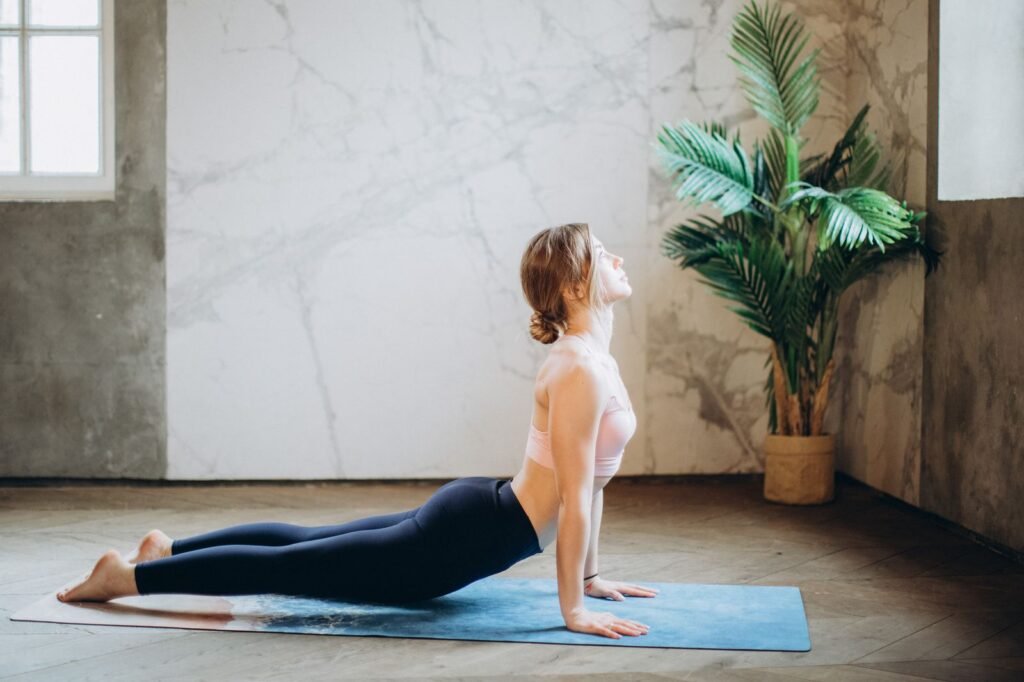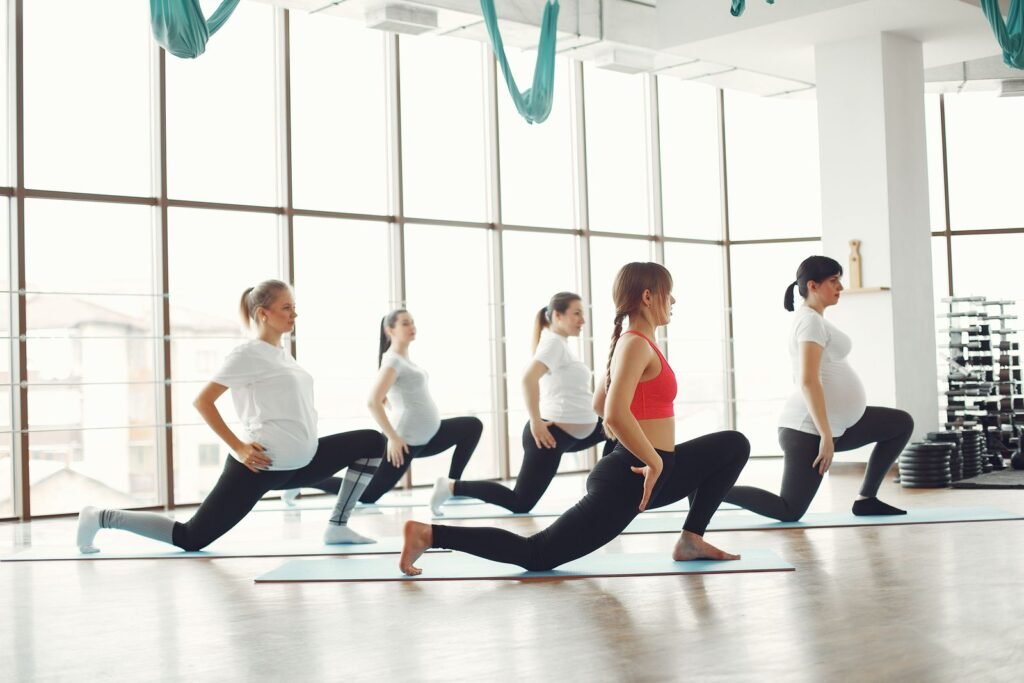
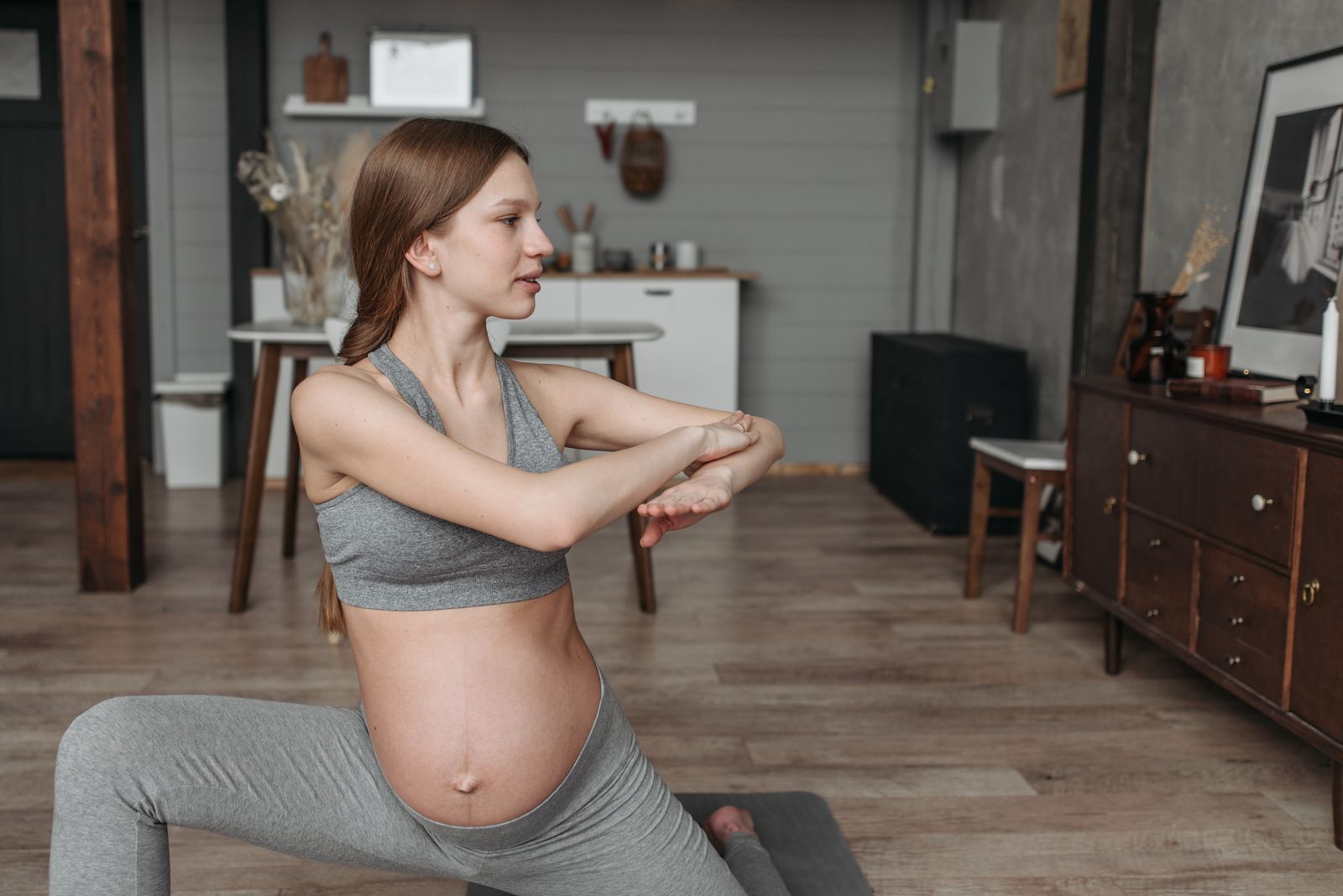
Yes, yoga during pregnancy is generally safe and beneficial for most women with uncomplicated pregnancies, and can typically be practiced from the first trimester through to birth once your doctor has cleared you for exercise. Gentle, pregnancy-adapted styles such as prenatal Hatha, restorative yoga, and supported stretching help ease back pain, improve sleep, build the stamina needed for labor, and calm the nervous system. The key is choosing a class or sequence designed specifically for pregnant bodies, avoiding certain poses and positions trimester by trimester, and always checking in with your obstetrician or midwife first, especially if you have a high-risk pregnancy.
Is Yoga Safe During Pregnancy?
For most healthy pregnancies, yoga is considered one of the safer forms of exercise available, precisely because it can be scaled to almost any fitness level and adapted as the body changes month by month. The practice emphasizes controlled breathing, steady balance, and gradual stretching rather than high-impact movement, which is why so many prenatal fitness programs are built around it. That said, “safe” does not mean “one size fits all.” A studio class built for general fitness may include deep twists, strong core work, or long holds in hot rooms that are inappropriate once you are expecting. This is why searches for prenatal yoga and yoga for pregnant women return different results than a generic beginner class: the sequencing, pacing, and pose selection are deliberately modified for pregnancy.
Doctors generally advise against yoga during pregnancy only in specific circumstances: a history of preterm labor, cervical insufficiency, placenta previa, severe anemia, or other conditions your care provider flags as high risk. Outside of those situations, most obstetric guidance supports continuing or starting a gentle movement practice, since staying sedentary for nine months carries its own risks of stiffness, poor circulation, and excess weight gain.
When to Start Yoga During Pregnancy
Many expecting mothers ask specifically when to start yoga during pregnancy, and the honest answer is that it depends on your prior experience and your doctor’s clearance. If you already had an established yoga practice before conceiving, you can typically continue gentle sessions almost immediately after finding out you are pregnant, with modifications introduced as soon as you know. If you are completely new to yoga, most prenatal instructors recommend waiting until after the first trimester, around week 13 to 14, once the higher-risk early weeks have passed and morning sickness has usually settled enough to allow steady practice.
There is no single fixed week that applies to everyone. What matters more is a short conversation with your obstetrician or midwife at your next prenatal visit, where you confirm there are no complications that would make movement inadvisable. Once cleared, starting with two short 20-minute sessions a week and building up gradually is a sensible, low-risk approach.
Can We Do Yoga During Pregnancy? What the Evidence Suggests
Research into prenatal exercise, including yoga specifically, generally points toward benefits for both mother and baby when the practice is appropriately modified. Structured breathing and gentle movement are commonly associated with reduced pregnancy-related anxiety and improved sleep quality, while stretching-based routines are frequently linked to reduced lower back and pelvic discomfort, which affects the majority of pregnant women at some point. Because pregnancy exercise research varies in study size and design, it is more accurate to describe these as consistently reported associations rather than guaranteed outcomes for every individual, and any specific concern should always be discussed with your own care provider rather than inferred from general findings.
Yoga During Pregnancy First Trimester: What Changes
The first trimester, roughly weeks 1 through 12, is the period requiring the most caution, not because yoga itself is dangerous, but because this is when the risk of early pregnancy loss is naturally highest regardless of activity level. During yoga during pregnancy first trimester sessions, instructors typically avoid deep twists that compress the abdomen, strong core-engaging poses like full boat pose, hot or heated rooms, and any pose requiring you to lie flat on your stomach.
Nausea and fatigue are also common in these early weeks, so pacing matters as much as pose selection. A slower practice with more rest between movements, plenty of hydration, and permission to skip a session entirely on a rough day will serve you better than pushing through discomfort. If you are new to the practice, this is also a good moment to read up on yoga for beginners fundamentals like breath awareness and basic alignment, since these principles carry directly into prenatal practice later on.
Second Trimester: Building a Steady Practice
The second trimester, roughly weeks 13 through 27, is often described as the most comfortable window of pregnancy, and many women find this the easiest time to build a consistent yoga habit. Energy levels typically rebound, morning sickness usually eases, and the belly has not yet grown large enough to significantly limit balance. This is the stage where most prenatal yoga programs introduce standing poses like modified Warrior II, wide-legged forward folds, and gentle hip-opening sequences.
From roughly week 16 onward, most guidance recommends avoiding poses that involve lying flat on your back for extended periods, since the weight of the growing uterus can compress a major vein and reduce blood flow. Side-lying positions and propped, semi-reclined variations are the standard substitution. This is also a natural point to explore yoga for flexibility concepts, since joint-loosening hormones like relaxin are more active now, making overstretching a genuine risk even though flexibility itself feels easier to access.
Third Trimester: Preparing for Labor
By the third trimester, weeks 28 through birth, the focus of a prenatal practice typically shifts from strength and flexibility toward comfort, breath control, and labor preparation. Balance becomes more challenging as the center of gravity moves forward, so wall support, chairs, and blocks become regular props rather than occasional aids. Deep backbends, inversions, and any pose requiring quick changes in direction are generally avoided at this stage.
Many instructors introduce pelvic tilts, supported squats to build endurance for labor positions, and extended pranayama sessions to practice the kind of steady, controlled breathing useful during contractions. This is also when many women transition their attention toward what comes after birth, exploring how postnatal yoga will support core and pelvic floor recovery once the baby has arrived.
What Is Butterfly Yoga During Pregnancy?
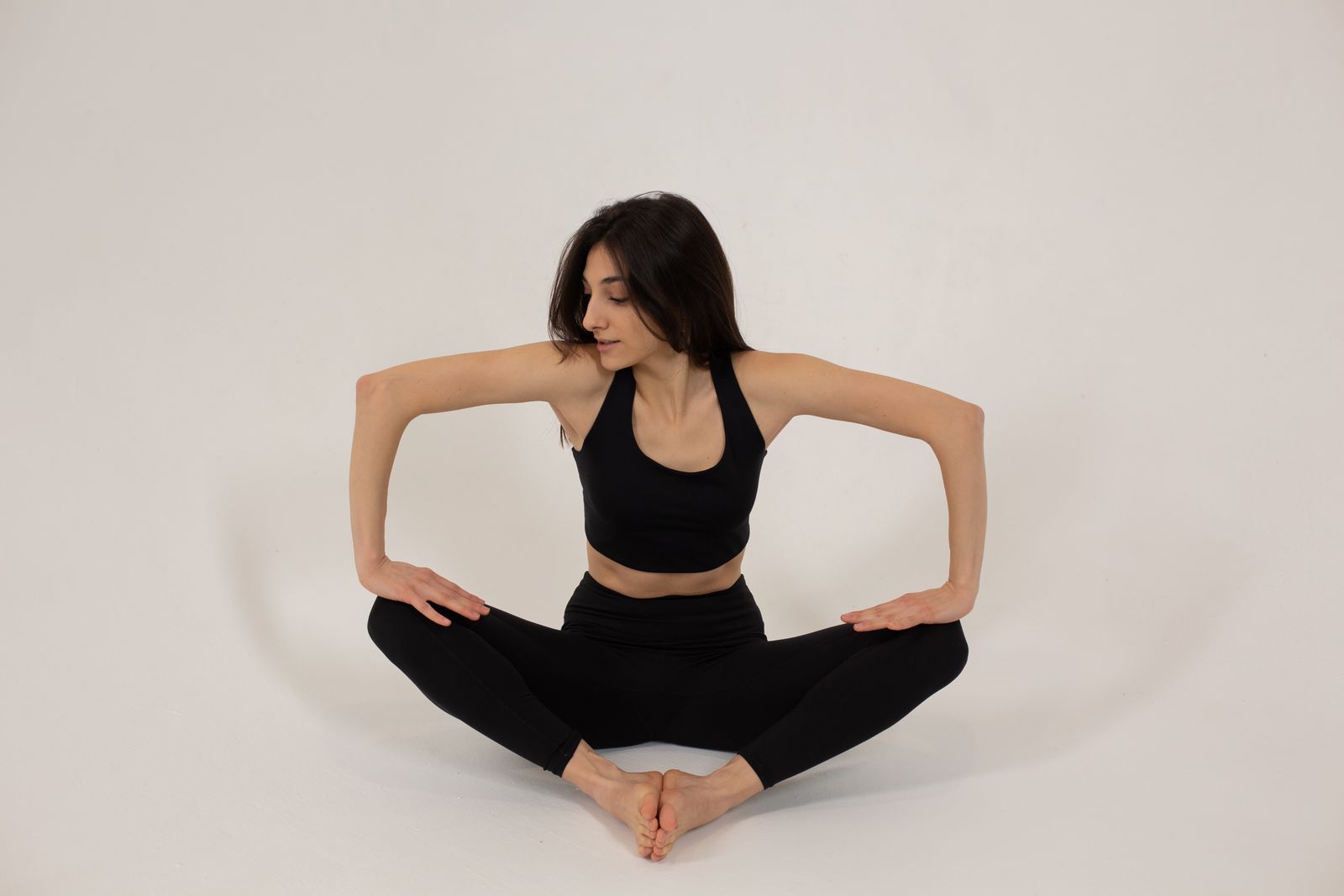
Butterfly pose, also called Baddha Konasana or bound angle pose, is one of the most frequently recommended postures across every trimester, which explains why butterfly yoga during pregnancy is such a common search. To perform it, sit with your spine tall, bring the soles of your feet together, and let your knees fall open toward the floor, using cushions or blocks under the knees if the stretch feels too intense. A gentle rocking motion, sometimes called “butterfly flaps,” is often added to encourage circulation and hip mobility.
This pose is valued in prenatal practice because it opens the hips and inner thighs without requiring any twisting, backbending, or abdominal compression, making it one of the lowest-risk stretches available at any stage of pregnancy. It is frequently used to relieve pelvic and lower back tension, and many childbirth educators also recommend it as gentle preparation for the hip openness needed during labor. It pairs naturally with other supported seated postures covered in a broader look at hip-opening yoga poses.
Which Yoga Poses Should Be Avoided During Pregnancy?
Regardless of trimester, certain categories of poses are consistently flagged as inappropriate during pregnancy by prenatal instructors and physiotherapists:
- Deep abdominal twists that compress the belly
- Full inversions such as headstand or shoulder stand, unless you are a highly experienced practitioner working one-on-one with a qualified prenatal teacher
- Intense backbends like full wheel pose
- Prone poses that require lying on the stomach
- Heated room poses, since elevated core body temperature in early pregnancy has been linked in some research to developmental concerns
- Jumping transitions common in faster-paced styles like vinyasa yoga, since sudden movements increase fall risk as balance shifts throughout pregnancy
What Are the Benefits of Prenatal Yoga?
Beyond general fitness, a consistent prenatal yoga practice is commonly associated with a range of specific benefits reported by both practitioners and expecting mothers:
- Reduced lower back and pelvic girdle pain
- Better sleep quality, as the body becomes heavier and more difficult to position comfortably
- Improved circulation that can ease swelling in the ankles and feet
- A calmer nervous system through the regular practice of slow, controlled breathing
- An easier transition into labor for women who have practiced breath control techniques regularly beforehand, since the same pranayama patterns used in a calm studio setting translate directly into coping tools for contractions
For a broader look at how these effects extend beyond pregnancy, see this overview of the benefits of yoga generally.
How Does Prenatal Yoga Compare to Regular Yoga Classes?
The biggest difference between a standard studio class and a prenatal-specific one is not the philosophy behind the practice but the physical modifications applied throughout. A regular Hatha yoga or general flow class assumes a body that can twist deeply, lie flat on its stomach, and hold strong core engagement for extended periods. A prenatal class assumes none of that, and instead builds every sequence around a changing center of gravity, loosening joints, and a growing belly that needs room to breathe. Instructors trained specifically in prenatal work also tend to spend more time on props, side-lying rest positions, and pelvic floor awareness, topics that rarely come up in a general class.
If you cannot access a dedicated prenatal class, the safer path is to inform any instructor that you are pregnant before class begins and ask for modifications, rather than assuming you can adapt a general sequence on your own in real time.
Can Yoga Help With Common Pregnancy Discomforts?
Many of the physical complaints that come with pregnancy respond well to targeted, gentle movement. Lower back pain, one of the most frequently reported discomforts as the belly grows and posture shifts, often eases with cat-cow stretches, supported forward folds, and pelvic tilts, similar to techniques covered in general guidance on yoga for back pain. Swelling in the feet and ankles can improve with poses that elevate the legs against a wall in the earlier trimesters, while sciatic discomfort, common in the third trimester as the baby’s position shifts, often responds to gentle hip-opening postures like butterfly pose and modified pigeon variations.
Sleep disruption is another common complaint, and a short restorative sequence before bed, paired with slow breathing, is frequently recommended as a non-medication approach to settling the body before rest.
How Often Should You Practice Prenatal Yoga?
Most prenatal instructors recommend two to three sessions per week of 20 to 45 minutes as a sustainable starting point, rather than daily long sessions, especially if you are new to the practice. Consistency matters more than duration here: three short sessions spread across the week tend to produce better comfort and mobility outcomes than one long session followed by several days of inactivity. As pregnancy progresses and energy naturally fluctuates, it is entirely reasonable to shorten sessions or swap an active class for a purely restorative one focused on breathing and gentle stretching.
What Should You Look for in an Online Prenatal Yoga Class?
Practicing from home has become one of the more popular ways to fit prenatal yoga into a busy schedule, particularly for women managing fatigue or nausea who prefer not to commit to travel time. When evaluating an online option, look for classes explicitly labeled as prenatal or pregnancy-safe rather than general beginner content, instructors who explain modifications for each trimester rather than offering a single fixed sequence, and clear guidance on which props you will need, typically a mat, blocks, a bolster or firm cushion, and a wall for balance support. A well-structured online yoga for beginners foundation can also help you understand basic alignment cues before layering on pregnancy-specific modifications.
How Does Breathing Practice Prepare You for Labor?
Pranayama, the yogic practice of controlled breathing, is one of the most consistently emphasized elements of any prenatal program, and for good reason: many of the breathing patterns taught in a calm studio setting are directly transferable to the more intense experience of labor. Slow, deep belly breathing activates the parasympathetic nervous system, which can help lower heart rate and reduce the perception of pain during contractions. Techniques such as extended exhales and simple counted breathing are typically introduced gradually across the second and third trimesters so they become second nature well before labor begins. This overlaps closely with foundational concepts covered in pranayama breathing techniques, which apply just as usefully outside of pregnancy.
Questions People Ask About Yoga During Pregnancy
Can beginners start yoga during pregnancy, or do you need prior experience?
Beginners can absolutely start yoga during pregnancy, and many women take up the practice for the first time once they become pregnant. The key is choosing a class explicitly designed for pregnancy rather than a general studio class, starting with shorter sessions, and getting clearance from your obstetrician or midwife first, especially if this is your first time trying any structured exercise routine.
Is it safe to do yoga every trimester, or should the practice stop at some point?
For most uncomplicated pregnancies, yoga can continue safely right up until labor begins, with the style and intensity adjusted at each stage. The practice typically becomes gentler and more restorative as pregnancy progresses, shifting from active poses earlier on toward breathing, pelvic tilts, and supported stretches by the third trimester.
Can yoga during pregnancy induce labor or cause complications?
Gentle, pregnancy-appropriate yoga is not associated with inducing labor or causing complications in typical, low-risk pregnancies. However, certain positions, particularly deep twists, inversions, and intense core work, are avoided because they carry theoretical risks around balance, abdominal pressure, and overheating rather than because yoga itself is inherently dangerous.
What should you avoid completely during prenatal yoga?
Avoid hot or heated yoga rooms, deep abdominal twists, full inversions like headstands unless highly experienced, lying flat on your stomach, and any fast-paced sequence involving jumping or quick direction changes. These are avoided because they increase fall risk, raise core temperature, or place unnecessary pressure on the abdomen.
Can you do yoga during pregnancy if you have back pain or sciatica?
Yes, in fact gentle yoga is one of the more commonly recommended approaches for pregnancy-related back pain and sciatica, provided it is adapted appropriately. Cat-cow stretches, supported forward folds, and hip-opening poses like butterfly pose are frequently used to relieve tension along the lower back and hips, though persistent or sharp pain should always be discussed with your care provider first.
Try This for Yourself
If you are ready to build a safe, consistent prenatal practice with guidance tailored to your trimester, explore FitStrot’s online yoga classes designed to meet you exactly where you are in pregnancy, from gentle first-trimester sessions to labor-preparation breathing work in the final weeks.
Related reading: Prenatal Yoga, Yoga for Pregnant Women, Postnatal Yoga, Yoga for Beginners, and FitStrot’s online yoga classes.