Yoga for piles works by improving blood flow to the pelvic and rectal region, reducing the straining and constipation that make hemorrhoids worse, and strengthening the pelvic floor and abdominal muscles that support healthy bowel movements. Gentle poses like Pavanmuktasana (wind-relieving pose), Vajrasana (thunderbolt pose), and Sarvangasana (shoulder stand, when appropriate), combined with pranayama such as Kapalbhati and mudras like Ashwini Mudra, are the most commonly recommended combination for symptom relief. Yoga is not a substitute for medical treatment of bleeding, prolapsed, or severely painful piles, but as a daily habit alongside fiber, hydration, and movement, it is widely used to ease mild to moderate symptoms and reduce recurrence. Most people practicing consistently notice easier, less strained bowel movements within 2-3 weeks.
What Are Piles and Why Does Yoga Help?
Piles, medically known as hemorrhoids, are swollen veins in the lower rectum and anus that develop from repeated pressure, most often caused by chronic constipation, prolonged straining during bowel movements, extended sitting, obesity, or pregnancy. Yoga helps indirectly rather than by shrinking the swollen veins directly: it improves digestion and reduces constipation (the primary driver of straining), increases blood circulation to the pelvic floor, and strengthens the muscles that support healthy elimination. Specific poses also gently massage the abdominal organs, which supports peristalsis, the wave-like muscle contractions that move stool through the intestines. This is why yoga for piles overlaps heavily with yoga for constipation routines, since resolving constipation is often the single biggest factor in preventing new piles from forming and existing ones from worsening. It also fits within the broader idea behind yoga for gut health, where digestion, circulation, and stress reduction are treated as connected systems rather than isolated problems.
Which Yoga Asanas Are Best for Piles?
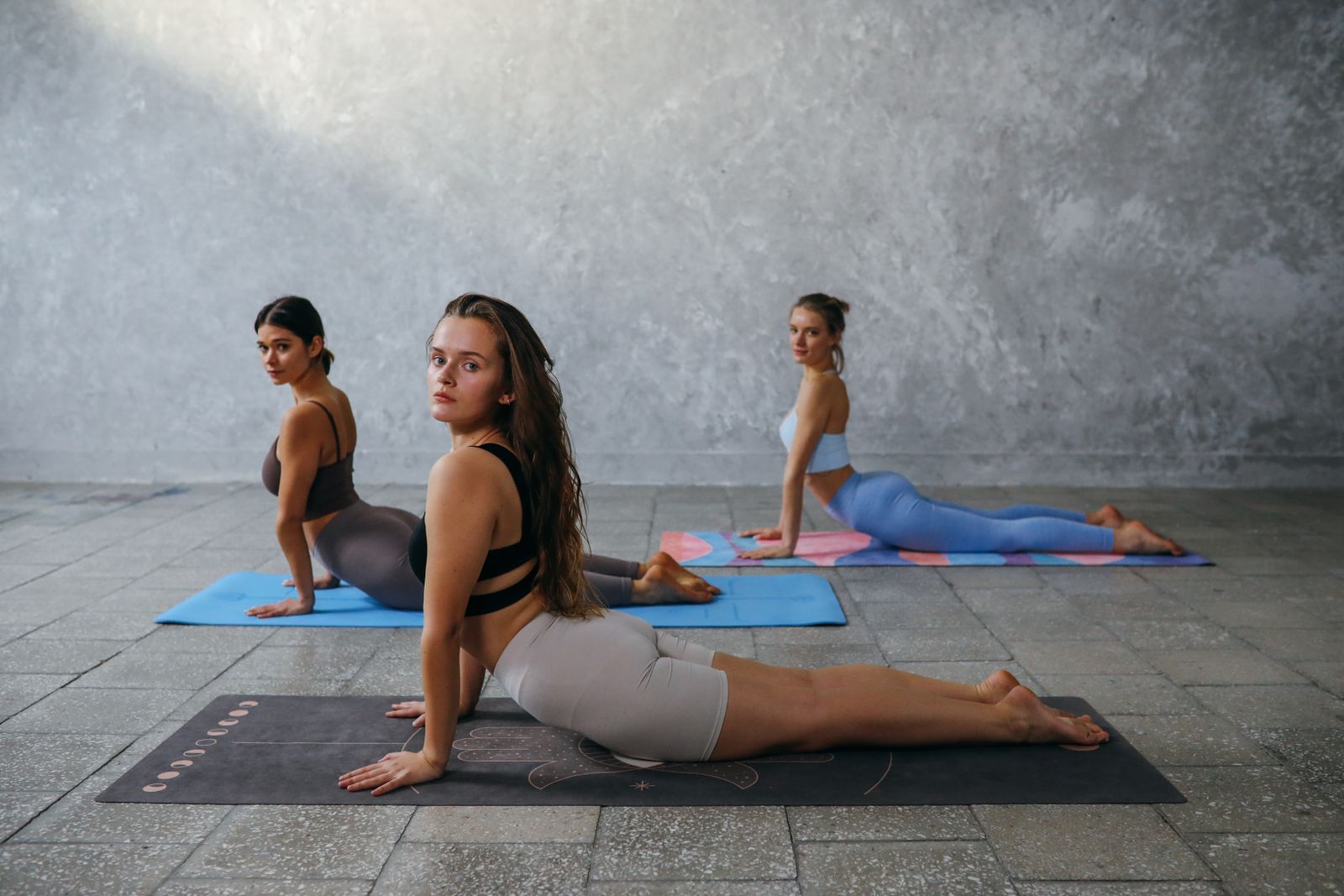
A handful of asanas consistently appear across yoga therapy guidance for piles because they target digestion, pelvic circulation, and core strength without adding pressure on the rectal area. Pavanmuktasana (wind-relieving pose) is usually the first pose recommended, since it directly compresses the abdomen and helps release trapped gas and stimulate bowel movement. Vajrasana (thunderbolt pose), practiced seated on the heels right after meals, is traditionally believed to aid digestion by directing blood flow toward the digestive organs. Bhujangasana (cobra pose) and Dhanurasana (bow pose) both stretch and stimulate the abdominal region while avoiding direct pressure on the anal area. Malasana (garland or yogic squat) opens the hips and pelvis in a way that mirrors a natural, low squatting position for elimination, which many practitioners find easier on the rectal veins than sitting on a raised toilet seat. Balasana (child’s pose) is often used as a resting counter-pose between more active postures, gently relieving pressure in the lower back and pelvis. If you’re new to these shapes, it helps to first get comfortable with beginner yoga poses and basic yoga breathing techniques before layering in a piles-specific sequence.
How Does Sarvangasana Help with Piles?
Sarvangasana (shoulder stand) is frequently cited in yoga therapy as one of the more powerful poses for piles because inverting the body reverses the pull of gravity on the rectal veins, temporarily reducing the pooling of blood that contributes to swelling. It is also said to stimulate the thyroid gland and improve overall circulation. That said, Sarvangasana is an inversion that places pressure on the neck and shoulders, so it is not appropriate for everyone, particularly beginners, anyone with neck or spine issues, high blood pressure, or glaucoma, and anyone currently experiencing bleeding or prolapsed piles. If you’re new to inversions, work with a qualified instructor first or substitute a supported half-shoulder stand against a wall, and always come out of the pose slowly rather than dropping the legs down quickly. It’s worth reading up on Halasana and other inversions, since several of them share the same cautions around neck pressure and blood pressure.
What Is Ramdev Yoga for Piles?
Baba Ramdev’s yoga sequences, widely followed across India and popularized through television broadcasts and Patanjali Yogpeeth programs, are commonly referenced in searches for piles relief because his teachings pair pranayama with targeted asanas for digestive and rectal health. The routine typically opens with Kapalbhati pranayama, a forceful abdominal breathing technique believed to stimulate the digestive fire (agni) and tone the abdominal muscles, followed by Anulom Vilom (alternate nostril breathing) for general circulation and stress reduction. The asana sequence usually includes Pavanmuktasana, Vajrasana, and seated forward bends, moving from breathwork into physical postures. Kapalbhati should be practiced gently at first, in short 1-2 minute rounds, and avoided entirely by anyone with high blood pressure, hernia, heart conditions, or active bleeding piles, since forceful abdominal contractions can worsen rectal pressure in some cases. If you’re exploring this style, treat it as a starting template rather than a rigid prescription and adjust intensity based on how your body responds, and consider pairing it with slower pranayama practice on days when your digestion feels sensitive.
Which Piles Yoga Mudra Actually Helps?
Two hand gestures, or mudras, are most commonly recommended alongside asana practice for piles:
| Mudra | Technique | Primary Benefit |
|---|---|---|
| Apana Mudra | Touch the tips of the middle and ring fingers to the thumb, keeping the other two fingers extended | Traditionally supports “apana vayu,” the downward-moving energy linked to elimination and detoxification in yogic physiology |
| Ashwini Mudra | Rhythmically contract and release the anal sphincter muscles, similar to a Kegel exercise for the pelvic floor | Improves local circulation and muscle tone around the anus by directly engaging the affected area |
Both mudras can be practiced seated, for 5-10 minutes daily, and are gentle enough to combine with any of the asanas above. Neither replaces medical treatment for advanced piles, but they are low-risk additions that most people can start immediately.
Can Yoga Cure Piles Permanently?
Yoga is best understood as a management and prevention tool rather than a guaranteed permanent cure, and no responsible source claims a specific asana sequence will eliminate piles for everyone. What consistent practice can realistically do is address the root causes that lead to piles forming or recurring: chronic constipation, poor circulation, excess abdominal pressure, and prolonged sitting. For early-stage, mild-to-moderate piles (grade I or II, where hemorrhoids are internal or only slightly protrude), many people find that yoga combined with dietary fiber, hydration, and reduced sitting time meaningfully reduces symptoms and recurrence over 2-3 months. For advanced piles (grade III or IV, involving significant prolapse or persistent bleeding), yoga can still support recovery and prevent recurrence after medical treatment, but it should not delay a visit to a doctor or colorectal specialist. Anyone with ongoing rectal bleeding, severe pain, or a change in bowel habits should get a medical evaluation before relying on yoga alone.

What Is the Best Daily Yoga Routine for Piles Treatment?
A practical daily routine for piles treatment usually runs 20-30 minutes and combines breathwork, gentle asanas, and a mudra practice, moving from calming breathwork into gentle, non-compressive postures:
- Anulom Vilom pranayama – 5 minutes, to calm the nervous system and support circulation.
- Gentle Kapalbhati – 2-3 minutes, only if you have no contraindications.
- Pavanmuktasana – 8-10 breaths per side, to relieve gas and stimulate digestion.
- Malasana – 30-60 seconds, to open the hips and mimic a natural elimination posture.
- Bhujangasana – 5 breaths, to stimulate the abdominal organs.
- Vajrasana with Ashwini Mudra – 5-10 minutes, seated.
- Balasana – 1-2 minutes, to release tension in the lower back.
This sequence is deliberately low-impact and avoids deep forward folds or twists that compress the lower abdomen too aggressively, a concern that also comes up when researching yoga for acidity and other digestive complaints, where yoga for bloating routines use similarly gentle, non-compressive sequencing.
What Yoga Poses Should You Avoid If You Have Piles?
Certain poses and practices are commonly advised against during an active flare-up, particularly if there is bleeding, significant swelling, or a prolapsed hemorrhoid. Deep forward bends that compress the abdomen forcefully, such as an aggressive Paschimottanasana, can increase intra-abdominal pressure. Poses that involve prolonged sitting on a hard surface without a cushioned mat can aggravate irritated tissue. Intense core work like extended Navasana (boat pose) holds increases abdominal pressure similarly to straining, which is exactly what piles sufferers are trying to reduce. Inversions like headstand or full Sarvangasana are best avoided during an acute flare or with uncontrolled high blood pressure, and forceful pranayama like vigorous Kapalbhati or Bhastrika should be scaled back or skipped during a bleeding episode. The general principle: avoid anything that mimics the sensation of straining, since that sensation usually means the pose is adding pressure rather than relieving it.
How Does Yoga for Piles Overlap with Yoga for Fissures?
Anal fissures, small tears in the lining of the anus, often occur alongside or as a result of the same chronic constipation and straining that cause piles, which is why so many people search for yoga for piles and fissures together. The yoga approach for both conditions is nearly identical because the underlying goal is the same: soften stool, reduce straining, and improve local circulation to support healing. Pavanmuktasana, Malasana, and gentle pranayama all apply equally well to fissures. The one added consideration for fissures is that any pose requiring deep hip flexion combined with abdominal compression should be approached even more gradually, since fissures can be acutely painful with any added pressure. Warm sitz baths (sitting in warm water for 10-15 minutes) alongside a gentle yoga routine is a combination frequently recommended for both conditions together, and staying well hydrated supports softer stool for both, much as it does for anyone managing yoga for IBS symptoms.
What Diet and Lifestyle Changes Should Accompany Piles Yoga?
Yoga works best as one part of a broader approach, since piles are fundamentally a mechanical problem caused by pressure and straining, and diet is the biggest lever for reducing that pressure. A high-fiber diet, including whole grains, legumes, fruits with the skin on, and vegetables, softens stool and reduces the force needed to pass it. Most dietary guidelines recommend gradually working up to 25-30 grams of fiber daily, since a sudden jump can cause bloating. Adequate water intake, generally 8-10 glasses daily unless a doctor has advised otherwise, keeps stool soft alongside that fiber. Reducing prolonged sitting, taking short walking breaks every 30-45 minutes, and avoiding delaying the urge to have a bowel movement all reduce the pressure that leads to piles forming or worsening. None of these replace yoga, but combining them produces the compounding improvement most people are looking for when they start a piles-focused routine, similar to how yoga for fatty liver and yoga for diabetes routines pair asana practice with dietary changes rather than relying on movement alone.
How Long Does It Take to See Results from Piles Yoga?
Timelines vary based on the severity of the piles and consistency of practice, but most people following a daily 20-30 minute routine notice softer, less strained bowel movements within 1-2 weeks, largely because the pranayama and gentle asanas address constipation quickly. Reduction in discomfort and swelling typically takes longer, often 3-6 weeks of consistent practice, since this depends on improved circulation and reduced pressure accumulating over time rather than a single mechanism. For recurring or chronic piles, a realistic expectation is 2-3 months of daily practice combined with dietary changes before symptoms and recurrence meaningfully improve. Anyone not seeing any improvement after several weeks of consistent practice, or whose symptoms are worsening, should see a doctor rather than continuing to self-manage, since some piles do require medical or surgical intervention regardless of lifestyle changes.
Is Piles Exercise in Yoga Safe During Pregnancy?
Pregnancy is one of the most common triggers for piles, due to increased pelvic pressure from the growing uterus and hormonal changes that relax vein walls, and many pregnant women look specifically for safe yoga options. Gentle, non-inverted poses like a modified Pavanmuktasana (knees lightly drawn in, never pressed forcefully into the abdomen), seated Ashwini Mudra practice, and slow Anulom Vilom breathing are generally considered safe through most of pregnancy, but any pregnant woman should get clearance from her doctor or a prenatal instructor first, and always avoid deep abdominal compression, forceful Kapalbhati, and any inversion. A dedicated prenatal yoga class, rather than a general piles routine, is the safer starting point, since a qualified instructor already knows which modifications apply at each trimester.
How Does Yoga for Piles Connect to Weight and Overall Digestive Health?
Excess body weight, particularly around the abdomen, increases pressure on pelvic veins and is a well-recognized contributing factor to piles, which is why many people researching piles yoga are also interested in yoga for weight loss as a complementary long-term strategy. The connection works both ways: excess weight worsens piles risk, and the same digestive sluggishness that causes constipation often overlaps with broader gut health issues. A well-rounded approach that includes core-strengthening poses (once piles symptoms have calmed down), digestion-focused sequences from Hatha yoga, and general fitness practice tends to produce more durable results than a piles-only routine practiced in isolation. This is also why so much of the guidance here overlaps with general digestive health content; the same poses that ease constipation and bloating tend to reduce the underlying pressure that causes piles in the first place.
Should You See a Doctor Before Starting Piles Yoga?
Yoga is a low-risk addition for most people with mild to moderate piles, but a few situations call for a medical evaluation first rather than starting yoga alone. Active, heavy rectal bleeding, severe pain, a hemorrhoid that has prolapsed and will not go back in, fever, or any sudden change in bowel habits are all reasons to see a doctor or colorectal specialist before beginning any new exercise routine. If you have uncontrolled high blood pressure, glaucoma, a recent abdominal surgery, or are in a high-risk pregnancy, check with your doctor before attempting inversions like Sarvangasana or forceful pranayama like Kapalbhati. For most people with grade I or II piles and no red-flag symptoms, starting a gentle daily routine is considered safe, but ongoing symptoms that don’t improve after several weeks warrant a professional opinion rather than continued self-treatment.
Questions People Ask About Yoga for Piles
Can yoga completely cure piles without medication?
Yoga can meaningfully reduce symptoms and prevent recurrence for mild to moderate piles, especially when combined with a high-fiber diet and good hydration, but it is not guaranteed to work for everyone, particularly with advanced or bleeding piles. Severe cases often still need medical or surgical treatment alongside any yoga practice.
How many times a day should I do yoga for piles?
Once daily, for 20-30 minutes, is generally sufficient and easier to sustain than multiple shorter sessions. Morning practice, ideally before or shortly after your first bowel movement of the day, tends to work well since it supports digestion through the rest of the day.
Is Kapalbhati safe for piles and fissures?
Gentle Kapalbhati, done in short rounds, is generally considered safe for stable piles without active bleeding, but forceful practice increases abdominal pressure and should be avoided during flare-ups, bleeding episodes, or if you have high blood pressure, hernia, or heart conditions.
Can Sarvangasana make piles worse?
For most people, Sarvangasana is believed to help by reducing gravity’s pull on pelvic veins, but it should be avoided during active bleeding, if you have a prolapsed hemorrhoid, neck or spine issues, or uncontrolled high blood pressure, since the pose adds pressure to the neck and inverts normal circulation patterns.
What is the fastest yoga pose for piles pain relief?
Balasana (child’s pose) and a gentle seated forward lean often provide the quickest, though temporary, relief from discomfort by taking pressure off the lower back and pelvis. For lasting relief, consistent daily practice combined with dietary fiber matters more than any single pose.
Do yoga mudras for piles actually work?
Ashwini Mudra and Apana Mudra are low-risk practices that engage pelvic floor muscles and are traditionally linked to improved circulation and elimination. They work best as part of a broader routine including asanas, pranayama, diet, and hydration rather than as a standalone treatment.
Try This for Yourself
Reading about the right poses and mudras only goes so far; getting the sequencing, breathing, and modifications right in real time is where guided practice makes the biggest difference. If you want a structured, beginner-friendly routine built around digestive health and gentle core work, with real-time feedback on form and pacing, explore FitStrot’s online yoga classes and start building a daily practice that fits your body and your schedule.
Related reading: Yoga for Constipation, Yoga for Acidity, Yoga for Fatty Liver, Yoga for Weight Loss, and FitStrot’s online yoga classes.