Bhastrika pranayama, often called the “bellows breath,” is a vigorous yogic breathing technique that combines forceful, equal inhalations and exhalations through the nose to heat the body, clear the airways, and sharpen mental alertness. The name comes from the Sanskrit word “bhastrika,” meaning bellows, because the diaphragm and lungs pump air in and out the way a blacksmith’s bellows fan a flame. Unlike slow, calming breathwork such as nadi shodhana pranayama, bhastrika is stimulating and energizing, making it a popular technique for mornings, pre-meditation warm-ups, and building respiratory stamina.
What Is Bhastrika Pranayama?
Bhastrika pranayama is one of the eight classical pranayamas described in traditional hatha yoga texts, grouped alongside techniques like kapalbhati, ujjayi, and bhramari pranayama. It involves rapid, forceful diaphragmatic breathing where both the inhale and exhale are active and equal in duration and effort. This distinguishes it from kapalbhati, where only the exhale is forceful and the inhale is passive. Bhastrika is typically practiced in rounds of 20 to 30 breaths, followed by a deep inhale, a breath retention (kumbhaka), and a slow exhale, then a period of natural breathing before the next round begins.
How Is Bhastrika Different From Kapalbhati?
Both bhastrika and kapalbhati are classified as “kriyas” or cleansing breaths in the broader breathing exercises family of yoga, and beginners frequently confuse the two. In kapalbhati, the exhalation is short and forceful while the inhalation happens on its own, making it primarily an exhale-driven practice focused on abdominal contraction. In bhastrika, both the inhale and the exhale are equally forceful, engaging the chest and diaphragm more fully and moving a larger volume of air per breath. Because bhastrika works both phases of the breath, it tends to feel more physically demanding and generates more internal heat than kapalbhati, so most teachers introduce kapalbhati first and layer bhastrika in once a student has breath control and a stable seated posture.
What Are the Benefits of Bhastrika Pranayama?
The benefits of bhastrika pranayama span respiratory, cardiovascular, and mental domains, which is why it’s frequently included in yoga therapy and stress-management programs. Regular practitioners commonly report noticeably improved lung capacity, sharper focus after practice, and a feeling of internal warmth that can be useful in cold weather or sluggish mornings. Research on rapid pranayama techniques suggests they can influence the autonomic nervous system, and some studies have linked short-term bhastrika practice to changes in heart rate variability and improved oxygen saturation, though results vary between studies and more research is still needed to confirm long-term effects. Because it activates the sympathetic nervous system in a controlled way, bhastrika is often described as an “energizing” rather than “relaxing” pranayama, which is an important distinction when deciding when and how often to practice it.
Does Bhastrika Improve Lung Capacity?
Yes, this is one of the most consistently reported benefits of bhastrika pranayama. The rapid, full-volume breathing pattern trains the diaphragm and intercostal muscles to work more efficiently, which over weeks of consistent practice is associated with improved chest expansion and vital lung capacity in several small clinical studies on pranayama practitioners. This is part of why bhastrika is sometimes recommended alongside pranayama for lungs health programs and respiratory rehabilitation contexts, always under the guidance of a qualified teacher or healthcare provider, particularly for anyone with an existing respiratory condition.
Can Bhastrika Pranayama Help With Anxiety and Focus?
Bhastrika’s effect on the mind is often described as clarifying rather than calming. Because the fast breath cycle demands sustained attention on the count and rhythm, it pulls the mind away from rumination and into the present moment, similar to how meditation for anxiety practices use a single point of focus to interrupt anxious thought loops. Many practitioners use a short round of bhastrika before seated meditation specifically because it burns off restless physical energy, making it easier to sit still afterward. That said, because the technique is stimulating, some people with high anxiety or panic-proneness find fast breathwork intensifies rather than settles their nervous system, and should approach it slowly, in short rounds, working with a teacher.
Step-by-Step: How to Do Bhastrika Pranayama
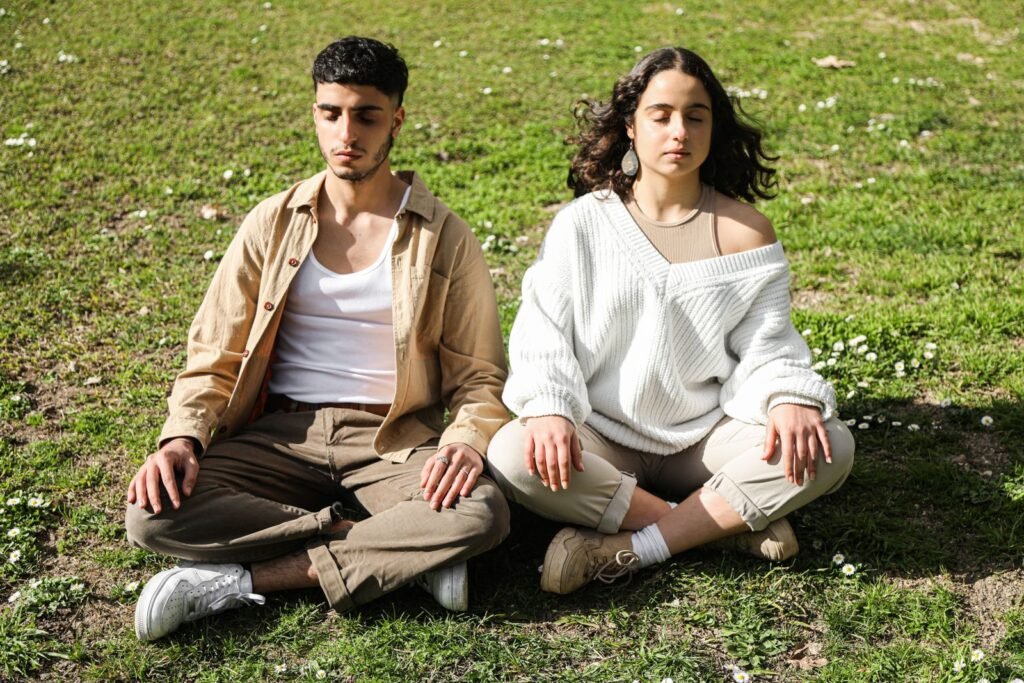
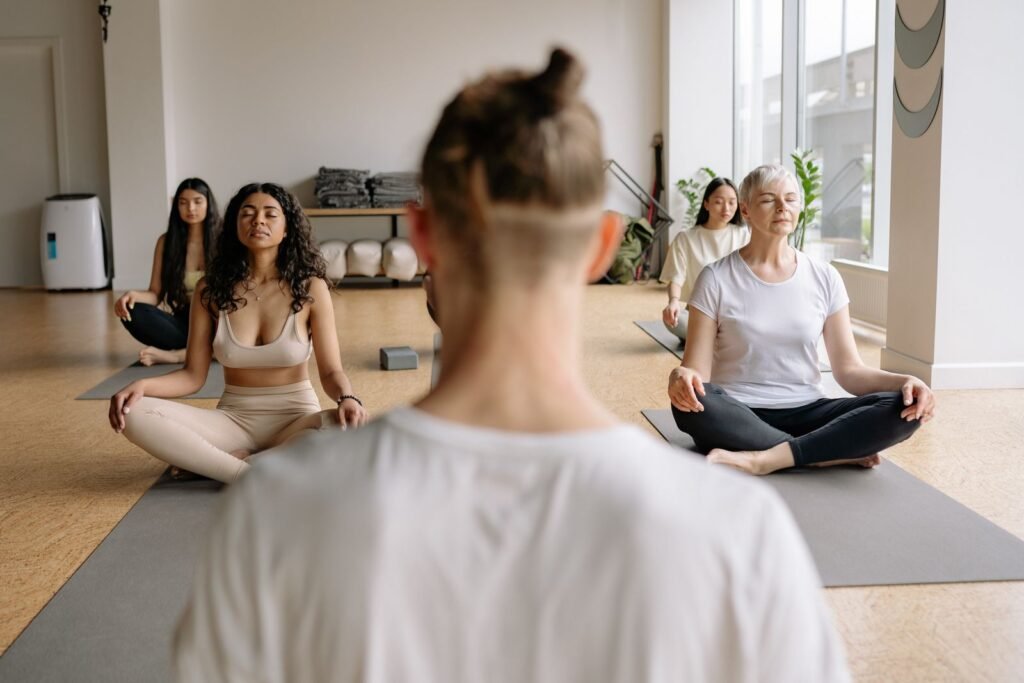
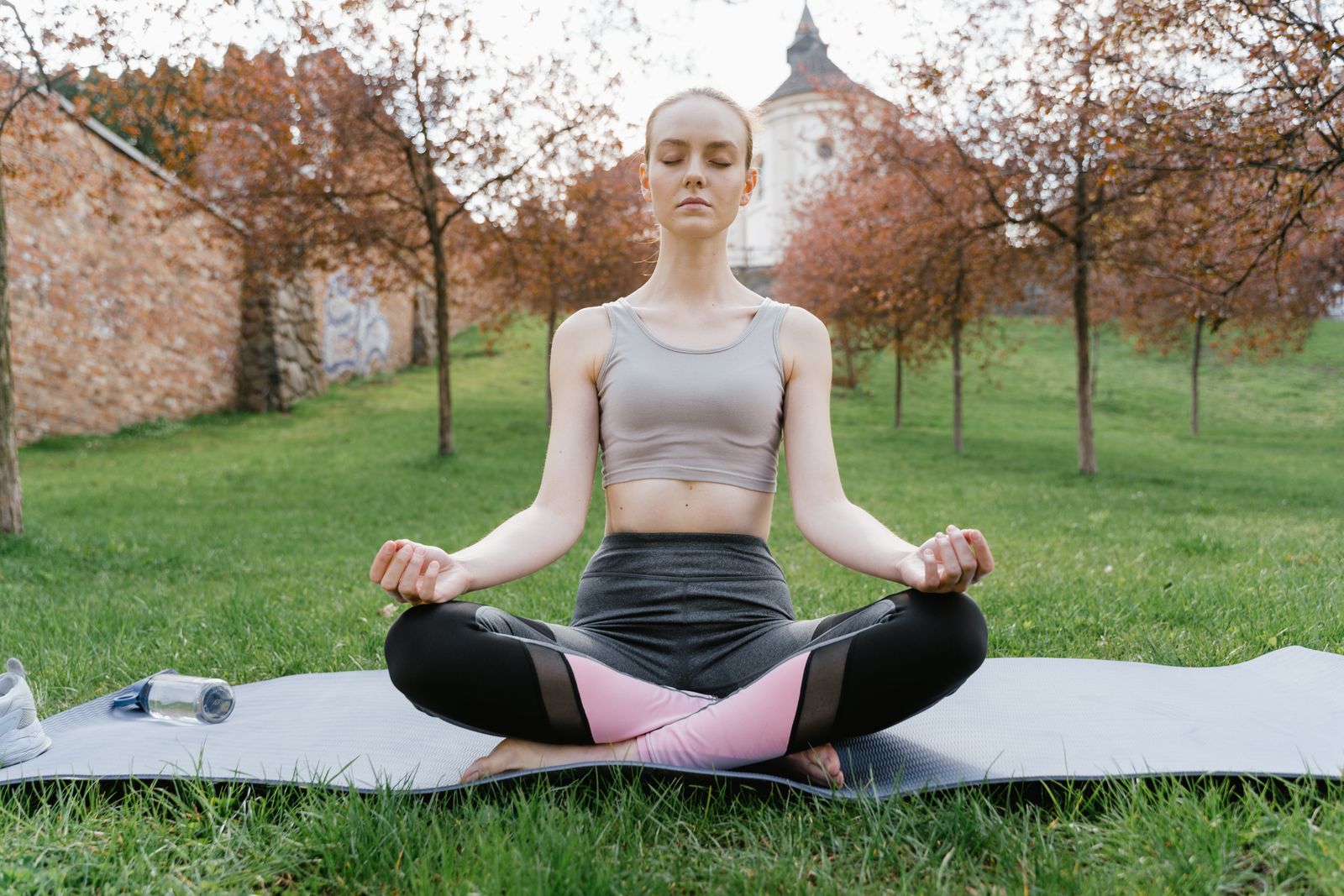
Begin in a comfortable seated position such as sukhasana (easy pose) or padmasana, similar to the setup used for vajrasana or other stable meditation postures, with the spine erect and shoulders relaxed. Follow this sequence:
- Settle and prepare. Sit tall, close the eyes, and take a few natural breaths to settle the body.
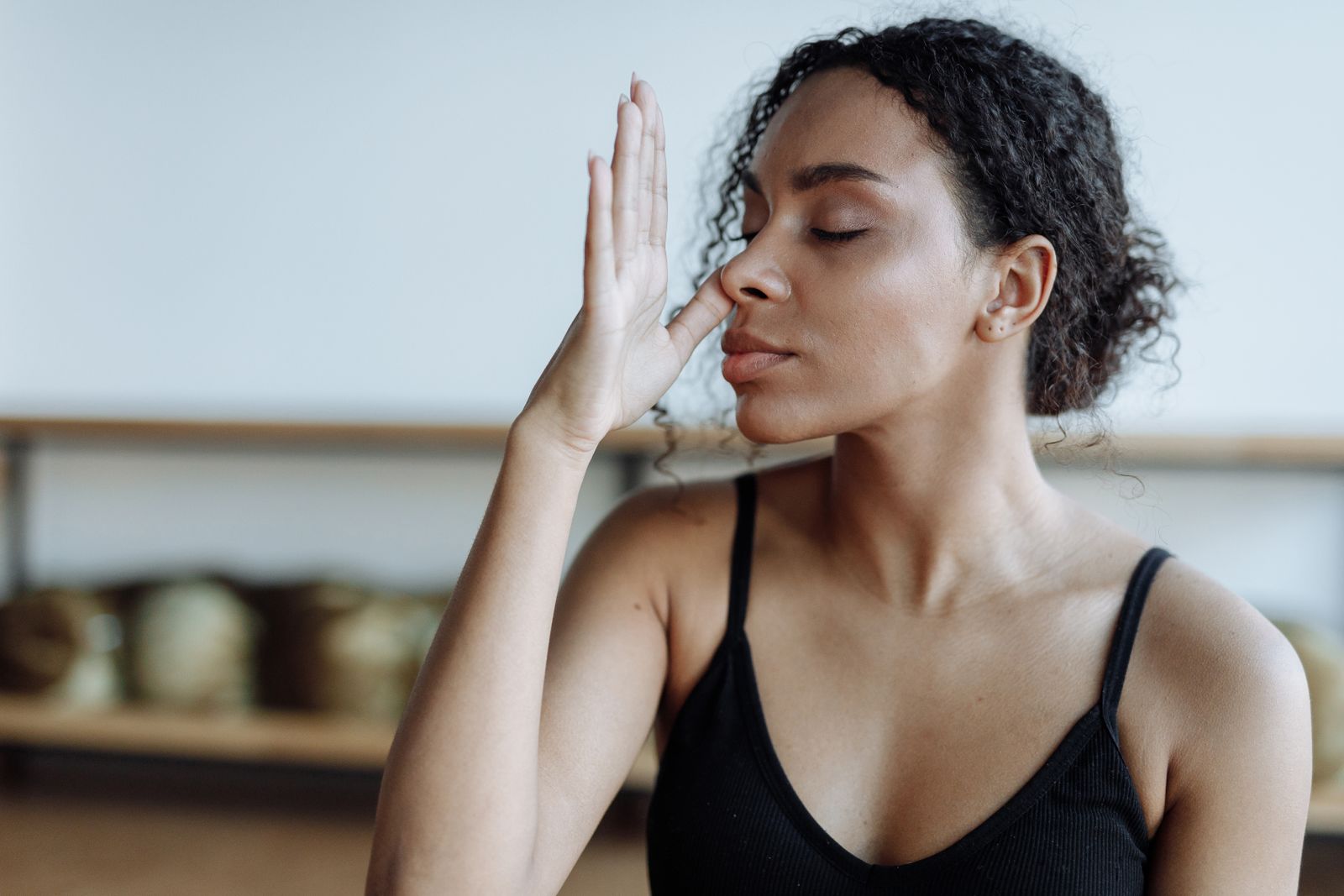
- Begin forceful breathing. Inhale and exhale rapidly and forcefully through both nostrils, keeping the two phases equal in force and duration. Let the movement come from the diaphragm, not the shoulders.
- Complete 20 to 30 breaths. Beginners should start with 10 to 15 breaths per round and build up gradually over several weeks.
- Take a deep final inhale. After the last rapid breath, inhale fully and deeply.
- Hold the breath briefly. Retain the breath comfortably for a few seconds (antar kumbhaka), without straining.
- Exhale slowly. Release the breath gradually and completely, then let the breath return to normal for 30 to 60 seconds before starting the next round.
- Repeat for 2 to 3 rounds, resting between each one.
How Many Rounds and How Often Should You Practice?
Most traditional teaching recommends starting with just one round of 10 to 15 breaths daily for the first one to two weeks, gradually building to 3 rounds of 20 to 30 breaths as comfort and lung capacity improve. Practicing bhastrika once daily, ideally in the morning on an empty stomach, is generally considered sufficient for most healthy practitioners. It’s best practiced before meals, at least four to six hours after eating, and is often sequenced early in a pranayama routine, before slower practices like ujjayi breathing or nadi shodhana, since it builds heat and energy that other techniques then help settle.
What Is the Best Time and Setting to Practice?
Early morning, right after waking and before breakfast, is widely considered the ideal time for bhastrika because the stomach is empty and the mind is naturally quieter. A well-ventilated room or outdoor space with fresh air is preferable, since the rapid breathing exchanges a large volume of air and benefits from cooler, cleaner surroundings. Many practitioners pair it with a broader morning yoga routine that includes a few warm-up stretches before pranayama and a short seated meditation afterward, creating a complete practice that moves from movement to breath to stillness.
Who Should Avoid Bhastrika Pranayama?
Bhastrika is a powerful, heating practice and isn’t appropriate for everyone. People with high blood pressure, heart disease, epilepsy, vertigo, or a hernia are generally advised to avoid it or practice only under direct supervision from an experienced teacher or doctor. It should also be avoided during pregnancy, during menstruation by those who find it uncomfortable, and by anyone with a recent history of stroke, panic disorder, or lung conditions like severe asthma or COPD without medical clearance. If dizziness, tingling in the fingers, or lightheadedness occurs during practice, the recommended response is to stop immediately, return to normal breathing, and rest in a seated or lying position such as savasana until the sensation passes.
What Are Common Mistakes Beginners Make?
The most frequent beginner error is moving the shoulders and chest instead of the diaphragm, which quickly leads to fatigue and shallow, ineffective breathing. Another common mistake is starting with too many rounds or breaths too quickly, before the respiratory muscles and nervous system have adapted, which can trigger dizziness or hyperventilation-like symptoms. Holding tension in the face, jaw, or neck during the rapid breathing is also common and works against the goal of an efficient, relaxed bellows action. Finally, skipping the rest period between rounds, or the slow exhale and retention at the end of a round, removes much of the balancing effect the practice is designed to have on the nervous system.
How Does Bhastrika Fit Into a Broader Yoga Practice?
Bhastrika pranayama works best as part of a layered practice rather than as an isolated exercise. Many teachers sequence it after physical asana work, such as a sequence built around sun salutations or a grounding hatha yoga class, so the body is already warm and the breath is more accessible. It also pairs naturally with hand and finger seals; some practitioners combine rounds of bhastrika with a yoga mudra such as gyan mudra during the retention phase to support focus. For those building a complete pranayama curriculum, bhastrika is often taught alongside anulom vilom pranayama and bhramari, giving practitioners one energizing technique, one balancing technique, and one calming technique to draw on depending on the time of day and their nervous system’s needs.
Does Bhastrika Help With Digestion and Detoxification?
Bhastrika is traditionally associated with stimulating agni, or digestive fire, in Ayurvedic thought, and the vigorous abdominal movement involved in the practice is commonly described as a gentle internal massage for the digestive organs. While robust clinical research specifically isolating bhastrika’s effect on digestion is limited, many practitioners and yoga therapists report reduced bloating and improved appetite regulation with consistent practice, particularly when combined with mindful eating habits and a broader wellness routine that might include yoga for weight loss or gut-health-focused nutrition guidance. As with all internal-heat generating practices, it’s sensible to stay well hydrated on days you practice bhastrika.
Can Beginners Safely Start Bhastrika Pranayama?
Yes, beginners can practice bhastrika safely if they start slowly and prioritize technique over speed or breath count. The safest entry point is 5 to 10 slow, controlled rounds of forceful breathing rather than rushing to the traditional count of 20 to 30, allowing the body to learn the diaphragmatic movement pattern without strain. Learning from a certified instructor, whether in person or through a structured online yoga class, is strongly recommended for this pranayama in particular, since incorrect technique is more likely to cause dizziness or hyperventilation than with gentler breathing exercises.
Questions People Ask About Bhastrika Pranayama
Is bhastrika pranayama the same as kapalbhati?
No. Bhastrika involves equally forceful inhalation and exhalation, engaging the full breath cycle, while kapalbhati uses a forceful exhale with a passive, automatic inhale. Bhastrika tends to feel more intense and generates more heat, while kapalbhati is more focused on abdominal cleansing. Many practitioners learn kapalbhati first, then progress to bhastrika once they have solid breath control and postural stability.
How long should a bhastrika pranayama session last?
A typical session lasts 5 to 10 minutes total, including 2 to 3 rounds of 20 to 30 breaths each, with 30 to 60 seconds of natural breathing between rounds. Beginners should keep sessions shorter, closer to 3 to 5 minutes, with fewer breaths per round, and gradually extend duration over several weeks as comfort and lung capacity improve.
Can bhastrika pranayama be practiced every day?
Yes, most healthy practitioners can practice bhastrika daily, typically once in the morning on an empty stomach. Daily practice is how the cumulative benefits to lung capacity and mental clarity tend to build over time. Anyone with high blood pressure, heart conditions, or other contraindications should consult a doctor before adding it to a daily routine.
What does bhastrika pranayama do for the brain?
Bhastrika increases oxygen delivery through rapid, full breathing, which many practitioners associate with heightened alertness and mental clarity shortly after practice. Some research on fast-paced pranayama techniques suggests measurable short-term effects on nervous system activity and cognitive alertness, though bhastrika’s exact neurological mechanisms are still being studied and results vary between individuals.
Why do I feel dizzy during bhastrika pranayama?
Dizziness during bhastrika usually means you’re breathing too fast, too forcefully, or for too many rounds before your body has adapted, which can cause temporary changes in blood carbon dioxide levels similar to hyperventilation. If this happens, stop immediately, return to slow natural breathing, and rest. Reducing the breath count, slowing the pace, and building up gradually over several sessions typically resolves the issue.
Is bhastrika pranayama good before meditation?
Yes, many teachers recommend a short round of bhastrika immediately before seated meditation. The vigorous breathing helps discharge restless physical energy and mental agitation, making it easier to sit still and focus once meditation begins. It’s typically followed by a few minutes of quiet, natural breathing to let the nervous system settle before the meditation itself starts.
Try This for Yourself
Reading about bhastrika pranayama is useful, but the technique is best learned with real-time feedback on your pace, posture, and breath control. Join a guided online yoga class with FitStrot to practice bhastrika and other pranayama techniques safely, at your own pace, with an instructor who can adjust the pacing to your experience level and health needs.
Related reading: Kapalbhati | Bhramari Pranayama | Breathing Exercises | Yoga Mudra | Online Yoga Classes