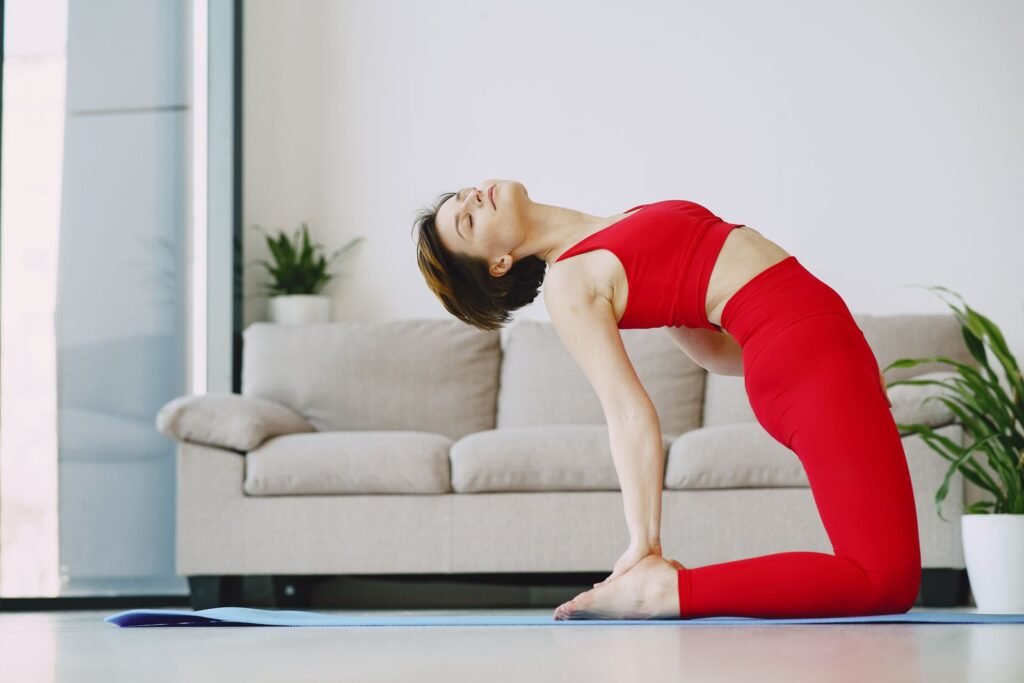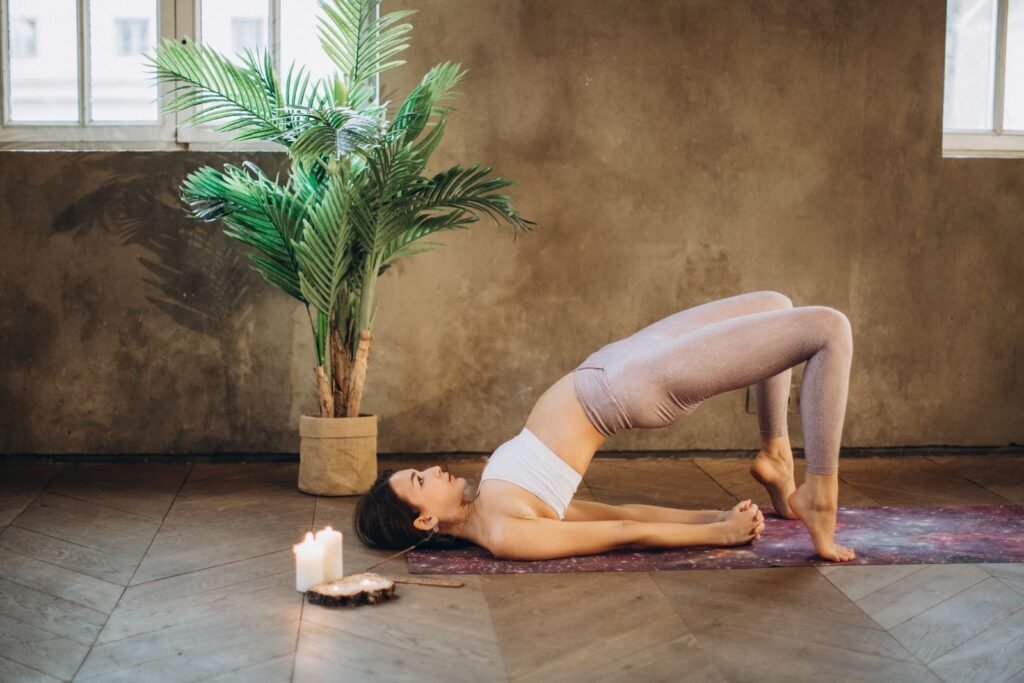
Yoga relieves bloating by combining gentle abdominal compression, spinal twisting, and deep diaphragmatic breathing, three actions that mechanically encourage trapped gas to move through the digestive tract and stimulate peristalsis, the wave-like muscle contractions that push food and gas along the intestines. Poses like Wind-Relieving Pose (Pawanmuktasana), seated twists, Child’s Pose, and Cat-Cow are the most commonly recommended because they compress or massage the abdominal region without straining it. A short 10-15 minute sequence, done either right after a heavy meal or as a standalone digestive reset, is usually enough to notice a difference. Consistency matters more than intensity here: bloating tied to slow digestion, stress, or gas buildup tends to respond better to gentle, repeated practice than to any single pose done once.
Why Does Yoga Help With Bloating?
Bloating happens when gas, fluid, or undigested food builds up in the stomach and intestines faster than the digestive system can move it along. Stress, eating too quickly, certain foods, and a sedentary lifestyle all slow down peristalsis, the involuntary muscle contractions of the digestive tract. Yoga addresses this from two directions at once. Physically, twists and forward folds apply gentle external pressure on the abdomen, which can help mechanically shift gas pockets and encourage movement through the colon. Physiologically, the deep, slow breathing used throughout a yoga practice activates the parasympathetic nervous system, the “rest and digest” state, which is the opposite of the “fight or flight” state that shuts digestion down during stress. Since stress-related bloating is extremely common, this nervous-system effect is often just as important as the physical stretching, a connection explored further in our guide to yoga for anxiety.
What Are the Best Yoga Poses for Bloating?
A handful of poses show up again and again in yoga sequences designed for digestive relief because they target the abdomen directly. Below is a practical rundown of the most effective ones, what each does, and how to do it safely.
Wind-Relieving Pose (Pawanmuktasana)
This pose is named for its exact function: releasing trapped gas. Lie on your back, draw one or both knees into your chest, and wrap your arms around your shins. Hold for 5-10 breaths. The compression against the lower abdomen directly massages the intestines and is often the first pose recommended for gas and bloating specifically. Practicing one leg at a time can feel gentler if both knees together creates too much pressure.
Seated Spinal Twist (Ardha Matsyendrasana)
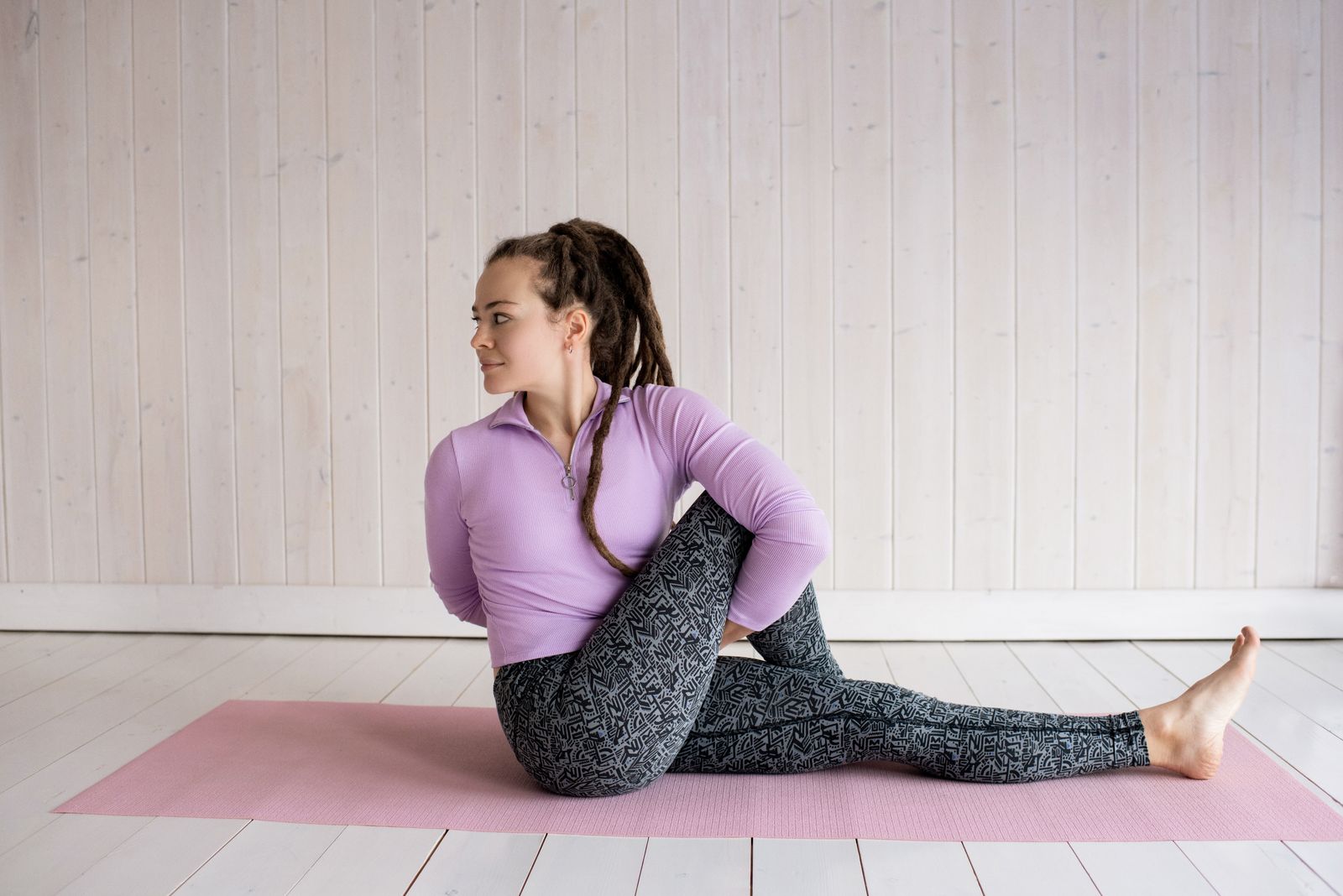
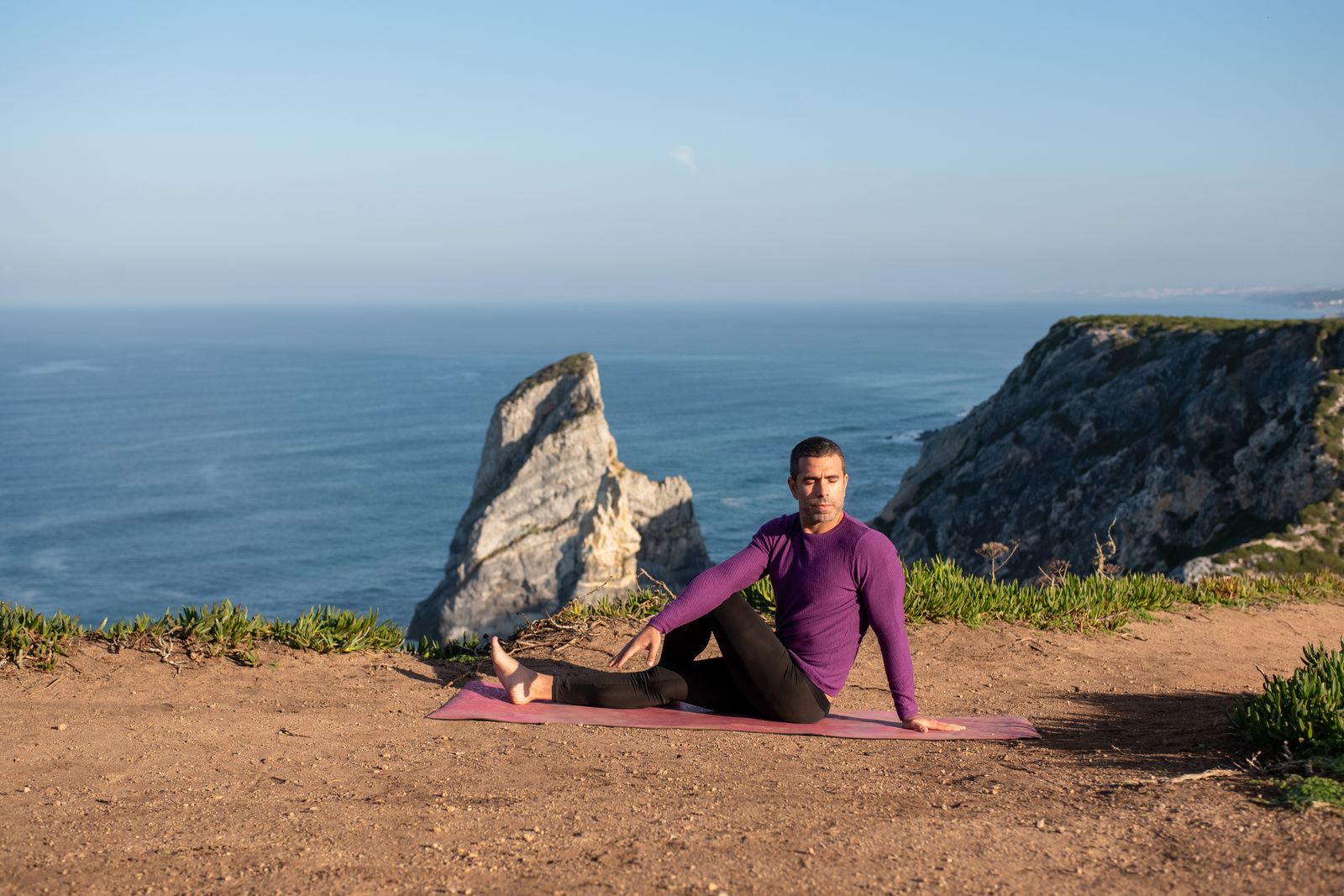
Twisting poses “wring out” the abdominal organs, alternately compressing and releasing blood flow and pressure on each side of the digestive tract. Sit with legs extended, bend one knee and place that foot outside the opposite thigh, then rotate your torso toward the bent knee, using your arm as leverage against the leg. Hold for 5 breaths per side. This is one of the most frequently cited yoga asanas for bloating relief because it works both the ascending and descending colon in a single pose.
Child’s Pose (Balasana)
A resting pose that gently compresses the abdomen against the thighs while allowing the lower back to release. Kneel, sit back onto your heels, and fold forward with arms extended or resting alongside your body. Widening the knees slightly reduces pressure if the pose feels too intense right after eating. Child’s Pose is often used as a transition or recovery pose between more active twists in a bloating-focused sequence.
Cat-Cow (Marjaryasana-Bitilasana)
This gentle spinal flow massages the entire digestive tract through rhythmic movement. On hands and knees, alternate between arching the spine (Cow) and rounding it (Cat), syncing each movement with an inhale or exhale. Ten rounds is typically enough to feel the abdominal muscles engage and release, which helps move gas along without any static holding.
Standing Forward Fold (Uttanasana)
Folding forward from the hips brings mild compression to the abdomen while also encouraging blood flow toward the digestive organs as the head drops below the heart. Keep a soft bend in the knees to avoid straining the hamstrings or lower back. This pose pairs well at the end of a bloating sequence because it also has a calming, nervous-system-settling effect.
How Do You Do Yoga Poses for Bloating and Gas Specifically?
For gas as distinct from general fullness or water retention, the poses that apply the most direct, localized pressure to the intestines tend to work fastest. Wind-Relieving Pose, both knees drawn to the chest, is the single most targeted option. Follow it with a few rounds of Cat-Cow to keep things moving, then finish with a seated twist on each side. The order matters less than consistency: doing this same short combination whenever gas builds up trains the body to respond predictably, and many people find relief within 10-15 minutes.
What Yoga Asanas Reduce Bloating From Overeating?
Post-meal bloating responds well to a gentler approach than gas-specific bloating, since digestion is actively underway and deep twists or inversions can feel uncomfortable. A slow-paced sequence of seated cat-cow variations, a gentle half-twist rather than a full spinal rotation, and an extended Child’s Pose is usually the better choice in the 30-60 minutes after a large meal. Wait at least 60-90 minutes before attempting a full seated twist or forward fold if the meal was heavy, since deep compression too soon after eating can cause discomfort rather than relief.
Can Yoga Poses for Digestion and Bloating Be Done Every Day?
Yes. Unlike strength-focused yoga sequences that benefit from rest days, gentle digestive poses like Wind-Relieving Pose, Cat-Cow, and Child’s Pose are low-impact enough to practice daily, and daily repetition is actually where most of the benefit comes from. Bloating linked to chronic stress, irregular eating patterns, or a sluggish digestive system improves through the cumulative effect of regular parasympathetic activation, not from a single session. A short 10-minute routine each morning or evening tends to outperform an occasional 45-minute session for this specific goal. If you’re building this into a broader daily habit, our guide to yoga for beginners covers how to structure a sustainable routine around a specific goal like digestion.
What Breathing Techniques Help Reduce Bloating?
Pranayama, the yogic practice of controlled breathing, plays a bigger role in bloating relief than most people expect. Diaphragmatic breathing, breathing deeply into the belly rather than shallowly into the chest, massages the internal organs with every inhale and exhale, and it directly stimulates the vagus nerve, which governs digestive activity. Two techniques are particularly useful. Kapalabhati (skull-shining breath), a rapid, forceful exhale technique, is sometimes used to stimulate abdominal muscles and encourage gas movement, though it should be approached cautiously if you have any digestive conditions, since the forceful action isn’t right for everyone. Simple slow belly breathing, four counts in, six counts out, repeated for two to three minutes before or after a pose sequence, is the safer, more universally recommended option and pairs naturally with a broader pranayama breathing techniques practice.
What Causes Bloating That Yoga Can and Can’t Fix?
Yoga is most effective against bloating that stems from slow motility, gas buildup, stress, or mild digestive sluggishness, all of which respond to movement, compression, and nervous-system regulation. It is not a substitute for medical care when bloating is caused by an underlying condition such as irritable bowel syndrome, food intolerances, small intestinal bacterial overgrowth, or a structural digestive issue. If bloating is severe, persistent for weeks, accompanied by pain, unexplained weight loss, or changes in bowel habits, that pattern warrants a conversation with a doctor rather than relying on a yoga sequence alone. Yoga works well as a daily management tool alongside diagnosis and treatment, not as a replacement for it.
How Does Yoga to Reduce Bloating Compare to Other Remedies?
Compared with common bloating remedies like peppermint tea, over-the-counter gas relief medication, or simply lying down and waiting it out, yoga has one distinct advantage: it addresses both the mechanical and the stress-related contributors at the same time. A cup of peppermint tea can relax digestive muscle spasm, and simethicone-based medications can help gas bubbles combine and pass more easily, but neither engages the parasympathetic nervous system the way slow, deliberate movement and breathing does. Many people combine approaches, hydration, a short walk, and a 10-minute yoga sequence, rather than relying on any single method exclusively. Walking itself is a useful complement, and pairing it with the broader health case for movement covered in benefits of yoga can help frame why a daily practice outperforms occasional fixes.
Does Yoga for Bloating Also Support Weight Management?
There’s a real connection here, though it’s worth being precise about it. Bloating itself is water and gas, not fat, so a yoga session won’t cause fat loss in an afternoon. But a digestive system that moves efficiently, supported by regular movement, adequate hydration, and stress reduction, tends to support more consistent, comfortable eating patterns over time. For readers whose goals extend beyond digestive comfort into broader body composition changes, it’s worth exploring how a fuller practice contributes to results, covered in our guides to yoga for weight loss and yoga for obesity, both of which build on the same digestive and metabolic principles as a bloating-focused practice.
What Is a Full 15-Minute Yoga Sequence for Bloating?
A complete, beginner-friendly sequence for bloating relief can be done on any yoga mat with no equipment:
- Cat-Cow — 10 rounds to warm up the spine and get gentle movement into the abdomen.
- Wind-Relieving Pose — one leg at a time, holding each side for 5-8 breaths, then both knees together for a final 5 breaths.
- Seated Spinal Twist — hold each side for 5 breaths.
- Standing Forward Fold — 5-8 breaths, letting the head and arms hang heavy.
- Child’s Pose — one to two minutes, breathing slowly and deeply.
This sequence overlaps closely with a broader yoga for digestion routine and can be extended with poses from a general beginner yoga poses foundation if you want to build it into a longer practice, or combined with core-focused work from yoga for core strength once digestive comfort improves.
Should You Practice Yoga for Bloating Before or After Eating?
Timing changes which poses are appropriate. Before eating, or first thing in the morning on an empty stomach, is the ideal window for deeper twists, forward folds, and any pose involving direct abdominal compression, since there’s no food actively being digested to disturb. After eating, wait at least 60-90 minutes before attempting deep twists or inversions, and stick to gentler options like slow Cat-Cow, a supported Child’s Pose, or simple diaphragmatic breathing in a seated position. Practicing too soon after a large meal, especially deep compression poses, can occasionally worsen discomfort rather than relieve it.
How Does Stress-Related Bloating Respond to Yoga Differently?
Stress-induced bloating often has less to do with what you ate and more to do with a nervous system stuck in a heightened state. When the body perceives stress, digestion is deprioritized, blood flow shifts away from the gut, and motility slows down, which is why anxious periods so often come with a bloated, heavy feeling regardless of diet. For this type of bloating, the breathing and mindfulness components of yoga matter as much as the physical poses. Restorative styles that emphasize long holds and slow breath, similar to what’s covered in our guide to restorative yoga, or a calming yin yoga session, can be more effective for stress-driven bloating than a faster-paced, more physically demanding style.
What Yoga Styles Are Best Suited for Digestive Health?
Not every yoga style is built for digestive relief in the same way:
| Style | Best For | Why It Works for Bloating |
|---|---|---|
| Hatha yoga | Direct bloating relief | Slower pacing and longer holds give abdominal compression in twists and folds time to actually take effect. |
| Vinyasa yoga | General digestive stimulation | Links movement to breath in a continuous flow, better suited to circulation than the deep, static compression gas relief benefits from. |
| Online yoga classes (gentle/restorative) | Comfort-first entry point | Pacing is built around comfort rather than intensity, ideal when bloating rather than fitness or flexibility is the main goal. |
If you’re new to the practice entirely, our overview of types of yoga is a useful starting point for matching a style to your specific goal.
Questions People Ask About Yoga for Bloating
Can yoga help with bloating immediately?
Yes, in many cases. Poses like Wind-Relieving Pose and seated twists apply direct pressure on the intestines and can produce noticeable relief within 10-15 minutes for gas-related bloating. Results vary depending on the cause: bloating from a heavy meal may take a bit longer to ease than bloating from trapped gas, since digestion has to progress naturally alongside the movement.
What is the fastest yoga pose for bloating?
Wind-Relieving Pose (Pawanmuktasana) is generally considered the fastest-acting option because it applies direct compression to the lower abdomen where gas typically collects. Drawing both knees to the chest and holding for 8-10 slow breaths is often enough to feel the abdomen soften and gas begin to move.
Can yoga poses for bloating and gas be done in bed?
Yes. Wind-Relieving Pose, Happy Baby Pose, and gentle knee-to-chest variations all work well on a bed or firm mattress, making them a practical option first thing in the morning or right before sleep. A firmer surface like a yoga mat gives slightly better stability for twists, but the core gas-relief poses don’t require one.
Is it safe to practice yoga for bloating during pregnancy?
Some poses need modification. Deep twists and lying flat on the back are generally avoided, especially after the first trimester, but gentle Cat-Cow, seated open twists, and supported Child’s Pose are commonly used and considered safe for many pregnant practitioners. Always check with a doctor or a prenatal yoga instructor before starting any new sequence during pregnancy.
How long does it take for yoga to reduce bloating?
Acute bloating from gas often eases within 10-20 minutes of a targeted pose sequence. Chronic or stress-related bloating tends to improve more gradually, often over one to two weeks of consistent daily practice, since it depends on retraining digestive rhythm and nervous system regulation rather than a single mechanical fix.
Do yoga asanas for bloating work for everyone?
Most people notice at least some relief from gas-focused poses, since the compression and breathing mechanisms are fairly universal. However, bloating caused by an underlying medical condition, such as IBS or a food intolerance, may not fully resolve with yoga alone and is worth discussing with a healthcare provider alongside any yoga-based routine.
Try This for Yourself
Reading about a pose and feeling it release a tight, bloated stomach are two different experiences. If you want proper guidance on breath timing, alignment, and building a sustainable daily digestive routine, join a live FitStrot Online Yoga Class and work through a full bloating-relief sequence with an instructor watching your form in real time.
Related reading: Yoga for Digestion, Yoga for Weight Loss, Yoga for Obesity, Beginner Yoga Poses, and explore FitStrot’s Online Yoga Classes to build a full practice around your goals.