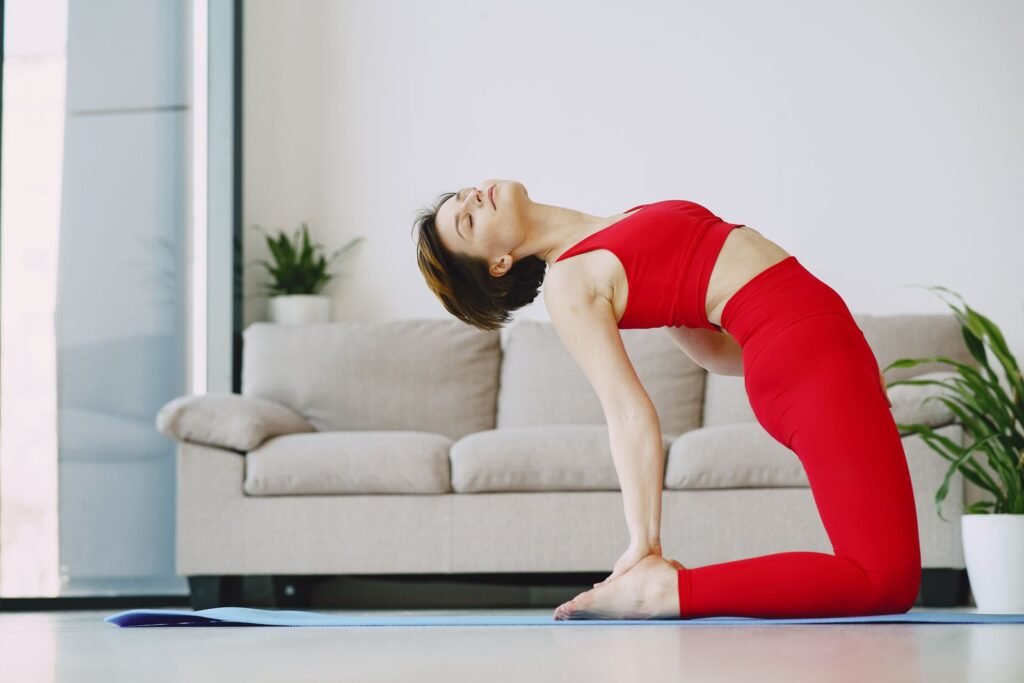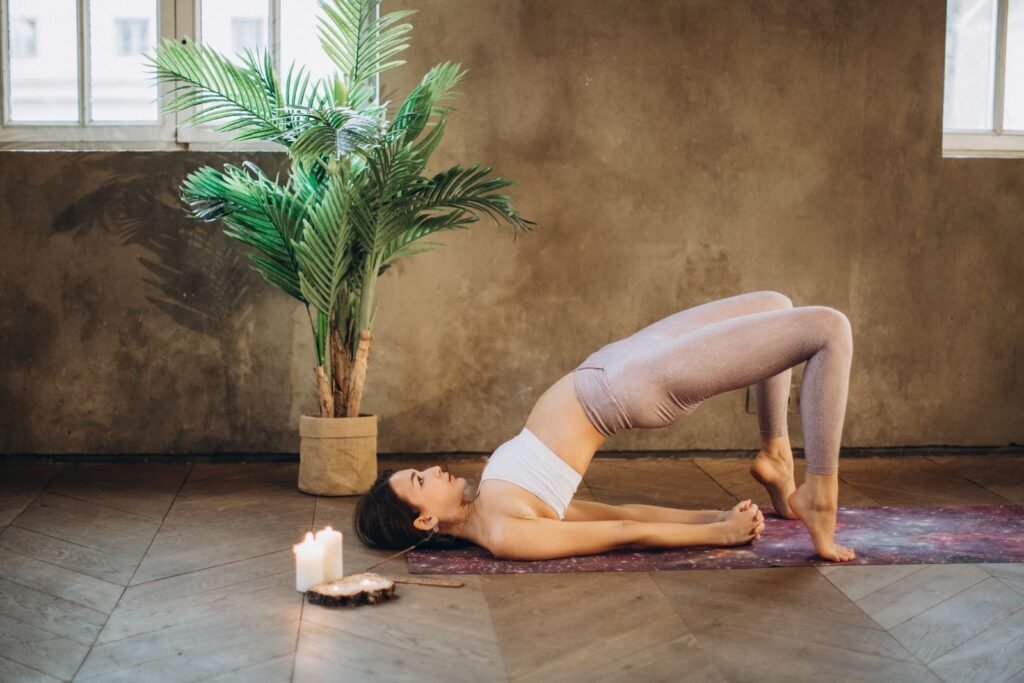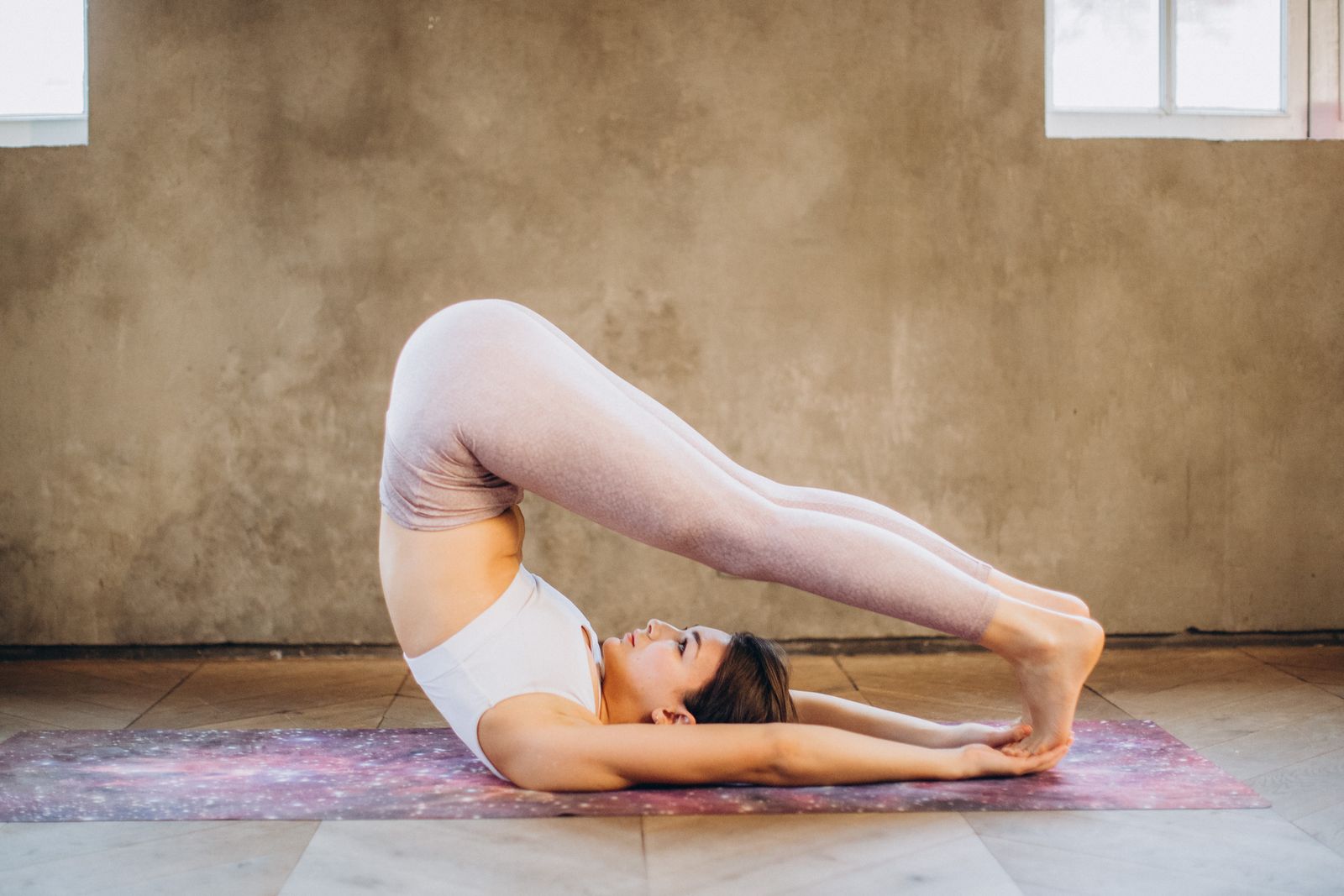
Yoga for gas works because specific poses physically compress and twist the abdomen, helping move trapped air through the intestines while calming the nervous system that controls digestion. Poses like Pavanamuktasana (wind-relieving pose), Ardha Matsyendrasana (seated spinal twist), and Malasana (yogic squat) act fastest for immediate bloating relief, while a daily practice combining these with slow diaphragmatic breathing addresses the root causes of chronic gas: poor digestion, stress, and a sluggish gut. Most people feel noticeable relief within 10 to 15 minutes of practice, and consistent practice over 2 to 4 weeks can reduce how often gas and bloating occur in the first place.
Why Does Yoga Help With Gas and Bloating?
Gas builds up in the digestive tract when swallowed air, undigested carbohydrates, or slow-moving bowel contents ferment and produce gas as a byproduct. Yoga addresses this through three distinct mechanisms. First, twisting and compressing poses create gentle pressure on the stomach and intestines, physically nudging trapped air bubbles toward the exit points of the digestive tract. Second, deep diaphragmatic breathing massages the internal organs with every inhale and exhale, a benefit you can read more about in our guide to pranayama benefits. Third, yoga lowers cortisol and activates the parasympathetic nervous system, and because digestion slows dramatically under stress, this “rest and digest” shift is often what unlocks relief when nothing else has worked. If you’re new to the practice, our beginner’s guide to yoga is a useful starting point before attempting the poses below.
What Is the Best Yoga Pose for Instant Gas Relief?
Pavanamuktasana, literally translated as “wind-relieving pose,” is widely considered the single most effective asana for immediate gas relief. Lie on your back, draw both knees into your chest, and wrap your arms around your shins, gently rocking side to side. This position compresses the ascending and descending colon simultaneously, encouraging trapped gas to move along the digestive tract. Hold for 30 to 60 seconds, release, then repeat 3 to 5 times. Many people report an audible release of gas within the first two or three repetitions. This pose pairs naturally with the poses recommended in our article on yoga for constipation, since both conditions often occur together and respond to the same core compressions.
How Does the Seated Spinal Twist Relieve Trapped Gas?
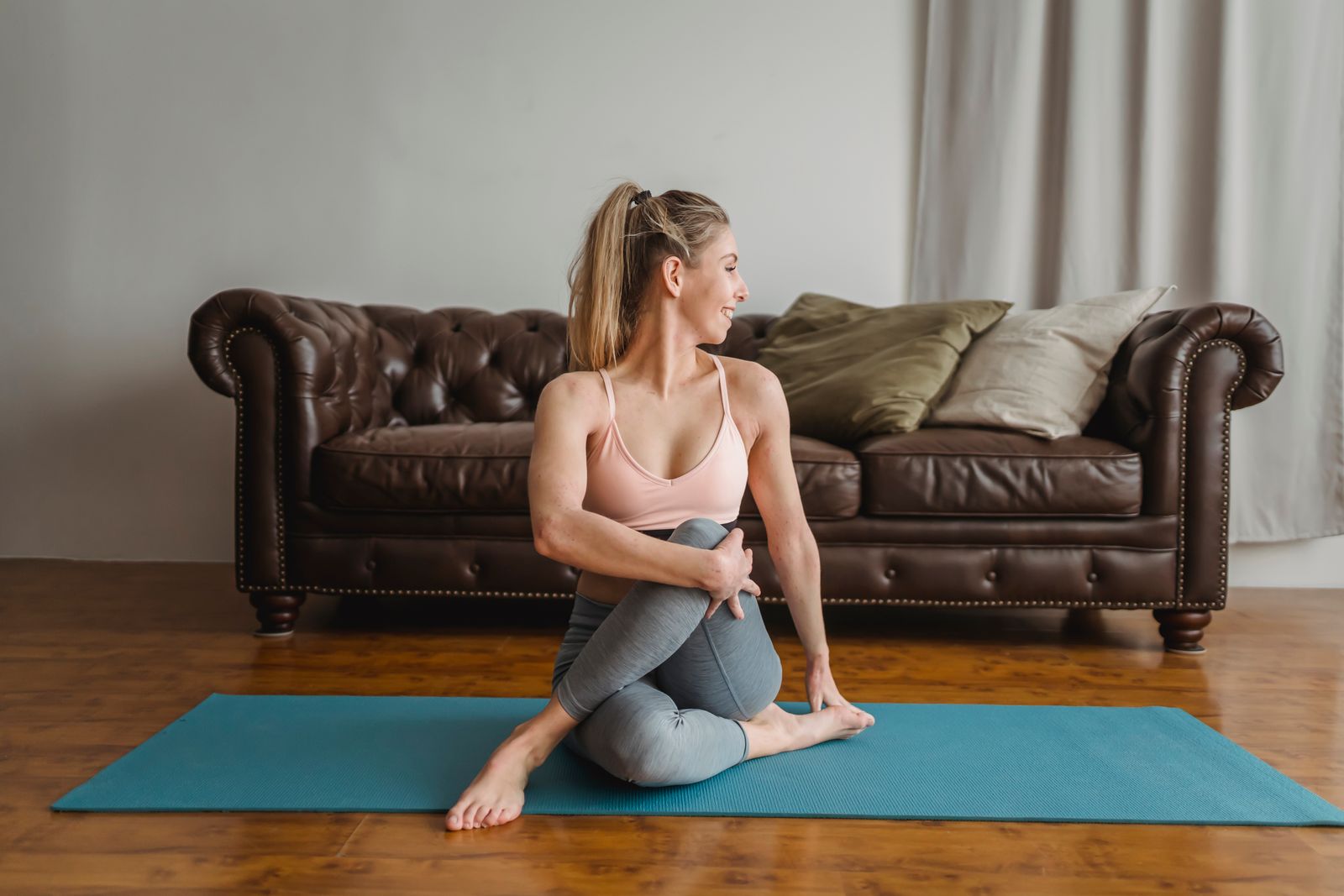
Ardha Matsyendrasana, the seated half spinal twist, works differently from compression poses. Instead of squeezing the abdomen from front to back, the rotation wrings the intestines from side to side, which helps break up gas pockets that have settled into specific sections of the colon. Sit with one leg bent and crossed over the other, place the opposite elbow outside the bent knee, and rotate your torso while keeping your spine tall. Hold for 5 to 8 breaths on each side. Practitioners who deal with gas concentrated on one side of the abdomen, a common complaint, often find twists more effective than forward folds alone. This pose also appears in sequences for lower back tension, covered in our piece on yoga for back pain, since spinal rotation loosens the same muscles that tend to guard around a bloated belly.
Can Malasana (Yogic Squat) Really Reduce Bloating?
Malasana, the deep yogic squat, is one of the most functional poses for digestive health because it mimics the position the body uses naturally to pass stool and gas. Stand with feet slightly wider than hip-width, lower into a deep squat, bring palms together at the heart, and use your elbows to gently press your knees outward. This opens the pelvic floor and reduces resistance in the lower colon, which is often where gas gets stuck at the very end of its journey. Hold for 30 to 60 seconds, breathing deeply into the belly rather than the chest. If your ankles or hips are tight, place a rolled blanket under your heels. Malasana is also foundational in practices for hemorrhoids and lower bowel health, discussed further in our guide to yoga for piles.
What Yoga Poses Help With Gastritis Specifically?
Gastritis, inflammation of the stomach lining, needs a gentler approach than general gas relief because aggressive twists and deep compressions can aggravate an already irritated stomach. For gastritis, prioritize Vajrasana (thunderbolt pose, seated on the heels after meals), gentle Cat-Cow (Marjaryasana-Bitilasana) to mobilize the spine without pressure on the stomach, and Balasana (child’s pose), which relaxes the abdominal wall without compression. Avoid deep forward folds and intense twists during an active gastritis flare, since these can increase intra-abdominal pressure against an inflamed stomach lining. If gastritis symptoms are persistent, burning, or accompanied by weight loss or blood in stool, this is a medical concern that needs a doctor’s evaluation before yoga becomes your primary approach.
How Does Baba Ramdev’s Yoga Approach Gas and Acidity?
Baba Ramdev, the yoga teacher who popularized Patanjali Yogpeeth and made pranayama mainstream across Indian television, is commonly cited in Indian media for recommending Kapalbhati (skull-shining breath), Vajrasana after meals, and Pavanamuktasana as a combined routine for gas, acidity, and constipation. Kapalbhati involves short, forceful exhales through the nose paired with passive inhales, which is said to stimulate abdominal muscles and improve digestive fire, though anyone with high blood pressure, hernia, or recent abdominal surgery should skip Kapalbhati specifically and stick to gentler breathing instead. This approach is often searched alongside general digestive yoga because it combines breathwork with asana rather than treating them separately, which reflects a broader principle in yoga: gas relief is rarely about one pose alone. It’s about the interaction between breath, movement, and rest, a theme also explored in our article on yoga nidra.
What Breathing Techniques Reduce Gas and Bloating?
Pranayama, the yogic science of breath control, plays a bigger role in digestion than most people realize. Shallow chest breathing, the default for most adults under stress, barely moves the diaphragm and does little to stimulate the gut. Deep diaphragmatic breathing, sometimes called belly breathing, pushes the diaphragm down into the abdominal cavity on every inhale, which massages the stomach, small intestine, and colon with each breath cycle. Anulom Vilom (alternate nostril breathing) is particularly useful for gas linked to stress and anxiety, since it balances the autonomic nervous system within a few minutes of practice. Practice 10 rounds of slow diaphragmatic breathing before or after your asana practice, inhaling for a count of 4 and exhaling for a count of 6, to extend the parasympathetic benefit. For a deeper breakdown of these techniques, see our guide to pranayama for beginners.
Is Bloating From Gas the Same as Bloating From Weight Gain?
No, and this distinction matters for choosing the right yoga approach.
| Factor | Gas-Related Bloating | Weight-Related Fullness |
|---|---|---|
| Duration | Temporary, fluctuates within hours | Constant, changes over weeks |
| Main trigger | Swallowed air, fermentation, slow-moving bowel | Overall body composition |
| Typically resolves after | Passing gas or a bowel movement | Sustained diet and lifestyle change |
If your bloating is a daily, all-day sensation rather than an after-meal spike, it may be worth exploring a broader practice like the one in our yoga for weight loss guide, which addresses metabolic and lifestyle factors alongside digestion. Many people dealing with chronic gas also carry excess abdominal weight that physically compresses the intestines and slows gas transit, so the two issues frequently overlap in practice even though their mechanisms differ.
Which Daily Yoga Sequence Works Best for Chronic Gas Problems?
For people dealing with gas most days rather than occasionally, a short structured sequence beats scattered pose practice. Follow this practical 15-minute morning sequence in order:
- Diaphragmatic breathing – 2 minutes seated in Vajrasana
- Cat-Cow – 5 rounds to warm the spine
- Pavanamuktasana – 30 seconds on each leg individually, then 45 seconds with both legs together
- Ardha Matsyendrasana – 5 breaths per side
- Malasana – hold for 45 seconds
- Shavasana (corpse pose) – 3 minutes lying down to let the nervous system settle
Practicing this sequence consistently, ideally at the same time each day, gives the digestive system a predictable rhythm, and gut motility tends to respond well to routine. This sequence structure mirrors the approach in our morning yoga routine guide, adapted specifically for digestive complaints.
Does Yoga for Gas Work Better Before or After Meals?
Timing changes which poses are appropriate. Immediately after eating, avoid deep twists, inversions, and strong compressions, since these can push against a full stomach and worsen reflux or discomfort; Vajrasana is the one seated pose specifically recommended right after meals because it aids digestion without pressure. Wait at least 60 to 90 minutes after a full meal before attempting Pavanamuktasana, twists, or Malasana. The best time for a full gas-relief sequence is either first thing in the morning on an empty stomach or 2 to 3 hours after your last meal in the evening. Practicing on an empty stomach also reduces the risk of nausea during deeper twists and forward folds, a consideration covered more broadly in our guide to yoga safety tips.
Can Yoga Help With Gas Linked to IBS or a Sluggish Liver?
Gas and bloating frequently overlap with irritable bowel syndrome (IBS) and sluggish liver function, both of which slow the rate at which food moves through the gut and increase fermentation time. For IBS-linked gas, gentle, consistent practice matters more than intensity, since IBS symptoms often flare with physical or emotional stress, and overly vigorous twisting can sometimes aggravate rather than help. For liver-related sluggishness, which frequently presents as bloating alongside fatigue and skin issues, twisting poses that compress and release the right side of the abdomen, where the liver sits, can support circulation to the organ. Our detailed guide on yoga for fatty liver covers pose sequencing for this specific overlap in more depth.
What Lifestyle Habits Make Yoga for Gas More Effective?
Yoga works best as part of a broader digestive routine rather than an isolated fix. Eating slowly and chewing thoroughly reduces the amount of air swallowed with food, which is one of the most common and overlooked sources of gas. Staying hydrated supports the mucosal lining of the gut and keeps stool consistency regular enough to prevent gas from becoming trapped behind slow-moving waste. Limiting carbonated drinks, excess dairy if you’re lactose sensitive, and cruciferous vegetables in raw form right before a big yoga session can prevent avoidable bloating. Combining your practice with a short walk after meals, even 10 minutes, adds mechanical movement to the gut that complements what yoga achieves through poses. For people managing multiple digestive concerns at once, our roundup on yoga for digestion ties these lifestyle factors together with a broader pose library.
Are There Yoga Poses to Avoid If You Have Gas or Gastric Pain?
Certain poses can worsen gas and gastric discomfort rather than relieve it, particularly during an active flare. Deep backbends like Urdhva Dhanurasana (wheel pose) stretch the abdominal wall in a way that can increase pressure on an already bloated stomach. Inversions such as headstand or shoulder stand redirect blood flow and intra-abdominal pressure upward, which can worsen reflux-related gas in particular. Intense core-strengthening poses like Navasana (boat pose), which contract the abdominal muscles hard, can trap gas rather than release it if practiced during acute bloating. The general rule: during a gas flare, favor poses that open and lengthen the abdomen gently rather than ones that compress it forcefully or invert the body. Building general body awareness through consistent practice, discussed in our guide to types of yoga, helps you recognize which style suits your gut on a given day.
When Should Gas and Bloating Be Treated as a Medical Issue, Not Just a Yoga Fix?
Yoga is a genuinely effective complementary tool for everyday gas and bloating, but it is not a substitute for medical care when symptoms point to something more serious. See a doctor if gas is accompanied by unexplained weight loss, blood in stool, persistent vomiting, severe or worsening abdominal pain, or symptoms that don’t improve with dietary changes and consistent gentle movement over several weeks. Conditions like celiac disease, inflammatory bowel disease, and gallbladder issues can all present initially as simple gas and bloating. Yoga can sit comfortably alongside medical treatment for these conditions as a supportive practice, but it should never delay a proper diagnosis when warning signs are present.
Questions People Ask About Yoga for Gas
How quickly does yoga relieve gas pain?
Most people feel relief within 10 to 15 minutes of practicing poses like Pavanamuktasana and Ardha Matsyendrasana, often noticing an audible release of gas during the first few repetitions. Chronic or deeply trapped gas may take a full 20 to 30 minute sequence combining twists, compressions, and breathing before relief sets in. Consistency matters more than a single session for recurring gas problems.
Can yoga cure gastric problems permanently?
Yoga can significantly reduce how often gas and gastric discomfort occur by improving digestion, reducing stress, and encouraging regular bowel movement, but it doesn’t “cure” an underlying medical condition on its own. For chronic gastritis, IBS, or other diagnosed digestive disorders, yoga works best as a consistent supportive practice alongside dietary changes and, where needed, medical treatment.
Is it safe to do yoga for gas during pregnancy?
Many gentle poses like Cat-Cow and modified breathing are generally considered safe during pregnancy and can help with pregnancy-related bloating, but deep twists, strong abdominal compressions like classic Pavanamuktasana, and any pose that puts direct pressure on the belly should be avoided or modified. Always consult your doctor or a prenatal yoga instructor before starting a new digestive-focused practice during pregnancy.
What causes gas to get worse at night?
Gas often feels worse at night because lying flat removes gravity’s help in moving gas downward through the intestines, and a full day’s worth of swallowed air and fermenting food catches up by evening. A short 10-minute gentle sequence of Pavanamuktasana and seated twists an hour before bed, combined with avoiding heavy or gas-producing foods at dinner, typically reduces nighttime bloating.
Does Kapalbhati breathing actually help with gas?
Kapalbhati, a forceful exhale breathing technique popularized in Indian yoga traditions including by teachers like Baba Ramdev, is commonly cited as helpful for stimulating digestive fire and abdominal muscles. However, it should be avoided by anyone with high blood pressure, hernia, recent abdominal surgery, or during pregnancy, since the forceful abdominal contractions involved can aggravate these conditions.
Try This for Yourself
Reading about gas-relief poses only gets you partway there; the actual relief comes from practicing them with correct alignment, breath timing, and pacing, which is far easier to learn with live guidance than from a page of instructions. If you want a structured, guided routine built around real digestive concerns like gas, bloating, and gastric discomfort, join a live session with FitStrot’s online yoga classes and get pose corrections and pacing tailored to your body in real time.
Related reading: Yoga for Constipation, Yoga for Piles, Yoga for Fatty Liver, Yoga for Weight Loss, and explore FitStrot’s online yoga classes to build a full digestive health routine with expert guidance.