Yoga for migraine works by calming an overactive nervous system, releasing tension in the neck, shoulders, and jaw that often feeds head pain, and training slower, deeper breathing that can shorten the intensity of an attack. It is not a cure and will not replace medication for most people, but gentle, restorative styles of yoga combined with pranayama (breath work) and meditation are commonly recommended alongside standard migraine treatment. Several small clinical studies have found that adding yoga to conventional care improved headache frequency, pain intensity, and quality of life more than medical treatment alone. The key is choosing calming, floor-based poses over vigorous or heated styles, since intense practice can itself trigger an attack in sensitive people.
What Actually Causes a Migraine, and Why Would Yoga Help?
A migraine is a neurological event, not “just a bad headache.” It involves changes in blood vessel activity in the brain, a wave of altered electrical activity called cortical spreading depression, and the release of inflammatory neuropeptides like CGRP (calcitonin gene-related peptide) that sensitize pain pathways. Common triggers include stress, poor sleep, dehydration, skipped meals, hormonal shifts, bright light, and neck or jaw tension. Yoga does not act on CGRP directly, but it does target several of the upstream triggers: it lowers sympathetic nervous system activity (the fight-or-flight response), reduces muscular tension in the cervical spine and upper trapezius, and improves sleep quality, all of which are documented migraine contributors. This overlap with general stress physiology is also why practices like yoga for stress relief and yoga for anxiety share so many techniques with migraine-focused routines. Think of yoga as addressing the conditions that make an attack more likely, rather than the biochemical cascade of the attack itself.
Does Yoga for Migraine Actually Have Research Behind It?
Yes, though the evidence base is still growing and researchers are clear that more large-scale trials are needed. A 2014 study following 60 participants found that a structured yoga intervention significantly improved headache frequency and pain intensity compared to standard care alone. A 2020 trial with 161 participants concluded that yoga added to conventional medical treatment was superior to medical treatment by itself. A 2021 study of 61 participants reported that yoga therapy combined with standard treatment further improved quality of life and reduced migraine headaches. Smaller 2018 research paired yoga with Ayurvedic approaches and found reductions in symptom severity and pain intensity. Taken together, these studies point in a consistent direction: yoga appears to help as a complementary therapy, not as a replacement for medical care, and results tend to build over weeks of consistent practice rather than appearing after a single session.
Which Yoga Poses Help Most With Migraine?
The most helpful poses are gentle, grounding, and forward-folding, since they encourage the nervous system to shift out of alert mode:
- Balasana (child’s pose): Releases tension across the lower back and allows the neck to fully relax while the forehead rests on the mat.
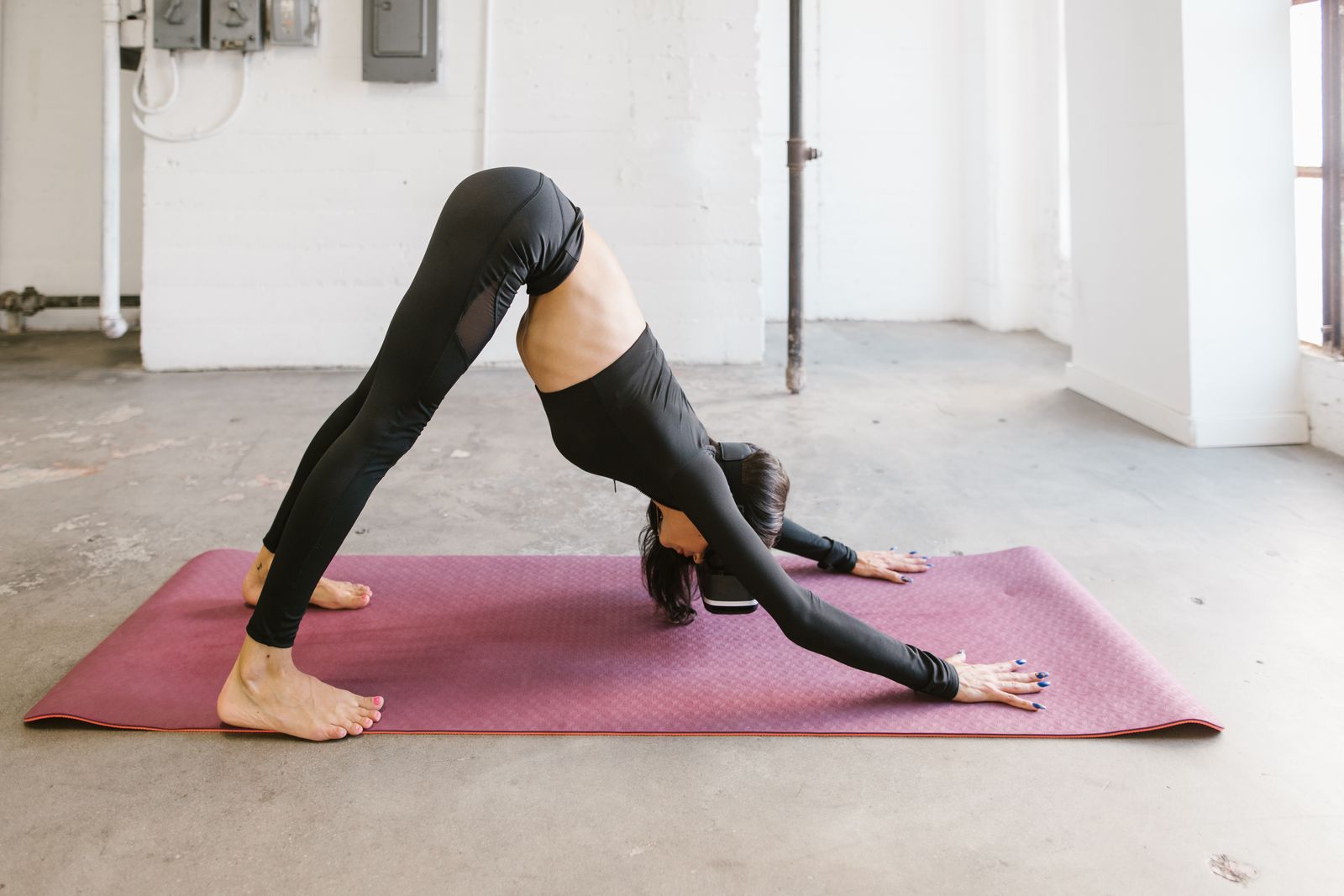
- Adho Mukha Svanasana (downward-facing dog): Gently increases blood flow to the head while lengthening the spine, though it should be practiced slowly and never held if it worsens throbbing pain; this is one of the same foundational poses covered in most guides to vinyasa yoga, though it should be moved into slowly here rather than as part of a flowing sequence.
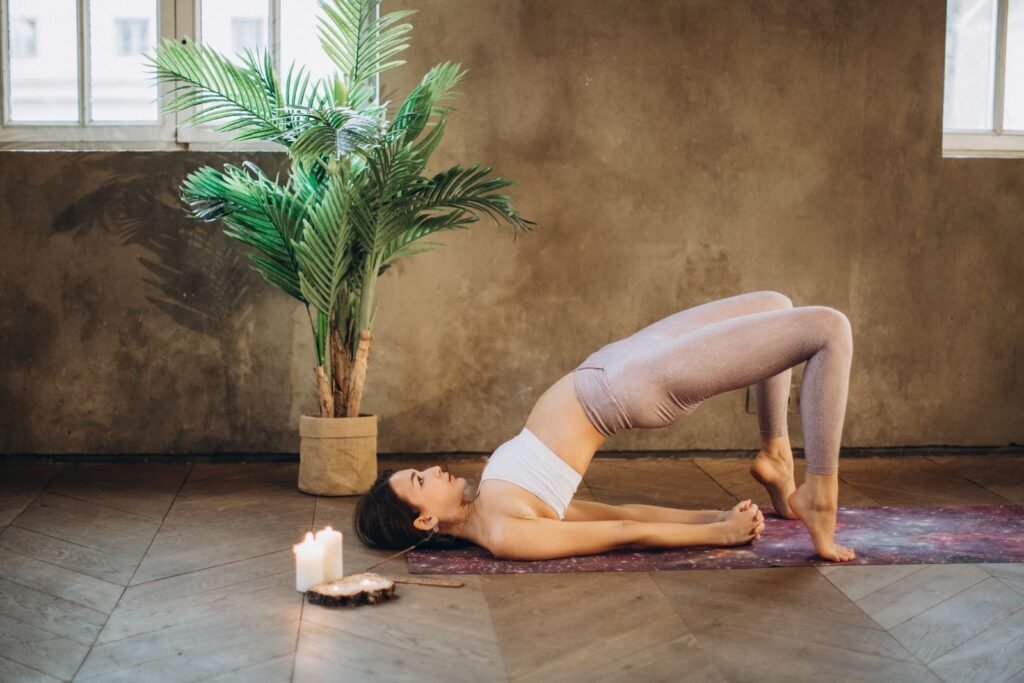
- Setu Bandhasana (bridge pose): Opens the chest and eases tension that accumulates in the shoulders and upper back from stress.
- Viparita Karani (legs-up-the-wall pose): One of the most consistently recommended postures for migraine because it requires almost no muscular effort while calming the nervous system, and it is also a staple of restorative yoga for exactly this reason.
- Marjaryasana-Bitilasana (cat-cow): Mobilizes the neck and spine gently, which matters because cervicogenic tension is a well-documented migraine contributor and a frequent overlap with yoga for neck pain.
- Supta Baddha Konasana (reclined bound angle pose): Opens the hips and chest in a fully supported position, often with a bolster or cushion under the spine.
How Does Pranayama (Breathing) Reduce Migraine Symptoms?
Breath work is arguably more important than the physical postures for migraine specifically, and it forms the core of most structured pranayama breathing exercises. Nadi Shodhana (alternate nostril breathing) is frequently cited as calming for headache sufferers because it balances activity between the sympathetic and parasympathetic nervous systems, reducing the physiological stress response that can precede or worsen an attack. Bhramari pranayama (humming bee breath) produces a gentle vibration that some people find soothing for tension around the temples and sinuses. Simple diaphragmatic breathing, inhaling for a count of four and exhaling for a count of six to eight, activates the vagus nerve and can lower heart rate and blood pressure within a few minutes. During an active migraine, aggressive or fast-paced breathing techniques like Kapalabhati should be avoided entirely, since they can increase intracranial pressure sensations and worsen throbbing pain.

Can You Practice Yoga During an Active Migraine Attack?
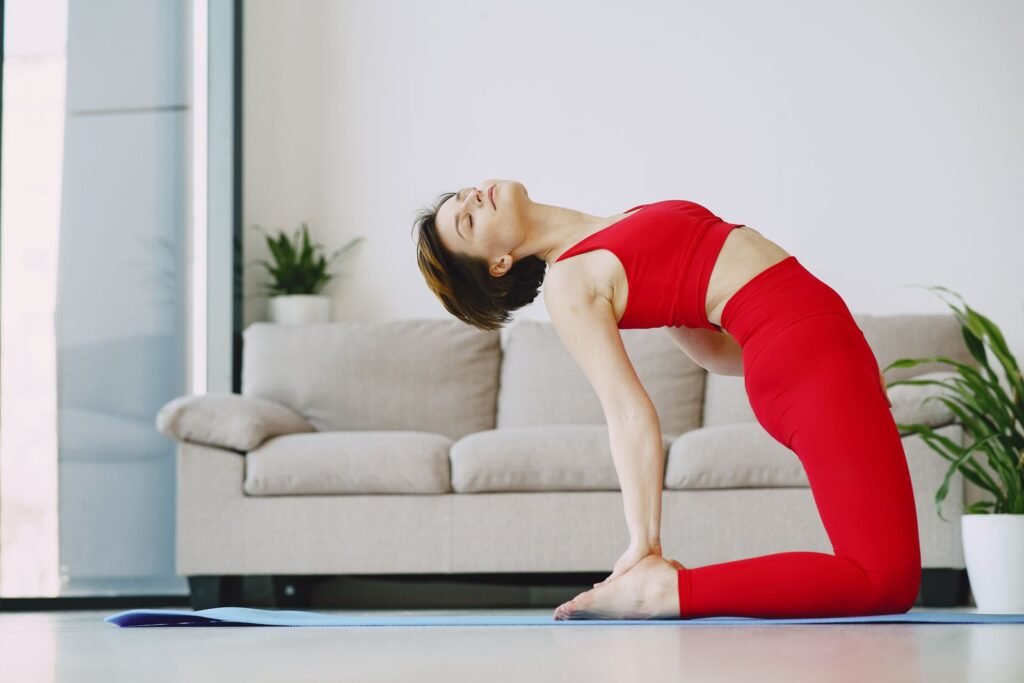
During an active attack, the goal shifts from a full practice to minimal, restorative relief. Most people find that lying in Viparita Karani (legs up the wall) or Savasana (corpse pose) in a dark, quiet room is more helpful than any active sequence, similar to how yin yoga favors long, passive holds over active movement. Gentle neck rolls and slow diaphragmatic breathing can be done lying down without needing to get up. Avoid any inversion that lowers the head below the heart for extended periods, avoid backbends that compress the neck, and stop immediately if a pose intensifies throbbing or triggers nausea. Many migraine sufferers report that light matters as much as movement, so practicing with eyes closed or in dim lighting is often more useful than the specific pose chosen.
What Is the Best Time of Day for Migraine-Focused Yoga?
Consistency matters more than timing, but many people with migraine find a short morning practice helpful for regulating the nervous system before the day’s stressors accumulate, while a slower evening practice supports the sleep quality that is closely tied to migraine frequency. This is one reason morning yoga routine guides so often overlap with sleep and stress management advice. Practicing at the same time each day also helps regulate circadian rhythm, and irregular sleep-wake patterns are a well-established migraine trigger. A 15 to 20 minute session focused on gentle stretching and breath work, done consistently five to six days a week, tends to produce more noticeable results over a few months than occasional longer sessions.
Yoga Asanas for Migraine: A Sample Beginner Sequence
A simple daily sequence for someone new to yoga for migraine relief takes under 25 minutes and requires no equipment beyond a mat and, ideally, a bolster or folded blanket:
- Five minutes of seated diaphragmatic breathing
- Two minutes of cat-cow to mobilize the neck and spine
- Three minutes in child’s pose with the forehead supported
- Three minutes in supported bridge pose
- Ten minutes finishing in legs-up-the-wall or savasana
People who are new to yoga altogether may want to start with a broader look at the different types of yoga to find a style that matches their energy levels and physical comfort, since restorative and yin styles tend to suit migraine sufferers better than fast-paced vinyasa flows.
How Is Migraine Yoga Different From General Stress-Relief Yoga?
General stress-relief yoga often incorporates more dynamic movement, sun salutations, and standing balance poses, all of which are fine for most people but can be risky for migraine sufferers because rapid head movements, inversions, and breath-holding can act as triggers. Migraine-focused practice deliberately slows things down: transitions are gentler, twists are avoided or modified, and there is more emphasis on supported, prop-assisted positions that require zero muscular strain. If you are also managing tension headaches, you may find crossover benefit from postures used in general yoga for back pain routines, since upper back and shoulder tightness frequently radiates into head pain.
What Lifestyle Habits Multiply the Benefits of Yoga for Migraine?
Yoga works best as one piece of a broader routine rather than an isolated fix. Maintaining consistent sleep and wake times, staying hydrated throughout the day, eating regular meals to avoid blood sugar dips, and limiting screen time in the evening all reduce the baseline frequency of attacks. Many migraine sufferers also benefit from tracking known dietary triggers such as aged cheese, alcohol, and highly processed foods alongside their yoga practice. Because migraine and body weight can be connected through inflammation and metabolic factors, some people also explore yoga for weight loss as a complementary approach when a healthcare provider has identified weight as a contributing factor. Managing stress through a broader mindfulness practice, not just the physical postures, tends to produce the most durable reduction in attack frequency over time, which is also why so many people pair migraine-focused sessions with meditation for beginners techniques.
Migraine Ke Liye Yoga: Why Gentle Practice Matters
For people searching for migraine ke liye yoga, the same core principle applies regardless of language or region: gentle, restorative practice outperforms intense practice for this specific condition. Pranayama techniques like Anulom Vilom (alternate nostril breathing) and Bhramari are widely taught in traditional yoga therapy specifically for headache and migraine management, and they translate directly into the same breathing practices described earlier in this guide. Asanas like Balasana, Setu Bandhasana, and Viparita Karani are taught the same way in traditional Indian yoga therapy as they are in modern restorative yoga studios, since the underlying physiology of nervous system regulation does not change with geography. Readers researching Ayurveda alongside yoga therapy may also want to look at how yoga and ayurveda approaches overlap for chronic conditions like migraine.
How Long Before Yoga Starts Reducing Migraine Frequency?
Based on the structure of the clinical studies referenced earlier, most research protocols ran for eight to twelve weeks of consistent practice, generally three to five sessions per week, before measuring meaningful changes in headache frequency and intensity. This mirrors what many yoga therapists report anecdotally: a single session might ease tension in the moment, but the nervous system regulation that reduces underlying migraine frequency tends to build gradually. People who stop after a week or two because they “didn’t notice a difference” are often stopping before the studies suggest benefits typically appear. Patience and consistency outperform intensity for this specific goal.
Are There Risks or People Who Should Avoid Certain Yoga Poses for Migraine?
Yes. People with migraine, especially those with migraine with aura, cervical spine issues, high or low blood pressure, or a history of dizziness and vertigo, should avoid full inversions like headstand and shoulder stand, deep backbends that compress the neck, and any fast, forceful breathing technique. Hot yoga and heated Vinyasa classes are commonly discouraged for migraine sufferers because dehydration and overheating are established triggers. This same caution applies to anyone managing yoga for high blood pressure, since the pose modifications for both conditions largely overlap. Anyone starting a new yoga practice for migraine management should tell their instructor about their condition and consult a doctor first, particularly if migraines are frequent, severe, or accompanied by neurological symptoms like visual disturbances or numbness. Yoga should complement, not replace, any prescribed migraine treatment plan.
How Does Yoga Compare to Other Migraine Management Approaches?
Yoga is generally classified as a complementary or adjunct therapy rather than a first-line treatment, meaning it works alongside approaches like preventive medication, trigger avoidance, and lifestyle changes rather than instead of them. Compared to purely pharmacological approaches, yoga has a slower onset of benefit but no drug interactions and virtually no side effects when practiced gently. Compared to general exercise, yoga’s advantage for migraine specifically is its dual focus on physical release and nervous system regulation through breath work, something that higher-intensity cardio does not directly target. People managing chronic pain conditions more broadly often find that the same principles used in yoga for lower back pain and yoga for varicose veins overlap significantly with migraine management, since all three benefit from improved circulation, reduced systemic inflammation, and lower baseline stress.
What Should a Beginner’s First Month of Migraine Yoga Look Like?
The first month should prioritize building the habit over perfecting the poses. Week one can focus purely on breath work, five to ten minutes of diaphragmatic breathing and alternate nostril breathing daily, to establish nervous system regulation before adding movement. Week two introduces gentle floor poses: child’s pose, cat-cow, and legs-up-the-wall, each held for two to five minutes. Week three adds supported backbends like bridge pose and reclined bound angle pose. Week four combines everything into the fuller sequence described earlier in this guide, ideally practiced five to six days a week. Anyone exploring yoga more broadly during this period might also benefit from understanding the wider benefits of yoga for stress and overall health, since migraine improvement is often part of a broader pattern of reduced anxiety and better sleep.
Questions People Ask About Yoga for Migraine
Can yoga cure migraines permanently?
No. Yoga is not a cure for migraine, which is a neurological condition with genetic and physiological components. Research suggests yoga can meaningfully reduce headache frequency and intensity when practiced consistently alongside standard medical treatment, but it works as a complementary management tool rather than a permanent fix. Most people continue ongoing practice to sustain the benefits, similar to how medication requires continued use.
Which yoga pose gives the fastest migraine relief?
Viparita Karani (legs-up-the-wall pose) is widely reported as offering the fastest sense of relief because it requires no muscular effort, gently redirects blood flow, and activates the parasympathetic nervous system within minutes. It is also one of the safest poses to try during an active migraine attack, unlike more strenuous postures that some people find worsen throbbing pain.
Is hot yoga bad for migraine sufferers?
Generally, yes. Heated classes increase the risk of dehydration and overheating, both established migraine triggers, and the intensity of hot yoga sequences can itself provoke an attack in sensitive individuals. Gentle, room-temperature restorative or yin yoga is consistently recommended over hot yoga for people managing migraine.
How often should I practice yoga to reduce migraine frequency?
Clinical studies on yoga and migraine generally used protocols of three to five sessions per week over eight to twelve weeks before measuring significant improvement. Shorter, more frequent sessions (15 to 20 minutes daily) tend to be more sustainable and effective than occasional long sessions once or twice a week.
Can beginners with migraine safely start yoga on their own?
Beginners can safely start with gentle, floor-based poses like child’s pose and legs-up-the-wall without supervision, but should avoid inversions, deep backbends, and fast breathing techniques until they understand their own triggers. Consulting a doctor first is recommended, especially for anyone with frequent, severe, or aura-associated migraines, or underlying blood pressure or spine conditions.
Try This for Yourself
Reading about gentle poses and breathing techniques is a useful starting point, but migraine relief through yoga builds through guided, consistent practice rather than a single article. If you want structured support with pacing, sequencing, and breath work tailored to real bodies and real schedules, explore FitStrot’s online yoga classes and start building a practice designed around your specific needs.
Related reading: yoga for back pain, yoga for lower back pain, yoga for varicose veins, yoga for weight loss, and FitStrot’s online yoga classes.