Yoga for high blood pressure works primarily by calming the nervous system and lowering stress hormones, which in turn relaxes blood vessels and reduces the resistance your heart has to pump against. It is not a replacement for prescribed medication, but a consistent practice of slow breathing, gentle stretching, and restorative poses is commonly recommended alongside standard hypertension care because it targets the stress-driven mechanisms that keep blood pressure elevated. One controlled study published in the Canadian Journal of Cardiology in December 2022 found that people who added 15 minutes of yoga to their daily aerobic exercise saw a 10-point drop in systolic blood pressure over three months, compared with just a 4-point drop in a group doing standard stretching instead of yoga. The safest approach avoids inversions, intense backbends, and forceful breath-holding, focusing instead on forward folds, supported reclines, and slow diaphragmatic breathing.
How Does Yoga Actually Lower Blood Pressure?
Yoga lowers blood pressure primarily through its effect on the autonomic nervous system, the part of the body that automatically controls heart rate, blood vessel tone, and stress hormone release. Chronic stress keeps the sympathetic (“fight or flight”) branch of this system dominant, which narrows blood vessels and raises resting blood pressure over time. Slow breathing, gentle movement, and restorative poses shift the balance toward the parasympathetic (“rest and digest”) branch, which widens blood vessels and lowers heart rate. Researchers also point to yoga’s effect on cortisol, the primary stress hormone, as a key mechanism: sustained high cortisol is associated with higher blood pressure, and calming practices like yoga are commonly cited as a way to bring cortisol down over weeks of consistent practice. This is the same underlying stress-hormone pathway explored in guides to yoga for thyroid and yoga for PCOS, since so many chronic conditions share this same stress-driven feedback loop.
What Does the Research Actually Say About Yoga and Blood Pressure?
The evidence for yoga and blood pressure has grown steadily, though researchers agree larger, longer trials are still needed before yoga can be called a standalone treatment for hypertension. A widely cited study published in the Canadian Journal of Cardiology in December 2022 followed 60 people with high blood pressure and metabolic syndrome for three months. All participants did 30 minutes of aerobic exercise five days a week, and one group added 15 minutes of yoga while the other added 15 minutes of standard stretching. The yoga group achieved a 10-point reduction in systolic blood pressure, compared with a 4-point reduction in the stretching group, and also showed a lower estimated 10-year risk of heart attack or stroke. Researchers attributed the difference to yoga’s stronger effect on lowering cortisol compared with plain stretching. Other reviews of yoga and prehypertension report modest but consistent reductions in systolic and diastolic readings after eight to twelve weeks of regular practice, generally describing yoga as a reasonable complementary approach rather than a replacement for medication or physician-directed treatment.
Which Yoga Poses Help Most With High Blood Pressure?
The most helpful poses for high blood pressure are calming, forward-folding, and gently supported, since they lower heart rate and avoid the blood-pressure spikes that come with strain, breath-holding, or being upside down.
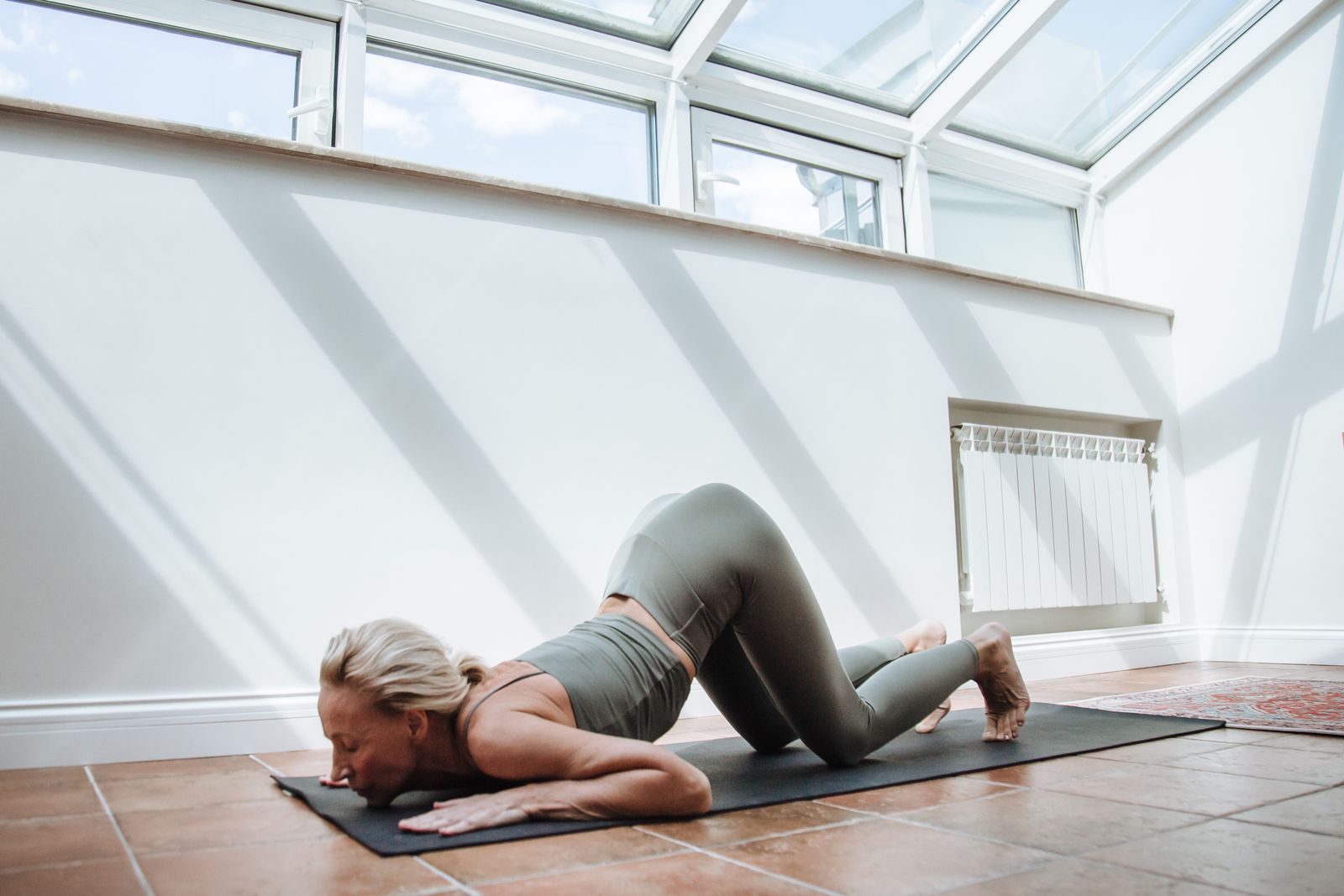
- Balasana (child’s pose) – a resting forward fold that calms the nervous system and is safe for nearly everyone, including beginners.
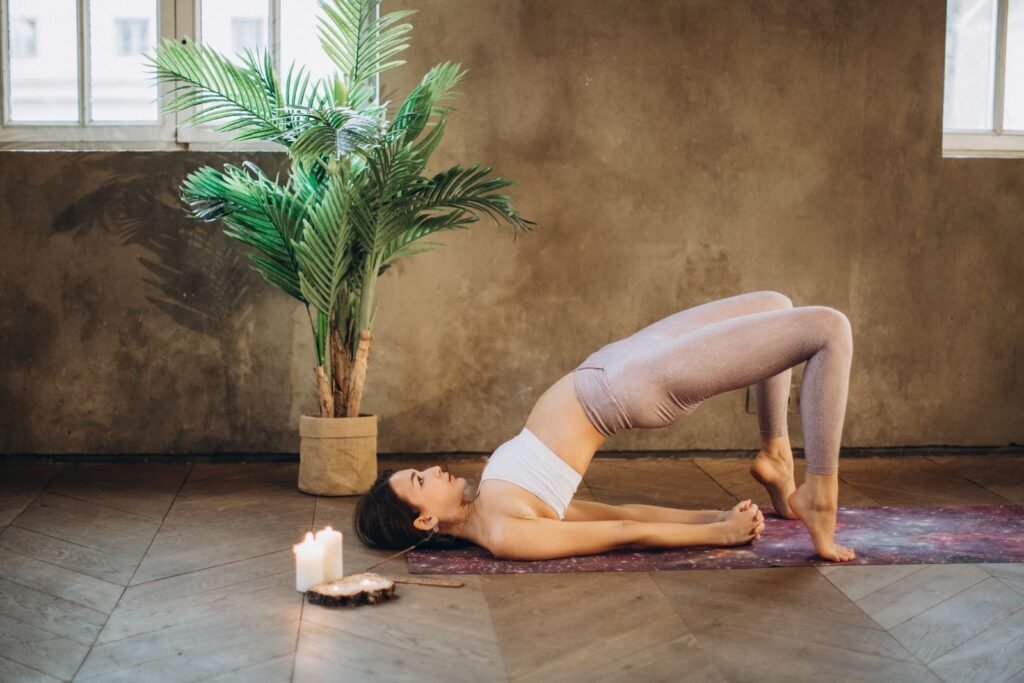
- Setu Bandhasana (bridge pose) – done gently and without excessive strain, opens the chest and mildly stimulates the parasympathetic response without the risks of a full inversion.
- Viparita Karani (legs-up-the-wall pose) – widely recommended for blood pressure management because it passively improves venous return without inverting the whole body the way a headstand would.
- Paschimottanasana (seated forward bend) – calms the mind and gently compresses the abdomen, supporting relaxation.
- Supta Baddha Konasana (reclined butterfly pose) – a fully supported hip-opener that’s especially useful in the evening.
- Shavasana (corpse pose) – should close every blood-pressure-focused sequence, since deep rest is when much of the nervous-system recalibration actually happens.
Anyone building a broader practice around these poses might also want to review types of yoga to understand which style, restorative, gentle hatha, or yin, best matches a calming, low-strain approach.
What Breathing Techniques (Pranayama) Help Lower Blood Pressure?
Pranayama, the yogic practice of controlled breathing, is often considered the single most direct tool for blood pressure management because it acts on the nervous system faster than most physical poses. Anulom Vilom (alternate nostril breathing) is commonly recommended for balancing the sympathetic and parasympathetic branches of the nervous system, and many practitioners find it lowers a racing heart rate within minutes. Bhramari (humming bee breath) has a strong calming effect and is frequently used before bed to lower heart rate and quiet the mind. Simple slow diaphragmatic breathing, inhaling for a count of four and exhaling for a count of six to eight, is one of the most well-supported breathing patterns for activating the parasympathetic response, since a longer exhale relative to the inhale is what signals the body to relax. Kapalabhati (skull-shining breath), a faster, more energizing technique, is generally not recommended for people managing high blood pressure, since its vigorous, forceful exhalations can spike blood pressure rather than calm it. Five to ten minutes of slow, calming pranayama practiced daily is a reasonable starting point for anyone new to breathwork as part of a hypertension routine.
Are There Specific Yoga Mudras That Help With High BP?
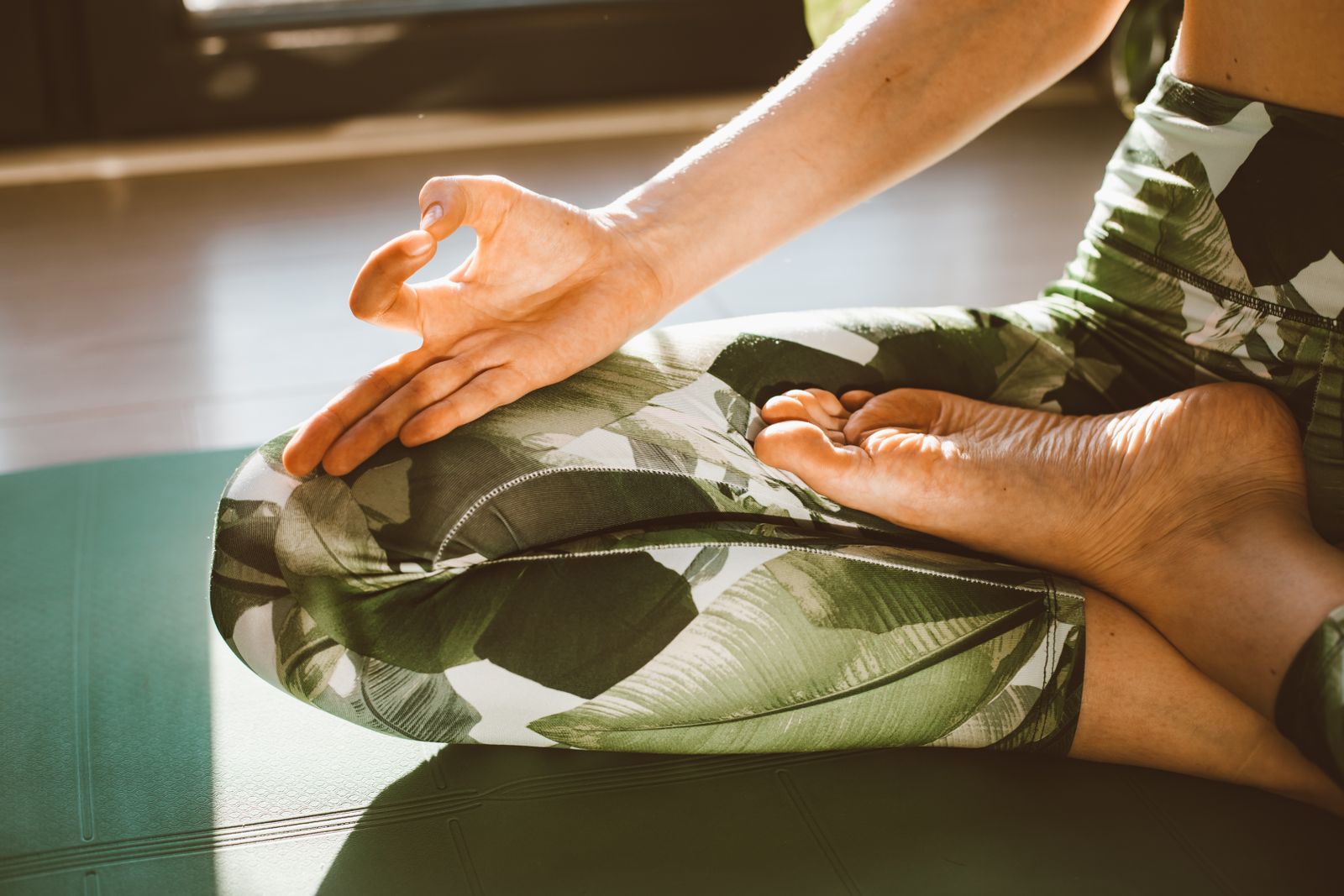
Yoga mudras, symbolic hand gestures believed in traditional yogic practice to redirect subtle energy, are sometimes recommended alongside pranayama for high blood pressure, though the research base for mudras specifically is far thinner than for breathing and asana. Apana Vayu Mudra, sometimes called the “heart mudra,” is most commonly associated with cardiovascular support in traditional teaching, typically practiced for five to fifteen minutes while seated with slow breathing. Prana Mudra is also frequently mentioned for general vitality and calm. These gestures are simple, low-risk, and can be practiced anywhere, but they work best as a small complementary addition to a breathing and asana practice, not a primary intervention on their own.
What Should You Avoid in Yoga if You Have High Blood Pressure?
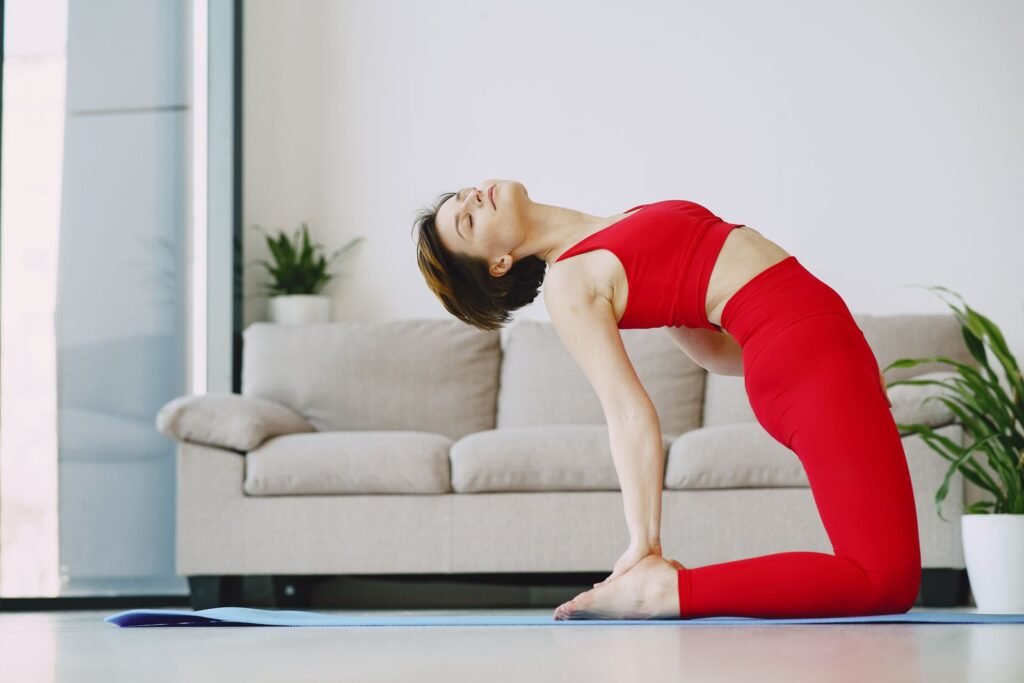
Certain yoga practices are generally discouraged for people managing hypertension, and understanding why matters as much as the list itself. Full inversions such as headstand (Sirsasana) and, to a lesser extent, shoulder stand (Salamba Sarvangasana) increase blood flow and pressure to the head and are widely advised against for anyone with uncontrolled high blood pressure. Deep backbends like Urdhva Dhanurasana (full wheel pose) can also spike blood pressure through the physical strain and breath-holding they often involve. Breath-retention techniques, particularly forceful ones like Kapalabhati or extended breath-holds (kumbhaka), are generally avoided since they can raise blood pressure sharply in the moment. Hot yoga and other high-intensity, heated styles carry similar risk, since heat combined with exertion places extra demand on the cardiovascular system. As a general rule, any pose or breathing pattern that leaves a person red-faced, straining, or holding their breath is probably too intense for someone managing hypertension, even if it would be perfectly appropriate for someone without the condition. This same caution applies to related conditions; our guide to yoga for PCOS covers similar modifications around inversions and intense backbends for hormone-sensitive conditions.
What Does a Simple At-Home Yoga Routine for High BP Look Like?
A basic high-blood-pressure yoga routine can be completed in 20 to 25 minutes with nothing more than a mat, making it accessible for most people regardless of fitness background. Start with five minutes of seated diaphragmatic breathing or Anulom Vilom to lower the baseline heart rate before any movement begins. Move into two to three minutes of gentle cat-cow stretches, a technique detailed in our Marjariasana (Cat-Cow Pose) guide, to warm the spine without strain. Hold Balasana for two to three minutes to settle the nervous system. Add Paschimottanasana for two minutes, folding only as far as feels comfortable rather than forcing depth. Practice Setu Bandhasana gently for one to two minutes, avoiding the more intense variations. Spend five to eight minutes in Viparita Karani, one of the most consistently recommended poses across almost every yoga for high BP resource, since it passively supports circulation without inverting the body. Close with five to ten minutes of Shavasana. Consistency outperforms intensity here: a short daily practice tends to produce steadier results than one long session per week, since blood pressure regulation through the nervous system responds to repetition, not exertion.
How Long Does It Take for Yoga to Lower Blood Pressure?
Most of the research behind yoga for high blood pressure used programs lasting eight to twelve weeks of consistent practice before measuring meaningful changes in systolic or diastolic readings, including the three-month study referenced earlier that found a 10-point systolic drop. Some people notice a calmer resting heart rate and reduced day-to-day stress within the first two to three weeks, but the more durable, measurable blood pressure changes generally take longer and depend on how consistently the practice is maintained. This is not a fast fix, and it should not be treated as a substitute for prescribed medication in the short term; it is a gradual, cumulative approach best combined with regular blood pressure monitoring and physician oversight, particularly for anyone with a pre-existing diagnosis of hypertension.
How Does Yoga Compare to Other Approaches for Managing High Blood Pressure?
Yoga is best understood as a complementary tool that works alongside medical management, not as a substitute for it. The table below summarizes how it compares with other common approaches to managing high blood pressure.
| Approach | Effect on Blood Pressure | Key Consideration |
|---|---|---|
| Antihypertensive medication | Fast-acting, strong, clinically proven | Most reliable option on its own; yoga can support adherence by lowering overall stress and improving sleep |
| Yoga | Slower, more modest (e.g. the referenced 10-point systolic drop over three months) | Essentially no side effects; directly targets the stress-hormone pathway |
| Cardiovascular exercise (walking, cycling) | Moderate, well-established | In the study referenced earlier, adding yoga outperformed adding standard stretching on top of the same aerobic routine |
| Resistance training | Variable; can spike blood pressure during exertion | Yoga is gentler and lower-impact for people prone to exertion-related spikes |
Many clinicians recommend combining moderate aerobic activity, a calming yoga practice, and dietary changes such as reduced sodium intake, rather than relying on any single approach alone.
Can Yoga Help With Related Conditions Like Weight and Hormonal Health?
High blood pressure frequently coexists with other metabolic and hormonal conditions, and yoga’s calming, stress-reducing mechanism tends to apply across all of them in similar ways. Excess weight is one of the most significant modifiable risk factors for hypertension, and a consistent yoga practice can modestly support weight management, particularly when combined with more dynamic styles; our guide to yoga for weight loss covers the poses and sequencing most commonly used for that goal. Thyroid dysfunction, particularly hypothyroidism, is also linked to blood pressure changes, and the guide to yoga for thyroid explores poses targeting the same stress-hormone axis discussed here. Women managing yoga for PCOS often find overlapping recommendations, since insulin resistance and chronic stress connect both conditions. Circulatory health more broadly connects to yoga for erectile dysfunction, where improved blood flow and reduced stress hormones are again the central mechanism. These connections don’t mean yoga treats multiple conditions at once in a clinical sense, but they explain why the same calming poses and breathing techniques show up consistently across health-focused yoga guides.
What Should a Beginner’s First Month of Blood Pressure Yoga Look Like?
The first month should prioritize building a sustainable, low-strain habit rather than attempting advanced poses or long sessions. Week one can focus purely on breathing, five to ten minutes of slow diaphragmatic breathing or Anulom Vilom daily, to begin calming the baseline nervous system before adding movement. Week two introduces gentle stretching and Balasana, held for two to three minutes at a time. Week three adds Paschimottanasana and a gentle version of Setu Bandhasana. Week four introduces Viparita Karani and combines everything into the fuller 20 to 25 minute sequence described earlier, ideally practiced five to six days a week. Anyone monitoring blood pressure at home should track readings weekly, at a similar time of day, to notice trends rather than relying on any single reading, since blood pressure naturally fluctuates throughout the day. Those newer to yoga in general may also want to review the broader benefits of yoga or a gentler entry point like restorative yoga before progressing to more structured routines.
What Lifestyle Factors Work Alongside Yoga for Blood Pressure Control?
Yoga works best as one part of a broader blood-pressure management plan rather than a standalone intervention. Diet plays a major role, since reduced sodium intake and an overall eating pattern rich in vegetables, whole grains, and lean protein are consistently linked to better blood pressure control. Sleep quality matters significantly too, since poor sleep raises cortisol and stresses the cardiovascular system in the same way chronic daytime stress does. Reducing alcohol and caffeine intake is commonly recommended alongside any yoga practice, since both can cause short-term blood pressure spikes. Regular movement beyond yoga, such as brisk walking, swimming, or cycling, supports the cardiovascular conditioning side of blood pressure management that a purely calming practice does not fully address on its own. People managing high blood pressure alongside anxiety or general life stress often find pairing a hypertension-focused sequence with resources like yoga for anxiety or yoga for stress relief addresses the psychological dimension that so often accompanies a hypertension diagnosis, since ongoing worry about blood pressure readings can itself become a source of the very stress that keeps them elevated.
Who Should Be Cautious With Yoga for High Blood Pressure?
Yoga is generally safe for most people managing high blood pressure when the right modifications are followed, but a few groups should check with a doctor or a qualified yoga instructor before starting. Anyone with very high, uncontrolled blood pressure (commonly described as a hypertensive crisis) should not begin any new exercise routine, including yoga, without medical clearance first. People with a history of heart disease, stroke, or retinal conditions related to blood pressure should get individualized guidance before attempting even gentle inversions like Viparita Karani. Pregnant women managing high blood pressure should follow prenatal-specific modifications rather than a general hypertension sequence. Beginners who feel dizzy, short of breath, or notice a pounding heartbeat during practice should stop immediately and rest in Shavasana rather than pushing through discomfort. As with any new routine for a diagnosed cardiovascular condition, yoga should complement, not replace, medical evaluation, prescribed medication, and regular blood pressure monitoring.
Questions People Ask About Yoga for High Blood Pressure
Can yoga cure high blood pressure?
No. High blood pressure is a chronic cardiovascular condition often driven by genetics, diet, weight, and lifestyle factors, and yoga cannot cure it. Research suggests a consistent practice can meaningfully support blood pressure management, including a documented 10-point systolic reduction in one controlled study, when combined with medical care, diet changes, and prescribed treatment. It works as a complementary tool, not a replacement for treatment.
Which yoga asana is best for high BP?
Viparita Karani (legs-up-the-wall pose) is one of the most consistently recommended poses for high blood pressure because it passively supports circulation and calms the nervous system without the risks of a full inversion like headstand. Balasana (child’s pose) and Shavasana are also frequently recommended as safe, foundational choices for beginners.
How long does it take for yoga to lower blood pressure?
Most studies on yoga and blood pressure used programs lasting eight to twelve weeks before measuring meaningful reductions in systolic or diastolic readings. Some people notice a calmer resting heart rate within two to three weeks, but measurable blood pressure changes generally require consistent practice over two to three months.
Is yoga safe for high BP patients with a heart condition?
Gentle, restorative yoga is generally considered safe for people with high blood pressure, but anyone with an existing heart condition, history of stroke, or uncontrolled hypertension should get medical clearance before starting. Inversions, deep backbends, and forceful breathing techniques are typically the ones that require the most caution or should be avoided entirely.
Can yoga replace blood pressure medication?
No. Yoga should never replace prescribed blood pressure medication without a doctor’s guidance. It is best used as a complementary practice alongside medical treatment, since stopping medication based on yoga practice alone can allow blood pressure to rise to dangerous levels.
What yoga breathing technique lowers blood pressure fastest?
Slow diaphragmatic breathing, inhaling for a count of four and exhaling for a count of six to eight, tends to produce the fastest noticeable calming effect because the longer exhale directly signals the parasympathetic nervous system to relax. Anulom Vilom (alternate nostril breathing) is also commonly used for quick, in-the-moment calming.
Try This for Yourself
Reading about calming poses and breathing techniques is a useful starting point, but real blood-pressure management through yoga builds through guided, consistent practice rather than a single article. If you want structured support with sequencing, pacing, and breathwork tailored to your own cardiovascular profile and schedule, explore FitStrot’s online yoga classes and start building a practice designed around your body’s needs.
Related reading: yoga for weight loss, yoga for thyroid, yoga for PCOS, yoga for erectile dysfunction, and FitStrot’s online yoga classes.