Yoga for varicose veins works by improving blood flow back toward the heart, easing the pressure and pooling that make veins bulge and ache. Poses that elevate the legs above heart level, such as Legs-Up-the-Wall (Viparita Karani), along with gentle inversions, ankle rotations, and calf-pumping movements, activate the “calf muscle pump” that pushes venous blood upward. Yoga does not reverse the structural vein damage or faulty valves that cause varicose veins, but it can meaningfully reduce heaviness, swelling, cramping, and discomfort, and may slow the progression of symptoms when combined with movement, compression, and a healthy weight. This article walks through the poses, the reasoning behind them, what to avoid, and how to build a realistic weekly practice.
What Are Varicose Veins and Why Do They Happen?
Varicose veins are swollen, twisted veins, most commonly seen in the legs and feet, that appear when the one-way valves inside veins weaken or become damaged. Normally these valves snap shut after each heartbeat’s push, preventing blood from flowing backward as it travels against gravity toward the heart. When valves fail, blood pools in the lower leg veins, stretching the vein walls and creating the bulging, rope-like appearance associated with varicose veins. This condition is often described in medical literature as a form of chronic venous insufficiency. Clinical sources commonly cite that roughly one in four adults will experience varicose veins at some point, with the likelihood rising with age, prolonged standing or sitting, pregnancy, obesity, and family history.
Can Yoga Cure Varicose Veins?
No, yoga cannot cure varicose veins in the sense of repairing damaged vein valves or eliminating visible bulging veins that have already formed. Varicose veins are a structural, mechanical problem, and once a valve is damaged, only medical procedures such as sclerotherapy, laser ablation, or vein stripping can physically close or remove the affected vein. What yoga can do is support venous return, reduce the symptoms that make varicose veins uncomfortable (heaviness, throbbing, swelling, night cramps), and help keep existing veins from worsening as quickly. Think of yoga as symptom management and circulatory support rather than a cure, similar to how consistent movement supports someone managing back pain without “curing” a disc issue outright.
How Does Yoga Help Varicose Veins?
Yoga helps through several overlapping mechanisms that directly target the venous system in the legs:
- Gravity-assisted drainage: Inversions and leg-elevation poses use gravity to pull pooled blood out of the lower leg veins and back toward the heart.
- Calf muscle pump activation: Poses involving ankle flexion, calf raises, and rhythmic movement engage the calf muscles, which act as a secondary pump that squeezes veins and pushes blood upward.
- Improved circulation and lymphatic flow: Gentle, flowing sequences increase overall blood and lymph movement, which can reduce fluid retention and swelling around the ankles.
- Reduced abdominal and pelvic pressure: Twists and core-friendly poses, done carefully, can ease pressure on the large veins in the pelvis and abdomen that feed into the leg veins.
- Weight and metabolic support: A regular practice, paired with something like yoga for weight loss, reduces the added pressure that excess body weight places on leg veins.
Best Yoga Poses for Varicose Veins
The following poses are widely recommended by vein specialists and yoga therapists as safe, low-impact options for people managing varicose veins. Each targets circulation without straining the veins themselves.
Viparita Karani (Legs-Up-the-Wall Pose)
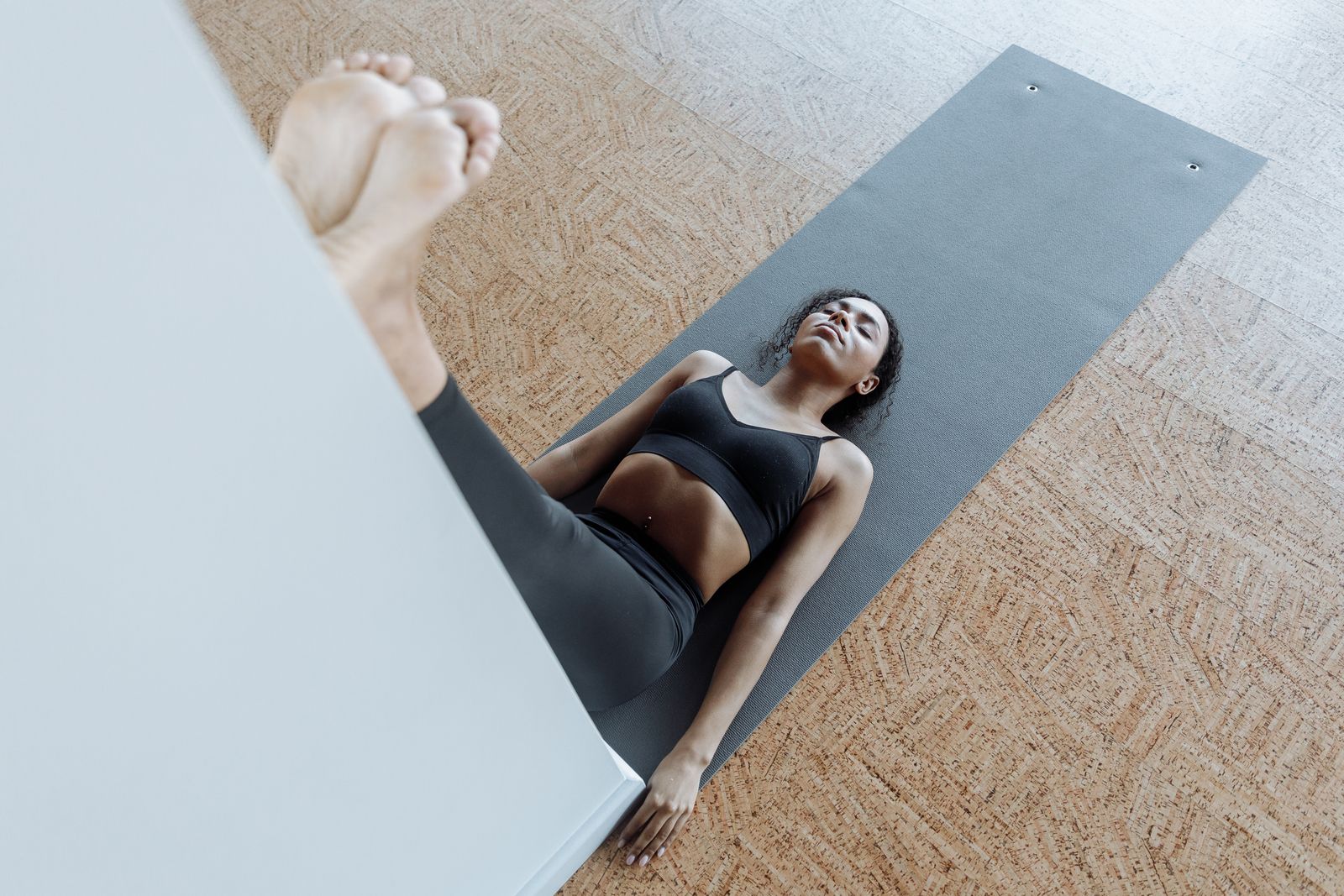
This is considered the single most effective yoga asana for varicose veins because it places the legs directly above heart level with minimal muscular effort. Lie on your back with your hips close to a wall, extend your legs straight up the wall, and rest your arms by your sides. Stay for 5 to 15 minutes, breathing slowly. This pose is frequently recommended in guides on yoga for lower back pain as well, since it also decompresses the lower spine while draining the legs.
Supta Padangusthasana (Reclining Hand-to-Big-Toe Pose)
Lying on your back, loop a strap around one foot and extend that leg toward the ceiling while keeping the other leg flat on the floor. This stretches the hamstrings and calves gently while keeping the raised leg elevated, encouraging venous drainage without the joint compression of standing poses.
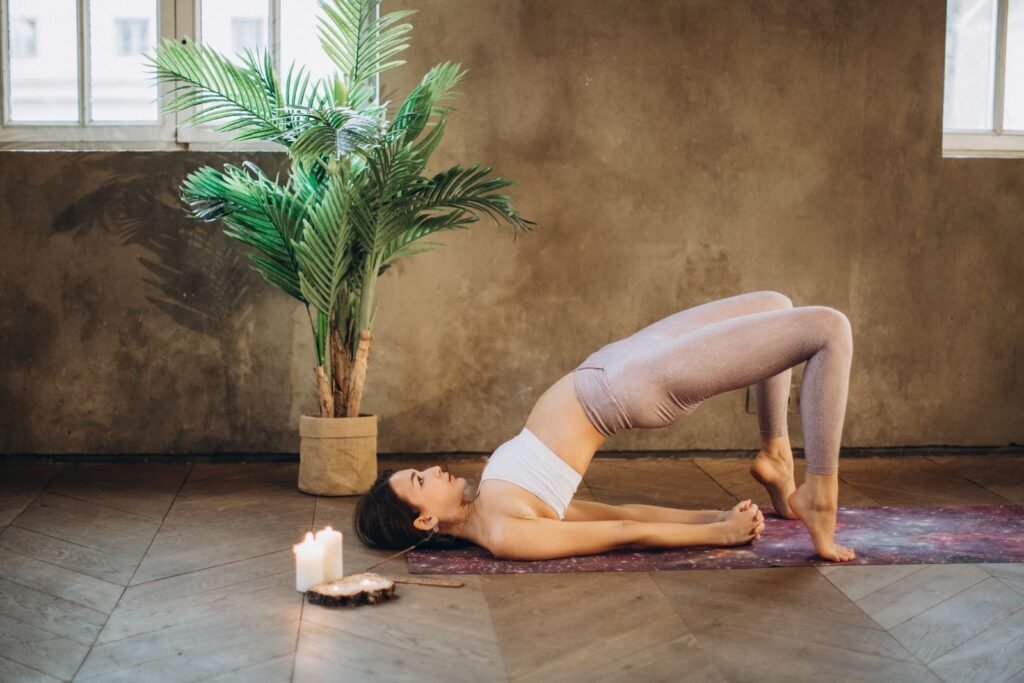
Setu Bandhasana (Bridge Pose)
Bridge pose elevates the pelvis and improves blood flow from the lower body back toward the trunk. It also strengthens the glutes and lower back, which supports better posture during long periods of standing or sitting, a major contributor to varicose vein progression.
Ankle Rotations and Toe Flexion (Pada Sanchalanasana)
Seated or lying down, rotate each ankle slowly in both directions and alternate flexing and pointing the toes for one to two minutes per side. This simple, repetitive movement activates the calf muscle pump directly and is often the first exercise recommended for people who sit or stand for long shifts at work.
Uttanasana (Standing Forward Fold, Supported)
A gentle forward fold with bent knees and support under the hands (blocks or a chair) allows blood to flow toward the head and upper body temporarily, offering a change in circulatory direction. Keep the knees soft rather than locked, since locking the knees increases pressure in the leg veins.
Ardha Matsyendrasana (Half Seated Spinal Twist)
Gentle seated twists mobilize the lower back and can reduce compression on the pelvic veins that drain into the legs. Twists pair naturally with a broader practice; many people combine them with sequences aimed at yoga for migraine relief, since both rely on improving blood flow and reducing tension through the spine and neck.
Anulom Vilom and Bhramari Pranayama (Breathing Practices)
Alternate nostril breathing and humming bee breath don’t directly move blood in the legs, but they lower overall stress hormones and blood pressure, indirectly easing the load on the venous system. Breathwork is a foundational element across styles, from vinyasa yoga to restorative practice, and can be layered onto any of the sequences above.
Yoga Poses to Avoid With Varicose Veins
Certain poses increase intra-abdominal pressure or restrict venous return and should be avoided or modified by anyone with visible varicose veins or a diagnosed venous insufficiency:
- Deep squats held for long durations (such as Malasana), which increase pressure in the leg veins.
- Long-held standing poses like Virabhadrasana (Warrior) variations without movement breaks, since prolonged static standing is a known aggravator of venous pooling.
- Tight hip creases or crossed-leg positions held for extended periods, which can compress veins in the groin.
- Full inversions like headstand or shoulder stand without professional guidance, particularly for anyone with high blood pressure or advanced venous disease, since abrupt pressure changes can feel uncomfortable.
- Hot yoga or heated rooms, since heat causes veins to dilate further, which can temporarily worsen the visible bulging and sensation of heaviness.
How to Cure Varicose Veins With Yoga: A Realistic Weekly Routine
While “curing” isn’t the accurate goal, a consistent weekly routine can meaningfully reduce symptoms over 8 to 12 weeks. A realistic structure looks like this:
- Daily (5-10 minutes): Ankle rotations and toe flexion, ideally done at your desk or before bed.
- 4-5 times per week (15-20 minutes): Legs-Up-the-Wall pose, held for 10-15 minutes, ideally in the evening after standing or sitting for long stretches.
- 2-3 times per week (20-30 minutes): A gentle full sequence combining Bridge Pose, Reclining Hand-to-Big-Toe Pose, supported forward folds, and a seated twist.
- 2-3 times per week (5-10 minutes): Pranayama practice such as alternate nostril breathing, which can be layered onto any other session.
Consistency matters more than intensity here. A gentle daily habit outperforms an occasional intense session, much the way a steady approach benefits people managing chronic conditions through practices like online yoga for stress relief.
What Does Research Say About Exercise and Varicose Veins?
Medical sources, including vascular health resources from major clinics, consistently describe regular, low-impact movement, elevation of the legs, and calf muscle activation as core non-surgical strategies for managing venous insufficiency symptoms. Walking, swimming, cycling, and yoga are generally grouped together as supportive activities because they all activate the calf pump without the high-impact pounding of running, which some people with advanced varicose veins find uncomfortable. It’s worth noting that no clinical body currently classifies yoga as a stand-alone treatment that reverses varicose veins; it is consistently framed as a supportive, symptom-easing practice alongside compression garments, elevation, and, where needed, medical intervention.
Yoga vs. Compression Stockings vs. Medical Treatment
These three approaches serve different purposes and work best together rather than as substitutes for one another:
- Yoga improves circulation, reduces swelling and heaviness, and supports overall vascular health, but does not remove or shrink existing varicose veins.
- Compression stockings apply graduated external pressure that mechanically assists venous return throughout the day, particularly useful during long periods of standing or travel.
- Medical treatments (sclerotherapy, endovenous laser therapy, or surgical stripping) are the only options that physically close or remove damaged veins.
Many vein specialists recommend combining gentle yoga with compression wear as a first-line, non-invasive approach before considering procedures, especially for mild-to-moderate symptoms.
Who Should Be Cautious About Yoga for Varicose Veins?
Most people with mild to moderate varicose veins can safely practice the poses described above. However, a few groups should check with a doctor or vein specialist first: anyone with a history of deep vein thrombosis (DVT) or blood clots, anyone experiencing sudden leg swelling, redness, warmth, or pain (which can signal a clot rather than ordinary varicose veins), pregnant practitioners in later trimesters attempting inversions, and anyone with uncontrolled high blood pressure attempting fuller inversions like shoulder stand. When in doubt, gentle leg elevation and ankle movement are safe starting points for nearly everyone.
Lifestyle Habits That Multiply Yoga’s Benefits
Yoga works best as part of a broader daily pattern rather than an isolated 20-minute session:
- Avoid prolonged static sitting or standing: Set a reminder to move, flex your ankles, or take a short walk every 30-45 minutes.
- Elevate your legs above heart level for 10-15 minutes a few times a day, not just during yoga practice.
- Stay hydrated to support healthy blood viscosity and circulation.
- Maintain a healthy body weight to reduce sustained pressure on leg veins; pairing yoga with mindful movement, as covered in yoga for weight loss, supports this goal.
- Wear compression stockings during long travel or standing shifts, particularly if you already have visible varicose veins.
- Limit tight clothing around the waist and thighs, which can restrict venous return from the legs.
Yoga Styles That Work Well Alongside Vein-Focused Practice
Not every yoga style is equally suited to varicose vein management. Restorative and gentle styles tend to work better than fast-paced, high-heat, or high-impact classes. If you’re building a broader practice, consider pairing vein-focused sequences with:
- Restorative yoga, which relies heavily on supported, prop-assisted poses like Legs-Up-the-Wall.
- Yin yoga, which holds gentle stretches for several minutes, allowing deeper circulatory benefits without strain.
- Chair yoga, useful for people who sit for long work hours and need seated ankle and calf activation throughout the day.
- Yoga for seniors, since age is one of the strongest risk factors for varicose veins and gentle, guided sequences reduce injury risk.
If you’re newer to the practice altogether, starting with a broad overview like types of yoga or benefits of yoga can help you choose a style that fits your energy levels and physical comfort.
How Long Until You See Results?
Most people practicing a consistent vein-focused routine notice reduced heaviness and swelling within 2 to 4 weeks, particularly if Legs-Up-the-Wall pose and ankle rotations are done daily. Reduced night cramping and improved comfort during long standing periods tend to follow around the 6 to 8 week mark. Visible changes to the vein itself, however, should not be expected. Because varicose veins are structural, patience and consistency matter far more than intensity, and results plateau at symptom relief rather than disappearance of the veins.
Questions People Ask About Yoga for Varicose Veins
Is yoga safe for people with varicose veins?
Yes, gentle yoga is generally safe and often recommended for people with varicose veins. Focus on poses that elevate the legs and avoid long, static standing holds or deep, prolonged squats. Anyone with a history of blood clots or sudden leg swelling should consult a doctor before starting a new routine, particularly before attempting inversions.
Which yoga pose is best for varicose veins?
Legs-Up-the-Wall pose (Viparita Karani) is widely considered the best single pose because it elevates the legs above heart level with almost no muscular effort, allowing gravity to assist venous return. Holding it for 10-15 minutes in the evening is a simple, low-risk habit that complements other circulation-focused poses.
Can yoga make varicose veins worse?
Yoga itself rarely worsens varicose veins when practiced gently, but certain poses can aggravate symptoms temporarily. Long-held standing poses, deep squats, tight cross-legged sitting, and hot yoga classes can increase pressure or heat in the legs, leading to more visible bulging or discomfort. Choosing supportive, elevation-based poses avoids this risk.
How often should I do yoga for varicose veins?
Daily short sessions (5-10 minutes of ankle movement and leg elevation) combined with 3-5 longer sessions per week (20-30 minutes) tend to produce the most noticeable symptom relief. Consistency matters more than duration, so even a few minutes of Legs-Up-the-Wall pose most evenings is worthwhile.
Does yoga help with spider veins as well as varicose veins?
Yoga’s circulatory benefits apply similarly to spider veins, which are smaller, surface-level versions of the same underlying venous pooling issue. The same poses that ease heaviness and swelling from varicose veins can also reduce the discomfort sometimes associated with spider veins, though neither condition is reversed by movement alone.
Should I do yoga before or after getting compression stockings?
There’s no strict order required; the two approaches complement rather than replace each other. Some people prefer wearing compression stockings during the day for ongoing support and reserving yoga, especially Legs-Up-the-Wall pose, for the evening when stockings come off and legs need active drainage after a day of standing or sitting.
Try This for Yourself
If you’re ready to build a gentle, guided routine around leg elevation, circulation-friendly stretches, and breathwork, a live instructor can help you sequence poses safely around your specific symptoms and schedule. Try an online yoga class with FitStrot and get personalized guidance on building a vein-friendly practice from home.
Related reading: Yoga for Back Pain, Yoga for Lower Back Pain, Yoga for Weight Loss, Yoga for Migraine, and FitStrot’s Online Yoga Classes.