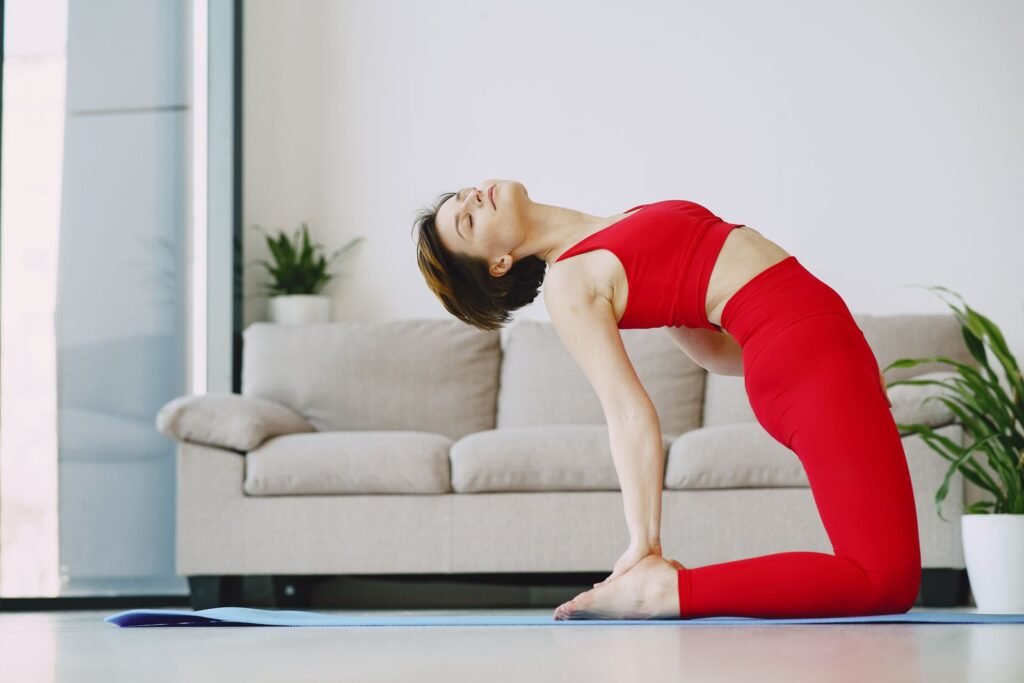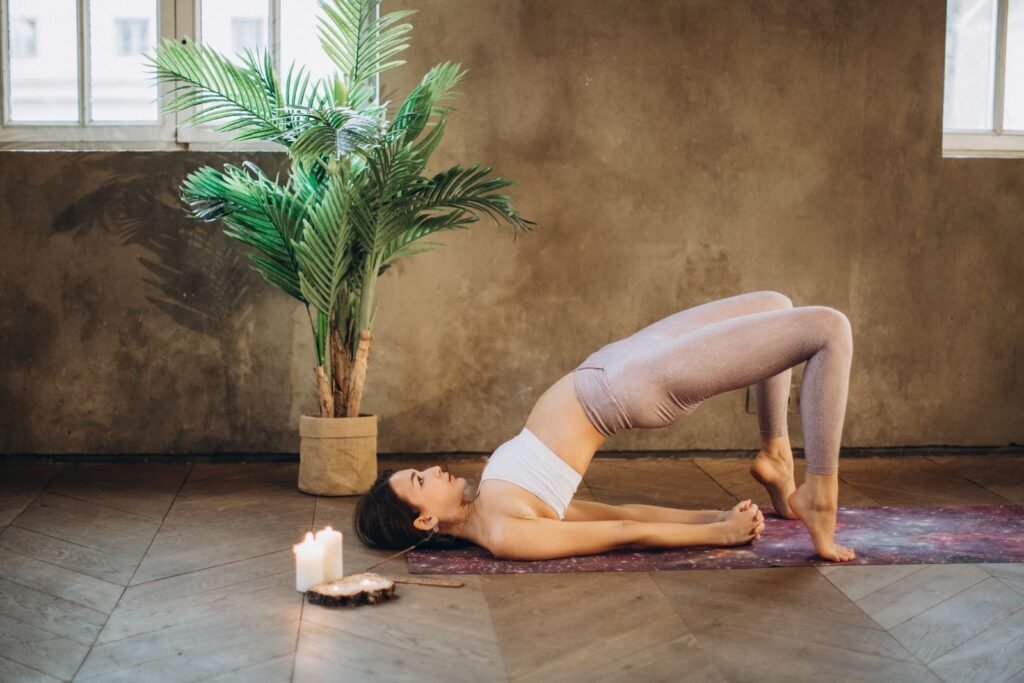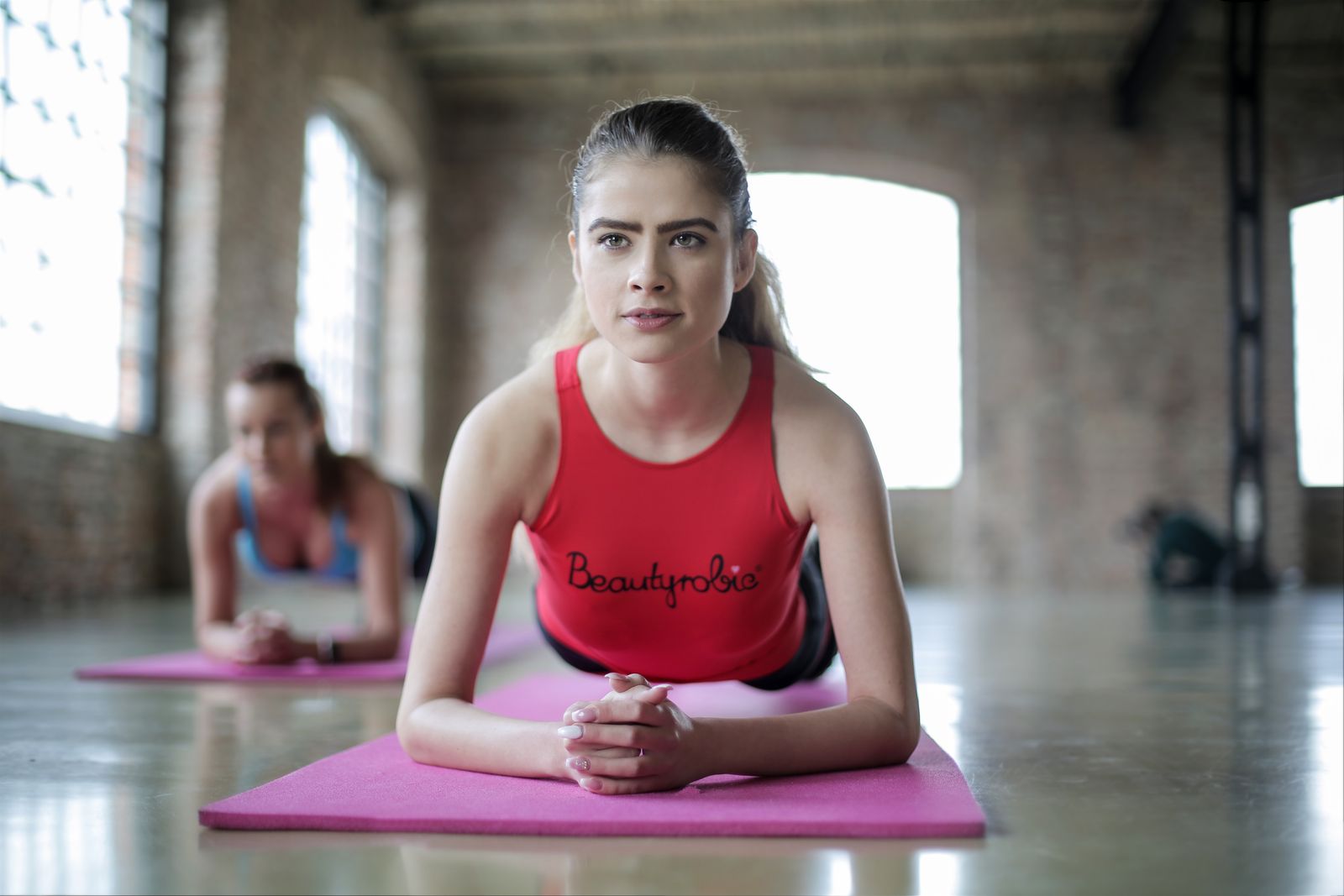
Yoga for core strength works by combining isometric holds, controlled breathing, and slow transitions that force your deep abdominal muscles, obliques, and lower back to stabilize your body for extended periods, rather than the quick, repetitive contractions used in a typical ab workout. Poses like plank, boat pose, and side plank recruit the transverse abdominis (the deep corset-like muscle that wraps around your spine) far more effectively than crunches, because you have to hold the position under load instead of just moving through a rep. A consistent practice of 15-20 minutes, three to four times a week, is enough to notice better balance, a more stable spine, and less lower back discomfort within about four to six weeks.
What Does “Core” Actually Mean in Yoga?
In a yoga context, the core isn’t just your visible abdominal muscles. It includes the transverse abdominis, rectus abdominis, internal and external obliques, the multifidus muscles along your spine, and the pelvic floor. Together, these muscles form a natural stabilizing cylinder around your midsection. When yoga teachers cue you to “engage your core” or “draw your navel to your spine,” they’re asking you to activate this entire system, not just flex your abs. This is part of why core in yoga is treated differently from core work in a typical gym class: the emphasis is on control and endurance rather than burning out a single muscle group.
How Is Yoga Core Training Different From Regular Ab Workouts?
A standard ab workout usually isolates muscles through repeated contraction and release, like a crunch or sit-up. Yoga core exercises instead rely on isometric holds and multi-planar stability, meaning your core has to resist rotation, extension, and side-bending all at once while you also manage your breath. Holding plank pose for 30-60 seconds, for example, trains endurance and anti-extension strength in a way a set of 20 crunches doesn’t. Yoga also integrates the core into full-body movement patterns, such as transitioning from downward dog into plank during a vinyasa flow, which builds functional strength that carries over into everyday movement and other sports.
What Are the Best Yoga Poses for Core Strength?
Certain yoga poses for core strength consistently show up across teacher training curricula and physical therapy recommendations because they target the deep stabilizers rather than just the surface muscles. Here are the poses worth prioritizing:
- Plank Pose (Phalakasana): Builds anti-extension strength through the entire front line of the body, from shoulders to heels.
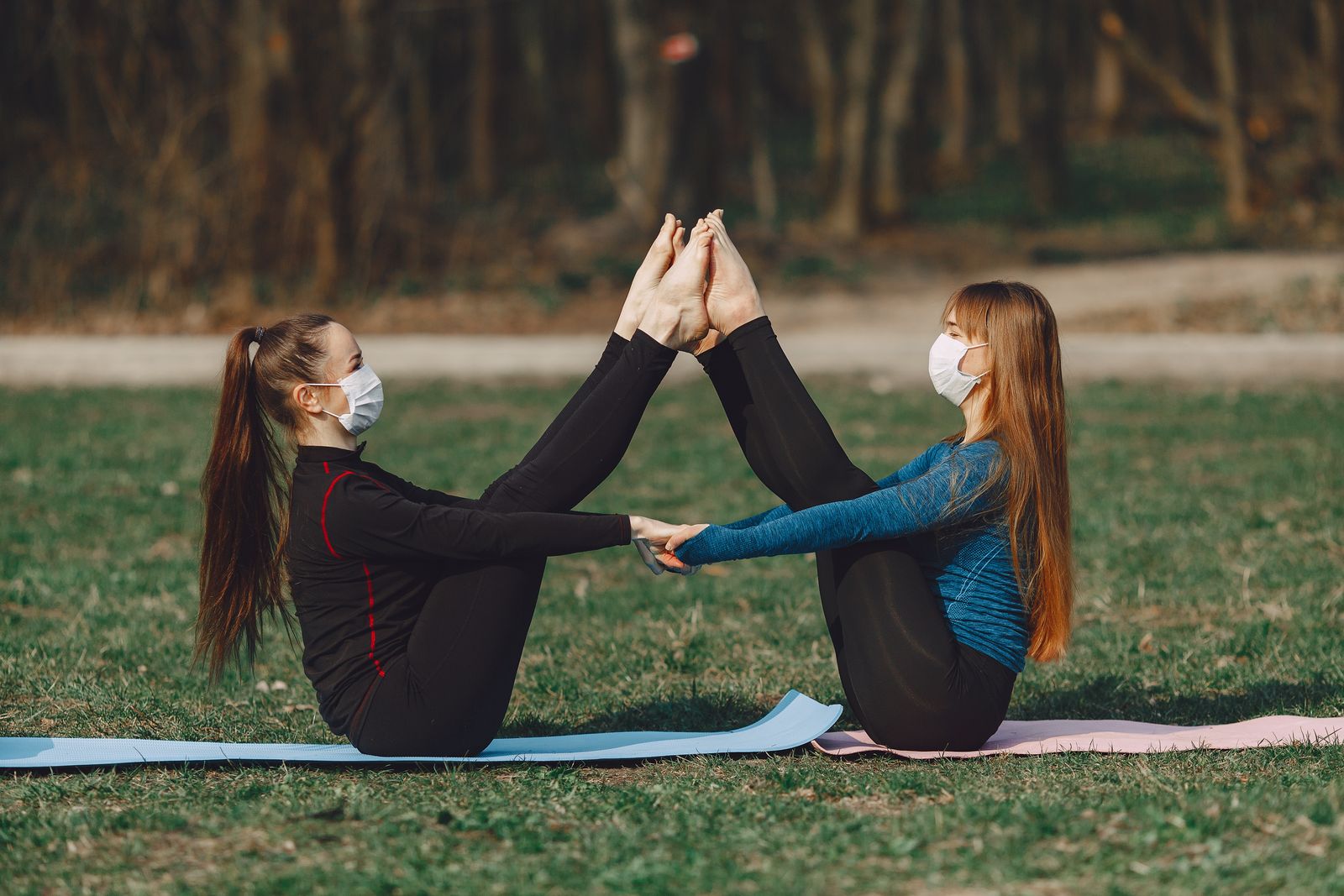
- Boat Pose (Navasana): Directly targets the hip flexors and rectus abdominis through a V-shaped hold; widely considered one of the single best core yoga poses.
- Side Plank (Vasisthasana): Trains the obliques and lateral stabilizers, which most seated ab exercises miss entirely.
- Forearm Plank: A lower-intensity variation that still builds deep core endurance, useful for beginners or anyone with wrist sensitivity.
- Bird Dog (Chakravakasana variation): Challenges the core to resist rotation while one arm and the opposite leg extend, a movement pattern physical therapists frequently prescribe for lower back stability.
- Dolphin Plank: A forearm-based plank variation that adds shoulder stability work on top of the core challenge.
- Warrior III (Virabhadrasana III): A standing balance pose that demands serious core engagement to keep the torso and lifted leg in one stable line.
If you’re building a home routine, this list doubles as a strong answer to what most people mean by best yoga poses for core strength: poses that combine a hold, a balance challenge, and full-body engagement rather than isolating one muscle.
What Is a Good Core Yoga Sequence for Beginners?
A beginner-friendly core yoga sequence should build gradually rather than starting with the hardest holds. Try this order: begin with 5 minutes of cat-cow and gentle spinal warm-ups, move into forearm plank for three rounds of 20-30 seconds, follow with bird dog for 8-10 reps per side, add boat pose for two rounds of 15-20 seconds with knees bent if needed, then finish with side plank (modified on the knee if necessary) for 15-20 seconds per side. Close the sequence with a supported twist and a few minutes of rest in child’s pose. This structure mirrors how many core yoga studio classes are designed: a warm-up, a strength-building middle section, and a cooldown that lets the nervous system settle before you stand back up.
What Is CorePower Yoga and How Does Its C1 Class Differ From a Core-Focused Practice?
CorePower Yoga is a US-based studio franchise, and its name is sometimes confused with “core yoga” because of the branding, but the two aren’t the same thing. CorePower Yoga studios run several class formats, and the C1 sequence (CorePower 1) is their entry-level, heated vinyasa-style class designed to introduce foundational poses and breathing techniques rather than being a dedicated abdominal or core-strength class. If you’re specifically searching for a corepower yoga c1 sequence because you want core-focused training, know that C1 is closer to a beginner flow class; a sequence built around plank, boat pose, and side plank holds (like the one above) will target your midsection more directly than a general C1 session. That said, corepower yoga studios do typically layer in core work within their flows, since most vinyasa-based sequences pass through plank and chaturanga repeatedly.
How Often Should You Practice Core Yoga for Visible Results?
Most people notice improved stability and reduced back fatigue within four to six weeks of practicing core yoga three to four times per week for 15-20 minutes per session. Visible changes in muscle definition take longer and depend heavily on body composition and diet, not just the exercises themselves. Consistency matters more than duration: three shorter, focused sessions per week that emphasize slow, controlled holds will outperform one long, sporadic session. If your goal is broader body recomposition alongside core strength, pairing this practice with a plan like yoga for weight loss addresses both the strength and the metabolic side of the equation.
Can Yoga Alone Give You a Six-Pack?
Yoga can absolutely build a strong, functional core, but visible abdominal definition depends primarily on body fat percentage, which is driven by nutrition and overall caloric balance, not the specific exercise you choose. Someone with a higher body fat percentage can have an extremely strong core built through consistent yoga practice without visible muscle definition, while someone with lower body fat and a much less structured yoga habit might show more definition despite less core endurance. If aesthetic definition is a specific goal, core yoga should be paired with attention to diet and overall activity level, since strength and visibility are two different outcomes that don’t always move together.
What Muscles Get Strengthened in a Core Yoga Class?
A well-rounded core yoga class strengthens the rectus abdominis (the “six-pack” muscle), the internal and external obliques (side rotation and lateral stability), the transverse abdominis (deep core compression and spinal support), the erector spinae and multifidus along the back, and the pelvic floor. Many sequences also indirectly train the hip flexors and glutes, since poses like boat pose and Warrior III require the hips and core to work together. This is different from a focused ab routine that mostly hits the rectus abdominis, which is one reason people who switch from crunches to yoga core exercises often report better posture and less lower back tension, not just stronger-looking abs.
How Does Core Strength From Yoga Improve Posture?
A stable core supports the spine in its natural alignment, which reduces the tendency to slump forward or overarch the lower back, two patterns strongly linked to prolonged sitting. When your transverse abdominis and multifidus muscles are strong and responsive, they act like an internal brace that keeps your ribcage stacked over your pelvis, whether you’re standing, walking, or sitting at a desk. This connection is significant enough that many teachers treat core work as foundational to any yoga for posture plan, since attempting to fix rounded shoulders or forward head posture without addressing core stability tends to produce only temporary improvement.
Can Core Yoga Help With Back Pain?
Yes, a stronger and more stable core is one of the most consistently recommended non-drug approaches for chronic lower back pain, since a weak or poorly coordinated core forces the spine’s smaller stabilizing muscles to overwork and fatigue. Poses like bird dog and modified plank are frequently used in physical therapy settings specifically because they train stability without compressing the spine the way sit-ups can. If back pain is a primary concern, it’s worth exploring yoga for back pain alongside a core routine, and starting with gentler variations (forearm plank instead of full plank, bent-knee boat pose) until your baseline stability improves.
How Does Core Strength Connect to Balance and Flexibility?
Balance poses like tree pose, Warrior III, and half moon pose all depend on a stable core to keep the torso from wobbling while one leg bears weight. Without adequate core engagement, balance poses become a fight against gravity rather than a controlled hold. Flexibility work benefits too: a strong core allows for deeper, safer backbends and forward folds because the spine has proper support during the stretch instead of relying purely on ligament flexibility. This is why building core strength is often recommended as a companion to broader yoga for flexibility goals rather than treating strength and flexibility as separate tracks.
What Breathing Technique Should You Use During Core Yoga Poses?
Ujjayi breath, a slow, audible breath through the nose with a slight constriction at the back of the throat, is the standard breathing pattern used during core-focused yoga holds. This breathing style keeps the diaphragm engaged, which naturally supports the deep core muscles rather than letting you hold your breath and create unnecessary tension. Holding your breath during a plank or boat pose is a common beginner mistake; it spikes blood pressure and actually reduces core stability because the diaphragm can’t do its stabilizing job properly. Practicing steady ujjayi breath through each hold, even when the pose is uncomfortable, is one of the fastest ways to improve endurance in core yoga poses.
What Common Mistakes Weaken the Effectiveness of Core Yoga?
The most common mistake is letting the lower back sag or overarch during plank and boat pose, which shifts the load away from the abdominal muscles and onto the lumbar spine. Another frequent error is rushing through transitions instead of holding poses long enough to create genuine muscular fatigue; a two-second plank does very little compared to a 30-45 second hold. Gripping the neck and shoulders instead of keeping them relaxed is a third common issue, since tension in the upper body often signals that the core isn’t actually doing the stabilizing work. Finally, many people skip modifications entirely, attempting full boat pose or full side plank before building baseline strength, which leads to poor form and reduced benefit rather than faster progress.
How Can Beginners Modify Core Poses Safely?
Beginners can modify almost every core pose without losing its benefit. Boat pose can be done with bent knees and feet on the floor instead of extended legs. Side plank can rest on a bent bottom knee rather than the full extended leg. Plank can be dropped to the forearms (dolphin plank) to reduce wrist strain while keeping the core fully engaged. The goal at every stage is holding good alignment for a shorter duration rather than holding poor alignment for a longer one, since the muscle recruitment pattern, not the difficulty level, is what determines whether the pose is actually building core stability. As strength improves, extending hold times and progressing to fuller expressions of each pose happens naturally within a few weeks.
How Does Core Strength Support Other Yoga and Fitness Goals?
A stable core is foundational to nearly every other physical goal within a yoga practice. Inversions like headstand and forearm stand are impossible to hold safely without core engagement preventing the lower back from collapsing. Arm balances such as crow pose rely almost entirely on core compression to lift the hips and legs off the ground. Even goals that seem unrelated, like height perception through improved posture, connect back to core stability, which is part of why practices such as yoga to increase height emphasize spinal decompression and postural alignment that a strong core helps maintain. For anyone building a broader practice, treating core work as a foundation rather than an occasional add-on tends to produce faster progress across every other area, including vinyasa flows, arm balances, and inversions.
Questions People Ask About Yoga for Core Strength
Is 10 minutes of core yoga a day enough?
Ten minutes of focused core yoga daily can build meaningful strength, especially if the holds are challenging and the form is precise. Consistency across a week matters more than the exact number of minutes in a single session; three to four focused 10-minute sessions per week generally produce comparable results to fewer, longer sessions, as long as the intensity stays high.
What is the fastest yoga pose to build core strength?
Plank pose is generally considered the fastest core-builder because it engages the entire anterior chain (abs, shoulders, hip flexors, and quads) simultaneously under an isometric hold. Boat pose is a close second, since it directly targets the rectus abdominis and hip flexors through sustained tension rather than repeated movement.
Can core yoga replace crunches and sit-ups entirely?
Yes, for most people core yoga can fully replace crunches and sit-ups, since poses like plank, boat pose, and side plank recruit the same and additional muscle groups while placing less repetitive strain on the spine. The isometric nature of yoga holds also tends to build more functional, transferable strength than repeated spinal flexion.
Why does my lower back hurt during boat pose?
Lower back discomfort during boat pose usually means the core isn’t yet strong enough to support the position, causing the lumbar spine to compensate. Bending the knees, shortening the hold time, or practicing bird dog and forearm plank first to build baseline strength before attempting full boat pose typically resolves this.
Do I need special equipment for core yoga at home?
No special equipment is required for core yoga; a yoga mat provides enough cushioning and grip for poses like plank, boat pose, and side plank. A folded blanket under the knees can help beginners doing modified variations, but props are optional rather than essential.
How is core yoga different from Pilates for core strength?
Core yoga and Pilates both emphasize controlled, deliberate core engagement, but yoga integrates breathing techniques like ujjayi breath and connects core work to broader full-body poses, while Pilates tends to isolate core movements more precisely through smaller, repeated ranges of motion. Many practitioners find the two approaches complementary rather than competing.
Try This for Yourself
Reading about core yoga poses only goes so far; the real progress happens when you’re guided through proper alignment in real time, so a teacher can catch a sagging lower back or a held breath before it becomes a habit. If you want to build genuine core strength safely and consistently, try a live online yoga class with FitStrot and get real-time feedback on your plank, boat pose, and side plank form from an instructor who can adjust your practice to your current strength level.
Related reading: Yoga for Flexibility, Yoga for Posture, Yoga for Weight Loss, Yoga to Increase Height, and FitStrot’s Online Yoga Classes.