Yoga supports cardiac health by lowering blood pressure, reducing resting heart rate, improving cholesterol and triglyceride levels, and calming the stress response that drives much of the wear and tear on your heart over time. It is not a replacement for medication, cardiac rehab, or a cardiologist’s guidance, but a growing body of research, including a widely cited 2014 review in the European Journal of Preventive Cardiology, links regular yoga practice to measurable improvements in the same risk factors doctors track for heart disease. For people managing high blood pressure, recovering from a cardiac event, or simply trying to protect their heart long-term, a gentle, breath-led practice can be a genuinely useful addition to a heart-healthy lifestyle.
What Does the Research Actually Say About Yoga and the Heart?
The most frequently cited evidence comes from a 2014 systematic review published in the European Journal of Preventive Cardiology, which pooled data from multiple trials comparing yoga to no exercise at all. The review reported average reductions of roughly 18.5 mg/dl in total cholesterol, about 26 mg/dl in triglycerides, and drops of around 5.2 mmHg in systolic blood pressure and 5 mmHg in diastolic blood pressure among yoga practitioners. A separate 2016 study published in the European Journal of Cardiovascular Nursing found that 12 weeks of yoga combined with deep breathing produced lower heart rate, lower blood pressure, and better mental health scores in people with paroxysmal atrial fibrillation, compared with a control group that did not practice yoga.
It’s worth being honest about the limits here. Many of these studies involve relatively small groups of participants, and yoga protocols vary widely from one trial to the next, so researchers are still calling for larger, more standardized clinical trials. What the current evidence supports is a consistent, modest, positive association between regular yoga practice and several of the same risk factors cardiologists already monitor, not a claim that yoga cures or reverses heart disease on its own. If you’re new to the research landscape around yoga more broadly, our overview of the benefits of yoga is a useful starting point before diving into cardiac-specific practice.
How Does Yoga Lower Blood Pressure?
Yoga lowers blood pressure primarily through its effect on the nervous system rather than through cardiovascular exertion. Slow, controlled breathing techniques, often called pranayama, stimulate the vagus nerve and activate the parasympathetic nervous system, the “rest and digest” branch that counteracts the fight-or-flight stress response. When this system is engaged consistently, heart rate slows, blood vessels relax slightly, and blood pressure tends to drop over weeks of practice rather than immediately.
Gentle, sustained holds in restorative poses reinforce this same mechanism. Unlike high-intensity cardio, which raises blood pressure acutely during the workout before any longer-term adaptation kicks in, yoga’s slower pace means practitioners rarely see a spike during class itself. This makes it a comfortable entry point for people whose blood pressure is already a concern, particularly when practiced alongside other lifestyle habits like reduced sodium intake and regular walking. For a deeper look at technique, see our guide on pranayama breathing techniques.
Which Yoga Poses Are Considered Heart-Healthy?
Certain categories of poses are especially well suited to cardiac health because they emphasize gentle chest opening, seated stability, and calm breathing rather than intense exertion or inversion.
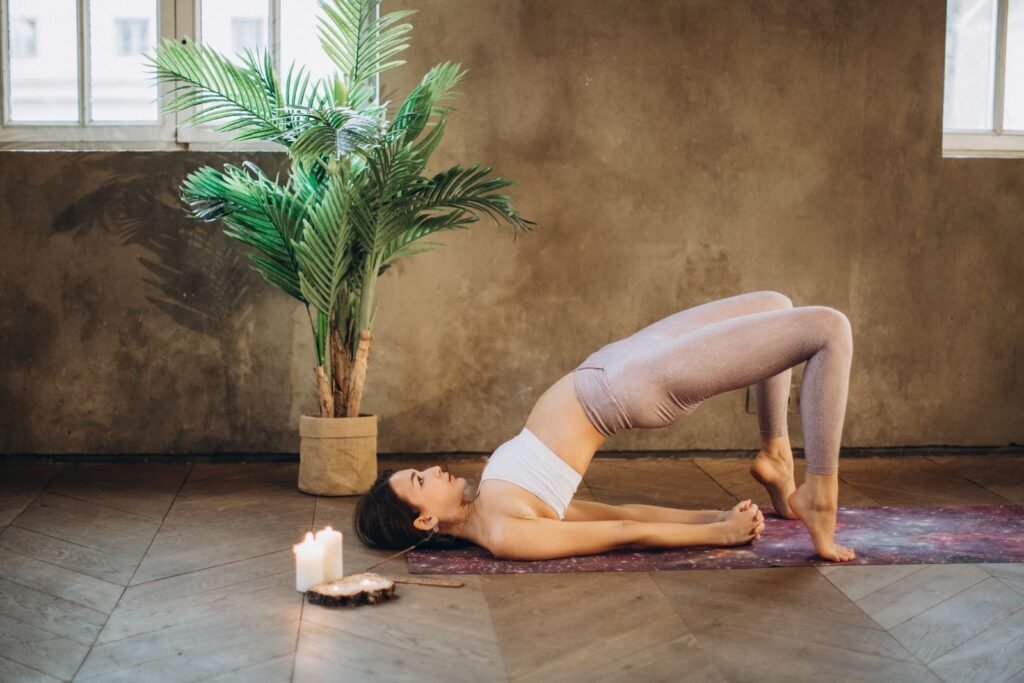
- Supported Bridge Pose (Setu Bandhasana): gently opens the chest and eases tension around the ribcage without raising heart rate.
- Legs-Up-the-Wall Pose (Viparita Karani): a passive inversion that many teachers use specifically to encourage venous return and a parasympathetic shift, making it a favorite in cardiac-focused classes.
- Seated Forward Fold (Paschimottanasana): combined with slow breathing, helps lower activation of the sympathetic nervous system.
- Easy Pose (Sukhasana): a stable seated position that, paired with slow breathing, supports the same calming effect.
- Cat-Cow (Marjaryasana-Bitilasana): commonly included as a warm-up because it mobilizes the spine gently while keeping heart rate low.
- Corpse Pose (Savasana): arguably the most cardioprotective pose of all, simply because of the sustained stillness and diaphragmatic breathing it encourages at the close of a sequence.
If you want a broader foundation before layering in cardiac-specific sequencing, our guide to beginner yoga poses covers the fundamentals.
Can Yoga Help After a Heart Attack or Cardiac Event?
Yoga is increasingly used as a complementary component of cardiac rehabilitation programs, typically introduced only after a cardiologist or rehab team clears the patient for gentle movement. In this setting, yoga is layered alongside, never instead of, standard rehab protocols like supervised walking, monitored exercise, and medication management. The goal during this phase is stress reduction and gradual restoration of confidence in movement, not building cardiovascular fitness in the way a treadmill session would.
Anyone returning to movement after a cardiac event should treat yoga as a supervised, gradual reintroduction rather than a home experiment. Signs that a class or sequence is too much include chest discomfort, unusual shortness of breath, dizziness, or a heart rate that climbs well above what your care team has approved. Working with a cardiac rehab specialist or a yoga teacher experienced in medical populations, at least initially, is the safer path. This is also a good moment to revisit our piece on yoga for stress relief, since stress management is often the single biggest lever in post-cardiac recovery.

How Does Yoga Reduce the Stress That Damages the Heart?
Chronic stress raises cortisol and adrenaline, which over years contributes to elevated blood pressure, inflammation, and the kind of vascular wear that accelerates coronary artery disease. Researchers studying yoga’s cardiovascular effects generally point to the parasympathetic activation described earlier as the core mechanism connecting stress reduction to measurable heart benefits, rather than yoga acting as aerobic exercise in the traditional sense.
Practices that combine slow movement with extended exhales, where the exhale is longer than the inhale, appear particularly effective at triggering this calming response. This is one reason restorative and yin-style classes are often recommended for cardiac populations over faster-paced vinyasa flows. If ongoing anxiety is a major part of your stress picture, our article on yoga for anxiety goes deeper into breath-based techniques that complement heart-focused practice.
What Breathing Techniques Are Best for Heart Health?
Diaphragmatic breathing, sometimes called belly breathing, is the foundational technique recommended for cardiac populations because it directly engages the parasympathetic nervous system without any physical exertion. Practitioners breathe deeply into the belly rather than shallowly into the chest, extending the exhale to be longer than the inhale, often in a 4-count inhale to 6- or 8-count exhale pattern.
Alternate nostril breathing (Nadi Shodhana) is another technique commonly taught in heart-health-focused yoga classes, believed to balance the autonomic nervous system, though it should be practiced gently and without breath retention if you have any cardiac condition. Ujjayi breath, the soft ocean-sounding breath used throughout many yoga classes, can also support a calm, steady heart rate when practiced without strain. Beginners should always prioritize comfort over intensity; breathing exercises that feel forced or leave you lightheaded should be stopped immediately. Our guide to pranayama breathing techniques breaks each of these down step by step.
Which Type of Yoga Is Safest for Heart Conditions?
Restorative yoga and gentle Hatha yoga are generally considered the safest entry points for people with heart conditions, since both emphasize supported poses, slow transitions, and minimal exertion. Chair yoga is another strong option, particularly for older adults or anyone with limited mobility, because it removes the risk of dizziness from standing up quickly and eliminates floor transitions that can spike heart rate.
Faster-paced styles like power yoga, hot yoga, or vigorous vinyasa flows are typically not recommended without direct cardiologist approval, since they combine physical exertion with heat or rapid pacing, both of which place additional demand on the cardiovascular system. If you’re comparing styles more broadly, our overview of types of yoga explains the intensity differences between each style, and our dedicated guide to restorative yoga covers pacing and pose selection in more depth.
How Often Should You Practice Yoga for Heart Benefits?
Most of the research showing measurable improvements in blood pressure, cholesterol, and heart rate used programs lasting 8 to 12 weeks, with sessions typically held 3 to 5 times per week for 30 to 60 minutes. This suggests that consistency matters more than any single long session, similar to how blood pressure medication works cumulatively rather than instantly.
For most people starting out, three sessions a week of 20 to 30 minutes is a realistic and sustainable target, with daily short breathing practice, even just 5 to 10 minutes, layered in on non-class days. Building this kind of routine works best when it fits naturally into your week rather than becoming another source of pressure; our piece on how to build a yoga routine can help you structure a schedule you’ll actually keep.
Does Yoga Help With Cholesterol and Weight, Two Major Heart Risk Factors?
Yes, though indirectly compared to aerobic exercise. The same 2014 review referenced earlier found meaningful average reductions in total cholesterol and triglycerides among yoga practitioners compared to non-exercisers, likely tied to a combination of stress reduction, modest movement, and the lifestyle changes that often accompany starting a mindfulness-based practice, such as improved sleep and reduced emotional eating.
Weight management is a related piece of the cardiac risk picture, and while yoga alone burns fewer calories than running or cycling, more dynamic styles can still contribute meaningfully to a weight management plan when combined with dietary changes. If weight loss is part of your goal alongside heart health, our detailed guide to yoga for weight loss explains which styles and sequences burn the most calories.
How Does Yoga Compare to Cardio Exercise for Heart Health?
Yoga and traditional cardio exercise, like brisk walking, running, or cycling, improve heart health through different, complementary mechanisms.
| Factor | Cardio Exercise | Yoga |
|---|---|---|
| Primary mechanism | Strengthens the heart muscle and improves pumping efficiency (VO2 max) through repeated aerobic demand | Regulates the nervous system, reducing chronic stress load and blood pressure elevation |
| Heart rate during session | Elevated by design | Stays low to moderate |
| Best for | Building cardiovascular fitness and endurance | Lowering stress load and supporting blood pressure control |
| Role per AHA guidelines | Primary driver — 150+ minutes of moderate activity weekly | Valuable addition, not a replacement |
Most cardiologists and researchers view these as complementary rather than competing approaches. The American Heart Association’s own physical activity guidelines still recommend at least 150 minutes of moderate aerobic activity weekly as the primary driver of cardiovascular fitness, with yoga positioned as a valuable addition for stress management and blood pressure control rather than a replacement. Combining a few weekly cardio sessions with 2 to 3 yoga sessions tends to address both sides of the cardiac risk equation.
Are There Cardiac Conditions Where Yoga Should Be Avoided or Modified?
Certain poses and techniques warrant caution or modification for specific cardiac conditions. Inversions, poses where the head goes below the heart, like Downward Dog held for long periods, headstands, or shoulder stands, can temporarily raise blood pressure and are often discouraged for people with uncontrolled hypertension or certain arrhythmias without medical clearance. Breath retention practices, where the breath is held for extended counts, should generally be avoided by anyone with a diagnosed heart condition unless specifically guided by a qualified teacher working with medical input.
Hot yoga and any style practiced in heated rooms adds cardiovascular strain through thermoregulation demands and is generally not recommended for people with heart conditions. Anyone with a pacemaker, recent cardiac surgery, unstable angina, or severe valve disease should get explicit clearance from their cardiologist before starting any yoga practice, and should mention this history to their yoga teacher before class begins.
How Does Yoga’s Effect on the Heart Connect to Other Chronic Conditions?
Cardiac health rarely exists in isolation, and many of the same nervous-system and inflammation pathways that yoga influences for the heart also affect other chronic conditions. Thyroid dysfunction, for example, directly influences heart rate and blood pressure, and our guide to yoga for thyroid covers how the same breathing techniques discussed here support endocrine balance. Similarly, PCOS is linked to elevated cardiovascular risk through insulin resistance and inflammation, which our article on yoga for PCOS explores in more depth.
Vascular health also plays a role in conditions like erectile dysfunction, since healthy blood flow depends on the same relaxed, unconstricted blood vessels that a heart-protective lifestyle supports; our piece on yoga for erectile dysfunction explains this connection. If you’re managing diabetes alongside cardiac risk, a condition closely tied to heart disease, our guide to yoga for diabetes is a useful companion resource.
What Does a Sample Heart-Healthy Yoga Sequence Look Like?
A typical cardiac-safe sequence starts with 2 to 3 minutes of seated diaphragmatic breathing to settle the nervous system before any movement begins. This is followed by 5 to 6 rounds of gentle Cat-Cow to mobilize the spine, then a slow-paced series of seated stretches targeting the shoulders and neck, areas that hold tension contributing to overall stress load.
The middle of the sequence might include supported Bridge Pose held for 5 to 8 breaths, followed by a seated forward fold, always avoiding any pose that requires breath-holding or rapid position changes. The sequence closes with 10 to 15 minutes of Legs-Up-the-Wall Pose and a final Savasana of at least 5 minutes, since this closing stillness is where much of the parasympathetic benefit consolidates. For more structured options, our library of yoga sequences for beginners includes several gentle full-length routines you can adapt.
Questions People Ask About Yoga for Cardiac Health
Can yoga lower blood pressure without medication?
Research suggests yoga can meaningfully lower blood pressure over 8 to 12 weeks of consistent practice, but it should never replace prescribed medication without a doctor’s explicit guidance. Many cardiologists view yoga as a complementary tool that works alongside medication, potentially allowing some patients to reduce dosage over time under medical supervision, not as a standalone substitute.
Is yoga safe for people with atrial fibrillation?
A 2016 study found that 12 weeks of yoga with deep breathing improved heart rate, blood pressure, and mental health scores in people with paroxysmal atrial fibrillation compared to a control group. Gentle, restorative styles are generally considered appropriate, but anyone with AFib should get cardiologist clearance and avoid intense or heated classes.
How quickly can yoga improve heart health markers?
Most studies showing measurable changes in blood pressure, cholesterol, and heart rate used programs lasting 8 to 12 weeks of consistent practice, typically 3 to 5 sessions weekly. Some people notice subjective stress reduction and better sleep within the first 2 to 3 weeks, but measurable changes in cardiac risk factors take longer to appear.
Can beginners with heart conditions start yoga safely?
Yes, with the right precautions. Start with gentle Hatha, restorative, or chair yoga rather than vigorous styles, get cardiologist clearance first if you have a diagnosed condition, and tell your instructor about your heart history before class. Stop immediately if you feel chest discomfort, dizziness, or unusual shortness of breath.
Does yoga count as cardio exercise for heart health?
Most yoga styles, aside from fast-paced vinyasa or power yoga, do not raise heart rate enough to count as aerobic exercise in the traditional sense. Yoga instead benefits the heart primarily through stress reduction and nervous system regulation, which is why it works best alongside, not instead of, regular aerobic activity like walking or cycling.
What is the single best yoga pose for heart health?
There isn’t one single best pose, since the cardiac benefits of yoga come mostly from consistent breathing practice and nervous system regulation rather than any individual posture. That said, Legs-Up-the-Wall Pose combined with slow diaphragmatic breathing is frequently highlighted by teachers as especially effective for triggering a calming, blood-pressure-lowering response.
Try This for Yourself
Reading about heart-healthy yoga is a good first step, but the actual blood pressure and stress benefits only show up with consistent practice. Explore FitStrot’s Online Yoga Classes to join a guided, breath-led session designed to fit safely into a heart-conscious routine, with instructors who can help you modify poses around any condition you’re managing.
Related reading: Yoga for Weight Loss, Yoga for Thyroid, Yoga for PCOS, Yoga for Erectile Dysfunction, and FitStrot’s Online Yoga Classes.