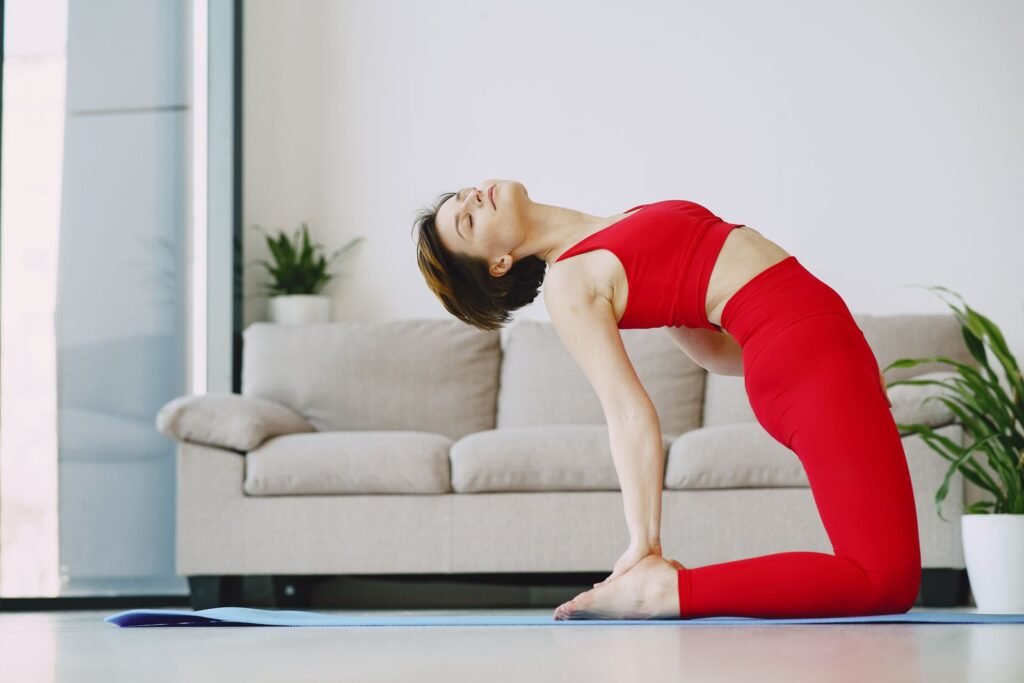
Yoga for arthritis works by gently moving joints through their available range of motion, strengthening the muscles that support them, and calming the nervous system’s pain response, without the jarring impact of running or high-intensity training. For people with osteoarthritis, rheumatoid arthritis, or other inflammatory joint conditions, a slow, modified yoga practice can ease stiffness, improve flexibility, and support better sleep and mood, all of which affect how pain is experienced day to day. It is not a cure and it will not reverse joint damage, but as a complementary practice alongside medical care, it is one of the most accessible, low-cost ways to stay mobile. The key is choosing the right poses, modifying them for your specific joints, and building consistency rather than intensity.
What Does the Research Actually Say About Yoga and Arthritis?
Yoga for arthritis has moved well beyond anecdote. A randomized clinical trial published in Annals of Internal Medicine found that an online yoga program improved pain and function in people with knee osteoarthritis compared with a control group, and a more recent randomized trial published in JAMA Network Open reported that a structured yoga program was not inferior to a standard strengthening exercise program for reducing knee osteoarthritis pain. For rheumatoid arthritis, a systematic review and meta-analysis published in Frontiers in Medicine concluded that yoga, used alongside standard treatment, was associated with improvements in disease activity and quality of life measures, though the review authors also noted that study quality varied and larger trials are still needed. None of this means yoga replaces disease-modifying medication or a rheumatologist’s care plan. It means a well-designed practice has real, measurable evidence behind it, which is more than can be said for many wellness trends.
Is Yoga Safe for Osteoarthritis and Rheumatoid Arthritis?
Yoga is generally considered safe for most people with arthritis when poses are modified and pain is respected as a stop signal rather than something to push through. The distinction between osteoarthritis and rheumatoid arthritis matters here. Osteoarthritis is a “wear and tear” condition affecting cartilage, most common in the knees, hips, and hands, and it typically responds well to strengthening and range-of-motion work. Rheumatoid arthritis is an autoimmune condition that causes inflammation in the joint lining, and it flares unpredictably, so a pose that felt fine last week might need to be skipped entirely during an active flare. Anyone with significant joint instability, recent joint replacement surgery, or advanced spinal involvement should get clearance from a doctor or physical therapist before starting, and should ideally work with a teacher experienced in therapeutic yoga rather than a general fitness class.
What Are the Best Yoga Poses for Arthritis?
The best yoga poses for arthritis are ones that move a joint gently through its range without loading it under body weight in a painful position. A few reliable starting points:
- Cat-Cow (Marjaryasana-Bitilasana) — mobilizes the spine and warms up the entire back without any weight-bearing stress on the knees or wrists if done on a folded blanket.
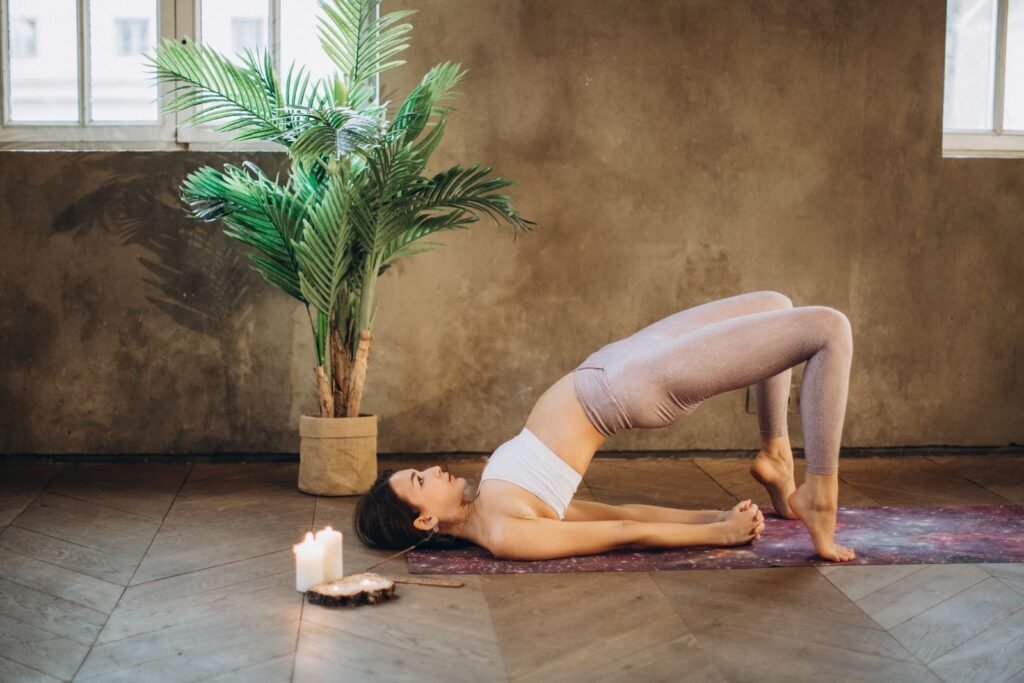
- Supported Bridge Pose (Setu Bandhasana) — strengthens the glutes and hamstrings, which takes pressure off arthritic knees, using a block under the sacrum for support.
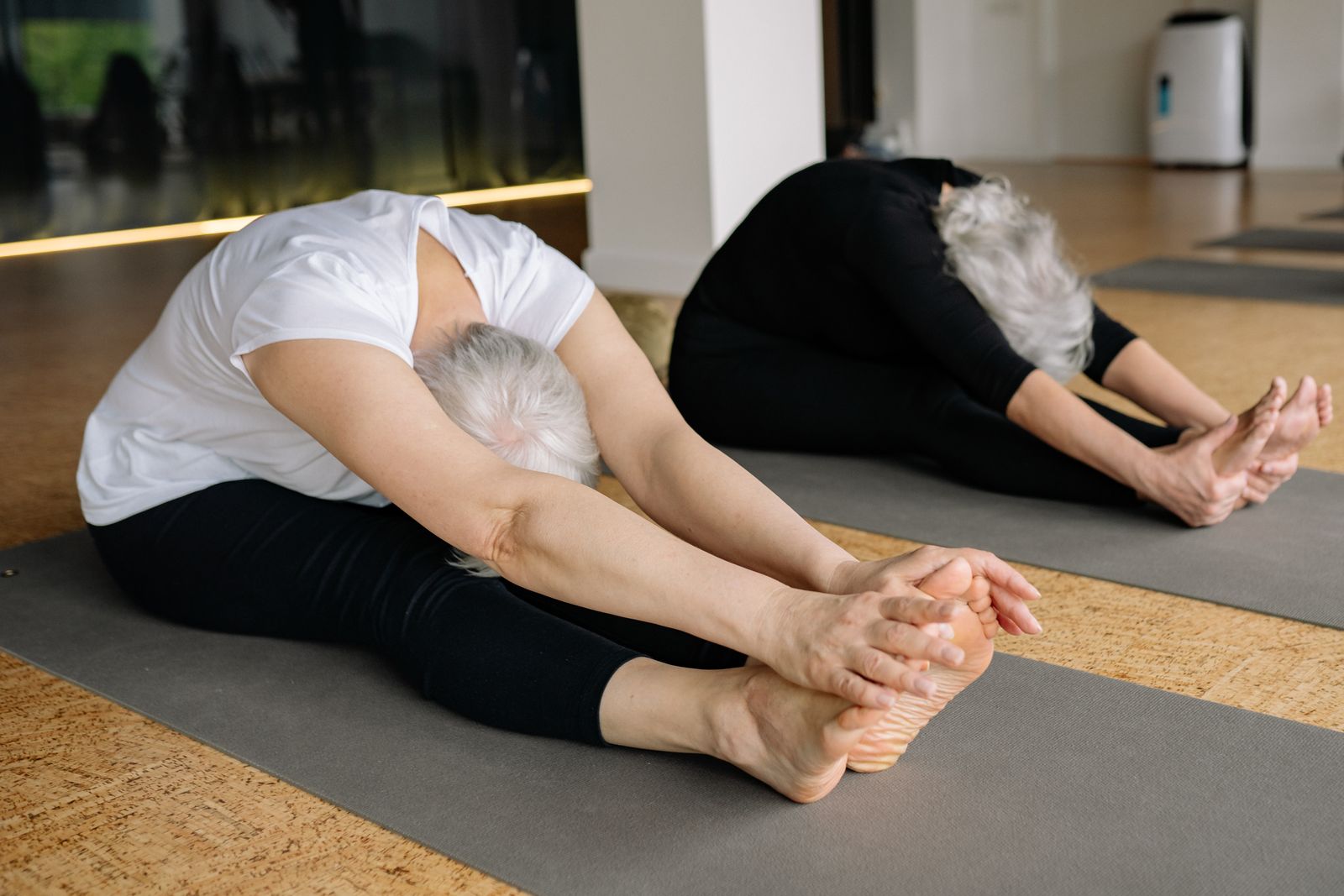
- Seated Forward Fold (Paschimottanasana), done in a chair or with knees bent — stretches the hamstrings and lower back without straining the knees.
- Reclined Hand-to-Big-Toe Pose (Supta Padangusthasana) with a strap — opens the hips and hamstrings while fully supported by the floor.
- Legs-Up-the-Wall (Viparita Karani) — reduces swelling in the lower legs and calms the nervous system, useful during flares when standing poses aren’t an option.
For a broader library of gentle sequences that pair well with joint-friendly practice, see our guides on restorative yoga and chair yoga.
How Can Yoga Help With Knee Osteoarthritis Specifically?
Knee osteoarthritis is one of the most common reasons people search for yoga modifications, and for good reason: the knee is a hinge joint with little natural cushioning once cartilage thins. Yoga for knee osteoarthritis focuses on strengthening the quadriceps and hamstrings, which act like natural shock absorbers and take load off the joint itself. Poses like supported chair pose (using a wall for balance), gentle straight-leg raises from a reclined position, and wide-legged forward folds with bent knees all build strength without deep flexion. Avoid poses that force the knee into a fully bent position under load, such as deep lunges or hero pose without support, until strength and range of motion improve. A rolled blanket behind the knee in seated poses often makes the difference between comfortable and painful.

What Yoga Asanas Help With Rheumatoid Arthritis Flares?
During an active rheumatoid arthritis flare, the goal shifts from building strength to reducing inflammation and preserving what range of motion you have without provoking more swelling. Gentle wrist and finger circles, seated cat-cow for the spine, and restorative poses supported entirely by props (bolsters, blankets, blocks) are usually the most appropriate choices. Standing balance poses and anything that puts weight through inflamed hand or wrist joints, like extended plank or downward dog, should generally wait until the flare settles. Between flares, when joints are calmer, a slightly more active practice, including some of the same asanas used for osteoarthritis, can help rebuild strength and confidence. Many people find that pairing this with breath-focused practices from pranayama breathing techniques helps manage the stress that often accompanies flare unpredictability.
How Often Should Arthritis Patients Practice Yoga?
Most research on yoga for arthritis patients uses programs of two to three sessions per week, each lasting 30 to 60 minutes, sustained over eight to twelve weeks before meaningful improvements in pain and function are reported. Consistency matters more than duration. A 15-minute gentle sequence done most days will generally outperform one long, ambitious class attempted sporadically. On days when a joint is unusually swollen or painful, shortening the practice to breathing and very gentle movement, rather than skipping it entirely, tends to keep momentum without adding strain. If you’re new to a regular practice, our guide on how to start a yoga practice covers pacing for beginners in more detail.
What Props Make Yoga Easier on Arthritic Joints?
Props turn a pose that’s inaccessible into one that’s genuinely useful, and for arthritis this is not optional extra equipment, it’s central to practicing safely. A folding chair supports standing balance poses and seated variations without requiring floor transitions that stress the knees and hips. Yoga blocks bring the floor closer in forward folds so the spine doesn’t round excessively. A bolster or firmly rolled blanket under the knees in reclined poses prevents hyperextension. Straps extend your reach in poses like seated forward folds so shoulders and hamstrings aren’t forced past a comfortable range. A thicker mat, or a folded blanket under a standard mat, cushions wrists and knees during any floor-based work. None of these are signs of a “lesser” practice; they’re what allow a joint-friendly practice to actually be sustainable.
Can Yoga Replace Medication or Physical Therapy for Arthritis?
No. Yoga for arthritis patients works best as a complementary practice, not a replacement for disease-modifying antirheumatic drugs, anti-inflammatory medication, or physical therapy prescribed by a specialist. The research showing benefit, including the knee osteoarthritis trials and the rheumatoid arthritis meta-analysis mentioned earlier, tested yoga as an addition to standard care, not instead of it. What yoga does add is something medication alone often doesn’t: a structured way to maintain range of motion, build the surrounding muscle support that protects joints, and manage the stress and low mood that frequently accompany chronic pain conditions. Talk to your rheumatologist or physical therapist about where yoga fits alongside your existing treatment plan, particularly if you’re on medications that affect bone density or balance.
How Does Yoga Compare to Other Low-Impact Exercise for Arthritis?
Yoga sits alongside swimming, walking, tai chi, and stationary cycling as a recommended low-impact option for arthritis, but it offers something those don’t: a built-in flexibility and breathing component alongside strength work. The 2025 randomized trial comparing yoga to a standard strengthening program for knee osteoarthritis found the two approaches produced similar improvements in pain, suggesting yoga can be a genuine alternative for people who find gym-based strength training intimidating or inaccessible. Where yoga has an edge is adherence: many participants in these studies reported the flexibility and mind-body focus made it easier to stick with long-term compared with repetitive strength circuits. If joint pain limits weight-bearing activity, our article on low-impact yoga outlines how to combine styles for a well-rounded routine.
Which Yoga Styles Should Arthritis Patients Avoid or Approach Carefully?
Fast-paced, high-heat, or deeply athletic styles are generally not the best entry point for arthritis. Power yoga and vigorous vinyasa yoga classes move quickly between poses, often bearing significant weight through the wrists and knees in transitions like chaturanga and lunges, which can aggravate inflamed joints. Hot yoga adds a further complication: increased heart rate and sweating can mask pain signals, making it easier to overextend a joint without realizing it until after class. Gentler traditions such as hatha yoga, restorative yoga, and yin yoga tend to be far more forgiving, since poses are held for longer periods at lower intensity with ample prop support. This doesn’t mean arthritis patients can never explore more active styles; it usually means building a foundation of strength and confidence first.
Does Yoga Help With the Emotional Side of Living With Arthritis?
Chronic joint pain has a well-documented relationship with anxiety and low mood, partly from the pain itself and partly from the disruption it causes to daily activities people used to take for granted. Yoga’s breathing and meditation components address this directly. Slow, extended exhalation activates the parasympathetic nervous system, which can reduce the perception of pain intensity and ease the muscle tension that often builds up around a painful joint as a protective response. Group or online class formats also reduce the isolation that can accompany chronic illness, since practicing alongside others facing similar limitations tends to normalize modifications rather than making them feel like a compromise. For more on this connection, see our piece on yoga for stress relief.
How Should Beginners With Arthritis Start a Yoga Practice?
Start with a single short session, ideally led by an instructor who explicitly understands modifications for arthritic joints, rather than a generic beginner class that assumes full mobility. Communicate your specific joints of concern before class starts so poses can be adjusted in real time. Favor floor-supported and seated variations initially, and treat any sharp or lingering pain, as opposed to the mild discomfort of a stretch, as a signal to back off immediately. Warm up joints with a few minutes of easy movement before attempting any static holds, since cold joints are more vulnerable to strain. Many people also find that combining a gentle arthritis-focused practice with our guide on yoga for beginners helps build the foundational body awareness that makes later modifications easier to understand.
What Related Conditions Does Joint-Friendly Yoga Also Help With?
Many of the same gentle, prop-supported principles used for arthritis apply directly to other conditions involving pain or reduced mobility. People managing chronic back pain often need the same emphasis on supported spinal mobility and avoiding deep, unsupported flexion. Those dealing with varicose veins benefit from similar leg-elevation poses like Legs-Up-the-Wall that reduce swelling in the lower limbs. People who also experience migraines frequently find that the same slow breathing and nervous-system-calming techniques used to manage arthritis pain reduce headache frequency as well. And because carrying excess weight increases load on arthritic knees and hips, a gentle approach combined with insights from our yoga for weight loss guide can indirectly ease joint symptoms over time by reducing the mechanical stress each step places on the joint.
Questions People Ask About Yoga for Arthritis
Can yoga cure arthritis?
No. Yoga cannot reverse cartilage damage or cure an autoimmune condition like rheumatoid arthritis. What research supports is yoga’s ability to improve pain levels, joint function, and quality of life when practiced consistently alongside standard medical treatment, not as a replacement for it.
What is the easiest yoga for arthritis beginners?
Chair yoga and restorative yoga are typically the easiest entry points, since most poses are seated or fully supported by props like bolsters and blankets. These styles allow gentle range-of-motion work without requiring you to get up and down off the floor repeatedly, which can be the hardest part for stiff or painful joints.
Is yoga good for arthritis in the hands?
Yes, gentle finger and wrist stretches, such as slow fist-to-fan-finger movements and wrist circles, can help maintain flexibility in arthritic hands. Avoid poses that bear significant body weight through the wrists, like plank or downward dog, during flares, and use a soft fist instead of a flat palm if wrist extension is painful.
How long before yoga helps arthritis pain?
Clinical trials on yoga for knee osteoarthritis generally measured improvements after eight to twelve weeks of consistent practice, two to three times per week. Some people notice reduced stiffness within the first few sessions, but meaningful, measurable change in pain and function typically takes a couple of months of regular practice.
Should I do yoga during an arthritis flare?
During a flare, especially with rheumatoid arthritis, it’s usually best to scale back to very gentle, fully supported movement and breathing exercises rather than a full practice. Avoid weight-bearing poses on inflamed joints until swelling and pain settle, and check with your rheumatologist if you’re unsure whether a flare warrants a complete pause.
Try This for Yourself
Reading about joint-friendly yoga only goes so far; the real benefit comes from a guided, consistent practice tailored to your specific joints and limitations. FitStrot’s online yoga classes connect you with instructors who can modify every pose in real time for arthritis, offering the kind of personalized pacing a generic video simply can’t match. Try a class this week and see how your joints respond to movement that’s actually built around them.
Related reading: yoga for back pain, yoga for varicose veins, yoga for migraine, yoga for weight loss, and FitStrot’s online yoga classes.