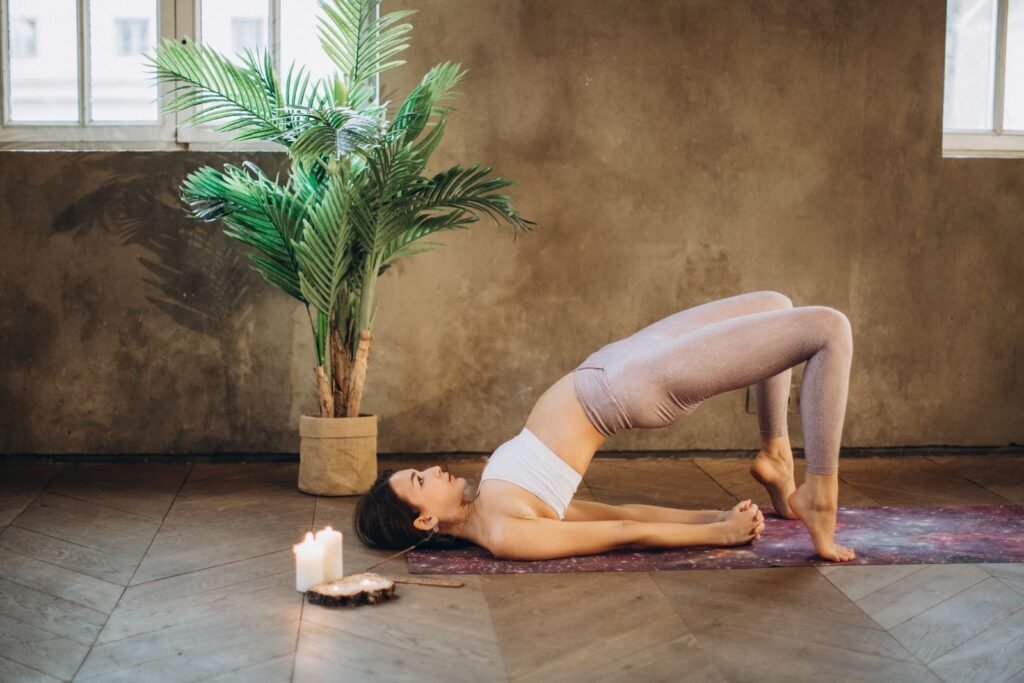
Yoga to reduce face fat works by combining facial muscle exercises (often called face yoga) with whole-body practices that lower overall body fat, since no single facial movement burns fat directly from the cheeks, jawline, or chin. Face yoga exercises like cheek lifts, jaw releases, and fish face pose tone the muscles under the skin, which can create a firmer, more sculpted look over 4-8 weeks of consistent practice. At the same time, whole-body yoga styles that support fat loss, better circulation, and lower cortisol help reduce puffiness and overall facial fullness that’s tied to water retention, stress, and total body fat rather than the face alone. The most realistic approach blends both: 10-15 minutes of daily face yoga plus a broader yoga and lifestyle routine aimed at overall body composition.
Can Yoga Actually Reduce Face Fat?
Yoga cannot “spot reduce” fat from any single area, and the face is no exception to this rule of exercise physiology. Your body pulls stored fat from wherever genetics and hormones dictate, not from wherever you’re exercising a muscle. This means that no amount of cheek-puffing or jaw-clenching will directly melt fat from your face in isolation. What face yoga can do is tone the roughly 40+ small muscles beneath facial skin, which may create a firmer, more lifted appearance even without a true reduction in fat mass. Combine this with whole-body yoga styles that support total fat loss, similar to the mechanisms covered in yoga for weight loss, and the visible fullness in your face is more likely to decrease as your overall body fat percentage drops.
What Is Face Yoga and How Does It Differ From Regular Yoga?
Face yoga is a set of targeted facial muscle exercises, typically involving repeated contractions, holds, and releases of muscles around the cheeks, jaw, forehead, and neck. Unlike traditional asana practice, which moves the whole body through poses and relies partly on breath-linked movement, face yoga is closer to a localized strength and mobility routine for the face. It borrows the intentionality and breath-awareness of yoga but applies it to a much smaller set of muscles: the orbicularis oculi around the eyes, the buccinator in the cheeks, the platysma along the neck, and the muscles of the jaw and chin. Sessions are typically 10-20 minutes and are usually practiced in front of a mirror, with each exercise repeated 5-10 times or held for several seconds, similar in structure to how a beginner yoga poses routine builds gradually before adding intensity.
What Do Facial Exercise Studies Actually Show?
The research on facial exercises is still limited, but it is not nonexistent. A widely cited pilot study from Northwestern University, published in 2018, had a small group of middle-aged women perform a set of daily facial exercises over 20 weeks and found that trained dermatologists rated participants’ faces as looking noticeably younger by the end of the study, with fuller upper and lower cheeks. That study focused on perceived age and fullness rather than fat loss specifically, and it did not measure facial fat reduction directly. More recent reporting from outlets like CNN and TIME on face yoga has noted that dermatologists generally agree facial exercises can improve muscle tone and circulation, but caution that there is not strong clinical evidence that these exercises meaningfully reduce facial fat the way diet and overall fat loss do. The honest takeaway: face yoga is reasonably well-supported for muscle tone and a more sculpted look, but should not be marketed or expected as a guaranteed fat-loss method on its own.
Which Face Yoga Exercises Are Most Commonly Used for Face Fat?
Several specific exercises show up consistently across face yoga routines aimed at reducing the appearance of face fat and improving definition.
- Cheek Puff and Release: Fill your cheeks with air, hold for 5-10 seconds, then push the air from one cheek to the other before releasing, working the buccinator muscle.
- Fish Face: Suck in your cheeks and lips to form a fish-like pout, hold for 10-15 seconds, and try to smile while holding the position to engage the cheek muscles more deeply.
- Jaw Release: Open your mouth wide, move your jaw slowly side to side, then in a circular motion, which helps release tension that can make the lower face look fuller.
- Neck and Chin Lift (Platysma exercise): Tilt your head back slightly, push your lower jaw forward, and hold to engage the neck and under-chin muscles associated with a “double chin” appearance.
- Cheek Lifter: Open your mouth into an O shape, cover your teeth with your lips, and smile while lifting your cheek muscles upward, holding for 10 seconds.
- Forehead Smoother: Place fingertips flat on your forehead and gently press down while trying to raise your eyebrows against the resistance, which some practitioners use to reduce tension-related puffiness.
Most face yoga routines recommend repeating each exercise 5-10 times per session, practiced once or twice daily, similar to how consistency matters more than intensity in styles like Hatha yoga.
How Does Facial Puffiness Differ From Facial Fat?
A large part of what people call “face fat” is actually water retention, inflammation, or puffiness rather than stored fat tissue, and distinguishing between the two matters because they respond to different interventions. Puffiness tends to be more noticeable in the morning, fluctuates with sodium intake, sleep position, and hydration, and can improve within hours to days once the underlying cause is addressed. True facial fat, by contrast, is more stable day to day and responds mainly to overall body fat reduction over weeks and months. Practices that support lymphatic drainage, such as gentle facial massage, staying upright rather than lying flat right after eating salty food, and breathing exercises like those used in pranayama, can help reduce the puffiness component relatively quickly, while the fat component requires the same patience as any other body-fat goal.
How Does Whole-Body Yoga Support a Slimmer-Looking Face?
Because facial fullness is partly a reflection of overall body fat percentage, whole-body yoga styles that support total fat loss indirectly help slim the face over time. Dynamic styles like Vinyasa yoga and power yoga keep the heart rate elevated for extended periods, contributing to the same calorie deficit that supports fat loss anywhere on the body, including the face. Inverted and forward-folding poses, such as Downward-Facing Dog and standing forward folds, temporarily increase blood flow to the face, which some practitioners believe supports circulation and a healthier-looking complexion, though this effect is short-lived rather than a lasting fat-loss mechanism. A well-rounded weekly practice that mixes 3-4 dynamic sessions with dedicated face yoga time addresses both the “whole body” and “local muscle tone” sides of the face fat equation, much like the layered approach described in yoga for belly fat.

How Does Stress and Cortisol Affect Face Fat?
Cortisol, the body’s primary stress hormone, is associated with fluid retention and changes in fat distribution when chronically elevated, and some of that shows up as facial puffiness or fullness, sometimes referred to informally as “moon face” in more extreme or prolonged cases. While everyday stress rarely reaches the level that causes dramatic facial changes, ongoing high stress combined with poor sleep can contribute to a rounder, puffier facial appearance for some people. Breath-focused practices such as pranayama and slower styles like restorative yoga activate the parasympathetic nervous system, which is linked to lower circulating cortisol over time. This won’t produce dramatic overnight changes, but managing chronic stress is a commonly overlooked piece of the face fat picture, much as it is for belly fat.
What Does a Daily Face Yoga Routine Look Like?
A sustainable face yoga routine doesn’t need more than 10-15 minutes a day and no equipment beyond a mirror. A simple structure looks like this:
- Warm-up (1-2 minutes): Gentle facial massage with clean hands or a jade roller to increase blood flow before exercises.
- Cheek Puff and Release: 8-10 repetitions, holding each side for 5 seconds.
- Fish Face: 5 repetitions, holding for 10-15 seconds each.
- Cheek Lifter: 8-10 repetitions, holding for 10 seconds.
- Jaw Release: 10 slow circles in each direction.
- Neck and Chin Lift: 8-10 repetitions, holding for 5 seconds.
- Cool-down: A minute of slow, deep breathing (similar to the breathwork used in yoga nidra) to release facial tension built up during the exercises.
Practicing this sequence once daily, ideally in the morning when puffiness from sleep is more visible, tends to show the earliest results in muscle tone and reduced tension within 2-4 weeks.
Is Face Yoga Different for Beginners Versus Advanced Practitioners?
Beginners should start with fewer repetitions and gentler pressure, since overworking small facial muscles unfamiliar with resistance exercise can cause temporary soreness or tension headaches, similar to how starting any new physical practice too aggressively raises the risk of setback. A beginner-friendly starting point is 5 repetitions of 2-3 core exercises (cheek puff, fish face, jaw release) once daily for the first week, gradually adding more exercises and repetitions as the muscles adapt. More advanced practitioners can extend sessions to a full 15-20 minute routine covering all major facial muscle groups, add resistance using fingers to gently press against the direction of movement, and combine face yoga with whole-body practices like Ashtanga yoga for a more comprehensive approach to fat loss and muscle tone. Regardless of level, avoid excessive force or aggressive pulling on facial skin, since skin is far more delicate than the muscle tissue you’re actually trying to train.
How Does Yoga for Face Fat Compare to Other Weight Management Goals?
Yoga for face fat sits within the broader category of yoga for weight management, sharing many of the same underlying mechanisms as goals like yoga for weight loss or yoga for belly fat, just applied with an additional layer of targeted facial muscle work. If your primary goal is a slimmer face specifically, you’ll want to combine daily face yoga with a broader routine that supports total body fat reduction, since facial fullness rarely improves in isolation while the rest of the body stays unchanged. It’s also worth understanding the opposite goal for context: those exploring yoga for weight gain use a calorie surplus and slower, strength-building holds rather than the calorie-aware approach used for fat loss goals, which shows how much overall energy balance — not facial exercises alone — determines the outcome.
What Role Does Diet and Hydration Play Alongside Face Yoga?
Face yoga supports muscle tone, but it cannot override a diet that keeps you in a calorie surplus or leaves you chronically dehydrated. Reducing sodium intake helps limit the water retention that contributes to a puffy appearance, since excess salt causes the body to hold onto fluid, some of which shows up in the face. Adequate water intake, somewhat counterintuitively, also helps reduce puffiness, because mild dehydration can trigger the body to retain more fluid as a protective response. Alcohol is worth mentioning specifically, since it’s a well-documented cause of next-day facial puffiness due to its dehydrating and inflammatory effects. None of this requires an extreme approach: a moderate, whole-foods-based diet, consistent hydration, and reduced processed sodium alongside daily face yoga and a broader yoga practice is more sustainable than any single trick.
Does Sleep Position Affect Face Fat and Puffiness?
Sleep position and quality genuinely affect how puffy or full your face looks the next day, even though they don’t change actual fat mass. Sleeping face-down can cause fluid to pool in facial tissue overnight, leading to more visible puffiness upon waking, while sleeping on your back with your head slightly elevated allows better fluid drainage and is commonly recommended by dermatologists for reducing morning facial puffiness. Poor sleep quality overall also raises cortisol, tying back into the stress-related fullness discussed earlier in this guide. Combining good sleep hygiene with a consistent bedtime yoga wind-down routine can improve both sleep quality and next-morning facial appearance over time.
How Long Does It Take to See Results From Yoga to Reduce Face Fat?
Most people practicing face yoga daily for 10-15 minutes report noticing firmer-feeling muscles and reduced tension within 2-3 weeks, with more visible changes in facial contour typically taking 6-8 weeks of consistent practice. Actual reduction in facial fat, as opposed to improved muscle tone, follows the same timeline as overall body fat loss, generally requiring 8-12 weeks of combined whole-body activity and dietary consistency to become clearly visible. It’s worth setting realistic expectations here: the first noticeable changes are usually reduced puffiness and better muscle definition rather than dramatic fat loss, since facial skin and muscle respond to consistent exercise faster than underlying fat stores shift.
What Common Mistakes Undermine Face Yoga Results?
The most common mistake is expecting face yoga alone to produce dramatic fat loss without any attention to overall diet or whole-body activity, when in reality it primarily improves muscle tone and circulation. Other frequent errors include applying too much force or pulling on facial skin during exercises, skipping consistency in favor of occasional intense sessions, and ignoring the puffiness-versus-fat distinction, which leads people to expect fat-loss results from what is really a hydration or sodium issue. Inconsistent practice is the biggest silent obstacle to progress: a few sporadic sessions produce far less than 10 minutes done daily for several weeks straight, much like the consistency-over-intensity principle behind most yoga styles aimed at fat loss.
Questions People Ask About Yoga for Face Fat
Can face yoga really reduce a double chin?
Face yoga exercises targeting the neck and jaw, such as the chin lift and jaw release, can tone the platysma muscle and improve the appearance of a double chin over several weeks. However, if the fullness is primarily fat rather than muscle laxity, overall body fat reduction will have a bigger visible impact than facial exercises alone.
How many times a day should you do face yoga?
Once daily for 10-15 minutes is enough for most people to see gradual improvements in muscle tone over several weeks. Some practitioners do a shorter 5-minute session in the morning and evening, but there’s no strong evidence that twice-daily practice produces meaningfully faster results than one consistent daily session.
Does drinking water help reduce face fat?
Drinking enough water doesn’t reduce fat directly, but it helps reduce the water-retention puffiness that’s often mistaken for face fat, since mild dehydration can cause the body to hold onto more fluid. Staying consistently hydrated, alongside reduced sodium intake, is one of the simplest ways to reduce next-day facial puffiness.
Is face yoga safe to do every day?
Yes, for most people, daily face yoga with moderate repetitions and gentle pressure is safe and unlikely to cause harm. The main precaution is avoiding excessive force or aggressive pulling on the skin, and stopping if you notice ongoing soreness, tension headaches, or skin irritation from any specific exercise.
Does chewing gum help reduce face fat?
Chewing gum works the jaw muscles similarly to some face yoga exercises and may contribute to slight muscle tone in the jawline with regular use, but there’s no strong evidence it reduces facial fat specifically. It’s best treated as a minor supplementary habit rather than a primary strategy.
How is yoga for face fat different from yoga for weight loss?
Yoga for face fat combines targeted facial muscle exercises with the same whole-body principles used in yoga for weight loss, since facial fullness is influenced by both local muscle tone and overall body fat percentage. Someone focused only on the face without addressing overall fat loss will likely see slower and less noticeable results than someone combining both approaches.
Try This for Yourself
Reading about yoga to reduce face fat only goes so far — the real shifts in muscle tone, circulation, and overall body composition happen once you’re consistently guided through the right combination of face yoga and whole-body practice. If you want a structured, expert-led routine rather than piecing one together yourself, explore FitStrot’s online yoga classes and start building a personalized practice around your fat-loss and fitness goals.
Related reading: Yoga for Weight Loss, Yoga for Belly Fat, Yoga for Weight Gain, Yoga to Reduce Thigh Fat, and explore FitStrot’s online yoga classes to get started with a guided program.