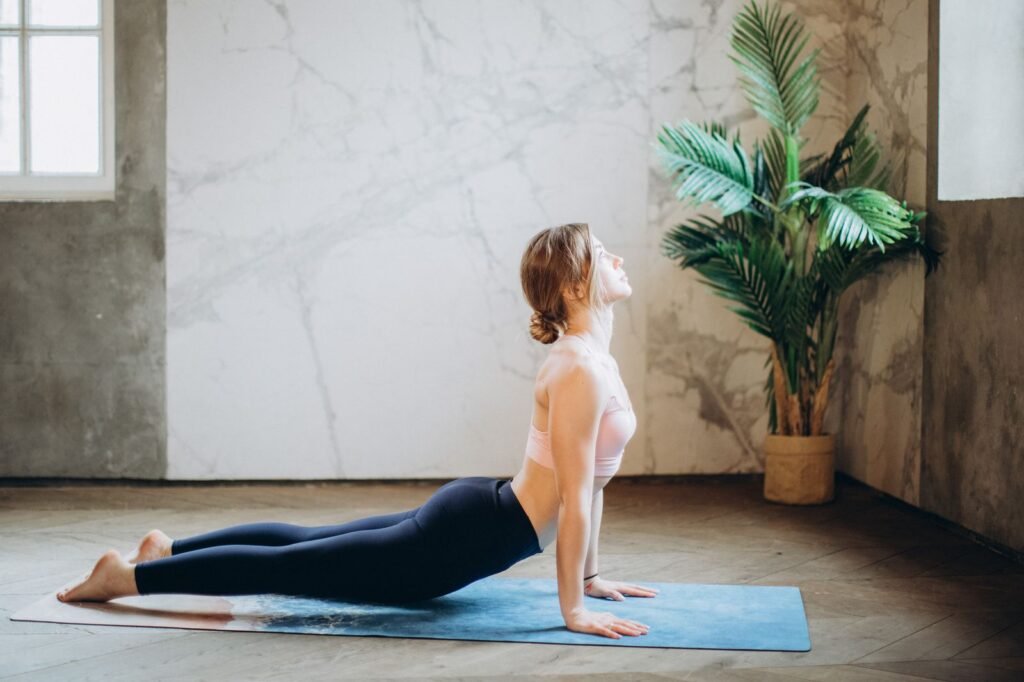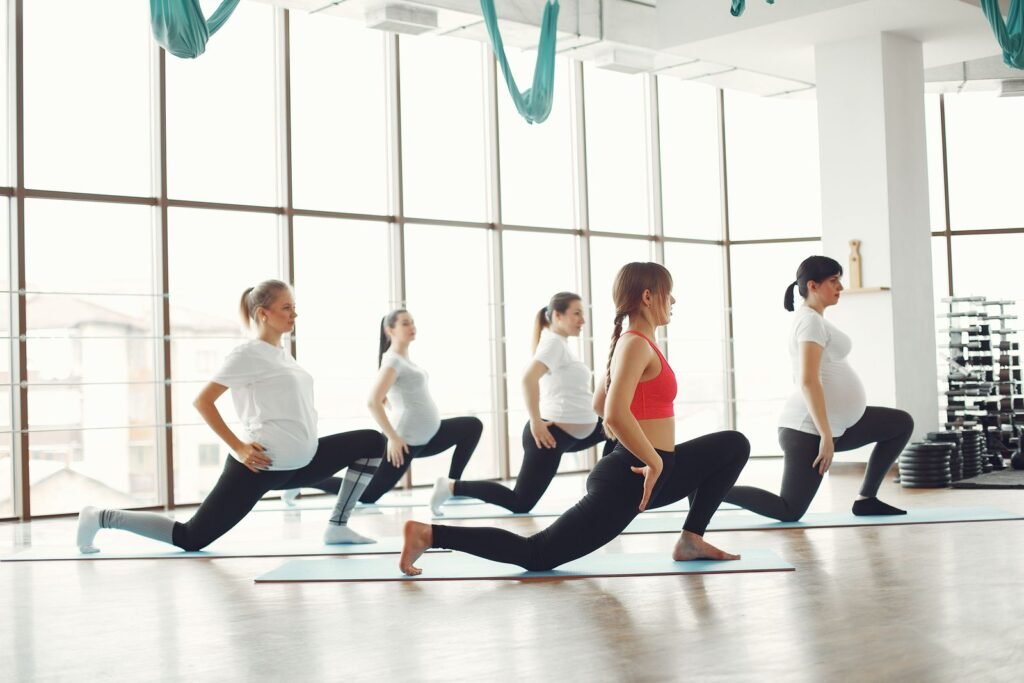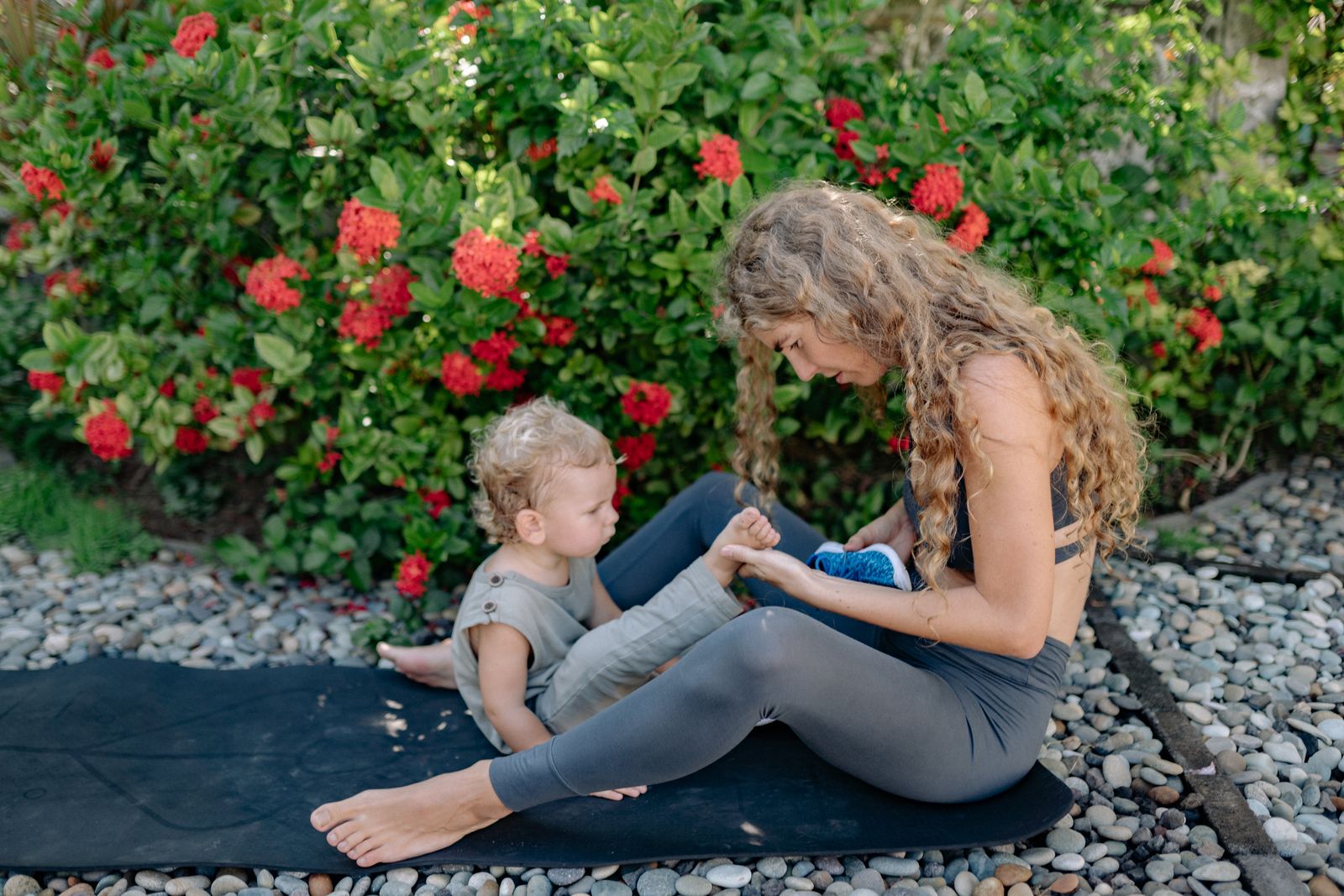
Yoga after delivery is a gentle, doctor-cleared way to rebuild core and pelvic floor strength, ease new-mom back and shoulder tension, and calm the nervous system during the demanding postpartum weeks. Most practitioners suggest waiting until a doctor confirms it’s safe: often around 4-6 weeks after an uncomplicated vaginal birth and 6-8 weeks (or longer) after a cesarean section, then starting with gentle breathing, pelvic floor awareness, and restorative poses before progressing to more active sequences. Done consistently and mindfully, postpartum yoga can support physical recovery, improve sleep quality, and ease the emotional adjustment of early motherhood, without straining a body that is still healing.
What Is Postpartum Yoga, Exactly?
Postpartum yoga, sometimes called postnatal yoga, is a style of practice specifically adapted for the body’s needs after childbirth. It differs from a general yoga practice or even from prenatal yoga because it addresses recovery rather than preparation. The focus shifts to healing diastasis recti (abdominal separation), reactivating a weakened pelvic floor, releasing tension from feeding and carrying a newborn, and gently reintroducing core strength without straining tissues that are still knitting back together. Many teachers who guide clients through yoga during pregnancy continue that relationship into the fourth trimester, which helps because the instructor already understands the individual’s birth history and any complications.
When Can You Safely Start Yoga After Delivery?
Timing depends heavily on the type of delivery and any complications. For an uncomplicated vaginal birth, many care providers give clearance for light movement around 4-6 weeks postpartum, once bleeding has settled and any tearing or stitches have healed. After a cesarean section, recovery from major abdominal surgery generally takes longer, and many providers suggest waiting at least 6-8 weeks, sometimes longer, before beginning structured postpartum yoga. These are general patterns, not fixed rules; every body heals differently. The single most important step is a postpartum check-up where your obstetrician, midwife, or physiotherapist examines your incision, pelvic floor, and abdominal separation and gives explicit clearance for exercise. Starting too early, especially with core-loading poses, can worsen diastasis recti or delay healing.
Why Does Postpartum Recovery Need a Different Approach Than Regular Yoga?
The postpartum body has been through significant physiological changes: relaxin (the hormone that loosens joints and ligaments during pregnancy) can remain elevated for months after birth, meaning joints are still more mobile and less stable than usual. The abdominal wall may show diastasis recti, a separation of the rectus abdominis muscles that needs specific gentle rehabilitation rather than aggressive crunching movements. The pelvic floor, having supported the weight of pregnancy and the physical demands of labor, often needs deliberate reactivation before it can safely support jumps, deep backbends, or intense core work. This is why postpartum yoga sequences typically avoid deep twists, intense backbends, and high-intensity core exercises in the earliest weeks, favoring instead gentle spinal movement, breath work, and pelvic floor engagement drawn from principles similar to yoga for back pain relief.
What Are the Physical Benefits of Yoga After Delivery?
A consistent postpartum yoga practice offers several tangible physical benefits for new mothers. It helps gradually restore core strength through safe, layered engagement rather than sudden strain, supports pelvic floor recovery which can reduce issues like urinary leakage, and eases the upper-back, neck, and shoulder tightness that comes from hours of nursing, holding, and hunching over a baby. Gentle backbends and chest openers counter the forward-rounded posture common in new parents, while hip-opening poses can relieve tension left over from labor. Because it is low-impact, postpartum yoga is often gentler on a still-recovering body than higher-intensity workouts, similar to how yoga for beginners eases people into movement without overwhelming an unconditioned body.
What Are the Emotional and Mental Benefits?
The postpartum period brings enormous hormonal shifts, sleep deprivation, and identity adjustment, all of which can affect mood and emotional regulation. Breath-centered practice, a core part of most postpartum yoga classes, activates the parasympathetic nervous system, which can help calm the anxious, wired feeling many new mothers describe. Even ten to fifteen minutes of mindful breathing and gentle movement can create a meaningful pause in an otherwise nonstop day of feeding, soothing, and caregiving. Group postpartum yoga classes, in person or online, also offer connection with other new parents going through similar experiences, which can meaningfully ease feelings of isolation during the early months. This mental health angle overlaps with what’s often discussed under yoga for mental health and yoga for anxiety.
Which Postpartum Yoga Poses Are Considered Safe to Start With?
Most postpartum-focused teachers begin with restorative and pelvic-floor-aware poses before progressing further. Common starting poses include:
- Diaphragmatic breathing (belly breathing): Lying or seated, breathing deeply into the belly to reconnect with the core and calm the nervous system.
- Pelvic tilts: Gentle rocking of the pelvis to reactivate deep core muscles without strain.
- Cat-Cow (Marjaryasana-Bitilasana): A gentle spinal flow that eases back tension from feeding and carrying.
- Child’s Pose (Balasana): A resting pose that stretches the lower back and hips.
- Bridge Pose (Setu Bandhasana), modified: Introduced gradually to rebuild glute and pelvic floor strength.
- Legs-Up-The-Wall (Viparita Karani): Excellent for reducing swelling and calming the nervous system after a tiring day.
These poses share similarities with the gentler end of practices covered in restorative yoga and yin yoga, both of which emphasize slow, supported holds rather than dynamic strength-building.
What Poses Should Be Avoided in the Early Postpartum Weeks?
Certain movements place too much load on tissues that are still healing and are generally avoided in the first several weeks, and sometimes longer depending on individual recovery. These include full sit-ups or crunches, deep twists, intense backbends like full Wheel Pose, and any pose that causes the abdomen to visibly bulge or “cone” along the midline, which is a sign of diastasis recti being loaded incorrectly. High-impact jumping transitions common in some vinyasa yoga sequences are also best postponed until the pelvic floor and core have been rebuilt with more foundational work. A qualified postpartum-certified instructor can assess your specific diastasis recti gap and pelvic floor function to guide exactly when and how to progress.
How Is Yoga After a C-Section Different?
Recovering from a cesarean section involves healing a surgical incision through multiple layers of abdominal tissue, which changes the timeline and approach compared with vaginal delivery. In the early weeks, movement generally stays extremely gentle: walking, breathing exercises, and very light pelvic tilts, always with attention to how the incision site feels. Poses that stretch or compress the lower abdomen, such as deep forward folds or plank-adjacent positions, are typically introduced later and only once the scar has fully healed and a doctor has confirmed there’s no separation issue. Since every C-section recovery timeline differs based on the surgery and any complications, working with a specifically postpartum-trained teacher, rather than jumping into a general class, is especially valuable in this scenario.
Can You Do Postpartum Yoga With Your Baby?
Yes, “mommy and me” or baby-inclusive yoga classes are a popular format, allowing a new mother to practice without needing separate childcare. In these sessions, the baby might rest on a mat nearby, be gently rocked during certain poses, or even be lightly incorporated as light “weight” during some strength-building movements once cleared for it. This format also encourages skin-to-skin time and bonding, and many mothers find the shared experience reduces the guilt or logistical stress of carving out separate self-care time. It pairs naturally with the community elements found in group yoga for women classes, adapted specifically for the postpartum stage.
How Often Should You Practice Yoga After Delivery?
There’s no universal number, but many postpartum-focused instructors suggest starting with short, frequent sessions rather than long, infrequent ones. Ten to twenty minutes, three to four times a week, is a realistic and sustainable starting point for most new parents, especially while sleep is fragmented and free time is unpredictable. As strength, energy, and confidence return, typically over the following weeks and months, sessions can lengthen and frequency can increase. The goal in early postpartum practice is consistency and body awareness, not intensity or duration, an approach that mirrors how gentle yoga is generally introduced to any deconditioned or recovering body.
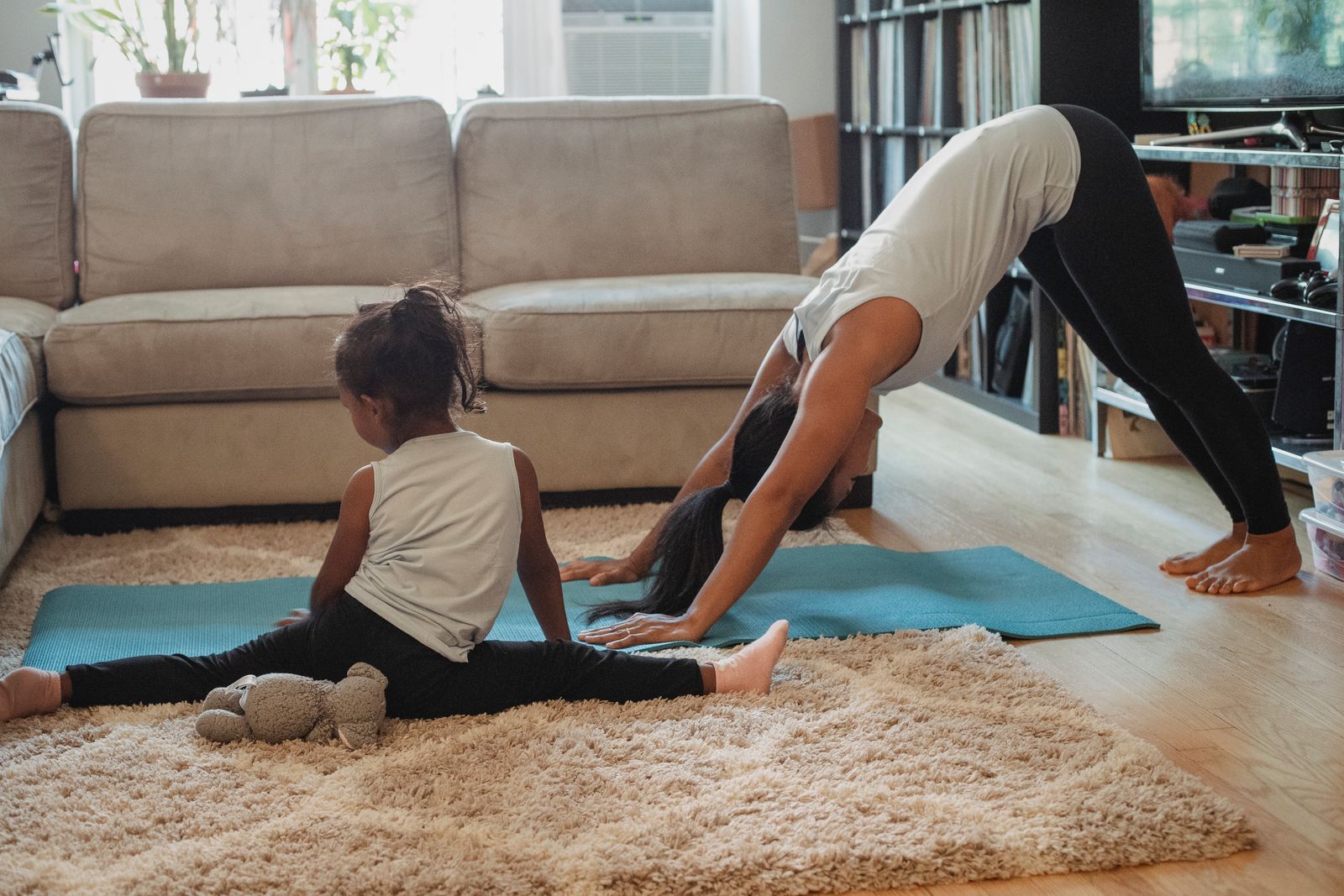
How Does Online Yoga Help New Mothers Specifically?
Getting to a physical studio with a newborn, especially in the first months, can be genuinely difficult between feeding schedules, unpredictable naps, and simple exhaustion. Online postpartum yoga removes that barrier entirely: a new mother can practice at 6 a.m., during a nap window, or in ten-minute bursts between feeds, all from her own living room. This flexibility is a major reason online formats have grown so popular among new parents, echoing broader trends already covered in online yoga for stress relief at home. It also allows a mother to keep working with the same instructor who guided her through yoga for pregnant women sessions, maintaining continuity of care and communication about her specific recovery.
How Does Postpartum Yoga Support Pelvic Floor Recovery?
The pelvic floor, a group of muscles supporting the bladder, uterus, and bowel, undergoes significant strain during pregnancy and delivery, regardless of birth method. Postpartum yoga often incorporates gentle pelvic floor engagement techniques, sometimes guided alongside Kegel-style contractions, to help rebuild strength and coordination in these muscles gradually. This matters because poor pelvic floor recovery is commonly associated with issues like stress incontinence or a feeling of heaviness or pressure. Many postpartum yoga teachers recommend combining yoga-based awareness work with guidance from a pelvic floor physiotherapist, particularly if symptoms like leaking, pain, or pressure persist beyond the first few months, since this is a specialized area beyond what general yoga instruction alone can fully address.
What Role Does Breathing Play in Postpartum Recovery?
Breath work, or pranayama, is one of the most accessible and immediately calming tools available to a new mother, requiring no special flexibility or strength. Diaphragmatic breathing specifically helps re-engage the deep core (the transverse abdominis) in coordination with the pelvic floor, forming the foundation that later core-strengthening work builds upon. Slower, longer exhales can also help regulate the nervous system during moments of overwhelm, a technique that overlaps with practices detailed in pranayama breathing techniques. New mothers often find that even a few minutes of focused breathing, done while a baby naps on their chest, provides real, immediate relief from tension and anxious thoughts.
How Does Postpartum Yoga Fit Into a Broader Recovery Plan?
Yoga after delivery works best as one part of a broader, individualized recovery approach rather than a replacement for medical care. This typically includes clearance and guidance from an obstetrician or midwife, potential referral to a pelvic floor physiotherapist if needed, adequate nutrition and hydration to support healing and, if applicable, breastfeeding, and realistic expectations around sleep and rest. Many new mothers also find it helpful to combine restorative sessions with more general movement guidance found in yoga for flexibility once cleared for more active practice. Recovery is rarely linear, and comparing your own timeline to another mother’s is rarely useful since birth experiences and bodies differ so much.
What Should You Look for in a Postpartum Yoga Class or Instructor?
Not all yoga instructors have specific training in postpartum anatomy and recovery, so it’s worth seeking out someone with dedicated postnatal or pre/postnatal certification. A qualified postpartum instructor should ask about your birth history (vaginal or cesarean, any complications, tearing, or diastasis recti), pace the class accordingly, and offer modifications rather than pushing a one-size-fits-all sequence. Classes that check in regularly about pelvic floor sensation, incision healing, and energy levels tend to be safer than generic beginner classes that aren’t birth-aware. If you’re newer to yoga altogether, starting with foundational guidance like that found in yoga for beginners alongside postpartum-specific modifications can help you build confidence in the practice itself.
Questions People Ask About Yoga After Delivery
Is it safe to do yoga immediately after giving birth?
Gentle breathing exercises and very light pelvic tilts are often fine within the first days for most mothers, but structured yoga poses generally wait until a postpartum check-up confirms healing is on track, often around 4-6 weeks after vaginal delivery or 6-8 weeks after a cesarean section. Always confirm timing with your own doctor, since individual recovery varies.
Can yoga help close diastasis recti after pregnancy?
Targeted, gentle core-engagement exercises, including specific yoga-based breathing and pelvic tilt work, are commonly used to help support diastasis recti healing, though severity varies widely between individuals. A postpartum-trained instructor or physiotherapist can assess your specific gap and recommend an appropriate progression rather than generic core exercises.
How soon can I do yoga after a C-section?
Many care providers suggest waiting at least 6-8 weeks after a cesarean section before beginning structured yoga, though this depends heavily on how the incision has healed and whether any complications occurred. Always get explicit clearance at your postpartum follow-up before resuming any core-engaging exercise.
Can I do yoga with my newborn in the room or on the mat?
Yes, many postpartum and “mommy and me” yoga classes are specifically designed to include a baby nearby or lightly involved in the session. This format can ease the logistics of finding separate childcare and also supports bonding time during practice.
Does postpartum yoga help with breastfeeding-related back and neck pain?
Yes, gentle chest-opening and shoulder-releasing poses are commonly used to counter the forward-hunched posture that develops from hours of nursing and holding a baby. Consistent practice, even in short sessions, can meaningfully ease tension built up in the neck, shoulders, and upper back.
What if I feel discouraged that my body hasn’t “bounced back” during postpartum yoga?
This is an extremely common feeling, and postpartum yoga is generally framed around gentle recovery and function rather than appearance or rapid transformation. Many mothers find that shifting focus toward what the body can do, like standing steadily, breathing deeply, or bonding with their baby, makes the practice more sustainable and emotionally supportive.
Try This for Yourself
If you’re navigating the postpartum period and wondering where to safely begin, a guided, birth-aware class can make all the difference between guessing and genuinely rebuilding strength. Explore FitStrot’s online yoga classes to practice postpartum-friendly sequences from home, at your own pace, with guidance suited to where your body actually is right now.
Related reading: Prenatal Yoga, Yoga for Pregnant Women, Yoga During Pregnancy, Yoga for Beginners, and FitStrot’s Online Yoga Classes.