Sahaja yoga is a meditation technique founded in 1970 by Nirmala Srivastava, known to followers as Shri Mataji Nirmala Devi, built around the idea of awakening a dormant energy called kundalini to reach a state of “thoughtless awareness.” Unlike a physical-postures practice such as hatha yoga, sahaja yoga is a seated, largely effortless meditation — the word “sahaja” itself means “spontaneous” or “born with.” Practitioners describe a cool, breeze-like sensation above the head at the crown chakra (Sahasrara) as a sign of self-realization. Classes are traditionally offered free of charge, and the practice has spread to community centers, homes, and dedicated meditation halls across dozens of countries since it began in India.
What Is Sahaja Yoga, Exactly?
Sahaja yoga is a meditation system that centers on the claim that self-realization — a felt experience of inner peace and connection — can happen spontaneously once a subtle energy called kundalini rises from the base of the spine through a network of energy centers, or chakras, to the crown of the head. Shri Mataji Nirmala Devi described this moment as the “actualization” of a process that had, in her teaching, previously required years of austerity or discipline in older yogic traditions. Rather than emphasizing physical postures or strenuous breathwork, sahaja yoga sessions are typically quiet, seated affairs involving simple hand gestures, attention placed on specific chakras, and stillness. It sits within the broader family of types of yoga but is best understood as a meditation and self-realization practice rather than a fitness-oriented style like vinyasa yoga or ashtanga yoga.
Where Did Sahaja Yoga Come From?
According to the tradition’s own accounts, Nirmala Srivastava established sahaja yoga on May 5, 1970, drawing on her background in Indian spiritual traditions and her own reported experience of kundalini awakening. She founded the organization Vishwa Nirmala Dharma to formalize the teaching and began offering free public programs in Mumbai before the practice expanded to Europe, North America, and beyond through the 1970s and 1980s. Unlike lineage-based systems such as kriya yoga, which is transmitted through formal initiation by an authorized teacher, sahaja yoga was designed from the outset to be taught openly and without cost, reflecting Shri Mataji’s stated belief that self-realization should be “freely available to all.”
What Does “Sahaja” Actually Mean?
The Sanskrit word “sahaja” combines “saha” (with) and “ja” (born), and is generally translated as “spontaneous,” “innate,” or “born with you.” In the context of this practice, the name reflects the central claim that the capacity for self-realization is already present within every person and does not need to be earned through years of ascetic effort. This distinguishes the branding of sahaja yoga from older tantric and hatha traditions that historically framed kundalini awakening as the product of prolonged, guided practice, sometimes over a lifetime, under a personal guru within an ashram setting.
What Happens at a Sahaja Yoga Meditation Center?
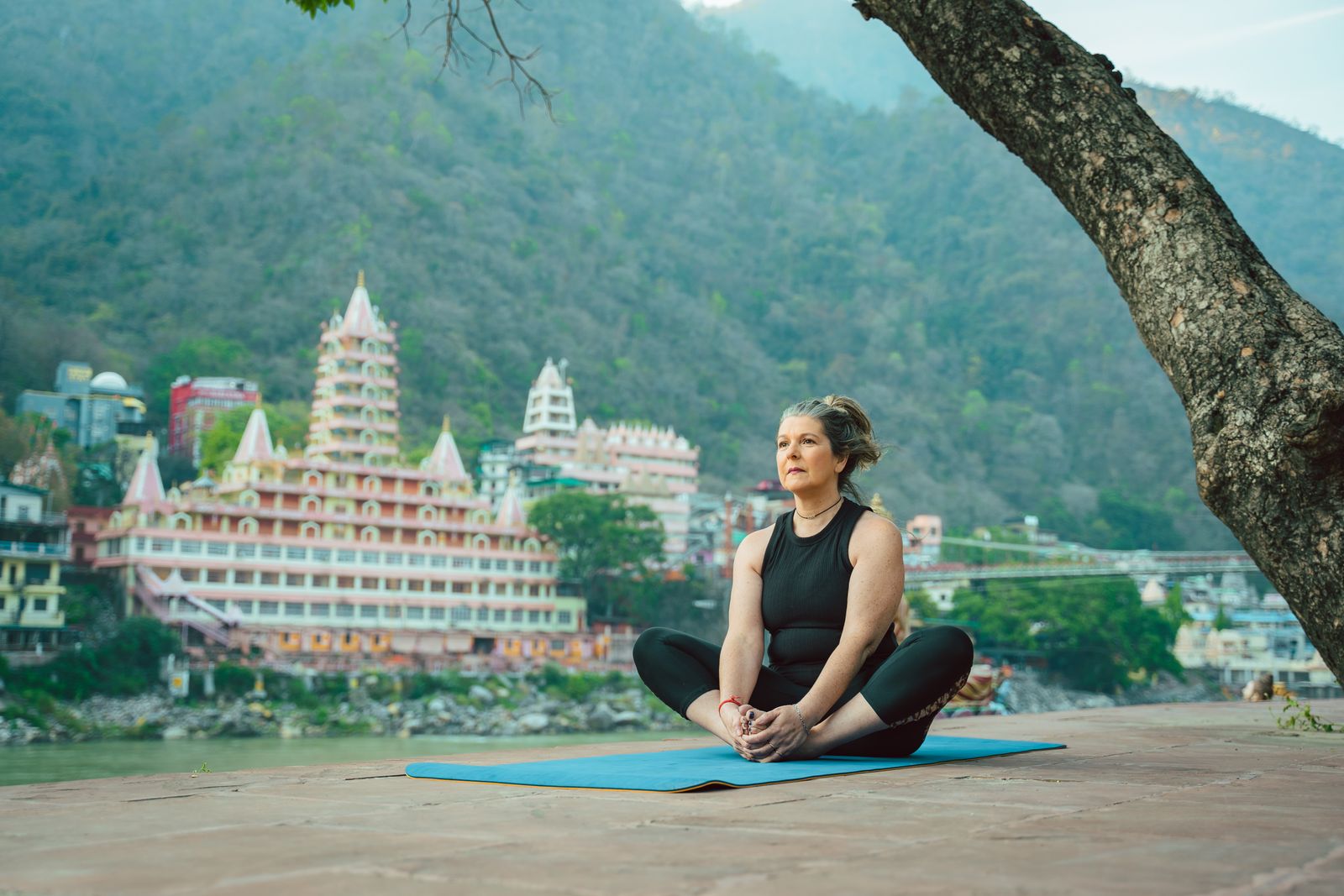
A typical sahaja yoga meditation center session runs for roughly an hour and follows a familiar structure:
- Opening meditation — quiet seated meditation to settle the group
- Bhajans — group chanting of devotional songs
- Short talk — a brief discussion on the day’s theme
- Closing meditation — individual meditation with feet placed in a bowl of warm salted water, a practice practitioners describe as helping to draw excess energy downward and out through the feet
Sessions are typically led by experienced practitioners rather than paid instructors, and most sahaja yoga centres near me searches turn up local community groups that meet in halls, homes, or rented rooms rather than commercial studios. New attendees are generally welcomed to try a session before deciding whether to continue.
How Do You Find a Sahaja Yoga Center Near You?
Because sahaja yoga has no franchise or storefront model, the most reliable way to find a sahaja yoga center near me is through the organization’s country or city-level websites, which typically list free weekly meeting times and addresses for local groups. Many cities maintain a dedicated sahaja yoga dhyan kendra (meditation center) that meets on a fixed weekly schedule, often in a public hall, community center, or a practitioner’s home. If there’s no listed center in your immediate area, some groups run beginner sessions online first, which can be a practical way to learn the seated technique before attending an in-person group.
What Is the Kundalini and Chakra System in Sahaja Yoga?
Sahaja yoga teaches a subtle energy system of seven main chakras running from the base of the spine to the crown of the head, broadly similar in structure to the classical chakra models found in older tantric and kundalini yoga traditions, though sahaja yoga adds its own specific correspondences and terminology. Shri Mataji taught that kundalini energy, described as coiled at the base of the spine, rises through these centers and pierces the crown chakra (Sahasrara) at the moment of self-realization. Practitioners are taught to place attention on specific chakras and use simple hand positions to identify which centers feel blocked or imbalanced, then to work on clearing them through continued meditation.
What Bhajans Are Sung in Sahaja Yoga?
Devotional singing is a regular part of sahaja yoga gatherings, and a sahaja yoga bhajan session typically draws on a shared songbook of Hindi, Sanskrit, and Marathi devotional songs addressed to various deities recognized within the practice’s broader Hindu-influenced framework. These sessions are usually accompanied by harmonium and tabla, and singing together is described by practitioners as a way to open the heart chakra and settle the mind before or after meditation. Group bhajan sessions are also common at larger seminars and at celebrations held at a sahaja yoga mandir or dedicated meditation hall.
What Is the Ganesh Atharvashirsha in Sahaja Yoga?
The Ganesh Atharvashirsha is a Sanskrit hymn to Lord Ganesha, drawn from a text within the Atharva Veda tradition, that is recited in sahaja yoga as part of devotional practice connected to the Muladhara (root) chakra, which the tradition associates with Ganesha. Reciting the ganesh atharvashirsha sahaja yoga followers use is generally understood within the practice as a way to strengthen innocence and stabilize the root chakra, qualities the tradition links directly to the deity. It is commonly chanted during group pujas (worship ceremonies) dedicated to Ganesha, particularly around festivals honoring him.
What Is the Devi Kavach in Sahaja Yoga?
The Devi Kavach is a traditional Sanskrit hymn invoking the protective aspect of the Divine Mother (Devi), and within sahaja yoga it is recited as a protective chant, particularly by practitioners seeking to strengthen their inner defenses against negative influences during or after meditation. The devi kavach sahaja yoga tradition draws on pre-existing Hindu devotional literature rather than an original composition by the movement’s founder, situating it alongside other borrowed devotional texts the practice has incorporated into group worship.
Why Do Sahaja Yoga Practitioners Recite the Hanuman Chalisa?
The Hanuman Chalisa is a forty-verse devotional hymn to Hanuman, composed centuries ago and revered broadly across Hindu tradition, and it has been adopted within sahaja yoga as a chant associated with removing obstacles and negativity. Practitioners reciting the hanuman chalisa sahaja yoga style typically do so in group settings, often during or after meditation, framing it as a way to strengthen willpower and clear blockages in the energy system described earlier. As with the Ganesh Atharvashirsha and Devi Kavach, this hymn predates the founding of sahaja yoga by many centuries and reflects the practice’s broader integration of established Hindu devotional literature into its meditation framework.
What Are the Reported Benefits of Sahaja Yoga Meditation?
Practitioners and several published studies have explored sahaja yoga meditation in relation to stress reduction, blood pressure management, and general wellbeing, with some smaller clinical trials reporting improvements in perceived stress and anxiety symptoms among regular practitioners. As with most meditation research, sample sizes in these studies tend to be modest, and results should be read as suggestive rather than conclusive proof of specific medical outcomes. Beyond any measurable physiological effects, long-term practitioners commonly describe subjective benefits such as calmer reactions to daily stress, improved sleep, and a greater sense of detachment from anxious thought patterns — benefits broadly consistent with what’s reported around other seated meditation styles like mindfulness meditation.
How Is Sahaja Yoga Different from Hatha Yoga and Ashtanga Yoga?
Hatha yoga and ashtanga yoga are physical practices organized around postures (asanas), sequenced movement, and controlled breathing designed to build strength, flexibility, and physical discipline as a pathway toward deeper meditation. Sahaja yoga, by contrast, involves almost no physical postures at all — sessions are seated, still, and centered on directing attention through the chakra system rather than moving the body. Someone drawn to the physical intensity of ashtanga yoga or the structured alignment work of hatha yoga may find sahaja yoga meditation to be a useful complementary practice for winding down after a physical session, though it isn’t designed to replace the physical conditioning those styles provide.
Is Sahaja Yoga Considered a Religious Movement?
Sahaja yoga is commonly described by outside researchers as a new religious movement, given its founder’s claimed spiritual status, its structured belief system around self-realization, and its organized global network of centers under Vishwa Nirmala Dharma. Some regulatory bodies in parts of Europe have raised concerns over the years about recruitment practices associated with new religious movements generally, including sahaja yoga, though outcomes of related inquiries have varied by country and case. Prospective practitioners considering a sahaja yoga center near me search should treat it, like any group involving devotional or spiritual commitment, as worth researching before deep involvement — attending an introductory session is a reasonable low-commitment way to evaluate whether the practice and community fit.
What Should You Expect at a Sahaja Yoga Mandir or Ashram?
A sahaja yoga mandir typically refers to a dedicated temple or meditation hall used for larger group gatherings, pujas, and festival celebrations, distinct from the smaller weekly meeting groups that meet in community halls or homes. Some countries also host residential ashrams affiliated with the practice, including facilities in India that combine meditation retreats with rehabilitation or educational programs. Visitors to a mandir or ashram setting can typically expect a structured schedule combining seated meditation, bhajan singing, and communal meals, with dress and conduct expectations similar to visiting any traditional Hindu temple space — modest clothing and removing shoes before entering the main hall are standard practice.
How Do You Start Practicing Sahaja Yoga at Home?
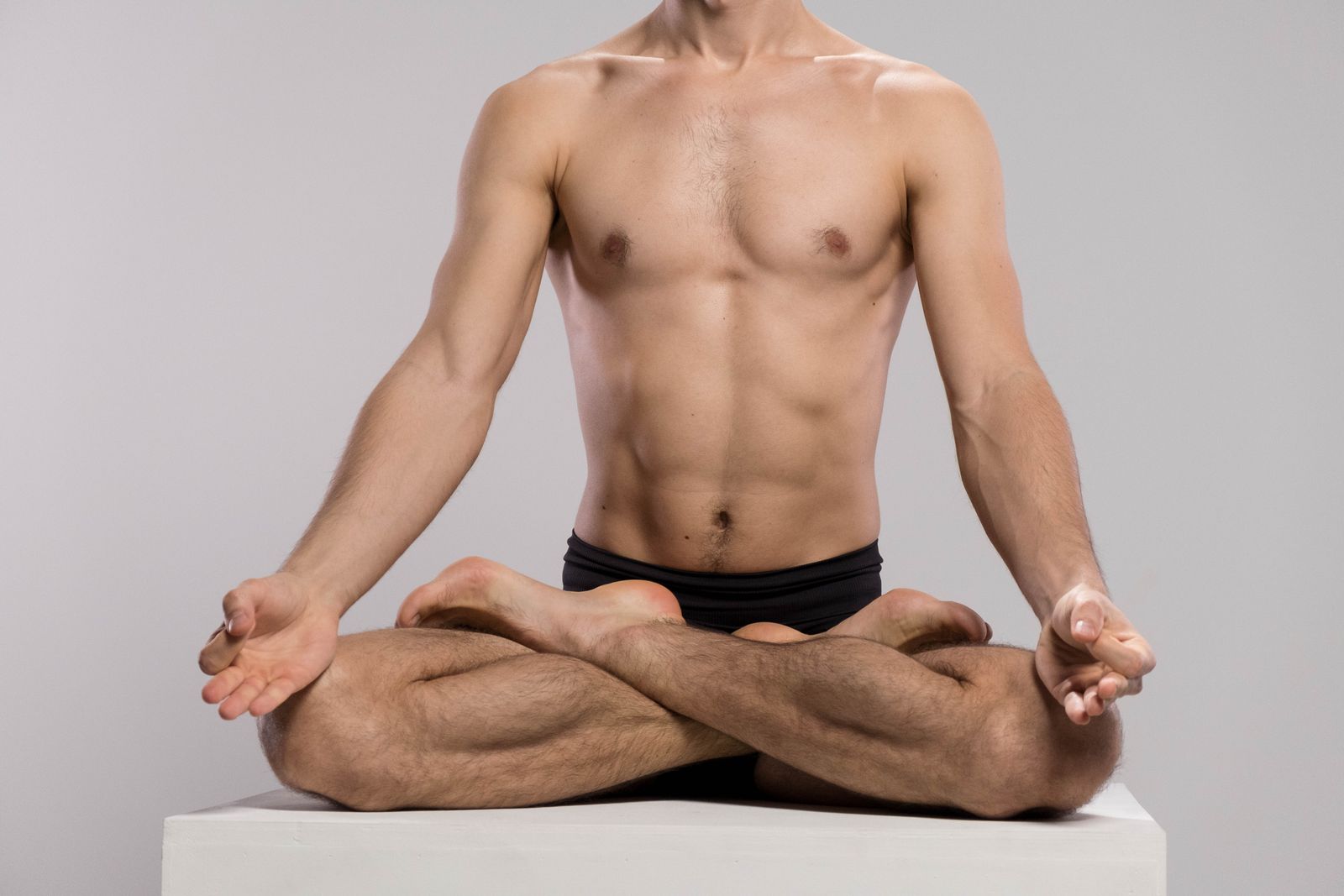
Most sahaja yoga organizations offer free introductory sessions, either in person or online, that walk newcomers through a basic self-realization meditation before encouraging regular home practice. A simple starting routine typically involves sitting comfortably, placing the left hand palm-up on the lap and the right hand raised, and directing attention toward the crown of the head while remaining still for ten to fifteen minutes. Many practitioners pair this with a short bhajan recording or the Ganesh Atharvashirsha chant described earlier as a way to settle the mind before silent meditation begins. As with starting any new meditation habit, consistency at a fixed time each day tends to matter more than session length, a principle shared with simpler practices like meditation for beginners routines.
How Does Sahaja Yoga Compare to Other Meditation-Focused Yoga Paths?
Sahaja yoga’s meditation-first approach also stands apart from other paths built around meditation or devotion:
| Yoga Path | Core Approach | How It Differs From Sahaja Yoga |
|---|---|---|
| Raja Yoga | Patanjali’s eight-limbed structure of ethical discipline and concentration | Builds toward meditative absorption gradually; sahaja yoga presents self-realization as available more immediately |
| Bhakti Yoga | Love and surrender to a chosen deity | Devotion is the primary practice; sahaja yoga treats bhajans and hymns as a complement to its core meditation technique, not the main path |
| Jnana Yoga | Philosophical inquiry and self-knowledge through study | Progress is measured intellectually; sahaja yoga relies on direct, felt experience — the cool sensation at the crown of the head — as its central marker |
Questions People Ask About Sahaja Yoga
What is sahaja yoga meditation?
Sahaja yoga meditation is a seated technique aimed at achieving “thoughtless awareness” by awakening kundalini energy through the body’s chakra system, culminating in a felt experience at the crown of the head called self-realization. It was founded in 1970 by Nirmala Srivastava (Shri Mataji Nirmala Devi) and is generally taught free of charge in community groups worldwide.
Is sahaja yoga scientifically proven?
Some smaller clinical studies have examined sahaja yoga meditation in relation to stress, blood pressure, and anxiety, with certain trials reporting improvements among regular practitioners. However, sample sizes in this research are generally modest, so results are best treated as suggestive of potential benefit rather than definitive medical proof.
Do you have to pay for sahaja yoga classes?
No — sahaja yoga classes are traditionally offered free of charge, reflecting founder Shri Mataji Nirmala Devi’s stated belief that self-realization should be freely available to everyone. Most local groups, including sahaja yoga dhyan kendra meetings, do not charge admission, though some larger retreats or residential programs may involve costs for lodging and food.
How is sahaja yoga different from regular yoga classes?
Regular yoga classes, including styles like hatha or ashtanga yoga, focus on physical postures, breathing, and movement sequences. Sahaja yoga involves almost no physical postures — it’s a seated meditation practice centered on attention, chakras, and achieving a still, thought-free mental state rather than physical conditioning.
What happens during self-realization in sahaja yoga?
Self-realization in sahaja yoga refers to the moment practitioners report feeling a cool, breeze-like sensation above the crown of the head, described as the kundalini energy piercing the Sahasrara chakra. Practitioners describe this as a spontaneous shift into a calmer, more present mental state, typically first experienced during a guided introductory session.
Can beginners join a sahaja yoga meditation center?
Yes — sahaja yoga meditation centers are generally open to newcomers without prior meditation experience, and most groups run simple introductory sessions covering the basic technique. Attending a local sahaja yoga centre near me search result is typically a low-commitment way to try a guided session before deciding whether to continue attending regularly.
Try This for Yourself
Whether you’re curious about the stillness of sahaja yoga or want to build the physical foundation that supports any meditation practice, guided instruction can make the difference between a habit that sticks and one that fades. Explore FitStrot’s online yoga classes to work with experienced teachers who can help you build the breathing, posture, and focus skills that complement a deeper meditative path like sahaja yoga.
Related reading: Hatha Yoga | Kriya Yoga | Kundalini Yoga | Meditation for Beginners | Online Yoga Classes