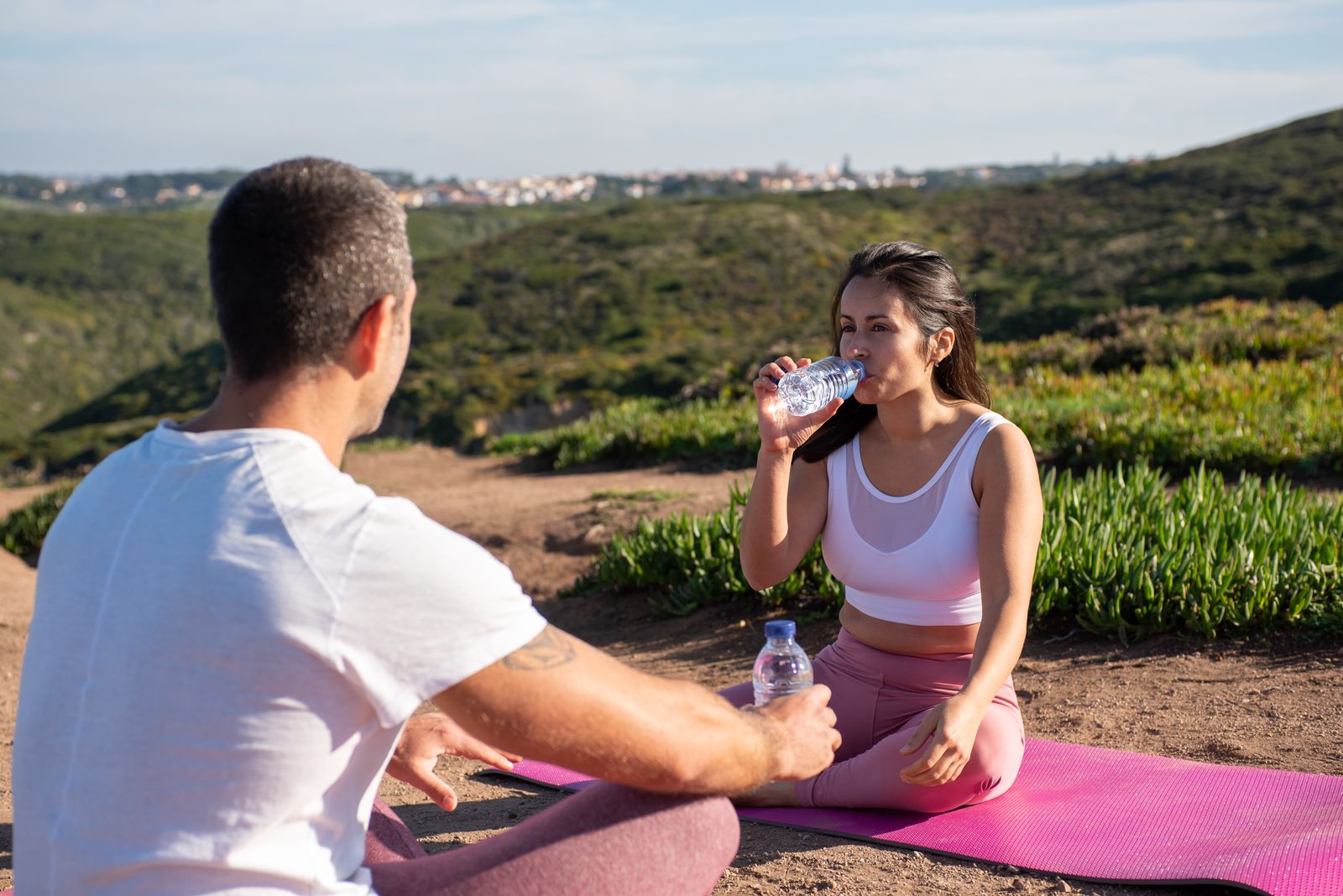
The short answer: drink a small glass of water 20-30 minutes before your yoga session, avoid gulping large amounts during practice, and rehydrate fully once you finish, especially after a sweaty vinyasa or hot yoga class. Sipping is fine mid-practice if you genuinely need it, but chugging cold water between poses can disrupt digestion, break your breathing rhythm, and work against the internal heat you’re building through asana and pranayama. The goal is steady, mindful hydration that supports your body without interrupting the meditative flow of the practice.
Water plays a different role in yoga than it does in a regular gym workout. Yoga is as much about regulating breath, energy, and internal heat (called agni in Ayurvedic terms) as it is about physical movement, so when and how you hydrate actually changes how your practice feels. Below is a complete, practical guide to drinking water before, during, and after yoga, along with the reasoning behind each recommendation.
Why Does Timing Matter So Much in Yoga Hydration?
In most forms of exercise, hydration advice is simple: drink when thirsty. Yoga adds a layer of nuance because many postures compress or twist the abdominal region, and pranayama (breathing practices) asks for a stable diaphragm. A stomach full of water right before deep forward folds, twists, or inversions can cause discomfort, nausea, or a heavy, sloshing sensation that pulls focus away from the breath. This is the main reason experienced teachers recommend a buffer window before class rather than drinking right up until you step onto the mat. If you’re building a yogic diet around your practice, hydration timing fits into the same principle of eating and drinking in a way that keeps the body light and the mind alert.
Can I Drink Water Before Yoga?
Yes, and in most cases you should. Having a glass of water (roughly 200-250 ml) about 20-30 minutes before class keeps you hydrated without leaving excess fluid sitting in your stomach when you start moving. If your session is first thing in the morning, a small amount of room-temperature or warm water on waking is a common practice in yogic routines, partly for hydration and partly to gently stimulate digestion after a night without fluids. What you want to avoid is drinking a large bottle of cold water five minutes before class starts, since that’s the scenario most likely to cause cramping or a heavy stomach during twists and inversions like headstand pose or seated forward bends.
Can We Drink Water After Yoga?
Yes, drinking water after yoga is not just fine, it’s necessary, particularly after a physically demanding class. A 60-90 minute vinyasa, power yoga, or hot yoga session can involve meaningful fluid loss through sweat, and rehydrating afterward supports muscle recovery, circulation, and normal kidney function. The commonly cited guidance is to wait roughly 10-15 minutes after a calming practice like Hatha yoga or restorative yoga before drinking, simply to let the body settle out of a relaxed state, but there’s no strict rule that you must delay rehydration after an intense, sweat-heavy class. The priority after intense practice is replacing fluids steadily rather than in one large gulp, which can feel jarring on a system that’s just come out of deep relaxation or heavy exertion.
Should You Drink Water During a Yoga Class?
This depends heavily on the style of yoga you’re practicing. In a slow-paced Hatha or Yin yoga class, you’re unlikely to need water mid-session since the pace is gentle and sweat loss is minimal. In a fast-flowing Vinyasa yoga class or a heated hot yoga session, brief sips during natural breaks (between sequences, not mid-pose) can help prevent dehydration, especially in a warm studio. Traditional teaching in many lineages discourages drinking during practice because it’s seen as interrupting the internal fire being generated through movement and breath, but this guidance is generally softened for hot yoga, where the dehydration risk is real and immediate. The practical middle ground: sip small amounts only if you feel genuinely dehydrated, dizzy, or overheated, and avoid making it a habit during gentler practices where it isn’t necessary.
How Much Water Should You Drink on a Yoga Day?
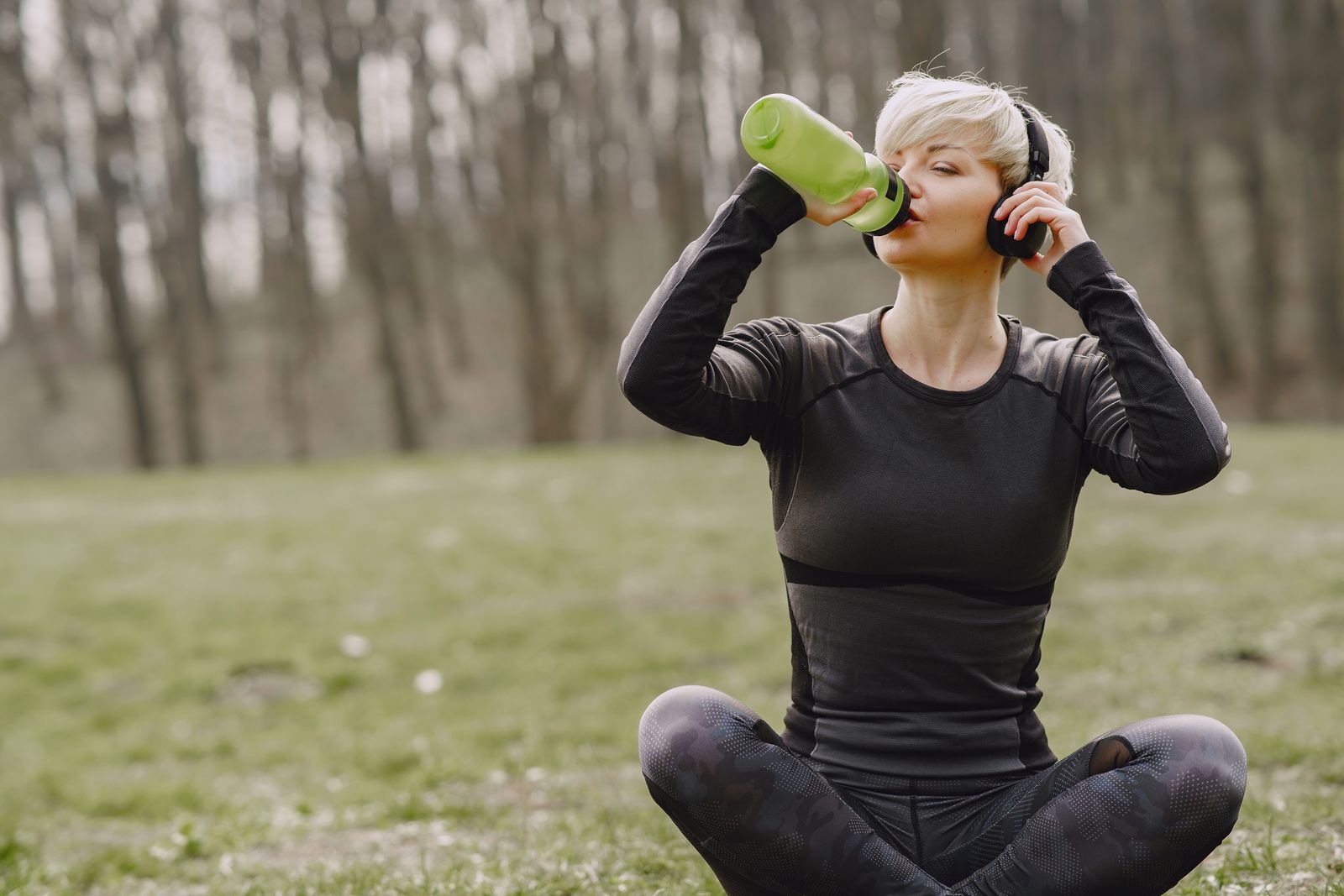
General hydration guidelines suggest most adults need somewhere around 2-3 liters of total fluid per day, though this varies with body size, climate, and activity level. On a day you practice yoga, especially a heated or fast-paced session, your fluid needs shift upward to account for sweat loss. Rather than trying to hit an exact number, a more useful approach is to spread hydration across the day: a glass on waking, water with or between meals, a small amount before class, and steady rehydration afterward. This spread-out pattern matches the broader philosophy behind a sattvic diet, where the emphasis is on consistency and moderation rather than large quantities consumed all at once.
Does Warm Water Work Better Than Cold Water for Yoga?
Ayurvedic tradition, which heavily informs yogic lifestyle practices, generally favors room-temperature or warm water over cold water, particularly around meals and practice. The reasoning given is that cold water is thought to constrict digestive processes and cool the body’s internal “digestive fire,” while warm water is considered easier on digestion and gentler on the system after physical exertion. This is a traditional view rather than a strictly clinical one, so if you find cold water more refreshing after a sweaty class, especially in hot weather, that’s a reasonable personal choice too. What most yoga teachers agree on, regardless of temperature preference, is that ice-cold water immediately after intense practice can feel like a shock to a body that’s just been generating heat, so many practitioners prefer to let their body temperature normalize slightly before drinking very cold water.
What Happens If You Drink Too Much Water Right Before Practice?
Overhydrating right before yoga can cause a heavy, sloshing feeling in the stomach that becomes especially noticeable during twists, forward folds, and inversions. It can also increase the urge to use the bathroom mid-class, which breaks concentration and disrupts the flow of a sequence. In more extreme cases, drinking very large volumes of water in a short window (well beyond a normal glass or two) can dilute electrolytes in the bloodstream, a condition sometimes called hyponatremia, though this is rare and generally only a concern with excessive fluid intake far beyond typical pre-class hydration. The practical takeaway is moderation: a modest glass of water before class serves the purpose without creating discomfort once you start moving through poses like twisting poses or forward bends.
How Does Hydration Affect Pranayama and Breathing Practices?
Pranayama, or yogic breath control, relies on a stable, unrestricted diaphragm. A stomach full of water (or food) makes deep diaphragmatic breathing physically harder, since there’s less room for the lungs and diaphragm to move freely. This is one of the more practical, physiological reasons behind the “don’t drink right before practice” guidance: it’s not just tradition, it’s basic anatomy. If your yoga session includes a strong pranayama component, such as Kapalbhati or Anulom Vilom, giving yourself a genuine buffer after drinking water (ideally 20-30 minutes) will make those breathing exercises noticeably more comfortable.
Should Hydration Habits Change for Hot Yoga or Bikram Classes?
Yes, significantly. Hot yoga studios typically run between 95-105°F (35-40°C), and some Bikram-style classes run even higher. In these conditions, sweat loss is substantial, and the standard “avoid drinking during class” guidance generally gets relaxed. Most hot yoga instructors actively encourage students to keep a water bottle nearby and take small sips during breaks between poses if they feel dehydrated, lightheaded, or overheated. The bigger hydration work for hot yoga actually happens in the 24 hours leading up to class rather than in the minutes right before it. Practitioners who show up already well-hydrated from the previous day tend to handle the heat far better than those trying to hydrate adequately in the ten minutes before a 90-degree room.
What Role Does Electrolyte Balance Play After Sweaty Practice?
Sweat carries out more than just water, it also carries sodium, potassium, and other electrolytes that support muscle function and nerve signaling. After a long, sweat-heavy class, replacing plain water alone may not fully restore that balance, particularly if you practice multiple times a week or in hot conditions. A pinch of salt in water, a slice of lemon, or a small serving of a naturally electrolyte-rich food like coconut water or a banana can help restore this balance more effectively than water alone. This ties into the broader idea in a yogic diet that recovery isn’t just about calories or protein, hydration quality matters just as much for how your body recovers and adapts between sessions.
Can Drinking Water Help or Hurt Weight Loss Goals Tied to Yoga?
Proper hydration supports metabolism, digestion, and appetite regulation, all of which matter if yoga is part of a broader weight management routine. Mild dehydration is sometimes mistaken for hunger, which can lead to unnecessary snacking between sessions. That said, water itself isn’t a weight-loss tool on its own, it’s a supporting habit. If your yoga practice is part of a structured plan, pairing consistent hydration with the guidance in a piece like diet for weight loss with yoga gives you a more complete picture of how nutrition, water intake, and asana practice work together rather than treating hydration as an isolated fix.
Are There Yoga Poses That Make You More Sensitive to Hydration Timing?
Certain categories of poses are more affected by stomach fullness than others:
- Deep twists: Seated spinal twists compress the abdominal organs directly, and a stomach full of water can make these poses genuinely uncomfortable.
- Inversions: Poses like shoulder stand and headstand shift fluid and blood flow in ways that feel more comfortable on a lighter stomach.
- Deep forward folds and backbends: These also tend to feel better without recent fluid intake sitting heavily in the midsection.
If your class regularly includes these categories of poses, the pre-practice hydration buffer becomes more important, not less.
How Do Beginners Often Get Yoga Hydration Wrong?
The two most common mistakes for people new to yoga are showing up under-hydrated because they didn’t think to drink anything beforehand, and overcorrecting by gulping a large bottle of water right before stepping onto the mat. Both create avoidable discomfort. A simpler, beginner-friendly routine looks like this:
- Drink normally throughout the day, just as you would on any other day.
- Have a modest glass of water 20-30 minutes before class starts.
- Keep a small bottle nearby in case a hot or fast-paced class calls for a sip.
- Rehydrate properly once you’re done practicing.
This single habit adjustment solves most of the discomfort beginners report during their first few weeks of regular practice, whether they’re starting with beginner yoga poses or jumping into a more demanding style.
Does the Type of Water Container Matter?
It’s a small detail, but the container you bring to class can shape your habits. A large bottle sitting next to your mat can tempt frequent big gulps that interrupt flow, while a smaller bottle naturally encourages the brief, moderate sips that are more appropriate mid-practice. Insulated bottles that keep water cool are useful for hot yoga, where you may genuinely want a colder sip to manage body temperature, while a simple bottle at room temperature suits gentler practices like restorative yoga or yoga nidra where you’re unlikely to need water at all during the session.
Questions People Ask About Water Drinking Tips for Yoga
Is it okay to do yoga on an empty stomach with just water?
Yes, many practitioners prefer practicing yoga in a fasted state with only water, especially for morning sessions. This keeps the stomach light for twists, forward folds, and inversions. A small glass of water 20-30 minutes beforehand is generally enough; there’s no need to eat before a typical hour-long class unless you have low blood sugar concerns.
Why do some yoga teachers say not to drink water during class?
This guidance comes largely from traditional yogic philosophy, which views drinking mid-practice as disrupting the internal heat and energy being built through movement and breath. There’s also a practical anatomical reason: a stomach full of water makes deep breathing and twisting poses less comfortable. For hot or fast-paced classes, this rule is commonly relaxed for safety.
How soon after hot yoga should I drink water?
You can begin rehydrating almost immediately after a hot yoga class, since fluid loss through sweat is significant and ongoing dehydration risk is real. Sip steadily rather than gulping a large volume at once, and continue rehydrating over the following hour rather than trying to replace everything in one sitting.
Can drinking cold water after yoga cause any problems?
Some traditions caution against very cold water immediately after intense practice, suggesting it can feel like a shock to a body that’s been generating heat, and Ayurvedic thinking generally favors room-temperature water for digestion. There’s no strong evidence that cold water causes harm, so this is more a matter of comfort and traditional preference than a strict health rule.
Should I add electrolytes to my water on yoga days?
If you’re practicing a long, sweat-heavy session such as hot yoga or power vinyasa, adding a natural electrolyte source like a pinch of salt, lemon, or coconut water can help restore what’s lost through sweat more effectively than plain water alone. For shorter, gentler sessions like Hatha or restorative yoga, plain water is generally sufficient.
Does drinking water help with flexibility during yoga?
Proper hydration supports healthy, pliable connective tissue and muscle function, which can make stretching feel more comfortable over time. However, hydration is a supporting factor rather than a direct or immediate cause of flexibility gains; consistent practice and warm-up remain the primary drivers of improved range of motion.
Try This for Yourself
Reading about hydration timing is useful, but the real difference shows up on the mat, in how your twists feel, how steady your breath stays, and how you feel once class ends. If you want personalized guidance on building better habits around your practice, including hydration, diet, and pose sequencing tailored to your body, explore FitStrot’s online yoga classes and work directly with an instructor who can adapt these principles to your specific routine.
Related reading: Yogic Diet, Sattvic Diet, Diet for Weight Loss with Yoga, Hot Yoga Benefits, and Online Yoga Classes at FitStrot.