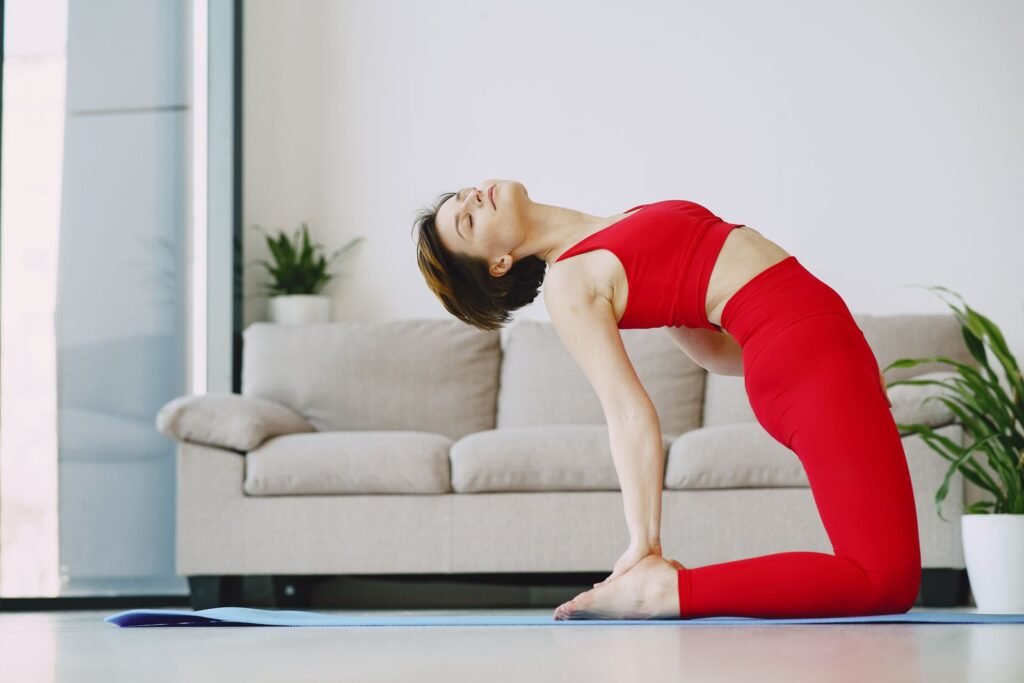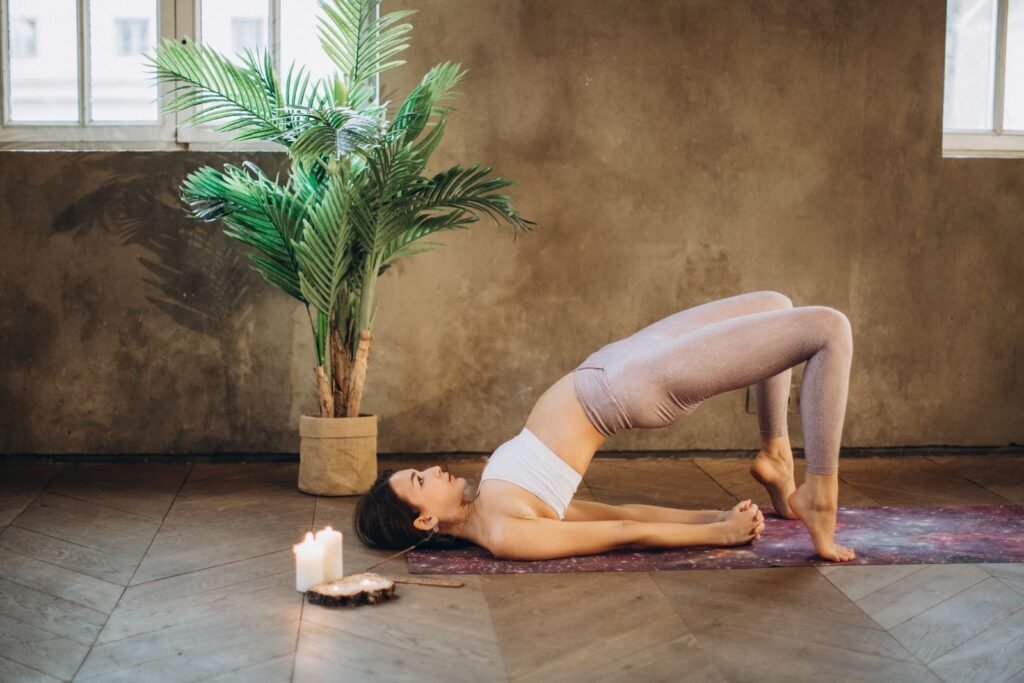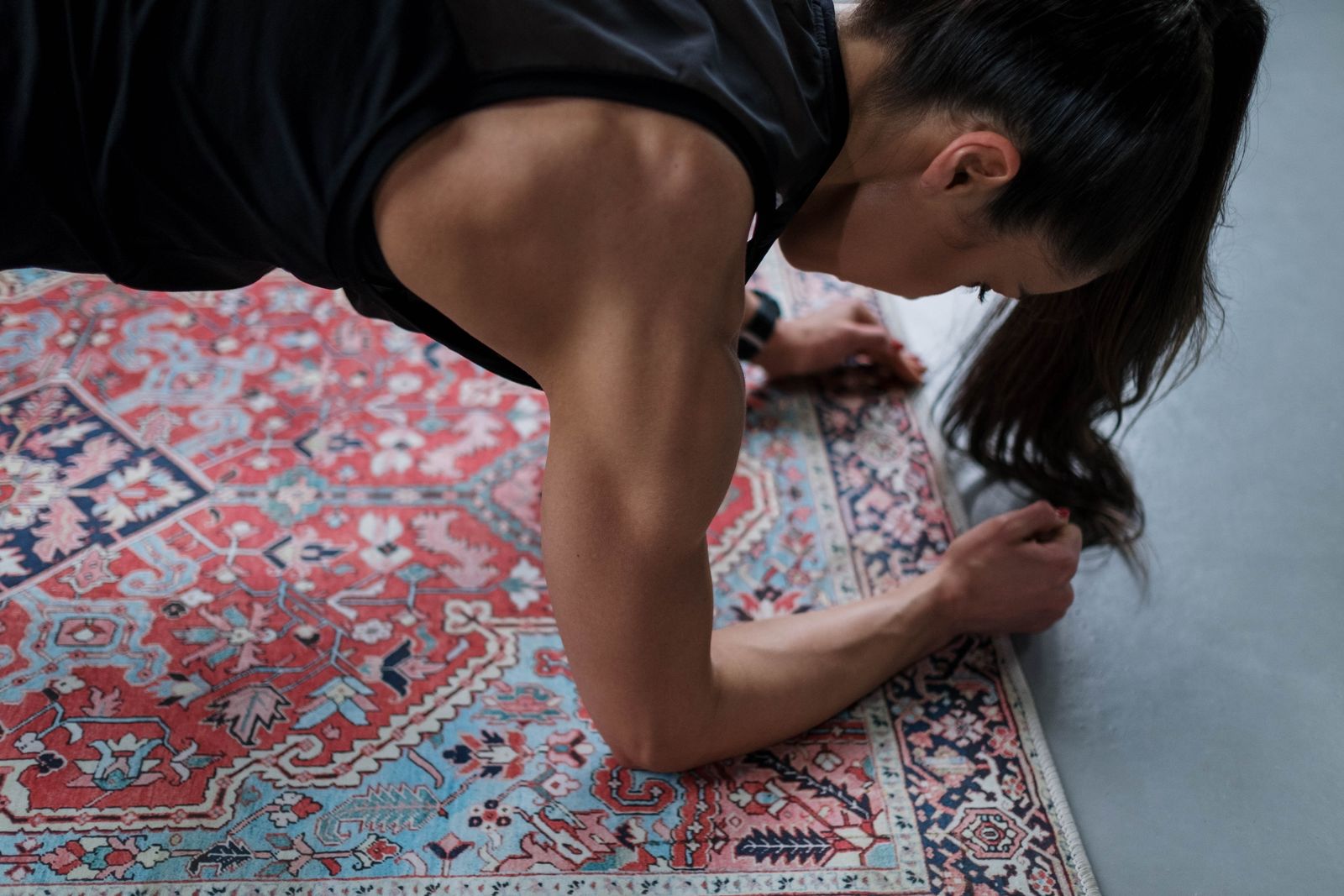
Yoga to reduce arm fat works best as part of a full-body approach: poses like plank, chaturanga, downward dog, and dolphin pose build lean muscle in the triceps, biceps, shoulders, and upper back, which tightens and firms the arms over time, while flowing sequences like vinyasa or power yoga burn enough calories to support fat loss across the whole body. Yoga cannot melt fat from one specific spot, including the arms, because spot reduction isn’t how the body loses fat. But a consistent practice combining strength-building arm poses with calorie-burning flow sequences, done three to five times a week alongside a modest calorie deficit, will visibly firm and tone the arms as overall body fat drops.
Below is exactly which poses do the work, how to sequence them, what to expect on a realistic timeline, and the mistakes that keep people practicing for months without seeing results.
Why Can’t You “Spot Reduce” Arm Fat With Yoga?
Spot reduction, the idea that exercising a specific body part burns fat from that exact location, has been studied repeatedly and does not hold up. Doing a hundred arm circles pulls energy from fat stores throughout the body based on genetics and hormonal patterns, not preferentially from the arms being moved. This is true whether the exercise is a bicep curl, a triceps dip, or a yoga arm balance.
Yoga instead does two things at once: it builds muscle underneath the fat layer in the arms, improving shape and firmness even before fat loss becomes visible, and many yoga styles burn a meaningful number of calories per session, contributing to the calorie deficit needed for fat loss anywhere on the body, arms included. If overall fat loss is the priority, focus on high-energy flow styles. If firm, defined arms once the fat comes off is the goal, add targeted strength-building poses. Most people need both, which is exactly what a well-built weekly routine should include.
Which Yoga Poses Build the Most Arm Strength?
Seven poses consistently show up across yoga teacher training curricula as the most effective for building upper-body strength, specifically because they load the triceps, deltoids, and biceps under body weight resistance rather than light isolation movements.
- Plank Pose (Phalakasana): A full-body hold that recruits the shoulders, triceps, and core simultaneously. Holding for 30-60 seconds builds isometric strength fast.
- Chaturanga Dandasana (Low Plank): The controlled lowering from plank to a hovering low position is essentially a slow-motion triceps push-up, one of the most effective arm-toning movements in the entire practice.
- Downward-Facing Dog (Adho Mukha Svanasana): Bearing weight through the arms and shoulders while lengthening the spine builds shoulder stability and upper back strength.
- Dolphin Pose: A forearm-based variation of downward dog that intensifies the load on the shoulders and upper arms without added wrist strain.
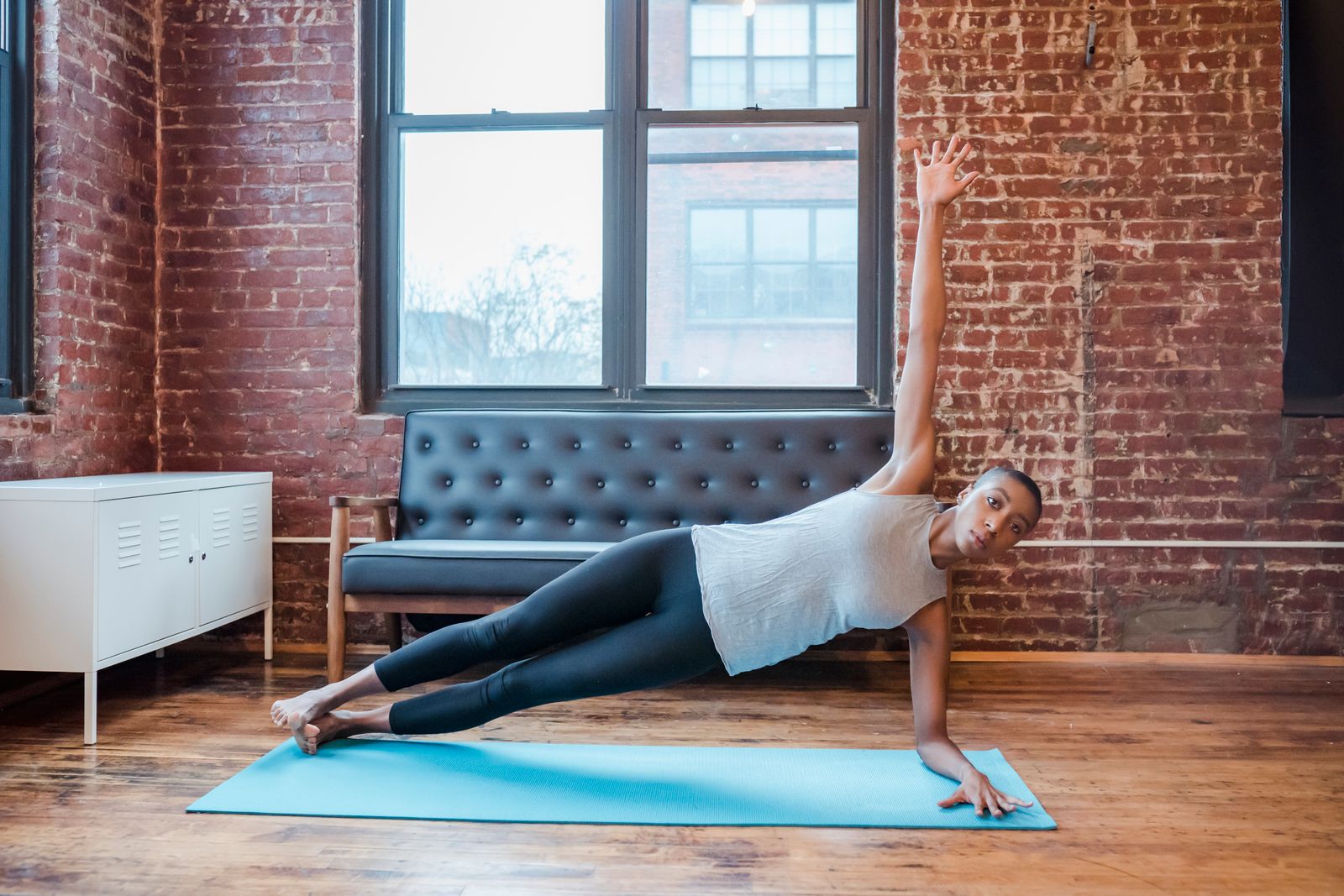
- Side Plank (Vasisthasana): Shifts weight onto a single arm, which demands significantly more from the shoulder stabilizers and triceps than a standard two-armed plank.
- Crow Pose (Bakasana): An arm-balancing pose that requires the biceps, triceps, and wrists to support the full body weight, building serious functional arm strength.
- Upward-Facing Dog (Urdhva Mukha Svanasana): Strengthens the triceps and shoulders through a backbend that also opens the chest, a useful counter-pose to all the forward-loading plank work.
If you’re new to arm balances, it’s worth reading a broader guide to types of yoga first so you understand which style, hatha yoga, vinyasa yoga, or power yoga, will introduce these poses at a pace that matches your current strength level. A full library of postures, including detailed alignment cues for each of the ones above, is available in our guide to yoga poses.
How Do You Sequence These Poses Into a Real Routine?
A single pose held once won’t change anything. What works is a repeated sequence, done consistently, that cycles through these poses multiple times in one session. A practical 20 to 25 minute arm-focused sequence looks like this:
- 5 minutes of gentle warm-up: cat-cow and wrist circles to prepare the joints
- 3 rounds of sun salutations, moving through chaturanga and upward dog each round
- Plank hold, 30-45 seconds, repeated 3 times with short rests
- Side plank, 20-30 seconds per side, repeated twice
- Dolphin pose, 30 seconds, repeated twice
- Crow pose practice, 3-5 attempts of 5-10 seconds each (this pose takes time to develop)
- Cool-down stretch for the shoulders and wrists
This sequence is intentionally similar in structure to how a yoga for weight loss routine is built, because the underlying principle is the same: combine strength-building holds with continuous movement to maximize both muscle engagement and calorie burn in a single session. Beginners who find a full round of sun salutations too demanding at first can build up gradually using a guide like yoga for beginners, then progress into the fuller sequence above.
Which Yoga Style Burns the Most Calories for Overall Fat Loss?
Not all yoga is equal for calorie burn, and this matters because fat loss anywhere in the body, including the arms, depends on total energy expenditure versus intake. Vinyasa and power yoga, which move continuously between poses with minimal rest, burn noticeably more calories per session than restorative or gentle hatha styles, where poses are held for long, static periods. Ashtanga yoga, a set sequence practiced at a demanding pace, is often cited as one of the more calorie-intensive styles because of its athletic, continuous nature.
If overall fat loss across the body is the primary goal, prioritize these more dynamic styles three to four times a week, and layer in the arm-strengthening poses above within those same sessions rather than treating them as separate workouts. For a deeper comparison of which practice suits different goals, see our guide on vinyasa yoga and how it compares to slower styles, or explore the full range of options in our overview of types of yoga.
How Long Does It Take to See Visible Arm Toning From Yoga?
Most people who practice a strength-focused yoga routine consistently notice a difference in muscle firmness and definition within four to six weeks, though visible fat loss specifically in the arms takes longer and depends heavily on overall body fat percentage, diet, and genetics. Muscle adaptation, meaning the arms actually getting stronger and more defined under the skin, tends to show up faster than visible fat loss, which is why the arms often feel firmer to the touch before they look noticeably smaller.
A realistic expectation: with four to five sessions a week combining strength-building poses and dynamic flow, plus a modest calorie deficit through diet, most people see meaningfully toned, tighter arms within two to three months. Yoga alone, without any attention to diet, will build muscle underneath existing fat but won’t necessarily reduce overall arm size without a calorie deficit in place.
Does Diet Matter More Than the Yoga Poses You Choose?
Yes, for the fat-loss component specifically. A calorie surplus cannot be outrun through exercise alone, and this applies just as much to a dedicated yoga practice as to any other form of exercise. Building visible, lean arms requires two things working together: enough resistance-based movement to build and define the muscle, and a sustained calorie deficit to reveal that muscle by reducing the fat layer sitting over it.
A practical target for most people trying to lose fat sustainably is a moderate calorie deficit, combined with adequate protein intake to support muscle repair and growth from the strength-building poses. Extreme calorie restriction tends to backfire, since it often costs muscle along with fat, which is counterproductive when the goal is toned, defined arms rather than just smaller ones. If overall body composition, not just the arms, is the goal, our guide to yoga for belly fat covers how the same principles apply to midsection fat loss.
What Common Mistakes Slow Down Arm-Toning Progress?
A few patterns show up again and again in people who practice regularly but don’t see the results they expect.
- Only holding poses briefly. A 5-second plank does little. Strength adaptation requires sustained time under tension, generally 30 seconds or more per hold, repeated across a session.
- Skipping progressive difficulty. Doing the exact same sequence for months without adding harder variations, like moving from plank to side plank to one-arm variations, plateaus strength gains.
- Ignoring wrist and shoulder alignment. Poor hand placement in plank or chaturanga shifts load away from the target muscles and toward the wrists, which both reduces the training effect and raises injury risk.
- Practicing only restorative styles. Gentle, slow-paced yoga has real benefits for flexibility and stress relief, but it doesn’t build significant arm strength or burn enough calories to meaningfully reduce fat on its own.
- Neglecting the diet side entirely. This is the single biggest reason people practice for months without visible arm changes; the muscle is there, but a persistent calorie surplus keeps it covered.
Can Beginners With No Upper Body Strength Do This Safely?
Yes, with modifications. Full plank and chaturanga place significant demand on the wrists and shoulders, so beginners should start from modified versions: knee plank instead of full plank, and a half chaturanga, lowering only partway, instead of the full range. Building baseline strength this way for two to three weeks before attempting full-range poses reduces injury risk substantially and still produces real strength gains.
Anyone with an existing wrist, shoulder, or elbow condition should check with a physical therapist or doctor before starting an arm-intensive practice, since poses like crow and full plank place direct load through those joints. A knowledgeable instructor can also offer prop-supported variations, blocks under the hands, for example, that reduce strain while strength builds.
Should You Add Light Weights to a Yoga Practice for Faster Arm Toning?
Some practitioners add light hand weights, in the 1 to 3 pound range, during standing sequences and arm movements to increase resistance beyond body weight alone. This can accelerate strength gains in the biceps and shoulders, but it changes the nature of the practice and isn’t traditional yoga. For anyone focused purely on faster arm-toning results who is comfortable blending modalities, light weights during a vinyasa flow are a reasonable addition. For anyone who prefers to keep the practice traditional, the body-weight poses above are fully capable of building substantial arm strength on their own; they simply take a bit longer to show comparable results.
How Does Arm-Focused Yoga Fit Into a Broader Weight Management Goal?
Arm toning rarely happens in isolation from broader body composition goals. Someone focused on losing fat from the arms is typically also managing overall weight, which means the yoga practice should be designed around total-body fat loss rather than arms alone. This is where a well-rounded weekly schedule matters more than any single pose: combining dynamic, calorie-burning flow sessions with dedicated strength segments covers both sides of the equation.
For anyone on the opposite end of the spectrum, trying to build size and strength rather than lose fat, the approach shifts considerably. Our guide to yoga for weight gain explains how longer holds, slower tempo, and different dietary targets change the practice for that goal. Understanding both directions helps clarify why generic “do yoga for fat loss” advice often falls short: the details of pacing, intensity, and diet have to match the specific goal. For a broader look at how yoga fits into an overall fitness and health plan, see benefits of yoga.
What Role Does Breathing Play in an Arm-Strengthening Practice?
Breath control, or pranayama, isn’t just a peripheral part of yoga, it directly affects how well the body performs strength-based poses. Exhaling during the effort phase of a pose, for example exhaling while lowering into chaturanga, helps engage the core and stabilize the body, which in turn allows the arms to bear load more efficiently. Shallow or held breath during difficult poses like crow or side plank tends to increase tension and fatigue faster, cutting a hold short before real strength benefit is achieved.
Practicing steady ujjayi breath, a slightly audible, controlled breath through the nose, during arm-intensive sequences also helps regulate heart rate during faster-paced vinyasa flows, allowing a higher-intensity, more calorie-burning session to be sustained for longer. For a deeper look at how breathing techniques support a broader practice, see our guide to pranayama breathing techniques.
How Does Yoga for Arm Fat Compare to Weight Training?
Traditional weight training, using dumbbells, resistance bands, or machines, generally builds muscle mass and strength faster than body-weight yoga poses because resistance can be precisely controlled and progressively increased. Yoga’s advantage lies elsewhere: it builds functional, full-body strength alongside flexibility, balance, and stress reduction, and many people find a flowing sequence far more sustainable as a long-term habit than a structured weightlifting routine.
For arm-toning specifically, a hybrid approach works well for many people: two to three yoga sessions a week for flexibility, mobility, and calorie burn, plus one to two dedicated strength sessions using light weights for the biceps and triceps. This isn’t necessary for everyone; plenty of people achieve visibly toned arms through yoga alone. It’s simply worth knowing as an option if progress plateaus using body-weight poses exclusively.
Questions People Ask About Yoga to Reduce Arm Fat
Can yoga alone get rid of flabby arms?
Yoga can significantly firm and tone the arm muscles through poses like plank, chaturanga, and side plank, and dynamic styles burn calories that support fat loss. But visibly reducing arm flab requires both muscle building and a calorie deficit; yoga handles the first part directly and contributes to the second, so pairing it with mindful eating gives the most reliable results.
How many times a week should I do yoga to reduce arm fat?
Four to five sessions a week, mixing dynamic flow styles for calorie burn with dedicated arm-strengthening holds, produces noticeably faster results than one or two sessions. Consistency matters more than intensity in any single class, since strength and fat loss both depend on repeated, sustained effort over weeks rather than one hard workout.
Is chaturanga bad for your wrists?
Chaturanga can strain the wrists if the elbows flare outward or the shoulders dip below elbow height during the lowering phase. Keeping the elbows tucked close to the ribs and lowering only as far as current strength allows, rather than collapsing to the floor, protects the wrists while still building triceps strength effectively.
Will yoga make my arms bigger or smaller?
Body-weight yoga poses build lean, defined muscle rather than significant bulk, since they don’t involve the heavy progressive overload that dramatically increases muscle size. Combined with fat loss from dynamic sequences and diet, most people end up with visibly smaller, firmer, more defined arms rather than larger ones.
What’s the fastest yoga pose for toning triceps?
Chaturanga dandasana, the slow lowering from plank to a hovering low position, is widely considered the most direct triceps-builder in a standard yoga sequence because it demands controlled strength through the full range of the movement rather than a quick, momentum-assisted motion.
Try This for Yourself
Reading about arm-toning poses only goes so far, the real change happens through consistent practice with proper form and guidance. Explore FitStrot’s Online Yoga Classes to work through a structured, instructor-led routine that builds real arm strength safely and combines it with the calorie-burning flow needed for visible results.
Related reading: Yoga for Weight Loss, Yoga for Belly Fat, Yoga for Weight Gain, Benefits of Yoga, and explore Online Yoga Classes to get started today.