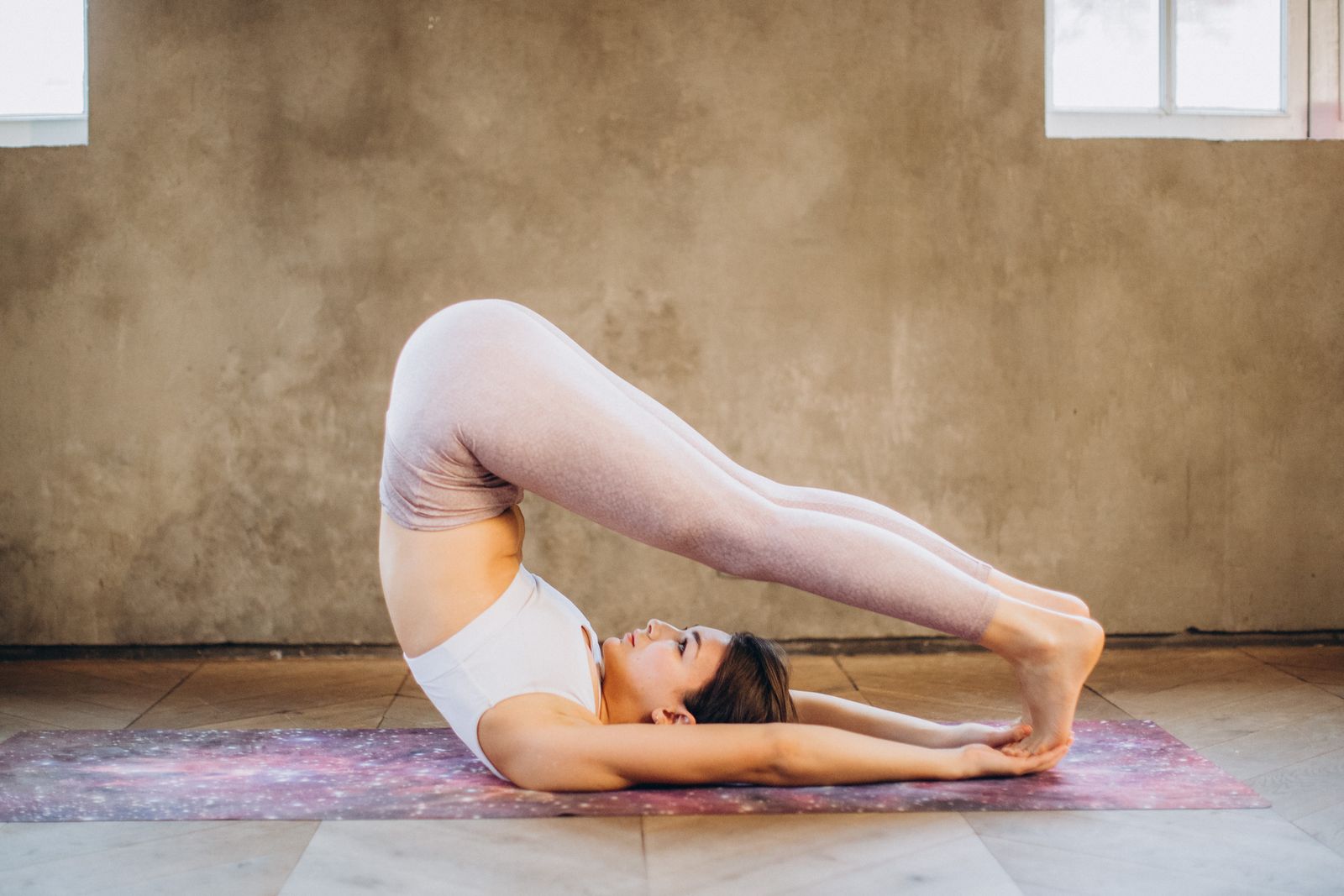
Yoga for belly fat works best as part of a combined approach: no single pose burns fat directly from the abdomen, but a consistent practice that mixes power yoga sequences, core-activating poses, and stress-reducing breathwork helps you build lean muscle, improve digestion, and lower the cortisol levels linked to abdominal fat storage. The most effective routine blends dynamic, breath-linked movement (power yoga or vinyasa) with targeted poses like boat pose, plank, and twists, practiced 4-5 times a week for at least 20-30 minutes, alongside a calorie-aware diet. Yoga alone will not melt belly fat overnight, but it reliably supports the metabolic, muscular, and stress-related factors that make fat loss possible.
Can Yoga Actually Reduce Belly Fat?
Yoga cannot “spot reduce” fat from your belly specifically. Exercise science is fairly settled on this: your body decides where it pulls stored fat from based on genetics and hormones, not on which muscle group you’re working. This is true whether you’re doing a thousand crunches or a thousand boat poses. What yoga can do is create the conditions for total-body fat loss and a flatter-looking midsection through three real mechanisms: calorie expenditure during dynamic styles like power yoga for weight loss, improved insulin sensitivity from regular movement, and lower cortisol from breath-focused practice. Combine this with strengthening the deep core muscles (transverse abdominis, obliques) that pull your waistline in, and you get a visibly tighter belly even without “spot burning” a single calorie from that exact spot.
What Is the Best Yoga for Belly Fat?
The best yoga for belly fat combines three elements: cardiovascular intensity, core engagement, and consistency. Power yoga and Vinyasa flow are generally considered more effective for fat loss than slower styles like Hatha, because the continuous movement keeps your heart rate elevated, similar to a low-impact cardio session. That said, “best” also depends on your starting fitness level. A complete beginner attempting an intense power yoga class daily is more likely to quit from soreness or injury than someone who builds up gradually. A well-sequenced week typically looks like 2-3 power yoga or Vinyasa yoga sessions, 2 core-focused Hatha sessions, and 1-2 restorative or yoga nidra sessions to manage cortisol and recovery.
How Does Power Yoga Help With Belly Fat Loss?
Power yoga is a faster-paced, strength-focused style built on continuous transitions between poses, often synchronized with breath (a technique borrowed from Ashtanga and Vinyasa traditions). Because it keeps your heart rate in a moderate-to-vigorous range for extended periods, it burns noticeably more calories per session than restorative or Yin styles. It also builds functional strength across the shoulders, core, and legs, which raises your resting metabolic rate over time since muscle tissue burns more energy at rest than fat tissue. A typical 45-60 minute power yoga session moving through sun salutations, warrior sequences, and core-intensive transitions can rival a moderate cardio workout in intensity, making it one of the more efficient yoga styles specifically for those chasing yoga for weight loss goals rather than pure flexibility or relaxation.
Which Specific Yoga Poses Target the Core and Abdomen?
While no pose burns fat in isolation, certain poses build the muscular foundation that flattens and tones the midsection over time.
- Boat Pose (Navasana): Balances on the sit bones with legs and torso lifted in a V-shape, intensely activating the rectus abdominis and hip flexors.
- Plank Pose (Phalakasana): A full-body isometric hold that engages the entire core, shoulders, and glutes simultaneously.
- Side Plank (Vasisthasana): Targets the obliques, the muscles responsible for that “cinched waist” appearance.
- Bow Pose (Dhanurasana): A backbend that stretches the front body while engaging the lower abdominal wall.
- Bicycle-style Supine Twists: Rotational movement that works the obliques through a full range of motion.
- Chair Pose (Utkatasana): A standing pose that recruits the core to stabilize the body while the legs do isometric work.
Holding each pose for 5-8 breaths and repeating the sequence 2-3 times builds the muscular endurance needed for visible core definition over 8-12 weeks of consistent practice.
What Does a Weekly Yoga for Belly Fat Loss at Home Routine Look Like?
Yoga for belly fat loss at home doesn’t require equipment beyond a mat and roughly 25-40 minutes of floor space. A sustainable weekly structure looks like this:
- Monday: 30-minute power yoga flow (sun salutations, warriors, core sequence)
- Tuesday: 20-minute core-focused Hatha session (boat pose, plank variations, twists)
- Wednesday: Active rest — gentle stretching or a short walk
- Thursday: 30-minute power yoga flow, slightly increasing pose hold times
- Friday: 20-minute core session combined with pranayama breathwork
- Saturday: Longer 45-minute Vinyasa or power session
- Sunday: Restorative yoga or yoga nidra for recovery and cortisol regulation
The key variable most people underestimate is consistency over intensity. A moderate 25-minute session done five days a week outperforms an exhausting 60-minute session done once, because fat loss responds to sustained energy deficit and habit formation rather than single bursts of effort.
How Does Stress and Cortisol Affect Belly Fat?
Cortisol, the body’s primary stress hormone, is commonly linked to increased fat storage specifically around the abdomen rather than the hips or thighs. Research on stress-induced cortisol response has found that women who show a stronger cortisol reaction to stress tend to carry more fat in the abdominal region, independent of their overall body weight. A separate randomized controlled study on stress eating found that a structured mindfulness intervention helped reduce cortisol levels and stabilize abdominal fat in overweight participants over four months. This is precisely where yoga’s breathing and meditative components earn their place in a belly-fat strategy: practices like pranayama and slow-paced restorative yoga activate the parasympathetic nervous system, which is associated with lower circulating cortisol. This doesn’t replace diet or exercise, but chronic stress management is a commonly overlooked piece of the belly fat puzzle.
Is Yoga for Belly Fat Different for Beginners Versus Advanced Practitioners?
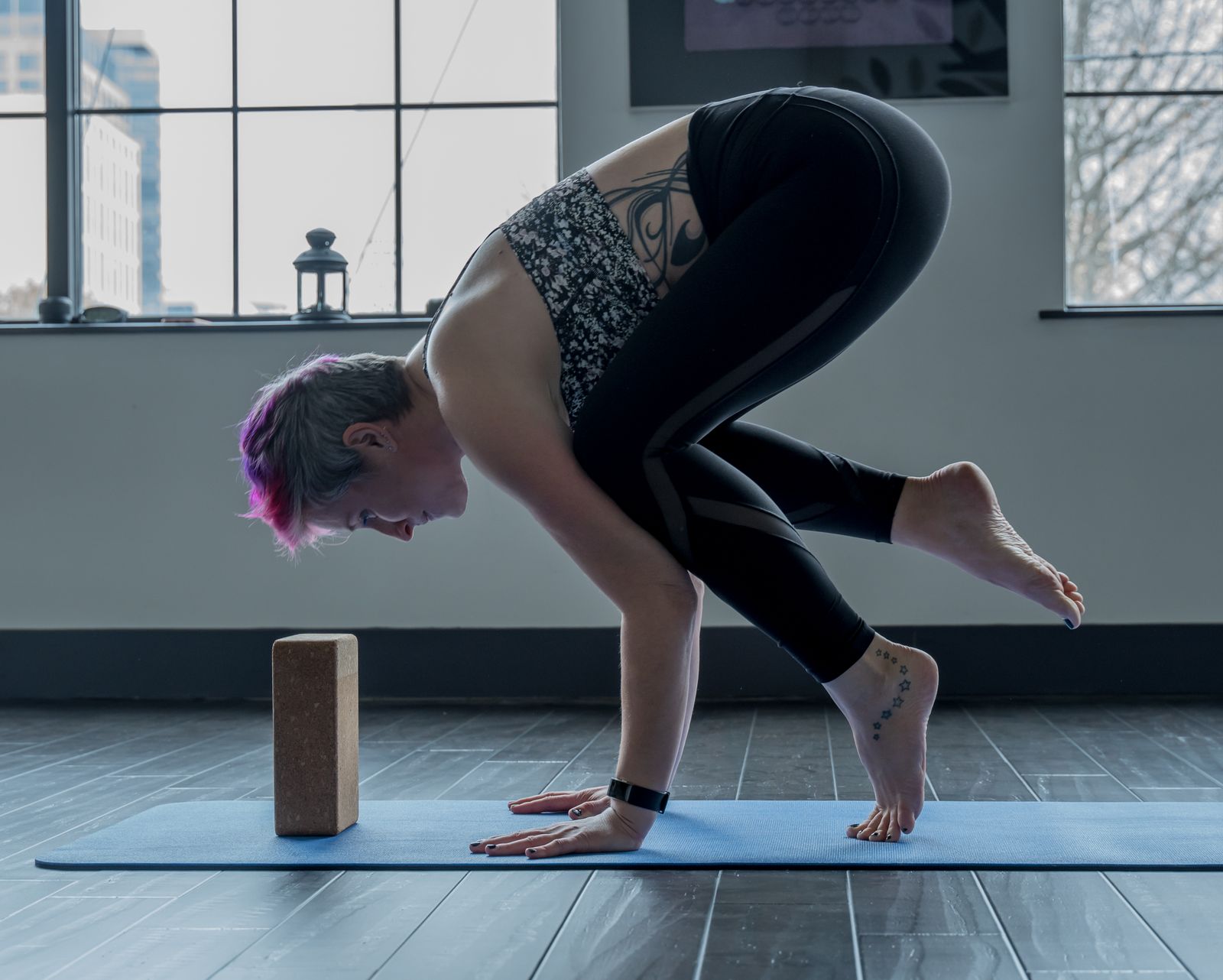
Beginners should prioritize learning correct alignment in foundational poses before adding intensity, because poor form in poses like plank or boat pose places strain on the lower back and neck rather than the intended core muscles. A beginner-appropriate starting point is 15-20 minutes of gentle Hatha yoga three times a week, gradually layering in short power yoga segments as strength builds over 4-6 weeks. Advanced practitioners can move directly into longer power yoga or Ashtanga yoga sequences, incorporate longer pose holds, and add resistance through props like blocks or a yoga wheel to increase core demand. Regardless of level, the biggest mistake is skipping the warm-up sun salutations, since cold muscles are far more prone to strain during deep twists and backbends.
How Does Yoga for Belly Fat Compare to Yoga for Weight Loss Overall?
Yoga for belly fat is really a subset of the broader goal covered in yoga for weight loss, with more emphasis on core-specific and metabolism-boosting sequences rather than total-body calorie burn alone. If your primary goal is overall weight loss, a broader mix of power yoga, walking, and strength training will move the scale faster. If your primary goal is a tighter, more toned midsection specifically, you’ll want to weight your practice more heavily toward core-engaging poses and twists while still keeping some cardio-style flows for overall fat loss. It’s also worth understanding the opposite goal for context: those exploring yoga for weight gain use nearly identical poses but pair them with a calorie surplus and slower, strength-building holds rather than fast-paced flows, which shows how much diet — not just pose selection — determines the outcome.
Can Yoga Help Reduce Thigh Fat Along With Belly Fat?
Many people pursuing a flatter belly are also interested in toning the thighs, and the good news is that several poses address both areas simultaneously. Chair pose, warrior sequences, and standing balance poses like tree pose all recruit the quadriceps and glutes while the core stabilizes the torso. For a more targeted approach, our guide on yoga to reduce thigh fat covers poses like Warrior III and Utkata Konasana (Goddess Pose) in more depth. As with belly fat, thigh fat reduction follows the same total-body-fat-loss principle rather than true spot reduction, so combining lower-body-focused poses with your core routine and overall calorie awareness produces better results than isolating either area.
What Role Does Diet Play Alongside Yoga for Belly Fat?
Yoga supports fat loss, but it cannot override a calorie surplus. Belly fat reduction ultimately requires your body to be in a consistent energy deficit, meaning you burn more calories than you consume over time. Practically, this means pairing your yoga routine with a diet built around whole foods, adequate protein (which helps preserve muscle mass while losing fat), and reduced intake of refined sugar and ultra-processed foods, which are more strongly associated with visceral fat accumulation than most other dietary factors. Hydration also plays an underrated role: mild dehydration is often mistaken for hunger, leading to unnecessary snacking. None of this requires an extreme diet — a moderate, sustainable calorie deficit combined with 4-5 yoga sessions a week is more likely to produce lasting results than an aggressive crash diet paired with sporadic workouts.
Yoga for Belly Fat in Hindi: Kya Yoga Se Pet Ki Charbi Kam Ho Sakti Hai?
Yoga se pet ki charbi (belly fat) poori tarah se sirf ek jagah se kam nahi hoti — lekin niyamit abhyas (regular practice) se pura shareer fat loss hota hai jiska asar pet par bhi dikhta hai. Kapalbhati aur Bhastrika jaise pranayama pet ki muscles ko activate karte hain aur metabolism ko behtar banate hain. Iske saath Naukasana (Boat Pose), Bhujangasana (Cobra Pose), aur Dhanurasana (Bow Pose) core ko mazboot karte hain. Sabse zaroori baat yah hai ki yoga ke saath santulit ahar (balanced diet) aur roz kam se kam 20-30 minute ka abhyas zaroori hai taaki natije dikhne lagen.
How Long Does It Take to See Results From Yoga for Belly Fat?
Most people practicing yoga consistently 4-5 times a week alongside a calorie-aware diet report noticing a firmer, less bloated midsection within 4-6 weeks, with more visible fat reduction typically taking 8-12 weeks. This timeline varies significantly based on starting body composition, sleep quality, and diet adherence — someone in a larger calorie deficit with better sleep will generally see changes faster than someone practicing yoga while under-sleeping and over-eating. It’s also worth setting realistic expectations: the first noticeable changes are often reduced bloating and improved posture rather than dramatic fat loss, since digestive twists and core-engaging poses tend to produce visible changes in waistline appearance before actual fat percentage shifts substantially.
What Common Mistakes Undermine Yoga for Belly Fat Results?
The most common mistake is treating yoga as a substitute for all other exercise and diet changes rather than as one part of a broader routine. Other frequent errors include practicing only slow, restorative styles when the goal is fat loss (better suited to power yoga or Vinyasa), skipping warm-ups and risking injury that interrupts consistency, holding your breath during core poses instead of maintaining steady pranayama-style breathing, and expecting visible results within days rather than the realistic 6-12 week window. Inconsistent scheduling is arguably the biggest silent killer of progress: three sessions one week and zero the next produces far worse results than two moderate sessions every single week for two months straight.
Should You Combine Yoga With Other Forms of Exercise for Belly Fat?
Combining yoga with other movement generally accelerates results compared to yoga alone, particularly for people whose primary goal is fat loss rather than flexibility or stress relief. Strength training two to three times a week builds muscle that raises resting metabolic rate, while yoga contributes flexibility, core endurance, and stress reduction that strength training alone doesn’t address. Walking or light cardio on rest days adds additional calorie burn without the joint strain of high-impact workouts. If you’re new to structuring a full routine, understanding the broader landscape of types of yoga can help you pick complementary styles — for example, alternating power yoga with Yin yoga for recovery, rather than doing the same intense flow every single day, which raises injury risk without proportionally better results.
Questions People Ask About Yoga for Belly Fat
Does yoga burn belly fat faster than running?
Running generally burns more calories per minute than most yoga styles, including power yoga, because it sustains a higher heart rate throughout. However, yoga adds core strengthening, flexibility, and stress reduction that running doesn’t provide. For belly fat specifically, combining both — running or brisk walking for calorie burn, yoga for core strength and cortisol control — tends to outperform either practiced alone.
Can 15 minutes of yoga a day reduce belly fat?
Fifteen minutes daily can contribute to belly fat reduction if the routine includes core-engaging poses and is paired with dietary awareness, though it’s on the lower end of effective duration. Most practitioners see faster results with 25-40 minute sessions performed 4-5 times weekly. Fifteen minutes is a reasonable starting point for building the habit before increasing duration.
Is it better to do yoga in the morning for belly fat loss?
Morning practice is often recommended because it’s easier to maintain consistency before daily obligations interfere, and some people report better digestion after morning core work on an empty stomach. That said, there’s no strong evidence that morning yoga burns more belly fat than evening yoga — the timing that you can sustain consistently matters more than the specific hour.
Does yoga tighten loose belly skin after weight loss?
Yoga can improve muscle tone underneath loose skin, which sometimes creates a firmer overall appearance, but it does not directly tighten skin itself. Skin elasticity depends largely on age, genetics, and how gradually weight was lost. Strength-building poses that develop the underlying abdominal muscles are the main way yoga contributes to this effect.
How many calories does a power yoga session for belly fat burn?
A vigorous 60-minute power yoga session commonly burns in the range of 400-600 calories depending on body weight, intensity, and how continuously the flow is maintained, comparable to a brisk cycling or jogging session. Slower styles like Hatha or restorative yoga typically burn considerably less, often in the 150-250 calorie range for the same duration.
Try This for Yourself
Reading about yoga for belly fat only goes so far — the real shifts in core strength, energy, and waistline happen once you’re consistently guided through the right sequence of poses and breathwork. If you want a structured, expert-led routine rather than piecing one together yourself, explore FitStrot’s online yoga classes and start a personalized practice built around your fat-loss and fitness goals.
Related reading: Yoga for Weight Loss, Yoga for Weight Gain, Yoga to Reduce Thigh Fat, Power Yoga for Weight Loss, and explore FitStrot’s online yoga classes to get started with a guided program.