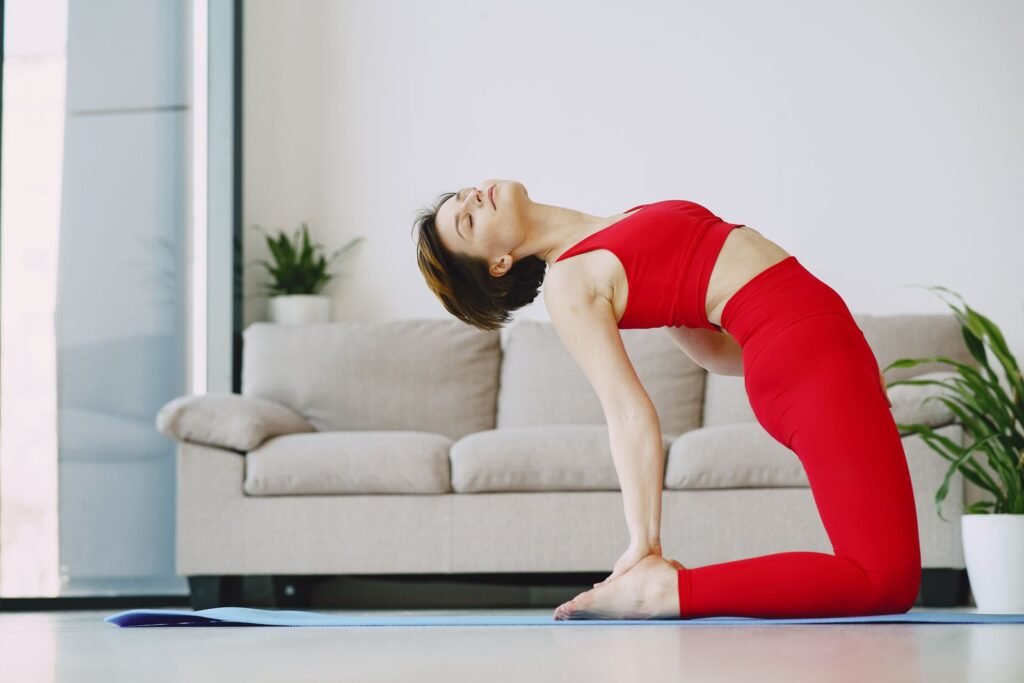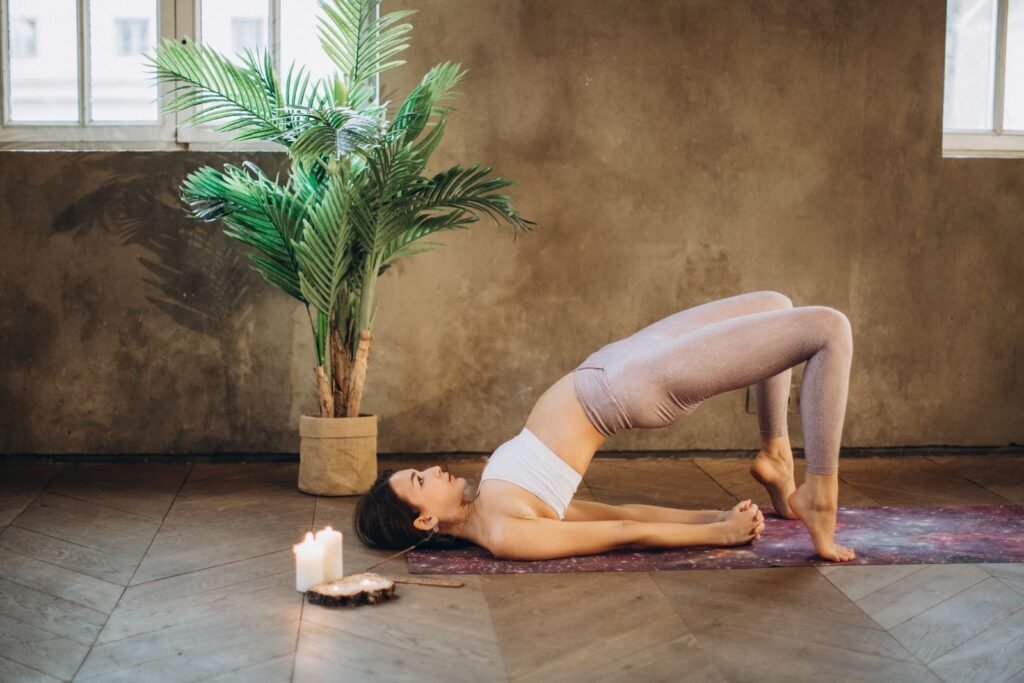

Yoga for slim face works by using targeted facial exercises, called face yoga, to repeatedly contract and stretch the muscles under your skin, which can tone the cheeks, jawline, and chin over several weeks of consistent practice. It will not replace or “melt” fat the way surgery does, but small clinical studies suggest that daily face yoga routines of 20-30 minutes can measurably improve cheek fullness, muscle tone, and skin elasticity within 8 to 20 weeks. Combined with whole-body yoga, better hydration, and good posture, face yoga is one of the few natural approaches with any real evidence behind it for a visibly slimmer-looking face.
What Exactly Is Face Yoga?
Face yoga is a system of facial exercises and self-massage techniques that borrow the same principle as body yoga: deliberate muscle engagement, controlled breathing, and repetition. Instead of squats and lunges, you use puffing, pursing, resisted smiling, and jaw isolations to work the roughly 40+ muscles beneath your facial skin. Unlike body muscles, these are small and thin, which is why practitioners recommend higher repetitions and shorter, more frequent sessions rather than heavy resistance work. Many teachers pair face yoga with the breath control principles found in pranayama breathing techniques, since slow nasal breathing during facial holds also relaxes the jaw and reduces the tension that contributes to a puffy look.
Can Yoga Actually Slim Your Face?
The honest answer is: it can change how your face looks without changing how much fat sits underneath it. A 2018 study published in JAMA Dermatology followed middle-aged women who practiced 30-minute facial exercise routines daily or every other day for 20 weeks; independent physicians rated their cheek fullness as visibly improved by the end of the trial. A smaller 2025 study in the journal Medicina followed 12 women for 8 weeks and used a device called Myoton PRO to measure muscle tone directly, finding a significant increase in tone and elasticity in functional muscles like the buccinator and digastric, alongside reduced tension in muscles like the frontalis and orbicularis oris. Both trials had very small sample sizes and lacked full control groups, so the findings are promising rather than conclusive. What they consistently show is toning and lifting, not fat loss, which is an important distinction if your main goal is a dramatically smaller face rather than a firmer one.
How Is Face Yoga Different From Facial Fat Loss?
Facial fat is largely determined by your total body fat percentage, genetics, hydration, and sometimes water retention from sodium intake or hormonal changes. No facial exercise can spot-reduce fat from your cheeks any more than crunches can spot-reduce fat from your stomach. What face yoga does instead is tighten the muscles under the fat pad and improve lymphatic drainage, which can reduce puffiness and create sharper contours along the jaw and cheekbones. If your primary goal is overall fat loss, pairing face yoga with a broader practice like yoga for weight loss addresses the root cause, while face yoga refines the finishing details on top.
Which Face Yoga Exercises Actually Target a Slim Face?
Most face-yoga-for-slimming routines circulating online draw from a shared pool of roughly a dozen core movements. None of these require equipment, and each takes under a minute per repetition:
- Fish Face: Suck your cheeks in and hold a fish-like pucker to engage the buccinator.
- Cheek Puffing and Release: Inflate your cheeks with air and move it side to side.
- Jaw Release: Open your mouth wide and move the jaw slowly to stretch the masseter.
- Chin Lift (“kiss the ceiling”): Tilt your head back and purse your lips upward to tighten the area under the chin.
- Simha Mudra (Lion’s Breath): Stick out your tongue, open your eyes wide, and exhale forcefully to release tension through the whole face.
- Jivha Bandha (tongue-lock): Hold the tongue against the roof of the mouth to firm the jaw and neck area.
How Do You Build a Daily Face Yoga Routine?
Consistency matters more than intensity. Start with 3-4 exercises and hold each position for 10-15 seconds, repeating 8-10 times per exercise, which totals about 10-15 minutes a day. The Medicina study used 8 weeks of near-daily practice to detect measurable muscle tone changes, so treat the first two months as a trial period rather than expecting overnight contouring. Morning practice works well because facial muscles are less fatigued, but some people prefer pairing it with an evening wind-down after a session of restorative yoga, using the same slow, mindful pacing for both. Keep a simple log of which exercises you did and for how long; this single habit is the biggest predictor of whether people stick with a facial exercise program past the first two weeks.

Does Facial Massage Add Anything to Face Yoga?
Facial massage and tools like jade rollers or gua sha stones are frequently bundled with face yoga routines, and while they don’t build muscle tone the way active exercises do, they support lymphatic drainage, which can reduce the temporary puffiness that makes a face look wider than it is. A short gua sha pass along the jawline after your face yoga set can also help you notice tension you’re holding, particularly around the masseter muscle where many people clench without realizing it. This pairs naturally with the same self-awareness you build through yoga for stress relief, since jaw clenching is very often a stress response rather than a structural issue.
| Face Yoga | Facial Massage | |
|---|---|---|
| Mechanism | Active muscle contraction and stretching | Passive pressure and stroking |
| Primary benefit | Builds muscle tone and lift | Supports lymphatic drainage, reduces puffiness |
| Tools needed | None | Jade roller or gua sha stone (optional) |
| Best used | Daily, 10-20 minutes | After face yoga, or on its own for quick de-puffing |
How Does Whole-Body Yoga Support a Slimmer Face?
Your face doesn’t exist in isolation from the rest of your body. Overall body composition, hydration status, and even posture all influence how your face looks. Inverted poses like Downward-Facing Dog or Legs-Up-the-Wall temporarily increase blood flow to the face, which some practitioners use before events for a brighter, slightly firmer look, though this effect is short-lived rather than a long-term slimming strategy. For structural change, cardio-leaning practices such as vinyasa yoga or power yoga burn more calories per session, which over months contributes to overall fat loss, including in the face, as part of a total-body reduction. Posture also plays a bigger role than most people expect: rounded shoulders and a forward head position, common after long hours at a desk, can make the jawline look softer simply because of how the neck and chin align. Practicing poses that open the chest and lengthen the neck, such as those found in yoga for posture, can visibly sharpen your profile without touching a single facial muscle.
What Role Does Diet and Hydration Play?
Sodium intake is one of the fastest-acting influences on facial puffiness because excess salt causes the body to retain water, and the face is one of the first places this shows up. Reducing processed and packaged foods for a few days often produces a visibly less puffy face before any exercise routine has had time to work. Paradoxically, drinking more water rather than less usually helps, since adequate hydration signals the body to stop holding onto excess fluid defensively. Alcohol has a similar dehydrating and inflammatory effect that shows up as morning facial puffiness, so cutting back the night before an event tends to produce a faster visible change than a week of face yoga would. None of this replaces the muscle-toning work of face yoga; it simply removes the fluid-related noise that can mask your progress.
Does Sleep Position Affect Face Shape?
Sleeping face-down or on one side consistently can contribute to fluid pooling and asymmetric puffiness by morning, since gravity pulls fluid into the lowest tissue. Side sleepers sometimes notice one cheek appears fuller than the other after waking, an effect that typically resolves within an hour of being upright but can look more persistent for people who sleep on the same side every night for years. Sleeping on your back with your head slightly elevated reduces this pooling. This is the same principle behind why practitioners recommend a short session of gentle movement or seated stretching first thing in the morning, similar in spirit to a morning yoga routine, to get circulation moving before assessing how your face actually looks.
How Long Until You See Results From Face Yoga?
Based on the available research, meaningful changes in muscle tone and cheek fullness took 8 to 20 weeks of near-daily practice in the studies that measured it, not days. Skipping sessions slows progress proportionally, since these are small, easily de-conditioned muscles that lose tone quickly without regular use, similar to how core strength fades faster than large muscle groups when training stops. Expect subtle, gradual changes rather than a dramatic transformation, and consider photographing your face from the same angle and lighting each week so you can track small shifts that are easy to miss day to day. Patience here mirrors the mindset taught in yoga for beginners, where consistency over months, not intensity in any single session, is what produces visible change.
Are There Any Risks to Face Yoga?
Some dermatologists caution that repetitive facial expressions, done incorrectly or excessively, could theoretically contribute to new expression lines over time, similar to the mechanism Botox works against by limiting muscle movement. This risk appears mainly relevant to exercises done with excessive force or very high repetition counts rather than the moderate routines described above. If you have jaw conditions like TMJ disorder, check with a healthcare provider before adding jaw-intensive exercises like the Fish Face or Jaw Release, since these directly load the temporomandibular joint. As with any new physical practice, starting gently and increasing gradually is safer than committing to an intense daily regimen from day one.
How Does Face Yoga Fit Into a Broader Beauty and Wellness Routine?
Face yoga tends to work best as one piece of a larger self-care practice rather than a standalone fix. Many people who start a facial exercise routine also improve their sleep, hydration, and stress levels at the same time, making it hard to isolate exactly how much credit the exercises deserve versus the surrounding lifestyle changes. This is a reasonable trade-off. If your broader goal is looking and feeling healthier overall, complementary routines like yoga for glowing skin, yoga for hair growth, and yoga for eyesight all use the same principle of small, targeted daily practices building visible change over weeks and months. Together, they form a realistic, low-risk beauty routine grounded in consistency rather than quick fixes.
Should You Combine Face Yoga With a Guided Practice?
Learning correct form matters more with face yoga than people expect, since overworking one side of the face or using too much force with the fingers while pressing can create uneven results. A guided class, whether in person or through online yoga classes, helps you learn correct alignment for exercises like the Chin Lift or Lion’s Breath before you start repeating them dozens of times a day on your own. This guidance also helps you understand how facial exercises connect to breathing patterns drawn from different types of yoga, since breath control affects how relaxed your jaw and facial muscles are throughout the day, not just during your dedicated practice time.
Questions People Ask About Yoga for Slim Face
Does face yoga really slim your face?
Face yoga tones and lifts facial muscles rather than removing fat, so it can make your face look firmer and more contoured, but it will not dramatically shrink face size on its own. Small studies of 8 to 20 weeks found measurable improvements in cheek fullness and muscle tone, which many people perceive as a slimmer-looking face even without actual fat loss.
How many minutes a day should I do face yoga?
Most routines recommend 10-20 minutes daily, split across 3-6 exercises held for 10-15 seconds each with 8-10 repetitions. The clinical studies that found measurable results used daily or near-daily practice over 8 to 20 weeks, so short but consistent sessions outperform occasional long ones.
Can face yoga get rid of a double chin?
Exercises like the Chin Lift and Jalandhar Bandha (Chin Lock) specifically target the muscles under the jaw and may tighten the area over weeks of practice, but a double chin caused primarily by fat deposits or genetics will respond more to overall fat loss and posture correction than facial exercise alone.
How is face yoga different from facial massage?
Face yoga uses active muscle contractions, like puffing, pursing, and jaw isolations, to build tone, while facial massage uses passive pressure and stroking, often with tools like jade rollers, mainly to support lymphatic drainage and reduce puffiness. Many routines combine both for a fuller effect.
Is face yoga safe to do every day?
Yes, for most people, a moderate daily routine of 10-20 minutes is considered safe and is what the available research is based on. People with jaw conditions like TMJ disorder should check with a healthcare provider before doing jaw-intensive exercises, and everyone should avoid excessive force that could strain the delicate skin around the eyes and mouth.
Try This for Yourself
The fastest way to learn correct form and stay consistent long enough to see results is with expert guidance. Explore FitStrot’s online yoga classes to build a personalized face and body yoga routine designed around your goals, whether that’s a slimmer-looking face, better posture, or simply feeling calmer and more energized every day.
Related reading: yoga for weight loss, yoga for glowing skin, yoga for hair growth, yoga for eyesight, and FitStrot’s online yoga classes.