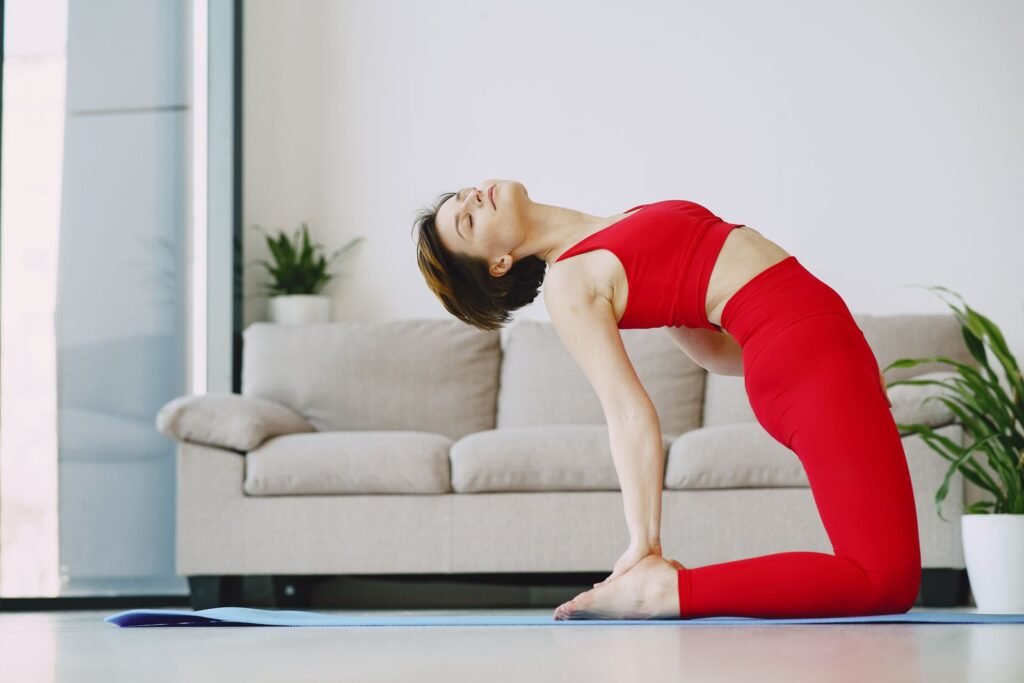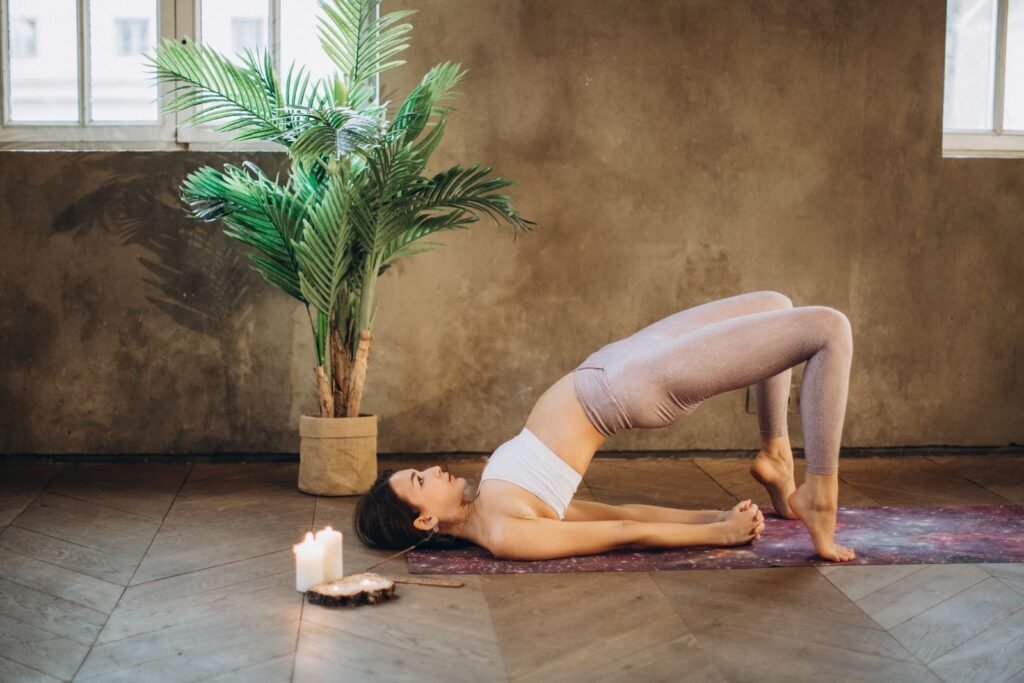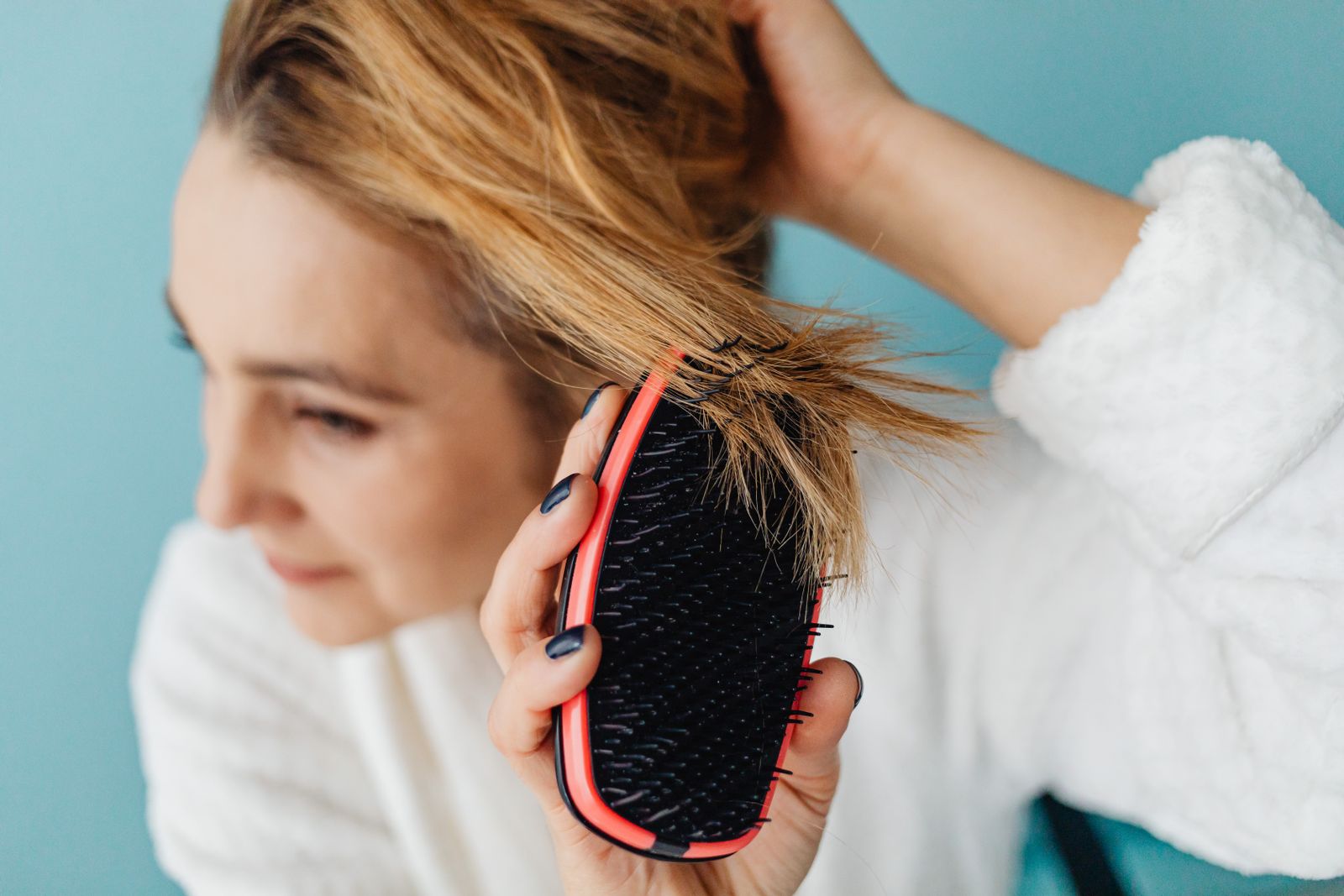
Yoga supports hair growth mainly by improving scalp circulation, lowering the cortisol that drives stress-related shedding, and balancing the hormones and digestion that keep hair follicles nourished. The most commonly recommended practices are inversions like Sarvangasana (Shoulder Stand) and Adho Mukha Svanasana (Downward-Facing Dog), which send extra blood to the scalp; forward folds like Uttanasana and Paschimottanasana; and Balayam, a finger-rubbing technique some practitioners use alongside these poses. None of these replace a dermatologist’s care for diagnosed hair loss, but as a consistent daily habit that reduces stress and improves circulation, yoga is a reasonable, low-risk addition to a broader hair-health routine that also includes nutrition, sleep, and gentle hair care.
How Does Yoga Actually Help With Hair Growth?
Hair follicles are living tissue, and like any tissue, they depend on a steady supply of oxygen and nutrients delivered through the blood. When circulation to the scalp is sluggish, follicles can receive less of what they need to produce strong, thick strands, and hair can become finer or shed more easily over time. Yoga poses that invert the body, or that fold it forward so the head drops below the heart, temporarily increase blood flow to the scalp and face. Practiced consistently, this is thought to support the follicle environment over time, though it works gradually rather than overnight.
The second major pathway is stress reduction. Chronic stress raises cortisol, and elevated cortisol has been linked to a type of temporary shedding called telogen effluvium, where more hairs than usual shift into the resting and shedding phase at once. Yoga’s breathing techniques and meditative focus activate the parasympathetic nervous system, which lowers cortisol output. If you’re dealing with stress-related shedding specifically, it’s worth reading our dedicated guide on yoga for hair fall, which covers this connection in more depth.
A third, less obvious pathway is digestion and hormone balance. Poses that gently compress and twist the abdomen, along with pranayama, are commonly said to support digestive function, and healthy digestion affects how well the body absorbs iron, zinc, biotin, and protein, all of which are building blocks for hair. This is also where yoga for hormonal balance becomes relevant, since thyroid and hormonal fluctuations are among the most common medical causes of hair thinning.
Which Yoga Poses Are Best for Hair Growth?
The poses most frequently recommended for hair health fall into three categories: inversions, forward folds, and twists. Each works through a slightly different mechanism, so a well-rounded routine usually includes at least one from each group.
Sarvangasana (Shoulder Stand)
Often called the “queen of asanas,” Shoulder Stand inverts the body so blood flows toward the scalp, face, and thyroid gland. It’s also commonly cited for supporting thyroid function, which matters because an underactive or overactive thyroid is a well-documented cause of hair thinning. Beginners should build up to a full shoulder stand gradually and can use a folded blanket under the shoulders for support.
Adho Mukha Svanasana (Downward-Facing Dog)
This is one of the most accessible inversions in Hatha yoga and Vinyasa yoga sequences, and it’s a natural entry point for anyone new to inversions. Holding the pose for 30 to 60 seconds, several times through a session, sends blood toward the head while also stretching the hamstrings, calves, and shoulders.
Uttanasana (Standing Forward Fold)
A standing forward fold is gentler on the wrists and neck than a full inversion, making it a good option for people who are still building strength or flexibility. Letting the head hang heavy, rather than holding tension in the neck, is what allows the circulation benefit to happen.
Paschimottanasana (Seated Forward Fold)
Beyond scalp circulation, this seated fold is often paired with abdominal-compression benefits, since the folded position gently massages the digestive organs. It pairs well with a broader flexibility practice; if hip and hamstring tightness is limiting your fold, our guide to yoga for flexibility covers supportive prep poses.
Ardha Matsyendrasana (Half Spinal Twist)
Twists are commonly recommended for digestive stimulation, which ties back to nutrient absorption. This pose also supports spinal mobility, an added benefit for anyone who spends long hours seated.
What Is Balayam Yoga and Does It Really Work for Hair Growth?
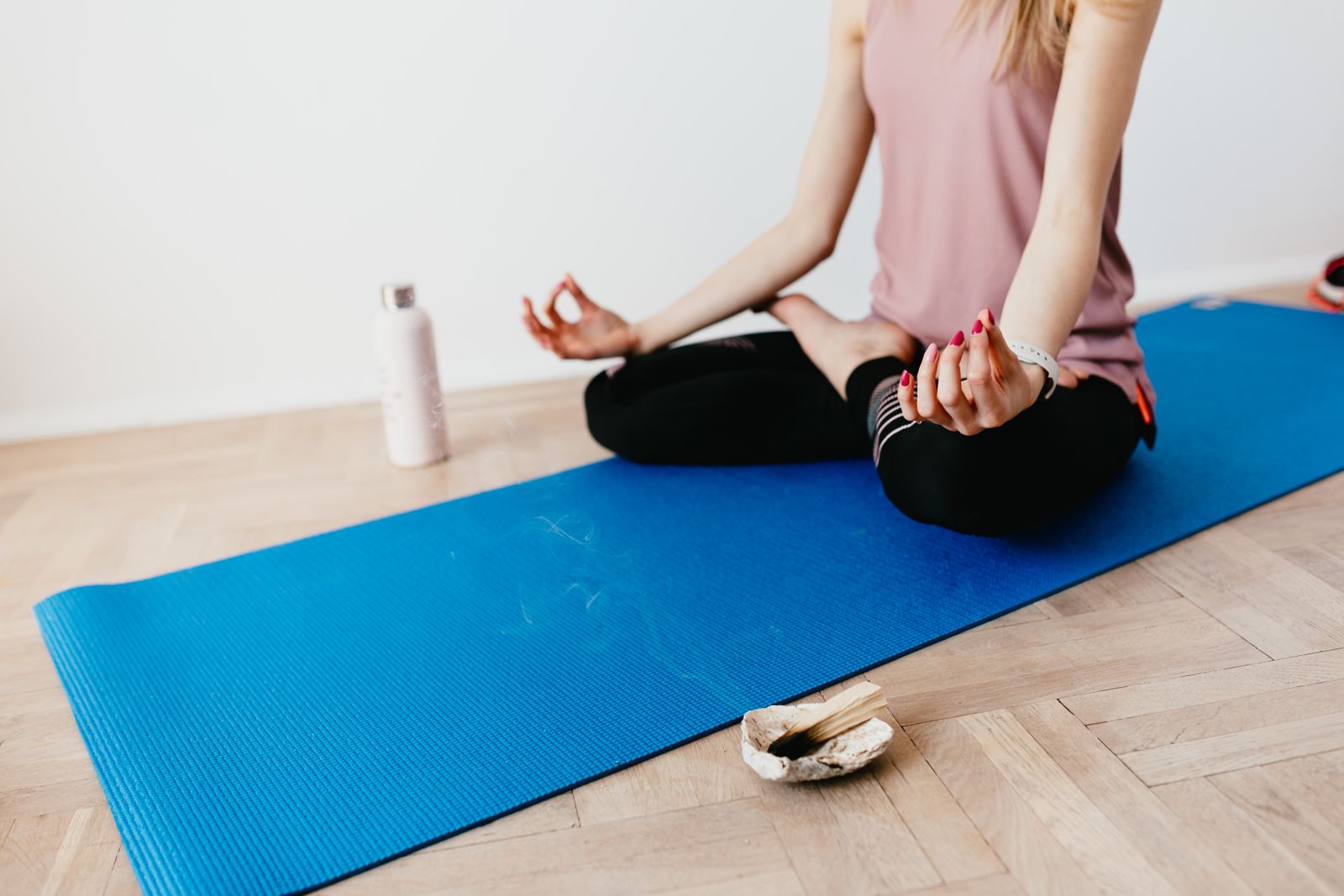
Balayam, sometimes called “finger yoga for hair growth,” involves rubbing the fingernails of both hands against each other briskly for several minutes a day, typically excluding the thumb and sometimes the index finger, depending on the variation taught. The idea behind it, rooted in yogic and Ayurvedic tradition, is that the nail beds connect via nerve endings to hair follicles on the scalp, and that stimulating the nails reflexively stimulates the follicles. It has become one of the most searched hair-growth practices in yoga circles precisely because it requires no equipment and can be done anywhere.
It’s important to be direct here: there is no robust clinical research confirming that nail-rubbing has a direct physiological effect on hair follicles, and dermatologists are generally skeptical of the reflexology-style mechanism as described. What Balayam does reliably do is give you a simple, repeatable ritual that takes two to ten minutes and requires you to sit still and focus, which has a modest stress-reduction effect in its own right. If you enjoy the practice and find it calming, there’s little downside to including it as one small piece of a broader routine, but it should be framed as a low-risk habit rather than a proven treatment. For anyone dealing with more significant hair loss, this is exactly the kind of claim worth discussing with a dermatologist rather than relying on alone.
How to Practice Balayam Yoga Correctly
Sit comfortably with your spine straight, bring the fingertips of both hands together, and rub the nails of your four fingers (excluding the thumbs) against each other briskly for five to ten minutes daily. Some teachers recommend doing this in the morning on an empty stomach, though the timing itself has no verified physiological basis, it’s simply a habit-forming cue. Consistency over weeks and months matters more than any single session.
Which Mudras Support Hair Growth?
Mudras are specific hand gestures used in yoga and meditation to direct subtle energy, and a few are traditionally associated with hair and scalp health. Apan Vayu Mudra, formed by touching the tip of the index finger to the base of the thumb while extending the middle and ring fingers to touch the thumb tip, is commonly recommended for circulatory support. Prana Mudra, made by touching the tips of the ring finger and little finger to the thumb, is associated with overall vitality in Ayurvedic tradition. As with Balayam, the evidence behind mudras affecting hair growth directly is anecdotal rather than clinical, but they’re simple enough to practice during meditation or pranayama without any added risk, and they reinforce the broader stress-reduction goal that underlies most of yoga’s genuine benefit for hair.
Can Yoga Improve Hair Thickness, Not Just Growth?
Growth rate and thickness are governed by different factors, so it’s worth separating them. Hair grows from the follicle in cycles, and the anagen (growth) phase determines how long a strand can get, while the diameter of the follicle itself largely determines thickness, which is influenced by genetics, hormones, and nutrient supply. Yoga’s main lever for thickness is indirect: by supporting circulation and reducing the stress hormones that can shrink follicles or push them into a resting phase prematurely, a consistent practice may help more follicles stay active and productive over time. This is why yoga for hair growth and thickness are usually discussed together rather than as separate goals. Pairing your practice with adequate protein, iron, and biotin intake gives the follicles the raw material they need once circulation and stress are addressed.
How Long Does It Take to See Results From Yoga for Hair Growth?
Hair grows at roughly half an inch per month on average, and the biological cycle of a single follicle, from growth to shedding to regrowth, spans months rather than weeks. Because of this, most people practicing yoga consistently for hair health report noticing initial changes, such as feeling less shedding at the shower drain, somewhere between six and twelve weeks in, with more visible thickness changes taking three to six months of steady practice. Yoga is not a fast fix, and anyone expecting dramatic results within days will likely be disappointed. The practices that tend to work best are the ones practiced daily for at least ten to fifteen minutes, rather than occasional long sessions.
Does Yoga Help With Hair Loss From Stress or Hormonal Changes?
Stress-related hair loss, medically known as telogen effluvium, is one of the more common patterns dermatologists see, often appearing two to three months after a stressful event, illness, or major life change. Because this type of shedding is directly tied to cortisol and the body’s stress response, yoga’s stress-reduction mechanism is particularly relevant here. Regular practice of restorative poses, slow breathing, and meditation is commonly recommended as a supportive, non-invasive addition to whatever medical treatment a dermatologist suggests. Hormonal hair thinning, such as the kind linked to postpartum changes, thyroid conditions, or polycystic ovary syndrome, has a more complex underlying cause, and yoga should be treated as a complementary practice alongside proper diagnosis and treatment rather than a substitute for it. Our guide to yoga for anxiety covers the breathing and meditation techniques most relevant to this stress pathway in more detail.
What Breathing Exercises (Pranayama) Support Hair Health?
Pranayama, or controlled breathing, is a core part of most hair-focused yoga routines because it directly addresses the cortisol pathway. Kapalabhati, a rapid, forceful exhale technique, is commonly cited for stimulating circulation and clearing the mind quickly. Anulom Vilom, or alternate nostril breathing, is more calming and is widely used to balance the nervous system before or after a pose sequence. Bhramari, the humming bee breath, is often recommended specifically for stress relief and is simple enough to practice for just a few minutes before bed. None of these techniques require any special equipment, and they can be layered onto an existing routine of poses without adding much time. For a deeper dive into breath-based practices generally, see our guide to pranayama.
What Daily Yoga Routine Works Best for Hair Growth?
A practical daily sequence for hair health takes about 20 to 25 minutes and combines circulation, stress reduction, and the Balayam or mudra practice discussed earlier. A reasonable structure looks like this:
- Anulom Vilom pranayama — 5 minutes, to calm the nervous system before you move
- Adho Mukha Svanasana (Downward-Facing Dog) — 3 to 5 rounds, held 30 to 60 seconds each
- Sarvangasana (Shoulder Stand) — 1 to 3 minutes, once you’re comfortable with the pose
- Seated forward fold and spinal twist — one round each to close out the poses
- Balayam or mudra practice — 5 to 10 minutes, seated in stillness
Doing this each morning, ideally at the same time, builds the kind of consistency that actually produces results over months. If you’re brand new to a regular practice, our beginner yoga poses guide is a good place to build foundational strength and flexibility first.
What Else Should You Combine With Yoga for Best Results?
Yoga addresses circulation and stress, but hair health is also directly tied to diet, sleep, and how you physically treat your hair day to day. A diet with adequate protein, iron, zinc, and biotin gives the follicle the raw materials it needs; deficiencies in any of these are among the most common medically diagnosed causes of thinning hair. Sleep matters too, since poor sleep raises cortisol independently of any other stressor, undermining the very mechanism yoga is trying to support. Scalp massage with a natural oil, gentle detangling, and minimizing heat styling all reduce mechanical stress on strands that are already trying to recover. Because skin and hair share so much of their underlying biology, many people find that improving one improves the other; our guide to yoga for glowing skin covers the same circulation and stress principles applied to complexion. And since overall metabolic health influences hormone balance broadly, our guide to yoga for weight loss is a useful companion resource if body composition and hormones are part of your picture.
Are There Any Risks or Precautions With These Poses?
Inversions like Shoulder Stand are not appropriate for everyone. People with high blood pressure, glaucoma, neck injuries, or who are pregnant or menstruating should avoid or modify full inversions, and anyone new to yoga should learn Shoulder Stand from a qualified instructor rather than attempting it from a video alone, since poor alignment can strain the cervical spine. Forward folds should be approached gently if you have a history of lower back or hamstring injuries; bending the knees slightly is a perfectly reasonable modification. As with any new physical practice, checking with a doctor before starting is sensible if you have an existing health condition. None of these poses should be treated as a substitute for a dermatologist’s evaluation if you’re experiencing sudden, patchy, or unusually heavy hair loss, since that pattern can signal an underlying medical condition that needs direct treatment.
How Does Yoga for Hair Growth Compare to Other Natural Remedies?
Compared to other commonly discussed natural approaches, such as scalp oiling, onion juice, or rice water rinses, yoga’s advantage is that it addresses root causes, stress and circulation, rather than only the scalp surface.
| Remedy | How It Works | Best Paired With |
|---|---|---|
| Yoga (inversions, pranayama, Balayam) | Improves scalp circulation and lowers cortisol, addressing root causes rather than the surface | A daily scalp oiling and massage routine |
| Scalp oiling and massage | Adds direct mechanical stimulation to the follicle | Right after a yoga session, while circulation is already elevated |
| Onion juice | Traditionally used for its sulfur content, believed to support follicle strength | A weekly treatment alongside a daily yoga practice |
| Rice water rinse | Used topically for shine and softness; evidence for growth is anecdotal | Wash days, as a finishing rinse |
Topical remedies can be a useful complement, since oiling combined with massage adds a direct mechanical stimulation to the follicle that yoga poses alone don’t provide. The two approaches are not competing; a scalp massage with warm oil right after a yoga session, when circulation is already elevated, is a commonly recommended combination. Where yoga has a clear edge is sustainability: a 20-minute daily practice is easier to maintain for months than a rotating schedule of kitchen remedies, and the stress-reduction benefit extends well beyond hair to sleep, mood, and overall energy.
Questions People Ask About Yoga for Hair Growth
Can yoga regrow hair that has already fallen out?
Yoga can support the health of existing follicles and may help reduce further shedding by lowering stress and improving circulation, but it cannot regrow hair from follicles that have permanently stopped producing, such as in advanced pattern baldness. For active follicles that are simply undernourished or stressed, consistent practice over several months may support thicker, healthier regrowth.
How often should I practice yoga for hair growth?
Most practitioners recommend daily practice, even if it’s just 15 to 20 minutes, rather than longer sessions a few times a week. Because the benefit relies on cumulative stress reduction and repeated circulation boosts, consistency matters more than the length of any single session.
Is Balayam yoga scientifically proven to grow hair?
No, there is no robust clinical research confirming that rubbing the fingernails together directly stimulates hair follicles through a reflexology-style nerve connection. It’s a low-risk, calming ritual that some people find helpful as part of a broader routine, but it shouldn’t be relied on as a standalone treatment for hair loss.
Which yoga pose is considered best for hair growth?
Sarvangasana (Shoulder Stand) is the pose most frequently recommended, since it inverts the body to increase blood flow toward the scalp and is also linked to supporting healthy thyroid function. Downward-Facing Dog is a gentler alternative that offers a similar circulation benefit for beginners.
Can men use these same yoga poses for hair growth?
Yes, the poses, breathing techniques, and Balayam practice described here work the same way regardless of gender, since the underlying mechanisms are circulation and stress reduction rather than anything hormone-specific. Male pattern baldness has a stronger genetic and hormonal component, so yoga should be viewed as a supportive habit rather than a primary treatment in that case.
Should I do yoga for hair growth in the morning or evening?
Either works, since the physiological benefits of the poses and breathing don’t depend on time of day. Morning practice is often recommended simply because it’s easier to stay consistent before the day’s demands take over, while an evening practice can double as a wind-down routine that supports better sleep.
Try This for Yourself
Reading about circulation and stress reduction is one thing; feeling the difference in a guided, properly aligned session is another. If you’d like a structured routine that builds toward inversions safely and pairs poses with the right breathing technique, try a live class with FitStrot’s online yoga classes, where a certified instructor can adjust your form in real time and help you build a sustainable daily practice.
Related reading: yoga for hair fall, yoga for glowing skin, yoga for eyesight, and beginner yoga poses. You can also explore FitStrot’s online yoga classes to build a full routine with expert guidance.