Yoga for glowing skin works by improving blood circulation to the face, lowering cortisol (the stress hormone linked to breakouts and dullness), supporting digestion, and encouraging deeper sleep, all of which show up on the skin over time. Inversions and forward folds like Adho Mukha Svanasana (downward dog) and Uttanasana (standing forward fold) send extra oxygenated blood to facial tissue, while pranayama practices such as Kapalbhati and Anulom Vilom calm the nervous system and support circulation. Face yoga exercises add a second layer by toning the muscles beneath the skin, which may support firmness over time. Most people notice reduced puffiness and a subtle change in texture within 2-3 weeks of consistent practice (15-20 minutes daily), though yoga works best alongside hydration, sleep, and a reasonable skincare regimen rather than as a standalone fix.
How Does Yoga Actually Improve Skin Health?
Yoga affects the skin through several connected pathways rather than one single mechanism. Increased blood flow from inversions and twists delivers more oxygen and nutrients to skin cells, supporting natural cell turnover. Deep, slow pranayama breathing activates the parasympathetic nervous system, which lowers cortisol, a hormone commonly linked to increased oil production, breakouts, and a dull complexion. Yoga also supports digestion through twisting poses that stimulate the gut, and because skin health is closely tied to gut health, better digestion often shows up as reduced puffiness and fewer breakouts. Better sleep quality, which most consistent practitioners report, gives skin more time to repair overnight, which is when much of the visible recovery from daily stressors happens. It’s worth reading about the general benefits of yoga before narrowing in on skin-specific routines.
What Are the Best Yoga Poses for Glowing Skin?
A handful of poses show up consistently across yoga traditions for skin health, mostly because they increase blood flow to the face or reduce systemic stress:
- Adho Mukha Svanasana (downward-facing dog): Inverts the body slightly and sends blood rushing to the head and face.
- Uttanasana (standing forward fold): Does something similar while stretching the hamstrings and lower back.
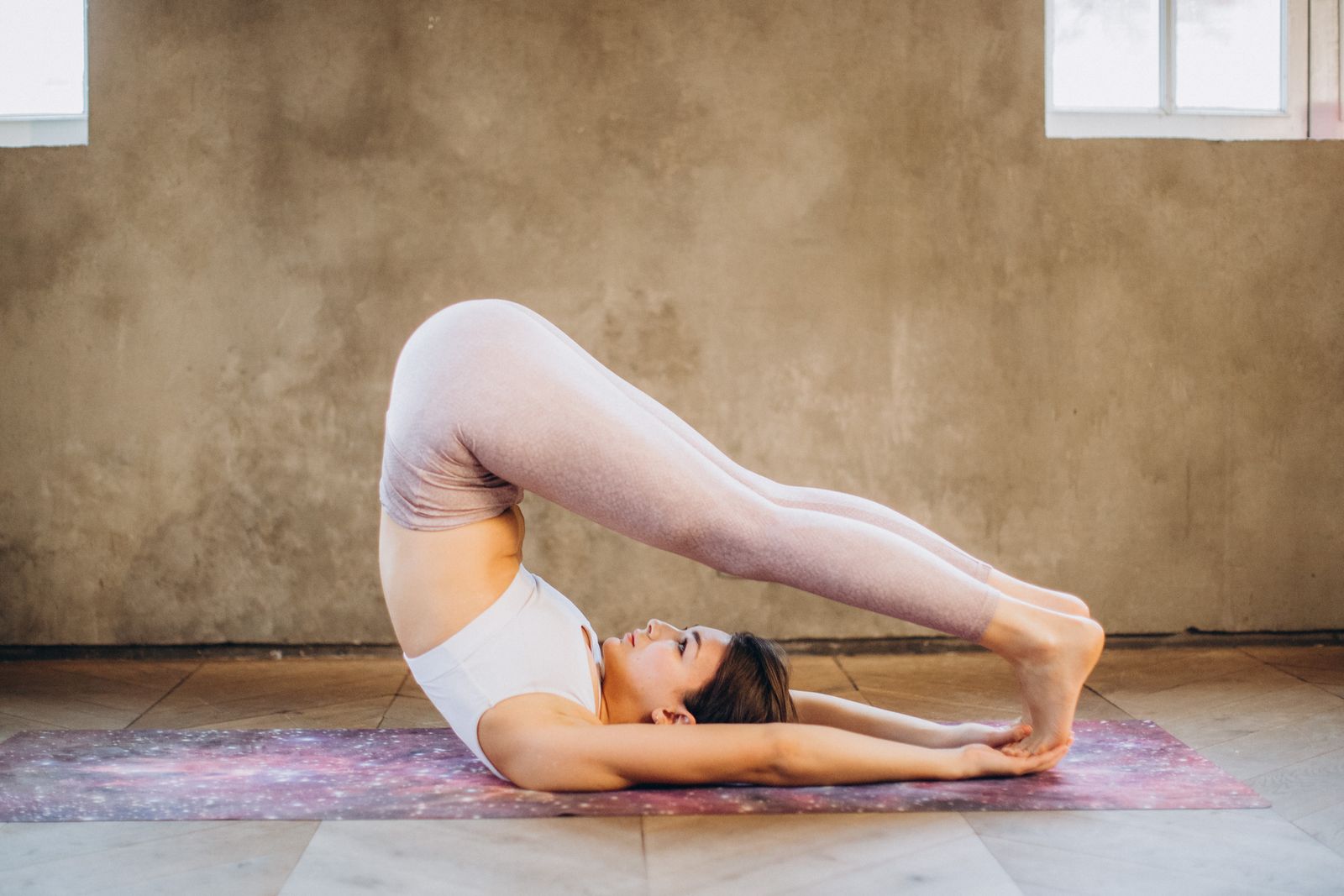
- Sarvangasana (shoulder stand) and Halasana (plow pose): Deeper inversions credited with improving circulation to the face and upper body, though these should be approached carefully and avoided by anyone with neck issues, high blood pressure, or during menstruation without a teacher’s guidance.
- Matsyasana (fish pose): Opens the chest and throat while gently extending the neck.
- Bhujangasana (cobra pose): Stimulates blood flow to the face while improving posture.
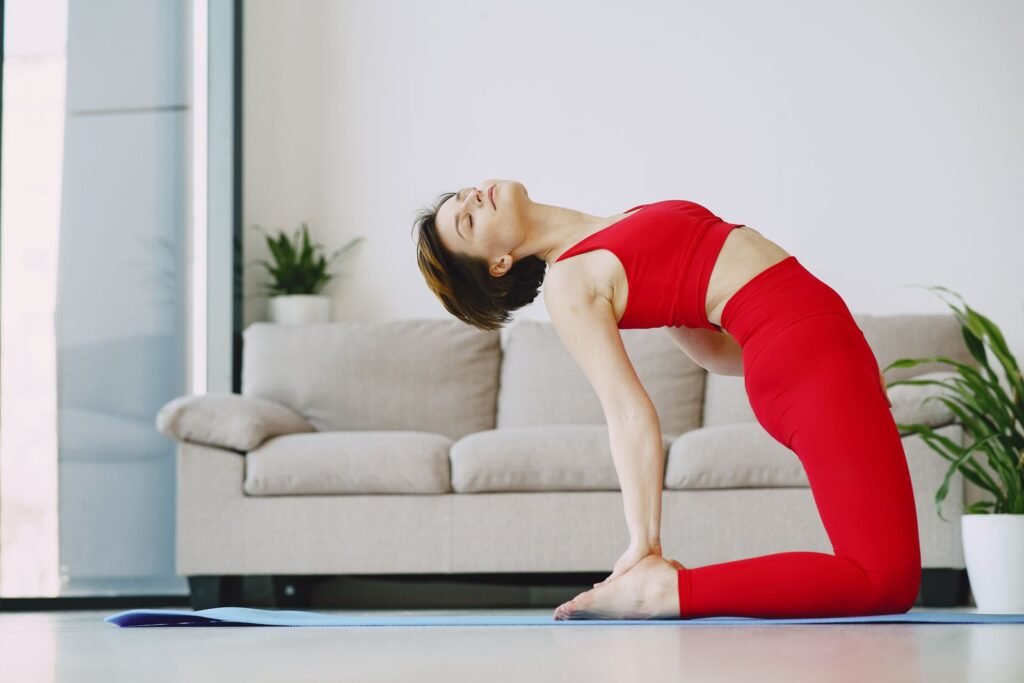
- Ustrasana (camel pose): Another deep backbend that increases circulation.
For a full walkthrough of proper form, see beginner yoga poses before attempting inversions if you’re new to practice.
What Are the Best Yoga Asanas for Glowing Skin in a Daily Routine?
A simple daily sequence might start with 5-10 rounds of Surya Namaskar (Sun Salutations) to build heat and circulation, followed by Adho Mukha Svanasana and Uttanasana held for 5-8 breaths each, and Bhujangasana to counter the forward folds with a gentle backbend. From there, Ustrasana and a supported Matsyasana add deeper opening through the chest and throat. Finishing with 5-10 minutes of Kapalbhati pranayama and a short Shavasana (corpse pose) rounds out a routine that takes about 20-25 minutes total. Forward folds and inversions generally work best earlier in a sequence, while backbends and pranayama work well toward the end as the nervous system settles. Practicing this 4-5 mornings a week, ideally on an empty stomach, produces more noticeable results than sporadic practice. For more structured routines, types of yoga can help you figure out which broader style fits your schedule best.
What Is Face Yoga and How Does It Work for Glowing Skin?
Face yoga refers to a set of targeted facial muscle exercises designed to tone the underlying musculature of the face and improve circulation to the skin’s surface. Unlike full-body yoga poses, face yoga exercises isolate specific muscle groups: cheek lifts, jaw releases, forehead-smoothing motions, and lip and eye exercises. The theory is similar to resistance training for the rest of the body: repeated, controlled muscle contractions may support firmness and tone over time, and the increased blood flow generated during the exercises brings a temporary flush of color and radiance immediately after a session. Some smaller studies and dermatology commentary have explored facial exercise’s potential to support a fuller, more toned appearance, though research in this specific area remains more limited than full-body yoga research, so results are more commonly described as subtle and cumulative rather than dramatic.
What Are Simple Face Yoga Exercises for Glowing Skin You Can Do at Home?
A basic at-home face yoga routine takes about 10 minutes and requires no equipment. Start with the “cheek lifter”: smile as wide as possible with lips closed, place fingers lightly on the cheeks, and lift the muscles toward the eyes, holding for 10 seconds and repeating 5-10 times. Follow with the “forehead smoother”: press both palms flat on the forehead while trying to raise the eyebrows against the resistance, holding for 10 seconds. The “fish face” involves sucking in both cheeks and lips to create a fish-like expression, holding for 5-10 seconds to work the cheek and jaw muscles. Finish with “eye squeezes,” gently closing the eyes for 5 seconds then opening wide, repeated 8-10 times, which can help reduce the appearance of puffiness around the eyes. Practicing consistently, ideally paired with a facial oil to reduce friction, is generally gentler than aggressive massage techniques.
Which Yoga Is Best for Glowing Skin: Hatha, Vinyasa, or Kundalini?
There isn’t a single “best” style since each contributes differently:
| Style | Pace & Intensity | Best For | Skin-Specific Benefit |
|---|---|---|---|
| Hatha | Slow, with longer holds | Beginners learning proper alignment | Safer entry into inversions and forward folds without rushing through poses that need care, like shoulder stand |
| Vinyasa | Fast-flowing, builds heat | Those wanting a cardiovascular, sweat-inducing practice | Increases circulation more aggressively during the session, though the benefit leans more on overall stress reduction than any single pose in the flow |
| Kundalini | Moderate pace, pranayama- and chant-heavy | People whose primary skin concerns are stress-related | Heavy emphasis on breathwork that targets cortisol directly |
In practice, the most useful approach is choosing whichever style you’ll actually practice consistently 4-5 times a week, since consistency matters more than the specific style chosen. Compare vinyasa yoga and Hatha yoga for their pacing and intensity differences.
How Does Yoga for Glowing Skin and Healthy Hair Work Together?
Many of the same mechanisms that support skin health also support hair health, which is why skin and hair are often addressed together in a single yoga routine. Inversions like downward dog and standing forward folds increase blood flow to the scalp the same way they do to the face, supporting the hair follicles that rely on that circulation for nutrient delivery. Reduced cortisol from a consistent practice also matters for hair, since chronic stress is a commonly cited contributor to thinning and shedding. A combined routine might add Vajrasana (thunderbolt pose, practiced after meals) and gentle neck rolls to relieve tension that can radiate into the scalp. For a more detailed breakdown of poses aimed specifically at hair, see yoga for hair growth and yoga for hair fall. The same relaxation and circulation principles show up in yoga for eyesight, since eye strain and puffiness share some of the same stress-related roots as dull or tired-looking skin.
Does Pranayama (Breathing Exercises) Really Help With Glowing Skin?
Pranayama plays a bigger role in skin health than most beginners expect, mainly through its effect on oxygenation and stress. Kapalbhati, a forceful, rhythmic exhalation technique, is frequently cited by practitioners as supporting improved circulation, though it should be practiced gently at first and avoided by anyone with high blood pressure, hernia, or heart conditions without guidance from a qualified instructor. Anulom Vilom (alternate nostril breathing) is gentler and widely considered safe for most people, making it a good entry point for beginners. Bhramari (humming bee breath) has a calming effect some practitioners find helps with tension held in the face and jaw. Practicing 5-10 minutes daily, ideally in the morning on an empty stomach, is a low-risk addition to any glowing-skin routine, and pairs naturally with broader yoga breathing techniques.
Can Yoga Help With Acne, Dullness, or Uneven Skin Tone?
Yoga’s role with acne and dullness is largely indirect, working through stress and hormone regulation rather than any direct antibacterial or exfoliating effect on the skin. Since elevated cortisol is linked to increased sebum (oil) production and clogged pores, a consistent yoga and pranayama practice that lowers stress hormones may reduce the frequency of stress-related breakouts over time. Twisting poses like Ardha Matsyendrasana (half lord of the fishes pose) are commonly associated with improved digestion, and since digestive issues can show up on the skin as dullness or uneven tone, better gut function may indirectly support a clearer complexion. That said, yoga is not a treatment for hormonal or cystic acne, which usually requires dermatological attention, and anyone with persistent or severe acne should combine any yoga practice with proper medical skincare guidance rather than relying on yoga alone.
How Long Does It Take to See Results From Yoga for Skin?
Most people notice subtle changes, like reduced puffiness and a slight flush of color after inversions, within the first 1-2 weeks of consistent daily practice. More noticeable changes in texture, tone evenness, and overall “glow” tend to appear around the 4-6 week mark, which roughly lines up with the natural skin cell turnover cycle. Results depend heavily on consistency, so practicing 15-20 minutes daily produces faster, more visible results than a single 60-minute session once a week. Tracking subjective changes with a simple weekly photo in consistent lighting helps, since day-to-day skin changes can be too subtle to notice without a reference point over time.
What Lifestyle Factors Should You Pair With Yoga for Best Results?
Yoga works best as one part of a broader routine rather than a standalone fix for skin concerns. Hydration matters enormously, since skin cells rely on adequate water intake to maintain elasticity and a healthy barrier function. Sleep is equally important, since much of the visible skin repair happens during deep sleep stages, and a consistent 7-9 hours nightly amplifies the benefits of any morning practice. Diet also plays a substantial role: a diet rich in antioxidants, omega-3 fatty acids, and adequate protein supports collagen and elastin, while high sugar and heavily processed food are commonly linked to accelerated visible skin aging. It’s worth pairing this with a broader look at yoga for gut health, since digestion and skin clarity are closely connected. Yoga complements rather than replaces topical skincare; sunscreen especially remains something no amount of yoga can substitute for, since UV exposure is one of the biggest accelerators of visible skin aging.
Are There Risks or Precautions With Yoga for Glowing Skin?
Most yoga poses for glowing skin are low-risk for healthy adults, but a few precautions matter. Inversions like shoulder stand and plow pose should be avoided or modified by anyone with neck injuries, high blood pressure, glaucoma, or during menstruation, and beginners should learn these poses from a qualified instructor rather than a video alone. Kapalbhati and other forceful breathing techniques should be avoided by anyone with hernia, recent abdominal surgery, or heart conditions. Pregnant practitioners should skip deep twists and inversions and consult a prenatal-certified instructor for safe alternatives. Face yoga exercises are generally very low-risk, though repetitive facial movements performed with excessive force could theoretically contribute to fine lines over years, so gentle, controlled movements are preferable to aggressive ones.
How Do You Build a Weekly Yoga Routine Specifically for Skin Goals?
A realistic weekly structure combines 4-5 days of full-body practice (inversions, forward folds, twists, backbends) with daily pranayama, even on rest days. A sample week might include three mornings of a 20-minute flow, one day focused more on twists and core work for digestion, and one restorative day for recovery. Face yoga exercises can be layered in daily, since they take only 5-10 minutes. Tracking consistency with a simple habit tracker matters more than perfecting any single session. If you’re managing a broader wellness goal alongside skin health, this routine overlaps naturally with yoga for weight loss, since many of the same poses and consistency principles apply across both goals.
Questions People Ask About Yoga for Glowing Skin
Which yoga is best for glowing skin?
There’s no single best style; Hatha, Vinyasa, and Kundalini yoga all contribute differently through circulation, cardiovascular intensity, and breathwork. The most effective approach combines inversions like downward dog, twists for digestion, and daily pranayama, practiced consistently 4-5 times a week rather than relying on one style or session alone.
How quickly does face yoga show results for glowing skin?
A temporary flush and slight glow often appear immediately after a session due to increased blood flow. More lasting changes in tone and firmness are generally described as subtle and cumulative, becoming more noticeable after 4-6 weeks of consistent daily practice rather than after a single or occasional session.
Can yoga replace my skincare routine for glowing skin?
No. Yoga supports skin health through circulation, stress reduction, and sleep, but it doesn’t replace the direct surface-level benefits of cleansing, moisturizing, and sunscreen. The most effective approach treats yoga as a complement to a basic daily skincare routine, not a substitute for it.
Is it safe to do yoga inversions every day for skin benefits?
For most healthy adults, gentle inversions like downward dog and forward folds are safe daily. Deeper inversions like shoulder stand or plow pose should be practiced a few times a week rather than daily, and anyone with neck issues, high blood pressure, or glaucoma should modify or avoid them and consult a qualified instructor.
Does drinking water matter more than yoga for glowing skin?
Both matter, but they work differently. Hydration directly supports skin cell elasticity and barrier function, while yoga supports circulation, stress hormones, and sleep quality. Neither fully substitutes for the other; combining consistent water intake with a regular yoga practice produces better results than either alone.
What is “glowing skin ke liye yoga” and how is it different from regular skincare advice?
“Glowing skin ke liye yoga” refers to yoga practices specifically aimed at improving facial radiance, commonly taught in Hindi-language yoga content. The poses and pranayama techniques are the same as those taught in English-language resources; the underlying biomechanics don’t change based on language, only the instructional framing and cultural context differ.
Try This for Yourself
Reading about the poses and pranayama for glowing skin is a useful starting point, but the real, visible changes come from consistent, guided practice where your form and breathing are actually corrected in real time. If you want structured sessions that combine circulation-boosting poses, safe inversions, and pranayama with real-time feedback, explore FitStrot’s online yoga classes and start building a routine that fits your skin goals and your schedule.
Related reading: Yoga for Hair Growth, Yoga for Hair Fall, Yoga for Eyesight, Yoga for Weight Loss, and FitStrot’s online yoga classes.