Yoga for eyesight uses a combination of eye-focused exercises (like Trataka, or candle-gazing) and full-body practices that reduce stress and improve circulation to support eye comfort, reduce strain, and slow down the fatigue that builds up from screens and poor lighting. These techniques do not reverse existing refractive errors like myopia or hyperopia, since those are structural changes in the shape of the eye that yoga cannot correct, but small clinical studies suggest eye yoga can meaningfully reduce eye strain, improve focusing stamina, and support relaxation of the muscles around the eyes when practiced consistently. A basic routine takes 10-15 minutes daily and combines blinking, palming, focus shifting, and Trataka, ideally paired with general yoga asanas and pranayama that improve blood flow to the head and face. Anyone with an existing eye condition, recent eye surgery, or diagnosed glaucoma should check with an ophthalmologist before starting.
What Is Eye Yoga and How Is It Different From Regular Eye Exercises?
Eye yoga refers to a specific set of yogic practices aimed at the eyes and the muscles that control them, most notably Trataka (steady gazing, often at a candle flame), palming, and structured eye movements in different directions. Unlike generic “eye exercises” recommended by some optometrists for focusing problems, eye yoga is rooted in the broader yogic framework, meaning it’s typically combined with breath awareness and mental concentration rather than treated as isolated physical therapy. The intent behind traditional eye yoga was as much about steadying the mind through single-pointed focus as it was about the eyes themselves, which is why Trataka is also classified as a concentration (dharana) practice in classical yoga texts. Modern practitioners tend to use eye yoga mainly for strain relief and focus support rather than the meditative goals it originally served, though both benefits can occur together.
Can Yoga Actually Improve Eyesight or Reverse Vision Problems?
This is the most important expectation to set correctly. Refractive errors like myopia (nearsightedness), hyperopia (farsightedness), and astigmatism happen because of the physical shape and length of the eyeball or the curvature of the cornea, and no exercise, yogic or otherwise, changes that anatomy. What yoga and eye exercises can influence is the health and stamina of the muscles that move the eye and adjust focus, along with blood flow, tear film quality, and the tension held in and around the eyes from prolonged near-work. Research on Trataka and yogic eye exercises, including small clinical studies on eye strain and focusing ability, generally reports improvements in comfort, reduced eye fatigue, and better sustained focus rather than measurable changes in refractive power. If you have a diagnosed vision problem, yoga is worth doing as a supportive practice alongside your prescribed correction and regular ophthalmology checkups, not as a replacement for either.
What Is Trataka and How Do You Practice It Safely?
Trataka is a steady, unblinking gaze held on a single point, traditionally a candle flame placed at eye level about an arm’s length away in a dark, draft-free room. Sit comfortably with the spine upright, light the candle, and gaze steadily at the flame’s tip without straining, blinking as long as comfortable before allowing the eyes to water naturally. Beginners should start with 30-60 seconds of gazing, then close the eyes and visualize the afterimage of the flame between the eyebrows before it fades, repeating the cycle 3-5 times. Building up gradually to 5-10 minutes over several weeks is safer than attempting long sessions immediately, since the intensity of sustained gazing can cause temporary irritation if rushed. Trataka should be avoided during active eye infections, immediately after eye surgery, or by anyone with photosensitive epilepsy, since staring at a flickering flame could be a trigger.
What Are the Best Eye Exercises to Reduce Strain and Improve Focus?
Beyond Trataka, a handful of simple exercises make up most eye yoga routines:
- Palming: Rub the palms together to generate warmth, then cup them gently over closed eyes without pressing on the eyeballs, resting in the dark warmth for 30-60 seconds. Widely used to relax eye muscles after screen time.
- Blinking exercises: Consciously blink fully and slowly 10-15 times to counter the reduced blink rate that happens during screen use and help redistribute the tear film.
- Figure-eight exercise: Trace an imaginary large figure-eight in the air with the eyes, without moving the head, for 1-2 minutes in each direction to build flexibility in the eye muscles.
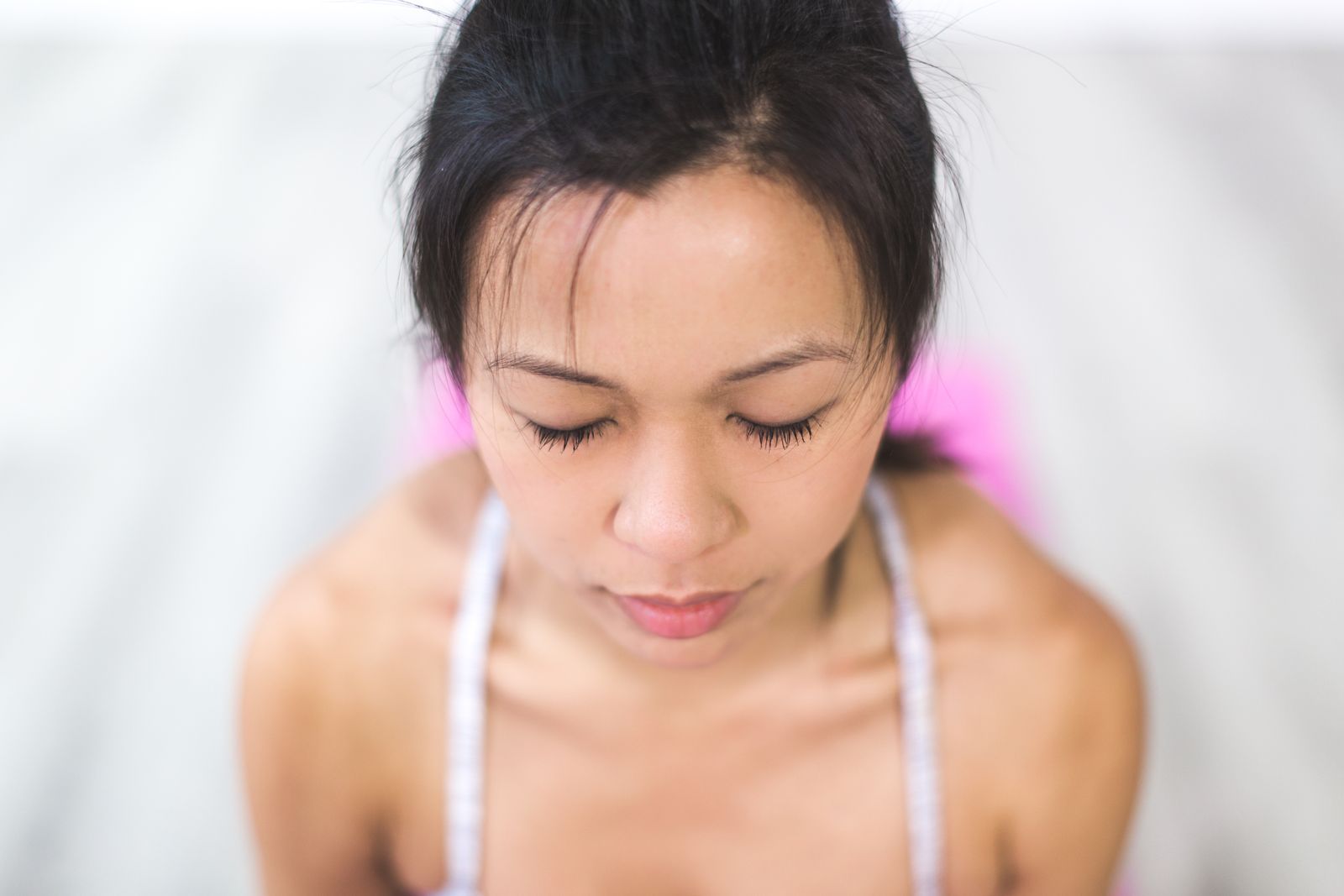
- Near-far focusing: Alternate focus between a close object (like a thumb held at arm’s length) and something 15-20 feet away for a minute or two. One of the exercises most frequently recommended by eye care professionals for digital eye strain, independent of yoga traditions.
What Are the Best Yoga Asanas for Eyesight and Eye Health?
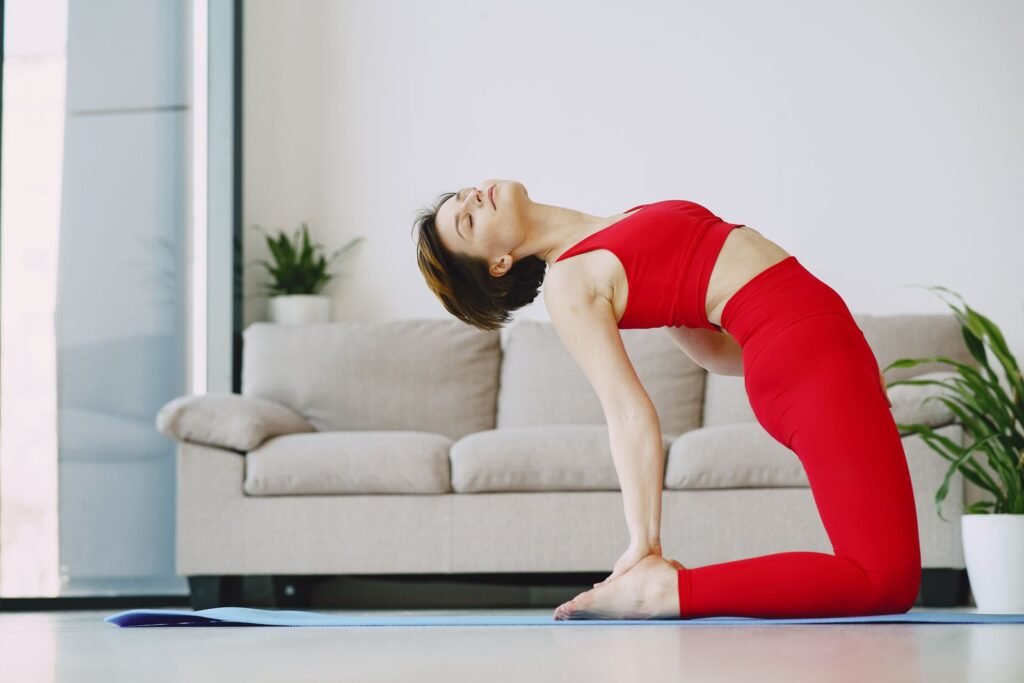
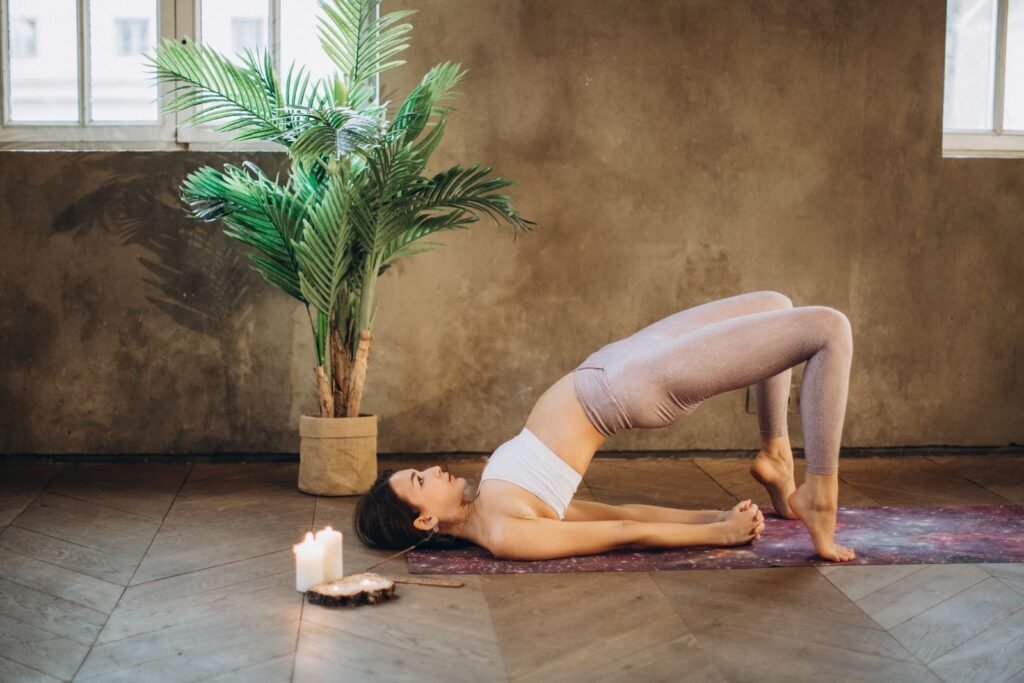
Full-body asanas support eye health mainly by improving circulation to the head and face and reducing overall physical tension, which indirectly benefits the eyes. Adho Mukha Svanasana (downward-facing dog) and Uttanasana (standing forward fold) send extra blood flow to the head, which some practitioners find reduces the feeling of tired, strained eyes after long screen sessions. Halasana (plow pose) and Sarvangasana (shoulder stand) are deeper inversions traditionally associated with eye and brain health in yogic texts, though these should be avoided by anyone with glaucoma, retinal issues, high blood pressure, or neck problems, and are best learned from a qualified instructor rather than attempted alone. Bhujangasana (cobra pose) gently extends the neck and upper spine while improving posture, which matters because forward head posture from screen use contributes to eye and neck strain together. For a broader look at inversions and their precautions, see yoga inversions before adding shoulder stand or plow pose to a routine.
How Does Pranayama (Breathing Exercises) Help With Eye Strain?
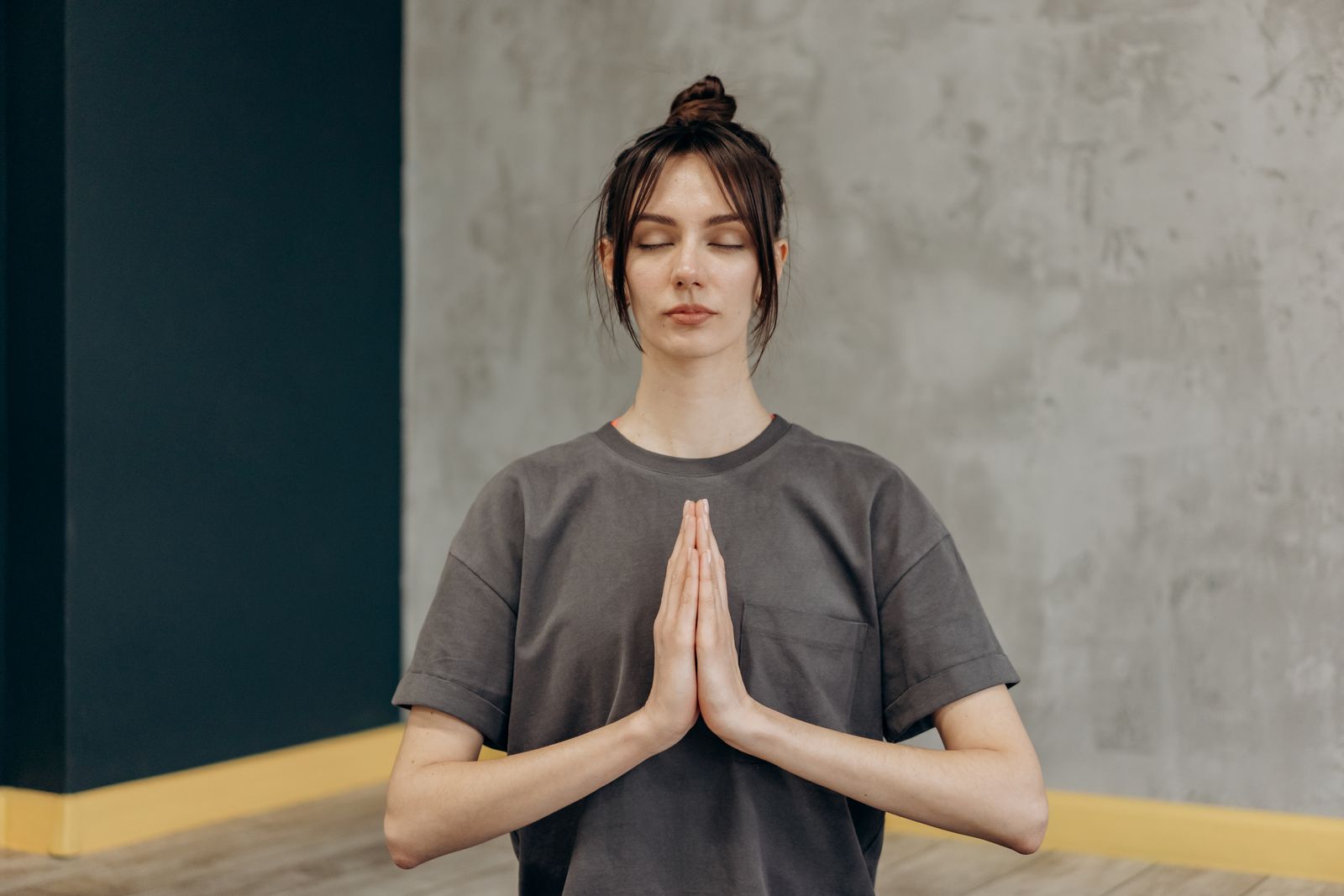
Pranayama supports eye health mainly through stress reduction and improved oxygenation rather than any direct mechanical effect on the eyes. Anulom Vilom (alternate nostril breathing) is gentle, widely considered safe for most people, and calms the nervous system, which matters because chronic stress and tension commonly show up as tightness around the eyes and forehead. Bhramari (humming bee breath) has a calming effect that some practitioners describe as directly soothing to the eyes and temples, likely due to the vibration and the accompanying slow, extended exhale. Kapalbhati, a more forceful breathing technique, should be introduced cautiously and avoided by anyone with high blood pressure, glaucoma, or a detached or weak retina, since the increased intra-abdominal pressure it generates isn’t considered appropriate for people with these eye conditions. Practicing 5-10 minutes of gentle pranayama daily pairs naturally with a broader look at yoga breathing techniques.
How Do You Build a Daily Eye Yoga Routine at Home?
A practical daily routine takes about 15 minutes and works well first thing in the morning or as a mid-afternoon screen break. Start with 10-15 slow, deliberate blinks, followed by palming for 30-60 seconds to relax the eye muscles. Move into 1-2 minutes of figure-eight tracing in each direction, then 1-2 minutes of near-far focusing using a thumb and a distant object. Finish with Trataka, starting at 30-60 seconds and building gradually toward 3-5 minutes over several weeks, followed by a minute of palming to close the practice. Three to five sessions a week produces more noticeable comfort than sporadic practice, and pairing this with 2-3 sessions of full-body yoga weekly, drawing from beginner yoga poses, rounds out a routine that supports both the eyes and the rest of the body.
Can Eye Yoga Help With Digital Eye Strain and Computer Vision Syndrome?
Digital eye strain, sometimes called computer vision syndrome, happens from prolonged close-focus work combined with a reduced blink rate, both of which dry out and fatigue the eyes. Eye yoga exercises like blinking drills, palming, and near-far focusing directly address the two biggest contributors: reduced blinking and prolonged fixed focus at one distance. The widely recommended 20-20-20 rule (every 20 minutes, look at something 20 feet away for 20 seconds) is essentially a simplified version of the near-far focusing exercise found in most eye yoga routines, which suggests the underlying logic is shared between yogic and conventional eye-care recommendations. Reducing screen brightness relative to room lighting, positioning screens slightly below eye level, and taking a longer break every hour all compound with eye yoga exercises to reduce the cumulative strain from a full workday at a screen.
Does Yoga for Eyesight Help With Dark Circles and Puffiness Around the Eyes?
Dark circles and puffiness are related to, but distinct from, eyestrain, and yoga’s effect on them works mainly through circulation and stress reduction rather than any direct treatment. Inversions and forward folds increase blood flow to the face, which can temporarily reduce the appearance of puffiness, while consistent practice that improves sleep quality addresses one of the most common underlying causes of both dark circles and under-eye bags. Facial yoga exercises, gentle eye-area taps and light massage around the orbital bone, may support lymphatic drainage in the area, though this effect is generally described as subtle rather than dramatic. This overlaps closely with broader yoga for glowing skin routines, since puffiness, circulation, and stress share the same underlying mechanisms whether the focus is skin or eyes.
Which Yoga Style Is Best for Eye Health: Hatha, Vinyasa, or Restorative?
No single style is uniquely superior for eye health, since the benefit comes mainly from consistent practice of a few key elements rather than any one style’s overall approach.
| Style | Pace | Main Eye-Related Benefit |
|---|---|---|
| Hatha | Slow, deliberate | Easier to learn safe inversions and build the concentration needed for Trataka without rushing |
| Vinyasa | Faster, flowing | Builds more cardiovascular intensity and circulation throughout a session, benefiting general blood flow to the head and face |
| Restorative / Yin | Slow, long holds | Reduces the general stress and tension that contribute to eye strain; pairs naturally with palming and pranayama |
Comparing vinyasa yoga and Hatha yoga can help you decide which pacing fits your schedule, while types of yoga offers a broader overview of the major styles.
Are There Risks or People Who Should Avoid Eye Yoga?
Eye yoga is low-risk for most healthy adults when practiced gently, but several groups need caution. Anyone with glaucoma, a detached or weak retina, or who has had recent eye surgery should avoid Trataka, forceful pranayama like Kapalbhati, and deep inversions like shoulder stand or plow pose without explicit clearance from an ophthalmologist, since increased pressure in and around the eyes can aggravate these conditions. People with photosensitive epilepsy should avoid flame-gazing practices like Trataka. Pregnant practitioners should skip deep inversions and forceful breathing techniques and stick to gentler exercises like blinking, palming, and near-far focusing. Anyone experiencing sudden vision changes, persistent eye pain, floaters, or flashes of light should see an eye doctor promptly rather than attempting to address the symptoms through yoga, since these can signal conditions that need urgent medical attention.
How Does Eye Yoga Fit Into a Broader Wellness and Yoga Practice?
Eye health rarely improves in isolation, since sleep, hydration, screen habits, posture, and overall stress levels all influence how tired or strained the eyes feel day to day. A broader yoga practice that includes twists, forward folds, and pranayama supports circulation and stress reduction throughout the body, which shows up in the eyes as reduced puffiness and less end-of-day fatigue. Good posture matters more than people expect here too, since forward head position from long screen sessions changes the angle at which the eyes meet a screen and can worsen strain; this is one of many reasons yoga for back pain and general postural work indirectly support eye comfort. If stress is a significant factor in your eye strain, layering in yoga for stress or yoga for anxiety alongside eye-specific exercises often produces better results than eye exercises alone. It’s also worth understanding the general benefits of yoga to see how eye health fits into the bigger picture.
How Long Does It Take to Notice Results From Yoga for Eyesight?
Most people notice reduced eye strain and a sense of relief within the first few sessions, particularly from palming and blinking exercises, since these provide fairly immediate relaxation to tired eye muscles. Improvements in focusing stamina and reduced fatigue by the end of a workday tend to build over 2-4 weeks of consistent daily practice. Trataka’s concentration benefits and any subtle improvement in sustained visual focus are generally reported over a longer timeframe, often 4-8 weeks of regular practice, since building comfort with longer gaze durations takes gradual conditioning. It’s worth being clear again that none of these timeframes apply to reversing a refractive error; they describe improvements in comfort, strain, and focusing stamina, which are the outcomes eye yoga is actually suited to influence.
What Lifestyle Habits Should Accompany Yoga for Eye Health?
Eye yoga works best paired with basic habits that reduce the load on the eyes throughout the day. Following the 20-20-20 rule during screen work, keeping screens at arm’s length and slightly below eye level, and increasing ambient lighting to reduce contrast strain all compound with a regular eye yoga practice. Adequate hydration supports healthy tear film production, while a diet with sufficient omega-3 fatty acids, vitamin A, and antioxidants is commonly associated with general eye health, though these nutrients support long-term eye function rather than providing a quick fix for strain. Getting 7-9 hours of sleep matters enormously, since the eyes, like the rest of the body, use deep sleep stages for repair, and chronic sleep deprivation is one of the most common contributors to persistent eye fatigue regardless of how much eye yoga is practiced.
Questions People Ask About Yoga for Eyesight
Can yoga really improve eyesight naturally?
Yoga can meaningfully reduce eye strain, support focusing stamina, and improve comfort through exercises like Trataka, palming, and near-far focusing, along with better circulation from full-body asanas. It does not reverse structural refractive errors like myopia or hyperopia, so it works best as a supportive daily practice alongside proper eye care rather than a substitute for glasses, contacts, or medical treatment.
How long should I practice eye yoga daily to see benefits?
A 10-15 minute daily routine combining blinking, palming, figure-eight tracing, near-far focusing, and Trataka is enough for most people to notice reduced strain within a few sessions. Building Trataka duration gradually over 4-8 weeks, rather than starting with long sessions, produces steadier, safer progress.
Is Trataka safe to practice every day?
For most healthy adults, daily Trataka practiced for a few minutes is safe, provided it’s built up gradually rather than starting with long, straining sessions. People with glaucoma, retinal conditions, epilepsy, or recent eye surgery should avoid Trataka or check with an ophthalmologist first, since sustained gazing and flame-based practices carry specific risks for these conditions.
Can eye yoga fix myopia or reduce the need for glasses?
No. Myopia results from the physical shape and length of the eyeball, which eye yoga cannot alter. Eye yoga can reduce the strain and fatigue that make uncorrected or corrected vision feel worse throughout the day, but anyone relying on glasses or contacts should continue their prescribed correction and regular eye exams alongside any yoga practice.
What is the fastest eye yoga exercise for tired eyes at work?
Palming is generally the fastest relief: rub the palms together to build warmth, then cup them gently over closed eyes for 30-60 seconds without pressing on the eyeballs. Combined with 10-15 slow blinks and a minute of near-far focusing, this three-part sequence takes under three minutes and works well as a screen break every hour or two.
Should children practice yoga for eyesight?
Simple exercises like blinking, palming, and near-far focusing are generally considered safe and appropriate for children, especially given rising screen time in this age group. More intense practices like forceful pranayama or deep inversions should wait until a child is older and practicing under qualified supervision, and any child with a diagnosed eye condition should be guided by a pediatric ophthalmologist first.
Try This for Yourself
Reading about Trataka, palming, and eye-focused breathing is a useful starting point, but the real benefit comes from consistent, guided practice where your technique, pacing, and breathing are corrected in real time by someone who can see what you’re doing. If you want structured sessions that combine eye-relief exercises with full-body circulation and stress-reduction work, explore FitStrot’s online yoga classes and build a routine suited to your screen habits and daily schedule.
Related reading: Yoga for Glowing Skin, Yoga for Hair Growth, Yoga for Hair Fall, Yoga for Stress, and FitStrot’s online yoga classes.