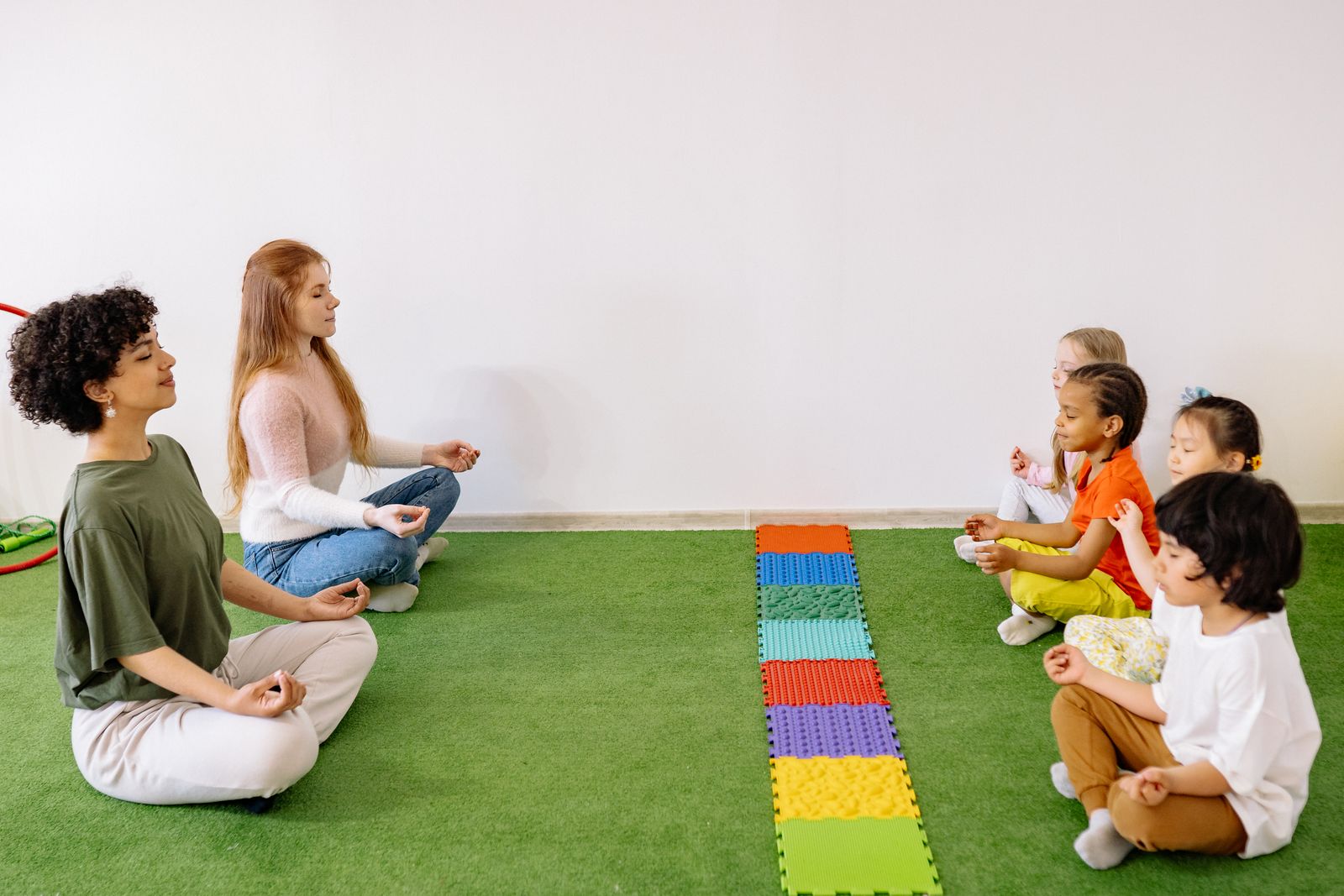
Yoga for children is a gentle, playful practice of breathing exercises, simple poses, and mindfulness games adapted to a child’s attention span and body. Unlike adult classes, kids’ yoga leans on storytelling, animal-shaped poses, and short sequences of five to fifteen minutes rather than long, held postures. It helps children build body awareness, calm their nervous system, and improve focus, and it works well for toddlers through teenagers when the pace and language are adjusted to their age. Most children can safely start with breathing games and simple poses like child’s pose or tree pose from around age three, with no special equipment beyond a mat and open floor space.
What Exactly Is Yoga for Children?
Yoga for children takes the same foundation as adult practice, breath, movement, and stillness, and reshapes it around how young minds actually learn: through play, repetition, and imagination. A typical kids’ session swaps long silent holds for animal poses (cat, cow, cobra, downward dog), partner games, and short breathing exercises with names like “bunny breath” or “balloon breath.” Classes rarely run longer than 20 to 30 minutes for younger children, since attention spans are shorter and energy needs an outlet, not just containment. If you’re new to the practice yourself, our guide to yoga for beginners covers the same foundational postures in a slower, adult-paced format that can help parents understand what their child is doing in class.
What Are the Benefits of Yoga for Children?
The benefits of yoga for children span physical, emotional, and cognitive development, and this is one of the most-searched questions on the topic for good reason. A widely cited review published in the journal Complementary Therapies in Clinical Practice found that yoga programs in schools were associated with improvements in children’s emotional regulation, attention, and stress levels, alongside gains in flexibility and balance. Research summarized by Harvard Health also points to yoga helping school-age children manage anxiety and improve classroom behavior when practiced consistently over several weeks. In practical terms, parents and teachers commonly report:
- Better emotional self-regulation, including calmer responses to frustration
- Improved focus and attention span during schoolwork
- Increased body awareness, balance, and coordination
- Lower reported stress and anxiety, particularly before tests or transitions
- Stronger core strength and flexibility from regular practice
These effects tend to build gradually rather than appear after a single session, which is why many programs run in blocks of eight to ten weeks. For families weighing broader family wellness routines, our piece on the general benefits of yoga lays out the adult-side evidence that overlaps closely with what’s seen in younger practitioners.
What Age Should Children Start Yoga?
There is no strict minimum age for introducing yoga concepts to a child. Instructors generally note that toddlers as young as two or three can begin with breath awareness games and very simple poses, while more structured sequences with balance postures like warrior poses are better suited to children five and older who have the coordination and patience to hold a position briefly. Classes are typically grouped by developmental stage rather than a single “kids” bucket: toddler and preschool (ages 2-5), elementary (ages 6-10), and tween or teen (ages 11+), each with different pacing, vocabulary, and pose complexity. A four-year-old and a ten-year-old should not be doing an identical class, even though both fall under the umbrella of “yoga for children.”
How Do You Teach Simple Yoga for Children?
Simple yoga for children works best when it’s framed as a game rather than an exercise routine. A few practical techniques that experienced kids’ yoga teachers rely on:
- Use animal names, not Sanskrit terms. “Cat pose” and “cobra pose” land better with a six-year-old than Sanskrit yoga terms like Bidalasana.
- Keep holds short. Three to five breaths per pose is plenty; young children lose interest and, more importantly, proper form if held longer.
- Build a story around the sequence. A “jungle adventure” flow moving from downward dog to cobra to tree pose gives the practice narrative structure a child can follow.
- Use call-and-response. Have the child copy the pose as you name it, turning the session into an interactive game rather than instruction.
- End with stillness. A short relaxation or “starfish rest” on the back helps children transition out of active play calmly.
This same simplicity principle underlies our broader guide to simple yoga poses, many of which translate directly into a kid-friendly sequence with just a name change.
What Are Some Easy Yoga Poses for Children to Start With?
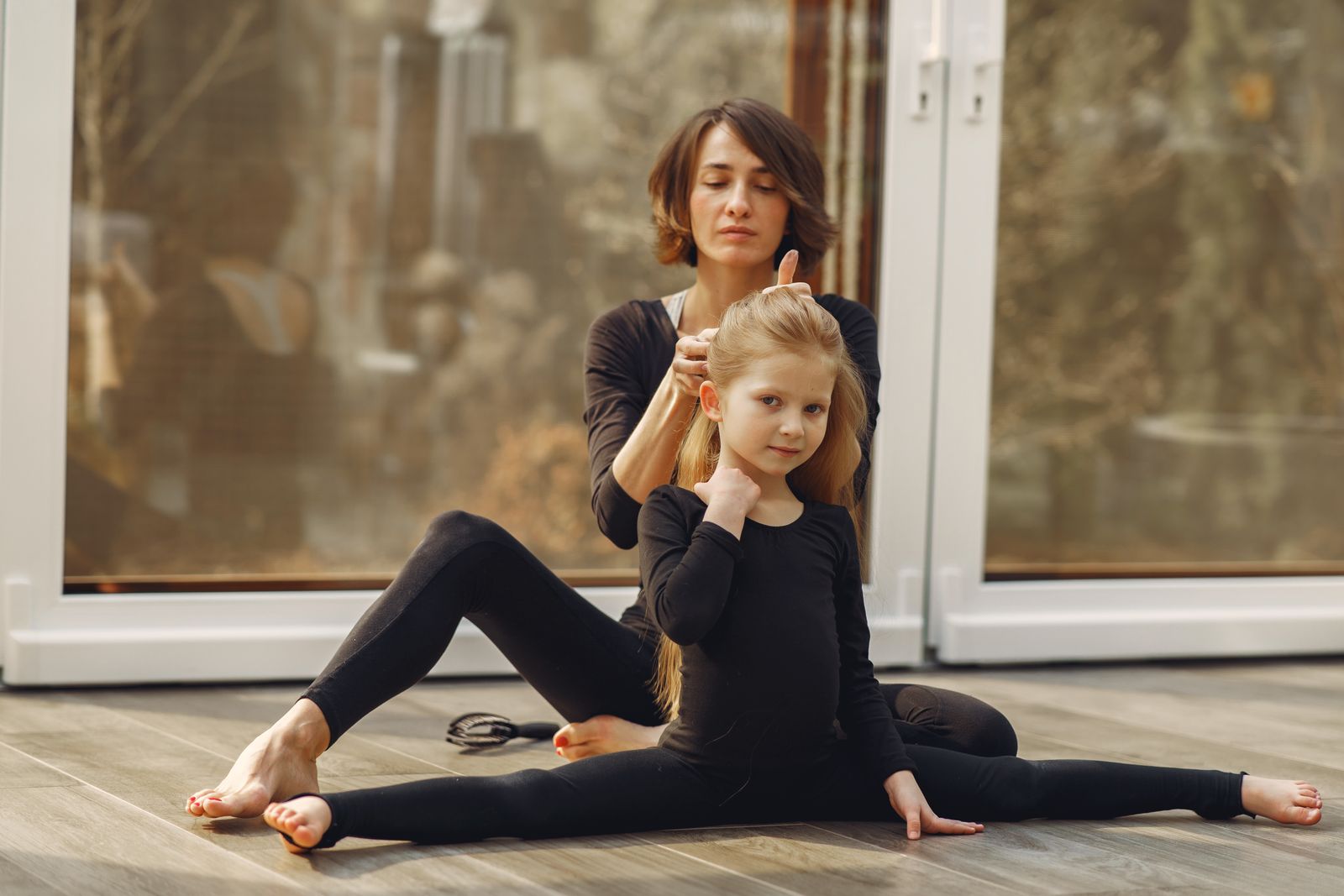
Easy yoga for children usually begins with a small set of foundational poses that are safe, low-risk, and easy to demonstrate. Common starting poses include:
- Child’s pose: a resting posture that teaches children how to pause and breathe when they feel overwhelmed.
- Cat-cow: a gentle spinal movement paired with breath, often introduced as “angry cat, happy cow.”
- Downward-facing dog: builds shoulder and leg strength while doubling as a fun “dog stretch.”
- Tree pose: introduces single-leg balance and focus, framed as “standing tall like a tree.”
- Butterfly pose: a seated hip-opener that’s easy on flexibility and popular with younger children.
- Star pose: a wide-legged standing pose that’s visually fun and easy to demonstrate as a group.
For a fuller library of postures broken down specifically for younger practitioners, see our dedicated guide to yoga poses for kids, which expands on sequencing and progression as children get more comfortable with the practice.
What Is Hatha Yoga for Children, and How Is It Different?
Hatha yoga for children refers to a slower-paced style built around static postures and simple breath work, rather than the flowing, fast-moving sequences seen in styles like vinyasa yoga. Because hatha yoga emphasizes holding a pose for a few breaths before moving to the next, it tends to suit children who benefit from a calmer, more structured pace, including kids who find high-energy movement over-stimulating. In a children’s context, hatha-style sessions often combine basic postures with breathing games and short relaxation periods, making it a gentle entry point for kids who are anxious, easily overstimulated, or simply new to structured movement classes. It’s frequently the style used in school-based programs precisely because it’s easier to manage in a group setting than faster-paced flows.
Can Yoga Help Children With Anxiety or ADHD?
Yoga is increasingly used as a complementary tool, not a replacement for clinical treatment, in supporting children who experience anxiety or attention difficulties. Research reviewed by the National Institutes of Health has found associations between school-based yoga programs and improvements in self-reported stress and emotional regulation among participating children, though study quality and sample sizes vary and researchers are careful to note yoga should support, not substitute, established therapeutic or medical care. For children with ADHD specifically, the structured breathing and body-awareness components are commonly cited as helpful for building self-regulation skills, though results differ by child and program. Parents considering yoga for a child with a diagnosed condition should treat it as a complementary strategy and loop in their pediatrician or therapist, particularly around a broader mental wellness routine like the ones covered in our yoga for anxiety guide.
How Does Yoga for Children Compare to Yoga for Students and Teens?
As children move into their tween and teen years, yoga practice can shift toward more structured sequences, longer holds, and concepts like stress management around academic pressure. Yoga for students often incorporates exam-season stress relief, better sleep habits, and focus-building breathwork suited to a school schedule, while early-childhood yoga leans more heavily on play and sensory engagement. The transition isn’t abrupt: a ten-year-old comfortable with basic poses can gradually take on longer holds, partner poses, and even introductory meditation for beginners practices as they near their teenage years, bridging naturally into the practices used in yoga for teenagers programs.
How Often Should Children Practice Yoga?
Two to three short sessions per week are generally enough for children to experience the emotional and physical benefits associated with regular practice, according to patterns seen in school-based yoga program research. Daily five-minute breathing breaks combined with one or two longer 15 to 20 minute sessions per week tend to work better than a single long weekly class, since consistency matters more than duration for building habits in young children. Many schools that have integrated yoga into the day use brief “brain break” sequences between academic periods rather than one long class, reinforcing the practice throughout the week in small doses.
What Equipment Does a Child Need to Start Yoga?
Almost none. A yoga mat helps with grip and defines a personal practice space, but a folded blanket or towel works for very young children just as well. Loose, comfortable clothing that allows a full range of motion matters more than any specialized gear. As children progress, some instructors introduce lightweight yoga props and accessories like foam blocks for balance poses, but these are optional extras rather than requirements for getting started. The low barrier to entry is part of why yoga for children translates so easily into home practice, classroom settings, and even outdoor group sessions.
Can Yoga for Children Be Practiced Online?
Yes, and online formats have become one of the most accessible ways for families to introduce yoga at home without needing a studio nearby. A well-run online yoga class for children uses the same storytelling and animal-pose approach as in-person sessions, just delivered through video with an instructor who can demonstrate poses at a pace suited to the group. This format works particularly well for families juggling school schedules, since a 15 to 20 minute online session can slot into after-school time without the added logistics of travel. It also gives parents a chance to join in alongside their child, turning the practice into shared family time rather than a separate activity, similar to the family-oriented approach covered in our guide to yoga for family practice.
What Should Parents Watch Out for When Choosing a Kids’ Yoga Class?
A well-run children’s yoga class should never push a pose to the point of pain, and instructors should regularly remind children that a “gentle stretch” is the goal, not maximum flexibility. Look for a few specific markers of quality: an instructor experienced specifically in teaching children (not just an adult-focused teacher adapting on the fly), class sizes small enough for individual attention, and a structure that balances active movement with calming wind-down time at the end. Avoid programs that emphasize competitive flexibility or hold young children in inverted poses like headstands for extended periods, since these carry more risk for developing bodies and offer little added benefit at a young age. If your child has a specific health condition, it’s worth reviewing considerations similar to those in our yoga for back pain guide before starting any new movement practice.
How Does Yoga for Children Support Classroom Learning?
Schools that have piloted yoga programs report using it as a tool for classroom transitions, not just a standalone subject. Short breathing breaks between lessons are commonly used to help children reset attention after recess or before a test, and some elementary programs use partner poses specifically to build cooperation and trust between classmates. A scoping review of school-based yoga programs published in Frontiers in Education found that consistent classroom yoga practice was associated with a more positive overall classroom atmosphere, as reported by both students and educators, alongside improvements in self-reported focus. This positions yoga less as a replacement for physical education and more as a complementary tool for social-emotional learning, sitting alongside practices like mindfulness meditation that many schools have also adopted.
Questions People Ask About Yoga for Children
Is yoga safe for young children?
Yes, when poses are age-appropriate and never pushed into pain. Children should feel a gentle stretch, not strain, and inverted poses should be avoided or kept brief for younger kids. A qualified instructor familiar with child development will adjust pacing and pose complexity to the child’s age, making yoga one of the lower-risk physical activities available to young children.
How long should a children’s yoga session last?
For toddlers and preschoolers, 10 to 15 minutes is typically enough to hold attention. Elementary-age children can usually manage 20 to 30 minute sessions, while tweens and teens can handle formats closer to adult classes. Shorter, more frequent sessions generally work better than one long weekly class for building consistent habits.
Do children need a yoga mat?
Not strictly. A folded towel or soft rug works fine for very young children just starting out. A mat becomes more useful as children get older and want a defined, non-slip space for balance poses, but it’s not a barrier to getting started at home or in a classroom.
Can yoga help a child sleep better?
Many parents and instructors report that calming poses and breathing exercises done before bedtime help children wind down. Gentle stretches like child’s pose paired with slow breathing can support the transition into a bedtime routine, though results vary by child and are best treated as one part of a broader sleep routine rather than a standalone fix.
Is hatha yoga better than vinyasa yoga for kids?
Neither style is universally “better,” but hatha’s slower, hold-based pacing often suits younger or easily overstimulated children better than the faster-flowing sequences of vinyasa. Many kids’ programs blend elements of both, using hatha-style holds for foundational poses and light vinyasa-style movement for warm-ups and transitions.
What’s the difference between kids’ yoga and regular yoga?
Kids’ yoga uses shorter holds, playful language, animal-themed poses, and game-like structures instead of the longer, more technical sequences used in adult classes. The underlying postures are often the same, but the delivery, pacing, and vocabulary are adapted specifically for a child’s attention span and developmental stage.
Try This for Yourself
If you’d like to bring structured, instructor-led yoga into your child’s routine without needing a studio nearby, explore FitStrot’s online yoga classes for a guided, age-appropriate introduction that fits into your family’s schedule.
Related reading: Yoga for Kids, Yoga Poses for Kids, Yoga for Beginners, Yoga for Students, and FitStrot’s online yoga classes.