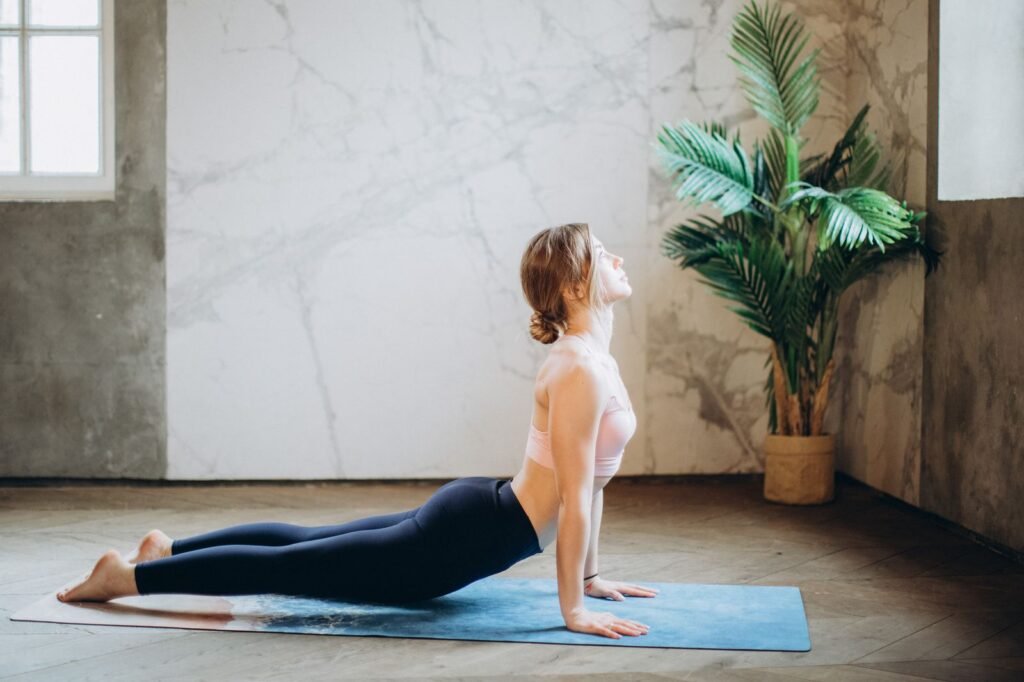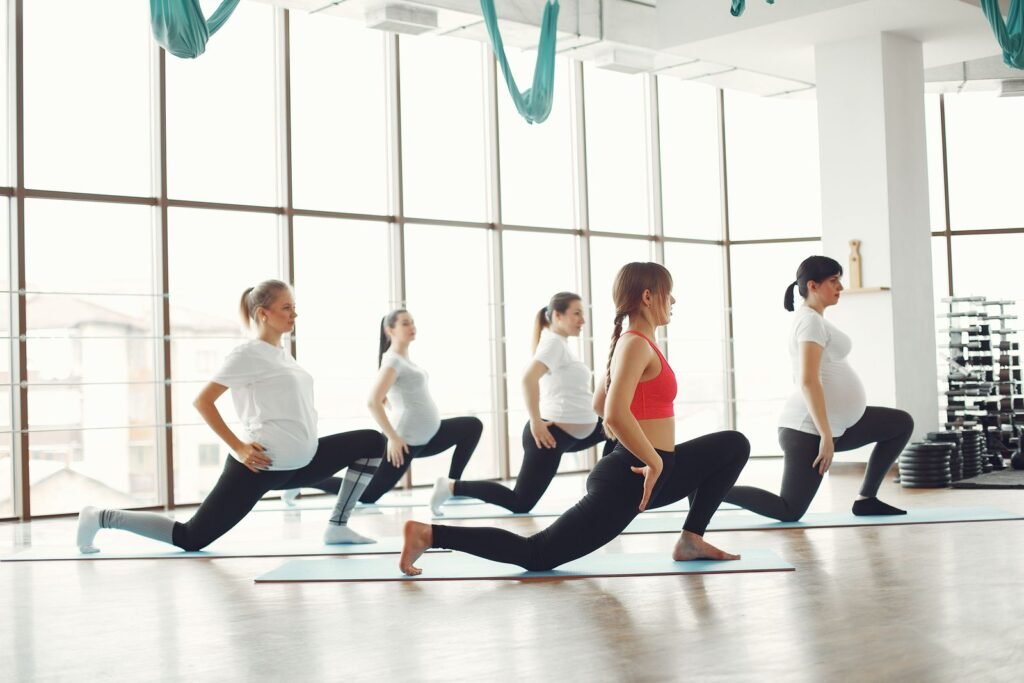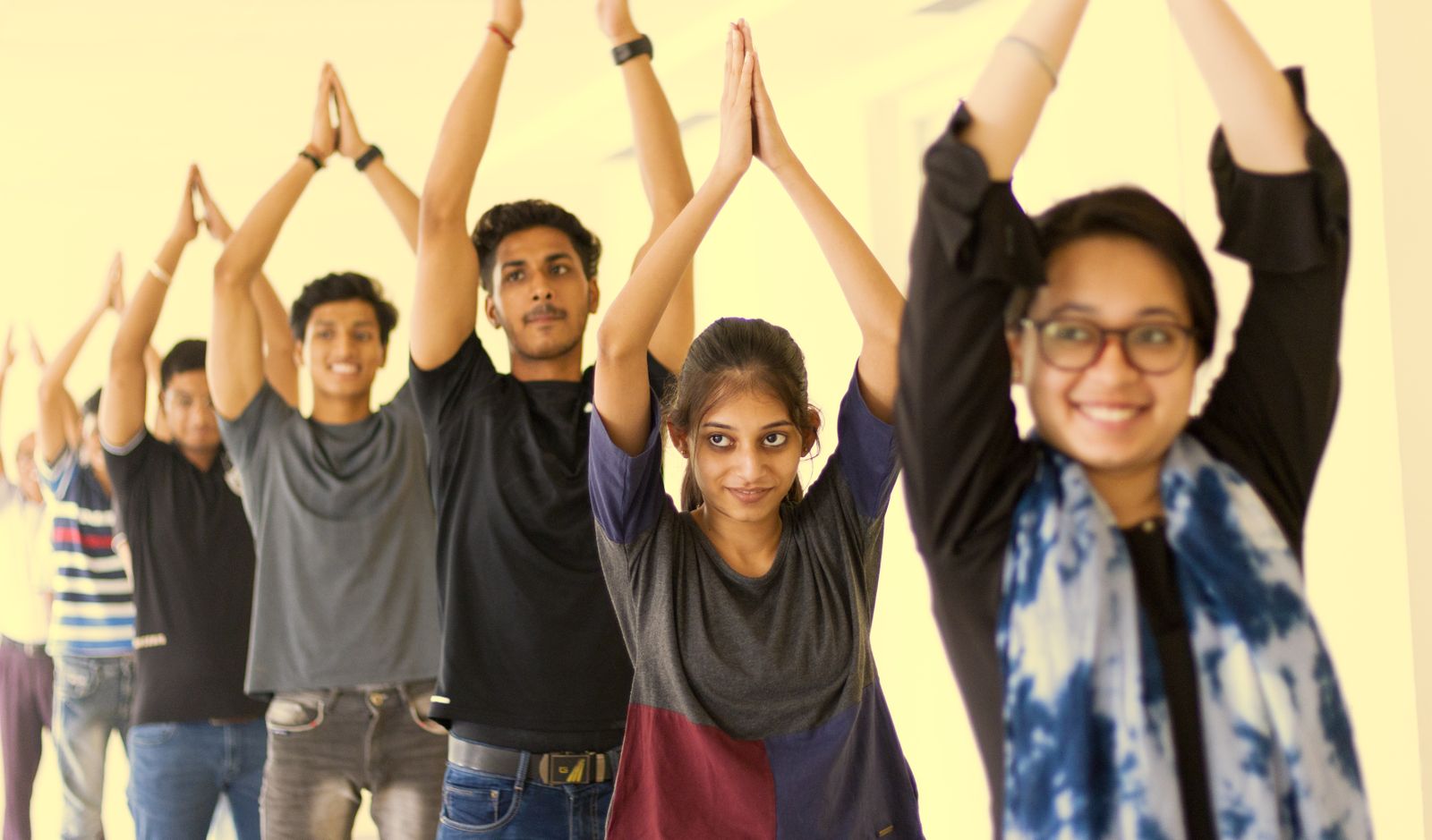
Yoga for students is a practice of simple asanas, breathing techniques, and short meditation routines adapted to fit tight school and college schedules, designed to ease exam stress, sharpen focus, and support better sleep during demanding academic years. Unlike a full studio class, student-focused yoga usually runs 10-25 minutes, needs no special equipment beyond a mat and a quiet corner, and can be practiced before school, between study blocks, or as part of a school’s PE curriculum. It works for anyone from a ten-year-old in primary school to a university student cramming for finals, and most people notice calmer breathing and better concentration within a few consistent sessions.
What Exactly Is Yoga for Students?
Yoga for students takes the core building blocks of traditional practice, physical postures (asana), controlled breathing (pranayama), and brief stillness or meditation, and compresses them into a format that fits around timetables, homework, and exam prep rather than a leisurely hour-long class. A typical student session might open with two minutes of breathing to settle a racing mind after a long day of lectures, move through six to ten poses that target the neck, shoulders, and lower back (the areas most strained by hours of sitting and hunching over books or laptops), and close with a short relaxation pose before returning to study. It differs from yoga for kids, which leans heavily on play and storytelling, by introducing longer holds, more structured breathing work, and poses specifically chosen to counter the physical toll of desk-based study and screen time.
Why Does Yoga Matter in a Student’s Life?
The importance of yoga in students’ life comes down to the specific pressures that academic routines create: long sitting hours, screen fatigue, disrupted sleep before exams, and the mental load of grades, deadlines, and competition. Regular practice can loosen the tight hips and rounded shoulders that come from hours at a desk, give students a breathing-based tool to use in the minutes before a test instead of just “trying not to panic,” and build a short daily ritual that anchors an otherwise chaotic schedule. Research on school-based yoga and meditation programs has generally found associations with reduced self-reported stress and anxiety among students, alongside improvements in attention, though results vary by program length and consistency of participation. In practical terms, the importance of yoga for students is less about becoming flexible and more about having a reliable reset button between classes, assignments, and exams.
What Are the Core Benefits of Yoga for Students?
The benefits of yoga for students span physical, mental, and academic domains, and most show up gradually rather than after a single session.
- Reduced exam stress and anxiety — slow breathing techniques activate the parasympathetic nervous system, which can lower the racing heart rate and shallow breathing that often accompany exam anxiety.
- Better focus and concentration — poses that require balance and steady breathing train sustained attention, a skill that transfers directly to studying and sitting through long lectures.
- Improved posture and reduced back or neck pain — counter-poses for hours of desk-sitting and phone use can ease the stiffness that builds up around exam season, similar to the relief described in yoga for back pain.
- Better sleep before big exams — a short wind-down sequence can settle a mind that’s been running through revision notes at midnight, echoing the approach in yoga for better sleep.
- Emotional regulation — regular practice gives students a concrete tool for frustration, comparison, and academic pressure instead of just being told to “relax,” which pairs well with the strategies in yoga for anxiety.
- A portable habit — unlike gym workouts, a 10-minute yoga sequence needs no equipment and fits into a dorm room, hostel corner, or bedroom floor.
These benefits compound with consistency. A single 15-minute session before an exam can take the edge off nerves for that afternoon, but three sessions a week across a semester is where students and teachers tend to notice a real shift in baseline stress and attention.
How Can Yoga Asanas Help Students Specifically?
Yoga asanas for students work best when chosen for the specific physical and mental strain of academic life rather than picked at random from a general routine. A handful of poses cover most of what a student needs.
- Child’s Pose — a resting posture that releases tension in the lower back and shoulders after long study sessions; see the full benefits of child’s pose for a deeper look.
- Cat-Cow — a gentle spinal flow that loosens the back and neck after hours hunched over a desk or laptop.
- Downward Dog — stretches the hamstrings, shoulders, and spine while quietly building focus through the steady breath it requires.
- Seated Forward Bend (Paschimottanasana) — calms the nervous system and is commonly recommended for pre-exam nerves.
- Legs-Up-the-Wall Pose — a restorative pose that’s especially useful during late-night revision breaks to reset tired legs and a foggy mind.
- Tree Pose — a standing balance pose that trains sustained concentration, useful for students who struggle to sit still while studying.
- Corpse Pose (Savasana) — closing stillness that consolidates the calming effect of the sequence before returning to books or a laptop.
For a broader foundation before adding these into a routine, yoga for beginners covers pacing, breath cues, and common early mistakes that apply to students just as much as any other beginner.
What Does Brain Yoga for Students Actually Involve?
Brain yoga for students refers to a subset of poses and breathing techniques commonly recommended for supporting memory, mental clarity, and concentration rather than physical flexibility alone. This typically includes inversions or partial inversions like Downward Dog and Legs-Up-the-Wall, which increase blood flow toward the head; balance poses like Tree Pose and Eagle Pose, which demand focused attention; and pranayama techniques such as alternate nostril breathing (Nadi Shodhana) and Bhramari (bee breath), both traditionally used to calm mental chatter before study or exams. Most claims about yoga directly “boosting memory” come from smaller studies and traditional teachings rather than large-scale clinical trials, so it’s more accurate to describe these practices as supporting the conditions for better focus and calmer attention rather than as a guaranteed memory enhancer. Students building a full breathing practice can start with pranayama breathing techniques.
How Does Morning Yoga for Students Set Up the Day?
Morning yoga for students works on a simple principle: a calm, activated body handles the first stressful class of the day better than one that rolled straight out of bed into a rushed commute. A 10-15 minute sequence built around a few rounds of sun salutations, a couple of standing poses to wake up the legs and spine, and a few minutes of steady breathing can replace the jolt of scrolling a phone first thing. Students who practice at a consistent time each morning, rather than only “when they remember,” tend to report the biggest improvements in first-period focus, since the routine becomes a signal that the day has started. Non-morning people can get most of the benefit from just five minutes of seated breathing and gentle stretching before breakfast.
What Role Does the Yoga Teacher Play With Student Groups?
The relationship between yoga teacher and students shapes how well a class works, especially in a school or college setting where attention spans and motivation vary widely across a room. A good instructor adjusts pacing for mixed experience levels, offers modifications for tighter hamstrings or weaker cores without singling anyone out, and keeps instructions simple and visual rather than relying on unfamiliar Sanskrit terminology. In classroom settings, instructors often organize students into rows or a grid formation so everyone has a clear sightline to the front and enough space to stretch without bumping a neighbor, a layout choice that also makes it easier to spot students who need a correction. Trust matters too: students stick with a practice longer, and ask questions more freely, when a teacher treats the class as a shared experience rather than a strict drill.
How Does Yoga Help With Academic Stress and Exam Anxiety?
Academic stress builds from a combination of workload, sleep debt, and the anticipatory anxiety that comes with exams, and yoga addresses the physiological side of that stress response directly. Slow, extended-exhale breathing signals to the nervous system that there’s no immediate threat, which can lower heart rate and ease the tight chest and shallow breathing common right before a test. Several studies on school and college-based yoga and meditation programs have reported reductions in self-reported exam anxiety and academic stress among participants, particularly when practice is consistent in the weeks leading up to exams rather than a one-off session on test day. A simple pre-exam routine might include five minutes of seated breathing, a couple of gentle twists, and a brief moment of stillness before walking into the exam hall. None of this replaces adequate preparation or sleep, but it can meaningfully change how a student’s body handles the minutes before a paper starts.
What Yoga Questions Do Students Typically Have?
Beyond the FAQ list below, a few recurring yoga questions for students come up often enough to address directly. Many ask whether yoga alone can replace exercise entirely; it builds flexibility, core strength, and body awareness well, but students wanting cardiovascular fitness should pair it with walking, running, or sport rather than relying on yoga alone. Others ask whether it’s necessary to be flexible to start, which it isn’t, since flexibility results from consistent practice rather than being a prerequisite. A common question concerns timing: morning or pre-study sessions tend to help with focus, while evening sessions suit winding down before sleep. Students in hostel or dorm life often ask about space, and a mat plus roughly two square meters of floor is enough for nearly every pose covered here.
How Can Yoga for School Students Be Different From College-Level Practice?
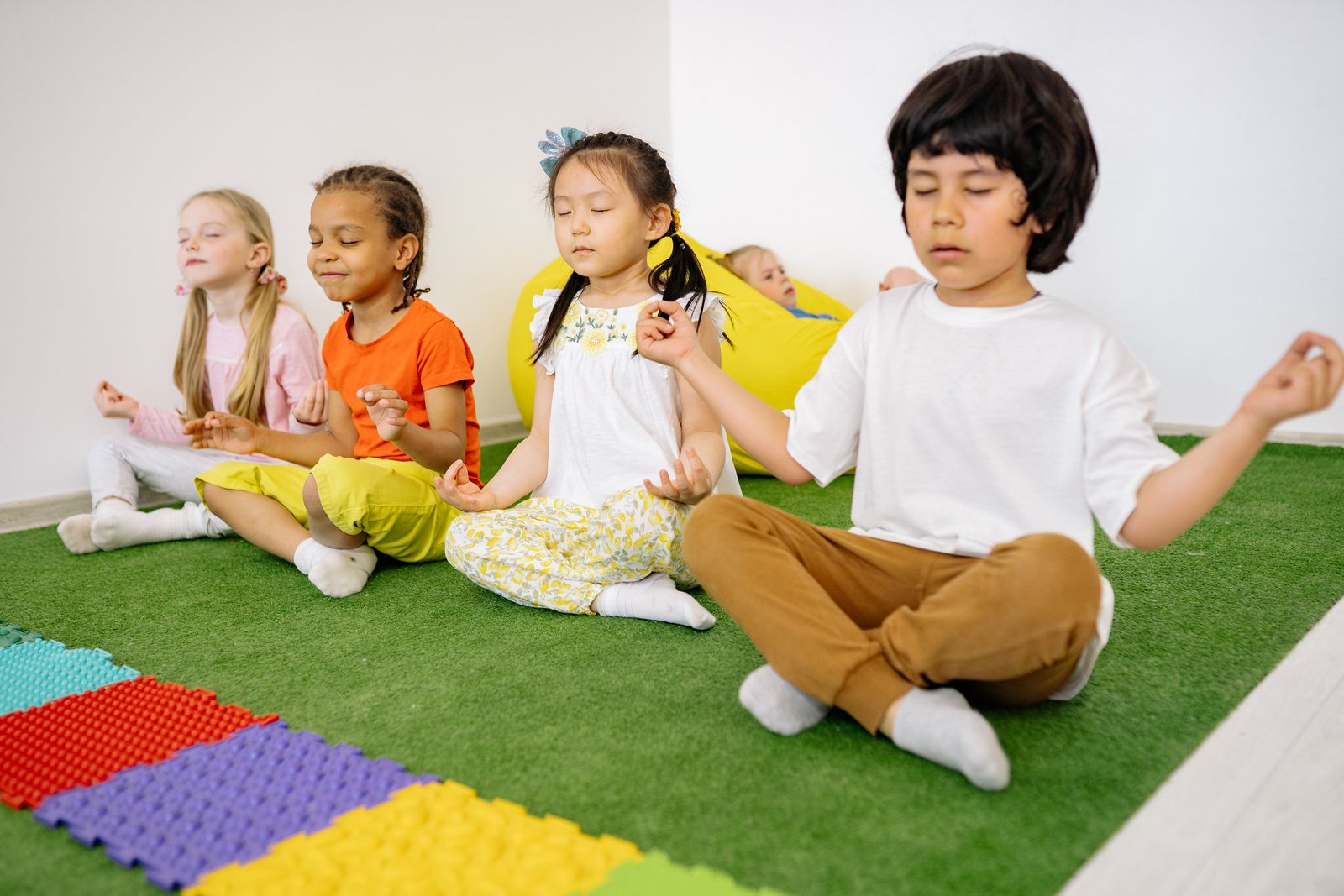
Yoga for school students, particularly at the primary and middle-school level, favors shorter sequences, simpler pose names, and more supervision, closely resembling the approach described in yoga for children and yoga poses for kids. As students move into high school and college, sessions can lengthen to 20-30 minutes, introduce more structured pranayama, and add brief seated meditation, since older students can sustain focus and stillness longer. College-level practice also addresses different stressors: rather than parental pressure or friendship dynamics, older students are managing independent living, part-time jobs, and higher-stakes exams, so instructors working with this age group often frame yoga explicitly around stress management and sleep rather than general fitness.
How Should a Student Build a Simple Weekly Routine?
A realistic yoga routine for students doesn’t need to be daily to be effective; three sessions a week of 15-20 minutes each is a solid starting cadence. A simple structure works well: two sessions built around physical poses (Cat-Cow, Downward Dog, Warrior poses, and a seated forward bend) to release tension from sitting, and one session focused almost entirely on breathing and stillness, ideally scheduled the evening before a stressful day. During exam weeks, this can shift toward shorter, more frequent five-minute breathing breaks between revision blocks, since consistency under time pressure matters more than session length. Loosely tracking whether a session happened that day helps the habit survive busy weeks better than an unstructured approach.
What Equipment or Space Do Students Actually Need?
Very little. A yoga mat or a folded blanket on a non-slip floor covers almost every pose in a student routine; a hostel room, dorm floor, or a cleared patch of a shared living room all work fine. Loose, breathable clothing matters more than any specific yoga outfit, and bare feet generally grip better than socks on smooth flooring. Students without a dedicated mat can start with just a towel for balance and seated poses. The general guidance in setting up a home yoga space and yoga equipment basics applies just as well to a student’s room as any other household space.
How Does Yoga Compare to Other Stress Tools Students Use?
Students often juggle several tools for stress and focus: caffeine, short naps, music, or scrolling social media between study blocks. Yoga differs from these in that it directly engages the breath and nervous system rather than masking fatigue or distracting from stress temporarily. A 10-minute yoga and breathing break tends to leave a clearer, calmer mind afterward, compared to the brief lift and later crash that often follows caffeine or a scrolling break. It isn’t a replacement for basics like adequate sleep, hydration, and a reasonable study schedule; it works best as one tool among several. Students who also lift weights or play sport can look at how yoga complements broader fitness routines in guides like types of yoga to find a style that fits alongside their existing activity.
What Common Mistakes Do Students Make When Starting Yoga?
A few missteps show up repeatedly among students trying yoga for the first time.
- Treating it as another task to check off — approaching yoga with the same pressure as an assignment defeats its calming purpose; a rushed, tense practice delivers far fewer benefits than a relaxed one.
- Comparing flexibility to classmates — yoga isn’t a competition, and comparing a first-timer’s hamstring flexibility to a practiced classmate’s often leads to frustration and early dropout.
- Skipping the breathing component entirely — treating yoga as pure stretching misses much of the stress-relief benefit that comes specifically from controlled breathing.
- Only practicing during exam week — starting a routine cold the week before finals gives far less benefit than building the habit across the semester.
- Ignoring pain signals — pushing into a stretch that causes sharp pain, rather than mild tension, risks injury and discourages continued practice.
How Can Teachers and Schools Introduce Yoga Effectively?
Schools and colleges introducing yoga tend to see better adoption when it’s framed as a practical tool rather than a mandatory wellness lecture. Short, five-to-ten-minute breathing breaks between classes require no changing of clothes or dedicated PE slot and can be led by any staff member with basic training. Dedicated PE or wellness periods work well for longer, pose-based sessions, ideally with enough space between mats for students to move freely, since cramped rows tend to increase self-consciousness rather than participation. Programs that build in optional, ungraded participation generally see better long-term engagement than those treating yoga as another assessed activity, since part of the benefit comes from students choosing to show up rather than being required to.
Questions People Ask About Yoga for Students
What are the benefits of yoga for students?
Yoga for students helps reduce exam stress and anxiety, improves focus and concentration, eases posture-related back and neck pain from long study hours, supports better sleep before exams, and gives students a portable emotional-regulation tool that needs no equipment beyond a mat and a quiet corner.
How many minutes of yoga should a student do daily?
Fifteen to twenty minutes, three to five times a week, is a realistic and effective cadence for most students. During busy exam periods, this can shrink to five-minute breathing breaks between revision blocks without losing much of the stress-relief benefit, since consistency matters more than session length.
Can yoga improve concentration and memory for studying?
Yoga supports the conditions that make focus easier, calmer breathing, reduced anxiety, and better sleep, rather than acting as a direct memory enhancer. Balance poses and breathing techniques like alternate nostril breathing are commonly used to train sustained attention, which can indirectly support studying and exam performance.
What is the best time of day for students to practice yoga?
Morning sessions work well for activating the body and setting a focused tone for the school day, while evening sessions help wind down before sleep. Both are effective; the better choice depends on a student’s schedule and whether they need help waking up or settling down.
Do students need to be flexible before starting yoga?
No. Flexibility develops as a result of consistent practice rather than being a requirement to begin. Most beginner sequences for students are designed around basic mobility, and poses can always be modified for tighter hips, hamstrings, or shoulders.
Can yoga help with exam anxiety specifically?
Slow breathing techniques used in yoga can lower heart rate and ease the shallow breathing that often accompanies exam anxiety. Practicing a short breathing routine consistently in the weeks before exams, rather than only on the day of a test, tends to produce a more noticeable calming effect.
Try This for Yourself
The easiest way to find out whether yoga fits a student’s routine is to try a guided session built around real schedules and real stress levels. Explore FitStrot’s online yoga classes for structured sessions that work around school, college, or exam timetables and can be practiced from a dorm room, hostel, or home.
Related reading: yoga for beginners, yoga for kids, yoga poses for kids, yoga for children, and FitStrot’s online yoga classes.