Yoga for neck pain works by gently lengthening tight muscles along the cervical spine, improving blood flow to the area, and correcting the forward-head posture that causes most everyday neck stiffness. A short daily routine of poses such as neck rolls, cat-cow, thread the needle, and seated forward bend can noticeably ease tension within one to two weeks when the pain comes from posture, screen time, or stress. Yoga will not fix a structural issue like a herniated disc or nerve compression, so persistent, radiating, or worsening pain needs a doctor’s evaluation first. For everyday tightness from desks, phones, and stress, a consistent, gentle practice is one of the most effective and low-cost tools available.
Why Does Yoga Help With Neck Pain?
Most modern neck pain has little to do with injury and everything to do with posture held too long in one position. Hours spent looking down at a phone or hunched toward a monitor shorten the muscles at the front of the neck and overstretch the ones at the back, creating constant low-grade strain. Yoga addresses this in three ways: it stretches the shortened muscles (upper trapezius, levator scapulae, and the suboccipitals at the base of the skull), it strengthens the deep neck flexors that support good posture, and it slows the nervous system down through breath-focused movement, which reduces the muscle guarding that makes tension feel worse than it is. This combination of stretch, strength, and nervous-system regulation is also why yoga for back pain and neck pain are so often addressed together in the same sequence, since the muscles of the upper back, shoulders, and neck function as one connected chain.
What Are the Best Yoga Asanas for Neck Pain?
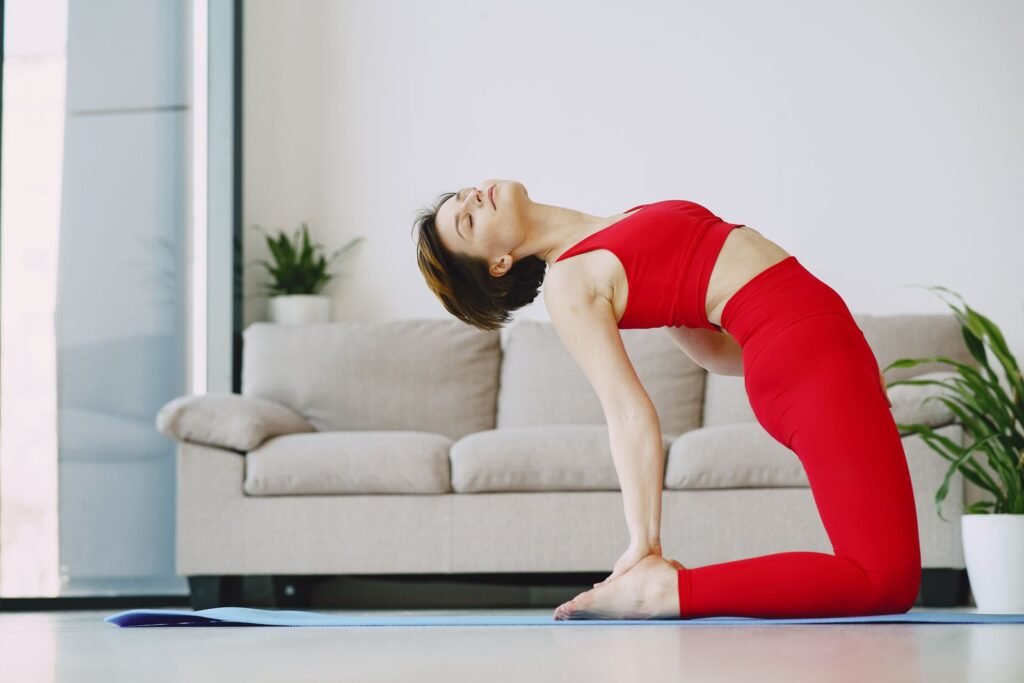
A handful of foundational asanas for neck pain show up in almost every therapeutic yoga sequence, and each targets a slightly different part of the problem.
- Neck rolls and half-circles: gently mobilize the cervical spine without the aggressive full circles that can strain the neck; movement is kept to the front half of the circle only.
- Marjaryasana-Bitilasana (Cat-Cow): moves the entire spine, including the neck, through flexion and extension, warming up the whole back before deeper stretches.
- Parsva Balasana (Thread the Needle): stretches the shoulder and the side of the neck at once by sliding one arm under the body while kneeling.
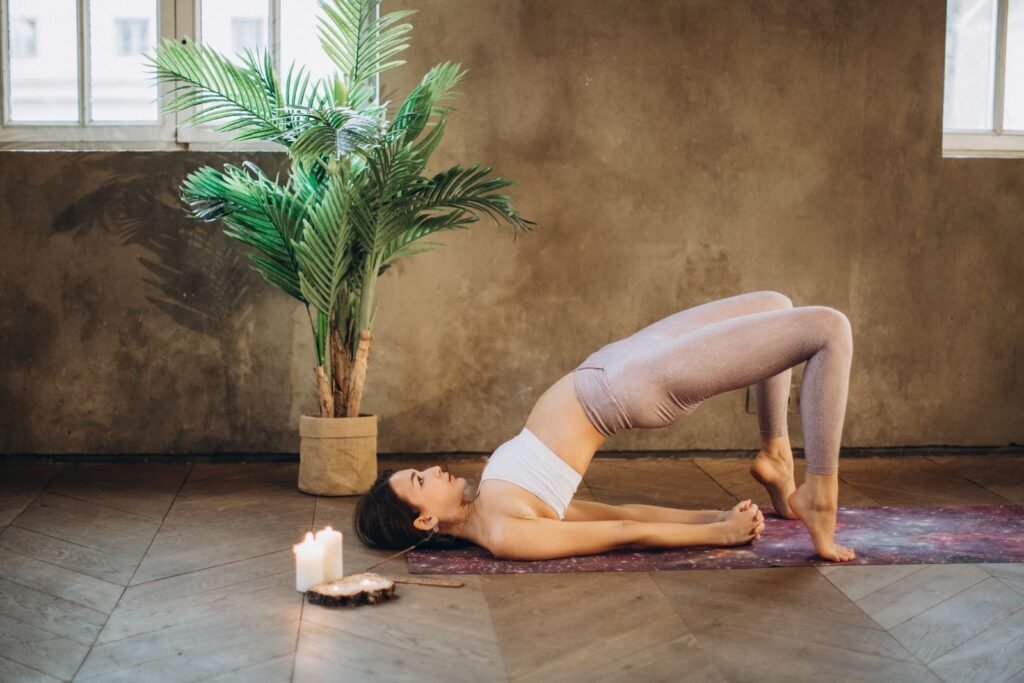
- Setu Bandhasana (Bridge Pose): opens the front of the neck and chest, counteracting the forward-curled posture of desk work.
- Balasana (Child’s Pose): passively releases the back of the neck and shoulders while calming the breath.
- Paschimottanasana (Seated Forward Bend): lengthens the entire posterior chain, including the muscles that run up into the neck.
These asanas for neck pain are typically held for 20 to 40 seconds, repeated two to three times per side where relevant, and always performed within a pain-free range of motion. Building a short sequence from this list is a natural complement to a broader yoga for beginners routine for anyone new to the practice.
Which Yoga Poses Help Neck Pain and Shoulder Pain Together?
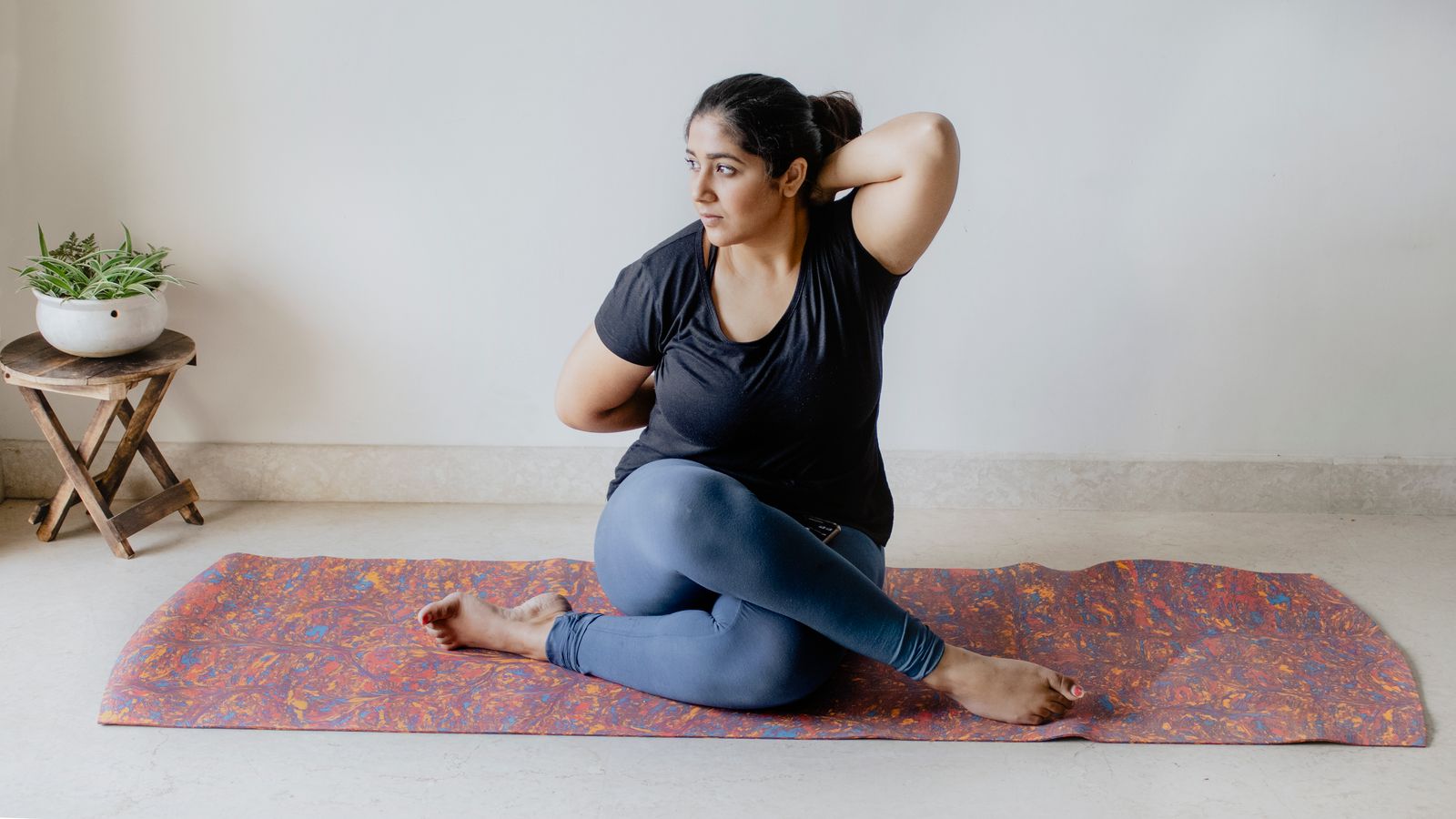
Neck pain and shoulder pain are rarely separate problems, because the trapezius and levator scapulae muscles attach to both the neck and the shoulder blade. Poses that address both at once tend to bring faster relief than isolated neck stretches alone. Gomukhasana arms, or cow face arms, involve reaching one arm overhead and bending it behind the head while the other reaches up the back, stretching the shoulder joint capsule and the side of the neck simultaneously; beginners can use a strap between the hands if they don’t yet meet. Eagle arms, or garudasana arms, wrap the arms around each other in front of the chest, pulling the shoulder blades apart and releasing tightness between them, which indirectly reduces the pull on the neck. Thread the needle deserves a second mention here too, since it is one of the few asanas that stretches the neck, shoulder, and upper back in a single position, making it a time-efficient choice for combined tightness. For desk workers, this same combined tension shows up hourly: seated neck side bends, held 20 seconds each side, seated cat-cow with hands on the knees, and shoulder blade squeezes, held five seconds for ten reps, all fit into a two-minute break and interrupt the static loading that builds up between longer stretch sessions. Pairing this with a broader yoga for weight loss routine also helps, since carrying excess tension in the upper body compounds both issues.
How Does Yoga for Back and Neck Pain Work as a Combined Routine?
Because the neck sits at the top of the spine, poses for the mid and lower back inevitably affect it too. A combined yoga for back and neck pain routine typically opens with gentle spinal warm-ups like cat-cow, moves into thoracic, or mid-back, extension poses such as sphinx pose or low cobra, and finishes with neck-specific stretches once the whole spine has loosened up. Sphinx pose in particular strengthens the muscles along the spine that support an upright head position, reducing the load the neck carries throughout the day. Anyone managing both regions at once benefits from also reviewing dedicated yoga for back pain guidance, since spinal alignment issues lower down often show up as neck symptoms higher up. The same combined approach applies to yoga for back neck pain more broadly, treating the spine as one connected system rather than two separate problems.
Can Yoga Help With Neck Pain and Headaches?
Tension-type headaches and cervicogenic headaches, meaning headaches that originate from the neck, are commonly linked to tightness in the suboccipital muscles at the base of the skull. Gentle suboccipital release, done by lying on the back with two tennis balls or a small cushion placed just under the skull’s ridge, combined with chin tucks that strengthen the deep neck flexors, is a widely used approach for this kind of head-neck tension. Chin tucks are done by gently drawing the chin straight back, not down, to create a “double chin,” holding for five seconds, and repeating ten times. Because tension headaches and neck tightness so often travel together, many people researching yoga for neck pain and headaches also benefit from the breathing and relaxation techniques covered in yoga for migraine content, since slow diaphragmatic breathing lowers overall muscular guarding in the neck and shoulders.
What Are Cervical Neck Pain Exercises in Yoga?
Cervical neck pain exercises focus specifically on the seven vertebrae of the cervical spine and the small stabilizing muscles around them, rather than the larger, more superficial muscles targeted by general shoulder stretches. Chin tucks, isometric neck presses, which means pressing the palm gently against the forehead, side of the head, or back of the head without letting the head actually move, and slow, controlled rotations within a comfortable range are the core building blocks. These are typically introduced by physiotherapists as rehabilitation exercises and have been adapted into many therapeutic yoga sequences because they build the deep stabilizing strength that passive stretching alone cannot provide. Isometric work is especially useful for anyone who feels their neck is weak rather than simply tight, since it builds endurance in the postural muscles without aggravating irritated joints.
How Often Should You Practice Neck Pain Relief Yoga?
Consistency matters more than duration for neck pain relief yoga. A focused 10 to 15 minute session performed five to six days a week produces better results than one long session on the weekend, because tight neck muscles re-shorten quickly once daily habits like phone use and desk work resume. Most people practicing a beginner-friendly routine notice reduced morning stiffness within one to two weeks and a more lasting change in resting muscle tension after four to six weeks of regular practice. Pairing a short daily neck routine with a broader weekly practice, such as sessions built around hatha yoga or restorative yoga, tends to sustain the improvement rather than letting it plateau.
What Yoga Poses for Neck Pain Should Beginners Avoid?
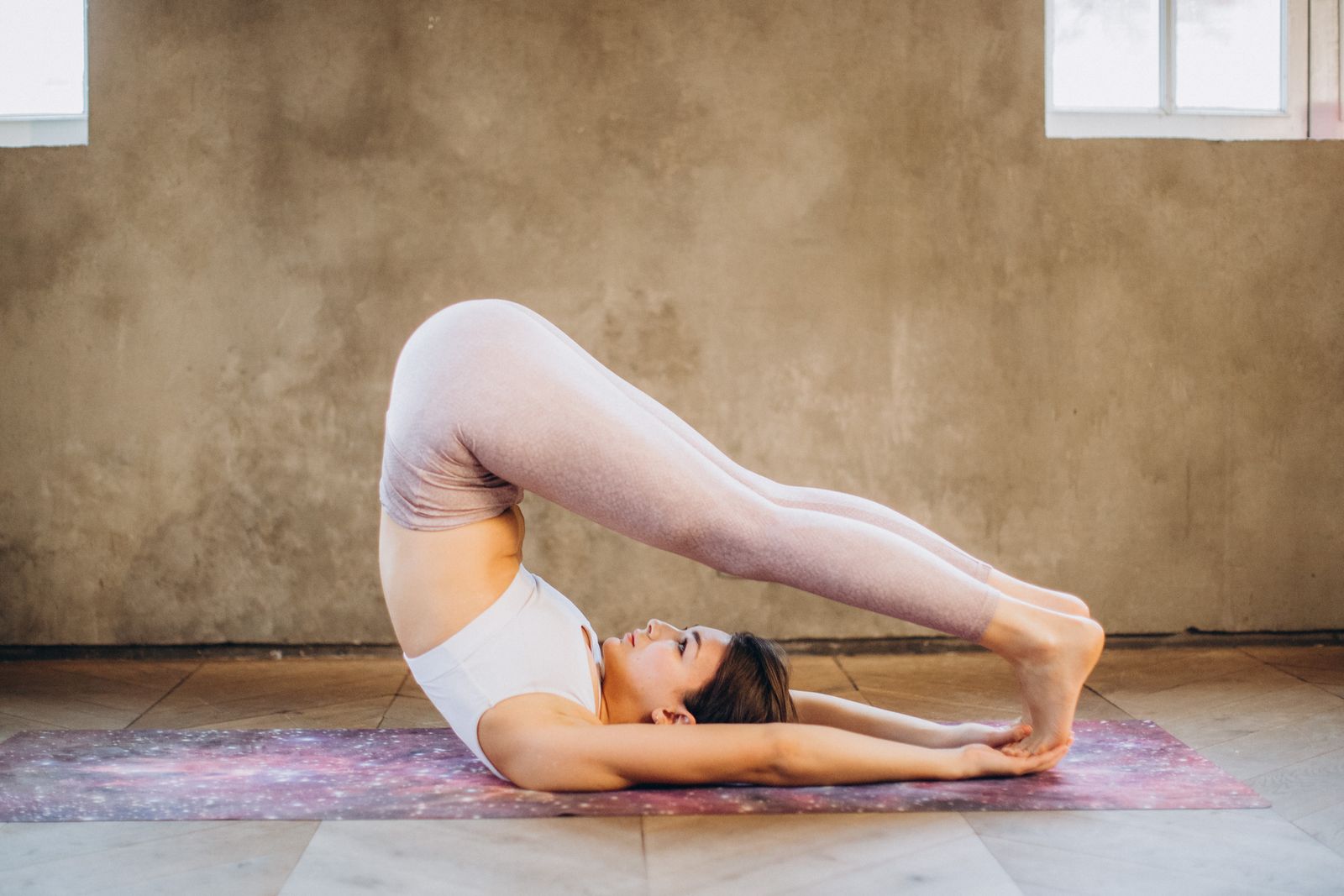
Certain poses and movements can aggravate rather than relieve neck pain, especially for beginners. Full head rolls that tip the head backward compress the cervical facet joints and are best replaced with half-circles that stay in front of the shoulders. Deep backbends such as full wheel pose or unsupported shoulder stands place significant load or compression on the cervical spine and should be avoided or heavily modified until a qualified teacher has assessed individual mobility. Forcing a stretch to the point of sharp, shooting, or radiating pain, as opposed to a mild pulling sensation, is a signal to stop immediately, since this can indicate nerve involvement rather than simple muscle tightness. Beginners are generally better served starting with gentle, well-supported styles; those newer to the practice altogether may want to first review the different types of yoga to find a style suited to a sensitive neck before progressing to more advanced sequences.
How Does Posture Correction Support Yoga for Neck Pain?
Even the best yoga poses for neck pain lose much of their benefit if forward-head posture returns the moment the mat is rolled up. Ergonomic adjustments, including raising a laptop screen to eye level, keeping the phone at chest height instead of in the lap, and adjusting a car headrest for support, reduce the constant re-tightening that undoes a morning stretch by mid-afternoon. Strengthening the upper back extensors through poses like locust pose and supported bridge helps hold the shoulders in a more neutral position throughout the day, which in turn keeps the neck stacked over the spine rather than jutting forward. This is one reason a broader practice that includes core and back strengthening, such as vinyasa yoga, complements a neck-specific routine rather than replacing it.
Can Online Yoga Classes Help With Neck Pain?
Guided, real-time instruction is particularly valuable for neck work because small alignment errors, such as rounding the shoulders, tipping the head too far back, or holding tension in the jaw, are easy to miss without a trained eye watching. Online yoga classes allow an instructor to see and correct these habits through a camera in the same way an in-person class would, while still fitting around a work schedule or home routine. This is especially relevant for anyone combining neck-focused work with broader goals, since the same live-feedback model used for online yoga for stress relief or online yoga for mental wellness applies just as well to physical alignment corrections for a stiff or painful neck.
How Do You Build a Complete Neck Pain Yoga Routine?
A well-rounded routine moves from general warm-up to targeted stretching to strengthening, in that order. Start with two to three minutes of cat-cow and gentle neck half-circles to increase blood flow. Follow with three to four minutes of targeted stretches, including thread the needle, seated side neck stretch, and cow face arms, holding each for 20 to 30 seconds per side. Close with three to four minutes of strengthening work, including chin tucks and shoulder blade squeezes, followed by one to two minutes in child’s pose or a supported reclined position to let the nervous system settle. This 10 to 15 minute sequence can be done first thing in the morning, during a lunch break, or before bed, and it fits naturally alongside a broader practice like yin yoga or gentle yoga for those wanting a longer session on some days.
When Should Neck Pain Be Treated by a Doctor Instead of Yoga?
Yoga is well suited to muscular tension and stiffness, but certain warning signs call for medical evaluation before starting any exercise routine. These include numbness or tingling radiating down an arm, weakness in the hand or grip, neck pain following a fall or accident, pain that wakes a person from sleep, or a fever accompanying neck stiffness. Persistent pain that does not improve after two to three weeks of consistent, gentle practice is also worth discussing with a doctor or physiotherapist, since it may point to a structural issue such as a herniated disc or facet joint irritation that needs a different treatment approach than general stretching. Yoga also fits alongside physiotherapy and massage rather than replacing them, adding an active strengthening component through isometric holds that passive treatments don’t provide; the same circulation-focused reasoning behind gentle inversions in yoga for varicose veins applies just as well to easing tension in the neck.
Questions People Ask About Yoga for Neck Pain
Can yoga make neck pain worse?
Yoga can worsen neck pain if poses are forced beyond a comfortable range, especially full head rolls or unsupported backbends. Sharp or radiating pain during a stretch is a signal to stop immediately. Gentle, slow movement within a pain-free range, guided by breath, is very unlikely to cause harm and is the standard approach recommended in most beginner-friendly routines.
How long does it take for yoga to relieve neck pain?
Many people notice reduced morning stiffness within one to two weeks of daily practice, while deeper, more lasting changes in resting muscle tension typically take four to six weeks of consistent effort. Results depend heavily on consistency, posture habits during the rest of the day, and whether the underlying cause is muscular tension rather than a structural issue.
Is it better to do yoga in the morning or evening for neck pain?
Both work, and the better time is whichever one a person will actually do consistently. Morning practice loosens overnight stiffness before the day’s posture habits set in, while evening practice releases tension accumulated from desk work or screen time. Some people benefit most from a short two-minute reset at midday, when stiffness from sitting tends to peak.
Do I need special equipment for neck pain yoga?
No special equipment is required. A yoga mat adds comfort for floor-based poses, and a folded blanket or bolster can support the head during restorative positions like supported bridge. A strap is useful for beginners who cannot yet clasp their hands behind the back in poses like cow face arms.
Can beginners do yoga for neck pain without prior experience?
Yes. Most of the core poses, including neck rolls, cat-cow, child’s pose, and chin tucks, require no prior flexibility or yoga background and can be done safely by complete beginners. Starting with a guided class or video helps ensure correct alignment, particularly around avoiding backward head tilts and forcing a stretch too far.
Try This for Yourself
A short, guided routine makes it far easier to feel real relief without guessing at alignment on your own. Book an online yoga class with FitStrot and work through a neck-focused sequence with a live instructor who can correct your form in real time and adapt the poses to your specific pain pattern.
Related reading: yoga for back pain, yoga for migraine, yoga for varicose veins, yoga for weight loss, and FitStrot’s online yoga classes.