Yoga for anaemia works as a supportive practice, not a cure: gentle, well-sequenced asana, pranayama, and restorative poses can improve circulation, ease fatigue-related tension, support digestion (which affects iron absorption), and calm the nervous system, but they do not replace medical treatment for low haemoglobin or iron deficiency. If you have been diagnosed with anaemia, yoga is best used alongside your doctor’s care plan, iron-rich nutrition, and any prescribed supplements, with an emphasis on gentle, grounding, inversion-friendly sequences rather than intense or fast-paced practices that can trigger dizziness or breathlessness.
What Is Anaemia and Why Does It Cause Fatigue?
Anaemia is a condition in which the blood lacks enough healthy red blood cells or haemoglobin to carry adequate oxygen to the body’s tissues. The most common form worldwide is iron-deficiency anaemia, which develops when the body doesn’t have enough iron to produce haemoglobin. Other forms are linked to vitamin B12 or folate deficiency, chronic disease, or genetic blood disorders. Because oxygen delivery is reduced, people with anaemia commonly experience fatigue, pale skin, shortness of breath, dizziness, cold hands and feet, brittle nails, and difficulty concentrating. Understanding this root cause matters because it explains why yoga for anaemia focuses so heavily on gentle movement, breath awareness, and rest rather than high-intensity training that the body may not have the oxygen reserves to support.
Can Yoga Actually Help With Anaemia?
Yoga cannot manufacture iron or haemoglobin, and it should never be treated as a substitute for treating a diagnosed deficiency. What a thoughtful practice can do is support the conditions that help your body function better while you address the underlying cause. Gentle yoga is commonly cited as a way to improve circulation, encourage diaphragmatic breathing that increases oxygen uptake, reduce stress hormones that can interfere with digestion and nutrient absorption, and support better sleep, which is often disrupted by anaemia-related restlessness. Some small studies and traditional wellness sources suggest that a regular gentle yoga and pranayama routine may help people with mild anaemia feel more energised and less fatigued over time, though this should be seen as a complementary tool rather than a proven medical treatment. Always loop in your physician before starting any new movement routine if your haemoglobin levels are significantly low.
Which Yoga Poses Are Best for Anaemia?
The most useful poses for anaemia are the ones that gently stimulate circulation, encourage relaxation, and avoid sudden changes in blood pressure or position. A well-rounded sequence typically includes:
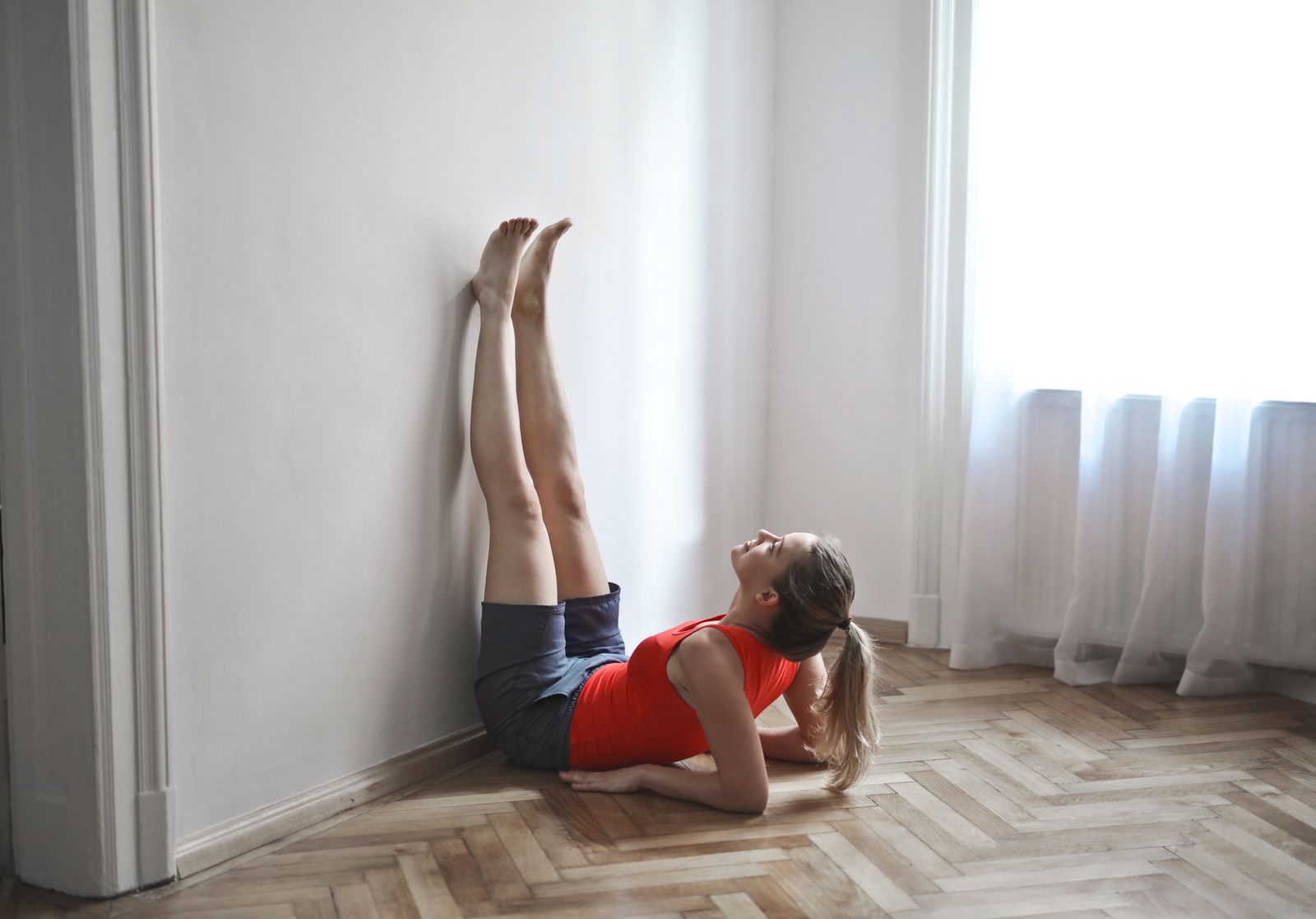
- Viparita Karani (Legs-Up-the-Wall Pose): A restorative inversion that encourages venous blood flow back toward the heart and is often recommended for fatigue and low energy.
- Balasana (Child’s Pose): A calming forward fold that eases tension in the back and shoulders while promoting slow, deep breathing.
- Supta Baddha Konasana (Reclining Bound Angle Pose): A gentle hip-opener performed lying down, useful for relaxation without strain.
- Paschimottanasana (Seated Forward Bend): A mild forward fold that can support digestion, which plays a role in nutrient and iron absorption.
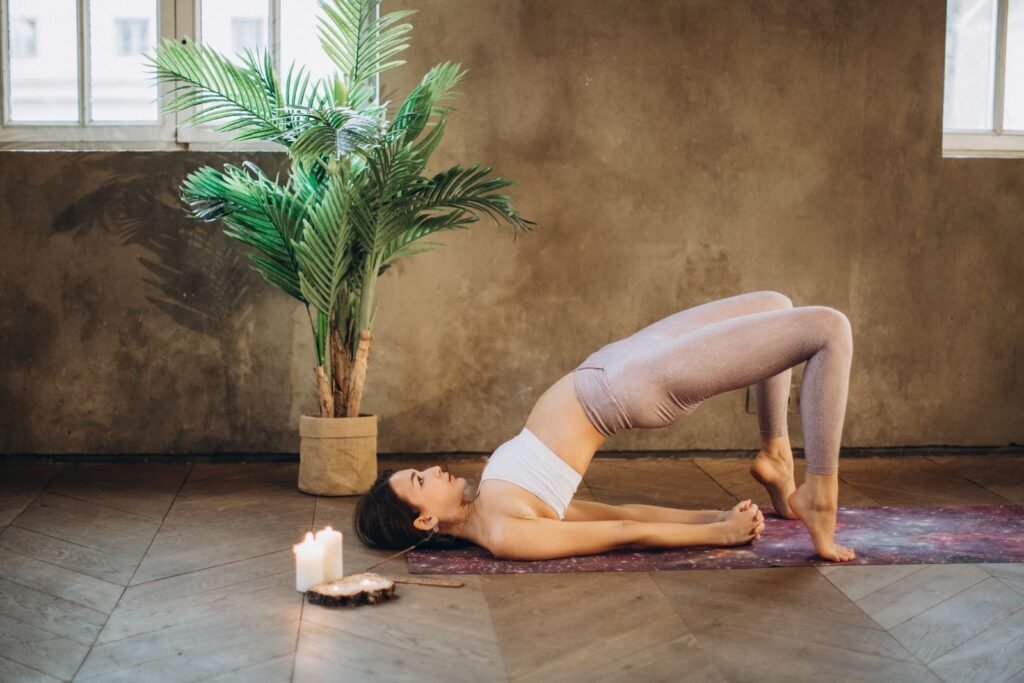
- Setu Bandhasana (Bridge Pose): A gentle backbend that opens the chest for fuller, easier breathing.
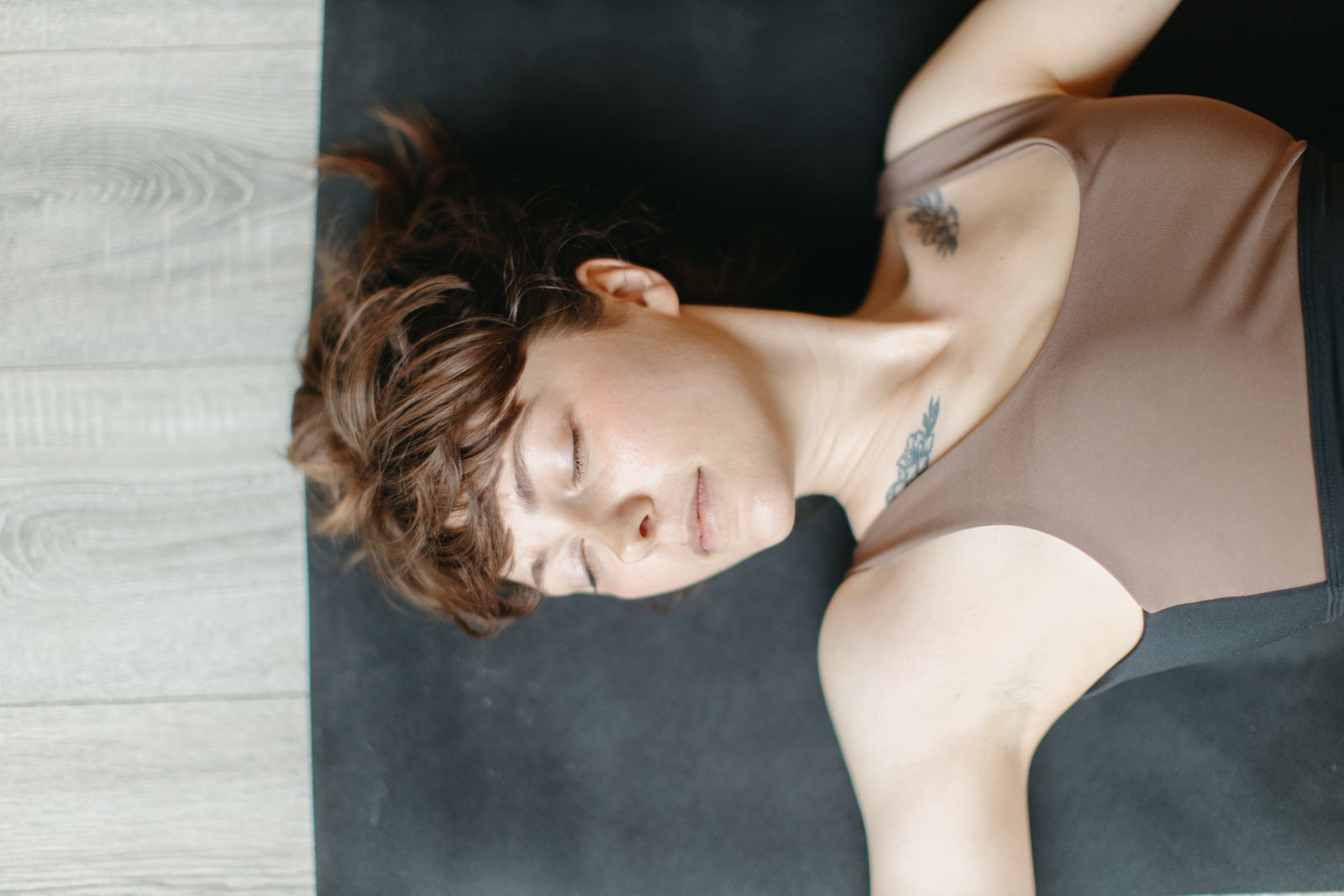
- Savasana (Corpse Pose): A final relaxation pose that allows the nervous system to settle after practice.
These poses are typically held longer and moved into slowly, in contrast to the fast-paced flows found in vinyasa yoga, which may be too demanding for someone dealing with fatigue or breathlessness. If you want a deeper library of gentle postures to draw from, it’s worth browsing a broader guide to restorative yoga poses and yoga for beginners before building your own routine.
Which Yoga Poses Should Be Avoided With Anaemia?
Because anaemia reduces the blood’s oxygen-carrying capacity, certain categories of poses can worsen symptoms like dizziness, lightheadedness, or a racing heart. It’s generally sensible to be cautious with:
- Fast, sudden inversions such as headstand or shoulder stand attempted without gradual buildup, since rapid changes in blood flow to the head can cause dizziness in someone with low haemoglobin.
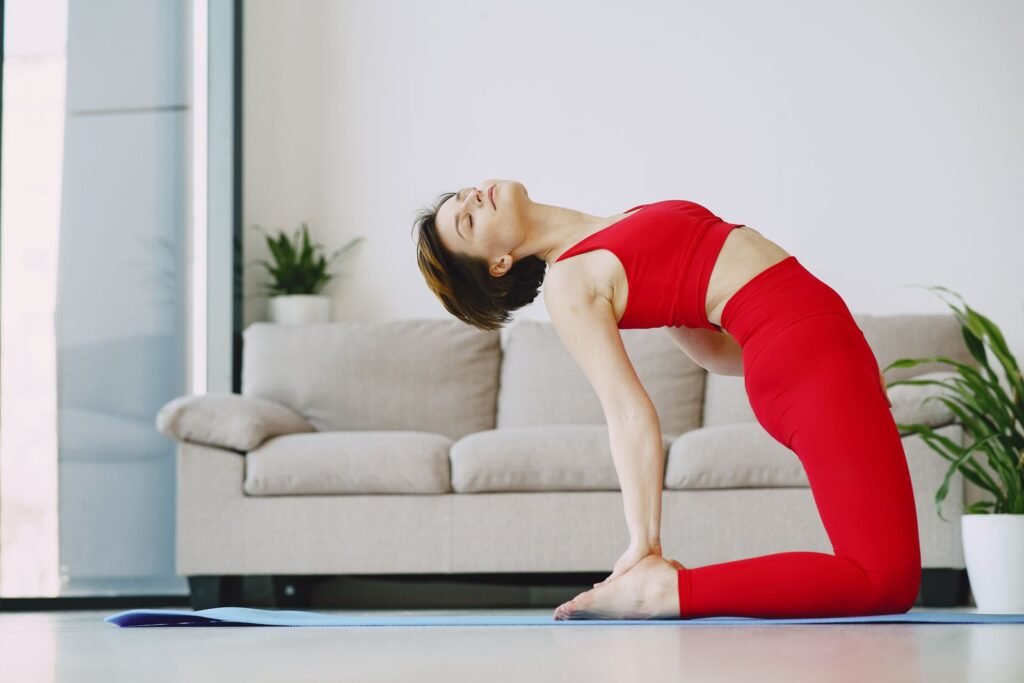
- Intense backbends like full wheel pose, which demand significant cardiovascular effort.
- Rapid, forceful breathing techniques such as vigorous Kapalabhati (skull-shining breath), which can feel overstimulating when the body is already low on oxygen-carrying capacity.
- Long, held standing balances that require sustained exertion without rest breaks.
If you feel dizzy, short of breath, or your heart races unusually during practice, stop and rest in a seated or lying position immediately, and mention the episode to your doctor. The same caution applies to any advanced yoga poses for flexibility that require sustained balance or deep exertion.
How Does Pranayama (Breathwork) Support People With Anaemia?
Pranayama, the yogic practice of breath control, is often considered one of the gentlest and most valuable tools for people managing anaemia because it works directly with the oxygen delivery system without demanding physical exertion. Slow diaphragmatic breathing encourages fuller use of the lungs, which can help the body make the most of the oxygen it does have. Nadi Shodhana (alternate nostril breathing), practiced slowly and without breath retention, is commonly recommended for its calming, balancing effect on the nervous system. Ujjayi breath, a slightly audible, ocean-like breath used throughout many yoga styles, can help you stay present and steady during a restorative practice. Because these techniques are low-exertion, they pair well with practices you might already be exploring for other goals, including yoga for thyroid support or general stress management. If breathwork is new to you, a dedicated primer on pranayama breathing techniques is a useful next step.
What Is the Best Time and Frequency to Practice Yoga for Anaemia?
Consistency matters more than intensity when using yoga to support anaemia recovery. Many practitioners find that a gentle 20-30 minute session, 4-5 times a week, is more sustainable and effective than occasional long, demanding classes. Morning practice can help set an energised tone for the day, particularly when paired with a nutritious, iron-supportive breakfast, while an evening practice focused on restorative poses can help calm the nervous system before sleep. On days when fatigue is significant, even 10 minutes of Legs-Up-the-Wall Pose and slow breathing can be more beneficial than pushing through a full class. Listening to your body’s energy levels day to day is a core principle of using yoga as a supportive tool for any chronic health condition.
How Does Yoga Support Better Iron Absorption?
Iron absorption is closely tied to digestive health, and chronic stress is known to divert blood flow and energy away from the digestive system. Gentle twists, forward folds, and abdominal-engaging poses are commonly said to stimulate the digestive organs and may support more efficient nutrient uptake, though this effect is modest compared to dietary changes. Combining a calming yoga practice with iron-rich foods (such as leafy greens, legumes, and lean proteins) and vitamin C sources that enhance non-heme iron absorption tends to be more effective than yoga or diet alone. Reducing stress through yoga may also indirectly support better eating habits and digestion, since chronic stress is often linked to appetite changes and gut discomfort.
Can Yoga Help With the Fatigue and Brain Fog of Anaemia?
Fatigue and difficulty concentrating are among the most disruptive symptoms of anaemia, and yoga’s combination of movement, breath, and rest is often used to address both. Restorative poses like Child’s Pose and Legs-Up-the-Wall Pose allow the body to conserve energy while still engaging in gentle circulation-supporting movement. Meditation and mindful breathing can help counter the mental fog that often accompanies low oxygen delivery to the brain by encouraging slower, more intentional focus. Building rest breaks into your day using short yoga nidra (yogic sleep) sessions can also be a practical way to recharge without the demands of a full workout, and many people find this more sustainable than trying to push through fatigue with willpower alone. If brain fog and low energy are recurring struggles, it may also help to read about yoga for mental health and yoga nidra benefits for a fuller picture of how rest-based practices support cognitive clarity.
Is Yoga Safe During Pregnancy-Related Anaemia?
Anaemia is common during pregnancy due to increased blood volume and the growing demands of the foetus, and many pregnant people look to gentle yoga for relief from the associated fatigue. Prenatal-modified restorative poses, supported reclining postures, and slow breathing are generally considered appropriate, but any yoga practice during pregnancy-related anaemia should be guided by a prenatal-certified instructor and cleared by your obstetrician first. Deep twists, poses lying flat on the back after the first trimester, and any pose that causes strain or breathlessness should be avoided. If you are exploring wellness routines around pregnancy or postpartum recovery, it’s worth researching how gentle movement fits alongside other health goals, similar to how people research yoga for PCOS or hormonal balance more broadly. A dedicated guide to prenatal yoga is a good companion resource if you are pregnant and managing anaemia at the same time.
How Does Yoga for Anaemia Compare to Other Gentle Fitness Options?
Not every form of movement is equally appropriate when you’re managing low haemoglobin. Compared to higher-intensity cardio, gentle yoga allows you to control exertion precisely and rest the moment you feel symptoms building. If you’re also managing weight goals alongside anaemia, it’s worth understanding how yoga for weight loss is typically approached with lower-intensity, longer-duration practices rather than high-intensity interval formats, since the same gentler philosophy applies well to anaemia recovery. The key is choosing a format that meets your current energy capacity rather than pushing toward an intensity level your blood oxygen levels can’t yet support.
What Yoga Styles Are Most Appropriate for Anaemia?
Among the many types of yoga, some are far better suited to anaemia recovery than others. Restorative yoga, which uses props like bolsters and blankets to fully support the body in passive poses, is often considered ideal because it requires almost no exertion while still offering gentle stretching and relaxation. Hatha yoga, practiced slowly with plenty of rest between poses, is another accessible option for beginners or those with lower energy. Yin yoga, which holds passive poses for several minutes at a time, can be calming, though its long holds in certain positions may need modification if you feel lightheaded. More vigorous styles like Ashtanga yoga or Power Yoga are generally best set aside until your haemoglobin levels have improved and your doctor confirms you can handle more exertion.
How Does Yoga Fit Into a Broader Anaemia Management Plan?
Yoga works best as one part of a coordinated plan rather than a standalone treatment. A typical management approach includes medical diagnosis and monitoring of haemoglobin and ferritin levels, dietary changes to increase iron, B12, or folate intake depending on the type of anaemia, supplementation if prescribed by a doctor, and gentle movement like yoga to support circulation, digestion, and stress reduction. It is a supportive wellness practice with cautiously encouraging anecdotal and preliminary evidence, not a replacement for iron supplementation or treatment of an underlying condition like heavy menstrual bleeding, gastrointestinal blood loss, or a chronic disease driving the anaemia.
How Can Beginners Start a Safe Yoga Practice for Anaemia?
If you’re new to yoga and managing anaemia, starting slowly and safely matters more than covering a lot of ground quickly. Begin with short 10-15 minute sessions focused entirely on restorative poses and slow breathing, ideally under the guidance of an instructor who knows your health history. Avoid practicing on an empty stomach if you tend to feel faint, and keep water nearby. Build up gradually to 20-30 minute sessions as your energy allows, and always include a few minutes of Savasana at the end to let your nervous system fully settle. Structured online classes can be particularly useful here because you can pause, modify, or stop at any point without the self-consciousness some people feel in a studio setting, and an instructor can suggest modifications suited to fatigue or low blood pressure. Reading a general beginner’s guide to yoga alongside this article can help you understand foundational terms and etiquette before your first session.
How Does Yoga for Anaemia Relate to Other Chronic Condition Support Practices?
Anaemia often overlaps with, or is complicated by, other chronic health conditions, which is why many people researching yoga for one issue end up exploring related topics. For example, thyroid disorders can contribute to fatigue and anaemia-like symptoms, which is why people often also look into yoga for thyroid health. Hormonal conditions such as PCOS can be linked to heavy or irregular periods, a common cause of iron-deficiency anaemia in women, making yoga for PCOS a relevant complementary read. Circulatory and energy-related concerns also come up in searches for yoga for erectile dysfunction, since both conditions involve improving blood flow and reducing stress-related strain on the body. Exploring these overlapping topics can help you build a more complete, whole-body wellness routine rather than treating each symptom in isolation. Persistent fatigue is also a common thread in searches for yoga for diabetes and yoga for high blood pressure, two other chronic conditions where gentle, consistent movement is generally favoured over intense training.
What Lifestyle Habits Pair Well With Yoga for Anaemia?
Yoga tends to be most effective when it’s part of a broader lifestyle approach. Prioritising 7-9 hours of quality sleep supports red blood cell production and overall recovery, while staying well-hydrated supports healthy blood volume and circulation. Pairing iron-rich meals with vitamin C sources, such as citrus fruit or bell peppers, is commonly recommended to enhance non-heme iron absorption from plant foods, while avoiding tea or coffee immediately around iron-rich meals is often suggested since tannins can inhibit iron absorption. Gentle daily movement and stress management through practices like meditation or the broader benefits of yoga work together to support your body’s recovery alongside any medical treatment you’re receiving.
Questions People Ask About Yoga for Anaemia
Can yoga cure anaemia on its own?
No. Yoga cannot replace the iron, vitamin B12, or folate your body needs to produce healthy red blood cells, and it cannot treat underlying causes like heavy bleeding or absorption disorders. It can be a helpful complementary practice for circulation, stress relief, and energy management, but a diagnosed deficiency needs medical treatment, dietary changes, and possibly supplementation alongside any yoga practice.
Is Surya Namaskar (Sun Salutation) safe for people with anaemia?
It depends on severity and how you feel. A slow, modified Sun Salutation with rest between rounds may be tolerable for mild anaemia, but the flowing, faster-paced version can be too demanding if you experience dizziness or breathlessness easily. Start with restorative poses first and only introduce gentle Sun Salutations once your doctor confirms your energy levels can support it.
How soon might someone notice a difference from practicing yoga for anaemia?
Many people report feeling calmer and less fatigued within a few weeks of consistent gentle practice, though this varies widely by individual and by how the underlying anaemia is being medically managed. Any improvement in energy from yoga should be seen as complementary to, not a replacement for, the timeline your doctor gives you for haemoglobin levels to recover with proper treatment.
Should I avoid yoga entirely if my anaemia is severe?
If your anaemia is severe or your doctor has advised rest, it’s important to follow that guidance closely. In such cases, only very gentle, doctor-approved movement like short restorative sessions or breathing exercises done lying down may be appropriate, and even these should be discussed with your healthcare provider before starting.
Can breathing exercises alone help if I can’t do physical poses?
Yes, pranayama can be practiced seated or lying down and requires far less physical exertion than asana. Slow diaphragmatic breathing and gentle alternate nostril breathing are often used on their own during periods of significant fatigue, offering a way to stay engaged with a calming practice without the physical demands of full poses.
Does yoga help with the dizziness that can come with anaemia?
Gentle, slow-paced yoga that avoids sudden position changes may help some people feel steadier by improving body awareness and encouraging controlled movement. However, if dizziness is a frequent symptom, it should be evaluated by a doctor, and any yoga practice should avoid quick transitions, deep inversions, or standing balance poses until the underlying cause is addressed.
Try This for Yourself
If you’re managing anaemia and want a gentle, guided way to build circulation-friendly, energy-conscious movement into your week, explore FitStrot’s online yoga classes, where instructors can help you modify poses to match your energy levels and health needs.
Related reading: Yoga for Weight Loss, Yoga for Thyroid, Yoga for PCOS, Yoga for Erectile Dysfunction, and explore FitStrot’s online yoga classes to get started with a personalised practice.