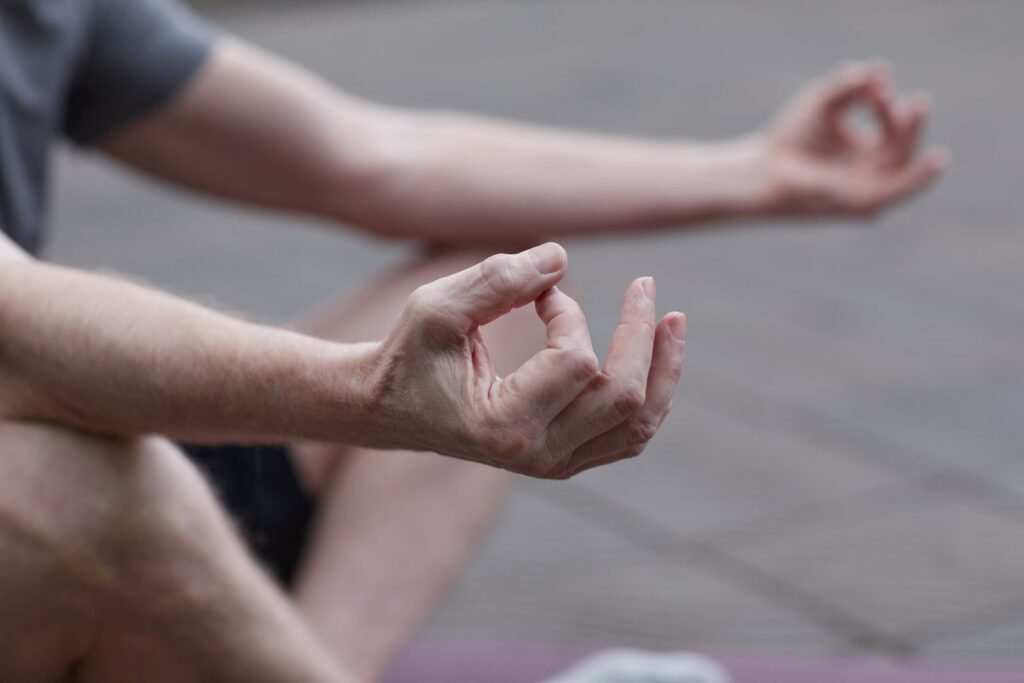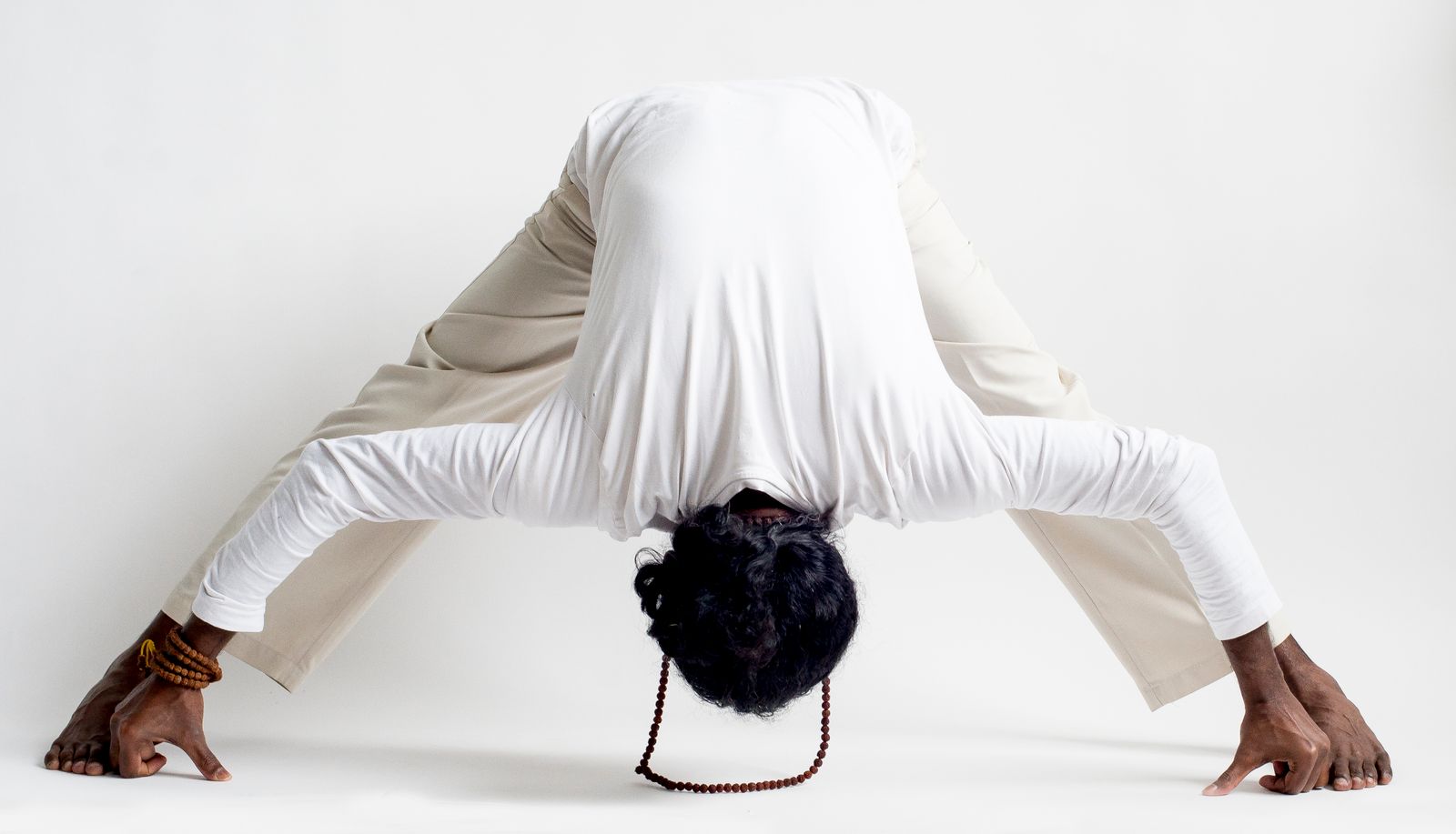
Saucha (pronounced “shau-cha,” from the Sanskrit शौच) means purity or cleanliness, and it is the first of the five niyamas in Patanjali’s eight-limbed yoga path outlined in the Yoga Sutras. Saucha asks practitioners to cultivate cleanliness on three levels at once: physical (a clean body and clean surroundings), mental (clear, uncluttered thinking), and spiritual (an inner sense of clarity that isn’t clouded by ego or attachment). It’s less about scrubbing floors and more about removing whatever separates you from your clearest, calmest self. In practical terms, saucha shows up as a tidy yoga space, a wholesome diet, honest self-reflection, and a mind free of unnecessary mental clutter.
What Does Saucha Actually Mean in Yoga Philosophy?
Saucha sits within the niyamas, the second limb of Ashtanga yoga, which governs personal observances and self-discipline. While the yamas (the first limb, which includes ahimsa and satya) describe how we relate to the world around us, the niyamas turn the lens inward, describing how we relate to ourselves. Saucha is commonly translated as “purity” or “cleanliness,” but the Sanskrit root carries a broader sense of clearing away impurity so that something truer can be seen. Think of it as wiping a foggy window rather than building a new one — the clarity was always there, waiting underneath the grime.
In the traditional texts, saucha isn’t presented as an isolated virtue. It works together with the other niyamas — santosha (contentment), tapas (disciplined effort), svadhyaya (self-study), and Ishvara pranidhana (surrender to something greater) — to prepare the practitioner for the deeper stages of yoga: concentration, meditation, and ultimately samadhi. Without a reasonably clean body, clear mind, and orderly life, those subtler states of awareness are much harder to access.
How Does Saucha Connect to the Yamas and Niyamas?
The yamas and niyamas together form the ethical foundation of classical yoga, long before any physical posture is introduced. The five yamas — ahimsa (non-harming), satya (truthfulness), asteya (non-stealing), brahmacharya (energy moderation), and aparigraha (non-attachment) — are restraints that shape how we act toward others. The five niyamas, starting with saucha, are observances that shape how we treat ourselves.
This ordering matters. Many teachers explain that you cannot fully cultivate inner purity while still causing harm, lying, or grasping outward. Saucha, in this sense, is the natural next step once the yamas have settled the practitioner’s outward conduct — it turns attention inward and asks, “Now that I’ve cleaned up how I treat others, how do I clean up myself?” This progression is part of why the eight limbs are traditionally studied and practiced as a sequence rather than a checklist of unrelated ideas.
What Are the Three Dimensions of Saucha?
Most teachers of yoga philosophy break saucha into three interconnected dimensions. Understanding all three keeps the concept from being reduced to a to-do list about tidiness.
Physical Purity (Bahya Saucha)
This is the most literal layer: keeping the body clean through bathing, oral hygiene, and grooming; eating foods that nourish rather than dull the system; and keeping your immediate environment — your home, your yoga mat, your workspace — free of unnecessary clutter. In many traditional yoga schools, physical saucha also includes practices like the shatkarmas (internal cleansing techniques used in hatha yoga), though these are more specialized and typically taught under direct guidance.
Mental Purity (Antar Saucha)
Mental saucha is about clearing the mind of unnecessary noise: repetitive negative thought loops, envy, resentment, and the low-grade static of comparison and distraction. This is where saucha overlaps closely with concepts like santosha (contentment) — a mind that isn’t constantly grasping for more is naturally calmer and clearer.
Spiritual or Emotional Purity
The deepest layer of saucha concerns emotional honesty and freedom from ego-driven distortion. It asks whether your inner motivations are clean — free from manipulation, hidden agendas, or self-deception — so that your actions and self-understanding align.
Why Does Saucha Matter in a Modern Yoga Practice?
It’s tempting to treat saucha as a quaint, ancient idea that doesn’t map onto modern life, but the opposite tends to be true. Digital clutter, decision fatigue, and constant sensory input are, in many ways, the 21st-century version of the “impurities” saucha addresses. A cluttered inbox, an overstuffed closet, or an endless scroll of notifications can create the same mental fog that unclean surroundings created for practitioners centuries ago.
Practicing saucha today often means auditing what you consume — not just food, but media, conversations, and commitments — and removing what leaves you feeling foggier rather than clearer. This is one reason saucha is frequently introduced early in beginner-friendly online yoga for stress relief programs: a decluttered practice space and a decluttered mind reinforce each other.
How Do You Practice Physical Saucha on the Mat?
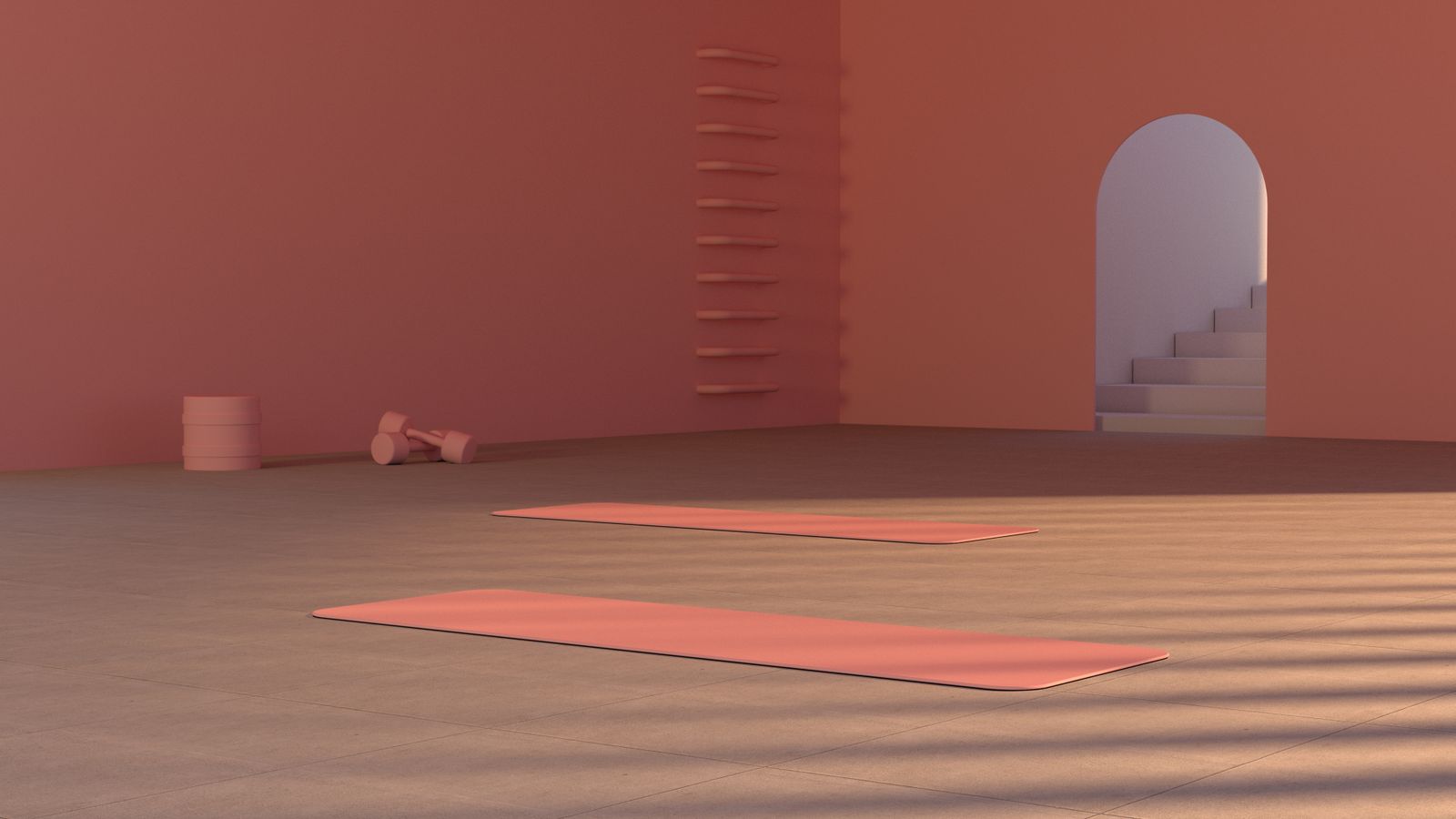
On a practical level, physical saucha starts with the basics: a clean, well-ventilated space to practice in, a mat that’s regularly wiped down, and clothing that’s fresh rather than worn repeatedly without washing. Many teachers also connect saucha to the way a practitioner cares for their body through yoga for back pain relief, gentle detoxifying sequences, and restorative practices that support the body’s natural systems rather than straining them.
Saucha also shows up in how a practice is sequenced. A cluttered, rushed practice with no clear structure works against the spirit of saucha, while a clean, well-organized sequence — whether it’s a vinyasa yoga flow or a slower hatha yoga session — supports it. This is part of why structured, well-taught classes matter: they remove the mental clutter of “what do I do next?” so the practitioner can focus on clarity of movement and breath.
How Do You Practice Mental Saucha Off the Mat?
Mental saucha is arguably the harder half of the practice because it can’t be scrubbed away with soap and water. It requires ongoing attention. Common approaches include:
- Journaling to externalize repetitive or looping thoughts
- Practicing meditation for beginners to build the capacity to notice mental clutter as it arises
- Limiting multitasking, which fragments attention and leaves the mind feeling scattered
- Reducing exposure to content or relationships that consistently leave you feeling anxious, envious, or drained
Pranayama, or yogic breathing, is also frequently taught as a direct tool for mental saucha. Practices like pranayama breathing techniques are traditionally described as clearing the nadis (subtle energy channels), which in more modern, embodied terms translates to a calmer nervous system and a less reactive mind.
What Is the Difference Between Saucha and Tapas?
Saucha and tapas are often taught back-to-back because they’re easy to conflate, but they describe different things. Saucha is about clearing away what doesn’t serve you — impurity, clutter, distraction. Tapas is about the disciplined effort and “heat” required to sustain a practice over time — showing up consistently, working through resistance, and building inner fire.
You can think of saucha as the clearing and tapas as the building. A clean, uncluttered space (saucha) makes it easier to do the disciplined work (tapas) of showing up on the mat every day, but the two are not identical. Saucha without tapas can become passive; tapas without saucha can become rigid or joyless. The niyamas are designed to work as a set, not as isolated virtues.
How Is Saucha Different From Physical Hygiene Alone?
A common misconception is that saucha is simply the yogic word for hygiene. While hygiene is part of it, saucha is broader and more integrated. Washing your hands is hygiene; doing so with attention, without resentment or rush, and as part of a broader commitment to a clear mind and clean surroundings, is saucha. The distinction matters because it shifts saucha from a hygiene checklist into a lived attitude — one that touches diet, relationships, thought patterns, and even how you speak, echoing the emphasis on truthful, clean communication found in satya.
How Does Saucha Relate to Diet and Food Choices?
Traditional yoga texts often link saucha to sattvic eating — food that is fresh, simple, and easy for the body to process, as opposed to food that is heavy, overly processed, or stimulating in excess. This isn’t about strict rules or deprivation; it’s about noticing which foods leave you feeling clear and energized versus sluggish and foggy.
Many modern practitioners apply this same lens to hydration, sleep, and screen time, since all three directly affect mental clarity. This whole-lifestyle view of purity is part of why yoga philosophy is often described as a complete way of living rather than a form of exercise, and it’s a theme explored at length in texts like the Bhagavad Gita and yoga tradition, where sattvic (pure), rajasic (agitated), and tamasic (dull) qualities are described as underlying not just food, but action, thought, and speech.
What Role Does Saucha Play in Meditation and Concentration?
Patanjali’s Yoga Sutras describe saucha as producing, among other things, a disinterest in interaction with the bodies of others (a form of clear boundary-setting) and a natural readiness for concentration and the eventual “purity” of the mind needed for meditation. In plain terms: a mind cluttered with grudges, distractions, and unprocessed emotion struggles to sit still. A mind that has done the work of saucha finds stillness far more accessible.
This is one reason saucha is often introduced before more advanced concentration practices in structured yoga curriculums, and why teachers pair it with grounding practices like yoga nidra or slow, breath-led restorative yoga to help students experience mental clarity directly rather than just as a concept.
Can Saucha Be Practiced Without a Physical Yoga Practice?
Yes. Saucha is a niyama, not a posture, so it doesn’t require any particular physical ability or flexibility. Someone recovering from an injury, managing a chronic condition, or simply new to yoga can practice saucha fully through decluttering their living space, choosing nourishing foods, journaling to clear mental noise, and being emotionally honest with themselves and others. This is part of why saucha is frequently taught in yoga for seniors and gentle beginner programs, where the physical intensity is lower but the philosophical depth is exactly the same as in a more vigorous practice.
How Do Teachers Introduce Saucha to Beginners?
Because saucha can sound abstract, most teachers introduce it through small, concrete actions rather than abstract instruction. Common starting points include asking students to clean and roll their mat mindfully after each class, keep a simple gratitude or clarity journal, or take one short daily period of screen-free quiet. These small rituals build the habit of noticing what feels “clean” versus “cluttered,” which is the real skill saucha is trying to develop — not a fixed standard of cleanliness, but an ongoing sensitivity to it.
In group settings, this is often layered into the broader ethical framework of the class alongside ahimsa (treating your body without harm or judgment during practice) and brahmacharya (using your energy wisely rather than depleting it), so that students experience the niyamas as a connected whole rather than five separate rules to memorize.
Questions People Ask About Saucha
Is saucha just about being physically clean?
No. Physical cleanliness is one layer of saucha, but the concept also includes mental clarity (a mind free of unnecessary clutter and negative loops) and emotional or spiritual honesty. Traditional teachings treat all three as connected — a cluttered environment often reinforces a cluttered mind, and vice versa, so saucha is practiced on all levels together rather than through hygiene alone.
What is the opposite of saucha?
The opposite of saucha is often described as ashaucha, or impurity, which shows up as physical uncleanliness, but also as mental confusion, dishonesty with oneself, or being weighed down by unresolved emotions like envy and resentment. In practice, “impurity” in this context means anything that clouds clear perception or honest self-understanding.
How do you practice saucha every day?
Daily saucha can be as simple as keeping your practice space and body clean, eating foods that leave you feeling clear rather than sluggish, journaling to process repetitive thoughts, and taking short periods of quiet without screens. The goal isn’t perfection but consistent small habits that reduce clutter — physical, mental, and emotional — over time.
Is saucha one of the yamas or the niyamas?
Saucha is the first of the five niyamas, not a yama. The yamas (including ahimsa, satya, and brahmacharya) govern ethical conduct toward others, while the niyamas, starting with saucha, govern personal observances and self-discipline directed inward. Together, the yamas and niyamas make up the first two limbs of Patanjali’s eight-limbed yoga path.
Why is saucha considered the first niyama?
Saucha is traditionally placed first because clearing away impurity — physical, mental, and emotional — creates the groundwork the other niyamas build on. It’s difficult to cultivate contentment (santosha), sustained discipline (tapas), or deep self-study (svadhyaya) while still weighed down by clutter, distraction, or emotional dishonesty, so saucha is treated as a foundational starting point.
Try This for Yourself
Reading about saucha is a useful starting point, but the concept becomes real once you feel it in your own body and breath. A guided class can help you notice the difference between a cluttered, distracted practice and a clear, focused one far more quickly than philosophy alone. If you’d like to experience this firsthand with an instructor who can guide you through both the physical and mental sides of yoga practice, explore FitStrot’s online yoga classes and start building your own sense of clarity, one session at a time.
Related reading: ahimsa | satya | brahmacharya | the Bhagavad Gita and yoga | online yoga classes at FitStrot